
Ankle pain affects millions worldwide, making simple tasks hard. Strengthening the ankles is key to avoiding injuries and moving better. Eight specificankle therapy exercises designed to rebuild resilience and joint control.
At Liv Hospital, we know how ankle pain can change your life. We use evidence-based physiotherapy protocols and tailor care for each patient. This helps them beat ankle pain and regain full movement. With the right physiotherapy, people can lessen pain and avoid future injuries.
Key Takeaways
- Strengthening ankles can prevent injuries and improve mobility.
- Physiotherapy plays a critical role in ankle pain relief.
- Personalized care can greatly reduce pain and re-injury risk.
- Liv Hospital offers full support for international patients.
- Evidence-based protocols lead to effective treatment results.
Understanding Ankle Pain: Causes and Statistics
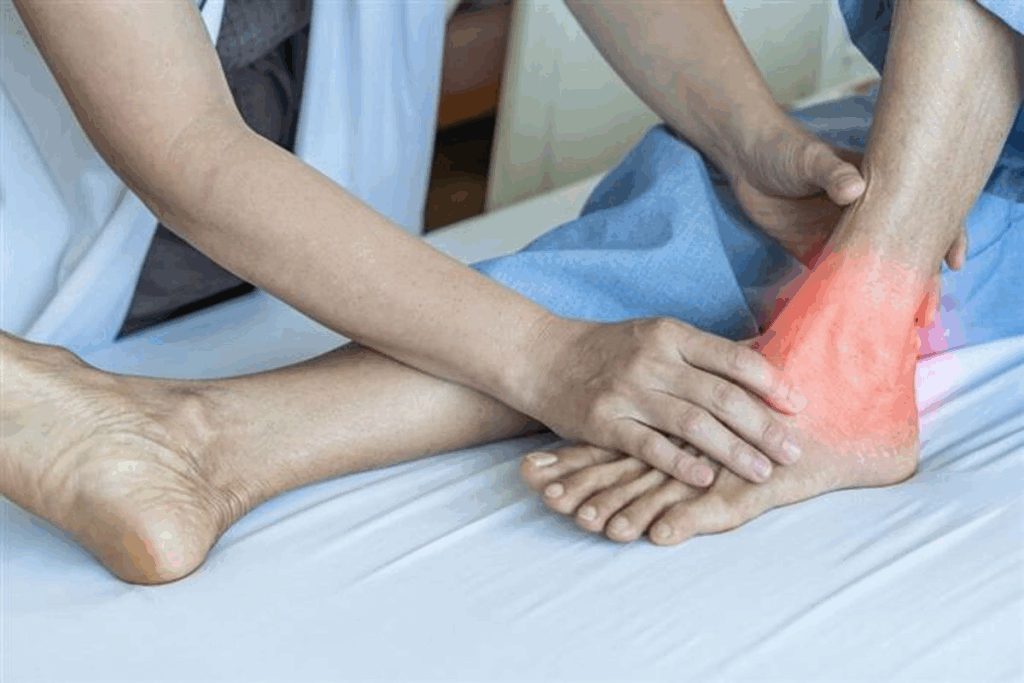
It’s key to know why ankle pain happens to treat it well and avoid future problems. Ankle pain can come from sudden injuries or long-term conditions.
Common Causes of Ankle Injuries and Pain
Ankle injuries are common in people who are active. The main reasons include:
- Sprains: Ligament sprains are the most common ankle injury. They happen during sports or activities that involve running or quick changes in direction.
- Strains: Muscle strains around the ankle can occur due to overstretching or sudden contraction.
- Overuse Injuries: Repetitive stress on the ankle joint can lead to overuse injuries, such as tendinitis.
These injuries can really affect how well you can move and your overall quality of life. So, getting the right diagnosis and treatment is very important.
The Prevalence of Ankle Problems in Active Populations

Ankle sprains are a big problem in active people. The numbers show that ankle injuries happen to about five to seven people per 1000 each year.
Population Group | Incidence Rate (per 1000 people/year) |
General Population | 2-3 |
Athletes | 5-7 |
Recreational Sports Participants | 3-5 |
The high number of ankle problems in active people shows how important it is to prevent injuries and have good treatment plans. This helps reduce the risk of injury and helps people recover faster.
The Anatomy of Ankle Stability and Function
Ankle stability and function come from its detailed anatomy. This includes bones, ligaments, and tendons working together. The ankle joint, or talocrural joint, is key for movement and supporting our weight.
Key Structures in the Ankle Complex
The ankle complex has bones, ligaments, tendons, and joints. Bones give it shape, ligaments keep it stable, and tendons help it move.
The tibia, fibula, and talus are the main bones. They work together to allow us to move our feet up and down.
Structure | Function |
Tibia and Fibula | Form the mortise, providing stability |
Talus | Articulates with the tibia and fibula, facilitating movement |
Ligaments (e.g., Anterior Talofibular Ligament) | Connect bones, providing stability |
Tendons (e.g., Achilles Tendon) | Connect muscles to bones, enabling movement |
How Ankle Mechanics Affect Movement and Pain
The way the ankle joint works is key for stability and movement. Problems with its mechanics can cause pain and injuries. For example, overpronation or supination can stress certain parts too much, leading to issues like tendonitis or sprains.
Knowing about ankle mechanics helps doctors diagnose and treat ankle problems. They can create plans to fix issues and ease pain by understanding how the ankle works.
In summary, the ankle’s anatomy is complex and vital for our movement and balance. By understanding its structures and mechanics, we can see why keeping our ankles healthy is so important.
Why Physiotherapy Exercises for Ankle Rehabilitation Work
Physiotherapy is proven to help with ankle injuries. It makes the ankle stronger, more flexible, and functional again.
Clinical Evidence Supporting Exercise-Based Recovery
Studies show that exercise-based recovery cuts down on pain and boosts function in ankle injury patients. The key is using physiotherapy exercises that fit the patient’s needs and injury level.
- Improved ankle stability and strength
- Enhanced proprioception and balance
- Better recovery outcomes compared to conventional treatments alone
Physiotherapy exercises lead to quicker healing and fewer re-injuries. This is because physiotherapy is tailored to each patient’s specific needs.
Comparing Physiotherapy to Conventional Treatments
Physiotherapy is more effective than just resting or taking medicine for ankle injuries. It tackles the injury’s root cause, not just the symptoms.
Treatment Approach | Recovery Time | Re-injury Rate |
Physiotherapy Exercises | Faster | Lower |
Conventional Treatments | Slower | Higher |
Adding physiotherapy exercises to a treatment plan leads to better results. Patients can get back to their lives sooner. The evidence shows physiotherapy is a top choice for ankle injury recovery.
When to Begin Ankle Strengthening After Injury
Knowing when to start ankle strengthening exercises after an injury is key for a good recovery. The right time depends on the injury’s type and how severe it is.
Recovery Timeline for Different Ankle Injuries
Ankle injury recovery times vary a lot. Mild sprains might need 2-4 weeks to heal. But, more serious injuries could take 8-12 weeks or even longer.
Injury Type | Typical Recovery Time | Indicators for Strengthening |
Mild Ankle Sprain | 2-4 weeks | Pain reduction, improved mobility |
Moderate Ankle Sprain | 4-6 weeks | Significant pain reduction, functional improvement |
Severe Ankle Sprain or Fracture | 8-12 weeks or more | Minimal pain, full or near-full mobility |
Signs Your Ankle Is Ready for Strengthening Exercises
Before starting ankle strengthening, make sure your ankle is ready. Look for reduced pain, improved mobility, and being able to bear weight without pain.
It’s important to progress slowly from rest to strengthening exercises. This slow start helps avoid re-injury and ensures a strong recovery.
Understanding recovery times and knowing when you’re ready helps start ankle strengthening safely. This approach speeds up and improves the healing process.
Essential Equipment for Effective Ankle Rehabilitation
Effective ankle rehabilitation needs the right tools. The right equipment makes exercises more effective and helps prevent injuries.
Basic Home Equipment for Ankle Exercises
Basic home equipment is very useful for ankle rehab. Some key items include:
- Resistance Bands: These are versatile and can be used for a variety of exercises to strengthen the ankle muscles.
- Balance Boards: Balance boards help improve balance and stability, which are key for ankle rehab.
- Ankle Weights: Adding weights to ankle exercises can increase the intensity and help strengthen the muscles around the ankle.
These tools are effective, affordable, and easy to find.
Optional Specialized Tools for Advanced Recovery
For advanced recovery or specific ankle injuries, specialized tools are needed. These include:
- Orthotics: Custom orthotics can provide support and correct biomechanical issues that may be causing ankle pain or instability.
- Shoe Modifications: In some cases, modifying footwear, like adding specific insoles or changing the shoe’s structure, can aid in recovery.
- Physical Therapy Modalities: Tools like electrical stimulation units or ultrasound devices can be used under a physical therapist’s guidance to enhance recovery.
It’s important to talk to a healthcare professional to find the best equipment for your needs.
Using the right equipment in an ankle rehab program can improve recovery and lower the risk of future injuries.
Preparing Your Ankles for Strengthening Exercises
To make sure your ankle strengthening goes well, getting ready is important. You need to know about warm-ups and setting up the right place for your exercises.
Proper Warm-Up Techniques for Ankle Safety
Before starting ankle exercises, warming up is a must. A good warm-up gets blood flowing to muscles, tendons, and ligaments. This makes them ready for the exercises ahead. Gentle movements and stretches are key to a good warm-up.
Begin with simple ankle rotations to loosen the joint. Then, do gentle toe raises and calf stretches. This gets your ankles ready for more challenging exercises.
Creating an Optimal Exercise Environment
Having a safe and comfy spot for your ankle exercises is as important as the exercises. Make sure you have a clear, non-slippery area for your exercises. This keeps you safe and focused.
Listening to your body is key; stop if you feel pain. Having the right equipment, like resistance bands or a balance board, nearby is also helpful.
- Clear a safe space for exercising
- Use non-slippery flooring
- Keep necessary equipment handy
- Minimize distractions
By following these tips, you can set up the best environment for your ankle exercises. This will help you on your way to reaching your goals.
10 Physiotherapy Exercises for Ankle Strengthening and Pain Relief
Strengthening your ankles is key to avoiding injuries and easing pain. We’ll look at 10 effective physiotherapy exercises to do this. These exercises boost ankle stability, strength, and flexibility. They help people recover from ankle injuries and keep their ankles healthy long-term.
1. Ankle Alphabet for Improved Mobility
The ankle alphabet exercise makes your ankles more mobile and flexible. Sit with your leg out in front and lift your foot. Move your toes to trace the alphabet from A to Z. Do this 3-5 times.
2. Towel Scrunches for Intrinsic Foot Strength
Towel scrunches strengthen the foot’s intrinsic muscles. Place a towel on the floor and scrunch it with your toes. Release and repeat 10-15 times. You can do this while sitting or standing, as you prefer.
3. Heel and Calf Raises for Posterior Strength
Heel and calf raises work the lower leg’s posterior muscles. Stand on a stair’s edge with your heels off. Lift onto your tiptoes and then lower back down. Do this 10-15 times.
4. Resistance Band Dorsiflexion and Eversion
Resistance band exercises are great for ankle muscle strength. For dorsiflexion, wrap the band around a stable object and your foot. Lift your foot up against the resistance. For eversion, wrap the band around your foot and pull it outward. Do 10-15 reps for each.
These are just a few of the 10 physiotherapy exercises we’ll cover. The others include single-leg balancing, ankle circles, toe spreads, heel walks, toe curls, and marble pickups. Each targets different aspects of ankle function and strength, making a complete rehabilitation program.
Creating a Progressive Ankle Rehabilitation Program
Creating a rehabilitation plan that fits your needs is key for ankle recovery. A good program starts with simple exercises and gets harder as you get stronger. This helps your ankle keep getting better and stronger.
Everyone’s recovery is different. So, your program should be flexible and change as needed. The goal is to keep getting better by slowly increasing the challenge.
Beginner’s 4-Week Schedule
For newbies, a 4-week beginner’s plan is a good start. It uses easy exercises to help you move better and get stronger without hurting your ankle.
- Week 1-2: Start with simple ankle circles and toe raises.
- Week 3-4: Add resistance band exercises to strengthen your ankle.
Intermediate 4-Week Progression
After the first phase, move to an intermediate 4-week plan. This part gets tougher to build more strength and stability in your ankle.
- Week 1-2: Keep using resistance bands but make them harder.
- Week 3-4: Try single-leg balance and heel-to-toe walking.
Advanced Strengthening Protocol
For those who’ve done well, an advanced program is next. It’s meant to boost your ankle strength and get you ready for sports or daily activities.
The advanced program includes:
- High-intensity resistance band exercises.
- Plyometric exercises like jump squats and box jumps.
- Agility drills for quick direction changes.
By sticking to a progressive program, you can recover well and avoid future injuries.
Tracking Recovery and Adjusting Your Exercise Approach
As you move forward in your ankle rehab, it’s key to watch your progress and tweak your workouts. Keeping an eye on how your ankle feels and moves helps you see if your exercises are working.
Measuring Improvement in Ankle Function
To see if you’re getting better, check your pain and how well you can move. Regular self-assessment means using a pain scale and doing simple moves like toe raises or ankle rotations to see if you’re getting stronger.
Also, do functional tests like single-leg balances or heel walks to see if your ankle is getting stronger and more stable.
When and How to Modify Your Exercise Program
If you’re feeling better, it might be time to make your exercises harder. But if you’re feeling more pain, you might need to make them easier.
Changing your workout should depend on how you’re doing and how your ankle feels. Keeping a log of your workouts and progress can help you make the right changes.
By keeping track of your recovery and adjusting your workouts as needed, you can make sure your ankle rehab is working well and safely.
Preventing Recurrent Ankle Injuries Through Maintenance
Strengthening and keeping your ankles healthy can lower the chance of future injuries. Simple daily habits and protective steps during exercise can help keep your ankles safe for a long time.
Daily Habits for Long-Term Ankle Health
It’s important to have daily habits for healthy ankles. Doing ankle exercises like mobilization and strengthening can really help. Ankle mobilization means gently moving your ankle to keep it flexible.
Doing strengthening exercises is another good habit. Calf raises and toe curls are easy to do at home. They help strengthen the muscles around your ankle.
“Consistency is key when it comes to ankle maintenance. Regular exercises can help prevent injuries and improve overall ankle function.” Medical Expert, Orthopedic Specialist
Exercise | Frequency | Benefits |
Ankle Mobilization | Daily | Improves flexibility |
Calf Raises | 3 times a week | Strengthens calf muscles |
Toe Curls | 3 times a week | Strengthens toe and foot muscles |
Protective Strategies During Physical Activity
Using ankle supports during exercise can add stability and protection. It’s also key to wear the right footwear. It should support and cushion your ankles well.
Being careful of your surroundings and avoiding uneven surfaces can also prevent ankle injuries. Proper training and learning to fall correctly can also lower injury risk during sports or other activities.
By combining daily habits with protective steps during exercise, you can greatly lower the risk of ankle injuries. This helps keep your ankles healthy for a long time.
Conclusion
Ankle strengthening is key for recovery and keeping your ankles healthy. We’ve shown how important physiotherapy exercises are for pain relief and stability. Adding these exercises to your daily routine can greatly improve your ankle’s function and lower injury risks.
Physiotherapy exercises are essential for ankle rehab. They help strengthen the muscles around your ankle. It’s important to keep doing these exercises to keep your ankles healthy long-term.
Sticking to a regular exercise plan and using protective measures during activities can help keep your ankles strong. With consistent effort and a good physiotherapy program, you can achieve strong ankles and better mobility.
FAQ
What are the most common causes of ankle pain?
Ankle pain often comes from sprains, strains, and overuse. These issues are common in people who are active. Knowing the causes helps in finding the right treatment.
How do physiotherapy exercises help in ankle rehabilitation?
Physiotherapy exercises are key in ankle recovery. They make the ankle stronger and more stable. This reduces pain and prevents injuries. Studies show that exercise helps a lot in getting better.
What are the key structures in the ankle complex?
The ankle complex includes bones, ligaments, and tendons. These work together to keep the ankle stable and help it move. Problems with how the ankle works can cause pain and injuries.
When should I start strengthening exercises after an ankle injury?
When to start strengthening exercises depends on the injury’s severity. Once pain and mobility improve, and the ankle is stable, it’s time to start strengthening.
What equipment do I need for ankle rehabilitation exercises?
You can use simple home tools like resistance bands and balance boards for ankle exercises. For more advanced recovery, you might need orthotics and special shoes.
How do I create a progressive ankle rehabilitation program?
A good ankle rehab program gets more challenging over time. It starts with easy exercises and gets harder. There are plans for beginners, intermediate, and advanced levels.
How do I track my recovery and adjust my exercise approach?
Track your recovery by checking how well your ankle works and how much pain you have. Change your exercises based on how you’re doing and what you want to achieve.
What are some daily habits for maintaining long-term ankle health?
Keep your ankles healthy with daily exercises and mobilization. Wear supports and the right shoes when you’re active. These habits help a lot.
What are some effective exercises for strengthening ankles?
Good exercises for ankles include the ankle alphabet, towel scrunches, and heel raises. Resistance band exercises also work well. They help make your ankles stronger and more stable.
How can I prevent recurrent ankle injuries?
To avoid ankle injuries, keep up with maintenance and prevention. This includes daily habits and using protective gear when you’re active.
What are the benefits of physiotherapy for ankle pain?
Physiotherapy for ankle pain has many benefits. It improves stability and strength, reduces pain, and prevents injuries. A good exercise plan can greatly reduce pain and improve mobility.
How do I know if I need to modify my exercise program?
If you’re in pain, moving less, or not getting better, it’s time to change your exercises. Adjust your routine to fit your needs and progress.
Can I do ankle exercises at home?
Yes, you can do many ankle exercises at home. Use simple tools like resistance bands and balance boards. Make sure to do the exercises right and safely.
References
National Center for Biotechnology Information. Evidence-Based Medical Guidance. Retrieved from https://www.ncbi.nlm.nih.gov/pmc/articles/PMC5447210/