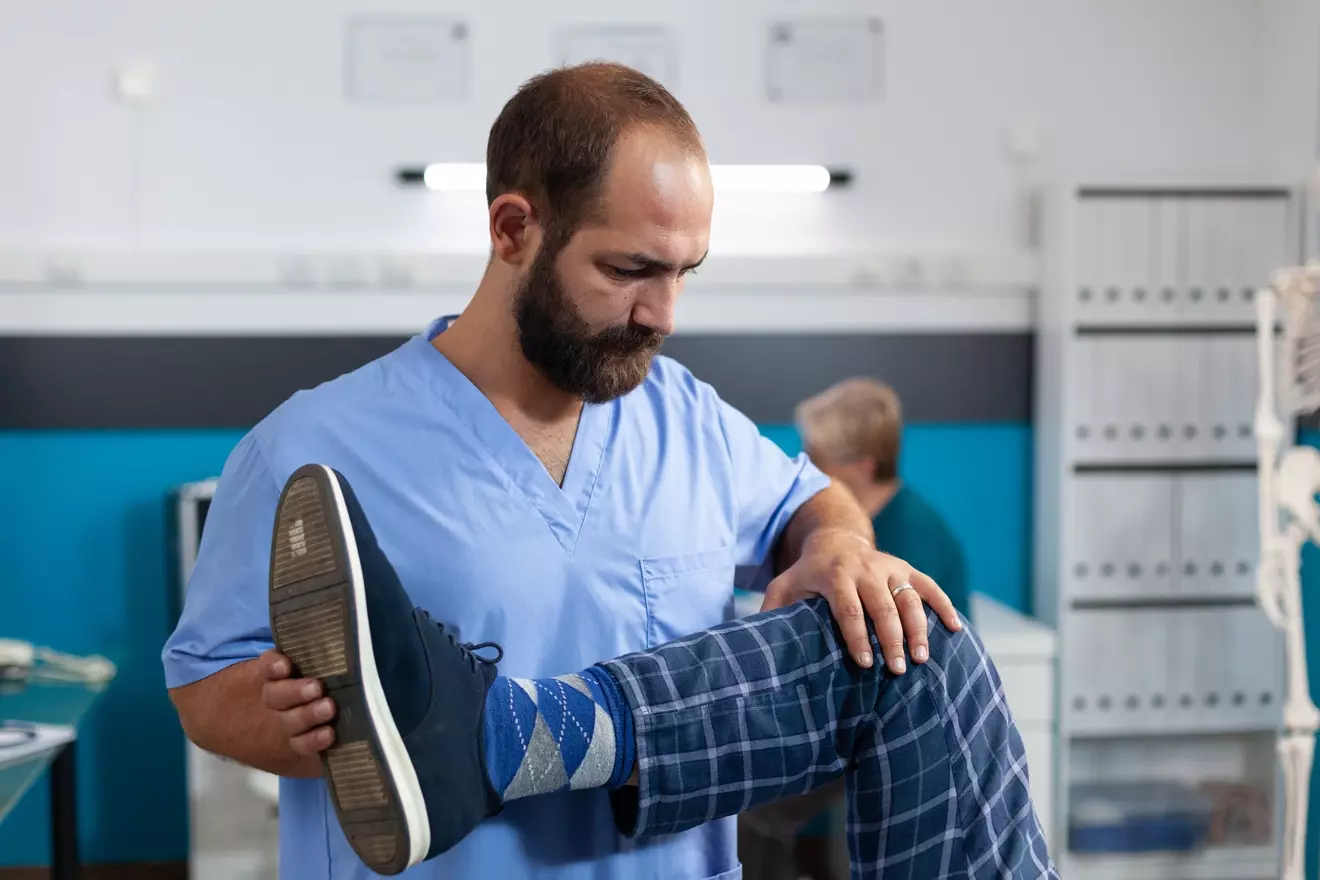
Choosing to have hip replacement surgery is a big decision. Knowing what to expect during recovery is key.
At Liv Hospital, we use an anterior approach. This method is less invasive, entering the hip from the front. It might mean less pain and a quicker recovery.
Our patients start healing quickly, often within days. They can become independent again in two to four weeks. We help you understand the 7 main stages of anterior hip replacement recovery. This way, you know what to expect on your path to full recovery.
Key Takeaways
- Faster recovery times compared to traditional hip replacement methods
- Minimally invasive anterior approach reduces tissue damage
- Initial healing starts within days after surgery
- Most patients regain independence within two to four weeks
- Personalized care and guidance throughout the recovery process
Understanding Anterior Hip Replacement

The anterior approach to hip replacement surgery is becoming more popular. It’s known for being less invasive and allowing for quicker recovery. This method accesses the hip from the front, unlike other approaches.
What Makes the Anterior Approach Different
The anterior approach stands out because it’s a minimally invasive technique. It accesses the hip from the front. This can lead to less muscle damage and trauma to the surrounding tissue.
Surgeons need to know the hip anatomy well to perform this method. It can result in less pain after surgery and a quicker return to normal activities. This aligns with the goal of minimally invasive hip replacement recovery time optimization.
Benefits of the Minimally Invasive Technique
The benefits of anterior hip replacement are many. They come from its minimally invasive nature. Some key advantages include:
- Reduced muscle damage due to the anterior approach
- Less post-operative pain
- Faster recovery times compared to traditional hip replacement methods
- Smaller incisions, potentially leading to less scarring
- Quicker return to normal activities and daily routines
Understanding these benefits helps patients know what to expect during recovery. After anterior hip replacement, patients often start standing and walking with help right away. They can progress to more normal activities by 4-6 weeks. This anterior minimally invasive hip replacement technique aims to minimize disruption and promote a smoother, faster recovery.
Anterior Hip Replacement Recovery Time vs. Traditional Approaches
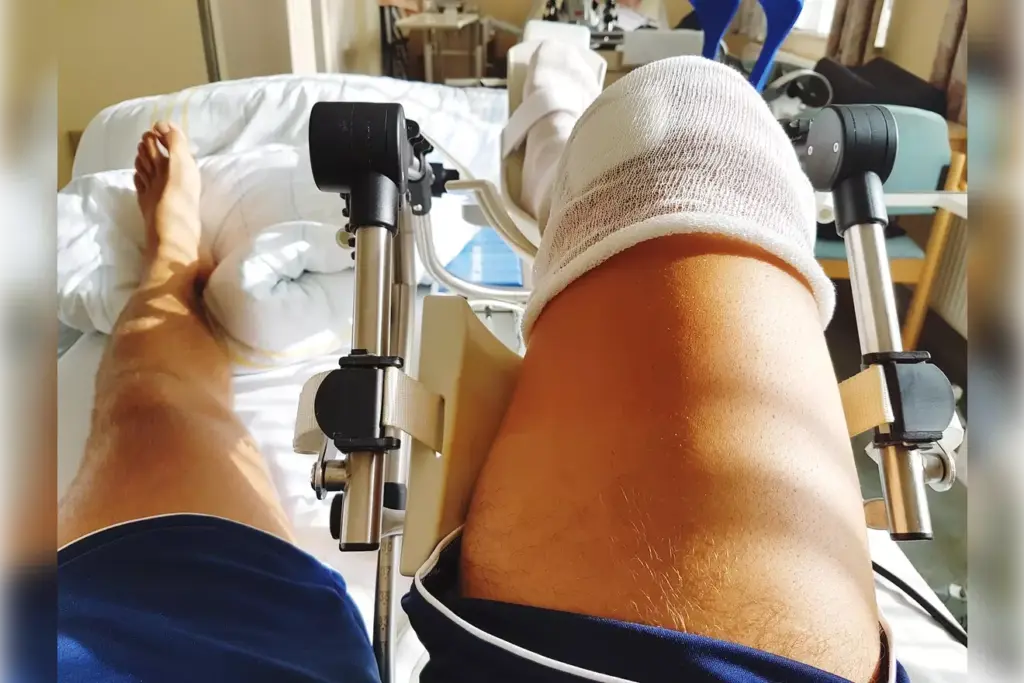
It’s important to know how recovery times differ between anterior hip replacement and traditional methods. The anterior approach is known for being less invasive. This leads to quicker recovery times and less pain after surgery compared to traditional methods.
Timeline Comparison Between Approaches
Research shows that anterior hip replacement leads to faster recovery and less pain after surgery. Here’s a comparison of recovery times between anterior and traditional hip replacement methods.
| Recovery Milestone | Anterior Hip Replacement | Traditional Hip Replacement |
|---|---|---|
| Return to walking without assistance | 1-3 weeks | 4-6 weeks |
| Discomfort level during recovery | Mild to moderate | Moderate to severe |
| Resumption of normal activities | 4-8 weeks | 8-12 weeks |
Why Recovery Is Typically Faster
The anterior approach is minimally invasive, causing less muscle damage than traditional methods. This leads to less post-operative pain and a quicker return to normal activities. Patients often see rapid improvement in mobility thanks to this technique.
Patient Experience Differences
Patient experiences can vary, but most find anterior hip replacement recovery smoother and more comfortable. This is because muscles and tendons around the hip are preserved, a key feature of the anterior approach.
Preparing for Your Anterior Hip Replacement Surgery
Getting ready for anterior hip replacement surgery is important. It helps ensure a smooth recovery. Knowing what to expect and how to prepare can reduce risks and improve recovery.
Pre-Surgery Consultations and Tests
Before surgery, patients go through several steps. These steps check their health and readiness for the procedure. Pre-surgery consultations look at the patient’s medical history and physical condition. This includes blood tests and imaging to spot any risks.
Patients should talk about their medications and allergies during these meetings. It’s also a chance to ask about recovery.
| Test/Consultation | Purpose |
|---|---|
| Blood Tests | To check for any underlying conditions that could affect surgery or recovery. |
| Imaging Studies (X-rays, MRI) | To assess the condition of the hip joint and surrounding tissues. |
| Physical Examination | To evaluate the patient’s overall physical condition and identify any possible risks. |
Home Modifications for a Smoother Recovery
Changing your home can help your recovery. Patients should make their homes safer and easier to move around. This means installing handrails and removing hazards.
Also, prepare a recovery area with pillows, blankets, and entertainment. This makes it easier to rest and relax.
What to Bring to the Hospital
When you go to the hospital, bring important items. These items help keep you comfortable and safe. You’ll need:
- Comfortable clothing
- Personal care items (toothbrush, hairbrush, etc.)
- Insurance information and identification
- Any necessary medications
Being prepared and knowing what to expect can greatly improve your recovery from anterior hip replacement surgery.
The Surgery Process: What Happens During an Anterior Hip Replacement
Learning about anterior hip replacement surgery can make patients feel less anxious. This surgery is complex but follows several important steps for a good outcome.
How Long Does Anterior Hip Replacement Surgery Take
Anterior hip replacement surgery usually lasts between 60 to 90 minutes. This short time is a big plus of the anterior approach. It leads to less tissue damage and quicker recovery times. The surgery’s length can vary based on the patient’s health, the case’s complexity, and the surgeon’s skill.
Anesthesia Options and Considerations
Anesthesia choices are made to keep patients comfortable and safe during anterior hip replacement surgery. The most common types are:
- Regional anesthesia: This numbs the lower body, reducing pain during and after surgery.
- General anesthesia: This makes the patient unconscious during the procedure.
The right choice depends on the patient’s health, preferences, and the anesthesiologist’s advice.
Surgical Technique and Muscle Preservation
The anterior hip replacement technique aims to protect muscles. It uses a small incision at the front of the hip. This way, surgeons can replace the damaged joint with an artificial one while keeping the muscles intact. This method leads to less pain and faster recovery times.
| Aspect | Anterior Hip Replacement | Traditional Hip Replacement |
|---|---|---|
| Surgery Time | 60-90 minutes | 90-120 minutes |
| Incision Location | Front of the hip | Side or back of the hip |
| Muscle Damage | Minimal | More extensive |
| Recovery Time | Faster | Slower |
The table shows the main differences between anterior and traditional hip replacement. It points out the benefits of the anterior approach, like shorter surgery time, less muscle damage, and quicker recovery.
Stage 1: Immediate Post-Surgery Recovery (Day 0-1)
The first day after anterior hip replacement surgery is key for a smooth recovery. Patients are watched closely for any issues. They start their recovery journey.
First 24 Hours After Surgery
In the first 24 hours, patients need to rest and recover from anesthesia. Early mobility efforts are vital to avoid blood clots and aid healing. We make sure patients are comfortable and supported.
Patients start standing and walking with help on the day of surgery or the next day. This helps regain strength and improve blood flow.
Early Mobility Efforts
Early movement is a big part of recovery. Patients are helped to stand and walk soon after surgery. This prevents problems and helps with joint mobility.
We encourage patients to do gentle exercises to keep flexibility and strength. These exercises are tailored to each patient’s comfort and ability. This ensures a safe and effective recovery.
Pain Management Strategies
Managing pain is key for a comfortable recovery. We use various methods, like medication and alternative therapies. Our aim is to reduce pain while keeping mobility and function high.
| Pain Management Method | Description | Benefits |
|---|---|---|
| Medication | Use of prescribed pain relief medication | Effective pain reduction |
| Cold Therapy | Application of cold packs to reduce swelling | Reduces inflammation and pain |
| Physical Therapy | Gentle exercises to improve mobility | Enhances recovery and strength |
By using these methods, we help patients recover with less pain and better results.
Stage 2: Hospital Stay and Discharge (Days 1-3)
The hospital stay after anterior hip replacement is key. It’s where patients start their recovery. Our team provides the care needed for a smooth transition to home.
Physical Therapy in the Hospital
Physical therapy starts early in the hospital. Our physical therapists create a personalized exercise plan for each patient. This helps improve outcomes and lowers the risk of complications.
We encourage patients to move as soon as they can after surgery. Gentle exercises help prevent stiffness and aid in healing. Our team supports patients, making sure they feel comfortable and confident.
Criteria for Discharge
Before leaving the hospital, patients must meet certain criteria. These include:
- Ability to walk with assistance
- Manageable pain levels
- Adequate understanding of post-operative care instructions
- Arrangements for follow-up care
Our healthcare team checks each patient’s progress. We give clear instructions on home care, including pain management and exercises.
Minimally Invasive Hip Replacement Recovery Time Advantages
The anterior approach to hip replacement is minimally invasive. This leads to a shorter hospital stay and faster recovery. It involves smaller incisions and less muscle disruption, causing less tissue trauma and quicker healing.
| Recovery Aspect | Minimally Invasive Anterior Approach | Traditional Approaches |
|---|---|---|
| Hospital Stay | Typically 1-3 days | Often 3-5 days or more |
| Pain Levels | Generally lower due to less tissue trauma | Can be higher due to larger incisions and more muscle disruption |
| Recovery Time | Faster return to normal activities | Longer recovery period |
Using the minimally invasive anterior approach improves recovery. It shortens hospital stays and makes recovery faster and more comfortable.
Stage 3: First Week at Home (Days 3-10)
The first week after anterior hip replacement surgery is key. You need to plan carefully and pay attention to details. Make sure your home is safe and comfortable for a smooth recovery.
Setting Up Your Recovery Environment
Creating a safe space at home is important. Here are some tips:
- Clear clutter and tripping hazards from walkways
- Install handrails in bathrooms and stairways
- Use a shower chair or bench to prevent falls
- Keep important items within reach to avoid bending
Daily Activities and Limitations
Be careful with your daily activities in the first week. Here’s what to do:
- Avoid bending, lifting, or twisting to protect your hip
- Use walkers or canes for support
- Take breaks to rest and elevate your legs
- Slowly increase your activity as you feel more comfortable
Warning Signs to Watch For
Watch for warning signs while recovering at home. Contact your doctor if you notice:
- Increased pain or swelling
- Redness, warmth, or drainage from the surgical site
- Fever or chills
- Difficulty controlling bowel or bladder functions
Day-by-Day Recovery Expectations
Here’s what you can expect in the first week:
| Day | Expected Progress | Activities |
|---|---|---|
| 3-4 | Reduced pain, improved mobility | Short walks, gentle stretching |
| 5-6 | Increased strength, better balance | More extensive walks, light exercises |
| 7-10 | Enhanced independence, reduced swelling | Daily activities with more confidence, gradual return to normal routines |
Knowing what to expect and being aware of your recovery environment and activities will help you navigate this important phase confidently.
Stage 4: Building Strength and Mobility (Weeks 2-4)
Weeks 2-4 after anterior hip replacement surgery focus on building strength and improving mobility. Patients see big improvements in doing daily activities.
Physical Therapy Progression
Physical therapy is key in recovery. We move to harder exercises to boost strength and mobility. Our physical therapists adjust therapy to fit each patient’s needs.
Key exercises during this stage may include:
- Resistance band exercises to improve hip strength
- Balance training to reduce the risk of falls
- Progressive weight-bearing exercises to enhance bone density
- Flexibility exercises to maintain or improve range of motion
Regaining Independence
As strength and mobility grow, patients gain more independence. We guide them to do daily tasks like bathing and light housekeeping.
Typical Milestones During This Period
Weeks 2-4 bring several milestones. These include:
| Milestone | Typical Timeline |
|---|---|
| Walking without assistance | Weeks 2-3 |
| Climbing stairs | Weeks 3-4 |
| Performing light household chores | Weeks 3-4 |
Managing Discomfort and Swelling
Even with progress, some discomfort and swelling may remain. Following pain management advice is key. Elevating the leg, using ice packs, and taking meds can help.
It’s vital to keep talking to your healthcare team as you progress. This way, you can overcome any hurdles and get back to your usual activities with confidence.
Stage 5: Returning to Normal Activities (Weeks 4-6)
Weeks 4-6 are key in the recovery after anterior hip replacement. People start to do their usual activities again. They get stronger and move better, making daily tasks easier.
Safe Activities to Resume
Patients can now do things they couldn’t before. Low-impact exercises like walking, swimming, or cycling are good. They keep the heart healthy without harming the new hip.
It’s important to slowly add more activities. Avoid hard activities like running or jumping. They can hurt the hip too soon.
Driving After Anterior Hip Replacement
Driving is something patients can’t wait to do again. When they can drive depends on how well they recover. It also depends on if they drive an automatic or manual car.
Most can drive again in 4-6 weeks. But, they must be able to react fast and control the car well. They also need to feel comfortable with driving movements.
Work Return Timeline
When to go back to work varies. It depends on the job and how fast someone recovers. Desk jobs usually allow for an early return, in 4-6 weeks. Jobs that need a lot of lifting or bending take longer, sometimes up to 3 months.
Household Responsibilities
As strength and mobility improve, patients can do more at home. Start with easy tasks like cooking or laundry. Avoid heavy lifting or bending.
By weeks 4-6, most can handle their daily tasks better. This is a big step towards getting back to normal.
Stage 6: Bone Integration and Healing (Weeks 6-12)
Weeks 6-12 after anterior hip replacement surgery are key for bone integration. This process is vital for the surgery’s success. During this time, patients see improvements in strength and mobility, helping them recover fully.
Muscle Reattachment and Healing
During the surgery, muscles are carefully reattached or repaired. This helps with healing and stability. The anterior approach is less invasive, leading to less muscle damage and faster healing.
Healing Time for Anterior Hip Replacement
The healing time for anterior hip replacement is about 6-8 weeks for bone integration. Strength gains continue up to a year. It’s important for patients to be patient and follow their rehabilitation plan for the best results.
| Recovery Milestone | Typical Timeline | Activities |
|---|---|---|
| Bone Integration Begins | 6-8 weeks | Gradual increase in physical activities |
| Significant Strength Gains | 8-12 weeks | Progressive physical therapy, low-impact exercises |
Activity Expansion
As bone integration improves, patients can do more activities. This includes progressive physical therapy, low-impact cardio, and more strenuous activities. It’s important to follow healthcare professionals’ advice to avoid overdoing it.
Addressing Slow or Painful Recovery
If recovery is slow or painful, it’s important to talk to healthcare providers. They can offer guidance or adjust the treatment plan. Early intervention can greatly improve recovery outcomes.
Understanding bone integration and healing helps patients navigate Stage 6 of their recovery. This sets them up for long-term success.
Stage 7: Long-Term Recovery and Full Function (3-12 Months)
Recovery after anterior hip replacement takes time. It involves getting stronger and maybe even doing high-impact activities again. Patients often see big improvements, getting back to how they were before surgery.
Returning to Sports and High-Impact Activities
Getting back to sports and high-impact activities is exciting. But, it’s important to do it carefully. Always follow a healthcare provider’s advice to make sure your hip is ready.
Before jumping into high-impact activities, check your hip’s condition. A physical therapist can help with a.
Ongoing Strength Development
Keeping your hip strong is key. Regular exercise and physical therapy are important. They help keep your hip flexible and strong, preventing problems and improving function.
What “Full Recovery” Looks Like
What “full recovery” means can vary. For some, it’s going back to pre-surgery activities. For others, it’s finding new ways to do things. Generally, it means no pain and being able to do what you want easily.
Long-Term Hip Health Maintenance
Keeping your hip healthy long-term is vital. This includes regular check-ups, exercise, and maybe changing your lifestyle. Watch for signs of problems and talk to your doctor if you notice anything.
By focusing on these areas, you can have a successful recovery. This means better function and a better quality of life.
Conclusion: The Anterior Hip Replacement Recovery Advantage
The anterior hip replacement method has many benefits. It leads to a faster recovery and less pain after surgery. Studies show that patients recover faster and feel less pain compared to traditional methods.
Knowing what to expect during recovery helps patients prepare well. We’ve outlined the 7 key stages of recovery. This includes everything from right after surgery to long-term recovery and full function.
Anterior hip replacement is appealing because it reduces recovery time and pain. With a good recovery plan, patients can have a successful outcome. They can enjoy the benefits of anterior hip replacement sooner.
FAQ
What is the typical recovery time for anterior hip replacement surgery?
Recovery from anterior hip replacement surgery is usually quicker. Patients start healing in days. They can regain independence in two to four weeks.
How long does anterior hip replacement surgery take?
The surgery usually lasts about 60-90 minutes.
What are the benefits of the anterior approach in hip replacement surgery?
The anterior approach is less invasive. It causes less tissue damage. This can lead to less pain and a faster recovery.
How does the anterior hip replacement recovery compare to traditional approaches?
The anterior approach leads to a faster recovery. Patients often feel less pain and can return to normal activities sooner.
What can I expect during the immediate post-surgery recovery period?
Patients are encouraged to stand and walk with help soon after surgery. Early movement helps prevent complications and aids in healing.
How long is the hospital stay after anterior hip replacement surgery?
Hospital stays are usually a few days. Physical therapy is key during this time to help patients regain strength and mobility.
What are the guidelines for daily activities during the first week at home?
Patients need to know their limits and follow guidelines to avoid complications. This includes setting up a safe recovery space and understanding what activities to avoid.
How are muscles reattached after hip replacement surgery?
During surgery, muscles are preserved and reattached to minimize disruption. This helps in promoting healing.
What is the healing time for anterior hip replacement, and what can I expect during this period?
Healing times vary, but most patients see progress between weeks 6-12. They continue to improve in strength and mobility.
When can I return to sports and high-impact activities after anterior hip replacement surgery?
Patients can usually return to sports and high-impact activities within 3-12 months after surgery.
How can I maintain long-term hip health after anterior hip replacement surgery?
Keeping strength and mobility up is key. Ongoing exercise and physical therapy help ensure long-term hip health.
What constitutes “full recovery” after anterior hip replacement surgery?
Full recovery means ongoing improvement and possibly returning to high-impact activities. Patients maintain strength and mobility through exercise and physical therapy.
What is the typical recovery time for anterior hip replacement surgery?
Recovery from anterior hip replacement surgery is usually quicker. Patients start healing in days. They can regain independence in two to four weeks.
How long does anterior hip replacement surgery take?
The surgery usually lasts about 60-90 minutes.
What are the benefits of the anterior approach in hip replacement surgery?
The anterior approach is less invasive. It causes less tissue damage. This can lead to less pain and a faster recovery.
How does the anterior hip replacement recovery compare to traditional approaches?
The anterior approach leads to a faster recovery. Patients often feel less pain and can return to normal activities sooner.
What can I expect during the immediate post-surgery recovery period?
Patients are encouraged to stand and walk with help soon after surgery. Early movement helps prevent complications and aids in healing.
How long is the hospital stay after anterior hip replacement surgery?
Hospital stays are usually a few days. Physical therapy is key during this time to help patients regain strength and mobility.
What are the guidelines for daily activities during the first week at home?
Patients need to know their limits and follow guidelines to avoid complications. This includes setting up a safe recovery space and understanding what activities to avoid.
How are muscles reattached after hip replacement surgery?
During surgery, muscles are preserved and reattached to minimize disruption. This helps in promoting healing.
What is the healing time for anterior hip replacement, and what can I expect during this period?
Healing times vary, but most patients see progress between weeks 6-12. They continue to improve in strength and mobility.
When can I return to sports and high-impact activities after anterior hip replacement surgery?
Patients can usually return to sports and high-impact activities within 3-12 months after surgery.
How can I maintain long-term hip health after anterior hip replacement surgery?
Keeping strength and mobility up is key. Ongoing exercise and physical therapy help ensure long-term hip health.
What constitutes “full recovery” after anterior hip replacement surgery?
Full recovery means ongoing improvement and possibly returning to high-impact activities. Patients maintain strength and mobility through exercise and physical therapy.
References
- Frisch Orthopaedics. Post‑Surgery Rehabilitation: What to Expect After a Direct Anterior Hip Replacement. Retrieved from https://www.frischortho.com/blog/post‑surgery‑rehabilitation‑what‑to‑expect‑after‑a‑direct‑anterior‑hip‑replacement‑44390.html
- David Slattery. Anterior Hip Replacement Recovery. Retrieved from https://davidslattery.com/anterior-hip-replacement-recovery
- Jason Snibbe, MD. Hip Replacement Recovery Time. Retrieved from https://www.drjasonsnibbe.com/blog/hip-replacement-recovery-time
- Joint Replacement Center Scottsdale. What to Expect After Anterior Hip Replacement. Retrieved from https://jointreplacementcenterscottsdale.com/blog/what-to-expect-after-anterior-hip-replacement
- AnteriorHip.net.au. Patient Info: Anterior Hip Replacement. Retrieved from https://www.anteriorhip.net.au/patient-info/anterior-hip-replacement