
Choosing to have hip replacement surgery is a big step. Knowing what to expect during recovery is key. At Liv Hospital, we’re here to help you through every step with care and knowledge.
Patients often start with light activities 1-2 days after surgery. They then move to walking on their own within the first week. Our team starts early physical therapy, sometimes right after surgery, to help you heal smoothly.
We’ll show you the 8 main steps of anterior hip replacement recovery. You’ll learn what to expect at each stage. Our aim is to give you the tools to manage your recovery journey well.
Key Takeaways
- Early physical therapy starts within 24-48 hours post-surgery.
- Light activity begins within 1-2 days after surgery.
- Unassisted walking is typically achieved within the first week.
- Liv Hospital provides personalized care and support throughout the recovery process.
- Understanding the recovery timeline helps patients manage expectations.
Understanding Anterior Hip Replacement Surgery

Anterior hip replacement surgery is becoming more popular. It uses a muscle-sparing technique. This can mean less pain and a quicker recovery.
What Makes the Anterior Approach Different
The anterior approach to hip replacement surgery is special. It’s a muscle-sparing technique. This means the surgery goes through an interval between muscles, not cutting them.
This can cause less tissue damage and trauma to muscles. It might lead to a smoother and faster recovery.
Surgeons access the hip joint from the front. This avoids detaching muscles from the bone. It’s a method that needs special training and equipment but offers big benefits for patients.
Benefits for Recovery and Mobility
The anterior hip replacement surgery has many benefits for recovery and mobility. Patients often feel less pain after surgery because of less muscle damage. Also, they can start moving and bearing weight on their new hip sooner.
Some key benefits include:
- Reduced risk of dislocation due to the more natural positioning of the hip components
- Less post-operative pain
- Faster recovery times
- Improved range of motion
Overall, the anterior approach to hip replacement surgery is a big step forward in orthopedic care. It offers patients a potentially faster and less painful recovery path.
Preparing for Your Recovery Journey
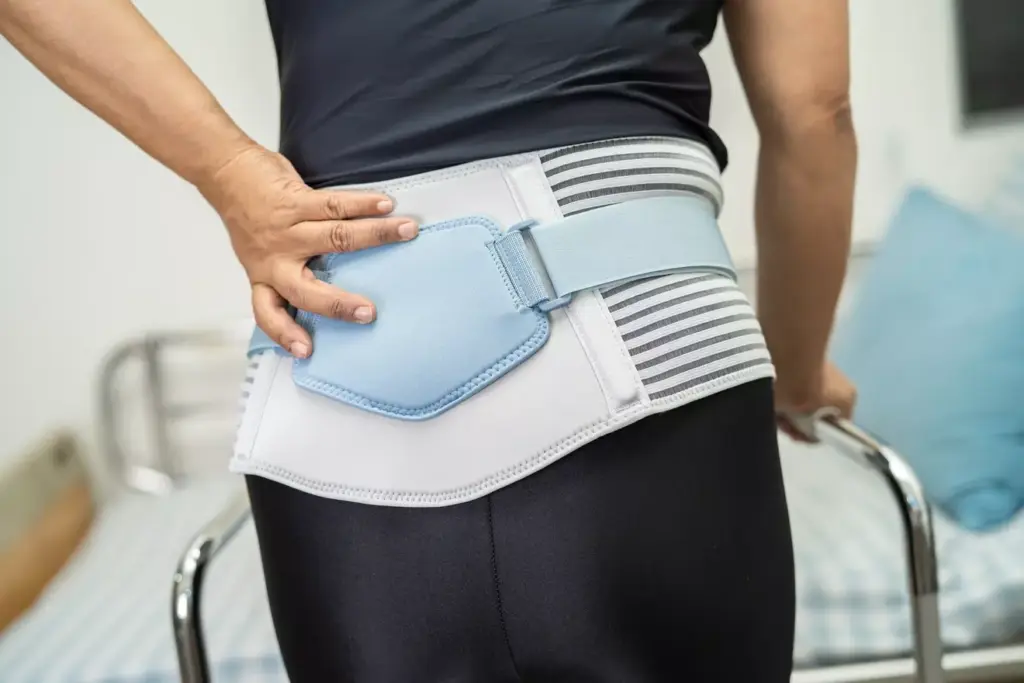
The journey to recovery from anterior hip replacement surgery starts before the surgery. Being well-prepared helps you face recovery challenges and get the best results.
Home Modifications Before Surgery
Modifying your home is a key step in preparing for recovery. Make sure your home is safe and easy to move around in. Clear paths of tripping hazards, secure rugs, and keep items you use often within reach.
Here are some home modifications to consider:
- Install handrails in places like bathrooms and stairways.
- Improve lighting, so you can see well in dark areas.
- Move furniture to make paths clear and reduce clutter.
Essential Recovery Items
Having the right items can make your recovery more comfortable. Essential items include:
- Wear comfortable, easy-to-move-in clothing.
- Use walkers or canes for better mobility.
- Use pillows and cushions for support when resting.
Here’s a table of key recovery items and their benefits:
| Item | Benefit |
|---|---|
| Walker or Cane | Helps with moving and reduces hip strain. |
| Comfortable Clothing | Makes dressing easier and reduces discomfort. |
| Pillows and Cushions | Supports your body and makes resting more comfortable. |
Setting Realistic Expectations
Knowing what to expect during recovery can help manage your expectations. It’s important to have realistic goals and timelines. Understanding the typical anterior hip replacement recovery time is key.
Recovery times vary, but most follow a general timeline. This includes:
- Initial recovery phase (0-6 weeks): Focus on healing and basic mobility.
- Progressive strengthening phase (6-12 weeks): Increase activity and strengthen the hip.
- Advanced rehabilitation phase (3-6 months): Return to strenuous activities and achieve full recovery.
By preparing your home, getting essential items, and setting realistic expectations, you can improve your recovery. This will help you achieve a successful outcome.
Anterior Hip Replacement Recovery Week by Week: The Complete Timeline
Recovering from anterior hip replacement surgery takes time. It’s a journey that spans weeks, with many factors affecting how fast and well you heal. Knowing this timeline helps patients set realistic goals and make smart choices during their recovery.
Overview of the Healing Process
The healing process after anterior hip replacement surgery has several stages. It starts in the hospital and gradually moves to home. Managing pain well and sticking to physical therapy are key. We’ll help guide patients through the important milestones and share tips on speeding up recovery.
Key Recovery Milestones
Recovery from anterior hip replacement surgery has several key milestones. These include:
- Initial recovery in the hospital
- Transitioning home safely
- Progressing to unassisted walking
- Gradually returning to self-care activities
- Reducing reliance on mobility aids
Each milestone is a big step forward in recovery. Patients should work closely with their healthcare providers to reach these milestones.
Factors Affecting Recovery Speed
Several factors can affect how fast and well you recover after anterior hip replacement surgery. These include:
| Factor | Description | Impact on Recovery |
|---|---|---|
| Age | Patient’s age at the time of surgery | Older patients may experience slower recovery |
| Overall Health | Presence of comorbidities or health conditions | Patients with fewer health issues tend to recover faster |
| Adherence to Physical Therapy | Patient’s compliance with prescribed physical therapy exercises | Higher adherence is associated with faster and more effective recovery |
Knowing these factors helps tailor the recovery process to each patient’s needs. This can lead to better outcomes.
Milestone 1: The First 24-48 Hours After Surgery
The first 24-48 hours after anterior hip replacement surgery are key. Patients are watched closely in the hospital for any issues right after surgery.
Hospital Recovery Protocol
When patients arrive in the recovery room, they are hooked up to devices. These track their vital signs, pain, and other important health markers. We follow a detailed hospital recovery plan to keep patients safe and comfortable.
The hospital recovery plan includes:
- Continuous monitoring of vital signs
- Pain management through medication
- Early mobilization to prevent complications
- Monitoring for signs of infection or other complications
Pain Management Strategies
Managing pain well is key to recovery. We use several methods to control pain, including:
| Pain Management Method | Description |
|---|---|
| Medication | Administering pain relief medication as needed, carefully balancing efficacy with possible side effects. |
| Cryotherapy | Using cold therapy to reduce swelling and ease pain. |
| Positioning | Guiding patients on the best positions to reduce discomfort. |
One patient shared,
“The pain management team was very attentive to my needs, making sure I was comfortable throughout the recovery process.”
Initial Mobility Exercises
Moving early is important to avoid problems like blood clots and to help healing. The first exercises are gentle and watched closely.
Some initial exercises are:
- Ankle pumps to improve circulation
- Gentle hip flexion exercises to keep range of motion
- Assisted walking to encourage mobility
By focusing on these key areas in the first 24-48 hours, patients can greatly improve their recovery. We are dedicated to giving full care and support during this time.
Milestone 2: The First Week of Recovery
The first week after anterior hip replacement surgery is full of important milestones. These milestones help us start our recovery on the right path.
Transitioning Home Safely
Making it home safely is our main goal in the first week. Before surgery, we should make our homes safe. This means removing things that could trip us up and setting up a comfy place to rest.
Here are some key steps for a safe return home:
- Having a caregiver to help us
- Preparing meals ahead of time
- Keeping important things within easy reach
Progressing to Unassisted Walking
Learning to walk on our own is a big step. We start by using crutches or a walker. As we get stronger, we walk farther without help.
Here are some tips for walking on your own:
- Start on flat surfaces
- Slowly stop using aids
- Do exercises to strengthen your hip
Managing Pain and Swelling
Managing pain and swelling is key in the first week. We use medicine, ice, and elevating our leg to help.
| Method | Description | Frequency |
|---|---|---|
| Medication | Prescribed pain management medication | As directed |
| Ice Therapy | Applying ice packs to the affected area | 15-20 minutes, 3-4 times a day |
| Elevation | Elevating the leg to reduce swelling | Whenever sitting or lying down |
Early Physical Therapy Exercises
Starting physical therapy early is important. We do gentle exercises to improve our mobility and strength.
Here are some early exercises we do:
- Gentle hip flexion and extension
- Ankle rotations and toe raises
- Straight leg raises
By focusing on these areas in the first week, we lay the groundwork for a successful recovery after hip replacement surgery.
Milestone 3: Weeks 2-3 Post-Surgery
When you reach weeks 2-3 after surgery, your physical therapy will get tougher. This time is key for getting stronger, moving better, and doing everyday things again.
Expanding Your Physical Therapy Routine
Your physical therapist will keep changing your exercises to keep you challenged and help you heal. Focus on exercises that make your hip stable, strengthen the muscles around it, and help you move better.
- Progressive Resistance Exercises: Make your exercises harder to build strength.
- Balance and Coordination Training: Do exercises that test your balance to boost your mobility.
- Functional Activities: Practice everyday tasks like walking, climbing stairs, and bending to get better at moving around.
Gradual Return to Self-Care Activities
As you get better, you can start doing self-care tasks again that were hard right after surgery. This includes getting dressed, taking a bath, and doing household chores. Remember to go slow and not push too hard.
“The key to a successful recovery is gradual progression. Listen to your body and don’t rush the process.”
Monitoring Your Incision Healing
Keep an eye on your incision for any signs of infection or problems, like redness, swelling, or discharge. Keep it clean and dry, and follow your surgeon’s advice for aftercare.
By week 3, you should see big improvements in how you move and feel. Stick to your physical therapy and listen to your healthcare team for a smooth recovery.
Milestone 4: 4 Weeks After Hip Replacement Surgery
At the four-week mark after hip replacement surgery, most patients see a big drop in swelling and stiffness. This is a key time in recovery, where the early hurdles start to fade and progress becomes more noticeable.
Reducing Reliance on Mobility Aids
By four weeks, many patients start to use mobility aids like walkers or crutches less. This is a big step forward, showing they’re getting stronger and more confident in their movements.
It’s important to keep up with physical therapy exercises to boost strength and mobility. Patients should work with their physical therapist to create a tailored exercise plan.
Decreasing Swelling and Stiffness
By this time, patients often see a drop in swelling and stiffness around the hip. This is mainly because the tissues are healing and they’re sticking to their physical therapy plan.
Doing gentle exercises, as taught by a physical therapist, helps keep and improve range of motion. It’s key to balance activity with rest to avoid too much strain.
“The key to a successful recovery is not just the surgery itself, but the complete care and rehabilitation that follows.”
Physical Therapy Progression
Physical therapy remains essential at this point. Patients can usually move on to more demanding exercises, which boosts their strength and flexibility.
| Exercise Type | Week 4 Goals | Benefits |
|---|---|---|
| Strengthening Exercises | Increase intensity | Improved muscle strength around the hip |
| Flexibility Exercises | Enhance range of motion | Better mobility and reduced stiffness |
| Balance Exercises | Improve balance and coordination | Reduced risk of falls |
As patients advance, it’s vital to listen to their bodies and not overdo it. The aim is steady progress, not perfection.
Milestone 5: Weeks 5-6 Post-Surgery
By weeks 5-6 after anterior hip replacement surgery, most patients have made big strides. The initial healing is usually done, and they start doing more activities.
Initial Healing Complete
By weeks 5-6, the body has recovered a lot from the surgery. The incision site should be healing well, and pain should be going down. It’s important to watch for any signs of problems like more redness, swelling, or discharge.
Key indicators of successful initial healing include:
- Reduced pain and discomfort
- Improved mobility and strength
- Minimal swelling and bruising
Expanding Your Activity Range
As patients get better, they can do more things. This might include:
- Walking longer distances
- Doing low-impact exercises like swimming or cycling
- Doing daily tasks more easily
It’s important to listen to your body and not overdo it. If you feel pain or discomfort, stop and talk to your healthcare provider.
Driving Considerations
For many, driving is a big part of daily life. It’s best to talk to your healthcare provider about when you can start driving again. Things to think about include:
- How quickly you can react in emergencies
- How comfortable you feel while driving
- If you can safely drive
Return to Work Planning
As you get closer to the 6-week mark, start thinking about going back to work. This means:
- Talking to your employer about when you can return
- Looking at your job and if it can be changed
- Slowly getting back into work activities
We suggest working with your healthcare provider to make a plan that fits your job and needs.
Milestone 6: 8 Weeks After Hip Replacement
Eight weeks after hip replacement surgery, patients often see a big change. They can do daily activities more easily and with less pain.
Return to Daily Activities
By this time, most patients have made a lot of progress. They can do things like bathing, dressing, and cooking without much pain. Getting back to daily activities is key to full recovery. They are encouraged to do more as they get better.
Functional Improvements
At this stage, patients see big improvements in how they move and feel. Advanced physical therapy exercises are important for these gains. They help patients get back to doing what they love.
Typical Pain Levels at This Stage
Most patients have little pain at this point. Some might feel a bit of discomfort after doing hard activities. But, strategies for managing pain from earlier stages are helpful.
Advanced Physical Therapy Goals
Physical therapy goals get more advanced to help patients even more. These goals include getting stronger, more flexible, and moving better. Patients work with their therapists to create a plan that fits their needs and goals.
| Activity | Expected Progress | Tips for Improvement |
|---|---|---|
| Walking | Increased distance and speed | Practice walking on different terrains |
| Climbing Stairs | Improved confidence and ease | Start with small steps and gradually increase |
| Daily Chores | Ability to perform tasks without fatigue | Break tasks into smaller, manageable parts |
Milestone 7: 3-6 Months After Surgery
Patients at the 3-6 month mark after anterior hip replacement surgery often feel fully recovered. They’re ready to do many things again. This time is key in their recovery journey.
Feeling Fully Recovered
Most patients have gained a lot of strength and mobility in their hip by now. We suggest doing gentle exercises to keep flexibility and strength up. They usually feel much less pain and can do physical activities more easily.
Safe Activities to Resume
Between 3-6 months after surgery, patients can start doing more challenging activities. These include:
- Light jogging or cycling
- Swimming or water aerobics
- Golfing or other low-impact sports
- Dancing
- Traveling, including long-distance trips
It’s important to listen to your body and not overdo it. Always check with your healthcare provider before starting any high-impact activities.
Activities to Continue Avoiding
Even though you can do more, there are some activities to avoid for your new hip:
- High-impact activities like running or jumping
- Contact sports
- Heavy lifting or bending
- Activities that involve twisting or pivoting on the hip
These can put too much stress on your hip joint. It might lead to problems or wear out the implant too soon.
Long-Term Exercise Recommendations
Long-term exercise is key for keeping your hip joint healthy. We recommend:
- Regular aerobic exercises, such as brisk walking or swimming
- Strengthening exercises for the hip and surrounding muscles
- Flexibility and stretching exercises to maintain range of motion
Adding activities that improve balance and coordination is also good. This helps prevent falls. Work with your physical therapist or healthcare provider to create a personalized exercise plan that fits your needs and goals.
Milestone 8: The 12-Month Mark and Beyond
Reaching the 12-month mark after anterior hip replacement surgery is a big deal. Most patients have made a lot of progress by then. They’re enjoying the benefits of their surgery.
By this time, you should have seen a big drop in pain and better function. Your hip replacement should be working well. You’ll find it easier to do daily tasks without much pain.
Maximum Improvement Expectations
At the 12-month mark, patients usually see a big boost in their quality of life. You can expect:
- Increased mobility and flexibility
- Reduced pain and discomfort
- Improved ability to perform daily activities and enjoy hobbies
- Better overall hip function and strength
These improvements come from the successful hip replacement and your body’s healing.
Long-Term Hip Health Maintenance
To keep your hip replacement healthy, you need a long-term care plan. This includes:
- Regular exercise to maintain hip strength and flexibility
- A balanced diet to support bone health
- Avoiding high-impact activities that could stress the hip joint
- Monitoring for any signs of complications or wear
Follow-Up Care Schedule
Regular check-ups with your orthopedic surgeon are key. They help keep an eye on your hip replacement and address any issues. A typical schedule might include:
- Annual check-ups to monitor the hip replacement
- X-rays or other imaging tests as recommended by your surgeon
- Discussion of any symptoms or concerns
Sticking to this schedule helps catch and fix any problems early. This keeps your hip replacement working well for a long time.
Conclusion: Navigating Your Recovery Journey Successfully
Understanding the recovery journey after anterior hip replacement surgery is key. Breaking it down into manageable weeks helps patients prepare for challenges. This way, they can face the recovery process with confidence.
We’ve outlined 8 key milestones in the recovery timeline. This gives patients a clear guide for their hip replacement surgery recovery. Knowing what to expect helps patients succeed in their recovery.
We’re here to support patients at every step of their recovery. Knowing the recovery timeline and milestones helps patients feel more confident. With this knowledge, patients can fully recover and get back to their normal activities.
What is the typical recovery time for anterior hip replacement surgery?
Recovery from anterior hip replacement surgery varies. Most patients take 3-6 months to fully recover. But, they start seeing big improvements in the first 8 weeks.
How long does it take to walk without assistance after anterior hip replacement?
Most patients can walk on their own within the first week. But, it depends on individual factors.
What are the benefits of the anterior approach in hip replacement surgery?
The anterior approach leads to faster recovery, less pain, and better mobility. It’s better than traditional methods.
How can I prepare my home for recovery after anterior hip replacement surgery?
To get your home ready, remove tripping hazards and install handrails. Also, get a walker or crutches for recovery.
What are the key milestones in the anterior hip replacement recovery timeline?
Key milestones include the first 24-48 hours, the first week, and weeks 2-3. Then, 4 weeks, 5-6 weeks, 8 weeks, 3-6 months, and the 12-month mark.
How long does it take to return to daily activities after anterior hip replacement?
Most patients can get back to daily activities in 8 weeks. But, it depends on individual factors.
What kind of pain can I expect during the recovery process?
Pain levels vary, but most see big improvements in the first few weeks. Using medication and physical therapy helps manage pain.
When can I drive again after anterior hip replacement surgery?
You can start thinking about driving around weeks 5-6. It depends on your progress and the surgeon’s advice.
How long does it take to reach maximum improvement after anterior hip replacement?
You can expect to see maximum improvement by the 12-month mark. But, big changes happen in the first 3-6 months.
What are the long-term exercise recommendations after anterior hip replacement?
Long-term, stick to low-impact exercises like walking, swimming, or cycling. They help keep your hip healthy.