
anti inflammatory foods
Treating an inflamed bowel, mainly due to Crohn’s disease and ulcerative colitis, needs a detailed plan. We use the latest medicines and care standards to help manage symptoms and get the disease under control.
Effective management of inflammatory bowel disease means cutting down inflammation and easing symptoms like belly pain, diarrhea, and blood in stool. New treatments, like TNF inhibitors, have greatly helped patients feel better and live better lives.
We use a mix of medicines, lifestyle changes, and sometimes surgery to help our patients. Our goal is to put the disease into remission, improving their overall health and happiness.
Key Takeaways
- Personalized care is crucial for treating inflamed bowel conditions.
- Modern therapies like TNF inhibitors have improved symptom control.
- A comprehensive approach includes medication, lifestyle changes, and sometimes surgery.
- The primary goal is to reduce inflammation and induce remission.
- Effective management enhances the patient’s quality of life.
Understanding Inflammatory Bowel Disease
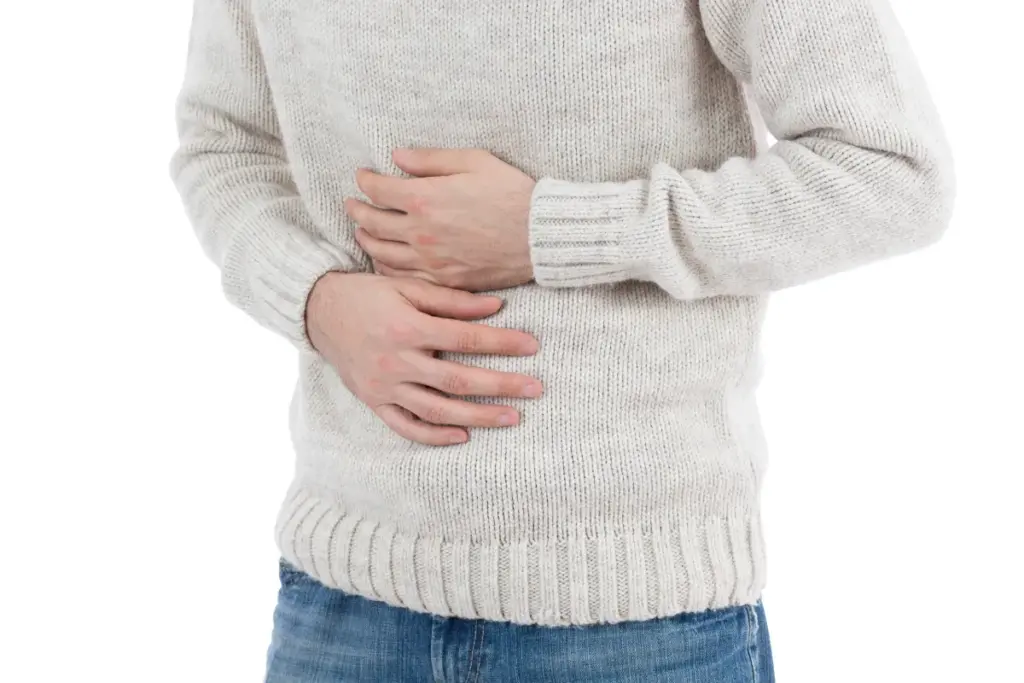
It’s important to understand inflammatory bowel disease (IBD) to help manage its effects on people’s lives. IBD includes conditions like Crohn’s disease and ulcerative colitis. This chronic condition causes inflammation in the digestive tract. We’ll look into the details of IBD, including its types and how common it is worldwide.
Differentiating Between Crohn’s Disease and Ulcerative Colitis
Crohn’s disease and ulcerative colitis are the main types of IBD. Crohn’s disease can affect any part of the gastrointestinal tract, from the mouth to the anus. It often hits the lower part of the small intestine.
The inflammation from Crohn’s disease goes deep into the bowel tissue. This can cause pain, diarrhea, and sometimes serious problems like bowel obstruction or abscesses.
Ulcerative colitis mainly affects the colon. The inflammation starts in the rectum and can spread to other parts of the colon. Unlike Crohn’s disease, it only affects the innermost lining of the colon. Symptoms include abdominal pain, diarrhea, and rectal bleeding.
The Global Impact of IBD
IBD is an autoimmune disorder where the body attacks healthy tissues. Over 7 million people worldwide have IBD, with more than 0.7% of Americans affected. The impact of IBD is significant, with more cases reported globally.
Thanks to modern treatments like TNF inhibitors, many patients see improvements in symptoms and quality of life. For more information on IBD treatment market sizing, visit .
The growing number of IBD cases worldwide highlights the need for more research. This includes finding better treatments for Crohn’s disease medication and ulcerative colitis treatments. Anti-inflammatory therapies are key in managing IBD, helping reduce inflammation and prevent complications.
Recognizing Symptoms of Bowel Inflammation

It’s key to know the signs of bowel inflammation to manage inflammatory bowel disease (IBD) well. IBD includes Crohn’s disease and ulcerative colitis. Getting a diagnosis and treatment early is vital to avoid problems and improve life quality.
The symptoms of bowel inflammation can differ from person to person. This depends on the disease type and how severe it is. Yet, there are common signs for both Crohn’s disease and ulcerative colitis that both patients and doctors should know.
Common Symptoms of Crohn’s Disease
Crohn’s disease can hit any part of the gut, causing various symptoms. Some common ones are:
- Abdominal pain and cramping: Often felt in the lower right abdomen.
- Diarrhea: It’s often persistent and can be bloody.
- Weight loss and loss of appetite: Caused by ongoing inflammation and poor nutrient absorption.
- Fever and fatigue: Signs of active inflammation.
These symptoms can really affect a person’s life, making it important to find and treat the disease early.
Common Symptoms of Ulcerative Colitis
Ulcerative colitis mainly affects the colon, leading to symptoms like:
- Rectal bleeding: Often urgent and accompanied by a need to pass stools quickly.
- Diarrhea: Usually bloody and comes with mucus.
- Abdominal pain and cramping: Can vary from mild to severe.
- Urgency and incontinence: Caused by inflammation and irritation of the rectum.
Spotting these symptoms is key to starting the right treatment and managing the disease well.
When to Seek Medical Attention
If you’re having ongoing or severe symptoms of bowel inflammation, you should see a doctor. Early diagnosis and sticking to treatment plans are vital for managing IBD. If you have severe abdominal pain, bloody stools, or lose a lot of weight, see a healthcare provider right away.
We stress the importance of knowing the symptoms of bowel inflammation and getting medical help when needed. Managing IBD well needs a full approach, including medicine, lifestyle changes, and regular check-ups.
The Importance of Early Diagnosis and Treatment
Getting a timely diagnosis and starting treatment early can change the course of IBD. This approach is crucial for effective disease management. This approach reduces complications and improves life quality for patients.
Diagnostic Procedures for IBD
To diagnose IBD, we use a mix of clinical checks, medical history, and tests. We perform various procedures to confirm the disease’s presence and extent.
- Endoscopy and colonoscopy to see inside the colon and ileum.
- Imaging tests like CT scans and MRI to check inflammation and complications.
- Blood tests for inflammation and anemia signs.
- Stool tests to exclude infections causing similar symptoms.
These tests help us understand the disease’s severity. Then, we create a treatment plan.
The Role of Biomarkers Like Lactoferrin
Biomarkers are key in diagnosing and tracking IBD. Lactoferrin, a protein in stool, is a good biomarker for intestinal inflammation.
|
Biomarker |
Significance in IBD |
|---|---|
|
Lactoferrin |
Elevated levels show active inflammation in the intestines. |
|
C-reactive Protein (CRP) |
High levels mean systemic inflammation. |
|
Erythrocyte Sedimentation Rate (ESR) |
Indicates inflammation by measuring red blood cell settling. |
With biomarkers like lactoferrin, we can track disease activity. This helps us adjust treatment plans.
Benefits of Early Intervention
Early treatment in IBD leads to better outcomes. It reduces inflammation, complications, and improves life quality. Early treatment:
- Reduces flare-up frequency and severity.
- Prevents damage to the gastrointestinal tract.
- Improves nutrition and overall health.
Early diagnosis and treatment are key to managing IBD effectively. We’re dedicated to providing comprehensive care to our patients.
Conventional Medical Treatments for IBD
Conventional medical treatments are key in managing IBD symptoms and getting into remission. These treatments are made for each patient’s needs and how severe their condition is.
Anti-inflammatory Medications
Anti-inflammatory medications are a mainstay in IBD treatment. Aminosalicylates are often used for mild to moderate disease. They help reduce inflammation and manage symptoms. These can be taken orally or rectally, based on the disease’s extent and location.
Immunosuppressants
For severe IBD, immunosuppressants might be given. These drugs calm down the immune system’s overactive response that causes inflammation. Though effective, they can raise the risk of infections and need close monitoring.
Antibiotics
Antibiotics are used in specific cases to treat IBD complications like abscesses or fistulas. They help control bacterial overgrowth and infections that can worsen IBD symptoms.
Adherence to Treatment Protocols
Following treatment plans is vital for managing IBD. Patients must work closely with their healthcare providers. They need to understand their treatment and any needed changes. Consistency in taking medications as directed is crucial for staying in remission.
By sticking to conventional medical treatments, people with IBD can manage their symptoms better. This improves their quality of life.
Advanced Biologic Therapies
Advanced biologic therapies have changed how we treat inflammatory bowel disease. These treatments have greatly improved life for many patients. They target specific ways inflammation happens.
TNF Inhibitors: Infliximab and Adalimumab
Infliximab and adalimumab are key biologic therapies for IBD. They block tumor necrosis factor-alpha (TNF-alpha), a protein that causes inflammation. This reduces inflammation and helps the gut heal.
IL-23 Inhibitors for Treatment-Resistant Cases
For those not helped by TNF inhibitors, IL-23 inhibitors are an option. They target interleukin-23, another inflammation player. These therapies can manage symptoms in treatment-resistant IBD.
JAK Inhibitors: A Newer Treatment Option
JAK inhibitors are a newer class of biologic therapies. They block the Janus kinase (JAK) pathway, involved in inflammation. This reduces inflammation and aids healing.
S1P Modulators and Their Mechanism
S1P modulators are used in IBD treatment. They bind to S1P receptors on lymphocytes, stopping these cells from causing inflammation. This reduces inflammation and manages symptoms.
These advanced biologic therapies have greatly changed IBD treatment. They offer hope to those not helped by usual treatments. By targeting specific inflammation pathways, they manage symptoms and improve life quality.
Anti-inflammatory Drugs for Ulcerative Colitis
Treating ulcerative colitis primarily relies on anti-inflammatory drugs. They help control symptoms and bring the disease into remission. The right medication depends on the disease’s severity and the patient’s needs.
Aminosalicylates for Mild to Moderate Cases
Aminosalicylates are often the first choice for mild to moderate ulcerative colitis. They reduce inflammation in the colon. They come in oral tablets and rectal suppositories.
- Benefits: They help keep the disease in remission and manage symptoms.
- Examples: Mesalamine (e.g., Asacol, Pentasa) and sulfasalazine.
Corticosteroids for Acute Flare-ups
Corticosteroids are good for quick relief during flare-ups. They reduce inflammation fast but shouldn’t be used long-term because of side effects.
- Benefits: They quickly reduce inflammation during flare-ups.
- Examples: Prednisone and budesonide.
- Considerations: They should be tapered off as symptoms improve to avoid side effects.
Comparing Effectiveness and Side Effects
Choosing between aminosalicylates and corticosteroids requires weighing their effectiveness and side effects. Aminosalicylates are safer for long-term use. Corticosteroids are better for quick relief but have more side effects with long-term use.
|
Medication Type |
Effectiveness |
Common Side Effects |
|---|---|---|
|
Aminosalicylates |
Effective for mild to moderate UC |
Nausea, headache, diarrhea |
|
Corticosteroids |
Rapidly effective for acute flare-ups |
Weight gain, mood changes, insomnia |
Customizing treatment plans is vital for managing ulcerative colitis. Understanding the benefits and side effects of different drugs helps healthcare providers create effective treatment plans with patients.
Crohn’s Disease Medication Options
Managing Crohn’s disease involves many steps, with medicine being key. The right medicine depends on how bad the disease is and how well it works for each person.
First-line Treatments and Their Efficacy
First treatments for Crohn’s include aminosalicylates and corticosteroids. Aminosalicylates, like mesalamine, help with mild to moderate cases. Corticosteroids are used for more serious cases or when symptoms get worse.
|
Medication Type |
Use in Crohn’s Disease |
Efficacy |
|---|---|---|
|
Aminosalicylates |
Mild to moderate disease |
Effective for inducing remission |
|
Corticosteroids |
Severe disease or flare-ups |
Highly effective for short-term control |
Second-line Treatments When Initial Therapy Fails
If first treatments don’t work, second-line options are considered. These include immunosuppressants and biologics. Immunomodulators like azathioprine help keep the disease in remission. Biologics, like TNF inhibitors, target inflammation.
Emerging Therapies and Clinical Trials
New treatments offer hope for those not helped by current medicines. These include new biologics and small molecules being tested in trials. For example, IL-23 inhibitors and JAK inhibitors show promise in reducing inflammation.
- IL-23 inhibitors: Targeting the IL-23 pathway to reduce inflammation
- JAK inhibitors: Blocking the JAK pathway to decrease immune response
Our understanding of Crohn’s disease is growing. As research advances, we’ll see more targeted and effective treatments.
Over-the-Counter Options for Symptom Relief
Over-the-counter (OTC) medications are key in helping those with Inflammatory Bowel Disease (IBD) feel better. It’s important to know both the good and bad sides of these drugs.
Understanding Naproxen Sodium and NSAIDs
Naproxen sodium and other NSAIDs help with pain and swelling. But, they can make IBD symptoms worse for some people. It’s key to talk to a doctor before taking them.
Some people find naproxen sodium helps, while others don’t. It’s important to watch how your body reacts. If symptoms get worse, talk to your doctor about other choices.
The Role of Lactaid Pills for Lactose Intolerance
Lactaid pills are a good choice for those with IBD and lactose intolerance. They contain lactase, which breaks down lactose. This makes it easier to digest dairy.
But, Lactaid pills don’t fix IBD symptoms. It’s still important to talk to a doctor for a full treatment plan.
Considerations When Using Advil PM and Similar Products
Advil PM and similar products help with pain and sleep. But, people with IBD should be careful. The ingredients can upset the stomach and make IBD symptoms worse.
When thinking about using Advil PM, it’s important to think about the risks and benefits. Talking to a doctor can help find the best way to manage pain and sleep issues.
In short, OTC options can help with IBD symptoms. But, it’s important to know the risks and benefits. Working with a doctor and watching how your body reacts can help make the best treatment choices.
Anti-inflammatory Foods for Bowel Health
Diet changes are key in easing IBD symptoms. Anti-inflammatory foods are especially helpful. Adding the right foods to your diet can manage IBD and boost gut health.
Best Anti-inflammatory Foods for IBD Management
Some foods fight inflammation, helping with IBD. Omega-3 fatty acids in fatty fish and antioxidants in fruits and veggies are great.
- Fatty fish like salmon and sardines
- Leafy greens such as spinach and kale
- Berries, including blueberries and raspberries
- Nuts and seeds, like almonds and chia seeds
Anti-inflammatory Fruits to Include in Your Diet
Fruits are full of antioxidants and nutrients that fight inflammation. For IBD, include:
- Blueberries, rich in anthocyanins
- Apples, high in quercetin
- Pears, a good source of fiber
Anti-inflammatory Vegetables for Gut Health
Vegetables are vital in an anti-inflammatory diet. They’re packed with vitamins, minerals, and antioxidants that ease IBD symptoms.
|
Vegetable |
Nutrient |
Benefit |
|---|---|---|
|
Spinach |
Antioxidants |
Reduces inflammation |
|
Kale |
Omega-3 fatty acids |
Supports gut health |
|
Carrots |
Beta-carotene |
Boosts immune system |
How These Foods Help Reduce Inflammation
Anti-inflammatory foods cut down on pro-inflammatory cytokines and enzymes. This lessens gut inflammation. Eating these foods can help manage IBD symptoms and improve life quality.
Key benefits of an anti-inflammatory diet include reduced inflammation, better gut health, and overall well-being.
Implementing an Anti-inflammatory Diet
To manage IBD symptoms well, you need an anti-inflammatory diet that fits you. We’ll help you make a diet plan that suits your needs and health goals.
Principles of an Anti-inflammatory Diet for IBD
An anti-inflammatory diet for IBD means eating foods that fight inflammation. You should avoid foods that make symptoms worse. The main ideas are:
- Eat whole, unprocessed foods.
- Add foods rich in omega-3s, fruits, and veggies.
- Stay away from dairy, gluten, and high-FODMAP foods.
Foods to Avoid During Flare-ups
When you’re in a flare-up, avoid foods that can upset your gut. Some foods to skip include:
|
Food Group |
Examples |
|---|---|
|
Dairy |
Milk, cheese, yogurt |
|
Gluten |
Bread, pasta, baked goods |
|
High-FODMAP Foods |
Beans, cabbage, broccoli |
Sample Meal Plans and Recipes
We’ve got some meal plans and recipes to get you started. Here’s a sample:
Breakfast: Overnight oats with almond milk, chia seeds, and berries
Lunch: Grilled salmon with roasted veggies and quinoa
Dinner: Turkey and avocado wrap with mixed greens
Individualizing Your Diet Plan
Creating a diet plan that’s just right for you is key. We’ll help you find out which foods trigger your symptoms. Then, we’ll make a meal plan and track your progress together.
By following these tips and working with a healthcare provider, you can make an anti-inflammatory diet. This diet will help you manage IBD symptoms and improve your health.
Natural Anti-inflammatory Supplements
Natural anti-inflammatory supplements are becoming more popular for managing IBD. They can work alongside traditional treatments to possibly make them more effective.
Omega-3 Fatty Acids and Fish Oil
Omega-3 fatty acids, especially EPA and DHA in fish oil, help reduce inflammation. Research shows they can help manage IBD symptoms, but results vary.
Benefits of Omega-3:
- Anti-inflammatory effects
- Potential improvement in symptoms
- Support for overall gut health
Turmeric and Curcumin Benefits
Turmeric, a common spice, contains curcumin, which fights inflammation. Curcumin might help reduce IBD inflammation, based on studies.
“Curcumin has been shown to modulate various inflammatory pathways, making it a promising adjunct therapy for IBD.”
But, curcumin’s absorption is a problem. It’s best to use forms that help it get absorbed better.
Probiotics and Prebiotics for Gut Health
Probiotics are live microorganisms that are good for health. Prebiotics are fibers that feed these beneficial bacteria, helping the gut stay healthy.
|
Supplement |
Function |
Potential Benefits |
|---|---|---|
|
Probiotics |
Introduce beneficial bacteria |
Reduce inflammation, improve symptoms |
|
Prebiotics |
Feed beneficial bacteria |
Enhance gut health, support probiotics |
Discussing Supplements with Your Healthcare Provider
Always talk to your healthcare provider before adding supplements. This is to make sure they’re safe and work well for you. Some supplements can react with medicines or cause problems in some people.
We suggest making a list of supplements you’re thinking about. Include their amounts to discuss with your provider.
Anti-inflammatory Herbs and Spices
Adding anti-inflammatory herbs and spices to your meals can help with Inflammatory Bowel Disease (IBD). Some herbs and spices have properties that can lessen IBD symptoms.
Ginger: Properties and Usage
Ginger is known for its anti-inflammatory effects. It has compounds like gingerol that help reduce gut inflammation. We can use ginger in various ways, like in meals, as tea, or supplements.
Benefits of Ginger: It reduces nausea, has anti-inflammatory effects, and is an antioxidant.
Cinnamon and Its Anti-inflammatory Effects
Cinnamon also has anti-inflammatory properties. It can help reduce inflammation and improve IBD symptoms. We can add cinnamon to both sweet and savory dishes, making it easy to include in our diet.
Cinnamon’s Role: It helps reduce inflammation, has antioxidant properties, and improves insulin sensitivity.
Garlic as a Natural Anti-inflammatory
Garlic has compounds that fight inflammation. It’s full of antioxidants and can reduce gut inflammation. We can eat garlic raw, cooked, or take it as a supplement.
Garlic’s Benefits: It has anti-inflammatory effects, is an antioxidant, and is good for the heart.
Other Beneficial Anti-inflammatory Herbs
Other herbs and spices, like turmeric, rosemary, and thyme, also help with IBD. Adding a mix of these to our diet can offer more benefits.
|
Herb/Spice |
Anti-inflammatory Benefits |
Usage |
|---|---|---|
|
Ginger |
Reduces nausea, anti-inflammatory effects |
Tea, cooking, supplements |
|
Cinnamon |
Reduces inflammation, antioxidant properties |
Baking, cooking, beverages |
|
Garlic |
Anti-inflammatory effects, antioxidant properties |
Cooking, raw, supplements |
The Role of Nutrition in Managing IBD
Nutrition is key in managing Inflammatory Bowel Disease (IBD). It affects both the quality of life and symptom severity. Good nutrition can lessen symptoms, support gut health, and boost well-being.
Addressing Nutritional Deficiencies in IBD Patients
IBD patients often face nutritional deficiencies due to malabsorption and reduced intake. These issues can cause anemia, osteoporosis, and slow healing. It’s vital to find and fix these deficiencies to better patient outcomes.
Common issues include iron, vitamin B12, and fat-soluble vitamins. Personalized nutrition plans can help by matching diet to individual needs.
Working with a Dietitian for Personalized Plans
Getting help from a dietitian is essential for personalized nutrition plans. A dietitian can check nutritional status, spot deficiencies, and suggest dietary changes. This team effort makes sure the plan fits the patient’s life and preferences.
Enteral Nutrition Therapy for Severe Cases
In severe IBD, enteral nutrition therapy might be needed. This method feeds nutrients directly into the gut through a tube. It can help bring symptoms under control, improve nutrition, and cut down on steroid use.
Hydration and Electrolyte Balance
Keeping hydration and electrolyte balance right is crucial for IBD patients, especially during flare-ups. Drinking enough water helps avoid dehydration and its worsening effects. Electrolyte imbalances can cause muscle cramps and weakness. We should watch fluid and electrolyte levels closely.
Multidisciplinary Approaches to IBD Care
Inflammatory Bowel Disease (IBD) is complex and needs a team effort for care. A multidisciplinary care model is key. It meets the varied needs of patients.
The IBD Care Team: Specialists Involved
A full IBD care team includes gastroenterologists, dietitians, and mental health experts. Sometimes, surgeons are part of the team too. Each specialist focuses on different parts of IBD care, like medicine, nutrition, and mental health support.
Coordinating Care Across Disciplines
Good teamwork is essential for smooth care. Team members must talk often, share patient info, and create a unified treatment plan. This plan considers all aspects of a patient’s health.
Patient Engagement in Treatment Decisions
Patient engagement is crucial for IBD care success. When patients help decide their treatment, care plans are more personal. This leads to better adherence and results.
Telemedicine Options for IBD Management
Telemedicine has made IBD care more accessible. It allows for remote check-ups and monitoring. This is great for managing chronic conditions, cutting down on hospital visits, and making care more convenient.
By using a team approach to IBD care, we can offer better and more supportive care. This improves the lives of those with IBD.
Addressing Mental Health in IBD Management
The gut and brain connection is key in managing IBD. Inflammatory Bowel Disease (IBD) includes Crohn’s disease and ulcerative colitis. These diseases affect not just the gut but also mental health.
The Gut-Brain Connection in Inflammatory Bowel Disease
The gut-brain axis is a network of signals between the gut and brain. It shows how stress and emotions can worsen IBD symptoms. Studies reveal that the gut and brain are linked through the vagus nerve, impacting IBD severity.
Stress can make IBD symptoms worse, creating a cycle. The disease’s symptoms increase stress, which in turn worsens the condition. “The gut and the brain are connected in a complex interplay that affects both physical and mental health,” studies say.
Stress Management Techniques for Reducing Flares
Managing stress is crucial for IBD care. Mindfulness meditation, yoga, and cognitive-behavioral therapy (CBT) can help. These methods reduce stress and may lower IBD flare-ups. They improve life quality by addressing emotional challenges.
- Mindfulness practices to reduce daily stress
- Yoga for improving physical and mental well-being
- CBT to address negative thought patterns
Psychological Support Resources and Therapy Options
Psychological support is essential for IBD patients. It gives them tools to manage their condition. Therapy, like individual counseling and family therapy, helps with emotional challenges.
Seeking help from mental health experts is beneficial. They understand IBD’s complexities. This support is vital for managing the condition’s psychological aspects.
Support Groups and Community Resources
Support groups offer a community for IBD patients. They share experiences and find support. These groups provide valuable information and emotional support.
Community resources, like online forums and local groups, are crucial. They help discuss treatments, share strategies, and find emotional support.
Conclusion: Creating a Comprehensive Treatment Plan
Managing IBD well needs a detailed treatment plan. This plan must cover all aspects of a patient’s health. It includes medical care, nutrition, and mental health support.
Every patient’s plan should be unique. It should match their health needs, medical history, and personal wishes. Working with a healthcare team and keeping up with new research helps patients manage their IBD better. For more details, check out studies in .
With a good treatment plan, IBD patients can feel better. They can manage their symptoms better, have fewer flare-ups, and live a happier life. As we learn more about IBD, we’ll find even better ways to treat it.
FAQ
What is inflammatory bowel disease (IBD)?
Inflammatory bowel disease (IBD) is a chronic condition. It causes inflammation in the gut. The main types are Crohn’s disease and ulcerative colitis.
What are the main types of IBD?
IBD has two main types. Crohn’s disease can affect any part of the gut. Ulcerative colitis mainly affects the colon.
What are the common symptoms of Crohn’s disease?
Symptoms of Crohn’s disease include stomach pain, diarrhea, weight loss, and feeling tired.
What are the common symptoms of ulcerative colitis?
Symptoms of ulcerative colitis include bleeding, urgency, diarrhea, and stomach pain.
How is IBD diagnosed?
Doctors use a few methods to diagnose IBD. They look at your medical history and do physical exams. They also use endoscopies, imaging, and biomarkers like lactoferrin.
What are the conventional medical treatments for IBD?
Doctors use several treatments for IBD. These include anti-inflammatory drugs, immunosuppressants, biologics, and antibiotics. They help manage symptoms and get the disease into remission.
What are TNF inhibitors, and how are they used in IBD treatment?
TNF inhibitors are biologic therapies. They target tumor necrosis factor-alpha to reduce inflammation. This helps manage symptoms in IBD patients.
Can over-the-counter medications help manage IBD symptoms?
Some over-the-counter medications can help with IBD symptoms. But, it’s important to talk to your doctor first. They might make symptoms worse in some cases.
How can diet help manage IBD?
Eating anti-inflammatory foods can help with IBD. Foods rich in omega-3 fatty acids, antioxidants, and fiber can reduce inflammation and ease symptoms.
What are some anti-inflammatory foods that can help manage IBD?
Foods that help with IBD include fatty fish, berries, leafy greens, and whole grains. They are all anti-inflammatory.
Are there any natural anti-inflammatory supplements that can help with IBD?
Yes, there are natural supplements that can help with IBD. Omega-3 fatty acids, turmeric, curcumin, probiotics, and prebiotics can support treatment. But, always talk to your doctor before adding them.
How can anti-inflammatory herbs and spices help with IBD management?
Herbs and spices like ginger, cinnamon, and garlic can add flavor to your diet. They also support gut health and may reduce inflammation.
Why is nutrition important in managing IBD?
Nutrition is key in managing IBD. Patients often have nutritional deficiencies due to malabsorption. A good diet can help alleviate symptoms and improve life quality.
What is the role of a multidisciplinary team in IBD care?
A team of gastroenterologists, dietitians, and mental health professionals work together. They create a comprehensive treatment plan for IBD patients. This improves outcomes and quality of life.
How can mental health support be integrated into IBD management?
Mental health support is important in IBD management. It includes stress management, psychological support, therapy, and support groups. It acknowledges the connection between the gut and brain.
National Center for Biotechnology Information. Evidence-Based Medical Insight. Retrieved from https://pmc.ncbi.nlm.nih.gov/articles/PMC5599111/



 Departments
 Related Videos
 Our Doctors
 News
News