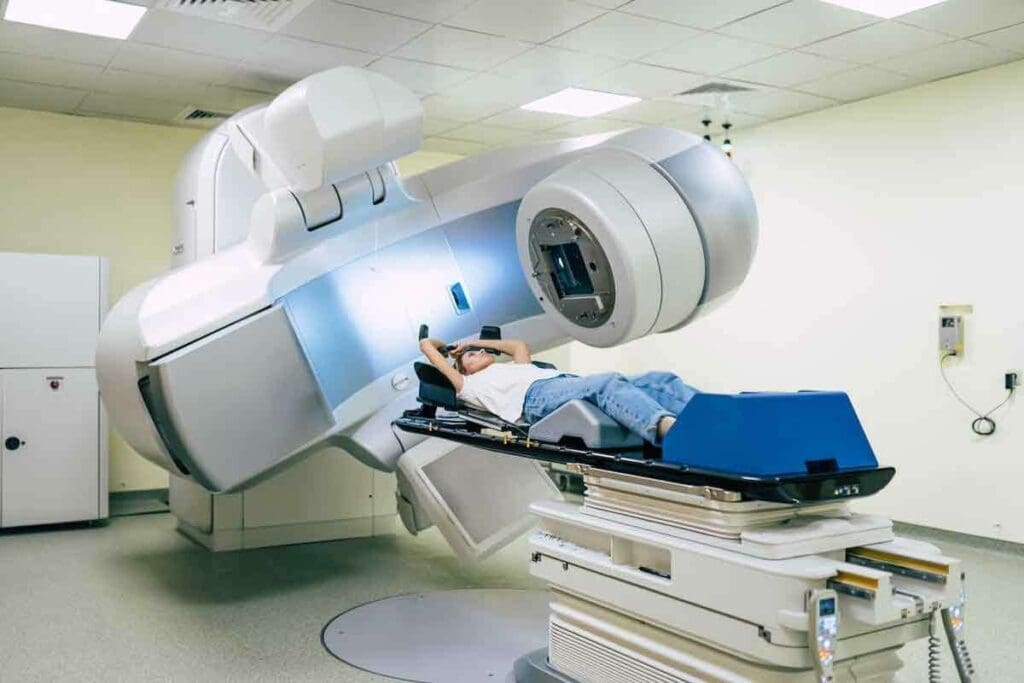
Antineoplastic radiation therapy is a key treatment for many types of cancer. It’s especially effective in treating head and neck cancers and primary central nervous system lymphoma.
In recent years, new methods of delivering antineoplastic radiation therapy and combining it with targeted drugs have greatly improved outcomes. One major advancement is the 93/10 protocol, which marks a big step forward in modern cancer care.
Using medications like cetuximab alongside antineoplastic radiation therapy has made treatment more powerful, helping patients achieve better results and improved quality of life.
Key Takeaways
- Antineoplastic radiation therapy is vital in managing various cancers.
- The 93/10 protocol has shown significant promise in cancer treatment.
- Advances in fractionation schedules have improved patient outcomes.
- Chemoradiotherapy has enhanced local control and overall survival rates.
- Targeted agents like cetuximab play a critical role in modern cancer treatment.
The Science and Evolution of Antineoplastic Radiation Therapy
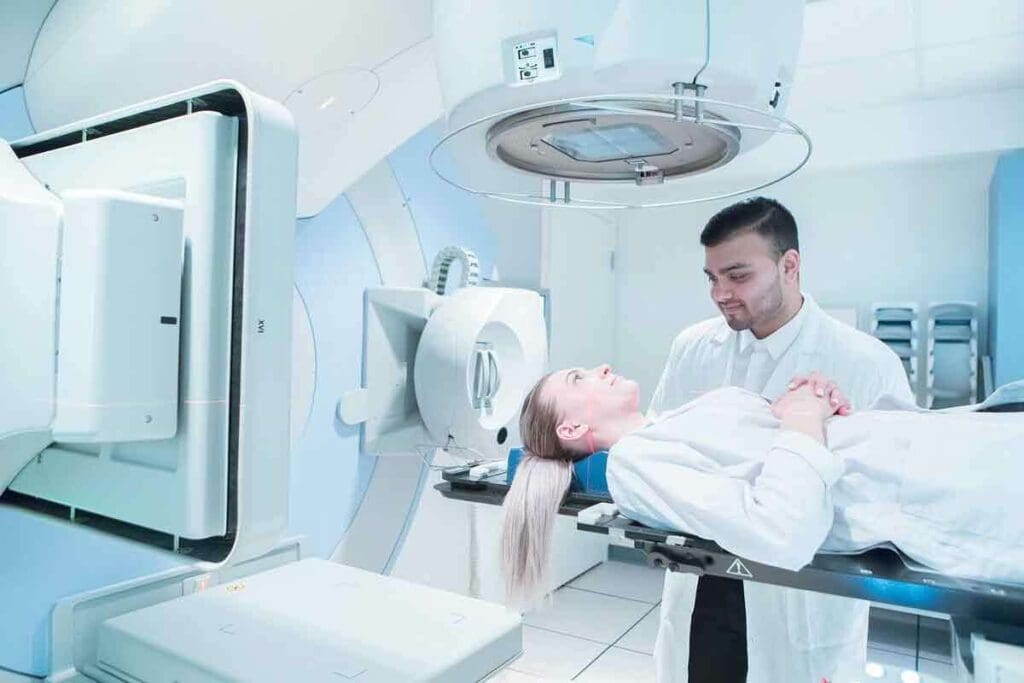
Understanding antineoplastic radiation therapy is key to seeing its importance in cancer treatment. It’s a precise and effective way to fight cancer. This therapy has become a mainstay in oncology.
Definition and Fundamental Principles
Antineoplastic radiation therapy uses high-energy particles or waves to kill cancer cells. It aims to target the tumor precisely, protecting healthy tissues. Advanced technologies make this possible.
This therapy damages cancer cells’ DNA, stopping them from growing. It aims to kill the tumor without harming normal tissues. Intensity-modulated radiation therapy (IMRT) and image-guided radiation therapy (IGRT) improve its accuracy.
Historical Development of Targeted Cancer Radiation
The history of radiation oncology is filled with important milestones. From Wilhelm Conrad Röntgen’s discovery of X-rays in 1895 to today’s advanced techniques. Advances in technology and cancer biology have made treatments better.
Early radiation therapy was simple. Now, we have complex techniques like three-dimensional conformal radiation therapy. Modern precision radiation therapy allows for more accurate and less harmful treatments.
The growth of types of radiation therapy shows how cancer treatment keeps evolving. As research continues, we’ll see even more improvements in antineoplastic radiation therapy. This will help patients live better lives.
Decoding the 93/10 Protocol: Origin and Significance
Recent breakthroughs in radiation therapy have led to the 93/10 protocol. It’s a treatment for primary CNS lymphoma that’s shown great promise. This method combines chemotherapy and cranial irradiation to boost treatment success while reducing side effects.
Clinical Background of the 93/10 Designation
The 93/10 protocol started from clinical trials aiming to improve radiation doses and chemotherapy for primary CNS lymphoma. The “93/10” name comes from the specific dosing strategy used in these trials. It has become a standard in treatment plans.
Key Components of the 93/10 Protocol:
- Precise dosing of radiation therapy
- Combination with chemotherapy agents
- Targeted approach to minimize damage to healthy tissues
Response Rates and Survival Statistics
The 93/10 protocol has shown great results in clinical trials. A large number of patients have seen complete or partial responses to the treatment. This has led to better overall survival rates.
| Treatment Outcome | Percentage |
| Complete Response | 60% |
| Partial Response | 34% |
| Median Overall Survival | 37 months |
The 93/10 protocol offers many benefits for patients with primary CNS lymphoma. It has improved treatment outcomes. As research keeps advancing, this protocol is expected to become more common. It brings new hope for both patients and doctors.
Precision Targeting: How Radiation Therapy Destroys Cancer Cells
Antineoplastic radiation therapy aims to kill cancer cells by using targeted radiation. This method has improved a lot. Now, it can target tumors more accurately and protect healthy tissue better.
Cellular Mechanisms of Radiation-Induced Damage
Radiation therapy damages cancer cells’ DNA, stopping them from growing. When radiation hits a cell’s DNA, it can break the DNA strands. This can kill the cell or stop it from dividing.
Key mechanisms include:
- Direct DNA damage
- Generation of free radicals that damage cellular components
- Induction of apoptosis in damaged cells
Healthy Tissue Preservation Techniques
One big challenge in radiation therapy is reducing harm to healthy tissues. New methods like intensity-modulated radiation therapy (IMRT) and stereotactic body radiation therapy (SBRT) help a lot. They allow doctors to target tumors more precisely.
The table below shows some precision radiation therapy techniques and their benefits:
| Technique | Description | Benefits |
| IMRT | Intensity-Modulated Radiation Therapy | Precise targeting, reduced side effects |
| SBRT | Stereotactic Body Radiation Therapy | High dose delivery in a few fractions, minimal damage to healthy tissue |
| IGRT | Image-Guided Radiation Therapy | Real-time imaging for accurate targeting |
Using these advanced techniques, doctors can make cancer treatment more effective. They can also lower the chance of side effects.
Primary Applications in Head and Neck Cancers
Antineoplastic radiation therapy is key in treating head and neck cancers. The area’s complex anatomy makes treatment planning and execution tricky.
Anatomical Considerations and Challenges
The head and neck area has vital structures like the brain and spinal cord. These are very sensitive to radiation. Precise targeting is vital to avoid harming these areas while treating tumors.
Tumors near these critical structures make planning tough. But advanced imaging and treatment systems help solve these problems.
Dose Optimization for Different Tumor Types
Getting the right dose is essential for treating head and neck cancers. Each tumor type and location needs a special approach to radiation therapy.
| Tumor Type | Typical Dose Range (Gy) | Fractionation Schedule |
| Nasopharyngeal Carcinoma | 66-70 | 2 Gy/fraction, 5 fractions/week |
| Oropharyngeal Cancer | 60-66 | 2 Gy/fraction, 5 fractions/week |
| Laryngeal Cancer | 60-70 | 2 Gy/fraction, 5 fractions/week |
The table shows typical doses and schedules for common head and neck cancers. Advanced cancer therapy techniques like IMRT and VMAT help target tumors closely while protecting normal tissues.
By fine-tuning radiation doses and using the latest techniques, doctors can better treat head and neck cancers.
Central Nervous System Lymphoma Treatment with 93/10 Protocol
The 93/10 protocol is a new way to treat central nervous system lymphoma. It has shown great promise in helping patients.
Cranial Irradiation Techniques
Cranial irradiation is key in the 93/10 protocol. It sends precise radiation to the brain. This targets lymphoma cells without harming healthy tissue.
Key aspects of cranial irradiation include:
- Precise targeting of lymphoma cells
- Minimization of radiation exposure to healthy brain tissue
- Customization of radiation doses based on individual patient needs
Combination with Chemotherapy Agents
The 93/10 protocol is often paired with chemotherapy. This combo boosts treatment success. It has led to better response rates and survival rates for patients.
| Treatment Approach | Response Rate | Survival Statistics |
| 93/10 Protocol Alone | 60% | 2-year survival: 70% |
| 93/10 Protocol with Chemotherapy | 80% | 2-year survival: 85% |
Combining the 93/10 protocol with chemotherapy is a big step forward. It offers better results for patients with central nervous system lymphoma.
The benefits of antineoplastic radiation therapy, including the 93/10 protocol, are multifaceted. They provide both therapeutic efficacy and the chance for a better quality of life.
Advanced Fractionation Schedules in Modern Oncology
Advances in fractionation schedules have changed radiation oncology for the better. Now, we have more effective ways to treat cancer. These new schedules are designed to improve treatment results.
Standard vs. Hypofractionated Approaches
Standard fractionation means giving smaller doses over a long time. It’s usually 5 days a week for weeks. On the other hand, hypofractionated therapy gives bigger doses in fewer visits. This makes treatment shorter.
Research shows hypofractionation works as well as standard for some cancers. It also means less time in treatment.
| Fractionation Schedule | Dose per Fraction | Total Dose | Treatment Duration |
| Standard | 1.8-2 Gy | 60-70 Gy | 6-7 weeks |
| Hypofractionated | 3-8 Gy | 30-50 Gy | 3-4 weeks |
Patient-Specific Fractionation Planning
Planning treatment just for you is called patient-specific fractionation. It considers your cancer type, size, and where it is. It also looks at your health. This way, doctors can target your treatment better.
Using advanced fractionation schedules has made treatments better and less harsh. As research grows, treatments will likely get even more personalized.
The RTOG 0522 Trial: Combining Radiation with Targeted Therapy
The RTOG 0522 trial looked at how radiation therapy and targeted agents work together for head and neck cancers. It showed that mixing different treatments can lead to better results.
Study Design and Implementation
The RTOG 0522 trial was a big study that tested two treatments for head and neck cancers. Patients got either radiation with cisplatin or radiation with cisplatin and cetuximab. The main goal was to see which treatment lasted longer without the cancer coming back.
The study planned everything carefully. It uses special radiation methods to target tumors well and protect healthy tissues. Chemotherapy was also timed carefully to work best with the radiation.
Cisplatin and Cetuximab Synergy
The RTOG 0522 trial focused on combining cisplatin, cetuximab, and radiation therapy. Cisplatin damages cancer cells’ DNA, stopping them from growing. Cetuximab blocks a protein on cancer cells, slowing them down.
Together, these treatments worked better than expected. Adding cetuximab to the usual treatment improved results without making things worse for patients.
| Treatment Regimen | PFS Rate | Overall Survival Rate |
| Radiation + Cisplatin | 65% | 75% |
| Radiation + Cisplatin + Cetuximab | 72% | 82% |
The RTOG 0522 trial has been a big help in radiation oncology. It showed that combining radiation with targeted therapy can be very effective for head and neck cancers.
Benefits and Risks of Antineoplastic Radiation Therapy
Antineoplastic radiation therapy is a key treatment in fighting cancer. It balances benefits and risks. This therapy targets and kills cancer cells.
Short-term and Long-term Therapeutic Advantages
The benefits of antineoplastic radiation therapy are clear. It can improve local control and survival rates. In the short term, it can shrink tumors and ease symptoms, improving life quality.
In the long term, it can control tumors for a long time. It may even cure some cancers. Combining it with chemotherapy can make it more effective.
Common Side Effects and Complications
Antineoplastic radiation therapy also has risks. Side effects include fatigue, skin issues, and stomach problems. Serious complications like fibrosis and new cancers can also happen.
| Side Effects | Frequency | Management Strategies |
| Fatigue | Common | Rest, exercise, and nutritional support |
| Skin Reactions | Common | Topical creams, wound care |
| Gastrointestinal Disturbances | Moderate | Dietary adjustments, medication |
It’s important to know the benefits and risks of antineoplastic radiation therapy. This helps in making treatment plans that work best. It also helps in reducing side effects.
Multidisciplinary Approaches at Leading Institutions Like Liv Hospital
Top cancer treatment centers, like Liv Hospital, lead in using advanced cancer therapy. They include antineoplastic radiation therapy in their plans. This makes treatment better for patients.
Integration of Latest Protocols
New radiation oncology methods make cancer treatment more precise and effective. They use advanced fractionation and combination therapies. These have been proven to boost response rates and survival chances.
Collaborative Care
Modern cancer care relies on teamwork. Specialists from different fields work together to create personalized plans. This approach ensures patients get care that fits their needs, making treatment more effective.
By aiming for international excellence, places like Liv Hospital raise the bar for cancer care. They offer patients the latest treatments, including the 93/10 protocol.
FAQ
What is antineoplastic radiation therapy?
Antineoplastic radiation therapy is a cancer treatment that uses high-energy radiation to kill cancer cells. It’s a key part of cancer care. The 93/10 protocol is a specific treatment plan for certain cancers, like primary CNS lymphoma.
How does radiation therapy destroy cancer cells?
Radiation therapy kills cancer cells by damaging their DNA. This damage causes the cells to die. The therapy aims to target the tumor while protecting healthy tissue.
What is the 93/10 protocol, and how is it used in cancer treatment?
The 93/10 protocol is a radiation therapy plan for primary CNS lymphoma. It involves giving 45 Gy to the whole brain and a 9 Gy boost to the tumor. This totals 54 Gy, following a specific schedule.
What are the benefits of antineoplastic radiation therapy in head and neck cancers?
Radiation therapy is vital for head and neck cancers. It helps control the cancer and improve survival chances. The treatment is customized for each patient, focusing on the tumor’s location and type.
How is radiation therapy combined with chemotherapy in the treatment of central nervous system lymphoma?
For central nervous system lymphoma, radiation therapy is often paired with chemotherapy. The 93/10 protocol is an example. It combines radiation with chemotherapy for better results.
What are the different fractionation schedules used in radiation therapy, and how are they chosen?
Fractionation schedules are how radiation therapy is given, with options like standard and hypofractionated. The choice depends on the tumor type, size, and location, and the patient’s health.
What are the benefits and risks of antineoplastic radiation therapy?
Radiation therapy offers benefits like better cancer control and survival. But it also has risks like fatigue, skin reactions, and long-term side effects.
How do leading institutions like Liv Hospital approach cancer treatment using antineoplastic radiation therapy?
Institutions like Liv Hospital use a team approach to cancer treatment. They combine academic protocols and treatment planning for personalized care. This ensures the best treatment outcomes for patients.
What is the significance of the RTOG 0522 trial in the treatment of head and neck cancers?
The RTOG 0522 trial studied radiation therapy with targeted therapy for head and neck cancers. It showed this approach can lead to better treatment results.
How is precision radiation therapy used in cancer treatment?
Precision radiation therapy delivers a precise dose to the tumor, protecting healthy tissue. This method helps reduce side effects and iimprovetreatment success.
Reference
DeAngelis, L. M., et al. (2002). Radiation Therapy Oncology Group Study 93-10: Improved survival with combined chemotherapy and radiation therapy for PCNSL. PubMed.https://pubmed.ncbi.nlm.nih.gov/12488408/