
Did you know that millions of people worldwide are dealing with long health issues after COVID-19? This is called long COVID or post-acute COVID-19. It means COVID-19 symptoms last longer than expected.anxiety feeling in throatNose Stuffy Throat Dry: Relief for Sinuses and Throat
Long COVID is affecting people’s lives a lot. Knowing its symptoms is key to helping them. Long COVID symptomscan differ a lot from person to person, impacting health in many ways.
Some folks feel a constant feeling of anxiety or discomfort. This can feel like an anxiety feeling in the throat. Spotting these signs is the first step to handling long COVID.
Key Takeaways
- Long COVID refers to the persistence of COVID-19 symptoms beyond the acute phase.
- Understanding long COVID symptoms is key to providing the right care.
- Symptoms can vary a lot among people.
- Some people feel anxiety or discomfort, like an anxiety feeling in the throat.
- Spotting these symptoms is important for managing long COVID.
Understanding Long COVID: More Than Just an Extended Illness

Long COVID is more than just a long illness. It’s important to understand its definition, how doctors recognize it, and how it’s different from acute COVID-19. As doctors learn more, they see that long COVID is complex. We’ll look at what long COVID is, how it affects people, and the healthcare system.
Definition and Clinical Recognition of Long COVID
Long COVID, or post-acute COVID-19, is when symptoms last more than 12 weeks after getting COVID-19. Studies show it affects many people who got COVID-19. Doctors look for symptoms like fatigue, brain fog, and breathing problems to spot long COVID.
To diagnose long COVID, doctors consider the patient’s health history, how long symptoms last, and any other health issues.
How Long COVID Differs from Acute COVID-19 Infection
Long COVID is different from acute COVID-19 because symptoms last longer. Acute COVID-19 usually goes away in a few weeks. But long COVID can last months. Symptoms vary, making it hard to diagnose and treat.
Knowing these differences helps doctors create better treatment plans and support for those with long COVID.
The Evolution of Long COVID Symptoms in 2024-2025
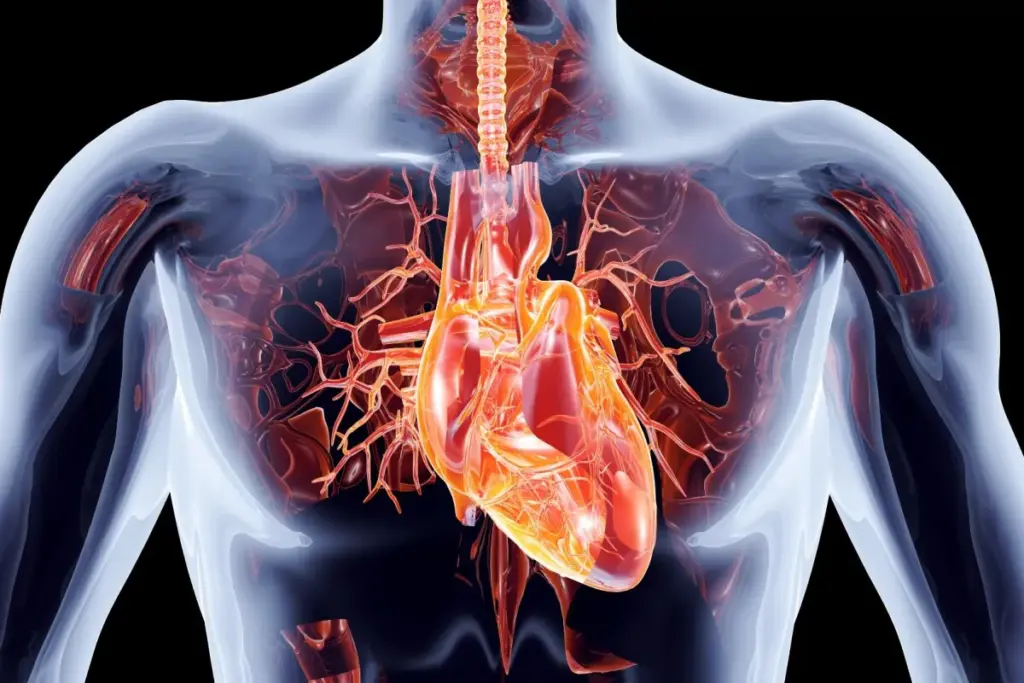
Recent years have shown us more about long COVID. In 2024-2025, we’ll learn more about its symptoms and how long they last. This research helps us understand what patients might face.
Recent Research Findings and New Symptom Patterns
Studies in 2024-2025 have found new patterns in long COVID symptoms. Some key findings are:
- Emergence of new symptoms: Some people get new symptoms months after they first get better.
- Variation in symptom duration: How long symptoms last can vary a lot from person to person.
- Impact on different body systems: Long COVID affects many body systems, like the lungs, heart, and brain.
Average Duration and Timeline of Long COVID Symptoms
Knowing when long COVID symptoms last is key for helping patients. Recent studies show:
- Long COVID symptoms can last from months to over a year on average.
- Some symptoms might go away, while others can stick around or turn into long-term health issues.
- Things like age, health before getting COVID, and how bad the first infection was can affect how long symptoms last and how bad they are.
By keeping up with the latest research, doctors can give better care and treatment to those with long COVID symptoms.
Persistent Fatigue and Energy Depletion
Long COVID brings a tough side: persistent fatigue. This condition makes you feel extremely tired, weak, and low on energy. It can last for months after you first get sick.
Characteristics of Post-COVID Fatigue Syndrome
Post-COVID fatigue is more than just feeling tired. It’s a serious condition that makes everyday tasks hard. Some key signs are:
- Feeling exhausted for a long time, even after resting
- Pain and weakness in muscles
- Hard time focusing and remembering things
- Not being able to do physical activities well
A study in a medical journal said, “The tiredness after COVID is often not noticed or treated enough.” This shows we need to know more about it.
Impact on Daily Functioning and Quality of Life
Post-COVID fatigue really affects how you live and feel every day. Even simple things become hard. The effects are big:
- Being less productive at work or school
- Wanting to stay away from social events because of tiredness
- Needing help from others for daily tasks
- Feeling down or anxious
One person said, “The tiredness is like a shadow that follows me everywhere, always taking my energy.”
“It’s not just being tired; it’s a deep exhaustion that affects every part of life.”
Dealing with post-COVID fatigue needs a mix of solutions. This includes changing your lifestyle, taking breaks, and sometimes, getting medical help. By understanding this condition, we can help those affected live better lives.
Cognitive Challenges: Brain Fog and Memory Issues
Long COVID brings many challenges, including brain fog and memory problems. These issues can make daily life hard and affect how well someone can function. It’s a big concern for many.
Understanding COVID-Related Cognitive Impairment
COVID can cause brain fog, memory loss, and trouble focusing. Studies show it might harm the brain and nervous system. Researchers are working to understand how it affects the mind.
Short-term vs. Long-term Memory Effects
Long COVID can mess with both short and long-term memory. Some people forget recent things or past memories. Everyone’s experience is different, so it’s key to treat each case uniquely.
Strategies to Manage and Improve Brain Fog
There are many ways to fight brain fog and cognitive issues. These include cognitive training, healthy habits, and stress relief. Having a routine and breaking tasks into smaller steps can also help.
|
Strategy |
Description |
Benefits |
|---|---|---|
|
Cognitive Training |
Programs designed to improve cognitive function |
Enhanced concentration and memory |
|
Lifestyle Modifications |
Regular exercise, balanced diet, adequate sleep |
Improved overall health and cognitive function |
|
Stress Management |
Techniques like meditation or yoga |
Reduced stress, improved cognitive clarity |
Respiratory Complications and Breathing Difficulties
COVID-19 can lead to serious breathing problems. These issues need careful attention. Many people face long-term respiratory issues after getting COVID-19.
Long-Term Lung Function Changes After COVID
COVID-19 can change lung function for the long term. Some people struggle with breathing and coughing. The virus damages lung tissue and affects how it works.
|
Lung Function Parameter |
Normal Range |
Post-COVID Range |
|---|---|---|
|
FEV1 (Forced Expiratory Volume) |
80-120% |
60-80% |
|
FVC (Forced Vital Capacity) |
80-120% |
70-90% |
Managing Shortness of Breath and Persistent Cough
It’s important to manage breathing problems for those with long COVID. Pulmonary rehab, breathing exercises, and meds can help. These steps can ease breathing and coughing issues.
Key strategies include:
- Pulmonary rehabilitation programs
- Breathing exercises and techniques
- Medication to manage symptoms
Anxiety Feeling in Throat: A Distinctive Long COVID Symptom
Long COVID can make people feel anxious in their throat, making recovery harder. This symptom affects their daily life. It’s now clear that long COVID symptoms can be new and different, like feeling anxious in the throat.
The feeling of anxiety in the throat is not just about physical issues. It’s a mix of physical and mental factors. This makes it a complex symptom to deal with.
The Physiological Connection Between COVID and Throat Anxiety
Scientists are studying how COVID affects the body, including throat anxiety. They think the virus might change how our body reacts to stress. This could lead to feelings of anxiety and throat tightness.
Some important points to remember:
- The immune system’s effect on the nervous system.
- How stress and anxiety can make symptoms worse.
- The virus’s direct impact on the throat and breathing.
Distinguishing Between Physical Throat Symptoms and Anxiety Manifestations
It’s important to tell apart physical symptoms from anxiety. Some throat issues come from the virus itself. Others might be how our body reacts to the stress of being sick.
Doctors look at the patient’s history, symptoms, and tests to figure this out. Knowing the cause helps in treating it better.
Relief Techniques for COVID-Related Throat Tightness
Dealing with throat tightness and anxiety from long COVID needs a few steps. These include:
- Breathing exercises to calm the nerves and lower anxiety.
- Physical therapy to improve posture and relax muscles.
- Cognitive-behavioral therapy (CBT) to tackle anxiety.
- Relaxation methods like progressive muscle relaxation or meditation.
Using these methods can help ease the discomfort of throat anxiety from long COVID.
Cardiovascular Symptoms: Heart Palpitations and Chest Discomfort
COVID-19’s long-term effects are becoming clearer, and cardiovascular symptoms are a big concern. Long COVID can harm the heart and blood system, causing heart palpitations and chest pain.
Understanding Post-COVID Cardiovascular Issues
Post-COVID heart problems can show up in many ways. Heart palpitations, or irregular heartbeats, can be scary. These issues might come from the virus directly affecting the heart or from being sick for a long time.
Doctors are studying these symptoms to understand them better. It’s important for them to watch patients who have had COVID for any heart problems.
When to Seek Immediate Medical Attention
Some heart symptoms are mild and go away on their own. But, others can be serious and need quick help. If you have bad chest pain, can’t breathe well, or have heart palpitations with dizziness, get help right away. These could mean a serious problem that needs fast treatment.
If you keep having heart symptoms or they get worse, see your doctor. Knowing how long COVID can affect the heart helps us treat these problems better, making patients feel better.
Gastrointestinal Disturbances After COVID Recovery
Many people worldwide face gastrointestinal issues after recovering from COVID-19. These problems can cause various digestive symptoms. These symptoms can really affect someone’s daily life.
Common Digestive Symptoms and Their Mechanisms
After COVID-19, people often experience nausea, diarrhea, and stomach pain. Studies show these symptoms might be linked to the virus’s effect on the gut and the immune system.
The reasons for these symptoms are complex. They could be due to the virus directly infecting the gut, damage from the immune system, or changes in the gut’s bacteria.
Dietary Adjustments and Treatments for Symptom Relief
To manage these issues, changing your diet is often key. Eating foods that are easy to digest can help ease symptoms.
It’s recommended to avoid spicy or fatty foods. Also, eating more fiber and drinking plenty of water is good. Sometimes, taking probiotics or supplements can also help.
|
Symptom |
Dietary Adjustment |
Treatment Option |
|---|---|---|
|
Nausea |
Avoid fatty foods |
Anti-nausea medication |
|
Diarrhea |
Increase fiber intake |
Probiotics |
|
Abdominal Pain |
Avoid spicy foods |
Pain relief medication |
Neurological Symptoms: Headaches, Tinnitus, and Sensory Changes
Long COVID brings many neurological symptoms. These can really affect a person’s life. Symptoms include headaches, tinnitus, and changes in how we taste and smell.
Post-COVID Headache Patterns and Management
Post-COVID headaches can be different for everyone. Knowing how they come and go helps manage them better. Some get migraines, others tension headaches. To help, people can change their lifestyle and use medicine.
Tinnitus and Hearing Changes After COVID
Tinnitus, or hearing a ringing sound, is common in long COVID. It can be very upsetting and affect daily life. Some also notice hearing changes, which might last a while. Getting an audiologist check is a good idea.
Loss and Recovery of Taste and Smell
Many people with COVID-19 lose their taste and smell at first. But, most get them back in a few weeks. Yet, some long COVID patients keep losing these senses. Scientists are working hard to find ways to help them.
Musculoskeletal Manifestations: Joint and Muscle Pain
Long COVID patients often face joint pain and muscle weakness. These symptoms make daily life hard. We’ll look at post-COVID musculoskeletal pain and how to treat it.
Characteristics of Post-COVID Musculoskeletal Pain
Post-COVID pain can cause joint pain, muscle weakness, and less mobility. The virus might start inflammation that hurts the muscles and bones. Knowing this helps doctors find better treatments. People say these symptoms change and get worse with exercise.
Treatment Approaches and Physical Therapy Options
Dealing with post-COVID pain needs many steps. Physical therapy helps with moving better and getting stronger. Pain management might include medicine, changing habits, and acupuncture. It’s key for doctors and patients to work together to find the right plan.
With a full treatment plan, patients can handle their pain better. This improves their quality of life a lot.
Sleep Disturbances and Insomnia in Long COVID Patients
COVID-19 can cause sleep problems like insomnia and restless sleep. Many long COVID patients face sleep issues. These problems are a big concern.
How COVID Affects Sleep Architecture and Quality
COVID-19 can change sleep patterns. It can make people wake up more and sleep less deeply. This can lead to feeling tired even after sleeping enough.
Stress and anxiety from COVID can make sleep problems worse. This creates a cycle of insomnia and other sleep issues.
A study found long COVID patients have more sleep problems than those who recovered quickly. It shows we need to focus on helping with sleep issues.
|
Sleep Parameter |
Normal Sleep |
Long COVID Sleep |
|---|---|---|
|
Sleep Quality |
High |
Poor |
|
Deep Sleep Stages |
Adequate |
Reduced |
|
Wakefulness |
Normal |
Increased |
Evidence-Based Strategies for Improving Sleep After COVID
There are ways to improve sleep for long COVID patients. Cognitive Behavioral Therapy for Insomnia (CBT-I) is effective. Digital therapeutics, like online programs and apps, also help reduce insomnia.
“Digital therapeutics can significantly improve insomnia symptoms in individuals with long COVID, providing a new treatment option.” – Recent Study
Good sleep hygiene is also important. This includes a regular sleep schedule and a quiet sleep environment. Avoiding caffeine and electronics before bed helps too. Relaxation techniques like mindfulness and deep breathing can also reduce stress and improve sleep.
Understanding COVID’s impact on sleep is key. By using these strategies, healthcare providers can help patients manage sleep issues. This improves their quality of life.
Post-Exertional Malaise: Understanding Activity Limitations
Post-exertional malaise is when symptoms get worse after you’ve been active. It makes it hard to do everyday things. Even small activities can make symptoms worse.
It’s important to understand and manage post-exertional malaise. This helps improve life quality. It involves knowing when symptoms get worse and using good pacing strategies.
Recognizing Post-Exertional Symptom Exacerbation
Signs of worsening symptoms include more fatigue, muscle pain, and brain fog. It’s key to listen to your body and adjust activities to avoid big setbacks.
Key indicators of post-exertional malaise include:
- A significant increase in symptoms after activity
- Prolonged recovery times
- Fluctuating symptom severity
Pacing Strategies and Energy Conservation Techniques
Managing post-exertional malaise means using pacing and energy-saving techniques. Break tasks into smaller parts, take breaks, and do things when you have the most energy.
Effective pacing strategies can help in:
- Reducing symptom flare-ups
- Improving overall energy levels
- Enhancing daily functioning and quality of life
By using these strategies, people can handle post-exertional malaise better. This leads to a more balanced and easier recovery.
Conclusion: Navigating Recovery and Finding Support
Long COVID brings many symptoms that can really affect a person’s life. It’s important to know about these symptoms. They range from feeling very tired and having trouble thinking to breathing and heart problems.
Getting medical help is key to dealing with long COVID. Doctors can give advice and treatment plans that fit your needs. Also, support services are very important. They offer emotional help, practical aid, and links to resources that help you get better.
If you’re dealing with long COVID, look into support services like counseling and online groups. These can offer a lot of help and support. With medical care and support, you can get through this tough time and start feeling better.
FAQ
What are the common symptoms of long COVID?
Long COVID symptoms vary. They include persistent fatigue, brain fog, and respiratory issues. Anxiety and gastrointestinal disturbances are also common.
How long do long COVID symptoms last?
Symptoms of long COVID can last weeks, months, or even longer. Each person’s experience is different.
What is post-COVID fatigue syndrome?
Post-COVID fatigue syndrome is a condition. It causes persistent and debilitating fatigue. This can greatly affect daily life and quality of life.
How can I manage brain fog and cognitive impairment after COVID-19?
To manage brain fog, get enough rest and stay hydrated. Cognitive training and stress-reducing activities also help.
What are the respiratory complications associated with long COVID?
Respiratory complications include long-term lung function changes. They also include shortness of breath and persistent cough.
How can I relieve throat tightness and anxiety?
For throat tightness, try deep breathing exercises and relaxation techniques. If symptoms don’t improve, seek medical help.
What are the cardiovascular symptoms associated with long COVID?
Cardiovascular symptoms include heart palpitations and chest discomfort. Other cardiac issues can also occur.
How can I manage gastrointestinal disturbances after COVID-19?
To manage gastrointestinal symptoms, try dietary adjustments. Avoid trigger foods and stay hydrated.
What are the neurological symptoms associated with long COVID?
Neurological symptoms include headaches and tinnitus. Sensory changes, like loss of taste and smell, can also occur.
How can I manage musculoskeletal pain after COVID-19?
Treatment for musculoskeletal pain includes physical therapy and pain management medications. Lifestyle modifications also help.
How can I improve sleep after COVID-19?
To improve sleep, establish a consistent sleep schedule. Create a sleep-conducive environment. Practice relaxation techniques too.
What is post-exertional malaise, and how can I manage it?
Post-exertional malaise is a condition where symptoms worsen after activity. Use pacing strategies and energy conservation techniques to manage it.
When should I seek medical attention for long COVID symptoms?
Seek immediate medical attention for severe symptoms. This includes difficulty breathing, chest pain, or severe headache.
Nature. Evidence-Based Medical Insight. Retrieved from
https://www.nature.com/articles/s41591-021-01283-z