

Bone marrow disorders cover a wide range of conditions. They affect how blood cells are made and work. These disorders can make life harder for those who have them.
Bone marrow is the soft tissue inside some bones. It contains stem cells that turn into red blood cells, white blood cells, and platelets. At Liv Hospital, we provide top-notch care for any disease of the blood or bone marrow. We use the latest medical methods to help diagnose and treat these issues.
Key Takeaways
- Bone marrow disorders affect the production and function of blood cells.
- These conditions can range from benign to life-threatening.
- Understanding bone marrow disorders is key to healthy blood cells.
- Liv Hospital offers complete care for bone marrow disorder patients.
- Getting the right diagnosis and treatment plan is vital for managing these conditions.
Understanding Bone Marrow: The Blood Factory
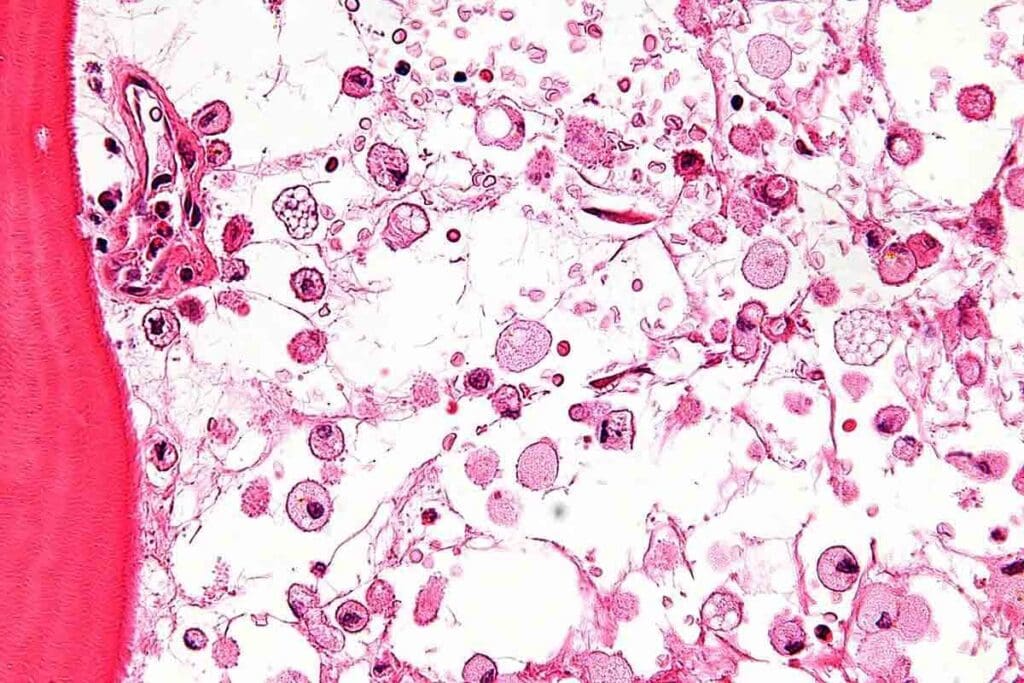
Our bones have a special tissue called bone marrow. It’s key for making blood cells. Bone marrow is soft and spongy, filling our bones’ cavities. It’s vital for our health, making the cells that flow through our blood.
Structure and Function of Bone Marrow
Bone marrow has blood vessels and stem cells. These stem cells turn into all blood cells. It’s supported by reticular cells and fibers, helping it work well. Its main job is to make blood cells through hematopoiesis.
The Process of Hematopoiesis
Hematopoiesis is how stem cells in bone marrow turn into different blood cells. It’s controlled by growth factors and cytokines. This ensures the body makes the right blood cells at the right time.
It starts with hematopoietic stem cells. These can renew themselves and become all blood cell types. As they mature, they specialize, becoming red blood cells, white blood cells, and platelets.
Types of Blood Cells Produced
The bone marrow makes three main blood cell types: red blood cells, white blood cells, and platelets. Each type is vital for our health.
| Blood Cell Type | Function |
| Red Blood Cells | Carry oxygen throughout the body |
| White Blood Cells | Play a key role in the immune response, fighting infections |
| Platelets | Essential for blood clotting, preventing excessive bleeding |
Knowing how bone marrow makes these cells is key. It helps us understand how marrow disorders affect our health.
Any Disease of the Blood or Bone Marrow: Classification Overview

Understanding bone marrow disorders is key to grasping their wide range and effects. These conditions can disrupt blood cell production, causing various health problems.
Cancerous vs. Non-Cancerous Disorders
Bone marrow disorders fall into two main categories: cancerous and non-cancerous. Cancerous types include leukemia, lymphoma, and multiple myeloma. These are marked by the growth of harmful cells in the bone marrow.
Non-cancerous disorders, like aplastic anemia, occur when the bone marrow can’t make enough blood cells. Knowing the difference is important for choosing the right treatment.
Examples of Cancerous and Non-Cancerous Disorders:
- Cancerous: Leukemia, Lymphoma, Multiple Myeloma
- Non-Cancerous: Aplastic Anemia, Myelodysplastic Syndromes (some types)
Acquired vs. Inherited Conditions
Bone marrow disorders can also be classified as acquired or inherited. Acquired conditions develop over time due to toxins, infections, or medical treatments.
Inherited conditions, present from birth, are caused by genetic mutations. Examples include Fanconi anemia and rare genetic syndromes that affect blood cell production.
“Understanding whether a bone marrow disorder is acquired or inherited is vital for managing it and providing the right genetic counseling.”
| Characteristics | Acquired Conditions | Inherited Conditions |
| Cause | Exposure to toxins, infections, medical treatments | Genetic mutations |
| Onset | Develops over lifetime | Present from birth |
| Examples | Aplastic Anemia, Myelodysplastic Syndromes | Fanconi Anemia, Diamond-Blackfan Anemia |
Impact on Different Blood Cell Lines
Bone marrow disorders can affect different blood cell types, like red, white, and platelets. The effect varies by disorder.
Some conditions mainly affect red blood cells, causing anemia. Others might impact white blood cells, raising the risk of infections.
Effects on Blood Cell Lines:
- Red Blood Cells: Anemia, Fatigue
- White Blood Cells: Increased infection risk
- Platelets: Bleeding disorders
By understanding bone marrow disorders, healthcare providers can tailor treatments to manage them effectively.
Does Abnormal Bone Marrow Mean Cancer?
Getting a diagnosis of abnormal bone marrow can be scary. But, it’s important to know not all issues mean cancer. We’ll look at why bone marrow might be off, and when it’s a worry and when it’s not.
Non-Cancerous Causes of Bone Marrow Abnormalities
Bone marrow issues can come from many non-cancer reasons. These include:
- Infections like tuberculosis or HIV that hit the bone marrow
- Autoimmune diseases like lupus or rheumatoid arthritis causing inflammation
- Lack of vitamins B12 or folate affecting blood cell making
- Exposure to harmful chemicals or heavy metals harming the marrow
These problems can show up in tests or biopsies. Finding the real cause is key to treating it right.
When to Be Concerned About Malignancy
While many bone marrow issues aren’t cancer, some might be. We should worry about cancer when:
- There are lasting changes in blood cell counts, like anemia or low platelets
- Abnormal cells like blasts or dysplastic cells are found in the marrow
- There’s a history of risk factors, like radiation or certain chemicals
These signs don’t always mean cancer. But, they do need more checking.
Importance of Proper Diagnosis
Getting the right diagnosis is key to figuring out bone marrow issues. This means:
- Looking at your medical history and doing a physical check-up
- Running tests like blood counts and bone marrow biopsies
- Using scans like PET or MRI to see how big the problem is
By carefully checking these things, doctors can find out what’s really going on. Then, they can plan the best treatment.
Bone Marrow Failure Syndromes
Bone marrow failure syndromes are disorders where the bone marrow can’t make enough blood cells. This can cause anemia, infections, and bleeding problems.
Aplastic Anemia
Aplastic anemia is when the bone marrow can’t make blood cells. This includes red blood cells, white blood cells, and platelets. Symptoms are fatigue, infections, and bleeding.
Treatment options include immunosuppressive therapy and bone marrow transplantation.
Paroxysmal Nocturnal Hemoglobinuria (PNH)
PNH is a rare, life-threatening blood disease. It destroys red blood cells and can cause bone marrow failure and blood clots. Early diagnosis and treatment are key to managing PNH.
Pure Red Cell Aplasia
Pure red cell aplasia is when the bone marrow can’t make red blood cells. This leads to severe anemia, needing frequent blood transfusions. Treatment may involve immunosuppressive therapy to help make more red blood cells.
It’s important to understand these bone marrow failure syndromes. This helps us give the right care and support. By knowing the symptoms and treatments, we can help patients live better lives.
Myelodysplastic Syndromes (MDS)
Myelodysplastic syndromes (MDS) are a group of disorders where the bone marrow fails to make healthy blood cells. This can cause anemia, infections, and bleeding problems.
It’s important to know about MDS to manage its symptoms and avoid complications. We’ll look at the different types of MDS, risk factors, and its link to leukemia.
Types of MDS
MDS is divided into subtypes based on the bone marrow and blood cells. The World Health Organization (WHO) system is used to classify MDS into different types.
- Refractory cytopenia with unilineage dysplasia
- Refractory anemia with ring sideroblasts
- Refractory cytopenia with multilineage dysplasia
- Refractory anemia with excess blasts
- MDS with isolated del(5q)
Each subtype has its own features and outlook, helping guide treatment choices.
Risk Factors and Progression
Several factors can raise the risk of getting MDS. These include exposure to chemicals, radiation, and chemotherapy. Age is also a big risk factor, with MDS more common in older adults.
| Risk Factor | Description |
| Age | Increased risk with advancing age |
| Chemical Exposure | Exposure to certain chemicals like benzene |
| Radiation Exposure | Exposure to high levels of radiation |
| Previous Chemotherapy | Certain chemotherapy agents can increase risk |
Relationship to Leukemia
MDS can turn into acute myeloid leukemia (AML), a big worry. The chance of this happening depends on the MDS type and other factors.
It’s key to understand the link between MDS and leukemia for the right treatment and monitoring. Regular check-ups and quick action can greatly improve patient outcomes.
Inherited Bone Marrow Disorders
Inherited bone marrow disorders are rare genetic conditions that affect blood cell production. They can cause anemia, infections, and increase cancer risk. Knowing about these conditions is key for diagnosis and treatment.
Fanconi Anemia
Fanconi anemia is a rare genetic disorder that causes bone marrow failure. This leads to fewer blood cells. It also raises the risk of cancer and other health problems. “Fanconi anemia is a life-threatening condition that requires prompt diagnosis and treatment,” experts say.
Diamond-Blackfan Anemia
Diamond-Blackfan anemia makes it hard for the bone marrow to make red blood cells. It’s often found in babies or young children. Treatment usually includes corticosteroids and blood transfusions.
Shwachman-Diamond Syndrome
Shwachman-Diamond syndrome affects the bone marrow’s ability to make neutrophils, a type of white blood cell. It also causes pancreatic insufficiency and other health issues.
Dyskeratosis Congenita
Dyskeratosis congenita causes early aging of the skin, mucous membranes, and bone marrow. It can lead to bone marrow failure and higher cancer risk. The condition shows how genetics play a big role in bone marrow health.
It’s vital to understand these inherited bone marrow disorders for better treatment plans. As research finds more about their genetic causes, we’re getting closer to better care and treatments.
Neutrophil Disorders
Neutrophils are key to our immune system. Problems with these cells can cause serious health issues. They help fight off bacteria and fungi infections. When neutrophils don’t work right, we get sick more easily.
We’ll look at three main neutrophil disorders: cyclic neutropenia, Kostmann syndrome, and chronic idiopathic neutropenia. Knowing about these is important for treating them well.
Cyclic Neutropenia
Cyclic neutropenia is a rare condition. It makes neutrophil counts go up and down every 21 days. When neutrophils are low, getting sick is more likely.
Key features of cyclic neutropenia include:
- Recurring episodes of neutropenia
- Increased susceptibility to infections during neutropenic episodes
- Often diagnosed through serial blood counts over several weeks
Kostmann Syndrome (Severe Congenital Neutropenia)
Kostmann syndrome is a severe form of neutropenia. It starts at birth and makes it hard to fight off infections.
Characteristics of Kostmann syndrome include:
- Severe neutropenia present at birth
- Recurrent and life-threatening infections
- Often requires aggressive treatment, including granulocyte-colony stimulating factor (G-CSF) therapy
Chronic Idiopathic Neutropenia
Chronic idiopathic neutropenia means low neutrophil counts without a known reason. It can be mild or severe. Some people may not show symptoms, while others get sick often.
Management strategies for chronic idiopathic neutropenia may include:
- Monitoring neutrophil counts regularly
- Prompt treatment of infections
- In some cases, G-CSF therapy to boost neutrophil production
Understanding and managing neutrophil disorders is key to better health. By knowing the signs and effects, we can help those affected live better lives.
Red Blood Cell Disorders Originating in the Marrow
Understanding red blood cell disorders that start in the bone marrow is key. These disorders impact how red blood cells are made. Red blood cells carry oxygen to all parts of the body.
Sideroblastic Anemia
Sideroblastic anemia happens when iron builds up in mitochondria, stopping hemoglobin production. It can be inherited or caused by other conditions. Symptoms include anemia, fatigue, and shortness of breath.
To diagnose, doctors look at the bone marrow. They check for ring sideroblasts. Treatment varies based on the cause and might include iron chelation to lower iron levels.
Congenital Dyserythropoietic Anemias
Congenital dyserythropoietic anemias (CDAs) are rare genetic disorders. They affect how red blood cells are made and have unique cell shapes. CDAs can cause anemia, jaundice, and an enlarged spleen.
Doctors diagnose CDAs by examining the bone marrow and doing genetic tests. Treatment aims to manage symptoms and might include blood transfusions and iron chelation.
Thalassemias
Thalassemias are genetic disorders that affect hemoglobin production. They lead to anemia and other issues. Symptoms vary from mild anemia to severe conditions needing frequent blood transfusions.
| Disorder | Key Characteristics | Symptoms | Treatment |
| Sideroblastic Anemia | Iron accumulation in mitochondria | Anemia, fatigue, shortness of breath | Iron chelation therapy |
| Congenital Dyserythropoietic Anemias | Ineffective erythropoiesis, morphological abnormalities | Anemia, jaundice, splenomegaly | Blood transfusions, iron chelation |
| Thalassemias | Genetic defects in hemoglobin production | Anemia, variable severity | Regular transfusions, chelation therapy |
Myeloproliferative Neoplasms
Myeloproliferative neoplasms are blood cancers caused by abnormal growth of stem cells. They lead to too many blood cells, causing health issues.
We’ll look at four main types: polycythemia vera, essential thrombocythemia, primary myelofibrosis, and chronic myeloid leukemia. Each has its own signs and treatment needs.
Polycythemia Vera
Polycythemia vera makes too many red and white blood cells and platelets. This raises the risk of blood clots and heart problems. Symptoms include headaches, dizziness, and itching, often after hot showers.
Essential Thrombocythemia
Essential thrombocythemia makes too many platelets, increasing the risk of blood clots. Patients might not show symptoms or have headaches or erythromelalgia, a burning pain in hands and feet.
Primary Myelofibrosis
Primary myelofibrosis is aggressive, causing bone marrow scarring. This can lead to anemia, spleen enlargement, and other issues. Treatment may include medicines, blood transfusions, or stem cell transplants.
Chronic Myeloid Leukemia
Chronic myeloid leukemia (CML) affects white blood cells, causing them to grow uncontrollably. Targeted therapies have greatly helped manage CML, giving patients better treatment choices.
Knowing the signs, diagnosis, and treatments for these blood cancers is key to good care. We’re always working to improve care and quality of life for patients.
Treatment Approaches for Bone Marrow Disorders
It’s important to know the different ways to treat bone marrow disorders. The right treatment depends on the condition, how severe it is, and the patient’s health.
Supportive Care and Symptom Management
Supportive care is key in managing bone marrow disorders. It helps ease symptoms, prevent problems, and improve life quality. This care might include blood transfusions, antibiotics, and medicines to boost blood cell production.
For example, people with aplastic anemia might need blood transfusions often. Treatment options for aplastic anemia vary, showing the need for care tailored to each person.
Medication Therapies
Medicines are used to treat bone marrow disorders by tackling the root cause or symptoms. For instance, immunosuppressive therapy can help aplastic anemia by calming the immune system’s attack on the bone marrow.
Other medicines include growth factors to boost blood cell making and drugs to handle issues like infections or bleeding.
Stem Cell Transplantation
Stem cell transplantation can be a cure for some bone marrow disorders, like severe aplastic anemia and certain leukemias. It replaces the sick bone marrow with healthy stem cells from a donor.
The success of this transplant depends on several things. These include the match between donor and recipient, the condition, and the patient’s health.
Emerging Treatments and Clinical Trials
New treatments for bone marrow disorders are being researched. These include gene therapy, new immunosuppressive plans, and targeted therapies for specific molecular issues.
Clinical trials are vital for checking if these new treatments are safe and work well. Patients with bone marrow disorders might find new therapies through clinical trials, which are not yet widely available.
| Treatment Approach | Description | Example Conditions |
| Supportive Care | Managing symptoms and preventing complications | Aplastic Anemia, MDS |
| Medication Therapies | Addressing underlying causes or managing symptoms | Aplastic Anemia, Leukemia |
| Stem Cell Transplantation | Replacing diseased bone marrow with healthy stem cells | Severe Aplastic Anemia, Leukemia |
| Emerging Treatments | Innovative therapies under investigation | Various Bone Marrow Disorders |
Conclusion: Living with Bone Marrow Disorders
Living with a bone marrow disorder means constant medical care and changes in lifestyle. We know it’s tough, but the right steps can make life fulfilling.
Managing bone marrow diseases well means sticking to treatment plans and making lifestyle changes. Also, getting ongoing medical support is key. This way, people can greatly improve their life quality.
We stress the need for proper care and management for those with bone marrow disorders. Our healthcare team works closely with patients. We create personalized treatment plans to ensure the best care.
Understanding bone marrow disorders and the need for proper management is vital. Together, we can improve treatment results and enhance the lives of those affected.
FAQ
What are bone marrow disorders?
Bone marrow disorders are conditions that affect the bone marrow’s ability to make healthy blood cells. They can be cancerous or not, and can be passed down or acquired.
Does abnormal bone marrow mean cancer?
No, not all abnormal bone marrow means cancer. Some issues might be due to infections, autoimmune diseases, or lack of nutrients, not cancer.
What are the symptoms of bone marrow disorders?
Symptoms vary by condition but often include tiredness, weakness, pale skin, shortness of breath, and more infections.
What is the process of hematopoiesis?
Hematopoiesis is how the bone marrow makes blood cells. It’s key for healthy blood cells.
What are myelodysplastic syndromes (MDS)?
Myelodysplastic syndromes (MDS) are disorders where the bone marrow can’t make healthy blood cells. This leads to anemia, infections, and bleeding.
What are the treatment options for bone marrow disorders?
Treatments vary by condition and may include supportive care, medicines, stem cell transplants, and new treatments.
What are inherited bone marrow disorders?
Inherited bone marrow disorders are genetic conditions that affect blood cell production. Examples include Fanconi anemia and Diamond-Blackfan anemia.
What is aplastic anemia?
Aplastic anemia is when the bone marrow can’t make enough blood cells. This causes anemia, infections, and bleeding.
What are myeloproliferative neoplasms?
Myeloproliferative neoplasms are conditions where blood cells are made too much. This can lead to overproduction of different blood cell types.
How are bone marrow disorders diagnosed?
Diagnosis involves medical history, physical exam, lab tests, and bone marrow biopsy.
What is the importance of proper diagnosis?
Proper diagnosis is key to finding the cause of bone marrow issues. It helps in creating an effective treatment plan.
What are the different types of blood cells produced by the bone marrow?
The bone marrow makes three main blood cell types: red blood cells, white blood cells, and platelets. Each is vital for different functions.
What are the risk factors for myelodysplastic syndromes?
Risk factors for myelodysplastic syndromes include exposure to chemicals, radiation, and genetic mutations.
Can bone marrow disorders be treated with stem cell transplantation?
Yes, stem cell transplantation is a treatment for some bone marrow disorders, mainly severe or life-threatening ones.
References
- Moore, C. A. (2023). Bone Marrow Failure. In StatPearls. National Center for Biotechnology Information. https://www.ncbi.nlm.nih.gov/books/NBK459249/
- Alyamany, R., El Fakih, R., Alnughmush, A., Albabtain, A., Kharfan-Dabaja, M. A., & Aljurf, M. (2024). A comprehensive review of the role of bone marrow biopsy and PET-CT in the evaluation of bone marrow involvement in adults newly diagnosed with DLBCL. Frontiers in Oncology, 14, Article 1301979. https://www.frontiersin.org/journals/oncology/articles/10.3389/fonc.2024.1301979/full