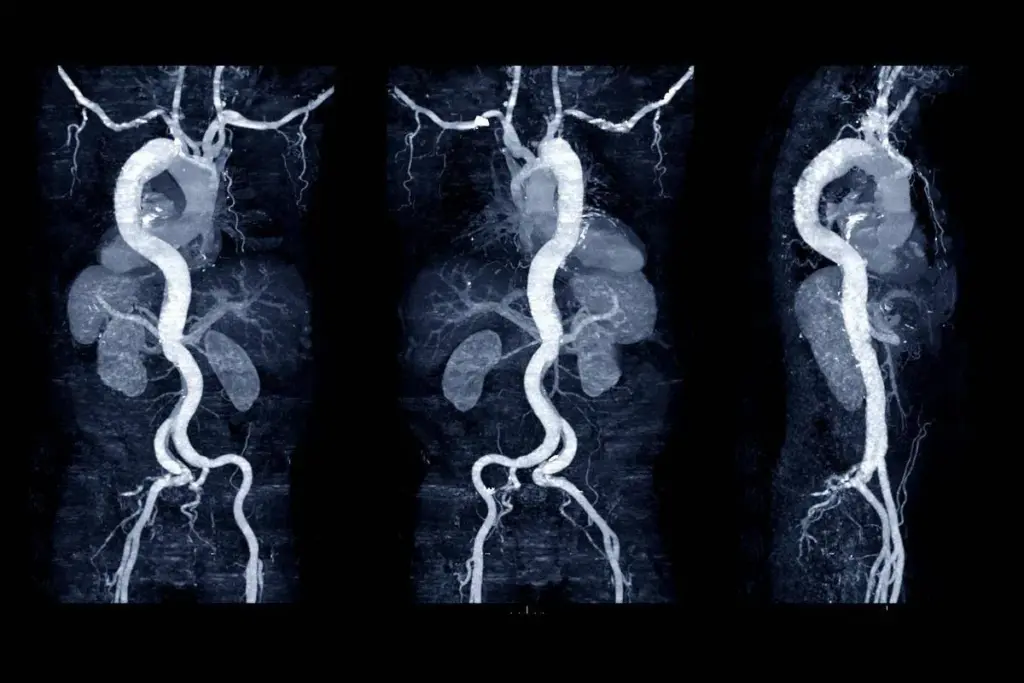
Did you know that an aortic aneurysm rupture is a life-threatening condition? It needs immediate medical attention. Many people who have a rupture don’t make it to the hospital. Celebrities like Emilia Clarke have talked about this, making us aware of the signs of a possible rupture.aortic aneurysm rupture signs8 Essential AAA Guidelines: Aortic Dissection & Aneurysm Management
An aortic aneurysm is a bulge in the main blood vessel. If it bursts, it can cause severe bleeding. It’s important to know the symptoms like sudden pain and severe chest pain to get help fast.
Key Takeaways
- Recognizing the signs of an aortic aneurysm rupture is key to survival.
- Symptoms include sudden pain and severe chest pain.
- Immediate medical attention is needed if a rupture is suspected.
- Being aware and acting quickly can greatly improve chances of recovery.
- Knowing the symptoms of an aortic aneurysm helps in getting medical help early.
Understanding Aortic Aneurysms and Their Dangers
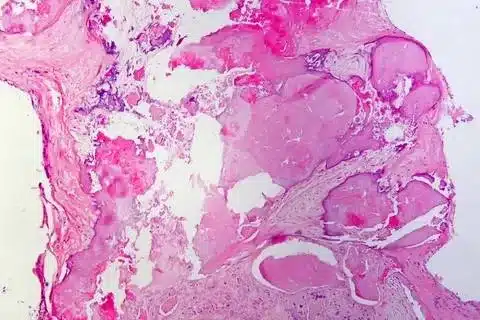
It’s important to know about the dangers of aortic aneurysms to catch them early. An aortic aneurysm is a bulge in the aorta. This is the main blood vessel that carries blood from the heart to the rest of the body.
What is an aortic aneurysm?
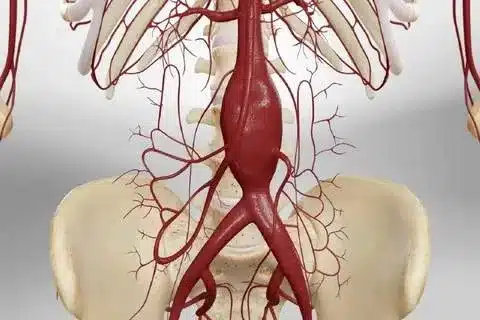
An aortic aneurysm can happen anywhere along the aorta. This blood vessel runs from the heart through the chest and abdomen. If it happens in the chest, it’s called a thoracic aortic aneurysm. If it’s in the abdomen, it’s an abdominal aortic aneurysm.
Types of aortic aneurysms
Aortic aneurysms are mainly divided by where they happen and why. The main types are:
- Thoracic aortic aneurysms (TAA)
- Abdominal aortic aneurysms (AAA)
Knowing the type helps doctors figure out the best treatment.
How common are aortic aneurysms?
Aortic aneurysms are more common than you might think. Studies show that abdominal aortic aneurysms affect a lot of people, mostly men over 65. Thoracic aortic aneurysms are less common but are also a big health risk.
|
Type of Aneurysm |
Prevalence |
Risk Factors |
|---|---|---|
|
Abdominal Aortic Aneurysm (AAA) |
Common in men over 65 |
Smoking, high blood pressure, family history |
|
Thoracic Aortic Aneurysm (TAA) |
Less common |
Genetic conditions, high blood pressure, atherosclerosis |
Knowing the risk factors and how common aortic aneurysms are can help catch them early. This can prevent a rupture, which is a serious emergency.
Aortic Aneurysm Rupture Signs: What You Need to Know
Knowing the signs of a rupturing aortic aneurysm can save lives. A rupture is a serious event that needs quick medical help. We’ll talk about the key signs of a rupture, why early detection is key, and how symptoms vary by location.
The Importance of Early Detection
Finding an aortic aneurysm rupture early can greatly improve survival chances. Spotting the signs early means doctors can act fast. This is vital for managing the condition well.
The symptoms of a rupture are sudden and severe. They often include sharp pain in the chest, back, or belly. Acting quickly is key to avoid worse problems.
Common vs. Uncommon Symptoms
Common signs of a rupture include sudden, severe pain in the chest, back, or belly. Other signs might be hard breathing, a fast heart rate, and low blood pressure. Less common signs can be misleading, like nausea, vomiting, or feeling like something bad is about to happen.
Understanding the difference between common and uncommon symptoms is essential, as common symptoms are straightforward while uncommon ones can be more challenging to identify.
Differences in Symptoms Based on Aneurysm Location
The location of the aneurysm affects the symptoms. For example, an aneurysm near the heart might cause chest pain or heart failure. An aneurysm in the belly area might lead to back or belly pain.
Knowing how the aneurysm’s location affects symptoms is key for correct diagnosis and treatment.
We must watch for signs of a rupture and get medical help right away. Quick action and treatment are essential for saving lives.
Sudden and Severe Pain Patterns
Sudden and severe pain is a key sign of an aortic aneurysm rupture. It shows up in different ways, depending on the person and where the aneurysm is. Knowing these pain patterns is key for catching it early and getting help fast.
Chest Pain Characteristics
Chest pain from an aortic aneurysm rupture is severe and sudden. It feels like a tearing or ripping. This pain can spread to the back or belly and may come with shortness of breath or trouble breathing.
The chest pain can feel sharp and stabbing. It gets worse when you breathe deeply or move around.
Sharp Back Pain Manifestations
Sharp back pain is a common symptom of an aortic aneurysm rupture. This pain is intense and doesn’t stop. It usually happens between the shoulder blades. It might also come with nausea or vomiting.
This back pain is different from other back pains because it starts suddenly and is very severe.
Abdominal Pain Indicators
Abdominal pain is another important symptom of an aortic aneurysm rupture. This pain is severe and crampy. It often goes to the groin or lower back. It’s important to know that belly pain can mean an aneurysm is rupturing, if it’s with other signs like dizziness or fainting.
It’s vital to understand the different pain signs of an aortic aneurysm rupture. This helps get medical help quickly.
Cardiovascular Symptoms of a Rupturing Aneurysm
An aortic aneurysm bursting leads to life-threatening cardiovascular responses. We will look at the key symptoms that happen during such emergencies.
Rapid Heart Rate and Palpitations
A rapid heart rate, or tachycardia, is common when an aortic aneurysm ruptures. The body tries to make up for lost blood volume. Palpitations, or irregular heartbeats, also occur due to the stress on the heart.
To grasp how serious rapid heart rate is, let’s look at a table:
|
Heart Rate (bpm) |
Condition |
Action |
|---|---|---|
|
60-100 |
Normal |
Monitoring |
|
101-120 |
Mild Tachycardia |
Medical Evaluation |
|
>120 |
Severe Tachycardia |
Immediate Medical Attention |
Low Blood Pressure Signs
Low blood pressure, or hypotension, is a critical symptom of a rupturing aortic aneurysm. It happens because of a lot of blood loss into the tissues. Signs include dizziness, fainting, and poor blood flow to vital organs.
Pulse Abnormalities
Pulse abnormalities can happen because of disrupted blood flow. They might show up as weak or missing pulses in some body areas. It’s important to notice these signs as they can mean an aneurysm is rupturing.
Knowing these cardiovascular symptoms is key to acting fast in case of an aortic aneurysm rupture. Quick medical help is vital to avoid serious problems.
Neurological Warning Signs
Certain neurological signs may mean an aortic aneurysm is about to burst or has burst. These symptoms are urgent and need quick medical attention.
Dizziness and Lightheadedness
Dizziness and feeling lightheaded can happen when an aortic aneurysm ruptures. These feelings come from a drop in blood pressure from internal bleeding. If you suddenly feel dizzy or think you might faint, get medical help fast.
Fainting Episodes
Fainting, or syncope, is a serious sign that might mean an aortic aneurysm is rupturing. The bleeding can cut off blood to the brain, making someone faint. Never ignore fainting, and seek help if it happens again or with other pains like chest or back pain.
Confusion and Altered Mental Status
Confusion and changes in mental state can happen from not enough blood and oxygen to the brain. These signs are worrying, more so for older adults or those with brain issues. If someone is confused, disoriented, or can’t stay alert, get emergency care right away.
Remember, these signs can mean a very serious condition. Quick action to these symptoms can greatly improve outcomes for aortic aneurysm rupture.
Physical Manifestations on the Skin and Body
The signs on the skin and body can show a serious aortic aneurysm rupture. It’s key to spot these signs fast for quick medical help.
Clammy or Pale Skin
Clammy or pale skin is a big sign of a rupturing aortic aneurysm. It happens because blood flow and organ perfusion drop. When the aneurysm bursts, blood spills into tissues, causing blood pressure to fall. This leads to poor blood flow to the skin, making it feel cool, clammy, or pale.
Cold Sweats
Cold sweats are a major symptom of a rupturing aortic aneurysm. Cold sweats happen when the body goes into shock or stress, often due to severe bleeding from the aneurysm. This symptom is very serious and needs quick medical care.
Visible Swelling or Pulsation
A rupturing aortic aneurysm might also cause visible swelling or pulsation in the belly or chest. This is more common in abdominal aortic aneurysms. The swelling or pulsating mass could mean the aneurysm is leaking or has ruptured, needing urgent medical help.
Knowing these signs and getting emergency medical care is vital. Quick action and treatment can greatly improve chances of survival from an aortic aneurysm rupture.
Respiratory Distress and Related Symptoms
An aortic aneurysm rupture can cause serious breathing problems. It can lead to a range of health issues, including trouble breathing. We will look at the key symptoms that show up in such emergencies.
Shortness of Breath
Shortness of breath, or dyspnea, can happen suddenly and severely. It happens when the aneurysm puts pressure on or bleeds into the lungs and airways. This makes it hard for them to work right. If you or someone else is having trouble breathing, get help right away.
Severe Weakness
Severe weakness often goes along with trouble breathing in an aortic aneurysm rupture. This weakness comes from the body’s reaction to bleeding and stress on vital organs. If you’re feeling very weak and can’t breathe well, it’s a serious situation that needs quick action.
Coughing and Hoarseness
Coughing and hoarseness can also happen due to the aneurysm’s pressure. These symptoms show the aneurysm is affecting the airway or nerves nearby. If you’re coughing a lot or your voice sounds different, and you’re also having trouble breathing, you need to see a doctor fast.
In summary, knowing the breathing symptoms of an aortic aneurysm rupture is key for quick medical help. If you or someone else is showing these signs, don’t wait to get emergency care.
Gastrointestinal Symptoms During Aortic Crisis
Gastrointestinal symptoms can be a big warning sign of an aortic aneurysm crisis. They show you need to get medical help fast. When an aortic aneurysm bursts, it can start a chain of reactions. These reactions can affect the GI system.
Nausea and Vomiting
Nausea and vomiting are common signs of an aortic aneurysm rupture. These symptoms come from the body’s stress and pain from the rupture. It’s key to know these symptoms can mean something serious.
Loss of Appetite
Feeling less hungry can happen when an aortic aneurysm ruptures. This loss of appetite comes from the body’s stress and pain. Watching appetite changes is important for checking how the patient is doing.
Digestive Disturbances
Abdominal pain or discomfort can happen during an aortic crisis. These symptoms come from the aneurysm’s pressure or the body’s response to the rupture. Spotting these digestive problems early can help figure out how bad the rupture is.
The symptoms of an aortic aneurysm rupture can vary. They might include:
- Nausea and vomiting
- Loss of appetite
- Abdominal pain or discomfort
- Changes in bowel habits
Seeing these symptoms as signs of an aortic aneurysm crisis is key for quick medical help. If you or someone you know has these symptoms, get medical help right away.
Recognizing Shock Symptoms in Aortic Emergencies
An aortic aneurysm rupture can cause hypovolemic shock, a serious condition. It happens when a lot of blood leaks out, reducing blood volume. This makes it hard for the heart to pump enough blood to important organs.
What is hypovolemic shock?
Hypovolemic shock is a serious medical emergency caused by losing a lot of blood or fluid. It often happens when an aortic aneurysm ruptures. This situation needs quick medical help to fix the blood volume and ensure blood flow.
This condition means the heart can’t send enough blood to vital organs. If not treated fast, it can cause organ failure. Spotting these symptoms early is key to saving lives.
Signs of internal bleeding
Internal bleeding from a ruptured aortic aneurysm shows in different ways. These include:
- Severe abdominal or back pain
- Dizziness or fainting
- Rapid heartbeat
- Low blood pressure
- Cold, clammy skin
These signs mean the body is losing a lot of blood. Quick action is needed.
Why shock is life-threatening
Shock is dangerous because it can harm vital organs. If not treated, it can cause permanent damage or even death.
It’s vital to act fast if shock symptoms are seen. Getting medical help right away is key to handling a ruptured aortic aneurysm.
Distinguishing Aortic Rupture from Other Conditions
Telling an aortic aneurysm rupture apart from other serious conditions is key. Symptoms of an aortic aneurysm rupture can look like other life-threatening issues. This makes it hard to figure out what’s wrong.
Aortic Dissection vs. Aneurysm Rupture
Aortic dissection and aneurysm rupture are both serious. But they are different. An aortic dissection is when there’s a tear in the aorta’s inner layer. This lets blood flow between the layers, causing severe pain.
An aneurysm rupture is when the aneurysm bursts, leading to bleeding into the tissue around it.
Here are some key differences in symptoms:
- The pain’s nature: Aortic dissection pain feels like tearing or ripping. Aneurysm rupture pain is sharp and severe.
- The pain’s location: Dissection pain can move as the tear grows. Rupture pain stays in the aneurysm area.
Heart Attack vs. Aortic Emergency
Heart attacks and aortic emergencies share some symptoms, like chest pain and shortness of breath. This makes it important to tell them apart. A heart attack happens when blood flow to the heart is blocked, damaging the heart muscle.
While both are emergencies needing quick medical help, their treatments are different.
To tell them apart:
- Check the pain’s nature: Heart attack pain feels like pressure or squeezing. Aortic rupture pain is sharp and severe.
- Look for other symptoms: Heart attacks might have nausea and fatigue. Aortic ruptures show signs of shock, like dizziness and cold sweats.
Other Conditions with Similar Symptoms
Other conditions can also have similar symptoms to an aortic aneurysm rupture. These include:
- Gastrointestinal issues: Severe abdominal pain can be mistaken for stomach problems.
- Pulmonary embolism: Sudden chest pain and shortness of breath can be confused with an aortic emergency.
- Musculoskeletal pain: Sharp back or chest pain can be thought of as muscle or bone issues instead of an aortic problem.
Getting a correct diagnosis needs a detailed medical check-up. This includes imaging studies and a full medical history.
Risk Factors and Causes of Aortic Aneurysm Rupture
Knowing the risk factors for aortic aneurysm rupture is key to prevention and early detection. Many things can make an aortic aneurysm more likely to rupture. Being aware of these can help people take steps to prevent it.
Genetic and Hereditary Factors
Genetics play a big role in aortic aneurysms. If your family has a history of aortic aneurysms, you’re at higher risk. Conditions like Marfan syndrome and Ehlers-Danlos syndrome can weaken the aorta, making it more likely to rupture.
- Family history of aortic aneurysms
- Genetic disorders like Marfan syndrome and Ehlers-Danlos syndrome
- Inherited conditions that affect the aorta
Lifestyle and Health Conditions
Lifestyle and health issues can also raise your risk. Smoking damages the aortic walls and increases the risk of rupture. Other conditions, like high blood pressure and atherosclerosis, also play a role.
- Smoking
- High blood pressure
- Atherosclerosis
- Obesity and lack of physical activity
Activities That May Trigger a Rupture
Some activities can put extra pressure on the aortic walls, leading to rupture. These include heavy lifting, intense physical activity, and straining during bowel movements. Knowing these risks can help those with aortic aneurysms stay safe.
By understanding these risk factors, people can lower their chance of aortic aneurysm rupture. Regular health checks and a healthy lifestyle are important for prevention and early detection.
Emergency Response and Treatment Options
A ruptured aortic aneurysm is a serious medical emergency. It needs quick action and urgent care. Knowing the right emergency response and treatment options can greatly improve patient outcomes.
Recognizing the Need for Immediate Action
If you or someone you know has symptoms like sudden and severe pain, act fast. Call 911 or your local emergency number right away if you see signs like severe chest, back, or abdominal pain, trouble breathing, or a fast heartbeat.
When you call for help, give as much info as you can. Talk about the symptoms, any medical history, and current medications.
What to Tell Emergency Responders
When help arrives, share important details. Be ready to talk about:
- The location and severity of the pain
- Any history of aneurysms or related conditions
- Current medications and dosages
- Any allergies or sensitivities
Urgent Surgery Procedures
At the hospital, a ruptured aortic aneurysm is treated as a surgical emergency. The main goal is to stop the bleeding and restore blood flow. Surgical options include:
|
Surgical Procedure |
Description |
|---|---|
|
Open Repair |
A traditional surgical approach involving a large incision to access the aorta directly. |
|
Endovascular Repair |
A minimally invasive procedure where a stent graft is placed via small incisions in the groin to repair the aneurysm. |
The American Heart Association says, “Endovascular repair is a less invasive alternative to open surgery. It may reduce recovery time and risk of complications.”
“The choice between open and endovascular repair depends on several factors, including the patient’s overall health, the location and size of the aneurysm, and the expertise of the medical team.”
Post-Emergency Care
After the emergency treatment, post-emergency care is key for recovery. This includes monitoring in an ICU, pain management, and follow-up care. Patients are also advised on lifestyle changes and follow-up appointments to monitor their condition.
Dealing with a ruptured aortic aneurysm requires a complete approach. From recognizing emergency signs to post-emergency care, it’s vital for saving lives.
Conclusion
Knowing the signs of an aortic aneurysm rupture is key to getting help fast. We’ve talked about symptoms like sudden, severe pain and other signs. These include changes in the heart and brain, and visible signs on the skin and body.
Being aware of these signs helps people get to the hospital quickly. It’s important to know that some signs need help right away to avoid serious problems.
Quick action is vital for treating an aortic aneurysm. By watching for symptoms and knowing the risks, people can have a better chance of surviving and recovering.
FAQ
What are the signs of an aortic aneurysm rupture?
Signs include sudden, severe pain in the chest, back, or abdomen. You might also feel dizzy, faint, or have a rapid heart rate. Low blood pressure, clammy skin, shortness of breath, and weakness are other symptoms.
How do I know if my aortic aneurysm is bursting?
If you have sudden, severe pain in your chest, back, or abdomen, seek help right away. Dizziness, fainting, or shortness of breath are also warning signs.
What is the difference between an aortic aneurysm and an aortic dissection?
An aortic aneurysm is a bulge in the aorta. An aortic dissection is a tear in the aorta’s inner layer. Both are serious but need different treatments.
Can an aortic aneurysm rupture without symptoms?
Yes, it’s rare but possible for an aortic aneurysm to rupture without symptoms. But most ruptures cause severe pain and other symptoms.
What are the risk factors for an aortic aneurysm rupture?
Risk factors include genetic predispositions, smoking, high blood pressure, and atherosclerosis. Certain health conditions also increase the risk.
How is an aortic aneurysm rupture diagnosed?
Imaging tests like CT scans, MRI, or ultrasound are used to diagnose. Clinical evaluation and patient history are also important.
What is the treatment for an aortic aneurysm rupture?
Emergency surgery is usually needed to repair or replace the damaged aorta. Quick medical action is key to prevent severe bleeding and death.
Can lifestyle changes prevent an aortic aneurysm rupture?
While some risks can’t be changed, lifestyle changes can help. Quitting smoking, managing blood pressure, and eating healthy can reduce the risk.
What are the symptoms of shock in an aortic aneurysm rupture?
Symptoms include low blood pressure, rapid heart rate, and cold sweats. Clammy skin, dizziness, and confusion are also signs of shock.
When should I seek immediate medical help for an aortic aneurysm?
Seek immediate help if you have sudden, severe pain in your chest, back, or abdomen. Dizziness, fainting, or shortness of breath are also urgent signs.
References
New England Journal of Medicine. Evidence-Based Medical Insight. Retrieved from https://www.nejm.org/doi/full/10.1056/NEJMcp054036