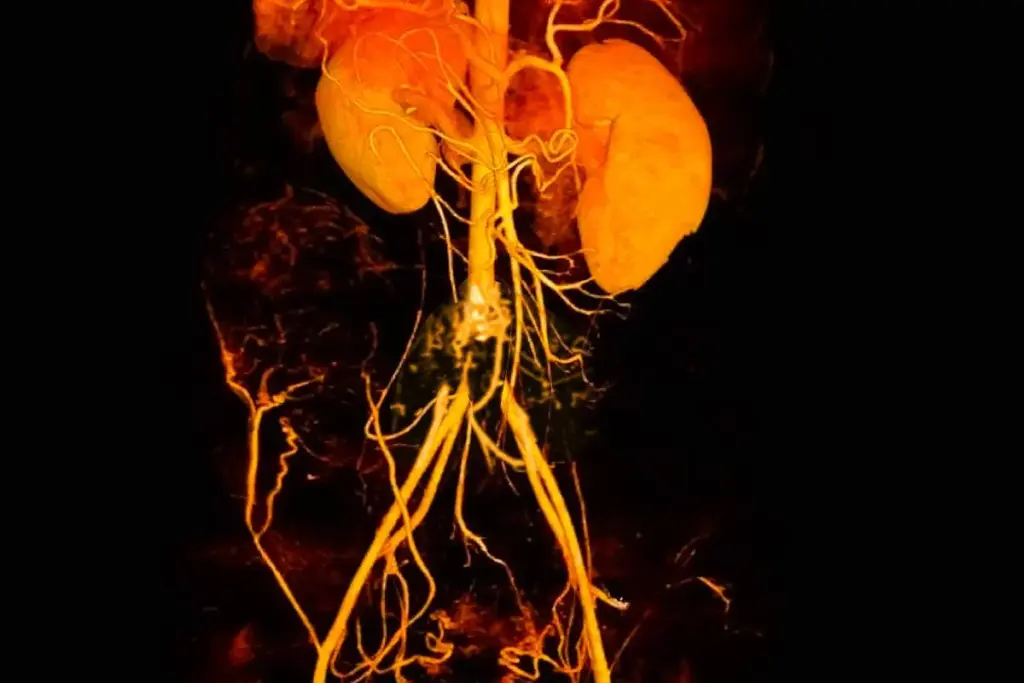
Nearly 200,000 people in the United States are diagnosed with an aortic aneurysm each year. Many face severe complications from aortic dissection. Knowing what makes these conditions worse is key to getting help quickly.aortic dissection symptoms8 Essential AAA Guidelines: Aortic Dissection & Aneurysm Management
Advanced glycation end products (AGEs) are linked to vascular problems, like abdominal aortic aneurysms (AAAs). We’ll look into how these factors increase the risk and severity of aortic dissections. We’ll also talk about the symptoms patients should watch for.
Key Takeaways
- Understanding the risk factors for aortic aneurysms and dissections is vital for prevention and timely treatment.
- Advanced glycation end products (AGEs) play a big role in vascular diseases.
- Knowing the symptoms of aortic dissection can save lives.
- Aortic dilation is a key sign of possible aortic dissection.
- Telling aortic dissection apart from an aneurysm is important for the right treatment.
Understanding Aortic Aneurysms and Dissections
Aortic aneurysms and dissections are serious heart conditions. They affect the aorta, the main artery that carries blood from the heart. Knowing about these conditions is key for early treatment.
What is an Aortic Aneurysm?
An aortic aneurysm is when the aorta gets too big. This can cause a bulge in the artery wall. If it bursts, it can lead to severe bleeding inside the body. Because it often has no symptoms, regular check-ups are important.
What is an Aortic Dissection?
An aortic dissection is a tear in the aorta’s inner layer. This allows blood to flow between the layers, which is a medical emergency. It can cause severe chest or back pain.
The Relationship Between Aneurysms and Dissections
Aortic aneurysms and dissections are different but related. Both involve the aorta and can lead to serious heart problems. Knowing this helps in treating these conditions better.
Both conditions need quick medical attention to avoid serious problems. By understanding aortic aneurysms and dissections, patients and doctors can work together to manage them better.
Types of Aortic Aneurysms

It’s important to know about the different types of aortic aneurysms. They are mainly classified by where they occur in the aorta.
Thoracic Aortic Aneurysms
Thoracic aortic aneurysms happen in the chest part of the aorta. They can be in different parts of the thoracic aorta. The exact spot affects symptoms and treatment.
- Ascending Aortic Aneurysm: Often linked to genetic issues or connective tissue problems.
- Aortic Arch Aneurysm: Can hit the brain and arm blood supply.
- Descending Aortic Aneurysm: Can reach the belly and affect the legs and belly blood supply.
Abdominal Aortic Aneurysms (AAA)
Abdominal aortic aneurysms happen in the belly part of the aorta. AAA is the most common type and is often caused by atherosclerosis, smoking, and other heart risks.
Symptoms of AAA can be hard to spot, making early detection key. It’s vital to catch it early to avoid a life-threatening rupture.
Thoracoabdominal Aortic Aneurysms
Thoracoabdominal aortic aneurysms span both the chest and belly parts of the aorta. They are complex and hard to treat because they affect many aortic branches.
Knowing the types helps doctors plan the best treatment for each patient.
Key Factors That Aggravate Aortic Aneurysms
Aortic aneurysms can be affected by many lifestyle and environmental factors. Knowing these factors is key for patients to manage their condition well. It helps reduce the risk of serious problems.
Uncontrolled Hypertension
High blood pressure is a big risk for aortic aneurysms. If blood pressure is not controlled, the aneurysm can grow faster. It’s important to manage blood pressure with medicine, lifestyle changes, and regular checks.
Smoking and Tobacco Use
Smoking and tobacco use are major risks for aortic aneurysms. Tobacco smoke can harm the aortic walls, making them more likely to form aneurysms or rupture. Quitting smoking is a key step in managing aortic aneurysms.
“Smoking cessation is one of the most effective ways to reduce the risk of aneurysm progression and rupture.”
Aortic Aneurysm Foundation
Physical Exertion and Heavy Lifting
While exercise is good for health, some types can be bad for aortic aneurysms. Heavy lifting, for example, can raise blood pressure and strain the aortic walls. It’s best to talk to a healthcare provider about safe exercises.
Stress and Emotional Triggers
Stress and emotional triggers can also worsen aortic aneurysms. Chronic stress can raise blood pressure and heart rate, straining the aortic walls. Doing stress-reducing activities like meditation or yoga can help.
By understanding and managing these key factors, people with aortic aneurysms can lower their risk of complications. This can also improve their overall health.
Lifestyle Factors That Worsen Aortic Aneurysms
Our daily habits can either make aortic aneurysms worse or better. Understanding how our lifestyle choices affect aortic aneurysms is key. By making smart choices, we can improve our health.
Diet and Nutrition Impact
What we eat greatly affects our heart health and aortic aneurysms. Eating lots of fruits, veggies, whole grains, and lean proteins can slow aneurysm growth. But, foods high in saturated fats, cholesterol, and sodium can make it worse.
Nutritional Recommendations:
- Eat more omega-3 fatty acids from fish like salmon and sardines.
- Get lots of antioxidants from berries, leafy greens, and other fruits and veggies.
- Stay away from processed and high-sodium foods.
|
Nutrient |
Benefit |
Food Sources |
|---|---|---|
|
Omega-3 Fatty Acids |
Reduces inflammation |
Salmon, sardines, flaxseeds |
|
Antioxidants |
Protects against cell damage |
Berries, leafy greens, nuts |
|
Fiber |
Helps lower cholesterol |
Oats, barley, fruits, vegetables |
Caffeine and Stimulant Consumption
Caffeine and other stimulants can harm our heart health. While a little caffeine is okay, too much can raise heart rate and blood pressure. This can make an aortic aneurysm worse.
It’s important to watch how much caffeine we drink from coffee, tea, energy drinks, and some meds. Sticking to the recommended amount can protect our heart.
Alcohol Use
Drinking too much alcohol can also hurt our heart health and make aneurysms worse. High blood pressure and heart disease are risks from too much drinking.
Guidelines for Alcohol Consumption:
- Men: Limit alcohol to two drinks a day.
- Women: Stick to one drink a day.
- Avoid binge drinking.
Lack of Physical Activity
Being active is key to keeping our heart healthy and managing aneurysm risks. Sitting too much can lead to high blood pressure and obesity, making aneurysms worse.
Doing regular, moderate exercise like walking, cycling, or swimming is good for our heart. Always talk to a doctor before starting any new exercise plan.
Medical Conditions That Increase Aneurysm Risk
Many medical conditions can raise the risk of getting an aortic aneurysm. Knowing about these conditions helps us spot who’s at higher risk. This knowledge is key to taking steps to prevent aneurysms.
Atherosclerosis
Atherosclerosis is when plaque builds up in arteries. This buildup weakens the walls of the arteries. It makes them more likely to get an aneurysm.
Key factors contributing to atherosclerosis include:
- High blood pressure
- High cholesterol levels
- Smoking
- Diabetes
Genetic Disorders
Some genetic disorders can also raise the risk of an aortic aneurysm. These include:
- Marfan syndrome
- Ehlers-Danlos syndrome
- Loeys-Dietz syndrome
These conditions make the arterial walls weak. This makes them more likely to get an aneurysm.
Inflammatory Conditions
Inflammatory conditions like giant cell arteritis and Takayasu arteritis can also lead to aortic aneurysms. These conditions cause inflammation in blood vessels. This can weaken the walls of the arteries.
It’s important to manage these conditions well. This can help lower the risk of aneurysm.
Infections Affecting the Aorta
Infections like syphilis and certain bacterial infections can harm the aorta. This can increase the risk of an aneurysm. These infections can damage the arterial walls, leading to aneurysm development.
By knowing about these medical conditions and their effects on the aorta, we can better find at-risk individuals. We can then provide the right care to stop aneurysms from happening.
Recognizing Aortic Dissection Symptoms
Spotting aortic dissection symptoms early is key to better health outcomes. Aortic dissection happens when a tear in the aorta’s inner layer lets blood flow between its layers. This can cause serious problems if not treated quickly.
Classic Symptoms of Aortic Dissection
The main sign of aortic dissection is sudden, severe chest pain. This pain feels like a tear or ripping. It can spread to the back, neck, or belly, depending on where the tear is.
- Sudden, severe pain: The pain starts suddenly and is very intense.
- Pain migration: As the tear grows, the pain can move to other areas.
- Hypertension: High blood pressure is common in aortic dissection patients.
Less Common Presentation Signs
While chest pain is the main symptom, some people may show different signs. These can include:
- Syncope: Fainting or near-fainting can happen due to heart issues or other problems.
- Stroke or neurological deficits: If the tear reaches the carotid arteries, it can cause stroke-like symptoms.
- Lower limb ischemia: Tears in the abdominal aorta can cause leg pain or weakness.
Symptoms Based on Dissection Location
The symptoms change based on where the tear is. For example:
|
Dissection Location |
Common Symptoms |
|---|---|
|
Ascending Aorta |
Chest pain, cardiac tamponade |
|
Descending Aorta |
Back pain, abdominal pain |
|
Thoracoabdominal Aorta |
Back pain, leg ischemia |
When Symptoms Require Emergency Care
It’s important to know when to get help right away. If you or someone else has:
- Sudden, severe chest or back pain
- Difficulty breathing
- Fainting or near-fainting
- Severe leg pain or weakness
Call for emergency care at once. Aortic dissection is a serious emergency that needs quick treatment to avoid serious harm or death.
“Time is of the essence when dealing with aortic dissection. Prompt recognition and treatment can significantly improve survival rates and outcomes.”
— Cardiovascular Specialist
Differences Between Aneurysm and Dissection Symptoms
It’s key to know the differences in symptoms between aneurysms and dissections. Both are serious and affect the aorta. Yet, they show different signs.
Aneurysm Symptoms Before Rupture
Often, an aortic aneurysm doesn’t show symptoms until it bursts. But, some people might feel back pain, abdominal pain, or a pulsating feeling near the navel. These signs can be unclear and might be mistaken for other issues.
Also, a big aneurysm can push on nearby things. This might cause trouble swallowing or shortness of breath. If you have unusual or ongoing pain, get medical help right away.
Dissection Symptoms and Progression
Aortic dissection symptoms can be sudden and intense. The main sign is a sharp, tearing pain in the chest or back. This pain can move or spread to other spots. It’s often very severe and might come with sweating, nausea, or vomiting.
As the dissection gets worse, it can cause serious problems like organ failure or cardiac tamponade. Spotting symptoms early is vital for good treatment.
How to Recognize a Rupturing Aneurysm
A rupturing aneurysm is a true emergency. Symptoms include severe abdominal or back pain, low blood pressure, and rapid heart rate. Sometimes, people might faint or lose consciousness.
If you or someone you know has these signs, get medical help fast. Quick action can greatly improve chances of recovery.
We stress the need to know these differences for timely medical care. By spotting the unique signs of aneurysms and dissections, people can get help when it’s most needed.
Diagnostic Approaches for Aortic Conditions
Getting the right diagnosis for aortic conditions is key to good treatment. We use many ways to find and check aortic aneurysms and dissections. This ensures patients get the care they need.
Imaging Techniques
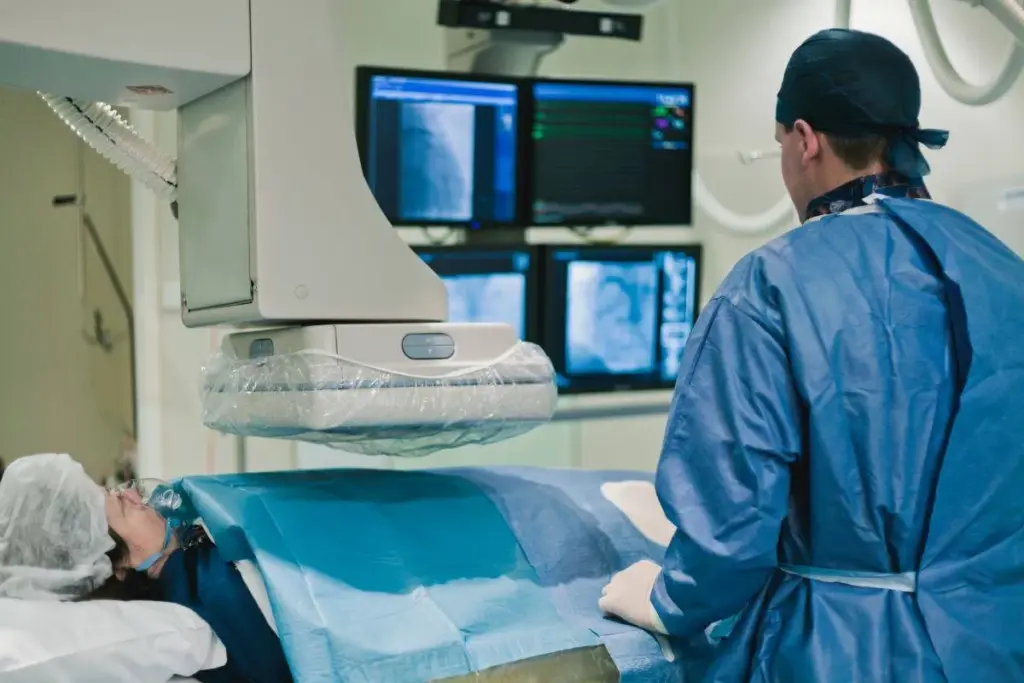
Imaging is a big help in finding aortic problems. Computed Tomography (CT) scans give us clear pictures of the aorta. They help us see how big and where an aneurysm or dissection is.
Other tools like Magnetic Resonance Imaging (MRI) and ultrasound might also be used. This depends on the patient’s situation and what we need to see.
“Imaging has changed how we diagnose aortic issues,” says a top doctor. “It lets us make quick and correct diagnoses.”
Laboratory Tests
Laboratory tests are also very important. We run blood tests to check the patient’s health and look for signs of aortic disease. For instance, D-dimer tests can spot blood clots in a dissection.
- Blood tests to assess overall health
- D-dimer tests for diagnosing dissections
- Other laboratory tests as needed
Physical Examination Findings
A detailed physical exam is also key. We look for things like pulsating masses in the belly, which might mean an aneurysm. We also check the patient’s health history and risk factors.
By mixing imaging, lab tests, and physical exams, we can accurately find and treat aortic problems. This helps improve how well patients do.
Treatment Options for Aortic Aneurysms
Treatment for aortic aneurysms varies. It can range from watching the condition to surgery. The right treatment depends on the aneurysm’s size, location, and the patient’s health.
Medical Management
Many start with medical management. This means watching the aneurysm’s size with tests, controlling blood pressure, and managing heart risks. Doctors often use beta-blockers and ACE inhibitors to slow the aneurysm’s growth.
It’s key to make lifestyle changes. Quitting smoking, eating well, and exercising can help prevent the aneurysm from getting worse.
Surgical Interventions
Surgical repair is needed for big or fast-growing aneurysms. This surgery replaces the weak part of the aorta with a synthetic graft. It’s effective but requires a long recovery.
We talk about the pros and cons of surgery with our patients. We consider their age, health, and other conditions.
Endovascular Procedures
Endovascular aneurysm repair (EVAR) is a less invasive option. It uses a stent-graft to block blood flow to the aneurysm. This method is good for those at high risk for open surgery.
We use advanced imaging to place the stent-graft correctly. This helps us see how well the treatment works.
Emergency Treatment for Rupture or Dissection
For ruptured or dissected aortic aneurysms, emergency treatment is vital. Quick surgery or endovascular repair is needed to save lives. We have a team ready to act fast in emergencies.
Our emergency plan includes quick assessment, stabilizing the patient, and immediate repair. We aim to fix the aorta and ensure blood flow to important organs.
Preventing Aneurysm Growth and Complications
To stop an aortic aneurysm from growing, we need to manage blood pressure and make big lifestyle changes. A good plan can lower the risk of the aneurysm getting worse and its complications.
Blood Pressure Management
Keeping blood pressure in check is key to stopping aneurysm growth. Hypertension can make aneurysms worse, and controlling it with medicine, diet, and lifestyle can help. It’s important to work with a doctor to keep blood pressure under control.
Checking blood pressure at home and during doctor visits is important. Making healthy choices like eating less salt, exercising more, and managing stress can also help control blood pressure.
Lifestyle Modifications
Healthy choices are important to prevent aneurysm growth. Quitting smoking is a big step, as smoking can make aneurysms worse. Eating well, with lots of fruits, veggies, and whole grains, and less bad fats and processed foods, is also good for your heart.
Exercising regularly, like walking, can also boost heart health. But, always talk to a doctor before starting new exercises, if you have concerns about your aneurysm.
Medication Adherence
It’s very important to take your medicines as your doctor tells you. Medicines like beta-blockers can help control blood pressure and protect the aortic wall. Always follow your doctor’s instructions with your medicines.
Regular Monitoring and Follow-up
Regular check-ups and tests are key to managing aneurysms. These include imaging tests to watch the aneurysm’s size and growth, and doctor visits to check your heart health.
By being active in your care, you can work well with your healthcare team. This can help prevent problems and manage your condition well.
Living with an Aortic Aneurysm
Getting diagnosed with an aortic aneurysm can change your life. But, with the right help, you can stay active. It’s all about the right mix of medical care, lifestyle changes, and emotional support.
Activity Restrictions and Recommendations
It’s important to be careful with your activities when you have an aortic aneurysm. You should keep moving but avoid things that might hurt your aorta.
- Avoid heavy lifting and bending, as these activities can increase blood pressure and strain on the aortic wall.
- High-impact exercises, such as running or jumping, may also be discouraged in favor of lower-impact activities like walking or swimming.
- Consult with your healthcare provider to develop a personalized exercise plan that suits your condition and overall health.
Asa cardiothoracic surgeon, notes, “The key is to find a balance between staying active and avoiding activities that could potentially worsen the aneurysm.”
Emotional and Psychological Impact
Having an aortic aneurysm can really affect your feelings. You might feel anxious or worried about the future. It’s okay to feel this way and to seek help.
“It’s not just about managing the physical aspects of the condition; emotional well-being is equally important,” emphasizesa patient advocate. “Connecting with others who understand what you’re going through can make a big difference.”
Support Resources and Groups
There are many resources for people with an aortic aneurysm. Support groups, both online and in-person, offer a sense of community. Healthcare providers also offer counseling or can recommend mental health professionals.
“Support groups can be a lifeline for many patients, providing a space to share experiences and advice,” saysa vascular specialist. “We encourage our patients to explore these resources as part of their overall care plan.”
By combining medical care with lifestyle adjustments and emotional support, people with an aortic aneurysm can live fulfilling lives. It’s about making smart choices and staying connected with healthcare and support networks.
Special Considerations for High-Risk Populations
High-risk groups need special care when dealing with aortic aneurysms. Some people are more likely to get aortic aneurysms because of their genes, age, or health conditions.
Genetic Predisposition
People with a family history of aortic aneurysms or certain genetic disorders are at higher risk. Genetic predisposition plays a significant role in aortic aneurysms, like in familial thoracic aortic aneurysms and dissections (FTAAD). We suggest screening for those with a known family history.
Elderly Patients
Age is a big risk factor for aortic aneurysms. Older patients often have more health issues, making treatment harder. Regular monitoring is key for early detection and treatment.
Patients with Connective Tissue Disorders
Conditions like Marfan syndrome, Ehlers-Danlos syndrome, and Loeys-Dietz syndrome raise the risk of aortic aneurysms. These patients need specialized care and regular checks because of their high risk of aortic problems.
Pregnancy and Aortic Aneurysms
Pregnancy can increase the risk of aortic dissection in women with pre-existing aortic aneurysms or certain genetic conditions. Close monitoring during pregnancy is vital to manage risks well.
|
High-Risk Group |
Key Considerations |
Management Strategies |
|---|---|---|
|
Genetic Predisposition |
Family history, genetic disorders |
Screening, regular monitoring |
|
Elderly Patients |
Age-related risks, comorbidities |
Regular check-ups, managing comorbidities |
|
Connective Tissue Disorders |
Marfan syndrome, Ehlers-Danlos syndrome |
Specialized care, regular assessment |
|
Pregnancy |
Increased risk of dissection |
Close monitoring throughout pregnancy |
Knowing these special needs helps healthcare providers give targeted care to those at highest risk. This can help lower the chance of aortic aneurysm-related problems.
Conclusion
It is essential to understand and manage aortic aneurysms and dissections. It involves being aware, preventing, and getting medical help quickly. We’ve looked at the different parts of these conditions, like types, risks, symptoms, how to diagnose them, and treatments.
Managing aortic aneurysms means keeping blood pressure in check, changing lifestyle habits, and following medication. It’s also important to get regular check-ups to avoid problems. For aortic dissections, getting medical help fast is critical to prevent more damage.
In wrapping up our talk on aortic aneurysms and dissections, we see the need for a proactive stance. Raising awareness and education helps people take charge of their health. This leads to better care and outcomes for aortic aneurysm and dissection management.
FAQ
What is an aortic aneurysm?
An aortic aneurysm is a bulge in the aorta. The aorta is the main blood vessel. It carries blood from the heart to the rest of the body.
What are the symptoms of an aortic dissection?
Symptoms include sudden severe chest or back pain. You might also feel short of breath. Or, you might feel a tearing or ripping in your chest or back.
What aggravates an aortic aneurysm?
Things that can make an aortic aneurysm worse include high blood pressure. Smoking, physical exertion, and stress also play a role.
How is an aortic aneurysm diagnosed?
Doctors use imaging tests like ultrasound, CT scans, or MRI. These tests help see the aorta and find any aneurysms or dissections.
What are the treatment options for an aortic aneurysm?
Treatment depends on the aneurysm’s size and location. Options include medical management, surgery, and endovascular procedures.
Can lifestyle changes help prevent aneurysm growth?
Yes, making lifestyle changes can help. Managing blood pressure, quitting smoking, and eating healthy can prevent aneurysm growth.
What are the risks associated with aortic dissections?
Aortic dissections can lead to serious problems. These include aortic rupture, organ failure, and death if not treated quickly.
How can I manage stress to reduce the risk of aneurysm complications?
Stress management techniques like meditation, yoga, and deep breathing can help. They reduce the risk of aneurysm complications.
Are there any specific activities I should avoid with an aortic aneurysm?
Yes, avoid heavy lifting, bending, or strenuous exercise. These activities can increase the risk of aneurysm rupture.
Can genetic predisposition play a role in developing an aortic aneurysm?
Yes, a family history of aortic aneurysms or certain genetic disorders can increase risk. Individuals with these backgrounds may be more likely to develop an aortic aneurysm.
What is the difference between an aortic aneurysm and an aortic dissection?
An aortic aneurysm is a bulge in the aorta. An aortic dissection is a tear in the aorta’s inner layer. This can cause the layers to separate.
How often should I have my aortic aneurysm monitored?
Monitoring frequency depends on the aneurysm’s size, location, and your individual risk factors. Your healthcare provider will determine the best schedule for monitoring.
References
National Center for Biotechnology Information. Evidence-Based Medical Insight. Retrieved from https://pubmed.ncbi.nlm.nih.gov/28655550/