
Aortic dissection is a serious condition that happens to about 2-3 people per 100,000 in the U.S. each year. It’s important to know the early signs to avoid serious problems and get better care. This condition happens when the inner layer of the aorta tears, letting blood flow between the layers of the aortic wall. Know the aortic dissection warning signs. Recognizing these crucial symptoms is powerful and can be life-saving in a serious emergency.
Spotting aortic dissection warning signs early is very important. Quick medical help can greatly lower death rates. Knowing the early signs helps people get help fast.
Key Takeaways
- Recognizing early symptoms of aortic dissection is key to better outcomes.
- Aortic dissection occurs when the inner layer of the aorta tears.
- Quick medical help can greatly lower death rates.
- Knowing early signs helps people get help fast.
- Early detection is vital for surviving aortic dissection.
Understanding Aortic Dissection

Aortic dissection happens when there’s a tear in the aorta’s inner layer. This allows blood to flow between the aorta’s layers. It can cause serious problems like aortic rupture or organ failure if not treated quickly. Knowing about aortic dissection is key to spotting warning signs and getting medical help fast.
Definition and Anatomy of the Aorta
The aorta is the biggest artery, starting from the heart and going down to the belly. It splits into smaller arteries there. It’s essential for delivering oxygen-rich blood to the body. The aorta has three layers: the intima, media, and adventitia.
An aortic dissection starts with a tear in the intima. This lets blood into the media, causing the layers to split.
Types of Aortic Dissection
Aortic dissections are mainly divided by where they happen and how far they spread.
- Type A Dissection: This affects the ascending aorta and is a medical emergency. It can lead to heart problems like cardiac tamponade and aortic regurgitation.
- Type B Dissection: It only affects the descending aorta. Most Type B dissections are treated with medicine, but some may need endovascular treatment.
Knowing the type of aortic dissection is important. It helps doctors decide the best treatment and understand the patient’s outlook.
The Importance of Early Recognition
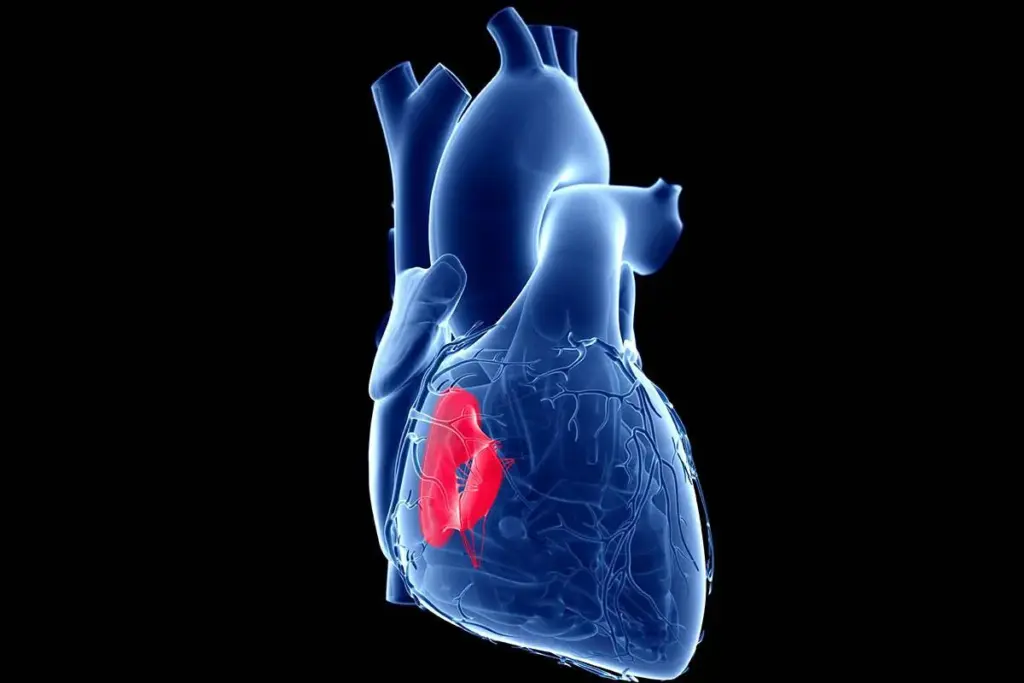
Spotting aortic dissection symptoms early can save lives. Aortic dissection happens when there’s a tear in the aorta’s inner layer. This allows blood to flow between the layers, leading to serious problems if not treated quickly.
Mortality Rates and Time Sensitivity
Aortic dissection is very dangerous if not caught and treated fast. It’s a condition that needs quick action. If not treated, the risk of death can rise fast, up to 1-2% per hour in the first 48 hours.
It’s vital to recognize symptoms early. Quick diagnosis and treatment can greatly improve a patient’s chances of survival. Healthcare providers must be very alert, paying extra attention to high-risk patients.
Challenges in Diagnosis
Diagnosing aortic dissection is tricky. The symptoms can look like other conditions, making it hard to diagnose just by looking at symptoms. Imaging studies are key to confirming the diagnosis.
Diagnosing aortic dissection requires a detailed approach. This includes a full medical history, physical exam, and the right imaging tests. Doctors need to be careful and think of aortic dissection when patients show symptoms that could point to it.
Aortic Dissection Warning Signs to Never Ignore
The warning signs of aortic dissection include sudden and severe pain. This pain should never be ignored. Aortic dissection is a serious condition where there is a tear in the aorta’s inner layer. This allows blood to flow between the layers of the aortic wall.
Sudden, Severe Chest or Back Pain
One common warning sign is sudden, severe chest or back pain. This pain feels like a tearing or ripping sensation.
- Chest Pain: The pain is often felt in the center or front of the chest.
- Back Pain: It can also radiate to the back, between the shoulder blades.
Pain Characteristics and Patterns
The pain from aortic dissection can vary. Understanding these variations is key for diagnosis.
- The pain is typically severe and reaches its maximum intensity at the onset.
- It may migrate or radiate to other areas, such as the neck, jaw, or lower back.
- The pain can be accompanied by other symptoms like shortness of breath or sweating.
Differentiating from Other Conditions
Distinguishing aortic dissection from other chest or back pain conditions is tough but vital. Conditions like myocardial infarction, pulmonary embolism, or musculoskeletal strain can seem similar.
- Key Differentiator: The tearing or ripping quality of the pain is a distinctive feature of aortic dissection.
- Aortic dissection pain is often not relieved by rest or common pain medications.
Less Common but Critical Warning Signs
There are warning signs of aortic dissection that are not as common but are very important. Severe chest or back pain is often linked to aortic dissection. But, other symptoms can also show how serious the condition is.
Neurological Symptoms
Neurological symptoms can happen when aortic branches affect the brain or spinal cord. These symptoms might include stroke-like symptoms like trouble speaking or weakness in limbs. In severe cases, there could be loss of consciousness.
It’s important to notice these symptoms. They show that the blood supply to important parts might be at risk.
Gastrointestinal and Abdominal Symptoms
Gastrointestinal and abdominal symptoms can also point to aortic dissection, mainly if it affects the abdominal aorta. Symptoms might include abdominal pain, nausea, and vomiting. These can sometimes be mistaken for a stomach problem, making it key to check for other causes.
Pulse Deficits and Blood Pressure Differences
Pulse deficits and blood pressure differences between limbs are key signs of aortic dissection. A pulse deficit happens when the pulse count at the wrist or neck doesn’t match the heart rate. This is often due to blocked blood flow through the aorta or its branches.
Also, blood pressure differences between arms or arms and legs can mean a problem with blood flow. This needs to be looked into further.
Prodromal Symptoms Before Acute Dissection
Before an acute aortic dissection happens, some people might feel subtle but important symptoms. These early signs can help doctors diagnose and treat the issue quickly.
Mild Chest Discomfort or Pain
Mild chest pain or discomfort can be a sign before an aortic dissection. This pain might not seem bad at first and could make people wait to see a doctor. But, any chest pain or discomfort that doesn’t go away needs to be checked by a doctor right away.
- Characteristics of mild chest discomfort: It might feel like a dull ache or a sharp pain.
- Patterns: The pain can stay the same or come and go.
Unexplained Fatigue or Weakness
Some people might feel unexplained fatigue or weakness before an aortic dissection. This could be because their body is reacting to the dissection or because of changes in their heart. It’s important to remember that fatigue can have many causes. But, if you’re feeling very tired and have other symptoms, it could mean something serious is happening.
- Notice if you’re feeling very tired that doesn’t get better with rest.
- Tell a doctor if you’re feeling weak, and it’s not normal.
It’s hard to notice these early symptoms, but knowing them is key to catching aortic dissection early. If you or someone you know is feeling these symptoms, it’s important to see a doctor right away.
Risk Factors for Aortic Dissection
Knowing the risk factors for aortic dissection can help save lives. This condition is complex and influenced by many factors.
Hypertension and Its Role
Hypertension is a big risk for aortic dissection. High blood pressure strains the aortic wall, making it more likely to tear.
Table: Impact of Hypertension on Aortic Dissection Risk
|
Hypertension Status |
Relative Risk |
|
Normotensive |
1.0 |
|
Hypertensive |
2.5 |
Age and Gender Considerations
Age and gender are also important in aortic dissection risk. The risk goes up with age, more so in men.
“The peak incidence of aortic dissection occurs in the sixth and seventh decades of life, with a higher prevalence in men than women.” –
Aortic Dissection Review
Genetic and Connective Tissue Disorders
Genetic conditions like Marfan syndrome and Ehlers-Danlos syndrome raise aortic dissection risk. They affect connective tissue.
Lifestyle Factors
Lifestyle choices, like smoking and being inactive, also increase aortic dissection risk.
It’s key to understand these risk factors for early detection and prevention. Managing blood pressure, knowing genetic risks, and living a healthy lifestyle can lower your risk.
High-Risk Populations for Aortic Dissection
Knowing who is at risk is key to preventing and managing aortic dissection. Some people are more likely to get this condition because of their genes, body shape, or health.
Marfan Syndrome Patients
Marfan syndrome is a genetic disorder that affects the body’s connective tissue. It can lead to a bigger aortic root and increase the risk of aortic dissection. People with Marfan syndrome need regular checks and care to lower this risk.
Key Considerations for Marfan Syndrome Patients:
- Regular echocardiograms to monitor aortic root size
- Medications to reduce the risk of aortic dilatation
- Lifestyle modifications to avoid strenuous activities
Individuals with Family History
A family history of aortic dissection or related conditions can raise your risk. Genetic testing and regular health checks are advised for those with a family history.
Risk Factors Associated with Family History:
|
Risk Factor |
Description |
|
Genetic predisposition |
Inherited conditions that affect the aorta |
|
Family history of aortic diseases |
Presence of aortic aneurysms or dissections in relatives |
Pregnancy-Related Risks
Pregnancy can raise the risk of aortic dissection, mainly in women with a big aortic root or genetic conditions like Marfan syndrome. It’s important to watch these women closely during pregnancy.
Pregnancy-Related Risk Management:
- Pre-pregnancy counseling for women with known risk factors
- Regular cardiovascular monitoring during pregnancy
- Multidisciplinary care involving cardiologists and obstetricians
Diagnostic Procedures for Suspected Aortic Dissection
Diagnosing aortic dissection involves several key steps. These include imaging and laboratory tests. It’s vital to diagnose accurately and quickly to manage and treat the condition effectively.
Imaging Techniques
Imaging is a critical part of diagnosing aortic dissection. The main imaging methods used are:
- Computed Tomography (CT): CT scans are very good at spotting aortic dissection. They give detailed pictures of the aorta and show where and how big the tear is.
- Magnetic Resonance Imaging (MRI): MRI is also a great tool for finding aortic dissection. It gives clear images without using harmful radiation.
- Echocardiography: Both transthoracic echocardiography (TTE) and transesophageal echocardiography (TEE) are used. TEE is better for seeing the aorta and checking the heart’s function.
Laboratory Tests and Biomarkers
Laboratory tests are also key in diagnosing and managing aortic dissection. Important tests include:
- D-Dimer: High D-dimer levels might mean aortic dissection, but this test alone is not enough.
- Troponin and Other Cardiac Biomarkers: These can go up if the heart is involved.
- Complete Blood Count (CBC) and Blood Chemistry: These tests check overall health and look for any problems.
By combining clinical checks with these tests, doctors can accurately diagnose aortic dissection. This helps guide the right treatment.
Emergency Response to Aortic Dissection Warning Signs
Aortic dissection warning signs need a quick and right emergency response. Spotting the symptoms early and acting fast can greatly boost survival chances.
When to Call 911
If you or someone else has sudden, severe chest or back pain, call 911 right away. Don’t wait, because quick medical help is key to treating aortic dissection.
Other signs that mean you should call 911 include trouble breathing, severe headache, or weakness or paralysis in the limbs. These could be signs of a very serious condition.
What to Tell Emergency Responders
When you call 911, be ready to share as much info as you can about the symptoms. This includes:
- The kind and how bad the pain or discomfort is
- Any things that make it better or worse
- Any important health history, like high blood pressure or Marfan syndrome
Medical experts say, “It’s very important to talk clearly and briefly with emergency responders. This helps make sure the patient gets the right care fast.”
“Acting quickly and giving detailed info to emergency responders can really help someone with an aortic dissection.”
By being ready and knowing how to react, you can help save a life.
Common Misdiagnoses and Delayed Recognition
It’s often hard to spot aortic dissection early because of common mistakes in diagnosis. Symptoms can be vague and look like other health issues. This makes it tough to get a correct diagnosis.
Conditions Often Confused with Aortic Dissection
Aortic dissection is often mistaken for other conditions that share similar symptoms. Some common mix-ups include:
- Acute coronary syndrome
- Pulmonary embolism
- Aortic stenosis
- Musculoskeletal pain
- Gastroesophageal reflux disease (GERD)
These issues can cause chest or back pain, just like aortic dissection. This similarity can lead to a late diagnosis.
|
Condition |
Similar Symptoms to Aortic Dissection |
|
Acute Coronary Syndrome |
Chest pain, radiating pain |
|
Pulmonary Embolism |
Chest pain, shortness of breath |
|
Gastroesophageal Reflux Disease (GERD) |
Chest pain, discomfort |
Improving Diagnostic Accuracy
To better diagnose aortic dissection, we need to be more careful and use the right tools. It’s about being alert, using the right imaging, and knowing how the condition can show up differently.
“A high index of suspicion is key in spotting aortic dissection, mainly in those at higher risk.”
— Guidelines for the Diagnosis and Management of Patients with Thoracic Aortic Disease
To get better at diagnosing, we should:
- Use advanced imaging like CT angiography or MRI
- Always be on the lookout for it in high-risk patients
- Examine patients with chest or back pain carefully
- Use biomarkers like D-dimer when needed
By following these steps, doctors can lower the chance of misdiagnosis. This helps improve care for those with aortic dissection.
Treatment Approaches for Aortic Dissection
Managing aortic dissection involves different treatments, from medicine to surgery. The right treatment depends on the dissection type, location, and the patient’s health.
Medical Management
Medical treatment is key for type B dissections without complications. It aims to ease the aortic wall stress, manage pain, and prevent further issues. Aggressive blood pressure management is vital, using beta-blockers and other drugs to keep blood pressure low.
Pain relief is also important. Patients get pain management drugs to help with the severe pain. They are closely watched in an ICU to catch any problems early.
Surgical Interventions
Surgery is needed for complex type B dissections and most type A dissections. It involves replacing the damaged aorta with a synthetic graft. Emergency surgery is often required for type A dissections to avoid high mortality rates.
The surgery method depends on the dissection’s extent and other aortic branch involvement. Endovascular stent-grafting is a popular choice for type B dissections. It’s less invasive and may have fewer complications than open surgery.
Both medicine and surgery are essential in treating aortic dissection. The choice between them depends on a detailed patient evaluation and the dissection’s specifics.
Recovery and Long-term Management
Recovery and long-term care are key for aortic dissection patients. The time after treatment is critical for survival and better life quality.
Post-Treatment Monitoring
Patients need close watch after aortic dissection treatment. This is to stop complications and prevent the dissection from getting worse. They have regular CT scans or MRI to check the aorta.
They also watch for signs of problems like branch vessel obstruction or aortic regurgitation. Finding these early is important for quick action.
Lifestyle Modifications
Changing your lifestyle is important for managing aortic dissection long-term. Keeping a healthy blood pressure is key. This is done with medicine, diet, and exercise.
Other lifestyle changes include quitting smoking, staying at a healthy weight, and doing regular physical activity. This is based on the patient’s health and what they can do.
Following these tips can greatly improve outcomes and lower the chance of more heart problems.
Preventing Aortic Dissection
To prevent aortic dissection, controlling blood pressure and regular screening are key. Healthy lifestyle choices also play a big role. Understanding and addressing risk factors can greatly lower the chance of this serious condition.
Blood Pressure Control
Hypertension is a big risk for aortic dissection. Effective blood pressure management is vital. This means making lifestyle changes and, if needed, taking medication. Regular blood pressure checks and working with a doctor are important steps.
Here are some ways to manage blood pressure:
- Eat a diet low in sodium and high in fruits, vegetables, and whole grains
- Do regular physical activity, like walking or aerobic exercises
- Drink less alcohol and avoid tobacco
- Use stress-reducing techniques like meditation or deep breathing
Regular Screening for At-Risk Individuals
It’s important to find people at risk for aortic dissection early. Regular screening is advised for those with a family history or certain genetic conditions. Tests like echocardiography, CT scans, or MRI are used for screening.
Screening can catch problems early. This allows for managing risk factors and taking preventive steps. It’s vital for at-risk individuals to stay in close touch with their doctors about screening.
Healthy Lifestyle Choices
Living a healthy lifestyle is key to preventing aortic dissection. This includes keeping a healthy weight, exercising regularly, and not smoking. Eating a balanced diet is also important.
Managing health conditions like diabetes and high cholesterol is also critical. By making smart lifestyle choices and working with doctors, people can lower their risk of aortic dissection.
Preventing aortic dissection needs a multi-faceted approach. This includes managing blood pressure, regular screening, and healthy living. By focusing on these areas, people can greatly reduce their risk of this serious condition.
Conclusion
Knowing the signs of aortic dissection is key to getting help fast. Understanding the risks and symptoms helps a lot. Taking steps to prevent it can also make a big difference.
Being aware of aortic dissection is very important. It helps catch problems early. By controlling blood pressure and living healthy, you can lower your risk.
Preventing and treating aortic dissection needs a team effort. Doctors, surgery, and healthy habits all play a part. Working with your doctor can help you manage your health better.
By focusing on awareness, prevention, and treatment, we can make a big impact. Stay informed, watch for signs, and take care of your heart. This can save lives.
FAQ
What are the warning signs of aortic dissection?
Warning signs include sudden, severe chest or back pain. You might also feel neurological symptoms, stomach issues, and notice differences in your pulse and blood pressure.
What is aortic dissection?
Aortic dissection is a serious condition. It happens when the inner layer of the aorta tears. This allows blood to flow between the layers of the aortic wall.
What are the risk factors for aortic dissection?
Risk factors include high blood pressure and age. Gender, genetic disorders, and lifestyle also play a role.
Who is at high risk for aortic dissection?
People with Marfan syndrome, a family history, and pregnant women are at high risk.
How is aortic dissection diagnosed?
Doctors use CT, MRI, and echocardiography to diagnose it. They also look at lab tests and biomarkers.
What should I do if I suspect someone has aortic dissection?
Call 911 if you think someone has aortic dissection. Give as much information as you can to the emergency responders.
What are the treatment approaches for aortic dissection?
Treatment includes managing the condition medically and using surgery.
How can aortic dissection be prevented?
Prevent it by controlling blood pressure and screening at-risk individuals. Making healthy lifestyle choices also helps.
What are the symptoms of aortic dissection that should not be ignored?
Don’t ignore sudden, severe chest or back pain. Also, watch for neurological symptoms and pulse deficits.
Can aortic dissection be misdiagnosed?
Yes, it can be misdiagnosed. It’s often confused with other conditions. Improving diagnosis is key.
What is the importance of early recognition of aortic dissection?
Recognizing it early is vital. It helps improve outcomes and prevent complications.
What are prodromal symptoms before an acute aortic dissection?
Prodromal symptoms include mild chest pain or discomfort. You might also feel unexplained fatigue or weakness.
References
National Center for Biotechnology Information. Evidence-Based Medical Insight. Retrieved from https://pubmed.ncbi.nlm.nih.gov/10695664/