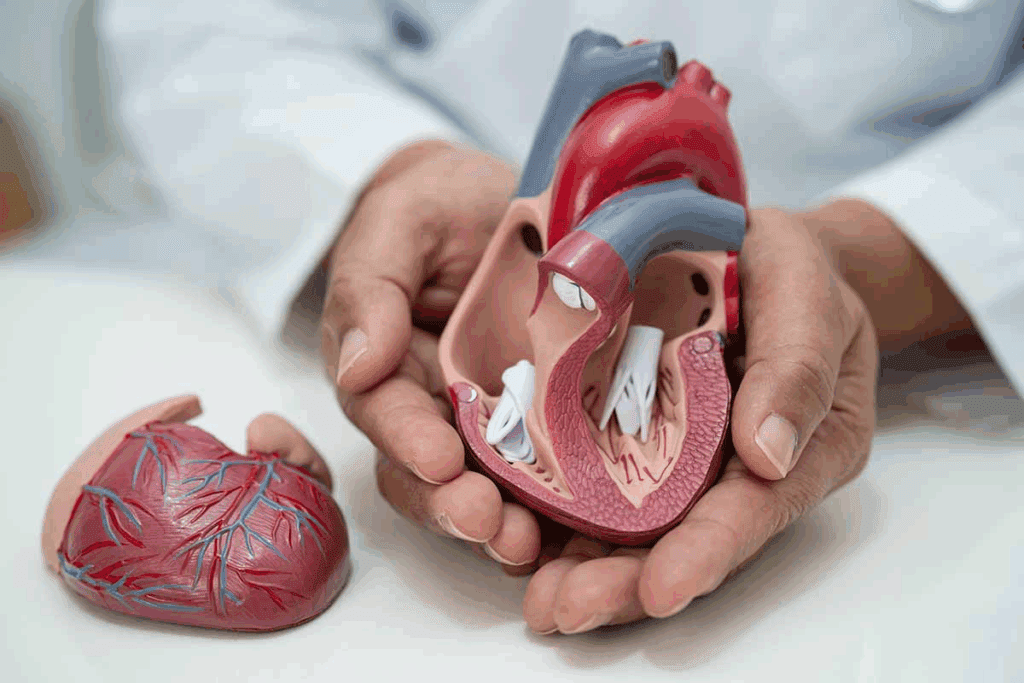
The heart’s valves are key to a healthy heart. They make sure blood flows only one way.
Knowing how these parts work is vital for treating heart problems. At Liv Hospital, aortic valve cusps we offer top-notch care for patients from around the world.
Our team is committed to giving world-class care. We use the latest technology and put patients first.
Key Takeaways
- Understanding heart valve structure is key for heart health.
- Advanced medical treatments are available for heart conditions.
- Comprehensive care is essential for international patients.
- Our team is dedicated to providing world-class care.
- A patient-centred approach is our priority.
Overview of the Cardiovascular System and the Heart
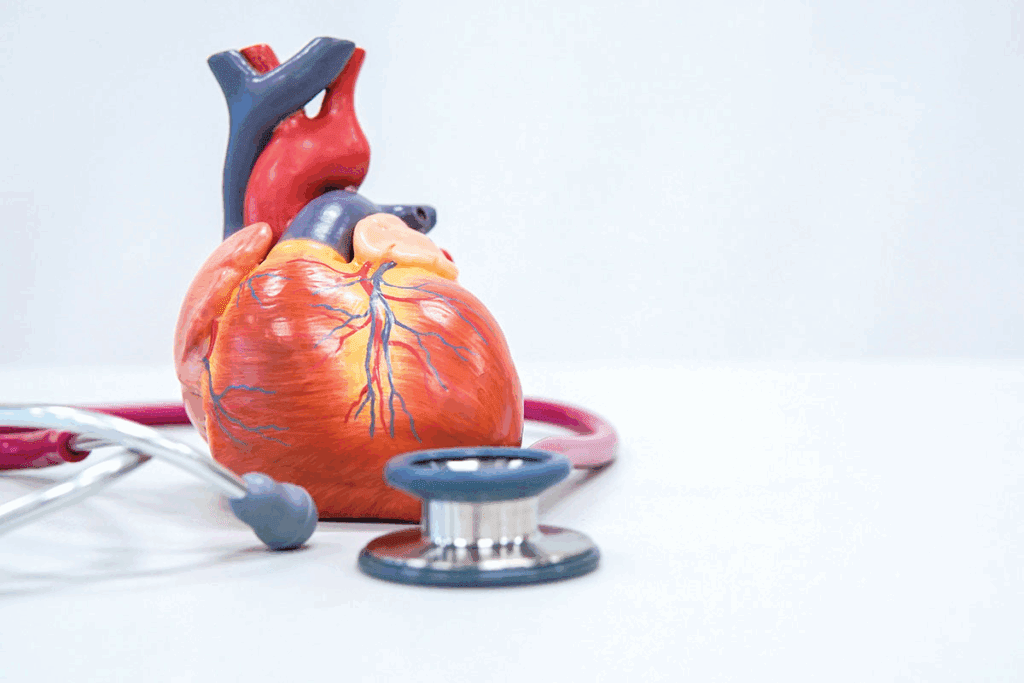
The cardiovascular system is a complex network that keeps the body healthy. It includes the heart and a vast network of blood vessels. These vessels carry blood all over the body.
The Heart
The heart is a muscular organ that pumps blood all over the body. It supplies oxygen and nutrients to tissues. It also removes carbon dioxide and other wastes.
The heart has four chambers: the right and left atria, and the right and left ventricles.
| Chamber | Function |
| Right Atrium | Receives deoxygenated blood from the body |
| Right Ventricle | Pumps deoxygenated blood to the lungs |
| Left Atrium | Receives oxygenated blood from the lungs |
| Left Ventricle | Pumps oxygenated blood to the body |
The heart’s structure is made to pump blood efficiently. The ventricles are thicker and more muscular. This is because they need to handle the higher pressures to pump blood to the lungs and the rest of the body.
Understanding the heart’s anatomy and function is key. It shows how important the heart is in the cardiovascular system. The heart’s pumping action drives blood circulation. This makes it essential for life.
Locating the Aortic Valve in the Heart
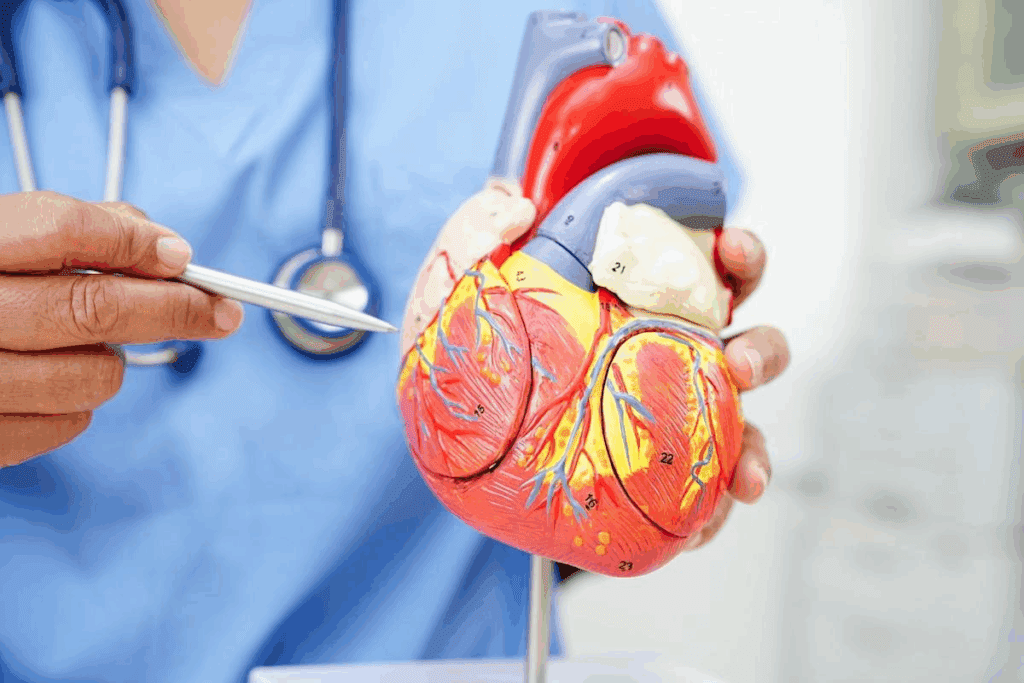
It’s important to know where the aortic valve is in the heart. It’s between the left ventricle and the aorta. This spot is key for blood to flow from the heart to the rest of the body.
Anatomical Position
The aortic valve sits at the spot where the left ventricle meets the aorta. It has three cusps that help it work right. This setup lets the valve control blood flow well, making sure it goes only one way, into the aorta.
The anatomical structure of the aortic valve includes:
- The valve cusps, which are thin, flexible pieces of tissue.
- The aortic root, which provides the foundation for the valve.
- The sinuses of Valsalva, which are dilations in the aorta that house the valve cusps.
The exact spot and shape of the aortic valve are very important. Any problems with its position or how it works can cause big health issues.
Essential Fact #1: Structure of Aortic Valve Cusps
It’s important to know how aortic valve cusps work. The aortic valve is key to the heart’s function. Its cusps make sure blood moves only one way, from the left ventricle to the aorta.
Anatomy of the Cusps
The aortic valve has three cusps: the right coronary, the left coronary, and the non-coronary. Each cusp is shaped like a half-moon and attaches to the aortic valve annulus. They are made of thin tissue covered by endothelial cells.
This design lets the cusps open and close well, helping blood flow right. The cusps can handle the blood’s constant pressure and stress. They are built to last, opening and closing millions of times in a lifetime.
The exact shape of the aortic valve cusps is essential for the heart to work right. Problems like stenosis or regurgitation can cause big issues. Knowing the cusps’ anatomy is key for diagnosing and treating aortic valve problems.
Essential Fact #2: Function of Aortic Valve Cusps in Blood Flow
The aortic valve cusps are key in controlling blood flow from the heart. They ensure blood moves efficiently throughout the body. The aortic valve is vital for keeping blood flowing in one direction, stopping it from going back to the heart.
Opening and Closing Mechanism
The way the aortic valve cusps open and close is complex. It’s tied closely to the heart’s rhythm. When the left ventricle contracts, the valve opens, letting blood into the aorta. Then, as the ventricle relaxes, the valve closes, stopping blood from flowing back.
The Key Factors Influencing the Opening and Closing Mechanism:
- The pressure gradient between the left ventricle and the aorta
- The structural integrity of the aortic valve cusps
- The synchrony between ventricular contraction and relaxation
Knowing how the aortic valve cusps open and close is key to understanding heart function. Any problem with this process can cause serious heart issues, like aortic stenosis or regurgitation.
The Aortic Valve in Action
The aortic valve plays a key role in the heart’s function. It ensures blood flows only one way, from the heart to the body.
Behavior During Ventricular Contraction and Relaxation
When the left ventricle contracts, pressure inside it goes up. This high pressure opens the aortic valve, letting blood flow into the aorta. The aortic valve must work right during this time to keep blood flowing well.
When the ventricle relaxes, the pressure drops. This drop closes the aortic valve, stopping blood from flowing back into the ventricle. The valve closes because the aorta’s pressure is higher than the ventricle’s.
The aortic valve’s actions during these times are important. Here are the main points:
- The valve opens during systole because of the ventricle’s increased pressure.
- The valve closes during diastole because of the ventricle’s lower pressure and the aorta’s higher pressure.
- The valve’s correct timing and function are key for good blood flow.
Knowing how the aortic valve works during contraction and relaxation helps us understand its role in heart health.
Essential Fact #3: Clinical Significance of Aortic Valve Cusps
Knowing about aortic valve cusps is key to diagnosing and treating heart problems. These cusps help blood flow smoothly. Any issues can cause serious heart problems.
The aortic valve is vital for our heart’s health. Its cusps play a big role in this. Problems like aortic stenosis or regurgitation can have big effects.
Aortic Stenosis and Regurgitation
Aortic stenosis happens when the valve’s cusps get too narrow. This blocks blood flow. Symptoms include chest pain, shortness of breath, and feeling tired.
Aortic regurgitation occurs when the cusps don’t close right. This lets blood leak back into the heart. Symptoms include heart palpitations, shortness of breath, and leg swelling.
Clinical Implications
These conditions are very serious. They need quick diagnosis and treatment to avoid heart failure.
“The timely diagnosis and treatment of aortic valve disorders are critical to preventing long-term cardiovascular damage.”
Treatment depends on how bad the condition is. It might include medicine, lifestyle changes, or surgery. Sometimes, replacing the valve is needed.
| Condition | Symptoms | Treatment Options |
| Aortic Stenosis | Chest pain, shortness of breath, fatigue | Medication, valve replacement surgery |
| Aortic Regurgitation | Palpitations, shortness of breath, leg swelling | Medication, lifestyle changes, valve replacement surgery |
In conclusion, aortic valve cusps are very important for heart health. Knowing about aortic stenosis and regurgitation helps us give better care and improve patient results.
Visualizing Aortic Valve Cusps
Imaging techniques help us see the aortic valve cusps clearly. This is key for diagnosing and treating aortic valve issues.
Imaging Techniques
Several methods are used to look at the aortic valve cusps. These include echocardiography, cardiac MRI, and CT angiography. Each method gives us different views of the valve’s structure and how it works.
Echocardiography is a non-invasive way to see the heart in real-time. It helps check how well the valve works and blood flows. Cardiac MRI gives detailed pictures of the heart’s anatomy. It’s great for looking at the aortic valve and nearby areas. CT angiography uses X-rays and dye to see the coronary arteries and the aortic valve.
These imaging methods are vital for spotting problems like aortic stenosis and regurgitation. They help doctors decide on the best treatments. This can include surgery or less invasive procedures.
Conclusion
Understanding the aortic valve cusps is key to keeping our hearts healthy. The aortic valve is essential for blood flow from the heart to the body. Its structure and function are closely tied to our heart’s health.
Knowing how important the aortic valve and its cusps are helps us understand cardiac care better. New imaging techniques let doctors see the aortic valve cusps more clearly. This leads to better diagnosis and treatment of heart problems.
As we move forward in heart care, supporting patients with aortic valve issues is vital. This ensures we provide top-notch healthcare to those seeking advanced treatments from around the world.
FAQ
Can you explain the diagram of the aortic valve?
What is the aortic valve, and what is its function?
The aortic valve is a key part of the heart. It controls blood flow from the left ventricle to the aorta. This ensures blood flows only one way, preventing it from going back into the heart.
How many cusps does the aortic valve have?
The aortic valve has three cusps, or leaflets. These semilunar shapes are named left coronary, right coronary, and non-coronary cusp. They work together to manage blood flow.
What is the significance of the aortic valve cusps in maintaining heart health?
The cusps of the aortic valve are essential for heart health. They help prevent conditions like aortic stenosis and aortic regurgitation. If they don’t work right, it can cause serious heart problems.
What are the common conditions affecting the aortic valve?
Aortic stenosis, aortic regurgitation, and sclerosis are common issues. They can be due to aging, birth defects, or infections.
How is the aortic valve diagnosed and treated?
Doctors use tests like echocardiography and CT scans to diagnose problems. Treatment depends on the issue and may include medicine, surgery, or TAVR.
What is the difference between aortic valve repair and replacement?
Repair fixes the valve, while replacement uses a new one. The choice depends on the damage and the patient’s health.
Can you explain the diagram of the aortic valve?
The diagram shows the valve’s structure, including its three cusps. It helps patients understand how it works and how conditions affect it.
What is another name for the aortic valve?
It’s also called the aortic semilunar valve because of its shape.
References:
- Standring, S., & Patel, P. (2023). Anatomy, Thorax, Aortic Valve. In StatPearls [Internet]. StatPearls Publishing. https://www.ncbi.nlm.nih.gov/books/NBK559384/
- Butcher, J. T., & Markwald, R. R. (2000). Heart valve structure and function in development and disease. Birth Defects Research Part C: Embryo Today: Reviews, 69(1), 14-31. https://pmc.ncbi.nlm.nih.gov/articles/PMC4209403/



 Departments
 Related Videos
 Our Doctors
 News
News