


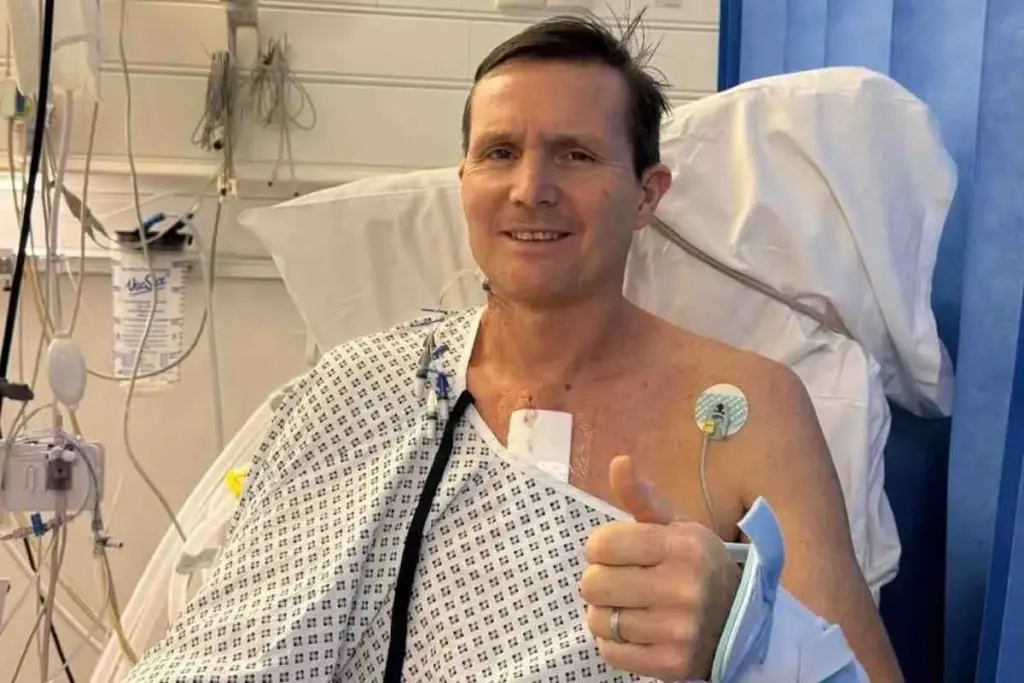
Heart valve repair surgery is a top choice for treating heart valve problems. Knowing its success rate is key to choosing the right treatment.
Recent studies show heart valve repair surgery has great outcomes. It has low death rates and high survival rates over time. This is true for aortic valve replacement and mitral valve repair, thanks to recent improvements.
Key Takeaways
- Heart valve repair surgery has high success rates when performed by experienced teams.
- Aortic valve replacement and mitral valve repair have shown exceptional results.
- Advanced protocols and multidisciplinary care pathways contribute to the success of the surgery.
- Low mortality rates and high long-term survival are characteristic of successful heart valve repair surgery.
- The success rate of heart valve repair surgery is a critical factor in determining the best course of treatment.
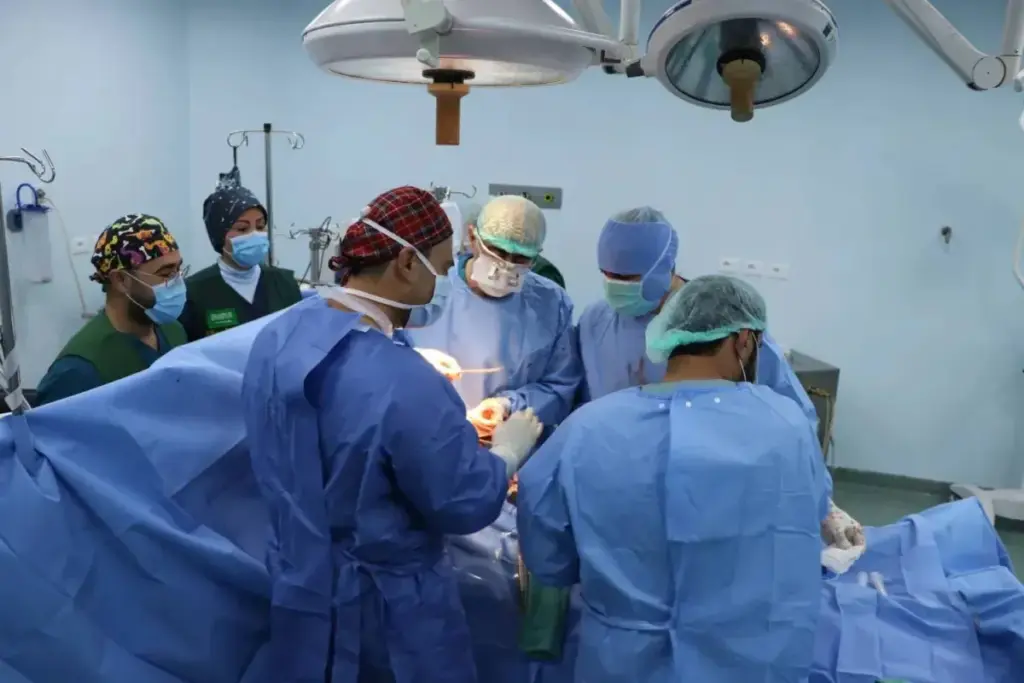
Heart valves are key parts of the cardiovascular system. They make sure blood flows right. The heart has four valves that work together to keep the system healthy.
The Four Heart Valves and Their Roles
The four heart valves are the aortic valve, mitral valve, tricuspid valve, and pulmonary valve. Each valve has its own job. The aortic and pulmonary valves let blood out of the heart. The mitral and tricuspid valves let blood into the heart’s chambers.
The aortic valve lets blood from the left ventricle into the aorta. The mitral valve lets blood from the left atrium into the left ventricle. The tricuspid valve lets blood from the right atrium into the right ventricle. The pulmonary valve lets blood from the right ventricle into the pulmonary artery.
How Heart Valves Work in a Healthy Cardiovascular System
In a healthy heart, valves open and close together. This ensures blood circulates well. When the heart contracts, valves open to let blood flow right. When it relaxes, they close to stop backflow.
This exact process is vital for good blood pressure. It makes sure oxygen-rich blood reaches the body’s tissues. Any problem with heart valves can cause serious heart issues. This shows how important they are for heart health.
Common Heart Valve Disorders Requiring Surgical Intervention
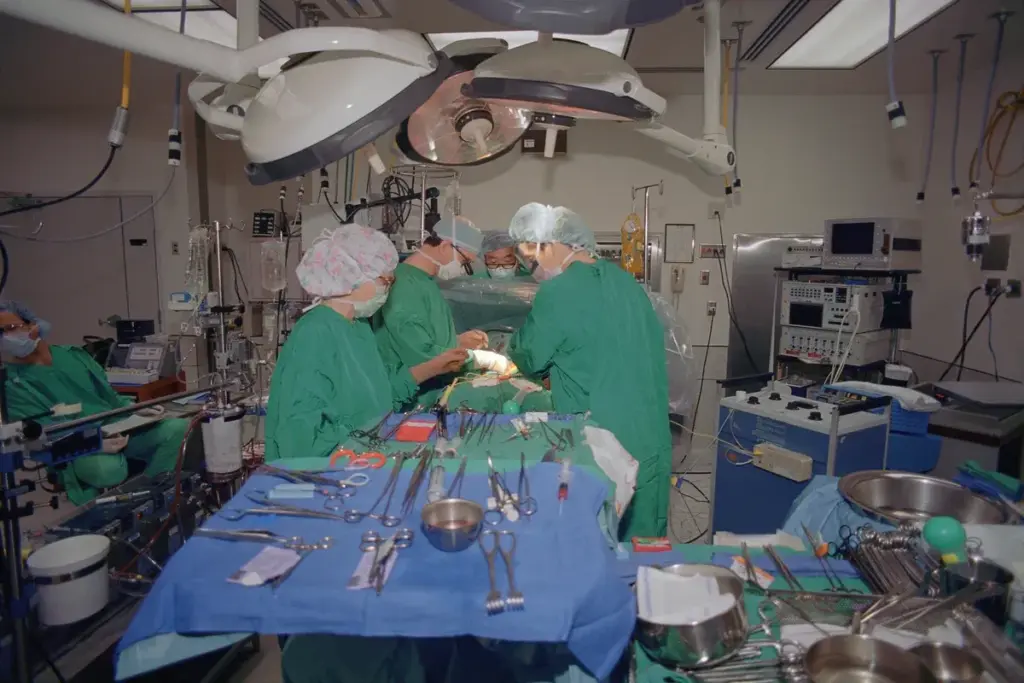
Heart valve disorders can really affect a person’s life. They often need surgery to fix. These problems make it hard for the heart to work right, leading to serious issues if not treated.
Valve Stenosis: Causes and Symptoms
Valve stenosis happens when a valve opening gets too narrow. This blocks blood flow in the heart. It usually hits the aortic and mitral valves.
Things like calcification, rheumatic fever, and congenital heart defects can cause it. Symptoms include chest pain, trouble breathing, and feeling very tired.
Valve Regurgitation: Causes and Symptoms
Valve regurgitation means a valve doesn’t close right, letting blood leak back. This makes the heart work too hard. If not fixed, it can lead to heart failure.
It’s caused by things like mitral valve prolapse, endocarditis, and trauma to the chest. Symptoms are heart palpitations, shortness of breath, and leg swelling.
Other Valve Abnormalities
There are other valve problems that need surgery too. For example, mitral valve prolapse makes the valve bulge into the atrium. Tricuspid valve disease can cause fatigue and swelling.
Getting a correct diagnosis and treatment quickly is key to managing these issues well.
Types of Heart Valve Repair Surgeries
Heart valve repair surgeries come in many forms. You have traditional open-heart surgery, minimally invasive methods, and transcatheter procedures. Each type is chosen based on the patient’s needs, aiming for the best results.
Traditional Open-Heart Valve Repair
Traditional open-heart surgery needs a big cut in the chest to reach the heart. It’s been a mainstay for fixing heart valves for years. It lets surgeons see and fix the valve directly. Though it takes longer to heal than newer methods, it’s often a solid choice for many.
Key aspects of traditional open-heart valve repair include:
- Direct visualization of the valve
- Ability to perform complex repairs
- Longer recovery period
Minimally Invasive Valve Repair Techniques
Minimally invasive valve repair is becoming more popular. It uses smaller cuts and new tools to fix valves. This method aims to heal faster and leave less scar.
Benefits of minimally invasive valve repair include:
- Smaller incisions, resulting in less tissue trauma
- Reduced risk of infection
- Shorter hospital stays and faster recovery
Transcatheter Procedures
Transcatheter procedures are the newest in heart valve repair. They’re less invasive than traditional surgery. A catheter is inserted through an artery in the leg to fix or replace the valve.
Advantages of transcatheter procedures include:
- Avoidance of open-heart surgery
- Reduced risk for patients who are poor candidates for open-heart surgery
- Potential for shorter recovery times
In conclusion, the right heart valve repair surgery depends on many things. These include the patient’s health, the type of valve problem, and the surgeon’s skill. Knowing about the different surgical options helps patients make better choices.
Aortic Valve Replacement: Procedures and Approaches
Aortic valve disease can be treated with replacement procedures, improving patient outcomes. Aortic valve replacement is a common treatment for severe aortic stenosis or regurgitation. These conditions can lead to heart failure if not treated.
Surgical Aortic Valve Replacement (SAVR)
SAVR is a traditional open-heart surgery. It replaces the damaged valve with a mechanical or bioprosthetic one. This method has been the gold standard for many years, providing a durable solution for aortic valve disease.
The procedure involves a sternotomy (cutting through the sternum) to access the heart. Once the heart is accessed, the patient is placed on a heart-lung bypass machine. The diseased valve is then removed and replaced with a prosthetic one.
Transcatheter Aortic Valve Replacement (TAVR)
TAVR is a less invasive alternative to SAVR. It uses a catheter to deliver a new valve to the heart. This approach is beneficial for patients at high risk for surgical complications.
TAVR can be performed through various access points, including the femoral artery. The procedure involves deploying a bioprosthetic valve within the diseased native valve. This improves valve function without the need for open-heart surgery.
Valve-Sparing Procedures
Valve-sparing procedures aim to repair the native aortic valve instead of replacing it. These techniques are often used for patients with aortic regurgitation due to aortic root dilatation.
The goal of valve-sparing root replacement is to preserve the patient’s native valve while correcting the underlying cause of valve dysfunction. This approach can offer a more natural solution. It may reduce the need for lifelong anticoagulation therapy required with mechanical valves.
Success Rates of Aortic Valve Replacement Surgery
It’s important to know how well aortic valve replacement surgery works. This surgery is a lifesaver for many with severe aortic valve disease.
Hospital Mortality Statistics
Hospital death rates after this surgery are a key success indicator. Recent studies show these rates are low, showing skilled surgeons at work.
Looking at data from cardiac surgery registries, we see hospital death rates for isolated aortic valve replacement surgery. These rates range from 1% to 3%. They can change based on patient risk, surgery type, and care after surgery.
|
Study |
Hospital Mortality Rate |
|---|---|
|
STS Database Review |
2.1% |
|
European Cardiac Surgery Registry |
1.8% |
Long-Term Survival Rates
Long-term survival after aortic valve replacement surgery is key. Studies show most patients see big improvements in life quality and survival.
Follow-up studies show a 5-year survival rate of 80% to 90%. Survival depends on age, health before surgery, and other health issues.
Key factors affecting long-term survival include:
- Patient age at the time of surgery
- Presence of comorbid conditions
- Type of valve prosthesis used
Freedom from Reoperation
Being free from needing another surgery is a big success for aortic valve replacement. Better valve designs and surgery methods mean fewer reoperations.
Studies show about 90% of patients with mechanical valves are free from reoperation at 10 years. Those with bioprosthetic valves have a slightly lower rate.
|
Valve Type |
Freedom from Reoperation at 10 Years |
|---|---|
|
Mechanical Valve |
90% |
|
Bioprosthetic Valve |
85% |
Mitral Valve Repair Success Rates
Mitral valve repair surgery is a top choice for treating mitral valve disease. Its success rate is key to how well patients do after surgery.
Operative Mortality in Isolated Mitral Valve Repairs
Operative mortality is the number of deaths right after surgery. Studies show that isolated mitral valve repair has a low death rate. The death rate is about 1-2%.
This low rate shows how much surgery and care have improved.
Long-Term Durability of Mitral Valve Repairs
How long a mitral valve repair lasts is very important. Research shows that these repairs last a long time. A study found that over 90% of patients were free from needing another surgery 10 years later.
Many things affect how long a repair lasts. These include the surgeon’s skill, the valve’s condition, and the patient’s health. Patients often see big improvements in their life quality and how well they can function.
Transcatheter Edge-to-Edge Repair Outcomes
Transcatheter edge-to-edge repair (TEER) is a less invasive way to treat mitral regurgitation. It uses a catheter to clip the valve leaflets together. This reduces regurgitation and improves symptoms and life quality.
|
Procedure |
Success Rate |
Operative Mortality |
Long-Term Durability |
|---|---|---|---|
|
Mitral Valve Repair |
95% |
1-2% |
90% at 10 years |
|
Transcatheter Edge-to-Edge Repair |
90% |
2-3% |
80% at 5 years |
The table shows the success rates and outcomes of mitral valve repair and TEER. Both have good results, with high success rates and low death rates. The choice between them depends on many factors, like the patient’s condition and the surgeon’s preference.
Minimally Invasive Heart Valve Surgery Outcomes
Minimally invasive heart valve surgery is changing how we treat heart valve problems. It’s less harsh than traditional open-heart surgery. This method is popular because it can lead to faster recovery, less pain, and smaller scars.
Advantages of Minimally Invasive Techniques
These surgeries use small incisions instead of a big cut in the chest. The benefits are:
- Less blood loss and fewer blood transfusions needed
- Less pain and discomfort after surgery
- Shorter hospital stays and quicker recovery
- Smaller scars, making it look better
- Lower chance of infections and other problems
Comparative Success Rates
Research shows that minimally invasive heart valve surgery works as well as, or even better than, traditional surgery. Success depends on the surgeon, the patient’s health, and the surgery method.
Here’s what studies say:
- Death rates during surgery are low, often better than traditional surgery.
- Long-term survival and avoiding future surgeries are similar for both methods.
- Patients are happier with minimally invasive surgery because it’s less invasive and looks better.
Criteria for Patient Selection
Not every patient is right for minimally invasive heart valve surgery. The right candidates are chosen based on:
- The patient’s overall health and any other health issues
- The type and complexity of the valve problem
- The patient’s body shape and any past surgeries
- The surgeon’s experience and preference for this method
Picking the right patients is key to the success of minimally invasive heart valve surgery.
Factors Affecting Heart Valve Repair Success
Many factors influence the success of heart valve repair. It’s important for patients, doctors, and families to know these. This knowledge helps in making the right treatment choices.
Patient-Related Factors
How well a patient does after heart valve repair depends on several things. Their overall health, any other health issues, and how bad their valve disease is matter a lot. People with fewer health problems and less severe valve disease usually do better.
Age, lifestyle, and following doctor’s advice after surgery also play big roles. These can greatly affect how well someone recovers and does in the long run.
Surgeon Experience and Hospital Volume
The skill of the surgeon and the hospital’s experience with the procedure are key. Research shows that more experienced surgeons and hospitals with a lot of cases do better. They have honed their skills, improved care before and after surgery, and handle problems better.
Being treated at a high-volume hospital also means lower death rates and fewer complications. Patients at these hospitals usually live longer and have fewer hospital visits. This shows why it’s best to go to experienced centers for heart valve repair.
Timing of Intervention
When heart valve repair surgery is done it is very important. Doing it early, before the heart gets too damaged, leads to better results. Waiting too long can mean worse survival chances and more problems.
Guidelines suggest acting fast based on symptoms, how bad the valve disease is, and the heart’s function. Decisions should be made with the patient’s unique situation and wishes in mind.
Potential Complications and Risks
It’s important to know the possible complications of heart valve repair. This helps manage what patients can expect and their outcomes. Heart valve repair surgery is a lifesaver for many, but it comes with risks.
Short-Term Complications
Short-term complications happen during or right after surgery. These include:
- Bleeding: Too much bleeding during or after surgery is a risk.
- Infection: There’s a chance of getting an infection, like any surgery.
- Stroke: There’s a risk of stroke because of the surgery and the use of cardiopulmonary bypass.
Long-Term Complications
Long-term complications can happen after you’ve recovered. These may include:
- Valve Failure: The fixed valve might fail later, needing more treatment.
- Endocarditis: This is a serious infection of the heart valves.
Here’s a table showing some complications and how they’re managed:
|
Complication |
Description |
Management Strategy |
|---|---|---|
|
Bleeding |
Too much bleeding during or after surgery. |
Watching closely, giving blood transfusions, and surgery if needed. |
|
Infection |
Infection at the surgical site or of the heart valves. |
Using antibiotics before surgery, taking care of the wound, and treating with antibiotics. |
|
Stroke |
Neurological damage from the surgery. |
Watching for any changes in the brain, rehab, and managing risk factors. |
Risk Mitigation Strategies
To lower the risks of heart valve repair, several steps can be taken:
- Careful Patient Selection: Making sure patients are good candidates for surgery.
- Perioperative Care: Providing top-notch care before, during, and after surgery.
- Advanced Surgical Techniques: Using the newest surgical methods and technology.
By knowing these complications and using strategies to reduce risks, doctors can help patients have better outcomes from heart valve repair surgery.
Recovery and Quality of Life After Heart Valve Surgery
After heart valve surgery, patients often wonder about their recovery. The recovery process is key to a good outcome and quality of life.
Typical Recovery Timeline
The recovery time after heart valve surgery varies. It depends on the patient and the surgery type. Patients usually spend a few days in the hospital for recovery and monitoring.
At home, patients need several weeks to fully recover. They will get stronger, feel less pain, and start doing normal things again. It’s important to follow the surgeon’s advice on medication, appointments, and lifestyle changes.
Quality of Life Improvements
Heart valve surgery greatly improves patients’ quality of life. They can do more, feel better, and enjoy life more. Many can start walking, exercising, or doing hobbies again.
Improved functional capacity is a big benefit. It lets patients live more active and happy lives. Less symptoms like shortness of breath and fatigue also improve life quality.
Long-Term Monitoring Requirements
Long-term monitoring is key to check the heart valve’s function. Regular check-ups with a cardiologist or cardiothoracic surgeon are important. They help manage complications and adjust treatment plans.
Patients should also keep a healthy lifestyle. This includes eating well, exercising, and managing stress. A healthy lifestyle helps keep the heart healthy and enjoy life for years.
The Role of Specialized Heart Centers in Improving Outcomes
Specialized heart centers play a key role in bettering heart valve surgery results. They focus on complex cardiac issues, ensuring top-notch care for patients.
Multidisciplinary Heart Valve Teams
At the core of these centers are multidisciplinary heart valve teams. These teams include cardiologists, surgeons, and imaging experts. They work together to create a treatment plan tailored to each patient’s needs.
These teams offer many benefits. They improve:
- Preoperative planning
- Intraoperative care
- Postoperative management
Advanced Protocols and Academic Approaches
These centers also use advanced protocols and academic methods. They often join clinical trials and research. This keeps them updated with the latest medical breakthroughs.
|
Protocol/Approach |
Description |
Benefit |
|---|---|---|
|
Minimally Invasive Surgery |
Less invasive techniques reducing recovery time |
Quicker return to normal activities |
|
Transcatheter Valve Replacement |
Non-surgical replacement of heart valves |
Reduced risk for high-risk patients |
Volume-Outcome Relationship in Heart Valve Surgery
There’s a clear link between the number of surgeries done and patient outcomes. Centers that do more surgeries tend to have better results. This is because the team gets more experienced and processes get better.
Specialized heart centers not only improve immediate results but also long-term quality of life. As they keep adopting new technologies and methods, patient outcomes are expected to get even better.
Innovations Improving Heart Valve Repair Success Rates
New advancements in heart valve repair are changing patient care for the better. These changes are leading to more successful surgeries and faster recoveries. The field is seeing big improvements in many areas, making patient care and surgical results better.
Technological Advancements
Technology is key in boosting heart valve repair success. Transcatheter valve repair techniques are changing the game by providing less invasive options. A study showed that transcatheter mitral valve repair is safe and effective, leading to better patient results.
3D printing and modeling are also making a big difference. Surgeons can now use detailed heart models to practice and perfect their techniques before surgery.
Improved Surgical Techniques
Surgeons are getting better at heart valve repair thanks to new techniques. They are using minimally invasive approaches that help patients recover faster and have fewer complications.
New valves that are easier to use are also making surgery simpler. These valves reduce the time needed for cardiopulmonary bypass and improve patient results.
|
Surgical Technique |
Benefits |
Outcomes |
|---|---|---|
|
Minimally Invasive Valve Repair |
Less tissue damage, reduced blood loss |
Faster recovery, fewer complications |
|
Sutureless Valve Replacement |
Simplified surgical process, reduced bypass time |
Improved patient outcomes, reduced morbidity |
|
Transcatheter Valve Repair |
Avoids open-heart surgery, less invasive |
Significant improvement in patient outcomes, reduced recovery time |
Enhanced Postoperative Care Protocols
Improved care after surgery is vital for heart valve repair success. Personalized care plans tailored to each patient are leading to better recoveries.
Advanced monitoring systems help track patient health in real-time. This allows for quick action if any issues arise.
By combining these innovations, healthcare providers can greatly improve heart valve repair success rates. This leads to better patient outcomes and a higher quality of life.
Conclusion: The Promising Future of Heart Valve Repair
The future of heart valve repair is bright. This is thanks to new medical tech, better surgery methods, and improved care after surgery. These changes help patients get better faster and face fewer problems after surgery.
As the field grows, patients will see even better results from these surgeries. New technologies and methods make these surgeries more precise and effective. With more research, heart valve repair success rates will likely go up, giving hope to those with heart valve issues.
The bright future of heart valve repair shows how key it is to keep up with new medical discoveries. Healthcare experts can then offer the best care. And patients get the safest and most effective treatments.
FAQ
What is the success rate of aortic valve replacement surgery?
Aortic valve replacement surgery is very successful. It has low hospital death rates and high survival rates over time. Most patients see big improvements in their life quality after the surgery.
What are the benefits of minimally invasive heart valve surgery?
Minimally invasive heart valve surgery offers many benefits. It means less recovery time, less harm to the patient, and smaller cuts. Studies show it works just as well as traditional surgery.
What are the risks and complications associated with heart valve repair surgery?
Heart valve repair surgery comes with risks and complications. Short-term issues include bleeding, infection, and stroke. Long-term problems include valve failure and endocarditis.
How long does it take to recover from heart valve surgery?
Recovery time after heart valve surgery varies. It depends on the patient and the surgery type. Most patients see big improvements in their life quality and symptoms.
What is the role of specialized heart centers in improving outcomes for heart valve surgery patients?
Specialized heart centers are key to better outcomes for heart valve surgery patients. Teams of cardiologists, surgeons, and other experts work together. They provide complete care for patients.
What are the latest innovations in heart valve repair surgery?
New technologies and techniques are boosting heart valve repair success. These include better tools, improved surgery methods, and better care after surgery. These advancements lead to better patient results and fewer complications.
What is transcatheter aortic valve replacement (TAVR), and how does it differ from surgical aortic valve replacement (SAVR)?
TAVR uses a catheter to replace the aortic valve. SAVR replaces the valve through open-heart surgery. Each has its own benefits and drawbacks.
What are the long-term complications after aortic valve replacement?
Long-term issues after aortic valve replacement include valve failure and endocarditis. Regular check-ups and care are vital to avoid these problems.
What is the success rate of mitral valve repair surgery?
Mitral valve repair surgery is very effective for mitral valve disease. It has low death rates during surgery and high long-term success.
What are the alternatives to valve replacement surgery?
Alternatives include valve-sparing procedures and transcatheter edge-to-edge repair. These are less invasive options.
References
- De Paulis, R., et al. (2025). Current status of aortic valve repair surgery. European Heart Journal, 46(15), 1394-1411. https://academic.oup.com/eurheartj/article-abstract/46/15/1394/8015504
- Northeast Georgia Health System. (2025, September 5). What is the success rate of heart valve replacement surgery? NGHS. https://www.nghs.com/2025/09/05/what-is-the-success-rate-of-heart-valve-replacement-surgery (Northeast Georgia Health System)
- Cedars-Sinai. Study: Transcatheter mitral valve repair safe & successful. Cedars-Sinai Newsroom. https://www.cedars-sinai.org/newsroom/study-transcatheter-mitral-valve-repair-safe-successful/
- Stanford Medicine. (2022, May). Minimally invasive heart valve repair. Med.Stanford.edu. https://med.stanford.edu/news/all-news/2022/05/minimally-invasive-heart-valve-repair.html
- European Society of Cardiology. Valve repair surgery. E-Journal of Cardiology Practice, Volume 18. https://www.escardio.org/Journals/E-Journal-of-Cardiology-Practice/Volume-18/valve-repair-surgery
National Center for Biotechnology Information. Evidence-Based Medical Insight. Retrieved from https://www.ncbi.nlm.nih.gov/pmc/articles/PMC5306308/



 Departments
 Related Videos
 Our Doctors
 News
News


