
Recovering from heart surgery is a big worry for many. Nearly 300,000 heart valve surgeries happen every year worldwide. A lot of these are aortic valve replacements. Knowing what to expect can ease worries and prepare patients for what’s next. Understand the aortic valve replacement recovery time. Get the crucial details on the powerful healing process post-op.
The time it takes to get better from open heart surgery varies a lot. Things like your health, age, and if you have any complications matter a lot. Usually, you’ll stay in the hospital for a few days to a week to start getting better.
Once you go home, it can take weeks to months to fully heal. This time is for rest, getting back in shape, and checking in with your doctor. It’s all about making sure you have a smooth and effective recovery from open heart surgery.
Key Takeaways
- Recovery time varies significantly among individuals.
- The initial hospital stay typically lasts a few days to a week.
- Full recovery can take several weeks to a few months.
- Rest, rehabilitation, and follow-up care are key for a smooth recovery.
- Overall health, age, and complications affect recovery time.
Understanding Aortic Valve Disease and Surgery
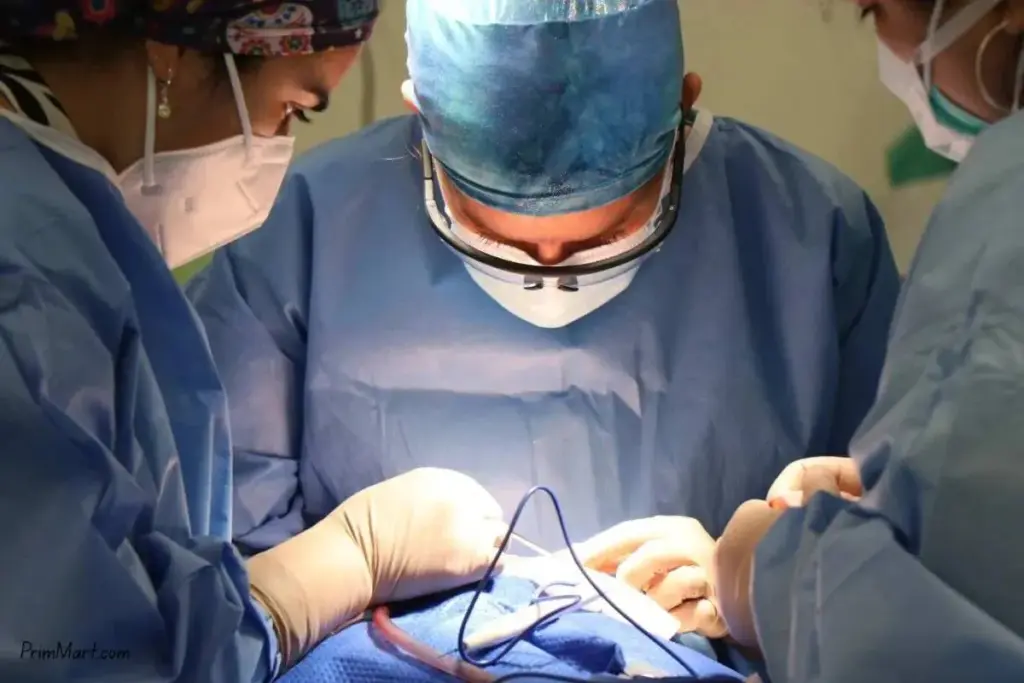
It’s key to know how the aortic valve works in the heart. The heart has four valves. They make sure blood moves right through the heart and to the body.
Function of Heart Valves in Circulation
The aortic valve controls blood flow from the heart’s left ventricle to the aorta. It’s vital for keeping blood flowing well. This stops blood from going back and helps the body get blood efficiently.
Common Conditions Requiring Valve Intervention
Some issues can make the aortic valve need surgery. These include:
- Aortic stenosis, where the valve gets narrow, blocking blood flow.
- Aortic regurgitation, where the valve leaks, letting blood go back into the heart.
Goals of Surgical Treatment
The main aim of aortic valve surgery is to fix blood flow and ease symptoms. Surgery might repair or replace the valve. Whether to repair or replace depends on the valve’s state and the patient’s health.
Knowing about aortic valve disease and surgery helps patients understand their treatment and recovery better.
Types of Aortic Valve Replacement Procedures
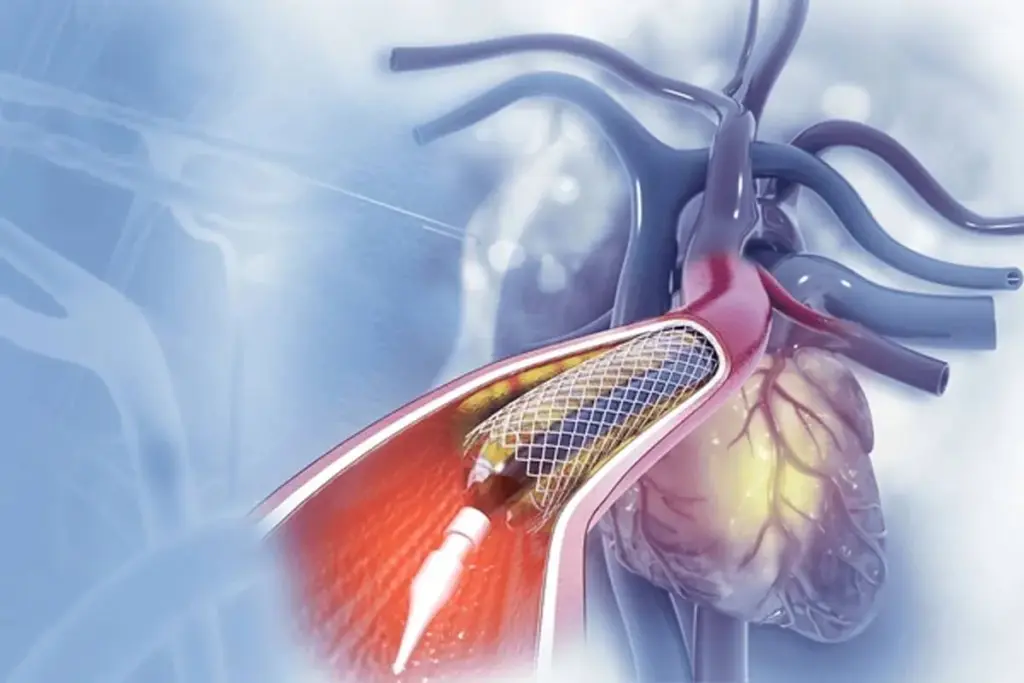
Aortic valve replacement surgery has changed, giving patients more options. These include open-heart surgery and less invasive methods. The right choice depends on the patient’s health, how severe the valve disease is, and other health issues.
Traditional Open-Heart Surgery (SAVR)
Open-heart surgery, or Surgical Aortic Valve Replacement (SAVR), involves a chest incision. It lets surgeons see and fix or replace the valve directly. This method is more invasive but is often the best choice for younger patients or those with complex disease.
Minimally Invasive Procedures (TAVR/TAVI)
For a less invasive option, consider Transcatheter Aortic Valve Replacement (TAVR) or Transcatheter Aortic Valve Implantation (TAVI). These methods use a catheter to insert a new valve, usually through a leg artery. TAVR/TAVI is best for those at high risk for open-heart surgery complications or who are considered inoperable.
Mechanical vs. Biological Valve Options
Choosing between mechanical and biological valves is a key decision. Mechanical valves are durable but need lifelong blood thinner therapy to prevent clots. Biological valves, made from animal tissue, may not last as long but usually don’t need long-term blood thinners. The choice depends on the patient’s age, lifestyle, and health.
It’s important for patients to understand the different aortic valve replacement procedures and valve types. Each has its benefits and considerations. What’s right for one patient may not be right for another.
Hospital Recovery After Aortic Valve Replacement
The recovery time in the hospital after aortic valve replacement is key for a good outcome. A team of doctors and nurses watch over you closely during this time.
Intensive care unit experience
Patients usually go to the ICU right after surgery. The ICU team keeps an eye on your health, manages pain, and deals with any problems. You’ll stay in the ICU for a few days, depending on how you’re doing.
Transition to regular hospital room
When you’re stable, you move to a regular room. Here, you start to get ready to go home. The room has some monitoring tools, but not as many as in the ICU.
Average length of hospital stay
The time you spend in the hospital varies. Open-heart surgery patients usually stay 7-10 days. Those with less invasive procedures might leave in 3-5 days.
Discharge preparation and education
Before you go home, you learn about caring for yourself. This includes how to take care of your wound, manage your meds, and schedule follow-up visits. Knowing this helps you recover smoothly at home.
|
Surgery Type |
Average Hospital Stay |
Typical Monitoring |
|
Traditional Open-Heart Surgery |
7-10 days |
Continuous monitoring in ICU, then regular room |
|
Minimally Invasive Procedures |
3-5 days |
ICU, then step-down or regular room |
Knowing what to expect in the hospital helps you prepare for your recovery. The care you receive, from the ICU to your room, and the education you get, all help you recover well.
The First Two Weeks at Home
After aortic valve surgery, the first two weeks at home are key for recovery. You need to plan carefully, listen to your body, and follow important guidelines. This helps your body heal properly.
Setting up your recovery environment
Creating a good recovery space at home is vital. Make a comfy resting area and keep things you need close. Try to avoid moving too much by arranging your space wisely.
For example, place a chair near the shower or keep a phone handy. This makes things easier for you.
Pain management strategies
Managing pain well is important in the early recovery days. Your doctor will give you pain meds. It’s important to take them as directed and tell your doctor about any pain or side effects.
Also, using pillows for support and keeping a good position can help with pain.
Sleep positioning and comfort
Sleeping well after surgery can be tough. Use extra pillows to support your back and legs. Sleeping on your back with your upper body slightly raised can ease chest strain.
It’s best to avoid lying on your side or stomach until your doctor says it’s okay.
Initial activity restrictions
In the first two weeks, following activity limits is important. Stay away from heavy lifting, bending, or hard work. Start with small steps, like short walks and light movements, as your doctor suggests.
Watching how your body reacts to more activity is important for a good recovery.
Physical Recovery Timeline for Open Heart Surgery
Knowing the timeline for physical recovery after open heart surgery is key. It helps patients move through their healing journey smoothly. The recovery is split into phases, each with its own goals and hurdles.
Weeks 1-2: Initial Healing Phase
The first two weeks are vital for starting the healing process. Patients should rest and avoid hard activities. A cardiothoracic surgeon, says, “This phase is for the body to start fixing the surgery damage. It’s important to listen to your doctor’s advice for proper healing.”
During this time, patients might feel tired, uncomfortable, and possibly in pain. Managing pain and resting well are important to get through this.
Weeks 3-6: Progressive Mobility
Weeks 3-6 mark the start of increasing mobility. Patients will see improvements in strength and endurance. It’s good to start with gentle exercises like short walks to help circulation and avoid problems.
Months 2-3: Expanding Activities
By months 2-3, patients can do more than just move around. They might start with light chores or go back to work part-time. This depends on their job and health.
Months 4-6: Approaching Normal Function
By four to six months, most patients get close to their pre-surgery level. They can usually do most of what they did before surgery. Some might see further improvements in their health.
It’s vital for patients to keep in touch with their healthcare team during recovery. Knowing the recovery timeline helps prepare for the ups and downs ahead.
Sternum Healing After Open Heart Surgery
Open heart surgery requires cutting the sternum to reach the heart. Healing this bone is key. The recovery needs careful attention to avoid problems.
How Long Does it Take a Sternum to Heal?
The sternum usually heals in 6 to 8 weeks after surgery. It’s important to follow certain precautions during this time.
Precautions to Protect Your Breastbone
Patients should avoid heavy lifting and bending. Proper lifting techniques are important. Also, don’t drive until a doctor says it’s okay.
Signs of Proper vs. Improper Healing
Good healing shows less pain and swelling. Bad healing might mean more pain, redness, or discharge. Watching these signs helps recovery.
Sternal Precautions Timeline
Follow sternum precautions for 6 to 12 weeks. Start by avoiding heavy lifting for 6 weeks. Then, slowly add more activities over the next 6 weeks.
Knowing how to heal the sternum and following precautions helps avoid complications. This ensures a good recovery.
Cardiac Rehabilitation Programs
Cardiac rehabilitation programs are key after aortic valve surgery. They help patients get stronger, improve heart health, and lower future heart risks.
When to Begin Cardiac Rehab
Cardiac rehab usually starts a few weeks post-surgery. This is after the patient leaves the hospital and gets the okay from their doctor. The exact start time depends on the patient’s health and the surgeon’s advice.
Components of Effective Rehabilitation
A good cardiac rehab program includes several important parts:
- Exercise training to boost heart health
- Education on living a heart-healthy lifestyle
- Nutrition counseling
- Stress management techniques
These elements help support the patient’s recovery and overall well-being.
Monitoring Progress and Adjusting Goals
Healthcare teams watch patients closely during rehab. They check their physical and heart health, and how they do daily tasks. Based on this, the team makes changes to keep the program effective and safe.
Insurance Coverage Considerations
Many insurance plans cover cardiac rehab, seeing its benefits. But, coverage can differ. It’s key for patients to check with their insurance to know what’s covered and what they might pay out of pocket.
Managing Common Post-Surgery Symptoms
Knowing how to handle common symptoms after aortic valve surgery is key to a good recovery. Patients often face symptoms that can affect their daily life during recovery.
Shortness of Breath After Heart Surgery
Shortness of breath is common after heart surgery, like aortic valve replacement. It can happen for many reasons, like the surgery itself and the heart adjusting to the new valve. It’s important for patients to watch their breathing and tell their doctor if it gets worse.
Deep breathing exercises and raising the head of the bed can help with mild shortness of breath. Sometimes, doctors will prescribe oxygen therapy.
Fatigue and Energy Conservation
Fatigue is a common symptom after aortic valve surgery. It’s normal and can last for weeks. It’s important to save energy and pace activities to manage fatigue.
- Focus on important tasks and save energy for them.
- Take breaks to rest.
- Do gentle exercises as your doctor suggests.
Chest Pain and Discomfort Patterns
Chest pain or discomfort after surgery can be scary. It’s important to know the difference between normal pain and signs of trouble. If you have severe, sudden, or getting worse pain, get medical help right away.
Doctors can help manage chest pain with medication. Knowing the type of pain you have (sharp, dull, constant, or changing) helps manage it better.
Emotional and Psychological Responses
The emotional and psychological effects of aortic valve surgery are real. Patients might feel anxious, depressed, relieved, or grateful. Support from family, friends, and mental health experts is key to dealing with these feelings.
“The emotional journey after heart surgery is as important as the physical recovery. Support and understanding from loved ones can significantly impact a patient’s mental health and overall recovery experience.” A Cardiologist
By understanding and tackling these common symptoms, patients can better manage their recovery after aortic valve surgery.
Potential Complications to Monitor
It’s important to know about possible complications after aortic valve replacement. This surgery is life-saving but comes with risks. Knowing these risks helps patients and caregivers act quickly if needed.
Infection Warning Signs
Infection is a serious risk after surgery, including aortic valve replacement. Signs of infection include fever, redness, swelling, or drainage from the site. Also, watch for chills, fatigue, or feeling unwell.
Cardiac Rhythm Disturbances
Changes in heart rhythm, or arrhythmias, can happen after heart surgery. These can be mild or severe and may need treatment. Symptoms include palpitations, dizziness, or shortness of breath.
Monitoring and adjusting medications can help manage these issues.
Valve-Specific Complications
Though rare, complications specific to the aortic valve replacement can occur. These may include leakage or stenosis. Regular check-ups with a cardiologist are key to monitor the valve’s performance.
Long-term Side Effects to Watch For
Some patients may face long-term side effects after surgery, like fatigue or shortness of breath. While some symptoms may improve, persistent or worsening ones need discussion with healthcare providers. Adjustments to treatment plans may be needed to manage these side effects.
Returning to Daily Activities
Knowing when and how to get back to daily life is key after aortic valve replacement. Patients often wonder about driving, working, and doing household chores again. It’s important to understand these steps for a smooth recovery.
When you can drive after heart surgery
Driving after heart surgery is allowed when certain conditions are met. Usually, patients can’t drive for 4-6 weeks or as their doctor advises. The ability to drive safely depends on several factors:
- Being off narcotic pain medication
- Having enough strength and movement in arms and legs
- Being able to react quickly to driving situations
Always talk to your doctor before driving again. They can give you personalized advice based on your recovery.
Resuming work responsibilities
Going back to work after aortic valve surgery depends on your job and health. Desk jobs might take 6-8 weeks, while physically demanding jobs could take 3 months or more. Your doctor will check if you’re ready to work based on:
- Your overall physical condition
- The physical demands of your job
- Any complications during recovery
Household chores and limitations
Start with simple tasks to avoid straining your sternum or hurting your recovery. Avoid heavy lifting, bending, or strenuous activities at first. You can start with light tasks like dusting or making simple meals early on. But wait to do harder chores like vacuuming or carrying heavy laundry until your doctor says it’s okay.
Bathing and personal care adaptations
Adapting your bathing and personal care routines is important in the early stages of recovery. You might be advised to:
- Take sponge baths initially to avoid getting the incision wet
- Use a shower chair for safety
- Avoid extreme water temperatures
Exercise and Physical Activity Guidelines
Recovering from aortic valve surgery needs a careful plan for exercise and physical activity. A good exercise plan helps regain strength and improves health. It also lowers the chance of complications.
Walking Program Progression
A walking program is key in the recovery. Start with short walks of 5-10 minutes. Gradually increase the time and frequency over time. Aim for at least 30 minutes of walking daily, several times a week.
When to Resume Strength Training
Start strength training 6-8 weeks after surgery. This depends on how well you’re doing and what your doctor says. Begin with light weights and slowly increase them to avoid straining your chest.
Activities to Avoid Long-term
Stay away from heavy lifting (over 20-30 pounds), high-impact aerobics, and contact sports long-term. Also, avoid activities that make you strain or bend.
Exercise Adaptations for Valve Recipients
People with mechanical valves need to take blood thinners for life. This limits their exercise choices. They should avoid activities that could cause injury or bleeding. Those with bioprosthetic valves might have more freedom in their exercises, but should follow general guidelines.
|
Exercise Type |
Recommended Timing |
Precautions |
|
Walking |
Immediately after surgery, progressing to 30 minutes daily |
Avoid uneven terrain initially |
|
Strength Training |
6-8 weeks post-surgery |
Start with light weights, avoid straining chest muscles |
|
High-Impact Activities |
Avoid long-term |
Risk of injury or complications |
Nutrition and Diet After Aortic Valve Replacement
After aortic valve replacement surgery, eating heart-healthy is key for recovery and heart health. A balanced diet aids in healing, helps manage weight, and lowers risk of problems.
Heart-Healthy Eating Patterns
Eat a variety of foods like fruits, veggies, whole grains, lean proteins, and healthy fats. The DASH diet and Mediterranean diet are good choices for heart health.
- Eat foods high in omega-3s like salmon and walnuts.
- Choose high-fiber foods like oats, barley, and fruits.
- Avoid saturated and trans fats in processed and fried foods.
Foods to Avoid After Heart Valve Replacement
Some foods are bad for the heart. It’s best to limit or avoid:
- High-sodium foods that can raise blood pressure.
- Sugary drinks and foods that cause weight gain.
- Processed meats high in saturated fats and sodium.
Dietary Considerations for Mechanical Valves
For those with mechanical valves, anticoagulation therapy is common. Some foods can affect anticoagulant meds like warfarin. It’s important to eat the same amount of vitamin K-rich foods and tell your doctor about your diet.
Weight Management Importance
Keeping a healthy weight is good for the heart. A balanced diet and regular exercise help with weight loss.
Medication Management Post-Surgery
Managing medications after aortic valve replacement is key. It helps avoid complications and aids in a smooth recovery.
Common Medications Prescribed
Patients get many medications after surgery. These include antibiotics to prevent infection and pain management medications for comfort. They also get meds to control blood pressure and heart rhythm.
Anticoagulation Therapy for Mechanical Valves
Those with mechanical valves need anticoagulation therapy to stop blood clots. They take warfarin or similar meds. Regular blood tests are needed to get the dose right.
Potential Side Effects and Management
Every medication can have side effects, from mild to serious. It’s important for patients to know these risks and talk to their doctor about them. Adjusting medications as needed is part of good management.
Medication Scheduling and Compliance
Patients must stick to their medication schedule for best results. Pill boxes and reminder apps can help. Regular doctor visits are also important to check how well the meds are working and make changes if needed.
Caregiving and Support During Recovery
Recovering from aortic valve surgery is more than just medical care. It needs a full support system. Caregivers are key, giving emotional support, handling daily tasks, and making sure the patient follows doctor’s orders.
Caring for Your Spouse After Open Heart Surgery
Caring for a spouse after open heart surgery is tough but fulfilling. It’s important to know what the patient needs and can do during recovery. Encourage rest and help with things like bathing, dressing, and taking medicine. Watch for any signs of problems and keep the area clean to avoid infections.
Creating a Support Network
Having a support network is key for both the patient and the caregiver. This can include family, friends, and support groups. Sharing experiences and challenges with others who have been through the same can offer emotional support and useful tips.
Caregiver Self-Care Strategies
Caregivers often forget to take care of themselves. It’s important to take breaks, do things that make you happy, and ask for help when you need it. Keeping your own physical and mental health up is essential for continuing to care for others.
By focusing on these areas, caregivers can greatly help in a successful recovery after aortic valve surgery.
Conclusion: Life After Aortic Valve Surgery
Recovering from aortic valve surgery is a big step towards a new life. This journey includes understanding the surgery, managing your hospital stay, and facing physical and emotional challenges.
After the surgery, you’ll notice many changes. You’ll need to adjust to new medicines and slowly get back to your daily routine. Many people see better health and more energy after the surgery.
The recovery is tough but key to a good outcome. By following care tips, like eating right, exercising, and taking your meds, you can improve your recovery.
In the end, life after surgery is about living healthier and making smart choices for your future. With the right care, you can enjoy a better life after your surgery.
FAQ
How long does it take to recover from open heart surgery?
Recovery from open heart surgery takes about 6-8 weeks. Some people might need up to 3 months to get back to normal.
What is the average age for heart valve replacement?
Heart valve replacement is common for people over 65. But, it can happen at any age based on health.
How long does aortic valve replacement surgery take?
Aortic valve replacement surgery lasts 2-4 hours. This depends on the surgery’s complexity and type.
What are the common symptoms after heart valve replacement surgery?
Symptoms include shortness of breath, fatigue, and chest pain. These usually get better as recovery progresses.
How long does it take for the sternum to heal after open heart surgery?
The sternum heals in 6-8 weeks. Patients should avoid heavy lifting and bending during this time.
Can I fly after open heart surgery?
Flying is not recommended for 2-4 weeks after surgery. Your doctor may give different advice based on your health.
What are the dietary considerations after heart valve replacement?
Eat heart-healthy foods after surgery. Avoid salt, sugar, and saturated fats. Keep your diet balanced.
How long does it take to resume normal activities after heart surgery?
It takes 2-3 months to get back to normal. This depends on your health and surgery type.
What are the possible complications after aortic valve replacement surgery?
Risks include infection, bleeding, and cardiac arrhythmias. Valve problems can also occur. Risks vary by individual.
How long does anticoagulation therapy last for mechanical heart valves?
Therapy is lifelong for mechanical valves. It prevents blood clots from forming.
Can I have sex after heart surgery?
Sex is usually okay 4-6 weeks after surgery. Your doctor will give specific advice based on your health.
Is TAVR a major surgery?
TAVR is less invasive than open-heart surgery. It’s a significant procedure but less invasive.
What is the recovery time for TAVR?
TAVR recovery is shorter than open-heart surgery. It ranges from a few days to weeks, depending on the person.
How serious is heart valve replacement surgery?
It’s a major surgery but often life-saving. It greatly improves life for those with severe heart valve disease.
References
National Center for Biotechnology Information. Evidence-Based Medical Insight. Retrieved from https://pubmed.ncbi.nlm.nih.gov/34823657/