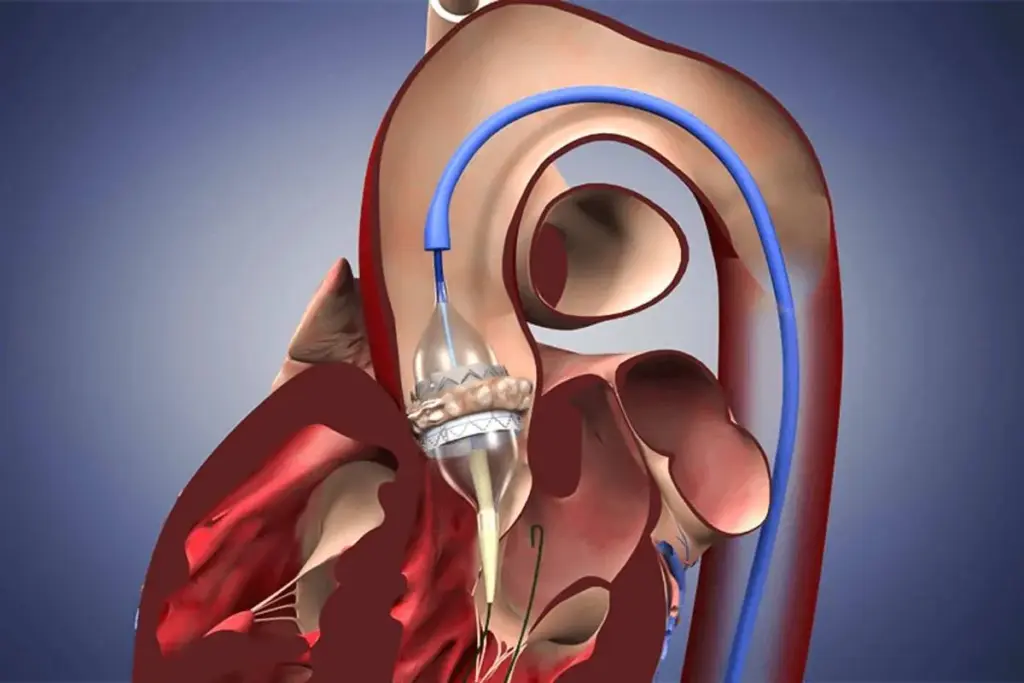
Nearly 300,000 heart valve surgeries are done worldwide each year. A big part of these are aortic valve replacements. Knowing how long you’ll stay in the hospital after surgery is key for planning your recovery.aortic valve replacement hospital stay7 Key Facts About Narrowing of Aortic Valve (Aortic Stenosis): Causes, Symptoms, and Treatment
The time you spend in the hospital can change based on your health and the surgery type. Usually, you need to stay in the hospital to watch for any problems. This helps make sure you’re ready to take care of yourself at home.
Key Takeaways
- Average hospital stay duration for aortic valve replacement surgery.
- Factors influencing the length of hospitalization.
- Overview of the recovery process post-surgery.
- Tips for a smooth transition from hospital to home.
- Importance of follow-up care after discharge.
Understanding Aortic Valve Replacement Surgery

Learning about aortic valve replacement surgery is key for those facing it. This surgery is a big deal and can change a patient’s life a lot.
The aortic valve is very important for the heart. It makes sure blood flows the right way. If it gets sick or damaged, serious problems can happen, so surgery is needed.
Types of Aortic Valve Replacement Procedures
There are two main ways to replace the aortic valve: open-heart surgery and minimally invasive surgery. Traditional open-heart surgery needs a big cut in the chest. On the other hand, minimally invasive surgery uses smaller cuts, which can mean a quicker recovery.
|
Surgical Approach |
Description |
Recovery Time |
|---|---|---|
|
Traditional Open-Heart Surgery |
Involves a larger incision to access the heart |
Typically longer |
|
Minimally Invasive Surgery |
Uses smaller incisions |
Generally shorter |
Importance of the Aortic Valve
The aortic valve is very important for heart health. It makes sure blood flows right from the heart to the aorta, the biggest artery. A healthy aortic valve is key for good blood pressure and avoiding heart failure.
When Surgery Becomes Necessary
Surgery is needed when the aortic valve is badly damaged or diseased. Symptoms like chest pain, shortness of breath, or fainting are signs it’s time for surgery. Doctors and surgeons decide if surgery is right after checking the patient’s condition.
The Average Aortic Valve Replacement Hospital Stay
Patients often ask how long they’ll stay in the hospital after aortic valve replacement. The time can change based on several things. These include the surgery type, the patient’s health, and any complications.
Typical Length of Stay Statistics
Research shows that most patients stay in the hospital for 5 to 7 days. But, this time can really vary.
- Minimally invasive procedures: Those with minimally invasive surgery might leave the hospital in 4 to 5 days.
- Traditional open-heart surgery: Patients having open-heart surgery might stay longer, from 7 to 10 days or more.
Minimum Required Hospitalization
The shortest hospital stay is based on the need for close monitoring after surgery. Most patients need at least 2 to 3 days in the hospital. This is to check for any immediate problems and to make sure they’re stable enough to go home.
Comparison to Other Cardiac Surgeries
The hospital stay for aortic valve replacement is similar to other cardiac surgeries. For example:
|
Procedure |
Average Hospital Stay |
|---|---|
|
Aortic Valve Replacement |
5-7 days |
|
Coronary Artery Bypass Grafting (CABG) |
5-7 days |
|
Mitral Valve Repair/Replacement |
5-10 days |
Knowing these numbers can help patients and their families get ready for their hospital stay and recovery.
Factors Affecting Hospital Stay Length
The time spent in the hospital after aortic valve replacement surgery can change a lot. Knowing what affects it can help patients and their families get ready for recovery.
Age and Overall Health
How long you stay in the hospital depends a lot on your age and health. Older people or those with many health problems might stay longer. Younger, healthier people usually get better faster.
Key health factors that influence recovery include:
- Presence of chronic conditions like diabetes or hypertension
- Pre-existing heart conditions or previous cardiac surgeries
- Overall physical fitness and mobility
Surgical Approach Used
The type of surgery for aortic valve replacement also matters. Minimally invasive surgeries, like TAVR, usually mean shorter stays than open-heart surgery.
Some benefits of minimally invasive approaches include:
- Less tissue damage and trauma
- Reduced risk of infection
- Shorter recovery times
Presence of Complications
Complications during or after surgery can make your stay longer. Issues like infection, bleeding, and heart rhythm problems are common.
Effective management of complications involves:
- Prompt identification and treatment of issues
- Close monitoring by the healthcare team
- Adjustments to medication and treatment plans as needed
Hospital Protocols and Practices
Hospital rules and how they care for patients also affect your stay. Hospitals that are good at getting patients home quickly can help.
Best practices in hospital care include:
- Multidisciplinary team coordination
- Patient education and support
- Streamlined discharge planning
Pre-Surgery Preparation and Its Impact on Recovery
The time before aortic valve replacement surgery is key. Good preparation can greatly help your recovery. It reduces risks and makes recovery smoother.
Medical Evaluations and Tests
Before surgery, patients must go through many medical tests. These tests check the patient’s health and find any surgery risks.
Some common tests are:
- Electrocardiogram (ECG) to check heart function
- Echocardiogram to look at the heart’s structure and function
- Cardiac catheterization to examine the coronary arteries
- Blood tests to check for infections or other conditions
Lifestyle Adjustments Before Surgery
Changing your lifestyle before surgery can greatly help your recovery. These changes include:
|
Lifestyle Change |
Benefit |
|---|---|
|
Quitting Smoking |
Reduces risk of respiratory complications |
|
Maintaining a Healthy Diet |
Enhances overall health and recovery |
|
Exercising Regularly |
Improves cardiovascular health |
Mental Preparation for Hospitalization
Mental preparation is as important as physical. Knowing what to expect in the hospital can reduce anxiety and stress.
Patients should:
- Discuss their concerns with their healthcare provider
- Plan for post-surgery care at home
- Prepare for the emotional aspects of surgery and recovery
By focusing on these pre-surgery steps, patients can improve their surgery success and quick recovery.
The Hospital Admission Process
The hospital admission process is a key part of getting ready for aortic valve replacement surgery. It sets the stage for a smooth and effective surgery. Knowing what to expect can help reduce anxiety and lead to a better outcome.
What to Bring to the Hospital
When you arrive at the hospital, it’s important to be ready with the right documents and items. You should bring:
- Identification and insurance cards
- A list of current medications and dosages
- Comfortable clothing for the recovery period
- Any personal items that may provide comfort during the stay
Having these items ready can make the admission process smoother. It lets you focus on getting ready for surgery.
Pre-operative Procedures
After you arrive, you’ll go through several pre-operative procedures. These include:
- Initial assessments by nursing staff to check your health
- Pre-operative medications as ordered by the surgical team
- Preparation for anesthesia, like inserting intravenous lines
Meeting Your Surgical Team
Meeting the surgical team is a big part of the hospital admission process. This team includes:
|
Team Member |
Role |
|---|---|
|
Cardiothoracic Surgeon |
Leads the surgical procedure |
|
Anesthesiologist |
Manages anesthesia during surgery |
|
Nursing Staff |
Provides care before, during, and after surgery |
Meeting the team can help ease your concerns and build trust. It makes the whole experience less scary.
Day of Surgery: What to Expect
Getting ready for your aortic valve replacement surgery? Knowing what to expect can make you feel more at ease. It helps you prepare for what’s coming.
Duration of the Procedure
The aortic valve replacement procedure usually takes 2 to 4 hours. This depends on how complex the surgery is and if other heart procedures are done at the same time.
The average time for this surgery is about 3 hours.
Anesthesia and Operating Room Experience
When you get to the operating room, you’ll get general anesthesia. This makes sure you’re comfortable and pain-free during the surgery.
“The anesthesiologist plays a key role in keeping an eye on your vital signs and making sure you’re safe during the procedure.”
A Cardiac Surgeon
Immediate Post-Operative Care
After surgery, you’ll go to the Intensive Care Unit (ICU). Here, you’ll be closely watched and cared for.
The medical team will keep an eye on your vital signs, manage your pain, and watch for any complications.
|
Care Aspect |
Description |
Typical Timeline |
|---|---|---|
|
Pain Management |
Administering medication to manage post-operative pain |
First 24-48 hours |
|
Vital Sign Monitoring |
Continuous monitoring of heart rate, blood pressure, and oxygen saturation |
Continuous in ICU, then as needed |
|
Mobilization |
Encouraging early movement to prevent complications and promote recovery |
Within 24 hours post-surgery |
Intensive Care Unit Stay After Aortic Valve Surgery
The Intensive Care Unit (ICU) stay is a key part of recovery after aortic valve surgery. Here, patients get very careful care.
Average Time in ICU
The time in the ICU varies based on the patient’s health and surgery complexity. Usually, patients spend 1 to 3 days here after aortic valve replacement.
Monitoring and Care Provided
In the ICU, patients are watched closely for any complications. The care they receive includes:
- Continuous monitoring of vital signs
- Management of pain and discomfort
- Administration of medications to support heart function
- Monitoring for possible complications like bleeding or infection
Transition to Step-Down Unit
When the patient’s health improves, they move to a step-down unit for more recovery. This move depends on their health and breathing ability.
|
Care Aspect |
ICU |
Step-Down Unit |
|---|---|---|
|
Monitoring Level |
Continuous |
Periodic |
|
Care Focus |
Critical care, life support |
Recovery, rehabilitation |
|
Patient Condition |
Critical, unstable |
Stable, recovering |
Moving from the ICU to a step-down unit is a big step in recovery. It shows the patient is getting better.
Recovery Milestones During Your Aortic Valve Replacement Hospital Stay
The journey to recovery starts right after surgery. There are important milestones during your stay in the hospital. Knowing these can help you and your family understand the recovery process better.
First 24 Hours Post-Surgery
The first 24 hours are very important. You’ll be in the Intensive Care Unit (ICU) where doctors watch you closely. They focus on your vital signs and managing your pain.
You might feel many emotions and physical changes. It’s key to follow your doctor’s advice on pain and movement.
Days 2-3: Early Mobilization
As you get better, you’ll start moving more. Getting up and moving helps prevent blood clots and pneumonia. Doctors and nurses will help you with simple actions like sitting, standing, or walking.
|
Activity |
Day 2 |
Day 3 |
|---|---|---|
|
Sitting up |
With assistance |
Independently |
|
Standing |
With support |
With minimal support |
|
Walking |
A few steps with assistance |
Short distances with less assistance |
Days 4-7: Preparing for Discharge
As you keep getting better, you’ll start getting ready to go home. You’ll learn about your medicines, follow-up visits, and safe activities.
You’ll also learn to spot any problems and who to call if you have concerns. By the end of this time, you’ll be ready to go home and keep recovering there.
Minimally Invasive Procedures vs. Traditional Surgery: Impact on Hospital Time
Minimally invasive aortic valve replacement procedures, like TAVR and mini-sternotomy, are becoming more popular. They aim to cut down on hospital time and improve recovery. These new methods offer alternatives to traditional open-heart surgery, each with its own benefits and considerations.
TAVR (Transcatheter Aortic Valve Replacement)
TAVR is a groundbreaking procedure that replaces the aortic valve without open-heart surgery. It uses a catheter inserted into an artery, usually in the leg, to guide a new valve to the heart. This approach can greatly reduce hospital stay, with many patients going home in just a few days.
TAVR is great for patients at high risk for complications from traditional surgery. It avoids opening the chest, lowering the risk of infection and speeding up recovery. Studies show TAVR leads to shorter hospital stays and fewer complications than traditional surgery in high-risk patients.
Mini-Sternotomy Approaches
Mini-sternotomy is another minimally invasive method for aortic valve replacement. It makes a smaller chest incision, 2-3 inches, and partially divides the sternum. This method causes less tissue damage and trauma than traditional full sternotomy, potentially leading to quicker recovery.
Patients having mini-sternotomy may feel less post-operative pain and have a shorter ICU stay. The smaller incision also means less blood loss and a lower infection risk, making recovery smoother.
Recovery Differences Between Approaches
The recovery process varies between TAVR, mini-sternotomy, and traditional surgery. While TAVR and mini-sternotomy are both minimally invasive and lead to faster recovery, individual patient factors and the technique used can affect the extent of recovery.
Generally, patients having minimally invasive procedures tend to have shorter hospital stays and quicker return to normal activities than those with traditional surgery. The choice between these options depends on the patient’s health, the severity of their aortic valve disease, and their risk profile.
In conclusion, procedures like TAVR and mini-sternotomy offer promising alternatives to traditional aortic valve replacement surgery. They have the benefits of reduced hospital stay and enhanced recovery. As medical technology advances, these techniques will likely become more important in treating aortic valve disease.
Common Complications That May Extend Your Hospital Stay
Aortic valve replacement is a lifesaving surgery. But, complications can happen, making your hospital stay longer. It’s important for patients and caregivers to know about these possible issues to prepare for recovery.
Infection Risks and Management
Infections are a big worry after surgery, like aortic valve replacement. Hospital-acquired infections, like pneumonia or bloodstream infections, can make recovery harder. Hospitals use strict infection control, like proper wound care and antibiotics when needed.
Patients can help lower infection risks. Follow all pre- and post-operative instructions well. Keep good hygiene and tell your healthcare team if you notice any infection signs.
Cardiac Rhythm Abnormalities
After aortic valve replacement surgery, abnormal heart rhythms, or arrhythmias, can happen. Atrial fibrillation is a common one. These can need extra treatment, like medicine to control heart rate or rhythm.
It’s key to watch and manage heart rhythm problems after surgery. Continuous heart monitoring helps doctors spot and fix any issues fast.
Respiratory Complications
Respiratory problems, like pneumonia or respiratory failure, can also make your stay longer. Risks include lung disease, smoking, and needing a ventilator for a long time.
Early movement and breathing therapy help prevent and manage these issues. Patients should do breathing exercises and move as soon as they can after surgery.
Wound Healing Issues
Wound healing problems, like infection or dehiscence, can happen after surgery. It’s vital to watch the wound closely and act fast if problems arise.
Some people, like those with diabetes or obesity, might face more wound healing issues. Close monitoring and special care plans can help reduce these risks.
Physical Therapy and Rehabilitation in the Hospital
Recovering from aortic valve replacement surgery needs a key part: physical therapy and rehabilitation. This stage is vital for patients to regain strength, improve health, and lower the risk of problems.
Importance of Early Mobilization
Early mobilization is a big part of recovery. It means getting patients moving as soon as they can after surgery. Studies show it cuts down on risks like blood clots, pneumonia, and muscle loss.
Benefits of Early Mobilization:
- Reduces the risk of hospital-acquired infections
- Improves circulation and reduces swelling
- Enhances muscle strength and flexibility
Breathing Exercises and Pulmonary Rehabilitation
Breathing exercises are also key in rehab. They help lungs work better, lower respiratory risks, and boost oxygen levels.
Pulmonary rehabilitation programs help patients manage breathing, boost endurance, and improve life quality.
Cardiac Rehabilitation Initiation
Cardiac rehabilitation is a detailed program for heart surgery recovery. Starting it in the hospital is a big step towards a good recovery.
The program includes:
|
Component |
Description |
Benefits |
|---|---|---|
|
Exercise Training |
Supervised exercise sessions tailored to the patient’s needs |
Improves cardiovascular health, reduces fatigue |
|
Education |
Information on heart health, nutrition, and stress management |
Empowers patients to make healthy lifestyle choices |
|
Support |
Counseling and support groups for patients and their families |
Enhances mental well-being and coping strategies |
By adding physical therapy and rehabilitation to hospital care, patients after aortic valve replacement surgery can expect a better recovery.
Preparing for Discharge After Aortic Valve Replacement
Getting ready for discharge is a big step after aortic valve replacement surgery. Patients need to know what to do before leaving the hospital. This includes understanding the discharge criteria, managing medications, preparing the home, and educating caregivers.
Discharge Criteria
Before leaving, patients must meet certain criteria. They need stable vital signs, manageable pain, and the ability to do daily tasks. Medical staff will check these things to make sure patients are ready for home.
Medication Management
Managing medications is key after aortic valve replacement. Patients take meds for pain, infection prevention, and heart function. It’s important to know the dosage, timing, and side effects to follow the treatment plan well.
Home Environment Preparations
Preparing the home is important for recovery. This means setting up a comfy recovery area and getting necessary supplies. Simple changes, like having things within reach, can help a lot.
Caregiver Education
Caregivers are essential for recovery. They need to know how to watch the patient, manage meds, and help with daily tasks. Clear instructions and open communication are key for effective support.
By focusing on these areas, patients and families can prepare well for discharge. This ensures a smoother and more comfortable recovery at home.
Post-Discharge Recovery Timeline
Knowing the post-discharge recovery timeline is key for patients after aortic valve replacement surgery. It helps manage expectations and ensures a smooth return to normal life.
The First Two Weeks at Home
The first two weeks at home are vital for recovery. Patients should rest and avoid hard activities. Watching for signs of infection or complications is important during this time. They must follow their doctor’s advice on medication, wound care, and appointments.
Having a support system, like family or friends, is also important. They can help with daily tasks, letting the patient focus on getting better.
One to Three Months After Surgery
As patients move into the one to three-month period, they can start to slowly increase their activity. This might include short walks and light exercises, as advised by their doctor. It’s important to listen to your body and not overdo it.
Regular check-ups with the healthcare team are also key during this time. They help monitor the healing and adjust medications if needed.
Long-Term Recovery Expectations
Long-term recovery varies, but most see big improvements in three to six months. Staying healthy with a good diet and exercise is important for keeping the surgery’s benefits.
Joining cardiac rehabilitation programs is also encouraged. They offer guidance on exercise, nutrition, and managing stress.
Return to Normal Activities
Getting back to normal activities is a slow process. It depends on your health, any complications, and the surgery type. Most patients can get back to normal in a few months, but always follow your doctor’s advice.
When returning to your routine, pay attention to your body’s signals. Don’t hesitate to get medical help if you notice anything unusual or concerning.
Conclusion: Preparing for Your Aortic Valve Replacement Journey
Knowing about the aortic valve replacement process is key for patients. It helps them get ready for surgery and recovery. The time spent in the hospital can vary. This depends on the surgery type, the patient’s health, and any complications.
Being informed about the aortic valve replacement journey helps patients prepare. They learn about recovery expectations and how to prepare for surgery. This includes pre-op checks, lifestyle changes, and post-op care.
A well-prepared patient has a better aortic valve replacement journey. By following advice and guidelines, patients can improve their recovery. This leads to a better outcome overall.
FAQ
How long does a typical hospital stay for aortic valve replacement surgery last?
Most people stay in the hospital for 5 to 7 days after this surgery. But, it can vary. This depends on your health and if any complications arise.
What factors can influence the length of hospital stay after aortic valve replacement surgery?
Several things can affect how long you stay in the hospital. These include your age, health, the surgery type, any complications, and the hospital’s rules.
How can I prepare for a shorter hospital stay after aortic valve replacement surgery?
To prepare, focus on pre-surgery checks, making lifestyle changes, and mentally preparing. This can help your recovery and possibly shorten your hospital stay.
What is the typical recovery timeline after aortic valve replacement surgery?
Recovery times vary, but most spend weeks at home. You’ll see big improvements in the first few months. Then, you’ll slowly get back to normal activities.
What are some common complications that may extend hospital stay after aortic valve replacement surgery?
Complications like infections, heart rhythm issues, breathing problems, and slow wound healing can make your stay longer.
How does the type of surgical approach used affect hospital stay and recovery?
Less invasive surgeries, like TAVR, might mean a shorter hospital stay and quicker recovery. This is compared to traditional open-heart surgery.
What kind of care and rehabilitation can I expect during my hospital stay after aortic valve replacement surgery?
You’ll get physical therapy, breathing exercises, and cardiac rehab. These help with recovery and prepare you for going home.
How can I manage pain after aortic valve replacement surgery?
Pain management uses a mix of medicines and other methods. The goal is to reduce pain and help you recover.
What are the discharge criteria after aortic valve replacement surgery?
To be discharged, you need stable vital signs, controlled pain, and the ability to do daily tasks. Other factors also play a role.
How can I prepare my home environment for recovery after aortic valve replacement surgery?
Make your home comfortable by adjusting spaces and getting caregiver help. Also, stock up on what you’ll need.
What kind of follow-up care can I expect after discharge from the hospital?
After leaving the hospital, you’ll have follow-up visits. Your healthcare team will monitor your progress and guide you on managing your health and activities.
References
New England Journal of Medicine. Evidence-Based Medical Insight. Retrieved from https://www.nejm.org/doi/full/10.1056/NEJMoa1514616