
Nearly 300,000 heart valve replacement surgeries happen every year worldwide. Aortic valve replacement surgery is one of the most common types. How serious is aortic valve replacement surgery? Get the crucial facts on the risks and powerful positive outcomes today.
This surgery is a big help for those with severe heart valve disease. It’s important to know how serious it is to make good choices.
The seriousness of avr surgery comes from its complexity and the risks. These risks include problems during and after the surgery.
Key Takeaways
- Knowing how important aortic valve surgery is is key for those with heart issues.
- The surgery replaces the sick valve with a surgical heart valve.
- AVR replacement can greatly improve a patient’s life quality.
- The procedure is complex and has risks.
- Patients should know the risks and benefits before getting heart valve replacement.
Understanding the Aortic Valve and Its Function
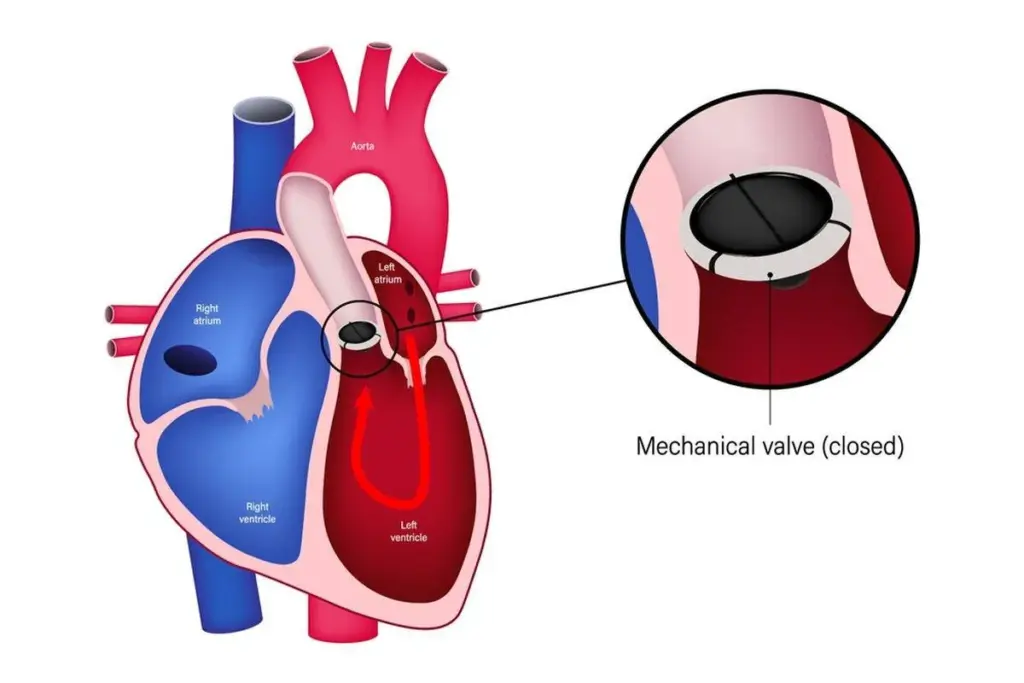
To understand why aortic valve surgery is important, we need to know about the valve. It’s a key part between the heart’s left ventricle and the aorta, the biggest artery.
Anatomy of the Aortic Valve
The aortic valve has three cusps or leaflets. These open and close to control blood flow. They are thin and flexible, attached to the aortic root. The valve’s proper function is vital for blood circulation.
Normal Function and Blood Flow
When the heart contracts, the valve opens. This lets blood flow from the left ventricle into the aorta. When the heart relaxes, the valve closes. This stops blood from flowing back into the heart.
Common Aortic Valve Problems
Aortic valve problems can be stenosis or regurgitation. Stenosis makes the valve narrow, restricting blood flow. Regurgitation lets blood leak back into the heart. Both can cause serious health issues if not treated.
Knowing about the aortic valve helps us understand heart valve disease. It shows why aortic valvular replacement is sometimes needed. The heart valve function is key to keeping the heart healthy, and problems can be serious.
When is Aortic Valve Replacement Necessary?
When the aortic valve is damaged by disease or is born with a problem, replacing it might be needed. This valve is key for blood to flow right from the heart to the body. If it’s not working right, it can cause big health problems.
Aortic Stenosis
Aortic stenosis happens when the aortic valve opening gets too narrow. This blocks blood flow from the heart to the aorta. Symptoms include chest pain, fainting, and trouble breathing. Severe aortic stenosis is very serious and often needs surgery to fix.
Aortic Regurgitation
Aortic regurgitation is when the aortic valve doesn’t close right, letting blood leak back into the heart. This can cause heart problems like palpitations, shortness of breath, and feeling very tired. Chronic aortic regurgitation can lead to heart failure if not treated. Aortic valve replacement is often needed for severe cases.
Bicuspid Aortic Valve Disease
Bicuspid aortic valve disease is when the aortic valve only has two cusps instead of three. This can cause problems like aortic stenosis or regurgitation. Regular monitoring is key for those with this condition. Aortic valve replacement might be needed if the valve starts to fail.
Symptoms Indicating Need for Intervention
Symptoms like chest pain, shortness of breath, dizziness, and fainting spells might mean you need aortic valve replacement. A cardiologist, says,
“The presence of symptoms in patients with aortic valve disease often signifies a turning point in the disease’s progression, necessitating a thorough evaluation for possible surgical intervention.”
Getting treatment early can greatly improve the lives of those with aortic valve disease.
The Seriousness of Aortic Valve Conditions Left Untreated
Untreated aortic valve conditions are a big risk to heart health. Aortic valve disease can quietly get worse, causing serious problems if not treated quickly.
Progression of Valve Disease
Aortic valve disease can slowly get worse, with the valve becoming more blocked or leaking. Regular monitoring is key to keep track of how it’s changing and when to act.
Research shows that people with severe aortic stenosis face a big drop in life expectancy if not treated. This can lead to heart failure, irregular heartbeats, and even sudden death.
Impact on Heart Function
The aortic valve is vital for blood flow from the heart. When it’s diseased, it puts more strain on the heart. This can lead to heart failure.
Aortic regurgitation makes the heart work harder to handle the backflow. This can cause the heart muscle to thicken and may lead to heart failure if not treated.
Mortality Rates Without Intervention
The death rates for untreated aortic valve disease are very high. For example, severe aortic stenosis can have a 50% mortality rate within a year if not treated surgically.
|
Condition |
Mortality Rate Without Intervention |
|
Severe Aortic Stenosis |
50% within 1 year |
|
Aortic Regurgitation |
High risk of heart failure and death |
A study found that patients with severe aortic stenosis who are showing symptoms face a very poor outlook without surgery. Their death rates are as high as some cancers.
“The prognosis for patients with severe aortic valve disease is grim without surgical intervention, highlighting the need for early diagnosis and treatment.”
A Cardiologist
In summary, ignoring aortic valve conditions can lead to serious problems. These include fast disease progression, heart function damage, and high death rates. Quick medical action is essential to avoid these outcomes.
Types of Aortic Valve Replacement Procedures
Patients with aortic valve disease have several options for replacement. These range from open-heart surgery to less invasive methods. The right choice depends on the patient’s health, the disease’s severity, and other medical conditions.
Surgical Aortic Valve Replacement (SAVR)
SAVR involves open-heart surgery. The surgeon makes a chest incision to reach the heart. This method replaces the diseased valve with a new one. Though effective, it requires a longer recovery than newer methods.
Transcatheter Aortic Valve Replacement (TAVR)
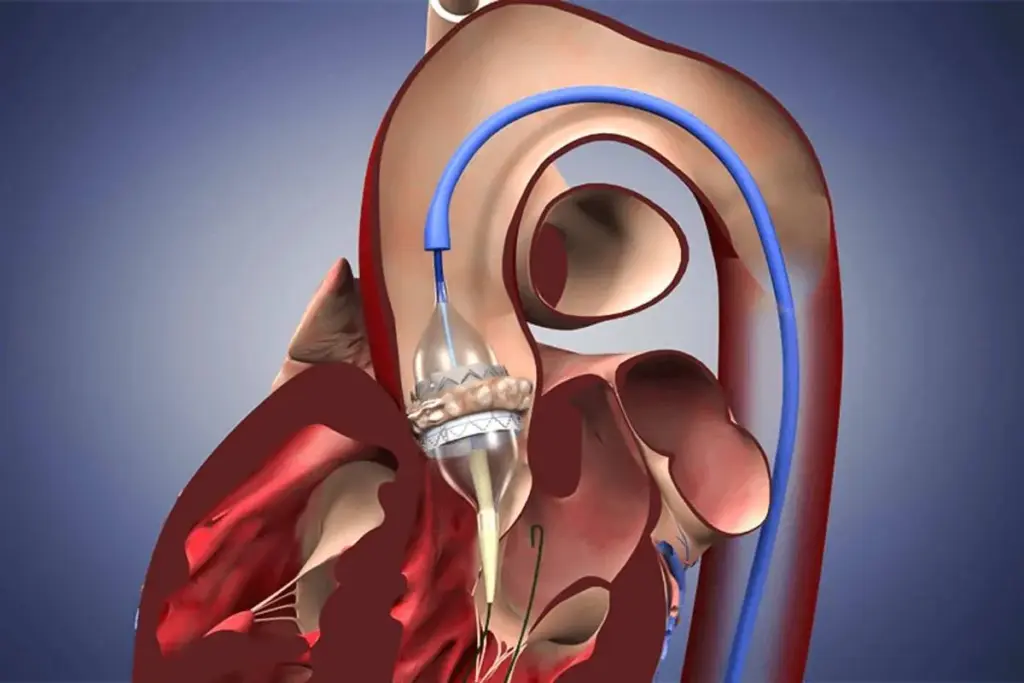
TAVR is a less invasive option. A new valve is inserted through a leg artery via a catheter. It’s best for those at high risk for open-heart surgery complications. TAVR offers a quicker recovery and less patient trauma.
Minimally Invasive Approaches
Minimally invasive aortic valve replacement uses smaller incisions. This leads to less tissue damage and faster recovery. These procedures can be done through mini-thoracotomy or partial sternotomy.
Comparing Procedural Risks
When looking at SAVR and TAVR, it’s key to understand the risks. SAVR risks include infection and longer hospital stays. TAVR risks include catheter insertion issues and paravalvular leak. Minimally invasive methods aim to reduce these risks by causing less tissue damage while effectively replacing the valve.
- SAVR: Effective for many patients, but recovery is longer.
- TAVR: Less invasive, good for high-risk patients, with quicker recovery.
- Minimally invasive approaches: A balance between SAVR’s invasiveness and TAVR’s benefits.
The right procedure choice should be made with careful thought. It involves the patient and their healthcare team considering the individual’s condition and needs.
Mechanical vs. Biological Valve Options
Choosing between mechanical and biological valves for aortic valve replacement is key. It depends on the patient’s age, lifestyle, and health. Each option has its own benefits and challenges.
Mechanical Valve Considerations
Mechanical heart valves are built to last, made from materials like titanium. But, they need lifelong anticoagulation to stop blood clots. This is a big deal for those who struggle with medication.
Biological Valve Types
Biological heart valves, made from animal tissue, are less likely to cause blood clots. They might not need lifelong anticoagulation. But, they may need to be replaced over time.
Choosing the Right Valve for Different Age Groups
The choice between mechanical and biological valves depends on age. Younger patients might choose mechanical valves for their durability. Older patients might prefer biological valves to avoid long-term anticoagulation.
Durability and Replacement Needs
|
Valve Type |
Durability |
Replacement Needs |
|
Mechanical |
High |
Low |
|
Biological |
Moderate |
Moderate to High |
Choosing between mechanical and biological valves should be a team effort. A healthcare provider will help decide based on the patient’s needs and preferences.
Preparing for Aortic Valve Surgery
Aortic valve surgery needs careful planning. This includes medical checks, lifestyle changes, and getting ready emotionally.
Pre-Surgical Testing and Evaluation
Before surgery, patients go through detailed tests. These tests are echocardiograms, electrocardiograms, and cardiac catheterization. They check the heart’s health and the aortic valve.
This medical check helps find any risks. It also helps the surgical team plan the best way to operate.
|
Test |
Purpose |
|
Echocardiogram |
Assess heart valve function and structure |
|
Electrocardiogram |
Evaluate heart rhythm and electrical activity |
|
Cardiac Catheterization |
Examine coronary arteries and heart chambers |
Medication Adjustments
Patients might need to change their medicines before surgery. This could mean stopping anticoagulants or changing other medicines. It’s to lower the risk of bleeding during the surgery.
“It’s vital to follow the doctor’s advice on changing medicines. This ensures a safe surgery.”
Practical Preparations for Hospital Stay
Getting ready for the hospital is key. Patients should think about post-operative care. This includes arranging for someone to drive them home and help with daily tasks after they get back.
Mental and Emotional Readiness
Getting mentally and emotionally ready is as important as physical prep. Patients should try stress-reducing techniques like meditation or deep breathing. This helps with anxiety.
Knowing what to expect from the surgery can also ease worries and fears.
What Happens During Aortic Valve Replacement Surgery
Aortic valve replacement surgery is a detailed process that needs a lot of skill. It involves several important steps. Each step is vital for the patient’s success.
Anesthesia and Monitoring
First, the patient gets anesthesia to stay comfortable and pain-free. An anesthesiologist watches the patient’s vital signs closely during the surgery.
Surgical Approach and Incisions
The surgical approach can change based on the patient’s health and the surgeon’s choice. Most often, a median sternotomy is used. This means an incision is made in the sternum to reach the heart.
Heart-Lung Machine Use
A heart-lung machine is used during the surgery. It takes over the heart and lungs’ jobs. This lets the team work on a stopped heart. The machine keeps blood flowing, making sure organs get the oxygen they need.
Valve Removal and Replacement Process
The valve removal and replacement process is very precise. The old valve is removed, and a new one is put in. This new valve can be mechanical or biological. It’s secured with stitches and checked to make sure it works right.
In summary, aortic valve replacement surgery is a complex procedure. It needs a skilled team and modern technology. Knowing what happens during the surgery helps patients prepare better for it.
Immediate Post-Operative Care
The time right after aortic valve surgery is very important. It needs careful watching and handling. This is when any problems can be found and fixed early.
Intensive Care Unit Monitoring
Patients go to the intensive care unit (ICU) after surgery. The ICU team keeps an eye on their health. They manage pain and watch for any complications.
Pain Management
Managing pain is a big deal after surgery. Doctors give medicines to help with pain. This lets patients breathe, cough, and move easily, helping them heal.
Early Mobilization
Getting up and moving early is important. It helps avoid blood clots and pneumonia. Patients start walking and getting out of bed quickly. This helps them get stronger and recover better.
Common Early Complications
Even though aortic valve replacement surgery is usually safe, some problems can happen. These include bleeding, infection, and heart rhythm issues. The team is ready to act fast if these problems show up.
Knowing what to expect right after surgery can make things easier. It helps patients get ready for a better recovery for valve replacement surgery.
Recovery Timeline After Aortic Valve Surgery
Aortic valve surgery starts a healing journey that needs patience and understanding. Everyone recovers differently, but there are common steps most follow.
Hospital Stay Duration
Most people stay in the hospital for 5 to 7 days after surgery. This depends on their health and if any problems arise. Doctors watch over them closely, managing pain and looking for any issues.
First Few Weeks at Home
When you go home, rest is key. The first weeks are vital for healing. You’ll be told to:
- Take your medicines as directed
- Watch your incision for infection signs
- Slowly start moving more
Long-term Recovery Milestones
As you get better, you’ll hit several milestones. These include getting stronger, doing normal things again, and fully recovering. Improvement usually starts in 3 to 6 months.
Physical Therapy and Cardiac Rehabilitation
Physical therapy and cardiac rehab are key to recovery. They help you get stronger and improve your heart health. These programs are very important for a good recovery.
Knowing the recovery timeline helps you prepare for what’s ahead. It lets you set realistic goals and work towards the best outcome.
Potential Risks and Complications
It’s important for patients to know about the risks of aortic valve replacement. This surgery is life-saving but comes with risks that can affect recovery and long-term health.
Short-term Surgical Risks
Short-term risks include bleeding, infection, and reactions to anesthesia. Patients with heart conditions face higher risks during and after surgery. It’s key to watch and manage these risks closely after surgery.
Long-term Valve-Related Complications
Long-term issues can include valve problems, prosthetic valve endocarditis, and the need for blood thinners. The type of valve used affects these risks.
Infection Prevention
Preventing infection is vital with aortic valve replacement. Patients often get antibiotics before and after surgery. Keeping clean and watching for infection signs are also important.
Anticoagulation Management
Patients with mechanical valves need blood thinners to prevent clots. Managing this therapy is critical, including regular blood tests and adjusting medications. Teaching patients about blood thinners helps ensure they take it correctly and safely.
|
Complication |
Description |
Management Strategy |
|
Bleeding |
Excessive bleeding during or after surgery |
Monitoring, blood transfusions, and surgical intervention if necessary |
|
Infection |
Infection of the surgical site or prosthetic valve |
Antibiotic prophylaxis, good hygiene practices |
|
Valve Malfunction |
Failure of the prosthetic valve to function correctly |
Regular follow-up, potentially reoperation |
Knowing about these risks helps patients prepare for surgery and recovery. Healthcare providers should give detailed care, including teaching about risk management and follow-up.
Advances in Aortic Valve Surgery Techniques
The field of aortic valve replacement (AVR) surgery is changing fast. New technologies are making surgeries more precise, cutting down recovery times, and boosting patient results. These new AVR surgery methods are changing how we treat aortic valve issues.
Innovations in Surgical Approaches
Robotic-assisted surgery is a big step forward in AVR surgery. It lets surgeons make smaller cuts and work more accurately. This means less harm to the patient and faster healing.
Robotic-assisted AVR uses a robotic system controlled by the surgeon. It gives better views and more control during surgery.
Sutureless Valve Technology
Sutureless valves are another big leap. They can be put in without stitches, making surgery easier and possibly shorter. These valves are great for AVR surgery because they might lower the chance of problems and help patients heal faster.
Future Directions in Valve Technology
The future of AVR surgery looks bright with new valve tech and surgical methods. New things like transcatheter aortic valve replacement (TAVR) and new valve designs will likely make things better for patients. As we keep working on these areas, we’ll see even better treatments for aortic valve disease.
|
Technique |
Benefits |
Potential Outcomes |
|
Robotic-Assisted Surgery |
Greater precision, smaller incisions |
Less trauma, quicker recovery |
|
Sutureless Valves |
Simplified surgical process, reduced surgical times |
Faster healing, reduced complications |
|
TAVR |
Minimally invasive, avoids open-heart surgery |
Improved outcomes for high-risk patients |
Conclusion
Aortic valve replacement is a major surgery that can save lives. It’s chosen after checking how bad the disease is and the patient’s health.
This surgery works well, with many people living longer after it. The heart valve replacement surgery survival rate is good. This is thanks to better surgery methods and strong valve replacements.
It’s important for patients to understand the aortic valve replacement summary. Knowing the risks and benefits helps them prepare for surgery and recovery.
In conclusion, though aortic valve surgery is serious, it can greatly improve life and survival chances for many.
FAQ
What is aortic valve replacement surgery?
Aortic valve replacement surgery is a procedure. It replaces the aortic valve with a new one. This can be a mechanical or biological valve. It treats conditions like aortic stenosis or regurgitation.
What are the symptoms of aortic valve disease?
Symptoms include chest pain, shortness of breath, and fatigue. Fainting can also happen. These signs mean you need to see a doctor and might need surgery.
What is the difference between SAVR and TAVR?
SAVR is a traditional open-heart surgery. TAVR is a minimally invasive procedure. In TAVR, the valve is replaced through a catheter.
How long does it take to recover from aortic valve replacement surgery?
Recovery time varies. Patients usually stay in the hospital for a few days to a week. It can take several weeks to a few months to fully recover. Physical therapy and cardiac rehabilitation help a lot.
What are the risks associated with aortic valve replacement surgery?
Risks include bleeding and infection. Stroke and valve complications are also possible. There are risks with anesthesia and the surgery itself.
How do I choose between a mechanical and biological valve?
The choice depends on age, lifestyle, and anticoagulation needs. Mechanical valves are durable but need lifelong anticoagulation. Biological valves might not last as long but don’t need anticoagulation.
What is the success rate of aortic valve replacement surgery?
The success rate is high. Symptoms improve, and survival rates increase. But, outcomes can vary based on health and specific conditions.
Can aortic valve disease be treated without surgery?
Sometimes, medication and lifestyle changes can manage aortic valve disease. But, severe cases often need surgery to replace or repair the valve.
What are the latest advances in aortic valve surgery?
Advances include robotic-assisted surgery and sutureless valves. New valve technology offers less invasive options and better outcomes for patients.
How long does aortic valve replacement surgery take?
Surgery can take several hours. It depends on the procedure’s complexity and whether it’s SAVR or TAVR.
What is the role of cardiac rehabilitation after aortic valve surgery?
Cardiac rehabilitation is key in recovery. It helps patients regain strength and improve heart health. It also helps them adapt to lifestyle changes after surgery.
References
National Center for Biotechnology Information. Evidence-Based Medical Insight. Retrieved from https://pubmed.ncbi.nlm.nih.gov/11899171/