
At Liv Hospital, we know how serious aortic valve sclerosis is. It’s when the valve gets thick and hard, often in older people. Even if it’s just a little bit, it’s important to watch it closely to stop it from getting worse.
We’re a top choice for cardiac care, focusing on our patients. We have 8 main treatment options for this condition. Our team works hard to find the best care for each person’s heart health.
Key Takeaways
- Understanding aortic valve sclerosis and its implications
- 8 key treatment options available at Liv Hospital
- Importance of monitoring and managing mild sclerosis
- Personalized care for optimal cardiovascular health
- Comprehensive support for international patients
Understanding Aortic Valve Sclerosis and Its Cardiovascular Impact
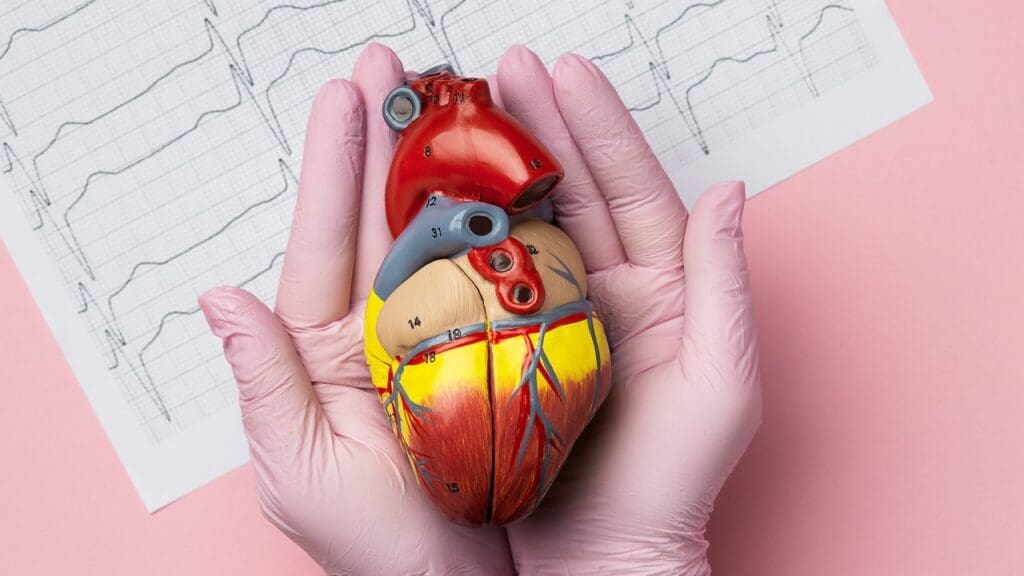
Aortic valve sclerosis is a condition that can lead to more serious heart problems. It’s important to manage it well to avoid heart issues. This condition affects not just the valve but also the whole heart, making it a big concern.
What Is Aortic Valve Sclerosis: Definition and Pathophysiology
Aortic valve sclerosis means the valve gets thick and calcified but doesn’t block blood flow much. It’s linked to aging and has the same risk factors as heart disease. The buildup of lipids, inflammation, and calcium leads to thickening of the valve.
Distinguishing Sclerosis from Stenosis
It’s key to tell sclerosis apart from stenosis. Stenosis is when the valve gets so narrow it blocks blood flow. Sclerosis is when the valve gets thick and calcified but doesn’t block much. Knowing the difference helps in choosing the right treatment.
For more info on aortic valve sclerosis, check out UpToDate. It has detailed info on what it is, how it’s diagnosed, and how to treat it.
Cardiovascular Risk Implications
Aortic valve sclerosis is not just a minor issue. It raises the risk of heart attacks, strokes, and even death. It’s a sign of widespread heart disease. So, treating it is vital to protect the heart and improve health.
Diagnosis and Assessment of Aortic Valve Sclerosis
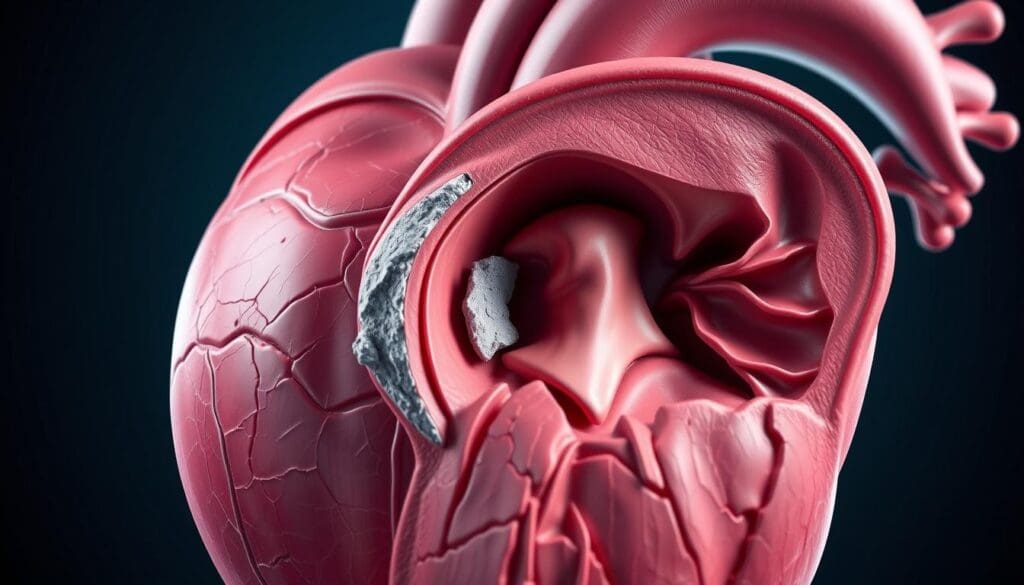
Diagnosing aortic valve sclerosis requires a detailed approach. This includes looking at symptoms, doing tests, and checking how fast the disease might progress. At Liv Hospital, we focus on getting the diagnosis right. This helps us decide the best treatment and manage heart risks.
Clinical Presentation and Symptoms
Many people with mild aortic sclerosis don’t show symptoms. So, regular check-ups are key to catching any changes early. Symptoms like chest pain, shortness of breath, or feeling faint are signs that need attention.
We take a detailed look at each patient’s history and heart disease risk factors. This helps us spot who might face bigger challenges with the disease.
Diagnostic Imaging and Testing
Imaging tests are vital for checking aortic valve sclerosis. Echocardiography is the main tool for looking at the valve’s shape and how it works. We might also use other tests like ECG, cardiac CT, or MRI to get a full picture of the heart and valve.
At Liv Hospital, we use the latest imaging tech for precise diagnoses. Our team carefully looks at the results to understand how severe the valve problem is and if there are other heart issues.
Evaluating Disease Severity and Progression Risk
It’s important to know how severe the aortic valve sclerosis is and how likely it is to get worse. We use both what we find in the exam and imaging results to figure out the risk level for each patient.
| Disease Severity | Characteristics | Management Approach |
|---|---|---|
| Mild Sclerosis | Minimal valve thickening, no significant obstruction | Monitoring, risk factor management |
| Moderate Sclerosis | Noticeable valve thickening, some obstruction | Regular follow-up, possible medication |
| Severe Sclerosis | Significant valve calcification, substantial obstruction | Surgical or interventional treatment considered |
By accurately assessing how severe the disease is and how fast it might progress, we can give personalized treatment plans. This ensures the best possible results for our patients.
Comprehensive Aortic Valve Sclerosis Treatment: The 8 Key Approaches
At Liv Hospital, we have a detailed treatment plan for aortic valve sclerosis. It’s made just for each patient. Our goal is to manage symptoms, slow disease growth, and boost quality of life.
Treatment Goals and Decision-Making Process
The main aim of aortic valve sclerosis treatment is to control symptoms and stop valve damage. We look at many things, like how severe the condition is and the patient’s health and lifestyle. We make sure patients are involved in every step of the plan.
Studies show that while medicine can manage risk factors, it can’t stop sclerosis from getting worse. So, we use a mix of medicine, lifestyle changes, and sometimes surgery.
Individualized Treatment Planning at Liv Hospital
At Liv Hospital, we know every patient is different. That’s why we create a personalized treatment plan for each one. Our team of experts works together to make a plan that fits the patient’s needs and health. This way, patients get the best care from start to finish.
Overview of Available Treatment Options
We have 8 main ways to treat aortic valve sclerosis. These range from medicine to surgery. Here are some examples:
- Statin therapy and lipid management
- Antihypertensive medications and blood pressure control
- Lifestyle modifications and risk factor management
- Surgical aortic valve replacement
- Minimally invasive procedures and TAVR
- Emerging therapies and clinical trials
- Dietary approaches for cardiovascular health
- Exercise recommendations and limitations
We’ll help you find the best treatment based on your condition and health.
Treatment Option 1: Statin Therapy and Lipid Management
Statin therapy is key in managing aortic valve sclerosis. It’s used to control cholesterol levels. This treatment has shown promise in slowing down valve sclerosis.
We’ll look at how statins work, the evidence supporting their use, and the best treatment plans.
Mechanism of Action in Valve Sclerosis
Statins block HMG-CoA reductase, a key enzyme in making cholesterol. This action lowers LDL cholesterol, or “bad” cholesterol. Statins also have anti-inflammatory effects, which may slow valve sclerosis by reducing inflammation.
Lipid management is vital for those with aortic valve sclerosis. High cholesterol can worsen the disease. Statins help manage cholesterol levels, reducing disease risk.
Clinical Evidence and Effectiveness
Many studies have looked at statin therapy’s impact on aortic valve sclerosis. While results vary, some trials show statins can slow disease progression. They reduce valve calcification and inflammation.
| Study | Sample Size | Outcome |
|---|---|---|
| Study A | 1000 | Reduced progression of valve sclerosis |
| Study B | 500 | No significant effect on valve sclerosis progression |
Recommended Protocols and Monitoring
For statin therapy in aortic valve sclerosis, it’s important to monitor lipid levels and liver function. A detailed treatment plan should include lifestyle changes and more therapies if needed.
- Regular lipid profile checks
- Liver function monitoring
- Adjustment of statin dosage as needed
- Lifestyle counseling for cardiovascular health
By managing statin therapy and monitoring patient response, we can maximize treatment benefits. This may slow aortic valve sclerosis progression.
Treatment Option 2: Antihypertensive Medications and Blood Pressure Control
Managing high blood pressure is key for those with aortic valve sclerosis. High blood pressure speeds up valve damage. By keeping blood pressure in check, we can slow disease growth and lower heart risk.
Impact of Hypertension on Valve Calcification
Hypertension puts extra stress on the aortic valve, leading to more damage. Research links high blood pressure with faster valve calcification. Managing blood pressure well is essential to reduce this risk.
First-Line and Combination Therapies
The right medication for high blood pressure depends on the patient’s health and other conditions. Common first choices include:
- ACE inhibitors or ARBs to lower blood pressure and ease heart strain
- Beta-blockers to control heart rate and cut down on heart work
- Calcium channel blockers to relax blood vessels and lower pressure
Often, a mix of medications is needed to control blood pressure well. We customize treatment plans to meet each patient’s needs, aiming for the best blood pressure levels.
Blood Pressure Targets for Patients with Valve Sclerosis
For those with aortic valve sclerosis, we aim for blood pressure below 130/80 mmHg. This is more strict than for others without valve disease. Meeting this goal can help slow disease and lower heart risks.
It’s important to regularly check and adjust blood pressure medications. This ensures blood pressure stays within the target range. By managing high blood pressure well, we can improve outcomes for patients with aortic valve sclerosis.
Treatment Options 3 & 4: Lifestyle Modifications and Risk Factor Management
We suggest a mix of treatments for aortic valve sclerosis. This includes making lifestyle changes and managing risk factors. These steps are key to managing the condition and boosting heart health.
Dietary Approaches for Cardiovascular Health
Eating a diet full of fruits, veggies, and whole grains is vital for heart health. We tell patients to cut down on saturated fats, cholesterol, and sodium. A diet good for the heart can help control weight, blood pressure, and cholesterol, all important for preventing aortic valve sclerosis.
Exercise Recommendations and Limitations
Exercise is good for those with aortic valve sclerosis, but it must fit the person’s health. We suggest talking to a doctor to create a workout plan. Walking, cycling, or swimming are good choices, but avoid very intense activities.
Smoking Cessation and Weight Management
Quitting smoking is key to lowering heart disease risk. We provide help and resources for those trying to stop smoking. Also, keeping a healthy weight through diet and exercise is important for heart health.
Diabetes Control and Metabolic Health
For those with diabetes, keeping blood sugar in check is critical. We help patients manage their diabetes and stay healthy. This includes checking blood sugar, adjusting meds, and making healthy lifestyle choices.
| Lifestyle Modification | Benefit | Recommendation |
|---|---|---|
| Dietary Changes | Improves cardiovascular health | Focus on fruits, vegetables, and whole grains |
| Regular Exercise | Enhances cardiovascular function | Aerobic exercises like walking or cycling |
| Smoking Cessation | Reduces cardiovascular risk | Seek support and resources to quit |
Treatment Option 5: Surgical Aortic Valve Replacement
When aortic valve sclerosis gets worse, surgery is needed. This surgery replaces the old valve with a new one. It can be mechanical or biological.
Indications for Surgical Intervention
Surgery is needed when symptoms get worse or the valve is badly damaged. We look at each patient’s health and other heart issues. We also check how bad the valve problem is.
A study in the Journal of Thoracic and Cardiovascular Surgery says surgery is best for severe aortic stenosis. This is often due to aortic valve sclerosis.
“Surgical intervention is key for better survival and quality of life in severe aortic valve disease.”
Conventional Open-Heart Valve Replacement
The usual way to replace the valve is through open-heart surgery. This means cutting the sternum to get to the heart. A heart-lung machine keeps blood flowing while the surgeon works.
| Procedure | Description | Recovery Time |
|---|---|---|
| Open-Heart Surgery | Involves sternotomy and use of a heart-lung machine | 6-12 weeks |
| Minimally Invasive Surgery | Smaller incisions, less invasive | 4-8 weeks |
Mechanical vs. Biological Valve Prostheses
Choosing between mechanical and biological valves depends on several things. These include the patient’s age, lifestyle, and health. Mechanical valves last longer but need lifelong blood thinners. Biological valves don’t need blood thinners but last less long.
Mechanical Valves: Last long, but need blood thinners forever.
Biological Valves: Don’t last as long, but don’t need blood thinners.
Recovery Timeline and Rehabilitation
Recovery after surgery takes time in the hospital and then rehabilitation. We encourage patients to join cardiac rehab. This helps improve heart health and lowers risk of problems.
A cardiac rehab expert says a good rehab program helps a lot. We stress the importance of care after surgery and follow-up visits. This helps us see how the patient is doing and answer any questions.
Treatment Options 6 & 7: Minimally Invasive Procedures and TAVR
We now have many ways to treat aortic valve sclerosis. These include new, less invasive methods and TAVR. These options give hope to those who can’t have traditional surgery.
Transcatheter Aortic Valve Replacement (TAVR)
TAVR is a new way to replace the aortic valve without open-heart surgery. It’s great for those at high risk for surgery problems. The TAVR procedure uses a catheter to put in a new valve, often through the leg or a small chest incision.
Studies show TAVR works as well as or better than traditional surgery for some patients. “TAVR has changed how we treat aortic valve disease, giving a less invasive option with faster recovery.”
Minimally Invasive Surgical Approaches
There are also new surgical methods for treating aortic valve sclerosis. These use smaller cuts than traditional surgery, leading to less damage and quicker healing. Mini-AVR is a popular choice among these new methods.
Patient Selection Criteria
Choosing the right patients for these new treatments is key. Doctors look at the patient’s health, how bad the valve problem is, and other heart issues. A team of doctors is needed to decide the best treatment for each patient.
Outcomes and Comparative Effectiveness
Research shows TAVR and new surgical methods have big benefits. They lead to less pain, quicker recovery, and fewer complications.
“The use of TAVR and other minimally invasive procedures represents a significant advancement in the treatment of aortic valve sclerosis, providing patients with more options and improved outcomes.”
As we keep improving in heart medicine, these new treatments will help more patients. They offer hope and better care for those with aortic valve sclerosis.
Treatment Option 8: Emerging Therapies and Clinical Trials
New treatments offer hope for those with aortic valve sclerosis. Research is finding new ways to fight this condition. This helps keep the heart healthy.
Liv Hospital leads in medical progress. We give our patients the newest treatments and join clinical trials. This is true for aortic valve sclerosis treatments.
Lipoprotein(a)-Targeted Therapies
Lipoprotein(a), or Lp(a), is a big risk for aortic valve sclerosis. New treatments aim to lower Lp(a) levels. Early trials show these treatments might slow the disease.
- Reduction of Lp(a) levels through targeted therapies
- Potential to slow or halt valve sclerosis progression
- Ongoing research to fully understand efficacy and safety
Anti-Calcification Agents
Research also looks at anti-calcification agents. These aim to stop or slow valve calcification. This is a big part of aortic valve sclerosis.
These agents target calcification pathways. They might protect against disease growth. Anti-calcification therapies are a new hope for treating aortic valve sclerosis.
Participation in Clinical Trials at Liv Hospital
Liv Hospital is in clinical trials for new treatments. This includes Lp(a) and anti-calcification agents. By joining, we offer our patients the latest treatments and help medical science grow.
Our team checks if patients can join trials. This ensures they get the best, newest care.
Conclusion: Long-Term Management and Prognosis
Managing aortic valve sclerosis well is key for heart health. We stress the need for regular checks, lifestyle changes, and sticking to treatment plans. For those with mild sclerosis, acting early can greatly improve their future outlook.
Effective long-term care means regular check-ups, lifestyle tweaks, and ongoing treatment. At Liv Hospital, we tailor plans for each patient. This helps slow the disease and boosts their health.
The future looks different for each patient with aortic valve sclerosis. It depends on how severe it is and how well it’s managed. We give our patients the tools and support they need. This way, they can live full and happy lives.
What is aortic valve sclerosis, and how is it different from aortic stenosis?
Aortic valve sclerosis means the valve gets thick and calcified but doesn’t block blood flow much. Aortic stenosis is when the valve narrows a lot, blocking blood flow. We treat each condition differently.
What are the symptoms of aortic valve sclerosis?
Many people with mild aortic sclerosis don’t show symptoms. But as it gets worse, symptoms can appear. We watch patients closely for any changes.
How is aortic valve sclerosis diagnosed?
To diagnose, we look at symptoms, use imaging like echocardiography, and check how severe it is. Our team uses these methods to see how bad the valve sclerosis is.
What are the treatment options for aortic valve sclerosis?
We have 8 main ways to treat it, from medicine to surgery. This includes statins, blood pressure meds, lifestyle changes, and more. We also do surgeries and new treatments.
How does statin therapy help in managing aortic valve sclerosis?
Statins help lower cholesterol, which might slow the valve getting worse. We talk about how well statins work in treating aortic valve sclerosis.
What is the role of blood pressure control in managing aortic valve sclerosis?
Keeping blood pressure low is key to slowing the disease and lowering heart risk. We suggest meds and lifestyle changes to keep blood pressure in check.
Can lifestyle changes help manage aortic valve sclerosis?
Yes, changing your lifestyle is important. We suggest healthy diets, exercise, quitting smoking, and managing weight to help manage the condition.
What is TAVR, and when is it considered for aortic valve sclerosis treatment?
TAVR is a less invasive procedure for severe valve problems. We decide if TAVR is right for you based on your condition.
Are there any emerging therapies for aortic valve sclerosis?
Yes, new treatments like targeting lipoprotein(a) and anti-calcification agents are being studied. We join clinical trials to offer these new treatments.
What is the long-term management plan for aortic valve sclerosis?
Long-term management means regular check-ups, lifestyle changes, and ongoing treatment. We teach patients how to follow their treatment plans for the best results.
What is the prognosis for patients with aortic valve sclerosis?
The outlook depends on how severe the disease is and how well it responds to treatment. We work with patients to improve their outcomes as much as possible.
References
- American Heart Association (Managing Aortic Stenosis Symptoms) : https://www.heart.org/en/health-topics/heart-valve-problems-and-disease/heart-valve-disease-risks-signs-and-symptoms/managing-aortic-stenosis-symptoms
- Columbia Surgery (Aortic Valve Disease) : https://columbiasurgery.org/aortic/aortic-valve-disease