

Diagnosing aplastic anemia needs a detailed approach. This includes lab tests and blood smear analysis. At Liv Hospital, we know how key accurate diagnosis is for effective treatment.
We use top-notch lab methods to check blood counts and spot any signs of aplastic anemia. Our skilled hematologists look at blood smears to find specific changes in blood cells.
By mixing lab results with clinical checks, we can pinpoint aplastic anemia accurately.aplastic anemia peripheral smearWhat organ does lymphoma affect first? Then, we craft a treatment plan that fits each patient’s needs.
Key Takeaways
- Accurate diagnosis of aplastic anemia requires advanced laboratory tests.
- Blood smear analysis is key in spotting specific blood cell changes.
- At Liv Hospital, we focus on each patient to diagnose and treat aplastic anemia.
- Our experienced hematologists work closely with patients to create tailored treatment plans.
- Quick diagnosis is vital for managing aplastic anemia well.
Understanding Aplastic Anemia: Pathophysiology and Clinical Presentation

It’s key for doctors to know about aplastic anemia’s causes and symptoms. This rare disease stops the bone marrow from making blood cells. This leads to a lack of all blood cell types.
Definition and Underlying Mechanisms
Aplastic anemia happens when the bone marrow can’t make enough blood cells. This results in a lack of all blood cell types. It’s caused by the immune system attacking blood-making cells or by problems in these cells themselves. Exposure to toxins or certain drugs can also play a role.
The reasons behind aplastic anemia are complex. It involves genetics, the environment, and how the immune system works. Doctors need to use many tests and check-ups to figure out what’s going on.
Clinical Manifestations and Symptoms
People with aplastic anemia often feel tired and have trouble breathing because of a lack of red blood cells. They might also get sick easily because of a lack of white blood cells. And they could bleed more because of a lack of platelets. Doctors need to listen to the patient’s story and do a physical check to understand the problem.
The symptoms can vary based on how bad the lack of blood cells is and why it’s happening. For example, someone might look pale or have a fast heart rate because of anemia. Or they might bruise easily because of a lack of platelets.
Epidemiology and Risk Factors
Aplastic anemia is rare, and its rate changes depending on where you are. Some things, like being around certain chemicals, drugs, or radiation, can make it more likely. Knowing these risk factors helps doctors catch it early and prevent it.
| Risk Factor | Description | Relative Risk |
| Chemical Exposure | Exposure to certain chemicals, like benzene | High |
| Drug-Induced | Certain medications can induce aplastic anemia | Moderate |
| Radiation Exposure | Exposure to ionizing radiation | High |
| Viral Infections | Certain viral infections can trigger aplastic anemia | Moderate |
Initial Laboratory Evaluation for Suspected Aplastic Anemia
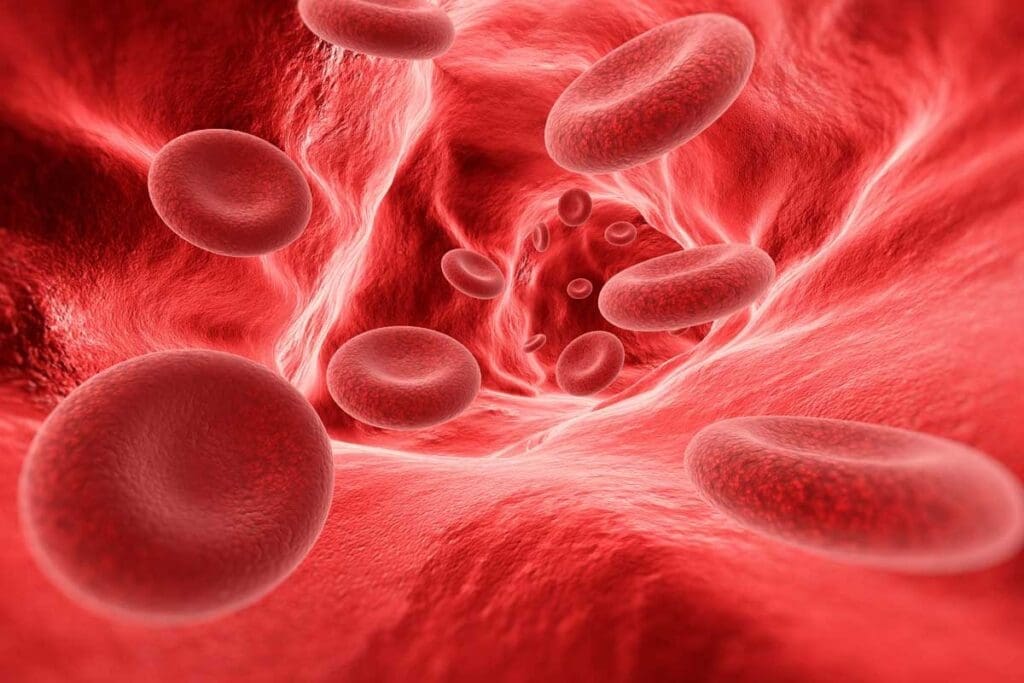
To diagnose aplastic anemia, we start with a series of laboratory tests. These tests help identify blood abnormalities. The initial tests are key to understanding the condition’s severity and guiding further steps.
Complete Blood Count (CBC) Abnormalities
A complete blood count (CBC) is essential for diagnosing aplastic anemia. A CBC in aplastic anemia patients shows pancytopenia. This means:
- Low hemoglobin levels (anemia)
- Leukopenia (reduced white blood cell count)
- Thrombocytopenia (low platelet count)
The severity of pancytopenia can differ among patients. But it’s a key sign of aplastic anemia.
Reticulocyte Count Significance
The reticulocyte count is a critical part of the initial tests. In aplastic anemia, this count is often decreased. This shows the bone marrow can’t make enough new red blood cells.
This finding is important. It helps tell aplastic anemia apart from other anemia causes, where the count might be higher.
Biochemical Markers and Other Initial Tests
Other tests are also done to check the patient’s overall health. These include:
- Liver function tests
- Renal function tests
- Viral hepatitis serologies
- Autoimmune disease screening
These tests help rule out other conditions that might look like or cause aplastic anemia. A peripheral blood smear is also key. It gives important information about blood cell shapes.
Aplastic Anemia Peripheral Smear: Characteristic Findings
Aplastic anemia shows unique signs on a peripheral blood smear. This smear is key for diagnosing the condition’s effects on blood cells.
Pancytopenia Morphological Features
Pancytopenia is a key sign of aplastic anemia. It shows a drop in all blood cell types. This affects red, white blood cells, and platelets, causing various symptoms.
Red Blood Cell Abnormalities
Red blood cells in aplastic anemia are often normal in size. But their count is usually low.
White Blood Cell and Platelet Findings
White blood cells and platelets are often very low. This increases the risk of infections and bleeding.
Absence of Abnormal Cells and Blasts
Aplastic anemia is unique because it lacks abnormal cells and blasts. This sets it apart from other bone marrow failure syndromes.
| Cell Line | Characteristic Findings |
| Red Blood Cells | Normocytic anemia, reduced count |
| White Blood Cells | Significantly reduced count |
| Platelets | Markedly decreased count |
In conclusion, aplastic anemia’s peripheral blood smear shows a lack of all cell types. It also shows normocytic anemia and a big drop in white blood cells and platelets. But it doesn’t have abnormal cells or blasts.
Blood Film Examination Techniques for Aplastic Anemia
Diagnosing aplastic anemia accurately needs a close look at blood films. This step is very important and requires careful technique. We will look at the key methods and things to consider in this process.
Proper Specimen Collection and Preparation
The quality of the blood film depends on how the sample is collected and prepared. Proper venipuncture technique is key to avoiding damage or contamination. This can greatly affect the results. We suggest using a 21-gauge or 20-gauge needle for venipuncture.
The blood sample must go into EDTA tubes to stop clotting. It’s important to mix the blood and EDTA well to avoid clots. The sample should be processed within 1-2 hours of taking it to keep the cells intact.
Staining Methods and Interpretation
Staining blood films is a vital step that makes cell structures clearer. Wright’s stain and May-Grunwald stain are often used. The stain used can change how cells look, so the staining method must be right to see the details needed for diagnosis.
When looking at the stained blood film, we look for signs of aplastic anemia. This includes pancytopenia, which is a drop in red, white blood cells, and platelets. The shape and look of these cells help tell if it’s aplastic anemia or another bone marrow problem. For more on interpreting blood films, check outNCBI’s guide on blood cell morphology.
Common Artifacts and Pitfalls in Evaluation
Several issues can make evaluating blood films for aplastic anemia hard. These include contamination, improper staining, and misinterpreting cell shapes. To avoid these problems, it’s important to follow strict steps for collecting, preparing, and staining the sample.
- Make sure the sample isn’t contaminated with bacteria or other things that could mess up the staining or reading.
- Check that the staining method is right and works well for the cells being looked at.
- Use top-notch microscopes and make sure the person reading the films is skilled.
By knowing and using these techniques, doctors can make aplastic anemia more accurate through blood film exams.
Bone Marrow Biopsy: The Definitive Diagnostic Procedure
The bone marrow biopsy is key to diagnosing aplastic anemia. It helps check the bone marrow’s cell count and shape. These details are vital for confirming the diagnosis.
Indications and Timing for Bone Marrow Assessment
We suggest a bone marrow biopsy for those suspected of aplastic anemia. This is based on symptoms and lab results like pancytopenia and low reticulocyte count. The biopsy timing varies with the patient’s symptoms and need for a clear diagnosis.
Choosing to do a bone marrow biopsy is a personal decision. It depends on the patient’s health, any other health issues, and the risks of the procedure.
Aspiration versus Trephine Biopsy Techniques
There are two main ways to get bone marrow samples: aspiration and trephine biopsy. Aspiration gives a sample for cell study. But a trephine biopsy provides a bone marrow core for looking at cell structure and count.
For diagnosing aplastic anemia, a trephine biopsy is preferred. It offers a better look at bone marrow cell count and shape.
Histopathological Findings in Aplastic Anemia
Looking at the bone marrow biopsy under a microscope is essential for diagnosing aplastic anemia. Key findings include:
- Hypocellularity, with a decrease in hematopoietic cells
- Relative increase in fat cells
- Normal cellular morphology, distinguishing it from other bone marrow failure syndromes
| Histopathological Feature | Description |
| Hypocellularity | Reduced cellularity in the bone marrow |
| Increased Fat Cells | Relative increase in adipose tissue |
| Normal Cell Morphology | Cells appear normal, without dysplastic changes |
These findings, along with clinical and lab data, help confirm aplastic anemia. They also help tell it apart from other bone marrow disorders.
Differential Diagnosis and Exclusionary Testing
To diagnose aplastic anemia, doctors use a detailed approach. They look for differences to rule out other bone marrow problems. Aplastic anemia is marked by low blood cells and a small bone marrow. But these signs can also show up in other diseases, making it important to make a clear diagnosis.
Distinguishing from Myelodysplastic Syndromes
Myelodysplastic syndromes (MDS) can look similar to aplastic anemia because they both have low blood cells. But DS shows changes in the bone marrow that aplastic anemia does not. Cytogenetic analysis helps tell them apart, as MDS often has abnormal chromosomes.
Ruling Out Paroxysmal Nocturnal Hemoglobinuria
Paroxysmal nocturnal hemoglobinuria (PNH) is a rare condition that can look like aplastic anemia. Doctors use flow cytometry to find PNH cells. These cells lack certain proteins. Testing for PNH is key in diagnosing aplastic anemia.
Differentiating from Leukemia and Other Bone Marrow Failures
Doctors also consider leukemia and other bone marrow failures when diagnosing aplastic anemia. They examine the bone marrow closely. This includes looking at its cells and their types. It’s important to check the bone marrow biopsy for any abnormal cells.
Excluding Drug-Induced and Toxic Causes
Some medicines and toxins can harm the bone marrow, making it look like aplastic anemia. Knowing what the patient has been exposed to is vital. It’s important to rule out these causes before diagnosing aplastic anemia.
In summary, diagnosing aplastic anemia requires a detailed process. This includes lab tests and examining the bone marrow. It helps doctors tell it apart from other bone marrow problems and find the cause.
Genetic and Specialized Testing in Aplastic Anemia
Diagnosing aplastic anemia requires genetic and specialized tests. These tests help us understand the cause and plan treatment. We use these tools to get a full picture of the condition.
Cytogenetic Analysis and Chromosomal Abnormalities
Cytogenetic analysis is key in diagnosing aplastic anemia. It looks at chromosomes for any issues. This helps us find chromosomal damage or instability, common in aplastic anemia.
Chromosomal abnormalities give us clues about the disease’s cause. Some changes may show a higher risk of other diseases like myelodysplastic syndromes or acute myeloid leukemia.
Testing for Inherited Bone Marrow Failure Syndromes
Young patients with inherited bone marrow failure syndromes, like Fanconi anemia, need early diagnosis. We do genetic tests to find these mutations. Early detection helps in managing the condition and offers genetic counseling.
Flow Cytometry Applications
Flow cytometry is a key tool in diagnosing aplastic anemia. It helps tell aplastic anemia apart from other bone marrow failure syndromes, like paroxysmal nocturnal hemoglobinuria (PNH). We analyze blood and bone marrow cells to understand their characteristics and the disease’s cause.
HLA Typing for Treatment Planning
HLA typing is vital for treatment planning, mainly for bone marrow transplantation. We do HLA typing to find compatible donors. This is key for transplant success.
Understanding genetic and specialized tests in diagnosing aplastic anemia helps us create a treatment plan. This plan is tailored to each patient’s needs.
Diagnostic Criteria and Classification Systems
Healthcare professionals use specific criteria and systems to diagnose aplastic anemia. These tools help identify the condition, its severity, and guide treatment.
Severity Grading of Aplastic Anemia
The severity of aplastic anemia is graded based on pancytopenia and bone marrow hypocellularity. The Camitta criteria categorize it into non-severe, severe, and very severe levels.
The criteria for grading include:
- Absolute neutrophil count (ANC)
- Platelet count
- Reticulocyte count
- Bone marrow cellularity
| Severity | Criteria |
| Non-severe | Pancytopenia with bone marrow hypocellularity, not meeting criteria for severe or very severe |
| Severe | ANC |
| Very Severe | ANC |
International Working Group Criteria
The International Working Group criteria offer a standardized way to classify aplastic anemia. They help distinguish it from other bone marrow failure syndromes and assess its severity.
Key components of the International Working Group criteria include:
- Bone marrow biopsy showing hypocellularity
- Peripheral blood counts showing pancytopenia
- Absence of significant dysplasia or abnormal cells
Distinguishing Acquired vs. Inherited Forms
It’s important to distinguish between acquired and inherited aplastic anemia. Acquired forms are often caused by toxins, drugs, or infections. Inherited forms are linked to genetic mutations.
Clinical Correlation with Laboratory Findings
Clinical correlation with laboratory findings is key in diagnosing aplastic anemia. We integrate clinical presentation, laboratory results, and bone marrow biopsy findings for accurate diagnosis and management.
By using these diagnostic criteria and systems, we ensure accurate diagnosis and proper management of aplastic anemia. This improves patient outcomes.
Conclusion: Integrating Laboratory Findings for Accurate Diagnosis
Diagnosing aplastic anemia needs a detailed look at lab results. This includes complete blood count, reticulocyte count, and bone marrow biopsy. These tests show signs of pancytopenia and hypocellularity, helping confirm the diagnosis.
Understanding aplastic anemia’s causes and symptoms is key. Healthcare experts can then accurately diagnose and treat it. The lab results are critical in making this diagnosis.
To correctly diagnose aplastic anemia, we must look at lab findings and the patient’s symptoms and history. This approach helps doctors tell aplastic anemia apart from other bone marrow issues. It also guides the treatment plan.
FAQ
What laboratory findings are typically associated with aplastic anemia?
Aplastic anemia shows low counts of red and white blood cells and platelets. A CBC reveals this. The bone marrow fails to make new red blood cells, shown by a low reticulocyte count.
How is a peripheral blood smear used in diagnosing aplastic anemia?
A peripheral blood smear is key in the first steps of diagnosis. It shows very low numbers of red and white blood cells and platelets. It also shows no abnormal cells or blasts.
What is the significance of a bone marrow biopsy in diagnosing aplastic anemia?
Bone marrow biopsy is the main test for diagnosing aplastic anemia. It shows the bone marrow is not making enough cells. This confirms the diagnosis.
How is aplastic anemia distinguished from other bone marrow failure syndromes?
To tell aplastic anemia apart from other syndromes, tests like CBC and bone marrow biopsy are used. Genetic and specialized tests also help.
What genetic and specialized tests are used in diagnosing and managing aplastic anemia?
Genetic and specialized tests help find the cause of aplastic anemia. They include cytogenetic analysis and HLA typing. These tests guide treatment.
How is the severity of aplastic anemia graded?
The severity of aplastic anemia is graded by how low the blood counts are. The International Working Group criteria are used for this.
What is the importance of distinguishing acquired from inherited forms of aplastic anemia?
Knowing if aplastic anemia is acquired or inherited is key. It affects treatment choices and how the condition is managed.
How do laboratory findings correlate with clinical presentation in aplastic anemia?
Lab findings like CBC and bone marrow biopsy match the symptoms of aplastic anemia. They help confirm the diagnosis and plan treatment.
What are the characteristic morphological features of pancytopenia in aplastic anemia?
Pancytopenia in aplastic anemia shows low counts of red and white blood cells and platelets. There are no abnormal cells or blasts.
How is aplastic anemia diagnosed?
Aplastic anemia is diagnosed by combining lab tests like CBC and bone marrow biopsy. Genetic and specialized tests are also used.
References
- Killick, S. B., & Bown, N. (2024). Diagnosis and management of acquired aplastic anemia in adults: A British Society for Haematology Guideline. British Journal of Haematology. https://pubmed.ncbi.nlm.nih.gov/38247114/