
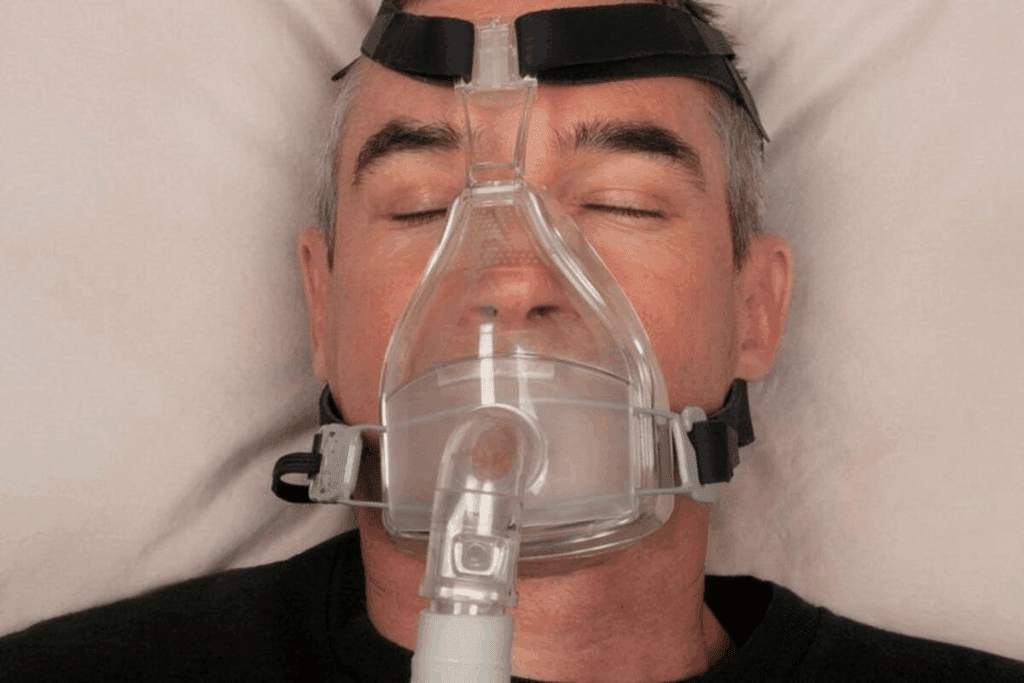
Millions of people worldwide suffer from obstructive sleep apnea. This condition has long been treated with Continuous Positive Airway Pressure (CPAP) machines. But, CPAP therapy has its limits, and many find it cumbersome or uncomfortable.
New advancements have brought innovative alternatives. The Inspire sleep device is one such example. It’s an FDA-approved neurostimulation therapy for moderate to severe obstructive sleep apnea. This new sleep apnea device offers a more comfortable and effective solution.
We’re now seeing a variety of apnea implants and sleep apnea devices. They cater to different patient needs, giving hope to those who’ve struggled with CPAP therapy. These advancements are changing the face of sleep apnea treatment.
The 5 best apnea implant and other cutting-edge devices for patients who cannot tolerate a CPAP machine.
Key Takeaways
- Innovative alternatives to CPAP machines are now available.
- The Inspire sleep device is an FDA-approved neurostimulation therapy.
- New sleep apnea devices offer more comfort and effectiveness.
- A range of apnea implants cater to different patient needs.
- Advancements in sleep apnea treatment are providing new hope for patients.
The Growing Problem of Sleep Apnea and Treatment Challenges
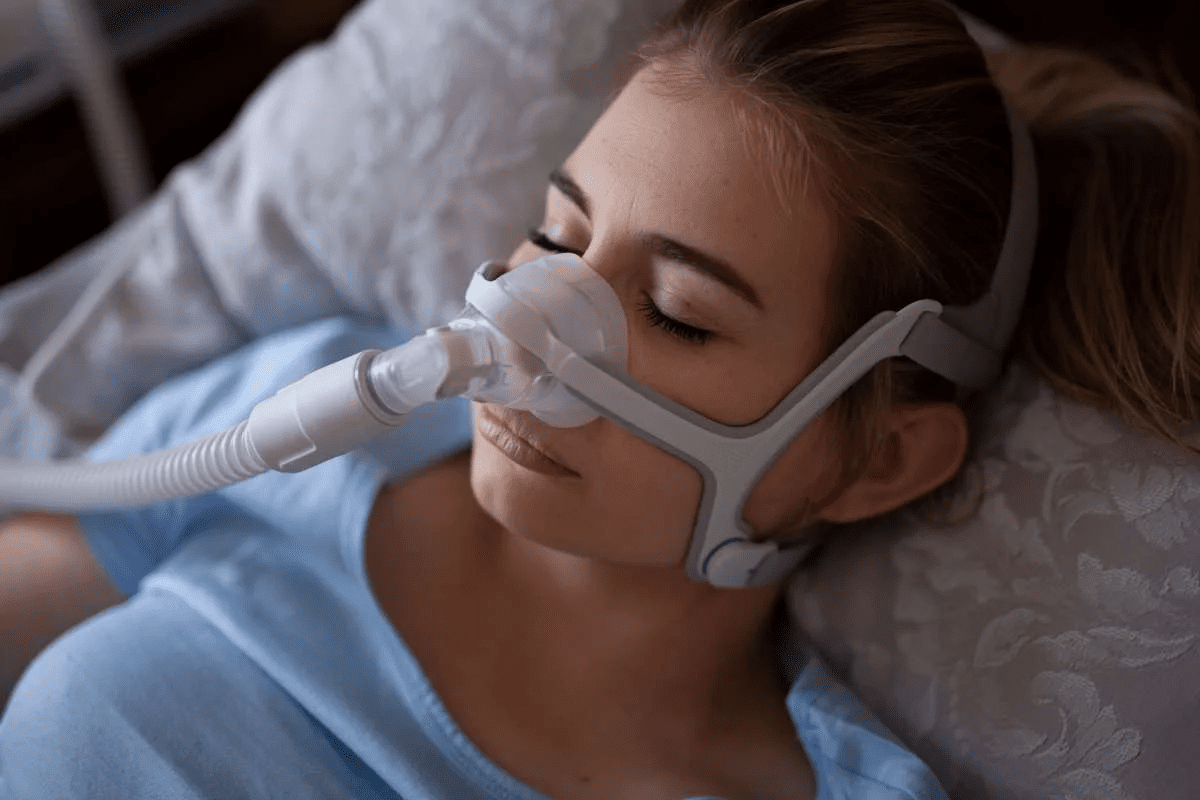
Sleep apnea is becoming more common, making it urgent to find new treatments. This sleep disorder affects millions, disrupting their sleep and health.
Understanding Obstructive Sleep Apnea and Its Health Impacts
Obstructive sleep apnea (OSA) is the most common type. It happens when the airway blocks during sleep. This leads to poor sleep, low blood oxygen, and heart strain.
Untreated OSA can cause heart disease, high blood pressure, diabetes, and brain problems. It also makes people tired during the day. This can hurt their work, memory, and mood.
OSA affects not just the person but also their family, work, and society. It costs billions of dollars each year in lost work, healthcare, and other expenses. So, finding good treatments for OSA is key for better health and saving money.
Why Many Patients Cannot Tolerate CPAP Therapy
CPAP therapy is the main treatment for OSA. But, many find it hard to use because of mask discomfort, noise, and feeling trapped. Studies show many stop using CPAP early on because of these problems.
CPAP’s limitations show we need better options. New technologies, like implantable devices and oral appliances, aim to solve these issues. These alternatives give hope to those struggling with sleep apnea.
Revolutionary Apnea Implant Technology: How Neurostimulation Works
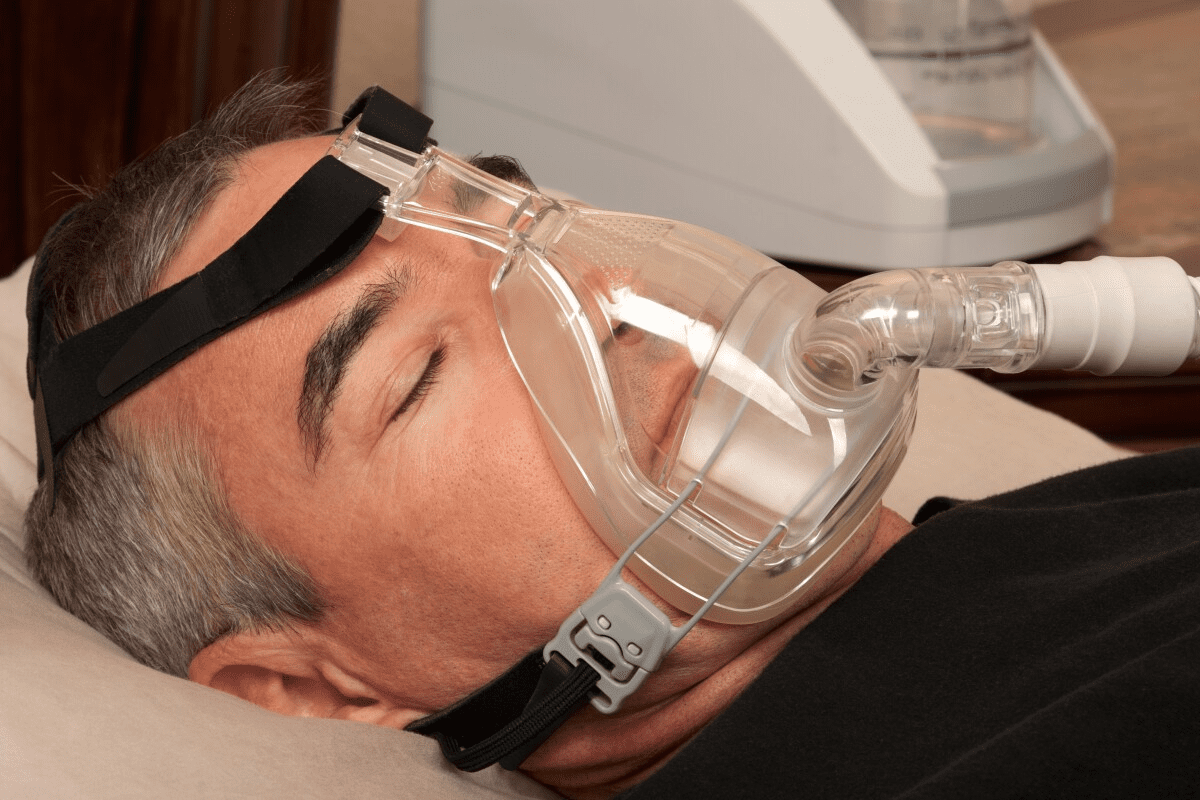
New technology in sleep apnea treatment is changing the game. It uses neurostimulation to keep airways open at night. This cuts down on apnea events a lot.
Devices like Inspire use neurostimulation. They stimulate the hypoglossal nerve, which controls the tongue. This stops the tongue from blocking the airway, making breathing easier during sleep.
The Science Behind Hypoglossal Nerve Stimulation
Hypoglossal nerve stimulation works by controlling the tongue. It keeps the tongue from blocking the airway at night. This is done with an implant that sends signals to the nerve during sleep.
The idea is simple: the nerve is stimulated, moving the tongue forward. This keeps the airway open. It cuts down on apnea and improves sleep quality.
Clinical Evidence Supporting Implantable Solutions
Many studies show hypoglossal nerve stimulation works for sleep apnea. They found big drops in apnea scores and better sleep reports from patients.
Study | Device | AHI Reduction | Patient Satisfaction |
STAR Trial | Inspire | 68% | High |
French Registry Study | Inspire | 70% | Very High |
ADHERE Trial | LivaNova aura6000 | 65% | High |
These studies prove implantable devices are a big step forward for sleep apnea treatment. They show big AHI score drops and high patient satisfaction. This makes them a major leap in treating sleep apnea.
Inspire Upper Airway Stimulation: The Gold Standard in Sleep Apnea Implants
Inspire Upper Airway Stimulation is a top choice for treating sleep apnea. It’s a small implant that helps keep the airway open during sleep. This makes it a better option than traditional CPAP therapy.
Overview
The Inspire Upper Airway Stimulation (UAS) system is a new way to treat sleep apnea. It’s a small device implanted during a simple surgery. This device helps control the tongue, keeping the airway open at night.
Pros
The Inspire device has many benefits for sleep apnea patients:
- High efficacy rates: Studies show it greatly reduces sleep apnea symptoms.
- Improved patient compliance: It’s an implant, so no need for a mask or other devices at night.
- Minimally invasive procedure: The surgery is simple and doesn’t keep you in bed for long.
Cons
While Inspire offers many benefits, there are some downsides:
- Surgical risks: Like any surgery, there are risks of infection or device problems.
- Cost and insurance coverage: It’s expensive, and insurance might not cover it all.
- Potential side effects: Some might feel discomfort or tongue soreness after the surgery.
Features and Effectiveness
Studies have shown Inspire UAS is very effective:
- It greatly reduces sleep apnea symptoms.
- Patients report better sleep and less daytime tiredness.
- Most patients are very happy with the device because it works well without a mask.
“The Inspire UAS system is a big step forward in treating sleep apnea. It’s a good alternative to CPAP therapy because it’s effective and easy to use.”
In summary, Inspire Upper Airway Stimulation is a top choice for treating sleep apnea. It’s a reliable and effective solution for those who can’t use traditional CPAP therapy.
LivaNova aura6000: The Newest Challenger in Neurostimulation Therapy
For those looking for CPAP alternatives, the LivaNova aura6000 is a new hope. It’s a neurostimulation device that marks a big step forward in treating sleep apnea.
Overview of the LivaNova aura6000
The LivaNova aura6000 is made to treat sleep apnea with neurostimulation. It stimulates the hypoglossal nerve, which helps keep the airway open while you sleep.
Advantages of the LivaNova aura6000
The LivaNova aura6000 offers several benefits for sleep apnea patients. Key advantages include:
- Improved Efficacy: Studies show it can greatly reduce apnea events.
- Enhanced Patient Comfort: It’s designed to be comfortable, which may help patients stick to treatment.
- Innovative Technology: It uses the latest in neurostimulation therapy.
Potential Drawbacks and Considerations
Despite its promise, there are some downsides to consider:
- Surgical Implantation: It needs surgery, which comes with risks.
- Cost: The device and its surgery can be expensive for some.
Features and Clinical Results
The LivaNova aura6000 has cutting-edge features and a user-friendly design. Early results are encouraging, with studies showing fewer apnea events and happier patients.
Feature | Description | Clinical Outcome |
Advanced Neurostimulation | Stimulation of the hypoglossal nerve to keep the airway open | Significant reduction in apnea events |
User-Friendly Design | Designed for patient comfort and ease of use | Improved patient adherence and satisfaction |
Clinical Evidence | Backed by clinical trials and research studies | Promising results in reducing sleep apnea severity |
Nyxoah Genio: The Innovative Bilateral Hypoglossal Nerve Stimulator
The Nyxoah Genio is changing how we treat sleep apnea. It uses bilateral hypoglossal nerve stimulation. This device helps those who can’t use traditional CPAP therapy. It works by stimulating both sides of the hypoglossal nerve to keep the airway open.
Overview
The Nyxoah Genio is a new sleep apnea treatment. It stands out for its bilateral stimulation. Unlike others, it stimulates both sides of the hypoglossal nerve. This might lead to better results for some patients.
The device is implanted in a minimally invasive procedure. It’s controlled by a small remote. Patients use this to turn the device on and off.
Pros
- Bilateral Stimulation: It stimulates both sides of the hypoglossal nerve. This might open the airway more effectively.
- Minimally Invasive: The implantation is less invasive. This could mean less recovery time.
- Remote Control: Patients can control it easily with a remote. This makes it simple to use every day.
Cons
- Surgical Risks: Like any implant, there are risks. These include infection or nerve damage.
- Cost: The device and procedure can be expensive. This might be a problem for some.
- Limited Availability: It’s a new technology. It might not be available everywhere yet.
Features and Performance Data
Clinical trials show the Nyxoah Genio works well. It has improved Apnea-Hypopnea Index (AHI) scores and patient feedback. Its bilateral stimulation is effective for some patients.
As new sleep apnea solutions come, the Nyxoah Genio is a big step forward. It offers a bilateral approach to hypoglossal nerve stimulation. This could greatly help in managing sleep apnea.
Best Advanced Mandibular Advancement Devices for Sleep Apnea
Looking for better sleep apnea treatments has led to big steps in mandibular advancement devices. These oral appliances help keep the airway open at night. They are a good choice for those with mild to moderate sleep apnea, as they are comfortable and work well.
SomnoDent Fusion: Premium Oral Appliance Solution
The SomnoDent Fusion is a top-notch mandibular advancement device. It’s made just for you, ensuring a perfect fit. This makes it more effective and easier for patients to use.
Key Features of SomnoDent Fusion:
- Adjustable mandibular advancement
- High patient comfort due to its custom fit
- Effective in treating mild to moderate sleep apnea
ProSomnus EVO: Precision-Engineered Sleep Device
The ProSomnus EVO is a leading mandibular advancement device. It’s known for its precise engineering and focus on the patient. It moves the lower jaw to keep the airway open, reducing sleep apnea.
Key Features of ProSomnus EVO:
- Precision-engineered for optimal fit and efficacy
- Customizable to meet individual patient needs
- Clinically proven to reduce sleep apnea severity
SomnoDent Fusion and ProSomnus EVO are big steps forward in treating sleep apnea. They give patients a good alternative to CPAP therapy. This improves their sleep and overall quality of life.
When looking at these devices, comfort, adjustability, and how well they work are key. The table below compares SomnoDent Fusion and ProSomnus EVO.
Feature | SomnoDent Fusion | ProSomnus EVO |
Adjustability | Highly adjustable | Customizable |
Comfort Level | High | High |
Clinical Evidence | Strong clinical support | Clinically proven efficacy |
In conclusion, devices like SomnoDent Fusion and ProSomnus EVO lead in sleep apnea treatment. They offer effective, comfortable, and personalized solutions. As technology gets better, we can expect even more advanced devices to help patients even more.
New Sleep Apnea Solutions: Innovative Positional Therapy Devices
The world of sleep apnea treatment is changing with new devices. These devices help prevent sleep apnea by stopping patients from sleeping on their backs. This is a key position that makes apnea worse.
New devices are making sleep apnea treatment better. They are non-invasive and work well for those who can’t use CPAP therapy.
NightBalance Lunoa System: Smart Vibration Technology
The NightBalance Lunoa System uses smart vibration technology. It gently helps patients change their sleep position. It’s made to be comfy and not disturb sleep, helping with sleep apnea.
It detects when someone is sleeping on their back and vibrates softly. This helps them move to a better position. It also makes sleep better and cuts down on sleep apnea.
SlumberBump: Cost-Effective Positional Therapy
SlumberBump is a cost-effective way to manage sleep apnea. It’s a wearable device that alerts you to change positions. It’s easy to use and affordable.
SlumberBump fits around the neck or chest. It’s easy to wear and reminds you to change positions. This helps reduce sleep apnea and improves sleep quality.
Comparing Success Rates: APAP for Sleep Apnea vs. Implantable Devices
Sleep apnea treatment has grown, with options like APAP and implantable devices beyond CPAP. It’s key to look at how well these treatments work. We focus on how often patients stick to their treatment and how happy they are with it.
Adherence Rates: Why Implants Often Outperform External Devices
Sticking to treatment is hard for sleep apnea patients. Implants tend to have better success rates than external devices like APAP. A study in the Journal of Clinical Sleep Medicine found implants led to better long-term use than APAP.
Implants, like the Inspire Upper Airway Stimulation system, are less noticeable and easier to use. APAP machines, though helpful, can be a hassle. They might cause discomfort or be too loud, leading to less use over time.
Treatment Option | Adherence Rate | Patient Satisfaction |
APAP Therapy | 60-70% | Moderate |
Implantable Devices | 80-90% | High |
Quality of Life Improvements and Patient Satisfaction
Improving life quality and patient happiness are key to judging treatment success. Implants greatly boost sleep quality and reduce apnea symptoms. Patients often feel more awake and alert during the day.
APAP therapy works well for many, but some patients may not feel fully better. This leads to mixed feelings about the treatment. The table above shows how APAP and implants compare in sticking to treatment and patient happiness.
As we improve sleep apnea treatments, knowing the differences is vital. By looking at how APAP and implants compare, we can help patients choose the best treatment for them.
Finding Sleep Apnea Treatment Near Me: Accessing Advanced Therapies
Looking for sleep apnea treatment often starts with “Where can I find sleep apnea treatment near me?” As more people learn about sleep apnea, they seek better treatment options. Finding the right care can be tough, but with the right help, you can get the best treatments.
Specialized Sleep Centers and Qualified Providers
To get advanced sleep apnea therapies, you need to find specialized sleep centers and skilled healthcare providers. These places have the latest technology and staff who know the newest treatments. When searching for treatment near you, look for these things:
- Centers that do full sleep studies and assessments.
- Places that offer many treatment options, like devices and oral appliances.
- Healthcare providers who are experts in advanced sleep apnea treatments.
The Evaluation Process for Device Candidacy
The process to see if you’re a good candidate for a device includes sleep studies and assessments. This usually involves:
- A detailed medical history and physical check-up.
- Overnight sleep studies to measure your sleep apnea.
- Talking with your doctor about your treatment options.
Your doctor will look at how severe your sleep apnea is, your health, and any treatments you’ve had before.
Questions to Ask Your Sleep Specialist
When talking to your sleep specialist, ask important questions to get the best care. Ask about:
- What advanced treatments are available for you?
- The benefits and risks of each treatment.
- If there are new treatments or clinical trials you might qualify for.
By asking these questions and working with your doctor, you can choose the best treatment for you.
Cost Considerations and Insurance Coverage for Alternative Apnea Devices
When looking into new treatments for sleep apnea, knowing the costs is key. These new devices and therapies can be pricey. It’s important to understand insurance and financing to find the right treatment.
Price Ranges for Different Treatment Options
The cost of sleep apnea devices changes based on the type and technology. For example, mandibular advancement devices cost between $1,800 and $2,500. Implantable devices like Inspire Upper Airway Stimulation can be over $30,000, including the surgery and care after.
Let’s look at a comparison of different treatment costs:
Treatment Option | Cost Range | Includes |
Mandibular Advancement Devices | $1,800 – $2,500 | Device, fitting, follow-up |
Inspire Upper Airway Stimulation | $30,000+ | Implant procedure, device, follow-up care |
Positional Therapy Devices | $200 – $1,000 | Device, accessories |
Navigating Insurance Coverage for Newer Therapies
Insurance for sleep apnea treatments can be tricky, mainly for new therapies. Many plans cover CPAP therapy but not always new devices. It’s best to check with your insurance to see what’s covered.
Working with your doctor to get the right paperwork for insurance claims is also key. Some device makers offer help with insurance too.
Financing Options and Patient Assistance Programs
For many, the cost of new sleep apnea treatments is too high. But, there are ways to make it more affordable. Some makers offer financing or help programs to lower the initial cost.
Ask your doctor about these options. Knowing about financing and help programs can help you choose the best treatment.
Conclusion: Embracing the Future of Sleep Apnea Treatment Beyond CPAP
The world of sleep apnea treatment is changing fast. New technology and therapies are leading the way. We’re moving past traditional CPAP therapy, and new hope is on the horizon for those who’ve tried and failed.
Devices like Inspire Upper Airway Stimulation and Nyxoah Genio are making a big difference. They use neurostimulation to keep airways open at night. This makes sleep better and treatment more effective for many.
There are also oral appliances and positional therapy devices now. Options like SomnoDent Fusion and NightBalance Lunoa System offer new ways to treat sleep apnea. They’re designed to meet the specific needs of each patient, improving their lives.
Looking ahead, we’ll see even more breakthroughs in sleep apnea treatment. With these advancements, doctors and patients can find better, more comfortable treatments. This will greatly improve the lives of millions around the world.
FAQ
What is sleep apnea, and how is it typically treated?
Sleep apnea is a serious sleep disorder where breathing stops during sleep. The most common type is obstructive sleep apnea. Treatments include CPAP machines, but new options like the Inspire implant and mandibular advancement devices are being explored.
What is the Inspire Upper Airway Stimulation system, and how does it work?
The Inspire device is a therapy for sleep apnea approved by the FDA. It works by stimulating the tongue’s movement. This keeps the airway open during sleep.
Are there other neurostimulation devices available beside Inspire?
Yes, there are other devices like the LivaNova aura6000 and the Nyxoah Genio. They offer new ways to treat sleep apnea with features like bilateral stimulation.
What are mandibular advancement devices, and how do they treat sleep apnea?
Mandibular advancement devices, such as the SomnoDent Fusion and ProSomnus EVO, are custom-made. They advance the lower jaw to keep the airway open during sleep. They work well for mild to moderate sleep apnea.
What is positional therapy for sleep apnea, and how does it work?
Positional therapy stops patients from sleeping on their backs, which can make apnea worse. Devices like the NightBalance Lunoa System and SlumberBump use vibration or wearable devices to help change positions.
How do APAP therapy and implantable devices compare in terms of success rates?
Implantable devices like Inspire have higher success rates than APAP therapy. They are less obtrusive and don’t need daily setup. Each has its benefits and drawbacks, including how they improve quality of life.
How can I find specialized sleep centers and qualified providers for sleep apnea treatment?
To get advanced sleep apnea treatments, look for specialized sleep centers and experienced providers. They will do thorough sleep studies to find the best treatment for you.
What are the cost considerations for alternative apnea devices, and how can I navigate insurance coverage?
Costs vary for different devices and therapies. Insurance coverage for new treatments can be uncertain. Look into financing options and patient assistance programs to make treatments more affordable.
Are there any new sleep apnea solutions or devices available?
Yes, new solutions include the LivaNova aura6000, Nyxoah Genio, and advanced mandibular advancement devices. Positional therapy devices like NightBalance Lunoa System and SlumberBump are also being developed.
What should I ask my sleep specialist during the evaluation process for device candidacy?
Ask your sleep specialist about treatment options, their effectiveness, side effects, and what to expect. This ensures you get the best care for your condition.
References
National Center for Biotechnology Information. (2025). 5 Best Apnea Implants Sleep Apnea Devices. Retrieved from https://www.ncbi.nlm.nih.gov/pmc/articles/PMC11355307/



 Departments
 Related Videos
 Our Doctors
 News
News