As parents, the thought of our children undergoing surgery can be daunting. At Liv Hospital, we understand the concerns and are committed to supporting world-class healthcare appendicitis treatments
Appendicitis is a serious condition that needs immediate attention. Traditionally, removing the appendix through surgery has been the standard treatment. But recent studies show that nonoperative treatment with antibiotics can be a good alternative for uncomplicated cases in children.

This method avoids the risks of surgery and shortens recovery time. It lets children get back to their normal activities sooner. We will look into how well antibiotic treatment works, what affects its success, and its benefits.
Key Takeaways
- Nonoperative treatment with antibiotics is a safe and effective alternative for uncomplicated appendicitis in children.
- This approach reduces the risks associated with surgery and allows for quicker recovery.
- The success of antibiotic treatment depends on various factors, including the severity of the condition.
- Liv Hospital is committed to providing care and support for international patients.
- Antibiotic treatment can be a cost-effective option for families.
Understanding Pediatric Appendicitis and Treatment Evolution
The way we treat appendicitis in kids has changed a lot. Before, taking out the appendix was the main treatment. But now, using antibiotics first is also seen as a good choice.

What happens during appendicitis in children
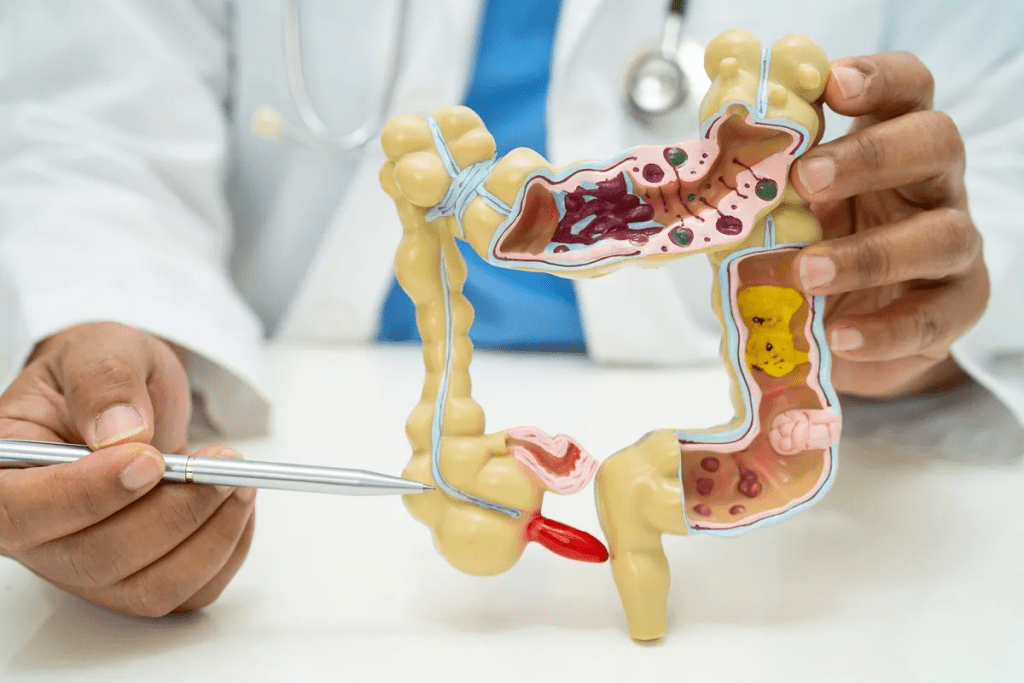
Appendicitis happens when the appendix gets blocked and fills with bacteria. This block can be from hard stool, swollen lymph nodes, or parasites. Kids with appendicitis feel very bad pain in their belly, have a fever, and other symptoms.
“The appendix is a small, tube-like structure attached to the large intestine,” says a top doctor. “When it gets blocked, bacteria grow, causing inflammation. This can lead to serious problems if not treated right away.”
The paradigm shift from immediate surgery to conservative management
Before, taking out the appendix was the only way to treat it. But now, using antibiotics first is showing promise. Studies show that antibiotics work well for kids, with success rates of 92% to 97%.
Choosing antibiotics over surgery depends on how bad the appendicitis is and the child’s health. This change in treatment is based on new research and success with antibiotics.
Our understanding of appendicitis is growing. Using antibiotics first is becoming more common. It’s a less scary option for many kids instead of surgery.
5 Effective Nonsurgical Appendicitis Treatments for Children
There are many ways to treat appendicitis in kids without surgery. Our team uses the latest methods to help children feel better. We focus on what works best for kids.
Intravenous Antibiotic Therapy Protocols
For kids with appendicitis, we use antibiotics given through an IV. This helps fight the infection. It also makes the condition less severe and prevents more problems.
Key aspects of our intravenous antibiotic therapy include:
- Starting antibiotics right after we confirm the diagnosis
- Using antibiotics that work against many types of bacteria
- Watching how the child responds and changing the treatment if needed
Oral Antibiotic Continuation Strategies
After the IV treatment, we give oral antibiotics at home. This is important to make sure the infection goes away completely. It also helps prevent it from coming back.
Our strategy for oral antibiotic continuation involves:
- Picking oral antibiotics that are good against common bacteria
- Teaching parents how to give the antibiotics correctly
- Finishing the full course of antibiotics, usually 7 to 10 days
Pain Management Techniques
Managing pain is key when treating appendicitis without surgery. We use different methods to help kids feel better. This includes medicines and other ways to reduce pain. Appendicitis treatments include antibiotics and surgery to remove the inflamed appendix, preventing rupture and ensuring a faster recovery.
Some of the pain management techniques we use include:
- Giving pain medicines when needed
- Using non-medical methods like heat or cold
- Helping kids rest and relax to ease pain
Hydration and Nutritional Support
It’s important for kids with appendicitis to stay hydrated and eat well. We tell parents to make sure their child drinks enough water and eats a balanced diet. This helps them get better faster.
Nutritional support strategies include:
- Encouraging a normal diet as long as the child can eat it
- Helping them drink enough water
- Watching for signs of dehydration or if they’re not getting enough nutrients
Success Rates and Outcomes of Antibiotic Treatment
We look at how well antibiotics work for kids with appendicitis. It’s key for parents and doctors to know this when choosing treatments.
High Initial Success Rates
Research shows antibiotics work well at first. Between 92% and 97% of kids get better without surgery.
Long-term Outcomes and Avoiding Surgery
Looking further ahead, 54% to 82% of kids might not need surgery. This is good news for families wanting to avoid surgery’s risks.
Understanding Recurrence Patterns
But, there’s a chance for the problem to come back. In the first year, 14% to 29% of kids might face it again. Knowing this helps doctors plan better care.
Doctors can keep an eye out for signs of it coming back. This way, they can act fast if needed.
Key Factors That Influence Treatment Success
The success of treating appendicitis in children without surgery depends on several key factors. At Liv Hospital, we carefully evaluate these factors. This helps us determine the best treatment approach for each child.
The Critical Impact of Appendicolith
An appendicolith can greatly increase the risk of treatment failure. Up to 50% of patients may need surgery if they have one. We consider this when choosing the best treatment plan.
Patient Selection Criteria for Optimal Outcomes
Choosing the right patient is key for successful nonsurgical treatment. We look at symptoms, complications, and overall health. This helps us find the best candidates for nonsurgical treatment.
Age-Related Considerations in Treatment Decisions
Age is also a big factor in treatment decisions for children with appendicitis. The right treatment can vary with age. Our team works with families to find the best treatment for each child.
Understanding and addressing these factors can improve treatment success. Our team at Liv Hospital is dedicated to providing top-quality care. We focus on meeting the unique needs of each child.
Conclusion: Practical Benefits of Nonsurgical Management
Using antibiotics to treat appendicitis in kids has many benefits. It’s a safe and effective way to avoid surgery. A 2024 study showed it’s also cheaper.
This method helps kids get better faster. They can go back to school sooner. This keeps their daily life as normal as possible.
At Liv Hospital, we focus on top-notch care that’s kind and backed by science. Choosing nonsurgical treatment when it’s right helps kids bounce back quickly. Knowing how to treat appendicitis is key to making the best treatment choices.
Not needing surgery means kids can get back to their normal activities sooner. We think this approach is great for their health and happiness.
FAQ
What is appendicitis, and how is it typically treated in children?
Appendicitis is when the appendix gets inflamed because of a blockage. This leads to bacterial growth. Usually, doctors remove the appendix right away. But, studies show that antibiotics might work for some kids instead.
How effective is antibiotic treatment for appendicitis in children?
Using antibiotics alone seems to work well at first, with success rates from 92% to 97%. Even after a while, many kids, 54% to 82%, might not need surgery.
What are the key components of nonsurgical treatment for appendicitis in children?
The treatment without surgery includes several steps. First, kids get antibiotics through an IV in the hospital. Then, they take oral antibiotics at home to finish the treatment.
What factors influence the success of nonsurgical treatment for appendicitis in children?
A few things can affect how well the treatment works. For example, if there’s an appendicolith, it might not work. Also, how old the child is and who they are can play a big role.
Can nonsurgical treatment for appendicitis in children lead to recurrence?
Yes, some kids might get sick again, 14% to 29% within a year. It’s important to know this and be ready for it.
How can parents and healthcare providers make informed decisions about treating appendicitis in children?
Knowing about the different treatments and how well they work helps. It also helps to understand what makes treatment successful. This way, parents and doctors can choose the best option for kids with appendicitis.
What are the benefits of nonsurgical management of appendicitis in children?
Using antibiotics instead of surgery has many benefits. It’s safer and works well, making recovery faster. It also means kids can get back to their daily life sooner.
Is nonsurgical treatment for appendicitis in children cost-effective?
Yes, studies show it’s cheaper. Kids recover faster and miss less school, saving money and time.
How is pain managed during the nonsurgical treatment of appendicitis in children?
Managing pain is key. It makes sure kids are comfortable while they get better.
What role does nutritional support play in the nonsurgical treatment of appendicitis in children?
Keeping kids hydrated and well-nourished is important. It helps them stay healthy and recover better.
References
- Jumah, S., et al. (2022). Non-operative management of acute appendicitis in children: A systematic review. Annals of Medicine and Surgery, 79, 104024.https://www.ncbi.nlm.nih.gov/pmc/articles/PMC9705497/