
It’s important to understand if people with bipolar disorder know what they’re doing when they’re manic. This knowledge helps families, doctors, and those with the disorder. Bipolar disorder causes big mood swings, affecting how well someone can see their actions and feelings.
Research shows that people with bipolar often don’t realize what’s happening when they’re manic. Only 22.5 percent of them know they’re in a manic or hypomanic state. This is compared to 82.5 percent who know when they’re feeling depressed. This difference shows how complex the brain and mind issues are.
Key Takeaways
- Bipolar disorder significantly affects self-awareness during manic episodes.
- Only 22.5% of individuals recognize their manic or hypomanic episodes.
- Recognizing depressive episodes is more common among individuals with bipolar disorder.
- Self-awareness varies significantly among individuals with bipolar disorder.
- Understanding awareness during manic episodes is key for good treatment.
Understanding Bipolar Disorder and Manic Episodes

Bipolar disorder is a complex mental health issue. It causes extreme mood swings, including mania or hypomania and depression. It affects millions worldwide, impacting daily life, relationships, and overall well-being.
What Defines Bipolar Disorder
Bipolar disorder has a cyclical nature. It has periods of extreme highs (mania or hypomania) followed by lows (depression). The severity and frequency of these episodes can vary significantly among individuals. It is categorized into several types, including Bipolar I, Bipolar II, and Cyclothymic Disorder, each with distinct criteria.
“Bipolar disorder is a complex condition that requires a complete treatment and support.”
Characteristics of Manic Episodes
Manic episodes are a key feature of Bipolar I disorder. They are marked by an abnormally elevated or irritable mood. During these episodes, individuals may show impulsive behavior, grandiosity, and a decreased need for sleep. They may also have racing thoughts and engage in risky behaviors.
Some common traits of manic episodes include:
- Increased energy and activity
- Impulsive decisions
- Grandiose thinking
- Reduced need for sleep
- Rapid speech and thoughts
How Mania Affects Thinking and Behavior
Mania significantly impacts an individual’s thinking and behavior. It often leads to poor judgment and impulsive decisions. During manic episodes, people may engage in reckless spending, risky sexual behavior, or other harmful activities. The presence of grandiosity can make individuals believe they are invincible, further exacerbating risky behaviors.
Also, the impulsivity of mania can strain relationships and lead to conflicts with others. In some cases, individuals may blame others for their circumstances, instead of recognizing their own role in the situation. This can complicate treatment and recovery, as acknowledging one’s condition is a key step towards healing.
Are Bipolar People Aware of Their Actions?
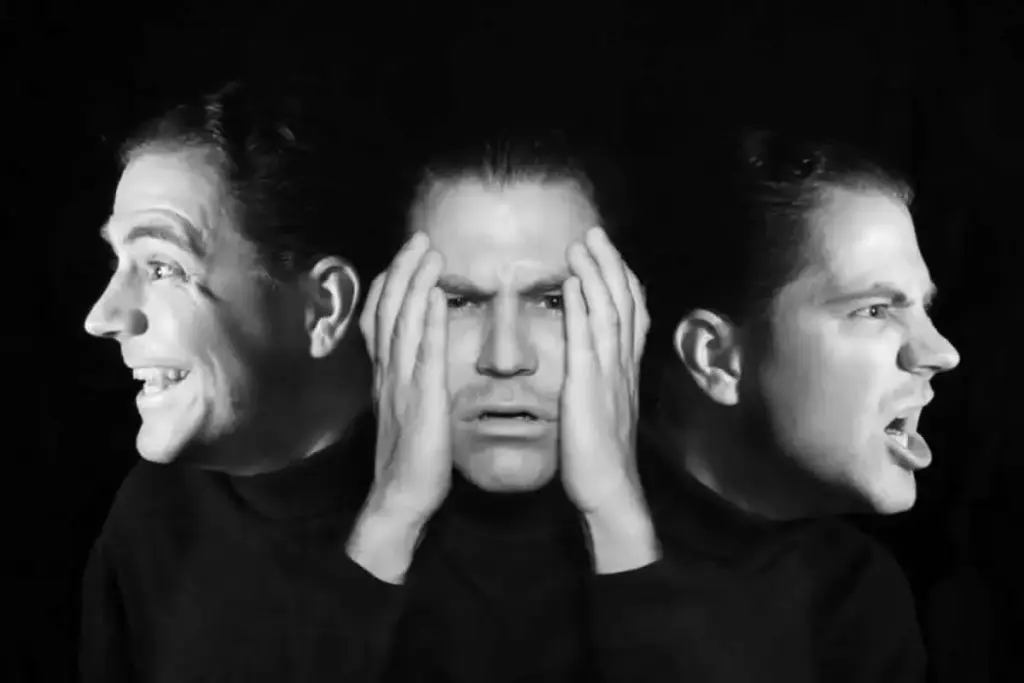
Research into bipolar disorder has given us important insights. It shows that awareness can change a lot. This depends on how severe the manic symptoms are.
Research on Self-Awareness During Manic Episodes
Studies have looked into how well people know their actions during manic episodes. They check if people know they have bipolar disorder and how it affects them. A key finding is that clinical insight in bipolar disorder is often “state-dependent,” meaning it changes with symptoms.
For example, when manic symptoms are very bad, people might not realize how sick they are. This lack of awareness can lead to actions they might later regret. The concept of state-dependent insight is key to understanding this.
The Concept of “State-Dependent” Insight
“State-dependent” insight means awareness of bipolar disorder changes with symptoms. When symptoms are mild, people might understand their condition better. But as symptoms get worse, they understand less.
- During mild manic episodes, individuals may have relatively good insight into their condition.
- As manic symptoms escalate, awareness of the illness and its impact tends to decrease.
- This state-dependent nature of insight has significant implications for treatment adherence and overall management of the disorder.
How Awareness Decreases with Symptom Severity
Research shows that severe manic symptoms lead to worse insight. This makes it hard for people with bipolar disorder to manage their condition. As symptoms get worse, they can’t always see the need for treatment or make good decisions.
For example, a study might find that people with severe mania don’t follow their medication or take risks without understanding the dangers. Understanding how symptoms affect awareness is key for better treatment
In conclusion, bipolar people’s awareness of their actions during manic episodes is complex. It depends on how severe their symptoms are. By understanding this, healthcare providers can create better treatment plans.
Implications of Limited Awareness During Mania
Manic episodes in bipolar disorder can have big effects. They can affect treatment, relationships, and well-being. When people don’t know they’re sick, they might not get help. This can lead to many problems.
Impact on Treatment and Recovery
Mania can make treatment hard. People might not want to take medicine or go to therapy. They might think they’re okay or that they’re being treated well enough.
This can make symptoms worse. It can also make it harder to get better. Working together with doctors and loved ones is key. This way, treatment can be more effective.
Studies show that with the right treatment, people with bipolar can do much better. A study in IntechOpen found that good treatment plans can really help. They can make symptoms better and lower the chance of getting sick again.
Effects on Relationships and Responsibility
Manic episodes can hurt relationships and make it hard to do daily tasks. Impulsive actions and risky behavior can cause problems. It can also make it hard to keep up with work or school.
Family and friends are very important during these times. They can help a lot if they understand what’s happening. This way, they can support their loved ones better.
Potential Risks of Untreated Bipolar Disorder
Not treating bipolar can cause big problems. It can lead to substance abuse, money troubles, and legal issues. It can also make people do dangerous things, like drive recklessly or get violent.
It’s very important for people with symptoms to get help. With the right treatment, they can manage their condition. This can prevent serious problems and improve their life a lot.
Conclusion
Understanding how someone with bipolar disorder acts during a manic episode is key. It helps us provide the right support and treatment. Awareness during these episodes can vary a lot. It’s important to be compassionate and professional in our approach.
When someone is in mania, their actions can be hard to predict. This raises concerns about their safety and the safety of others. Whether a bipolar person can be dangerous is complex. It depends on the severity of their symptoms and if they get the right treatment.
It’s important to create treatment plans that work for each person. This helps young people and adults manage their condition well. We should focus on a supportive and non-judgmental approach. We must remember that people with bipolar disorder are more than their condition.
By working together and providing full care, we can help people with bipolar disorder live fulfilling lives. We focus on giving results, not excuses. With the right treatment and support, they can truly thrive.
FAQ
Are bipolar people aware when they are manic?
People with bipolar disorder can have different levels of awareness during manic episodes. Research shows that severe symptoms can make it harder for them to understand their illness.
Does a bipolar person know when they are manic?
Awareness of manic episodes varies among those with bipolar disorder. It depends on how severe the symptoms are and their mental state.
Are people with bipolar self-aware?
Self-awareness in bipolar disorder can be affected by symptom severity. During manic episodes, it’s harder for them to recognize their condition.
Can a person with bipolar be dangerous?
Untreated bipolar disorder can lead to risky behaviors. It’s important to get proper treatment and support to manage the condition and reduce risks.
Does a bipolar person know right from wrong?
During manic episodes, bipolar individuals may act impulsively and recklessly. But, this doesn’t mean they can’t tell right from wrong.
Is bipolar disorder associated with blaming others?
Some bipolar individuals might blame others, which can be a symptom. But, not everyone with bipolar disorder does this.
What happens if bipolar is left untreated?
Untreated bipolar disorder can cause a lot of distress and problems in daily life. It can also lead to substance abuse, financial issues, and relationship problems.
How does someone with bipolar act?
People with bipolar disorder can show dramatic mood, energy, and activity level changes. During manic episodes, they might act impulsively, feel overly confident, and take risks.
Does someone with bipolar know they have it?
Some bipolar individuals are aware of their condition, while others are not. Awareness depends on symptom severity, treatment effectiveness, and their mental state.