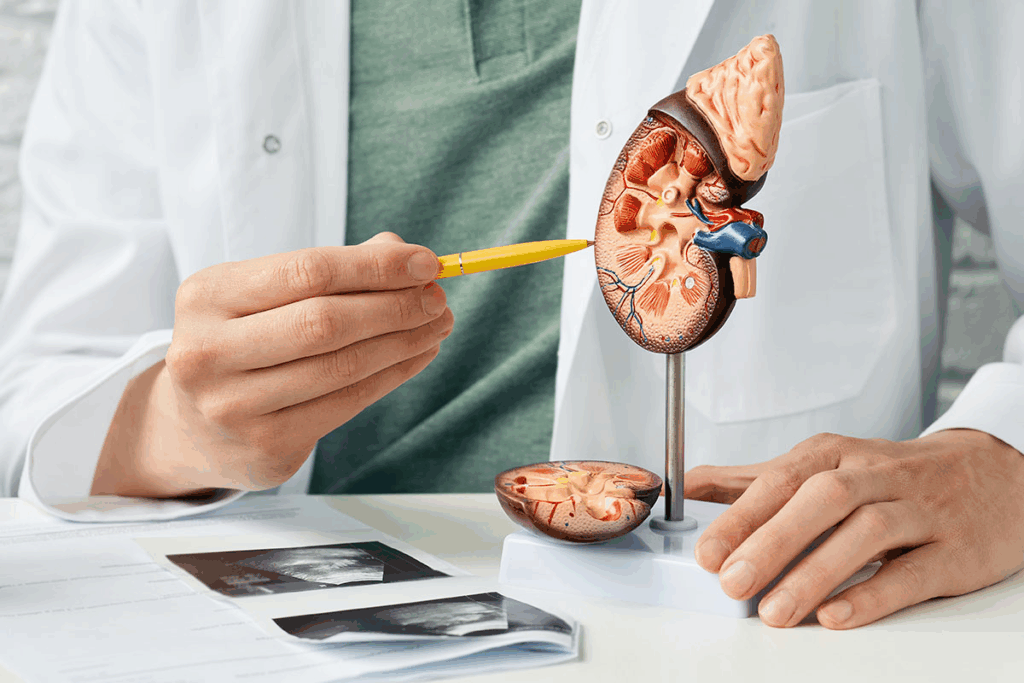
Bladder stones and kidney stones are two different health issues. They need different ways to find out what’s wrong and how to fix it. Knowing the difference is key to getting the right treatment.
Are bladder stones and kidney stones the same? We explain the key differences in their formation, composition, and location.
Kidney stones form in the kidneys and can cause a lot of pain. They also lead to nausea and vomiting. On the other hand, bladder stones happen in the bladder. They can cause problems with urination and discomfort.
It’s important to understand these differences. If you’re feeling symptoms, you should see a doctor. They can figure out what’s wrong and help you feel better.
Understanding Urinary Tract Stones
Urinary tract stones, also known as kidney stones, are small, hard mineral deposits. They form inside the kidneys. This happens when there’s an imbalance of water, salts, and other substances in the urine.
There are several types of urinary stones. These include calcium stones, uric acid stones, struvite stones, and cystine stones. The most common type is calcium stones. They are often linked to a diet high in animal protein.
The formation of urinary stones can be caused by several factors. These include dehydration, a diet high in sodium and sugar, and certain medical conditions.
Are Bladder Stones and Kidney Stones the Same?
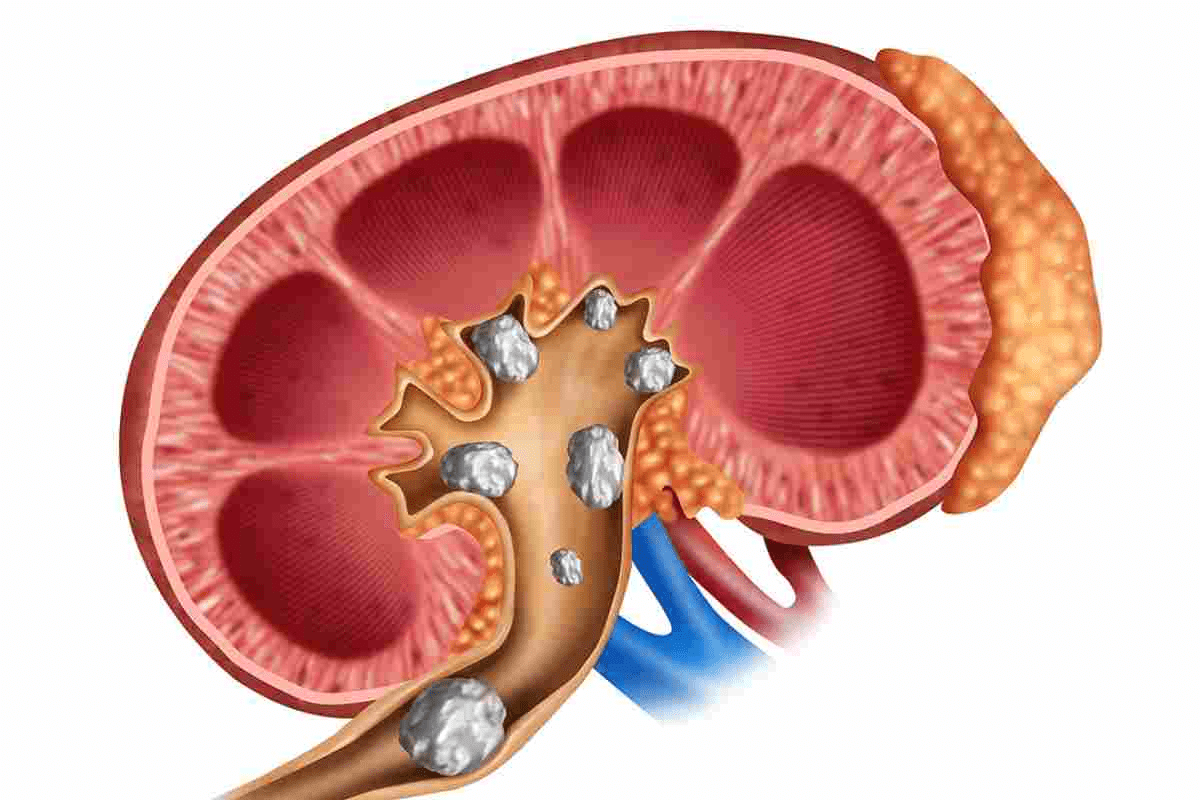
Bladder stones and kidney stones are both hard deposits in the urinary system. They can cause a lot of pain and health problems. But, they are not exactly the same.
Similarities
Both types of stones are hard and can form in the urinary system. They can lead to severe pain, nausea, and vomiting. Dehydration, diet, and genetics can increase the risk of getting these stones.
Differences
The main difference is where they form. Kidney stones occur in the kidneys, while bladder stones happen in the bladder. This difference affects their symptoms and treatment.
In summary, knowing the differences between bladder stones and kidney stones is key. It helps in getting the right diagnosis and treatment.
Kidney Stones: Formation and Characteristics
Kidney stones are solid masses that form in the kidneys. The most common types are calcium stones, uric acid stones, struvite stones, and cystine stones.
Calcium stones are the most prevalent and are often associated with excess calcium in the urine. Uric acid stones are linked to diet and certain medical conditions. Cystine stones are rare and occur due to a genetic disorder.
Prevention involves staying hydrated, maintaining a balanced diet, and being aware of risk factors.
Bladder Stones: Development and Distinctive Features

Bladder stones are hard masses made of minerals that form in the bladder. They often develop when urine flow is blocked. This can happen due to an enlarged prostate or other conditions.
Causes and Risk Factors
Factors like concentrated urine, dehydration, and certain medical conditions can lead to bladder stones. Knowing these causes is key to preventing and treating them.
Symptoms include pain while urinating, needing to go often, and trouble starting or stopping urine flow. Doctors use physical exams and tests to diagnose bladder stones.
The Relationship Between Kidney and Bladder Stones
The link between kidney stones and bladder stones is complex. They are different conditions, but there’s a connection. People who have had kidney stones might be more likely to get bladder stones too.
Knowing what causes both types of stones is key. It helps in preventing and treating them. By understanding this connection, doctors can help patients more and lower the chance of problems.
Comparing Symptoms: Kidney Stones vs. Bladder Stones
It’s important to know the symptoms of kidney stones and bladder stones to get the right treatment. Both involve stones in the urinary tract, but their symptoms differ.
Characteristic Pain Patterns of Kidney Stones
Kidney stones cause severe pain, usually in the back or side, below the ribs. This pain, called renal colic, can spread to the lower abdomen or groin. The pain from kidney stones is intense and can come in waves.
Key characteristics of kidney stone pain include:
- Severe, sharp pain
- Pain that radiates or moves
- Pain that comes in waves
Distinctive Symptoms of Bladder Stones
Bladder stones cause pain in the lower abdomen or pelvis. Symptoms also include trouble urinating, needing to urinate often, or painful urination. Sometimes, bladder stones can lead to blood in the urine.
Notable symptoms of bladder stones include:
- Pain or discomfort in the lower abdomen
- Difficulty or pain while urinating
- Frequent need to urinate
Overlapping Symptoms and Differential Indicators
While symptoms can overlap, there are key differences. For example, both can cause painful urination or blood in the urine. But, the pain’s location and type can tell you which you have.
Symptom | Kidney Stones | Bladder Stones |
Pain Location | Back or side, radiating to lower abdomen | Lower abdomen or pelvis |
Nature of Pain | Severe, sharp, comes in waves | Dull or sharp, constant or during urination |
Urination Symptoms | Possible painful urination, hematuria | Frequent, painful, or difficult urination |
Diagnosis and Assessment Methods
Diagnosis and Assessment Methods
Diagnosing kidney stones and bladder stones requires a detailed approach. This includes a thorough medical history, physical examination, and various diagnostic tests.
Physical Examination and Medical History
A detailed physical examination and medical history are key. The healthcare provider will check the patient’s symptoms and medical history. They will also perform a physical exam to find the cause of symptoms.
Imaging Techniques
Several imaging techniques help diagnose kidney and bladder stones. These include:
– CT scans: They provide detailed images of the urinary tract. This helps identify the size, location, and number of stones.
– Ultrasound: Uses sound waves to create images of internal organs. It can spot stones in the kidneys and bladder.
– X-rays: Can show stones that are visible on X-ray.
Laboratory Tests
Laboratory tests, like urinalysis, help diagnose kidney and bladder stones. Urine tests can find abnormalities in the urine. This includes blood, protein, or other substances that may indicate stones.
By using these diagnostic methods together, healthcare providers can accurately diagnose and treat kidney and bladder stones.
Treatment Approaches and Management
Treating kidney and bladder stones needs a detailed plan. This might include watching and waiting, surgery, or a mix of both. The right treatment depends on the stone’s size, where it is, and the patient’s health.
Treatment Options
First, doctors often try to manage symptoms with pain relief and drinking lots of water. For bigger stones or those causing trouble, surgery might be needed.
Conservative Management
Watching and waiting is a common first step. It’s used for small stones that might pass on their own.
Surgical Interventions
For bigger stones or those causing problems, surgery is an option. Here are a few:
1. Extracorporeal Shock Wave Lithotripsy (ESWL): This non-surgical method uses shock waves to break stones into smaller pieces. These can then be easily passed out of the body.
2. Ureteroscopy: A small scope is inserted through the urethra to remove the stone. This is a less invasive procedure.
3. Percutaneous Nephrolithotomy (PCNL): This surgery involves a small incision in the back to remove the stone.
Choosing the Right Treatment
Choosing the right treatment depends on several things. These include the stone’s size and location, and the patient’s health. A healthcare professional will help decide the best treatment plan with the patient.
Prevention Strategies and Long-term Management
To prevent kidney stones, it’s key to make some changes. Drinking lots of water is a big help. It makes your urine less concentrated, which lowers the risk of stone formation.
Eating right is also important. Focus on fruits, veggies, and whole grains. Avoid foods high in oxalate, like spinach and beets. Keeping a healthy weight and managing blood pressure and diabetes are also vital.
By following these tips, you can lower your risk of kidney stones. This helps keep you healthy and feeling good.
Conclusion
Kidney and bladder stones are complex issues that need a detailed plan to manage. Knowing the causes, symptoms, and treatments is key. This knowledge helps people start on the path to a healthier life without stones.
We suggest talking to healthcare experts. They can help create a plan that fits your needs. This way, you can keep your urinary system in top shape.
FAQ
What is the difference between bladder stones and kidney stones?
Bladder stones form in the bladder, while kidney stones form in the kidneys. Both can cause pain, but their locations and complications are different.
What are the symptoms of kidney stones?
Symptoms of kidney stones include severe pain in the side or back, nausea, and vomiting. You might also have trouble urinating. The pain can spread to the lower abdomen or groin.
How are bladder stones diagnosed?
Bladder stones are diagnosed with imaging tests like X-rays, CT scans, or ultrasound. A healthcare professional will also do a physical exam and take your medical history.
Can kidney stones be prevented?
Yes, you can prevent or reduce kidney stones by drinking plenty of water, eating a balanced diet, and managing health conditions.
What is the treatment for bladder stones?
Treatment for bladder stones may include surgery, medication to dissolve the stones, or other methods. It depends on the stone’s size and location.
Are bladder stones and kidney stones related?
Yes, both bladder stones and kidney stones are related to the urinary system. They can be caused by similar factors like dehydration or certain medical conditions.
How do I know if I have a kidney stone or a bladder stone?
If you have severe pain, trouble urinating, or other urinary symptoms, see a healthcare professional. They can do imaging tests to find out what you have.
Can I pass a kidney stone on my own?
Yes, some kidney stones can pass on their own. But larger stones might need medical help. If you have symptoms, get medical attention.
How can I prevent recurrent kidney stones?
To prevent kidney stones, drink lots of water, eat a balanced diet, and manage health conditions. Your doctor may suggest specific steps based on your needs.
Are there any complications associated with bladder or kidney stones?
Yes, untreated bladder or kidney stones can cause infections, damage to the urinary tract, or kidney damage. If you have symptoms or concerns, seek medical help.
References
National Center for Biotechnology Information – https://www.ncbi.nlm.nih.gov/books/NBK441944