If you’re dealing with gout, finding the right foods is key. Gout is a type of arthritis that causes sudden, severe pain, swelling, redness, and tenderness. Diet is very important in managing gout, and some foods can help ease symptoms.
Berries like strawberries, blueberries, and raspberries are full of vitamin C, polyphenols, and phytonutrients. These can help lower uric acid and reduce inflammation in gout. Registered dietitian Margaret O’Brien says adding these foods to your diet can be helpful.
We’ll look into how blueberries can be good for a gout-friendly diet. They might help lower serum uric acid and support joint health.
Key Takeaways
- Incorporating berries into your diet may help alleviate gout symptoms.
- Blueberries are rich in antioxidants and anti-inflammatory compounds.
- A gout-friendly diet can help manage the condition.
- Certain foods can help lower uric acid and inflammation associated with gout.
- A balanced diet is key in managing gout.
Understanding Gout and How Diet Affects It
Knowing how diet affects gout is key to managing this painful condition. Gout happens when uric acid builds up, causing crystals in joints. This leads to pain, inflammation, and swelling.
What Causes Gout and Hyperuricemia
Gout mainly comes from hyperuricemia, or too much uric acid in the blood. Uric acid comes from breaking down purines, found in the body and some foods. If the body makes too much or can’t get rid of it, hyperuricemia occurs.
Many things can lead to hyperuricemia and gout. These include genetics, being overweight, some medicines, and what we eat. Foods with lots of purines, like organ meats and some seafood, can raise uric acid levels.
How Diet Influences Uric Acid Levels
What we eat greatly affects uric acid levels. Eating foods high in purines can make hyperuricemia worse. But, eating fruits, vegetables, and whole grains can help. Vitamin C and antioxidants in these foods can lower uric acid and ease gout symptoms.
Research shows that some diets can really change uric acid levels. For example, eating foods with lots of antioxidants and vitamin C can lower serum uric acid levels.
By choosing the right foods, people with gout can manage their condition better. In the next parts, we’ll see how blueberries, full of antioxidants and vitamin C, can help those with gout.
Are Blueberries Good for Gout? The Scientific Evidence

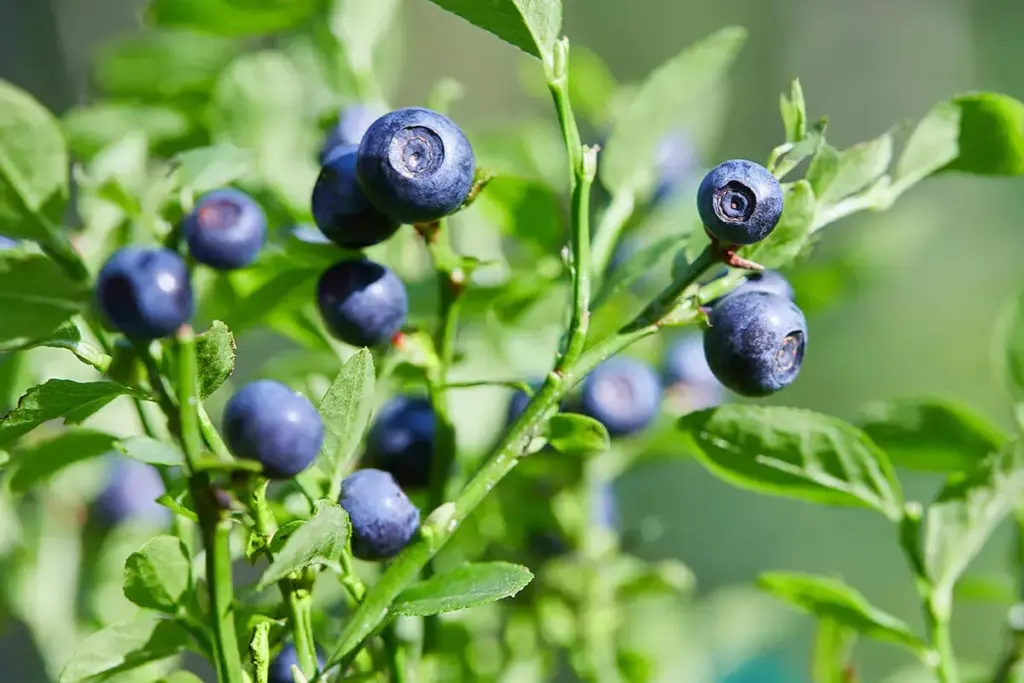
Research shows blueberries might help with gout by lowering uric acid and reducing inflammation. This makes blueberries a good choice for those with gout.
Clinical Research on Blueberries and Uric Acid
Studies have looked at how blueberries affect uric acid levels. Blueberries are full of anthocyanins, which are antioxidants. These can help lower uric acid and reduce inflammation.
A study found that eating blueberries lowered uric acid levels. This was compared to those who didn’t eat them.
“The antioxidant properties of blueberries make them an attractive dietary component for managing gout,” a leading researcher said.
Antioxidants and Anti-inflammatory Properties
Blueberries are full of antioxidants and anti-inflammatory compounds. These can help lessen gout symptoms. Eating blueberries might help people with gout need less medicine and feel better overall.
Vitamin C and Other Beneficial Nutrients
Blueberries are also rich in vitamin C and other nutrients. Vitamin C can help lower uric acid levels. This makes blueberries a great choice for a gout-friendly diet. Other nutrients in blueberries, like fiber and potassium, also offer health benefits.
We suggest trying different ways to add blueberries to your diet. This includes fresh fruit and supplements. They could help manage gout symptoms.
Conclusion: How to Include Blueberries in a Gout-Friendly Diet
Blueberries are great for a gout-friendly diet. They have lots of vitamin C and fiber. You can pick fresh, frozen, or canned blueberries that are low in sugar and calories.
Enjoy blueberries as a snack or add them to oatmeal or yogurt. They’re good in smoothies too. Unlike cranberry juice, blueberries help with gout because of their antioxidants and anti-inflammatory effects. Adding blueberries to your diet can help lower uric acid and ease gout symptoms.
To get the most from blueberries, eat them as part of a balanced diet. Blueberries are not too acidic, which is good for people with gout. Adding blueberries to your meals can help manage gout and boost your health.