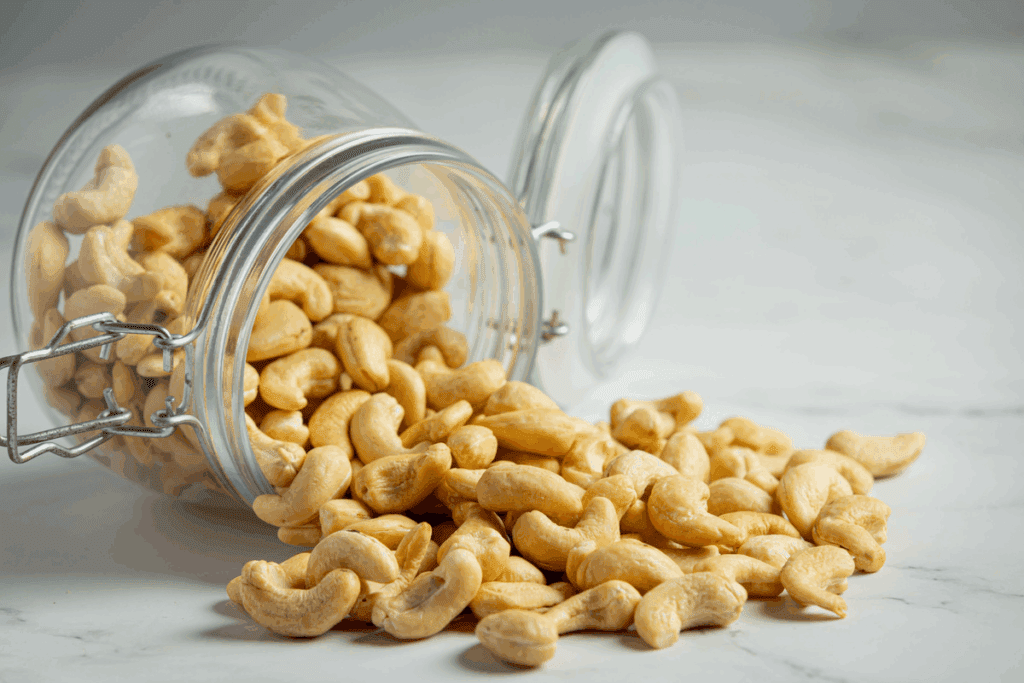
At Liv Hospital, we aim to offer top-notch healthcare and support for international patients. We provide detailed guides on nutrition to help our patients make smart diet choices. Many wonder if cashews are a good source of potassium.
Wondering ‘arecashews high in potassium’? Our simple guide gives the best, clearest answer and compares them to other nuts.
Cashews are nutritious tree nuts that bring many health benefits. Knowing their nutritional value is key to adding them to a healthy diet. Potassium is a vital mineral for keeping blood pressure healthy, supporting bone health, and aiding muscle function.
Cashews have about 710 mg of potassium per 100g. A one-ounce serving gives around 160-187 mg of potassium. This info is important for those watching their potassium intake.
Key Takeaways
- Cashews are a good source of potassium, an essential mineral for overall health.
- A 100g serving of cashews contains approximately 710 mg of potassium.
- Incorporating cashews into your diet can help support healthy blood pressure and bone health.
- Liv Hospital provides detailed nutritional guides to support informed dietary choices.
- Understanding the nutritional benefits of cashews is key to a balanced diet.
Cashews Nutritional Profile Overview

Cashews are packed with healthy fats, proteins, and vitamins and minerals. They are a nutrient-dense food, rich in essential nutrients. Plus, they are low in calories compared to other nuts.
Macronutrient Composition of Cashews
Cashews are mostly fats, making up about 66% of their weight. But, most of these fats are unsaturated, which is good for your heart. They also have a lot of protein, great for vegetarians and vegans.
Micronutrient Content in Cashews
Cashews are full of important minerals like magnesium, copper, and zinc. These minerals help with energy, immune function, and bone health.
Caloric Value and Serving Sizes
A serving of cashews is about 1 ounce, or 28g. This is a small handful. It has around 157 calories. While they are high in calories, they can be a healthy snack if eaten in moderation.
Are Cashews High in Potassium? The Facts
[Add image here]
It’s important to know the nutritional value of cashews, like their potassium content. They are a favorite snack and used in many recipes. But, not many talk about their potassium levels.
Potassium Content in Raw Cashews
Raw cashews are a good source of potassium. This mineral is key for healthy blood pressure, strong bones, and muscles. A one-ounce serving of raw cashews has about 160 milligrams of potassium. This is about 4% of what we need daily.
Potassium in Roasted and Processed Cashews
Roasting or adding salt to cashews can change their potassium levels a bit. Roasting might slightly lower the potassium, but it’s not much. Processed cashews, like those with salt, might not be good for those watching their sodium. But, their potassium content stays pretty much the same.
Comparing Cashew Potassium Levels to Daily Requirements
The daily potassium need for adults is about 4,700 milligrams. A single serving of cashews, or about one ounce, gives us about 4% of that. Adding cashews to a diet with other potassium-rich foods can help meet our daily needs. Foods like bananas, leafy greens, and sweet potatoes are also good sources.
Cashews aren’t the top source of potassium, but they help. Eating them with other foods high in nutrients can boost our potassium intake. This supports our health and well-being.
Understanding Potassium: Why This Mineral Matters
Potassium is key for many body functions. It’s vital for heart health, muscle work, and nerve signals. Without it, our bodies wouldn’t function right.
Potassium’s Role in Body Function
Potassium keeps our bodies working well. It helps balance fluids, supports blood pressure, and sends nerve signals. It’s also important for muscle movement and activity.
Potassium is also good for the heart. It keeps the heartbeat steady and supports heart health. It also helps balance sodium levels, which can lower blood pressure and prevent heart disease.
Recommended Daily Intake of Potassium
The daily potassium need changes with age and other factors. Adults need about 4,700 mg a day, says the Institute of Medicine. Many people don’t get enough, so eating potassium-rich foods is key.
Eating foods like cashews, bananas, and leafy greens can help meet potassium needs. Remember, needs can change based on age, sex, and health.
Consequences of Potassium Deficiency and Excess
Potassium shortage (hypokalemia) and too much (hyperkalemia) can harm health. Low levels cause muscle weakness, fatigue, and heart issues. Severe cases can lead to paralysis and breathing problems.
Too much potassium is also risky. It can cause heart rhythm problems, muscle weakness, and even heart stoppage. Keeping potassium levels balanced is critical for health.
It’s wise to talk to a doctor about your potassium needs. They can help you keep your levels right through diet and lifestyle.
Cashews vs. Other Nuts: Potassium Content Comparison
Looking to boost your potassium intake? It’s key to know how cashews stack up against other nuts. Nuts are packed with nutrients and can help meet your daily potassium needs.
Nuts Higher in Potassium Than Cashews
Cashews are a good source of potassium, but some nuts have more. Almonds and pistachios are top contenders. For example, almonds offer about 718 mg of potassium per ounce, while cashews have around 565 mg. This makes almonds a better choice for potassium.
Other nuts that beat cashews in potassium include:
- Pistachios: With about 291 mg of potassium per ounce, pistachios are close to almonds in potassium content.
- Soil and processing methods can affect the potassium levels in different nuts.
Nuts Lower in Potassium Than Cashews
On the flip side, some nuts have less potassium than cashews. Macadamia nuts and hazelnuts are examples. Macadamia nuts, for instance, have only about 131 mg of potassium per ounce, much less than cashews.
Nuts with less potassium than cashews are:
- Hazelnuts: They have a low potassium content, making them suitable for those watching their potassium intake.
- Macadamia nuts: These nuts have a significantly lower potassium content than cashews.
Best Nut Choices for Potassium Intake
For high potassium intake, pick nuts that are rich in it. Almonds are a standout choice. Mixing different nuts in your diet can also provide a wide range of nutrients.
“Incorporating nuts like almonds and pistachios into your diet can be a delicious way to boost your potassium intake.”
When choosing nuts for potassium, also think about added salts and processing. These factors can change the nutritional value of the nuts.
Beyond Potassium: Other Beneficial Nutrients in Cashews
Cashews are more than just a source of potassium. They offer many health benefits. Let’s look at the other nutrients that make cashews good for you.
Magnesium, Copper, and Zinc Content
Cashews are packed with magnesium, copper, and zinc. Magnesium is key for muscle and nerve health, and bones. Copper helps make red blood cells and keeps connective tissues healthy. Zinc boosts the immune system and aids in healing wounds.
One ounce of cashews has about 292 mg of magnesium, 0.7 mg of copper, and 1.6 mg of zinc. These minerals help our bodies function well. Adding cashews to your diet can be very beneficial.
| Mineral | Amount per Ounce | % Daily Value |
|---|---|---|
| Magnesium | 292 mg | 73% |
| Copper | 0.7 mg | 35% |
| Zinc | 1.6 mg | 11% |
Healthy Fats in Cashews
Cashews are full of healthy fats. These fats are good for your heart. The American Heart Association says nuts like cashews are part of a healthy diet.
“Diets rich in nuts, including cashews, have been associated with a reduced risk of cardiovascular disease.”
Protein and Fiber Profile
Cashews also have protein and fiber. Protein helps build and fix tissues. Fiber is good for digestion and keeps you full. One ounce of cashews has about 5 grams of protein and 0.9 grams of fiber.
Cashews give you many nutrients beyond potassium. They support your health and well-being.
Health Benefits of Consuming Cashews
Eating cashews can improve your health in many ways. They help your heart and boost antioxidants. Cashews are full of nutrients that make them a smart choice for a healthy diet.
Cardiovascular Health Benefits
Cashews have good fats that are great for your heart. The American Heart Association says nuts like cashews are good for your heart. The unsaturated fats in cashews can lower bad cholesterol, which reduces heart disease risk.
“Diets rich in unsaturated fats like those found in cashews can help lower the risk of heart disease by improving blood lipid profiles.”
Blood Pressure Regulation
Cashews are packed with potassium, a mineral that helps control blood pressure. Potassium balances sodium, keeping blood pressure healthy. The American Heart Association recommends eating foods like cashews for blood pressure.
Weight Management and Satiety
Cashews are rich in fiber and protein, making them a filling snack. The fiber and healthy fats in cashews keep you full, helping with weight control. A study in the Journal of Nutrition showed nuts, including cashews, help with weight management.
| Nut Type | Protein Content (g/oz) | Fat Content (g/oz) | Fiber Content (g/oz) |
|---|---|---|---|
| Cashews | 5 | 18 | 1 |
| Almonds | 6 | 14 | 3.5 |
| Walnuts | 4 | 18 | 2 |
Antioxidant Properties
Cashews have vitamin E, which fights cell damage from free radicals. The antioxidants in cashews may reduce inflammation and improve health. Studies show antioxidants in the diet can lower chronic disease risk.
Adding cashews to your diet can bring many health benefits. They support heart health and boost antioxidants.
How Processing Affects Cashew Nutritional Content
Processing is key in deciding how nutritious cashews are. Raw cashews usually keep more nutrients than roasted ones. The way cashews are processed, like roasting or adding flavors, changes their nutritional value.
Raw vs. Roasted Cashews
Raw cashews are more nutritious because they avoid high heat. This heat can destroy some nutrients. Roasting makes them taste better but might lower their nutritional value.
Nutritional Comparison: Raw cashews have more magnesium, copper, and zinc than roasted ones. But, roasted cashews are also very nutritious.
| Nutrient | Raw Cashews (1 oz) | Roasted Cashews (1 oz) |
|---|---|---|
| Calories | 157 | 173 |
| Protein (g) | 5 | 5 |
| Fat (g) | 12 | 14 |
| Magnesium (mg) | 89 | 83 |
Impact of Salt and Flavoring Additives
Salt and flavorings change cashews’ nutritional value. Salted cashews have a lot more sodium, which is bad for blood pressure.
Flavored cashews might have sugars, spices, or artificial flavors. These can add calories and cause allergies or irritation.
Organic vs. Conventional Cashews
Choosing organic cashews means avoiding synthetic pesticides and fertilizers. This reduces exposure to harmful chemicals.
While organic cashews might not be much different, they are a healthier option. They have lower pesticide levels.
The best choice depends on your health goals and preferences. Whether you pick raw, roasted, organic, or conventional cashews, they’re all good for a balanced diet.
Incorporating Cashews Into a Potassium-Rich Diet
Adding cashews to your meals can make your diet more exciting and nutritious. They are packed with potassium, which is great for your heart, bones, and muscles.
Healthy Serving Sizes and Portion Control
It’s important to control how much cashews you eat because they are high in fat. A good serving size is about 16-18 cashews, or one ounce. This amount gives you a lot of potassium without too many calories.
To keep your portions right, try these tips:
- Measure your cashews instead of grabbing handfuls.
- Add them to your meals and snacks in small amounts.
- Pair cashews with other healthy foods to make your diet balanced.
Creative Ways to Add Cashews to Meals
Cashews can make many dishes healthier and tastier. Here are some ideas:
- Salads: Sprinkle cashews on salads for crunch and potassium.
- Stir-fries: Add cashews to stir-fries for a nutritious meal.
- Baking: Use cashew butter or flour in baked goods for a healthier treat.
Cashew-Based Recipes High in Potassium
Here are some recipes that use cashews and are full of potassium:
- Cashew and Banana Smoothie: Blend cashews, banana, and milk for a creamy, potassium-rich drink.
- Cashew-Crusted Chicken: Coat chicken with cashews, parmesan, and spices, then bake until crispy.
- Cashew and Spinach Stuffed Salmon: Mix cashews with spinach, garlic, and lemon, then stuff into salmon and bake.
By adding cashews to your meals in different ways, you can enjoy their nutritional benefits. This makes your diet balanced and delicious.
Conclusion
Cashews are a great addition to a healthy diet. They are packed with potassium and other important nutrients. Our guide shows how potassium is key for good health, and cashews help meet our daily needs.
Cashews are more than just a potassium source. They also have healthy fats, protein, and fiber. Adding them to meals can help your heart, aid in weight control, and offer antioxidant benefits.
We know how vital potassium is for our bodies and what happens if we don’t get enough. Eating cashews can help keep us healthy. Our goal is to offer top-notch healthcare by providing detailed nutritional guides for our patients worldwide.
FAQ
Are cashews a good source of potassium?
Yes, cashews are a great source of potassium. This mineral is key for many body functions. One ounce of cashews gives you a lot of potassium.
How much potassium is in a serving of cashews?
The potassium in cashews depends on the size and how they’re processed. Generally, one ounce (28g) has about 160-170 mg of potassium.
Do roasted cashews have the same potassium content as raw cashews?
Roasting cashews might slightly lower their potassium. But the difference is small. Both raw and roasted cashews are good for potassium.
Are cashews higher in potassium than other nuts?
Cashews are a good source of potassium, but other nuts like pistachios and almonds might have more. The potassium in nuts can vary.
Can cashews help meet my daily potassium needs?
Yes, adding cashews to your diet can help with potassium. But eating a variety of potassium-rich foods is also important.
Are there any health benefits to consuming cashews for their potassium content?
Yes, potassium in cashews supports health. It’s good for the heart, blood pressure, and muscles.
How can I incorporate cashews into my diet to boost potassium intake?
Enjoy cashews as a snack or add them to salads. They’re also great in cashew butter or milk. These are all ways to get more potassium.
Are there any considerations for consuming cashews due to their high fat content?
Yes, cashews are high in fat. It’s important to control portions and watch calories for a balanced diet.
Can processing methods affect the potassium content of cashews?
Yes, methods like roasting or adding salt can change the potassium in cashews. Choosing raw or unsalted cashews might help keep more potassium.
Are organic cashews a better choice than conventional cashews for potassium content?
The potassium in cashews doesn’t really change whether they’re organic or not. Both can be good sources of potassium.
Reference
National Center for Biotechnology Information. Cashews: Potassium Content and Nutritional Information. Retrieved from https://pubmed.ncbi.nlm.nih.gov/32059567/