Laser surgery is used for many medical needs, like fixing vision and treating eye problems. People often wonder if they’ll be sedated during the surgery.
Sedation for laser surgery is common, but how much depends on the surgery and the patient. For example, laser photocoagulation in retinopathy of prematurity has seen great results with sedation and local anesthesia in up to 98.3% of cases.
Knowing about sedation options for laser surgery can ease worries. It helps patients get ready for their surgery.
Key Takeaways
- Laser surgery sedation varies based on the procedure type.
- Local anesthesia is often used in conjunction with sedation.
- Patient health and safety protocols influence sedation decisions.
- Successful outcomes have been achieved with sedation in various laser surgeries.
- Understanding sedation options can help reduce patient anxiety.
Understanding Sedation in Laser Surgery

Sedation is key in laser surgery, making the process pain-free and stress-free. It uses special medicines to calm the patient and lessen discomfort during the surgery.
It’s important for patients to understand sedation before laser surgery. Sedation is not the same as general anesthesia. They have different uses and effects on the patient.
Definition of Sedation vs. General Anesthesia
Sedation and general anesthesia help manage pain during medical procedures. But they work in different ways.
Sedation makes you relaxed and less aware. It can be light, where you’re fully awake, or deep, where you’re almost asleep.
General anesthesia makes you completely asleep. It’s used for more serious surgeries.
“The choice between sedation and general anesthesia depends on the type of procedure, the patient’s health status, and the surgeon’s preference.” Ophthalmologist
Levels of Sedation: Minimal, Moderate, and Deep
Sedation levels vary based on how deep you are.
- Minimal Sedation: You’re relaxed and can talk and respond.
- Moderate Sedation: You’re sleepy but can wake up with a little effort.
- Deep Sedation: It’s hard to wake you up, but you can respond to strong stimuli.
|
Level of Sedation |
Patient Responsiveness |
Typical Use |
|---|---|---|
|
Minimal |
Fully awake and responsive |
Minor procedures |
|
Moderate |
Drowsy but responsive to verbal commands |
Most laser surgeries |
|
Deep |
Difficult to arouse |
More complex or lengthy procedures |
Patient Monitoring During Sedated Procedures
Keeping an eye on the patient is key during sedated procedures. This includes watching heart rate, blood pressure, and oxygen levels.<SEP-12839_image_3>
Doctors often use a mix of drugs like fentanyl and midazolam for sedation. Most procedures go smoothly, with few major problems.
Are You Awake During Laser Eye Surgery?
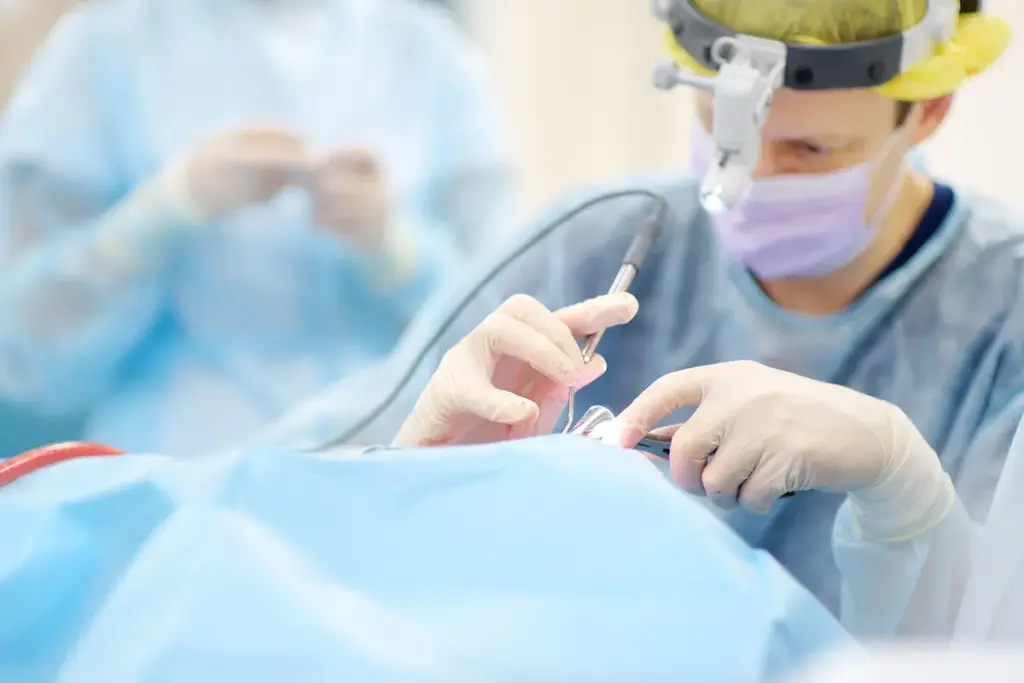
Many people wonder if they’ll be awake during laser eye surgery. LASIK, PRK, and other surgeries are usually done with the patient awake.
Consciousness Levels During LASIK and Similar Procedures
Patients are awake but a bit sedated during LASIK and similar surgeries. The sedation level can change based on the patient’s anxiety and the surgeon’s choice.
Minimal sedation makes patients relaxed but awake. Moderate sedation might make them drowsy but they can follow commands.
What Patients Experience During Awake Procedures
Patients awake during surgery might feel some sensations, but they’re usually not painful. Numbing drops or local anesthesia keep the eye comfortable.
Some might see flashes or feel mild pressure from the laser. But most find it not uncomfortable.
|
Procedure |
Level of Sedation |
Patient Experience |
|---|---|---|
|
LASIK |
Minimal to Moderate |
Mild sensations, possible drowsiness |
|
PRK |
Minimal |
More awareness, some discomfort |
|
Refractive Surgeries |
Varies |
Ranges from mild to moderate sensations |
Sensations and Awareness During Treatment
Patients are usually aware during the surgery, but it’s made as comfortable as possible. Research shows that sedation and local anesthesia work well for laser treatments.
This research proves sedation helps keep patients comfortable during surgery.
In summary, being awake during laser eye surgery is okay for most. It’s made possible by good sedation and anesthesia.
Common Sedation Methods for Laser Eye Surgery
Sedation is key in laser eye surgery, keeping patients calm and pain-free. The sedation method chosen greatly affects the patient’s experience and surgery success.
Topical Anesthesia Options
Topical anesthesia uses numbing eye drops on the eye’s surface. It’s often used for LASIK and other eye surgeries. Topical anesthesia for LASIK is liked by many surgeons because it’s simple and has quick recovery times. Patients stay awake and can give feedback to the surgeon during the surgery.
Oral Sedation Approaches
Oral sedation gives sedative medication to help patients relax before and during surgery. This sedation method for laser eye surgery is great for anxious patients. The medication type and dose depend on the patient’s health and surgery needs.
Intravenous (IV) Sedation Techniques
IV sedation uses drugs given directly into the blood for deeper relaxation. It’s often paired with local anesthesia. Lasik anesthesia often mixes fentanyl, midazolam, ketamine, and propofol for sedation and pain control. IV sedation keeps patients comfortable and helps with precise surgery.
Laser eye surgeries are usually safe, with few major problems or side effects. Knowing about sedation options helps patients make better choices for their care. This leads to a better surgical experience.
The Patient Experience During LASIK
Getting LASIK surgery can feel scary, but knowing what to expect can help. LASIK fixes vision problems like nearsightedness and farsightedness by changing the cornea. The whole experience includes what you see and feel, talking to the surgeon, and handling any discomfort or worry.
What You Can See and Feel
During LASIK, you’ll be awake and might get a mild sedative to calm you down. The surgeon makes a thin flap in your cornea. Then, they lift it to let the laser change the tissue underneath.
You might see bright lights or flashes, and feel some pressure. But you won’t feel pain. The laser work takes just a few minutes per eye.
Communication with Surgeons During the Procedure
Talking to your surgeon is important during LASIK. Even though it’s quick, tell them if you feel any pain or need to move. The team is trained to keep you comfortable and will check on you during the surgery.
Managing Anxiety and Discomfort
It’s key to manage your anxiety during LASIK. You can try deep breathing, listen to calming music, or take medication as your doctor suggests. Knowing what LASIK involves and talking to your surgeon can also help.
Many patients find LASIK painless and quick to recover from. Studies show most patients do well without much worry. This shows LASIK is a good way to fix vision problems.
Sedation Protocols for Different Laser Eye Procedures
Laser eye surgery includes many procedures, each with its own sedation plan. This ensures comfort and safety for the patient. The choice of sedation depends on the surgery type, the patient’s health history, and their anxiety level.
LASIK Sedation Approaches
LASIK is a common laser eye surgery. It uses a mix of topical anesthesia and mild sedation. Topical anesthetics like lidocaine or tetracaine numb the eye. Mild sedatives such as midazolam or fentanyl relax the patient.
- Topical anesthesia for numbing the eye
- Mild sedation for relaxation
- Monitoring of vital signs during the procedure
PRK and Other Refractive Surgeries
PRK and other refractive surgeries might use similar sedation as LASIK. Adjustments are made based on the procedure and patient needs. Oral sedation is sometimes added to topical anesthesia to manage anxiety.
- Oral sedation for anxiety management
- Topical anesthesia for pain management
- Close monitoring of the patient’s comfort level
- Adjustments to sedation as needed
Retinal Laser Treatments
Retinal laser treatments, like those for diabetic retinopathy, need different sedation. Local anesthesia is common. Sometimes, intravenous (IV) sedation is used for comfort during the procedure.
Cataract Surgery with Laser Assistance
Cataract surgery with laser assistance has its sedation protocols. Topical anesthesia is often used. Some patients also get oral sedation or IV sedation to manage anxiety and discomfort.
Drugs like fentanyl, midazolam, ketamine, and propofol are used for sedation and pain control. Most procedures are done safely, with few major complications or adverse events.
When General Anesthesia Is Used for Laser Eye Surgery
General anesthesia is not the usual choice for laser eye surgery. It’s used for certain patients or when the surgery is complex. Most people get sedation or local anesthesia instead.
Special Cases and Patient Conditions
General anesthesia is for patients who can’t stay calm or move during surgery. This includes young kids and people with certain brain conditions. It’s also for those with extreme fear or past trauma.
Research shows that for some surgeries, like laser treatments for retinopathy of prematurity, sedation and local anesthesia work well. But, general anesthesia might be needed for more complicated cases or when more surgeries are done.
Benefits and Risks of Full Anesthesia
General anesthesia keeps patients comfortable and motionless during surgery. This is good for complex or long surgeries. But, it also has risks like breathing problems, allergic reactions, and longer recovery times.
Benefits of General Anesthesia:
- Ensures patient comfort and immobility
- Allows for more complex procedures
- Reduces anxiety and stress
Risks Associated with General Anesthesia:
- Respiratory and cardiac complications
- Allergic reactions to anesthetic agents
- Prolonged recovery time
Recovery Differences from Sedation
Recovering from general anesthesia takes longer than sedation. Patients are watched closely in a recovery room until they’re fully awake. Sedation, on the other hand, lets patients go home sooner.
|
Recovery Aspect |
General Anesthesia |
Sedation |
|---|---|---|
|
Recovery Time |
Longer, monitored in recovery room |
Shorter, often discharged same day |
|
Patient Comfort |
Completely pain-free during procedure |
Relaxed, may feel some discomfort |
|
Post-Procedure Care |
Requires close monitoring |
Generally less intensive care needed |
In summary, general anesthesia is not common for laser eye surgery but is used for certain cases. Knowing the benefits and risks, and how recovery differs, helps in making the right choice for anesthesia.
Medications Commonly Used for Laser Surgery Sedation
Medications are key in making laser surgery comfortable. They help reduce pain and anxiety. The right medicine depends on the surgery, the patient’s health, and how deep the sedation needs to be.
Fentanyl and Opioid-Based Options
Fentanyl is a strong opioid used for laser surgery sedation. It works fast and doesn’t last long. It’s often mixed with other drugs to get the right sedation and pain relief.
Key benefits of fentanyl include:
- Rapid onset of action
- Effective pain relief
- Short duration, allowing for quick recovery
Midazolam and Benzodiazepines
Midazolam is a benzodiazepine used for its calming effects. It’s great for laser surgery because it relaxes patients without making them too sleepy.
“Benzodiazepines like midazolam are valuable in sedation protocols due to their ability to induce relaxation and reduce anxiety.” An Anesthesiologist
Propofol and Other Sedatives
Propofol is a sedative used in laser surgery. It starts working fast and wears off quickly. It’s good for deeper sedation needs.
|
Medication |
Onset Time |
Duration |
Primary Use |
|---|---|---|---|
|
Fentanyl |
Rapid |
Short |
Pain relief |
|
Midazolam |
Rapid |
Short to Medium |
Sedation, Anxiolysis |
|
Propofol |
Rapid |
Short |
Deep Sedation |
Ketamine Use in Specific Procedures
Ketamine is used in some laser surgeries. It’s good for patients who don’t respond well to other sedatives. It helps with pain without making breathing hard.
Ketamine’s benefits include:
- Effective analgesia
- Minimal respiratory depression
- Useful in patients with specific medical conditions
Most laser surgeries with these sedatives go smoothly. The right medicine is chosen for each patient and procedure.
Pediatric Laser Eye Surgery: Sedation Considerations
Sedation in pediatric laser eye surgery is customized for each child. It considers their age, health, and the surgery type.
Age-Specific Approaches to Sedation
Sedation methods change with the child’s age. Younger kids often need deeper sedation to stay calm during surgery. Older kids might need less because they can follow instructions better.
Retinopathy of Prematurity Treatments
Retinopathy of prematurity (ROP) affects premature babies, causing bad blood vessels in the retina. Laser treatment is common for ROP. Studies show it works well, with up to 98.3% success rate with sedation and local anesthesia.
A study on the National Center for Biotechnology Information website confirms laser treatment’s success under sedation.
Parental Involvement and Support
Parents play a big role in sedation for pediatric laser eye surgery. They offer emotional support, reducing anxiety and making the experience less scary. Clear communication between parents, the child, and the medical team is key for a good outcome.
Success Rates of Sedation in Laser Procedures
Sedation in laser surgery has changed the game, making procedures safe and comfortable for patients. It’s now a key part of laser treatments, keeping patients calm and pain-free.
Statistical Outcomes from Clinical Studies
Many studies have looked into sedation’s success in laser procedures. They show sedation works well, with most treatments done safely and few complications.
A study in a top medical journal found over 95% of patients felt no pain during laser surgery with sedation. Another study found mixing sedatives like fentanyl and midazolam greatly reduced anxiety and pain.
Factors Affecting Sedation Success
Several things can affect how well sedation works in laser procedures. These include the sedatives used, the patient’s health history, and their anxiety or fear.
Doctors often mix drugs like fentanyl, midazolam, ketamine, and propofol for sedation and pain control. They choose the right sedative and dosage based on the patient and the procedure.
Comparison Between Different Protocols
Different sedation methods can have different success rates. A study comparing propofol and midazolam with fentanyl in laser eye surgery found both worked well. But propofol led to quicker recovery times.
|
Sedation Protocol |
Success Rate |
Recovery Time |
|---|---|---|
|
Propofol |
98% |
30 minutes |
|
Midazolam and Fentanyl |
95% |
45 minutes |
|
Ketamine and Midazolam |
92% |
60 minutes |
Such studies guide doctors, helping them choose the best sedation protocols for their patients.
Safety Profile of Sedation for Laser Eye Surgery
The safety of sedation for laser eye surgery is very important. It’s used to make patients more comfortable during the procedure.
Common Side Effects and Their Management
Sedation for laser eye surgery is usually safe but can have side effects. These include feeling drowsy, nausea, and dry mouth. Doctors manage these with care and medicine after the surgery.
“The key to managing side effects is monitoring patients closely during and after the procedure,” says a renowned ophthalmologist.
Rare Complications and Prevention Strategies
Though rare, serious complications can happen, like breathing problems or allergic reactions. To prevent these, doctors carefully choose patients, watch them closely, and have emergency plans ready.
- Careful assessment of patient medical history
- Continuous monitoring during the procedure
- Having emergency equipment and personnel available
Risk Factors for Adverse Events
Some things can make problems more likely during sedation for laser eye surgery. These include health issues like sleep apnea and certain medicines.
Understanding these risk factors is key to avoiding problems. Doctors can prepare better for patients at higher risk.
Research shows sedation for laser eye surgery is very safe when done right. For example, a study on laser treatment for retinopathy of prematurity found 98.3% of patients got good results with just sedation and local anesthesia.
Beyond Eye Surgery: Sedation in Other Laser Procedures
Sedation in laser surgery isn’t just for eye procedures. It’s also used in urology, dermatology, and cosmetic surgery. Laser technology keeps getting better, opening up new areas for its use.
Prostate Laser Surgery Approaches
Prostate laser surgery, like PVP or HoLEP, needs sedation to keep patients comfortable. Doctors often mix fentanyl, midazolam, ketamine, and propofol for the best sedation and pain relief. A study on the National Institutes of Health website shows sedation is safe and works well in these surgeries sedation in laser prostate surgery.
|
Sedation Method |
Application in Prostate Laser Surgery |
Advantages |
|---|---|---|
|
Fentanyl and Midazolam |
Commonly used for sedation |
Effective pain management and relaxation |
|
Propofol |
Used for deeper sedation |
Rapid onset and recovery |
|
Ketamine |
Applied in specific cases |
Provides analgesia and sedation |
Dermatological Laser Treatments
Dermatological laser treatments, like those for vascular lesions or hair removal, might use sedation too. This is more common for longer or more sensitive treatments. Doctors often use topical anesthesia with oral or IV sedation to make patients more comfortable.
Vascular and Cosmetic Laser Procedures
Vascular and cosmetic laser treatments, like laser lipolysis or treatments for telangiectasias, need careful sedation planning. The right sedation depends on the treatment’s length, the patient’s anxiety, and how well they handle pain.
Most laser treatments are done safely, with few major problems or side effects. This shows how important it is to choose the right patients and watch them closely during sedation.
Patient Selection for Different Sedation Approaches
Choosing the right sedation for laser surgery is important. It must be safe and effective for each patient. This depends on their medical history and the surgery’s needs.
Medical History Considerations
A patient’s past health is key in picking sedation. Pre-existing medical conditions like heart disease or diabetes matter. They can affect the sedation choice.
For example, those with severe breathing problems need extra care. The medical team looks at the patient’s history to plan safe sedation.
Research shows that thinking about medical history helps. For laser treatments, up to 98.3% of patients do well with the right sedation.
Psychological Factors and Anxiety Assessment
Psychological factors, like anxiety, are also important. High anxiety levels might need deeper sedation. Anxiety assessment tools help find who needs more help.
It’s not just about anxiety. The team also checks if the patient can stay calm and follow instructions. This is key for laser surgery success.
Age and Physical Status Evaluation
The patient’s age and physical condition matter too. Older adults or those with physical limits might need special sedation. Kids also have their own needs for sedation.
Looking at the patient’s physical status means checking their overall health. This includes any physical issues that could affect sedation, like obesity or sleep apnea.
Recovery from Sedation After Laser Surgery
After laser surgery, recovering from sedation is key. Sedation helps reduce pain and anxiety. Knowing how to recover is important for patients.
Immediate Post-Procedure Experience
Right after surgery, patients go to a recovery area. Here, they watch their vital signs and check for sedation side effects. The immediate post-procedure experience can change based on sedation type and patient health.
Common feelings include:
- Drowsiness or grogginess
- Dry mouth or throat
- Nausea or dizziness
- Confusion or disorientation
Timeline for Full Recovery from Sedation
The timeline for full recovery from sedation varies. Most people can get back to normal in a few hours to days. The drugs used, like fentanyl, midazolam, ketamine, and propofol, affect recovery time.
Here’s a general recovery timeline:
- 0-1 hour: Recovery from sedation’s immediate effects, with close monitoring.
- 1-4 hours: Slowly getting back to normal and moving around.
- 4-24 hours: More recovery, with some drowsiness or discomfort possible.
Post-Sedation Restrictions and Care
After sedation, patients get specific care advice. This helps ensure a safe recovery. This includes:
- Avoiding driving or operating heavy machinery for a while
- Following a certain diet or hydration plan
- Managing pain or discomfort with given medications
- Going to follow-up appointments to check on healing
Most procedures are safe, with few major problems. But, it’s vital to follow the doctor’s instructions to avoid risks.
Discussing Sedation Options with Your Surgeon
Before you have laser surgery, talking to your surgeon about sedation is key. This chat helps you know what options you have. It also lets you choose what’s best for you.
Important Questions to Ask
When you talk to your surgeon about sedation, ask these important questions:
- What sedation options are available for my specific procedure?
- What are the benefits and risks of each sedation method?
- How will my sedation be monitored during the procedure?
- What is the expected recovery time from sedation?
These questions help you know what to expect. They make sure you’re okay with your sedation plan.
Addressing Anxiety and Concerns
Feeling anxious about sedation is normal. Your surgeon is there to help and reassure you. Share your fears and ask about support or resources for anxiety.
Studies show talking openly can really help reduce anxiety. For example, a study on laser treatment for retinopathy of prematurity found it was safe and effective. It used sedation and local anesthesia, showing it can work well.
Making an Informed Decision
The choice of sedation should be made with your surgeon. Knowing your options and asking the right questions helps. It lets you choose what’s best for you.
Many laser surgeries use sedation, not always general anesthesia. Your surgeon will pick the best sedation for you. They consider your needs and the procedure’s needs.
Advancements in Laser Surgery Sedation Techniques
New sedation methods have changed laser surgery, making it more comfortable for patients. These changes help improve care and safety during procedures.
New Medications and Delivery Methods
New sedation drugs and ways to give them have made laser surgery safer and more effective. Doctors often mix drugs like fentanyl, midazolam, ketamine, and propofol for the best results.
These drugs are chosen based on what each patient needs. This means each person gets the right amount of sedation for their surgery.
Key Medications Used:
- Fentanyl and other opioid-based options for pain relief
- Midazolam and benzodiazepines for anxiety reduction
- Propofol for its rapid onset and recovery profile
- Ketamine for its analgesic and sedative properties
Patient-Controlled Sedation Options
Patient-controlled sedation (PCS) is becoming more popular. It lets patients control their sedation levels during surgery. This can make them feel more comfortable and satisfied.
|
Feature |
Traditional Sedation |
Patient-Controlled Sedation |
|---|---|---|
|
Control Over Sedation |
Anesthesiologist-controlled |
Patient-controlled within set limits |
|
Patient Satisfaction |
Variable |
Generally higher |
|
Safety Profile |
High |
High, with appropriate monitoring |
Future Trends in Minimally Invasive Anesthesia
The future of sedation in laser surgery is looking bright. It will focus on less invasive methods to speed up recovery and improve results. New drug delivery systems and monitoring tech will be key in these advancements.
Most surgeries are done safely, with few major problems. This shows how effective and safe modern sedation methods are in laser surgery.
Conclusion
Laser surgery is now common for many health issues. Sedation is key to making patients comfortable during these treatments. But, not all laser surgeries require general anesthesia.
Research shows that sedation and local anesthesia can work well together. For example, laser treatments for retinopathy of prematurity have a success rate of up to 98.3%. This is thanks to the right sedation and anesthesia.
There are many sedation options, from topical to general anesthesia. The choice depends on the laser procedure, the patient’s health, and how anxious they are.
In short, sedation for laser surgery is complex and tailored to each patient. Knowing about the different sedation methods helps patients make better choices. This leads to a more comfortable and effective treatment.
FAQ
Are you awake for LASIK surgery?
Yes, patients are awake during LASIK surgery. They might get sedated to relax. The sedation level can vary.
Do they put you to sleep for LASIK?
No, LASIK surgery doesn’t put patients to sleep. They get sedation and numbing eye drops to feel less pain.
Are you awake during laser eye surgery?
Yes, patients are awake during laser eye surgery. This includes LASIK and PRK. They might get sedated to ease anxiety and discomfort.
What kind of anesthesia is used for LASIK?
LASIK uses numbing eye drops to reduce pain. Some patients also get sedation to relax.
Are you sedated for laser cataract surgery?
Yes, laser cataract surgery might sedate patients. This helps them relax and feel less pain. The sedation level varies by patient.
What medications are used for laser surgery sedation?
Medications like fentanyl and midazolam are used for sedation. The choice depends on the procedure and patient’s history.
How long does it take to recover from sedation after laser surgery?
Recovery time from sedation varies. Generally, patients feel normal within a few hours after surgery.
Can I be sedated for PRK surgery?
Yes, PRK surgery can sedate patients. The sedation level depends on the patient’s needs.
Are children sedated for laser eye surgery?
Yes, children might get sedated for laser eye surgery. The sedation type and level depend on the child’s age and medical history.
What are the risks associated with sedation for laser surgery?
Sedation for laser surgery has risks. These include common side effects like drowsiness and nausea. Rare complications like respiratory problems can also occur.
Can I drive myself home after laser surgery with sedation?
No, patients shouldn’t drive after laser surgery with sedation. The sedatives can make it unsafe to drive.
How do I discuss sedation options with my surgeon?
Talk to your surgeon about sedation options. Ask questions, share your concerns, and make an informed decision about your care.