


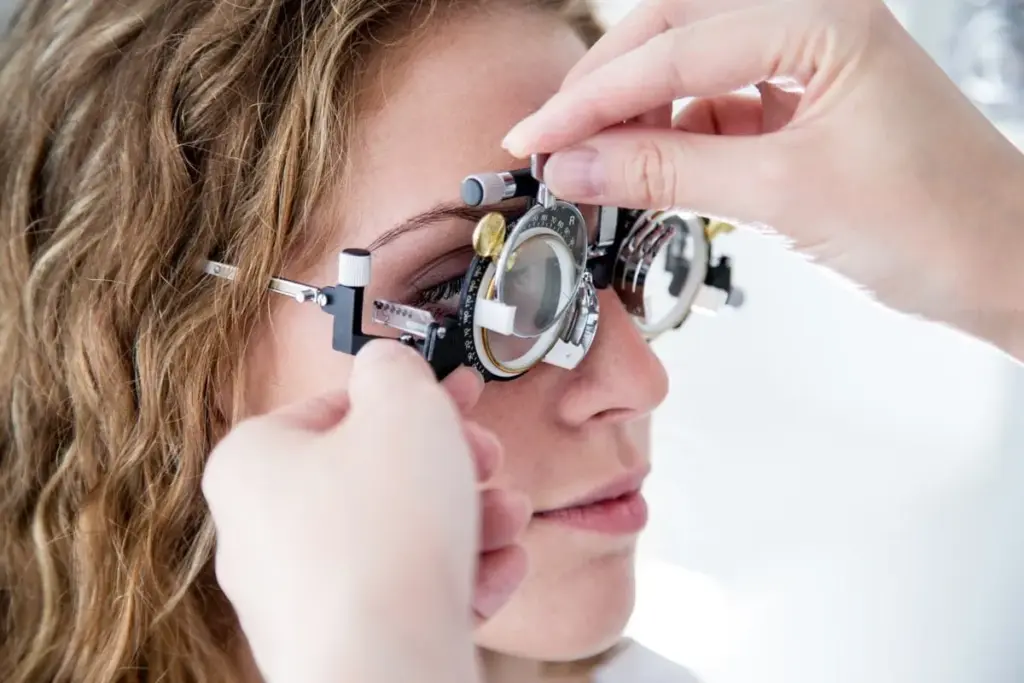
Many people wonder how their vision changes over time. Astigmatism is a common issue where the eye’s shape is irregular. How astigmatism develops often ties to genetics or aging. Studies from the American Academy of Ophthalmology show that light can’t focus right on the retina because of these differences.
For new parents, inherited traits are a big worry. Most babies are born with a slight curve in their cornea that affects their vision. But, can you develop an astigmatism after an injury or eye surgery? Yes, physical changes to the eye can change its shape as we grow older.
At Liv Hospital, we focus on catching vision problems early to protect your sight. Our team offers comprehensive ophthalmological services for people of all ages worldwide. We use insights from the Medical organization and National Eye Institute to guide our treatments. Our top goal is to deliver world-class healthcare at every step of your care journey.
Key Takeaways
- This refractive error stems from an irregular corneal or lens shape.
- Many infants have this condition from the moment they enter the world.
- Physical injuries or medical surgeries can cause vision changes later in life.
- Early screening is essential for maintaining childhood ocular health.
- Specialized care helps manage these focus issues effectively for all ages.
- Leading medical institutions provide reliable data for modern treatment paths.
Are You Born with Astigmatism or Does It Develop Later?
It’s important to know if astigmatism is present at birth or develops later. Astigmatism is a common vision problem. It happens when the cornea or lens inside the eye is irregularly shaped. This leads to blurry or distorted vision.
The Congenital Nature of Astigmatic Eyes
Astigmatism is often an inherited condition. This means it can be present at birth due to genetics. Studies show that the shape of the cornea or lens can be influenced by family traits. This can lead to astigmatism.
Many people are born with astigmatism. It can be detected in children. Early eye exams are key to managing this condition.
Acquired Astigmatism: Can You Develop an Astigmatism After Birth?
While astigmatism can be present at birth, it can also develop later. Several factors can cause this. These include:
- Eye injuries or trauma
- Surgical procedures, mainly those affecting the cornea
- Certain eye diseases that impact the cornea
These factors can change the shape of the cornea or lens. This leads to astigmatism. Knowing these causes helps in diagnosing and treating acquired astigmatism.
| Causes of Astigmatism | Description |
| Congenital | Present at birth, often due to genetic factors |
| Eye Injury | Trauma to the eye can cause astigmatism |
| Surgery | Surgical procedures can lead to astigmatism |
| Eye Diseases | Certain diseases affecting the cornea can cause astigmatism |
Defining Astigmatism and Recognizing Common Symptoms
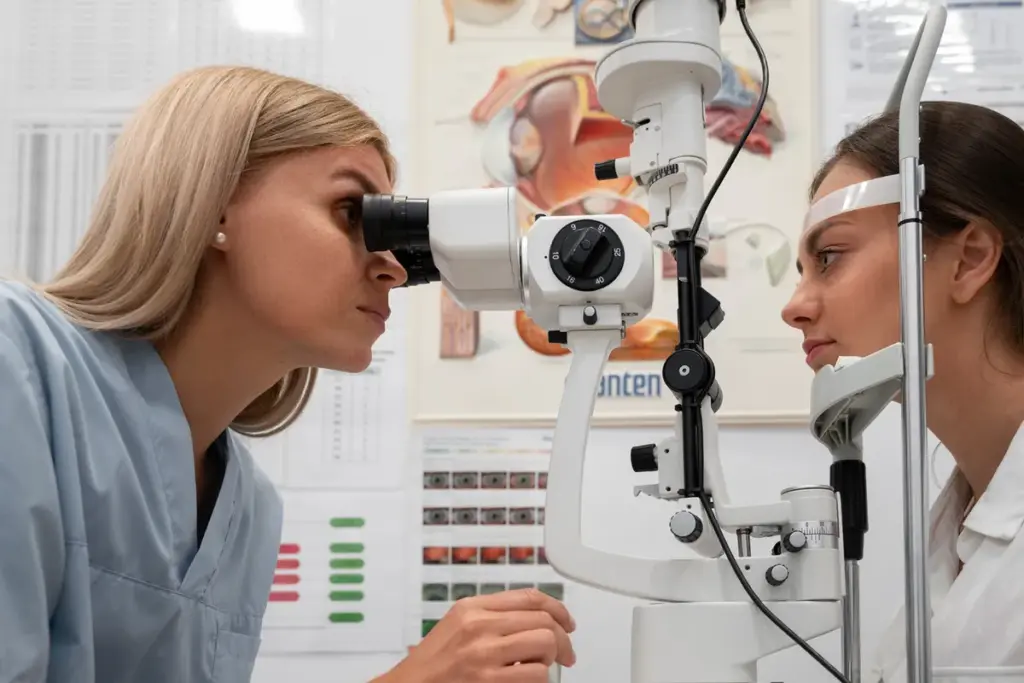
Understanding astigmatism and its symptoms is key to effective treatment. Astigmatism is a condition where the eye has trouble focusing light. This happens when the cornea or lens isn’t perfectly round, leading to blurry vision at all distances.
What Does Astigmatism Mean in the Eye?
Astigmatism means the eye’s cornea or lens is not round. This irregular shape stops light from focusing right on the retina. The irregular shape of the cornea or lens is what defines astigmatism.
Let’s look at how a normal eye works. In a normal eye, the cornea and lens are round, letting light focus clearly on the retina. But, in an astigmatic eye, the irregular shape messes up this focusing, causing vision issues.
Identifying the Symptoms of Astigmatism
The symptoms of astigmatism can vary but often include:
- Blurry or distorted vision at all distances
- Headaches from eye strain
- Eye discomfort or fatigue
- Difficulty seeing clearly at night
- Squinting to try to see clearly
These symptoms happen because the irregular shape of the cornea or lens messes up light focusing. Regular eye exams are vital for catching astigmatism early and stopping it from getting worse.
By knowing what astigmatism is and its symptoms, people can get help on time. This helps improve their vision and overall life quality.
Factors Influencing How Astigmatism Develops Over Time
It’s important to know what causes astigmatism to grow. Astigmatism makes vision blurry or distorted. Many things can make astigmatism worse.
Genetic Predispositions and Family History
Genetics play a big part in getting astigmatism. If your family has it, you might too. Some genes can shape your cornea or lens in a way that causes astigmatism.
Family History and Astigmatism: Kids with astigmatism parents are more likely to get it. This shows that genes are a big factor in astigmatism.
| Risk Factor | Description | Impact on Astigmatism Development |
| Family History | Having parents or siblings with astigmatism | Increases the likelihood of developing astigmatism |
| Genetic Predisposition | Inherited traits affecting corneal or lens shape | Contributes to the development of astigmatism |
| Eye Injuries or Surgeries | Trauma or surgical complications affecting the eye | Can lead to the development of astigmatism |
Environmental and Physical Triggers
Genetics aren’t the only thing that matters. Things like eye injuries, diseases, and surgeries can also cause astigmatism.
For example, keratoconus can make the cornea thin and bulge, causing astigmatism. Also, if eye surgery goes wrong, it can lead to astigmatism.
Knowing about these factors helps in preventing and treating astigmatism. Regular eye checks can catch astigmatism early, helping to manage it better.
Conclusion
We’ve looked into astigmatism, a condition that makes vision blurry. It happens when the cornea or lens in the eye is shaped wrong. Astigmatism can start at birth or come later due to different reasons.
Knowing about astigmatism is key to managing it well. The good news is that it can be treated. Options include glasses, contact lenses, and surgeries like LASIK.
Recognizing symptoms and knowing the causes is important. This helps people get the right treatment quickly. We stress the need for proper diagnosis and care. This ensures those with astigmatism can see better and live better lives.
Factors Influencing How Astigmatism Develops Over Time
The Congenital Nature of Astigmatic Eyes
Many people wonder, are people born with astigmatism? Yes, many are. Astigmatism is common at birth, caused by an irregularly shaped cornea or lens. The National Eye Institute says these irregularities are often genetic. They can change a bit in early childhood but often stay the same for life.
Acquired Astigmatism: Can You Develop an Astigmatism After Birth?
While some have it at birth, others can get it later. Can you develop an astigmatism as an adult? Yes, it’s possible. Astigmatism in adults can come from eye injuries, scarring, or diseases like keratoconus. It can also happen after eye surgery. But, reading in low light or sitting close to screens doesn’t cause it.
What Does Astigmatism Mean in the Eye?
To define astigmatism, we look at the eye’s shape. A normal eye is round like a ball. But, what is astigmatism in the eye mean? It’s when the eye is shaped like a football, causing blurry vision. This is because light focuses on multiple points, not one.
Identifying the Symptoms of Astigmatism
Knowing what are the symptoms of astigmatism is key. Patients often see blurry vision, need to squint, and get eye strain. At night, they might see “halos” or “streaks” around lights, a sign of astigmatism.
Genetic Predispositions and Family History
Genetics play a big role in how astigmatism develops. If parents have it, their kids might too. The American Academy of Ophthalmology says family history is a strong predictor. We recommend eye exams for kids to catch this early.
Environmental and Physical Triggers
External factors can also affect the eye’s shape. Eye injuries or eyelid problems can cause astigmatism. Understanding these factors helps us care for our patients better
References
National Center for Biotechnology Information. Evidence-Based Medical Insight. Retrieved from https://pmc.ncbi.nlm.nih.gov/articles/PMC9856878/


 Departments
 Related Videos
 Our Doctors
 News
News


