

Did you know that arrhythmia affects millions of people worldwide? It causes irregular heartbeats that can lead to serious health problems. Recent medical research has found new ways to treat cardiac arrhythmia without surgery.arrhythmia non-surgical treatment optionsKey Story: Robert Liston’s 300% Mortality Surgery
We are seeing a big change in how heart rhythm disorder is treated. Now, there’s a focus on non-surgical methods. These offer safer, more effective options than old surgical ways.
Exploring ways to cure arrhythmia without surgery is key. It’s important to know about the arrhythmia non-surgical treatment options we have today.
Key Takeaways
- Arrhythmia can often be managed without surgery.
- New medical treatments offer effective alternatives to surgical interventions.
- Non-surgical options can provide safer, more personalized care.
- Advancements in cardiac arrhythmia medical treatment are improving patient outcomes.
- Heart rhythm disorder management is becoming more sophisticated.
Understanding Cardiac Arrhythmias

Cardiac arrhythmias are conditions where the heart beats irregularly. This can be annoying and sometimes risky. It happens when the heart’s electrical system gets disrupted.
Definition and Basic Mechanism
A cardiac arrhythmia is any irregular heartbeat. Normally, the heart beats in a regular rhythm, controlled by its electrical system. This system includes the SA node, AV node, and the bundle of His.
When there’s a problem in this electrical pathway, arrhythmias can occur. The basic mechanism behind arrhythmias involves abnormal electrical impulses that can start from different parts of the heart.
How Normal Heart Rhythm Works
The normal heart rhythm, or sinus rhythm, is controlled by the SA node. It acts as the heart’s natural pacemaker. The SA node sends electrical signals to the atria, causing them to contract.
These signals then pass through the AV node to the ventricles. This makes them contract and pump blood throughout the body. This process ensures a coordinated and efficient heartbeat. Stress, caffeine, and some medications can affect heart rhythm, but in a healthy heart, the rhythm stays stable.
Impact on Quality of Life
Cardiac arrhythmias can greatly affect a person’s quality of life. Symptoms can range from mild palpitations to severe chest pain, dizziness, and shortness of breath. In some cases, arrhythmias can lead to serious complications like stroke or heart failure.
The impact on daily life can be huge. It can affect a person’s ability to work, exercise, and socialize. Understanding and managing arrhythmias is key to reducing their effects and improving life for those affected.
- Reduced physical stamina due to irregular heartbeats
- Increased anxiety and stress related to unpredictable symptoms
- Limitations on physical activities and exercise
- Potential for social isolation due to fear of episodes
Common Types of Arrhythmias
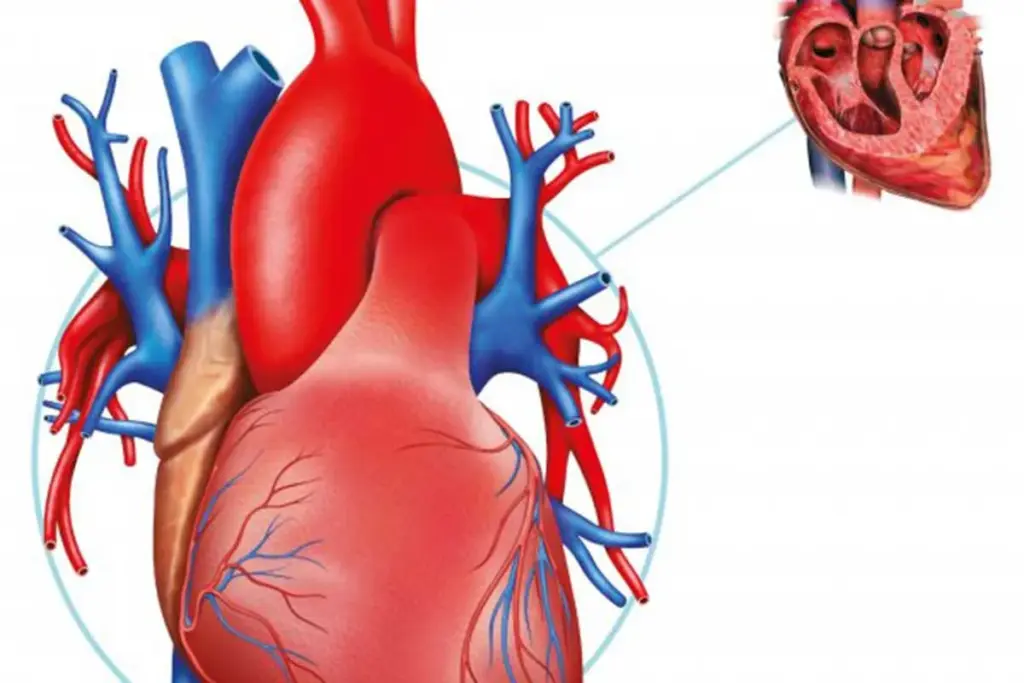
It’s important to know about the different types of arrhythmias. This knowledge helps doctors diagnose and treat them better. Arrhythmias vary in where they start, their symptoms, and how they affect the heart.
Atrial Fibrillation and Flutter
Atrial fibrillation (AFib) is common, mainly in older people. It makes the heart’s upper chambers beat irregularly. This can cause symptoms like palpitations, shortness of breath, and feeling tired.
Atrial flutter is similar but has a faster, regular rhythm in the atria.
AFib’s main features are:
- Irregular heart rhythm
- Higher risk of stroke
- Can happen without symptoms
Supraventricular Tachycardia
Supraventricular tachycardia (SVT) is a fast heart rhythm that starts above the ventricles. It can cause symptoms like palpitations, dizziness, and chest pain. It often affects people without heart disease.
SVT treatment may include:
- Vagal maneuvers to slow the heart
- Medications to stop it quickly
- Catheter ablation for long-term management
Ventricular Arrhythmias
Ventricular arrhythmias start in the heart’s lower chambers. They can be mild or very serious. Ventricular tachycardia (VT) and ventricular fibrillation (VF) are dangerous and need quick medical help.
|
Type |
Description |
Clinical Significance |
|---|---|---|
|
Ventricular Tachycardia (VT) |
Rapid rhythm in the ventricles |
Can be life-threatening, needs immediate treatment |
|
Ventricular Fibrillation (VF) |
Chaotic, disorganized rhythm in the ventricles |
Life-threatening, needs immediate defibrillation |
Bradyarrhythmias
Bradyarrhythmias are slow heart rates, less than 60 beats per minute. They can be caused by aging, medication side effects, or heart conditions.
Managing bradyarrhythmias may involve:
- Monitoring for symptoms and severity
- Changing medications that slow the heart
- Implanting a pacemaker in severe cases
Causes and Risk Factors for Arrhythmias
It’s important to know what causes arrhythmias to manage and treat them well. Arrhythmias are complex and can be influenced by many factors.
Structural Heart Disease
Heart diseases like coronary artery disease and heart valve disorders can lead to arrhythmias. These conditions change how the heart works, causing irregular rhythms.
Electrolyte Imbalances
Electrolytes like potassium, sodium, and calcium are key to heart rhythm. When these are out of balance, it can cause arrhythmias. For example, low potassium can affect the heart’s electrical activity.
Lifestyle and Environmental Factors
Our lifestyle and environment also play a role in arrhythmias. Drinking too much alcohol, smoking, and stress can harm heart rhythm. Some medicines and stimulants can also trigger arrhythmias.
Genetic Predisposition
Genetics also play a part in arrhythmias. If you have a family history of arrhythmias, you might be more likely to get them too.
|
Cause/Risk Factor |
Description |
|---|---|
|
Structural Heart Disease |
Conditions like coronary artery disease and cardiomyopathy that alter heart structure and function. |
|
Electrolyte Imbalances |
Imbalances in potassium, sodium, and calcium that disrupt heart rhythm. |
|
Lifestyle and Environmental Factors |
Factors such as alcohol consumption, smoking, and stress that impact heart rhythm. |
|
Genetic Predisposition |
Family history and genetic conditions that increase the likelihood of arrhythmias. |
Recognizing Arrhythmia Symptoms
Knowing the signs of arrhythmia is key to getting help fast. Arrhythmia, or an irregular heartbeat, can show up in many ways. It’s important for people to know the warning signs.
Common Warning Signs
Arrhythmia symptoms can be mild or serious. They might include:
- Palpitations or irregular heartbeats
- Shortness of breath
- Dizziness or lightheadedness
- Chest pain or discomfort
- Fainting or near-fainting spells
These symptoms happen because arrhythmia messes with the heart’s rhythm. Spotting these signs early can help avoid bigger problems.
When to Seek Medical Attention
If you notice any of these, get help right away:
- Severe chest pain or pressure
- Severe difficulty breathing
- Fainting or loss of consciousness
- Rapid or irregular heartbeat that lasts
Getting help quickly can make a big difference for arrhythmia patients. A study in the Journal of the American College of Cardiology found that fast treatment can lower stroke risk and other arrhythmia complications.
“Arrhythmias can be life-threatening if not treated promptly. Recognizing the symptoms and seeking medical help is critical.” – A Cardiologist
To understand symptoms better, let’s compare them:
|
Symptom |
Possible Cause |
Action |
|---|---|---|
|
Palpitations |
Irregular heartbeat |
Monitor and consult a doctor |
|
Shortness of breath |
Reduced cardiac output |
Seek medical attention |
|
Dizziness |
Reduced blood flow |
Consult a healthcare provider |
The table shows how knowing symptoms and causes helps. If you have heart symptoms, see a doctor.
Diagnostic Methods for Heart Rhythm Disorders
Healthcare providers use many tools to find and treat arrhythmias. They look at the heart’s electrical activity to diagnose these issues. Several tests help them do this.
Electrocardiogram (ECG) Testing
Electrocardiogram (ECG) testing is key for diagnosing arrhythmias. It shows the heart’s rhythm right away. It records the heart’s electrical activity for a short time.
Holter and Event Monitors
Holter monitors track the heart’s activity for 24 to 48 hours. Event monitors can be worn longer to catch arrhythmias that don’t show up on ECGs. These tools are great for finding arrhythmias that are hard to spot.
Echocardiogram and Imaging Studies
An echocardiogram uses sound waves to make heart images. It helps find heart diseases that might cause arrhythmias. MRI or CT scans can also check the heart’s structure and how it works.
Electrophysiology Studies
Electrophysiology studies use catheters to record the heart’s electrical activity. This test is good for finding complex arrhythmias. It helps doctors decide on treatment.
|
Diagnostic Method |
Purpose |
Duration |
|---|---|---|
|
Electrocardiogram (ECG) |
Records heart’s electrical activity |
Few minutes |
|
Holter Monitor |
Records heart activity over time |
24 to 48 hours |
|
Event Monitor |
Captures intermittent arrhythmias |
Several days to weeks |
|
Echocardiogram |
Images heart structure |
30 minutes to 1 hour |
|
Electrophysiology Studies |
Records heart’s electrical activity |
Several hours |
Can Arrhythmia Be Permanently Cured Without Surgery?
To know if arrhythmia can be cured without surgery, we need to look at the type of arrhythmia and treatment. The idea of a “cure” for arrhythmia is often misunderstood.
Arrhythmia treatment varies from person to person. Some may see their symptoms go away completely. Others might need ongoing care to manage their condition.
Defining “Cure” vs. “Management”
The term “cure” means a complete and permanent fix. For arrhythmia, it means no more abnormal heart rhythms. But, managing arrhythmia means controlling symptoms and reducing risks, even if it’s not fully gone.
For many, managing arrhythmia is a more reachable goal than a full cure. This can include lifestyle changes, medication, and non-surgical treatments.
Factors Affecting Treatment Success
Several things can affect how well treatment works without surgery. These include the arrhythmia type and severity, the patient’s health, and the treatment’s success.
|
Factor |
Description |
Impact on Treatment Success |
|---|---|---|
|
Type of Arrhythmia |
The specific type of arrhythmia, such as atrial fibrillation or supraventricular tachycardia. |
Different types of arrhythmia respond differently to treatment. Some may be more easily managed or cured. |
|
Patient Health |
The patient’s overall health, including the presence of underlying conditions. |
Patients with fewer underlying health issues tend to have better treatment outcomes. |
|
Treatment Approach |
The chosen treatment method, such as medication, lifestyle changes, or catheter ablation. |
The effectiveness of the treatment approach significantly impacts the success of arrhythmia management. |
By understanding these factors and working with healthcare providers, patients can find effective treatments. These treatments can improve their quality of life and lower the risk of complications.
When Is Surgery Necessary for Arrhythmia?
Deciding if surgery is needed for arrhythmia depends on several factors. These include the type and how severe the condition is. While many arrhythmias can be treated with medicine or other non-surgical methods, some cases need surgery to fix the heart’s rhythm.
Indications for Surgical Intervention
Surgery might be needed for arrhythmia patients who haven’t responded to other treatments. Or if they face a high risk of serious problems. The main reasons for surgery include:
- Severe symptoms that greatly affect daily life
- Other treatments have failed to control the arrhythmia
- There’s a high risk of stroke or other serious issues
- Underlying heart disease is also present
Types of Surgical Procedures
There are several surgeries for treating arrhythmias. Each has its own use and benefits.
|
Surgical Procedure |
Description |
Indications |
|---|---|---|
|
Maze Surgery |
This surgery creates a new electrical pathway in the heart to fix the rhythm. |
Best for atrial fibrillation, often in patients having other heart surgeries. |
|
Catheter Ablation |
This minimally invasive procedure uses energy to destroy bad electrical pathways in the heart. |
Works for many arrhythmias, like supraventricular tachycardia and atrial fibrillation. |
|
Surgical Ablation |
This surgery involves making cuts in the heart to destroy bad electrical pathways. |
Good for atrial fibrillation and other complex arrhythmias. |
The table shows the choice of surgery depends on the arrhythmia type, patient health, and more. Our team works with patients to find the best treatment plan.
Knowing when surgery is needed and the available procedures is key for making treatment choices. We aim to offer full care and support during treatment.
Comprehensive Overview of Arrhythmia Non-Surgical Treatment Options
Understanding non-surgical treatments for arrhythmia is key to making good care choices. We’ll look at different non-surgical ways to treat arrhythmia. We’ll also talk about what affects treatment choices and what therapy aims to achieve.
The Treatment Decision Process
Choosing a non-surgical treatment for arrhythmia involves a detailed look at the patient’s health. Important factors include the type and severity of arrhythmia, any heart disease, and the patient’s overall health. We work with patients to find a treatment that fits their needs and wishes.
Factors Affecting Treatment Selection
Several things influence the choice of non-surgical treatment for arrhythmia. These include:
- The specific type of arrhythmia and its causes
- Any heart conditions or other health issues
- The patient’s lifestyle and personal preferences
- The risks and benefits of different treatments
By considering these factors, we can customize treatment for each patient. This helps improve outcomes and lower risks.
Treatment Goals and Expectations
The main goals of non-surgical arrhythmia treatment are to control symptoms, prevent complications, and enhance quality of life. We also aim to lower the risk of stroke and other heart problems. By setting clear expectations and working together, we can make a big difference in patients’ lives.
Medication Therapy for Cardiac Rhythm Disorders
Medication therapy is key in managing heart rhythm disorders. It offers many treatment options. We use different medicines to control heart rhythm and prevent complications.
Antiarrhythmic Drugs
Antiarrhythmic drugs are vital in treating arrhythmias. They help stabilize the heart rhythm and prevent irregular beats. There are several types, each with its own action and side effects.
For example, lidocaine is used for ventricular arrhythmias. Amiodarone is effective for many arrhythmias but needs careful monitoring due to side effects.
Rate Control Medications
Rate control medications are important for managing arrhythmias, like atrial fibrillation. These include beta-blockersand calcium channel blockers. They slow the heart rate, improving symptoms and exercise tolerance.
Anticoagulants for Stroke Prevention
Anticoagulants are critical for preventing stroke in atrial fibrillation patients. Medications like warfarin, apixaban, and rivaroxaban thin the blood and reduce clot risk. The right choice depends on the patient’s risk, kidney function, and drug interactions.
Managing Medication Side Effects
Medication therapy for arrhythmias can have side effects. These can range from mild, like gastrointestinal disturbances, to severe, like increased risk of bleeding with anticoagulants. We closely monitor patients for these effects and adjust treatments as needed.
|
Medication Type |
Primary Use |
Examples |
|---|---|---|
|
Antiarrhythmic Drugs |
Restore normal heart rhythm |
Lidocaine, Amiodarone |
|
Rate Control Medications |
Control heart rate |
Beta-blockers, Calcium Channel Blockers |
|
Anticoagulants |
Prevent stroke |
Warfarin, Apixaban, Rivaroxaban |
In conclusion, medication therapy is essential for managing cardiac rhythm disorders. By understanding the different medications and their effects, we can create personalized treatment plans. This improves outcomes and enhances quality of life for our patients.
Minimally Invasive Procedures
Minimally invasive procedures have changed how we treat arrhythmias. They offer patients new ways to avoid traditional surgery. These methods aim to lower risks, cut down on recovery time, and boost patient outcomes.
Catheter Ablation Techniques
Catheter ablation is a minimally invasive procedure for treating arrhythmias. It uses thin, flexible tubes called catheters to destroy the heart’s abnormal electrical pathways.
The procedure is done under local anesthesia and mild sedation. The catheter goes through a vein in the leg and into the heart. There, it delivers energy to destroy the problematic tissue.
Cardioversion Procedures
Cardioversion is a minimally invasive technique for treating arrhythmias, like atrial fibrillation. It uses a controlled electric shock to restore a normal heart rhythm.
This method can be done in two ways: synchronized cardioversion or pharmacological cardioversion. Both aim to achieve the same goal.
Recovery and Success Rates
The recovery time for minimally invasive procedures like catheter ablation and cardioversion is short. Most patients can get back to normal activities in a few days.
|
Procedure |
Success Rate |
Recovery Time |
|---|---|---|
|
Catheter Ablation |
70-90% |
1-3 days |
|
Cardioversion |
80-95% |
1-2 days |
The table shows both catheter ablation and cardioversion have high success rates and quick recovery times. This makes them good choices for patients with arrhythmias.
Implantable Devices for Arrhythmia Management
Implantable devices have changed how we treat arrhythmias, saving lives. These devices watch and fix heart rhythms. They give patients a solid way to manage their condition.
Pacemakers: Function and Candidates
Pacemakers are small devices that control the heartbeat with electrical impulses. They help patients with slow heart rates or certain heart block issues. Pacemakers can greatly improve life quality by keeping the heart rate steady.
Doctors decide if a pacemaker is needed based on symptoms, arrhythmia cause, and health. Advanced pacemaker technow adjusts heart rate based on activity.
Implantable Cardioverter Defibrillators (ICDs)
ICDs are key in managing arrhythmias. They stop sudden cardiac death by shocking the heart during dangerous arrhythmias. ICDs are great for those at risk of ventricular tachycardia or fibrillation.
Getting an ICD is like getting a pacemaker, with leads in the heart and a generator under the skin. ICDs can also pace the heart for slow or fast rates.
Cardiac Resynchronization Therapy
CRT treats heart failure by syncing left and right ventricles. CRT devices, like CRT pacemakers and CRT defibrillators, help patients with heart failure and arrhythmias.
CRT improves symptoms, life quality, and survival in the right patients. It makes the heart work better by syncing ventricles, easing heart failure symptoms.
Lifestyle Modifications for Arrhythmia Control
Making lifestyle changes is key to managing arrhythmia and keeping your heart healthy. By focusing on diet, exercise, stress, and sleep, you can make a big difference. This can help reduce your symptoms.
Dietary Considerations and Restrictions
Eating right is important for managing arrhythmia. Include foods high in omega-3s like salmon and walnuts. Avoid too much caffeine and alcohol, as they can trigger arrhythmia.
Limit processed foods, sugary drinks, and saturated fats. Eating more fruits, veggies, whole grains, and lean proteins helps your heart stay in rhythm.
Nutritional Tips for Arrhythmia Management:
- Increase consumption of omega-3 rich foods
- Reduce intake of caffeine and alcohol
- Choose whole grains over processed foods
- Stay hydrated with adequate water intake
Exercise Recommendations and Limitations
Regular exercise is good for your heart, but choose wisely. Opt for moderate activities like brisk walking, cycling, or swimming.
High-intensity or stressful exercises should be checked with your doctor first. They might pose risks.
|
Exercise Type |
Recommended For |
Precautions |
|---|---|---|
|
Brisk Walking |
Most individuals with arrhythmia |
Avoid in extreme weather conditions |
|
Cycling |
Those with stable arrhythmia |
Monitor heart rate and blood pressure |
|
Swimming |
Generally safe, low-impact |
Avoid swimming alone |
Stress Management Techniques
Stress can make arrhythmia symptoms worse. It’s important to manage stress. Try meditation, deep breathing, or yoga to reduce stress.
“Meditation is not about achieving a specific state but about allowing yourself to be present in the moment, free from the burdens of stress and anxiety.” – A healthcare professional
Sleep Hygiene and Arrhythmia
Good sleep is vital for heart health. Stick to a regular sleep schedule and create a calm sleep space. Avoid stimulants before bed.
Poor sleep can increase stress and worsen arrhythmia symptoms. It’s key to tackle sleep issues as part of your management plan.
Alternative and Complementary Approaches
There are more ways to manage arrhythmias than just traditional treatments. These methods can work alongside regular treatments for a better care plan.
Acupuncture and Traditional Chinese Medicine
Acupuncture is a big part of Traditional Chinese Medicine. It involves putting fine needles into certain body points. Some studies say it might help control heart rhythm and lessen arrhythmia symptoms. Even though more research is needed, many people find it helpful.
Yoga and Meditation Practices
Yoga and meditation are becoming more popular. They help manage stress and improve well-being. These practices can also lower arrhythmia episodes by reducing stress and boosting heart health.
- Benefits: Reduced stress, improved heart health, enhanced overall well-being
- Precautions: Talk to a healthcare provider before starting any new exercise or meditation program
Supplements and Herbal Remedies
Some supplements and herbal remedies are used to support heart health and manage arrhythmia symptoms. But, it’s important to talk to a healthcare provider before taking any new supplements. They can interact with medicines or cause problems.
- Magnesium: May help regulate heart rhythm
- Omega-3 fatty acids: Supports heart health
- Hawthorn: Traditionally used for heart conditions
Scientific Evidence for Alternative Treatments
Some alternative therapies seem promising, but the science backing them up is not always strong. We suggest talking to a healthcare provider about the benefits and risks. This way, you can make a well-informed choice.
By mixing alternative and complementary methods with traditional treatments, patients can create a detailed care plan. This plan is tailored to their specific needs.
Living with Arrhythmia: Long-Term Management Strategies
For those with arrhythmia, managing it long-term is key to a good life. It’s about more than just treatment. It’s about regular checks, staying informed, and being ready for emergencies.
Monitoring and Follow-Up Care
Keeping an eye on your arrhythmia is vital. This means:
- Keeping a journal of when symptoms happen
- Regular visits to your doctor to check on your heart
- ECG tests to see how your heart is beating
It’s also important to follow up with your doctor. They might change your treatment plan. Going to your follow-up appointments helps catch any changes early.
Emergency Action Plans
Having a plan for emergencies is a must for arrhythmia patients. This plan should include:
- Knowing when to call for help right away
- Having emergency numbers handy
- Telling family and friends about your condition and what to do in an emergency
As Dr. Smith, a cardiologist, notes, “A clear emergency plan can really help reduce stress and improve care for arrhythmia patients.”
“The key to managing arrhythmia is not just treating the condition but also improving the patient’s quality of life through complete care.”
— A Cardiologist
Support Resources and Communities
Dealing with arrhythmia can be tough, but you’re not alone. There are many places to find support:
- Support groups, online or in-person, where you can share and get advice
- Resources from trusted groups that offer tips on managing arrhythmia
- Online forums and social media groups for arrhythmia support
Using these resources can offer emotional support, practical tips, and a sense of community. These are all key to managing arrhythmia over the long term.
Conclusion: The Outlook for Non-Surgical Arrhythmia Treatment
Arrhythmias can really affect a person’s life. But, thanks to new medical tech and treatments, things are getting better. Now, there are more ways to manage arrhythmias without surgery.
The future of treating arrhythmias is bright. Scientists are working hard on new methods like catheter ablation and better devices. These advancements mean treatments can be more tailored and effective, improving lives.
Keeping up with the latest in arrhythmia care is key. This way, patients and doctors can choose the best treatments together. This approach will help make arrhythmia care even better in the future.
FAQ
What is arrhythmia and how is it treated without surgery?
Arrhythmia is when your heartbeat is not regular. It can be treated without surgery. This includes taking medicine, changing your lifestyle, and using special devices.
What are the common symptoms of arrhythmia?
Symptoms include feeling your heart skip beats, being short of breath, dizzy, or tired. If you notice these, see a doctor to find out why.
How is arrhythmia diagnosed?
Doctors use tests like ECGs, Holter monitors, and echocardiograms to find arrhythmia. They also use imaging studies and electrophysiology tests.
Can arrhythmia be cured without surgery?
Some arrhythmias can be managed without surgery. But, it depends on the cause and type. Non-surgical treatments can help control symptoms and prevent problems.
What are the non-surgical treatment options for arrhythmia?
Options include taking medicine, catheter ablation, cardioversion, and using devices like pacemakers. Changing your lifestyle is also important.
How do medications help manage arrhythmia?
Medicines can control heart rate and rhythm. They can also prevent stroke. Doctors use different types of drugs for this.
What lifestyle changes can help manage arrhythmia?
Eating right, exercising, managing stress, and sleeping well can help. These changes improve heart health and manage symptoms.
Are there any alternative therapies that can help manage arrhythmia?
Yes, things like acupuncture, yoga, and meditation can help with stress and symptoms. But, talk to a doctor before trying them.
How can I manage arrhythmia in the long term?
Long-term management means regular check-ups and following treatment plans. Having an emergency plan and staying connected with support groups is also key.
What is the role of implantable devices in arrhythmia management?
Devices like pacemakers and ICDs help manage arrhythmia. They regulate heart rhythm and prevent dangerous arrhythmias, improving heart function.
Can cardiac arrhythmia be treated with cardiac resynchronization therapy?
Yes, CRT is used for heart failure and arrhythmia. It helps synchronize the heartbeat, improving heart function and reducing symptoms.
How does catheter ablation treat arrhythmia?
Catheter ablation uses energy to destroy abnormal heart pathways. It’s a minimally invasive procedure that can cure certain arrhythmias.
National Center for Biotechnology Information. Evidence-Based Medical Insight. Retrieved from https://pubmed.ncbi.nlm.nih.gov/27557538/