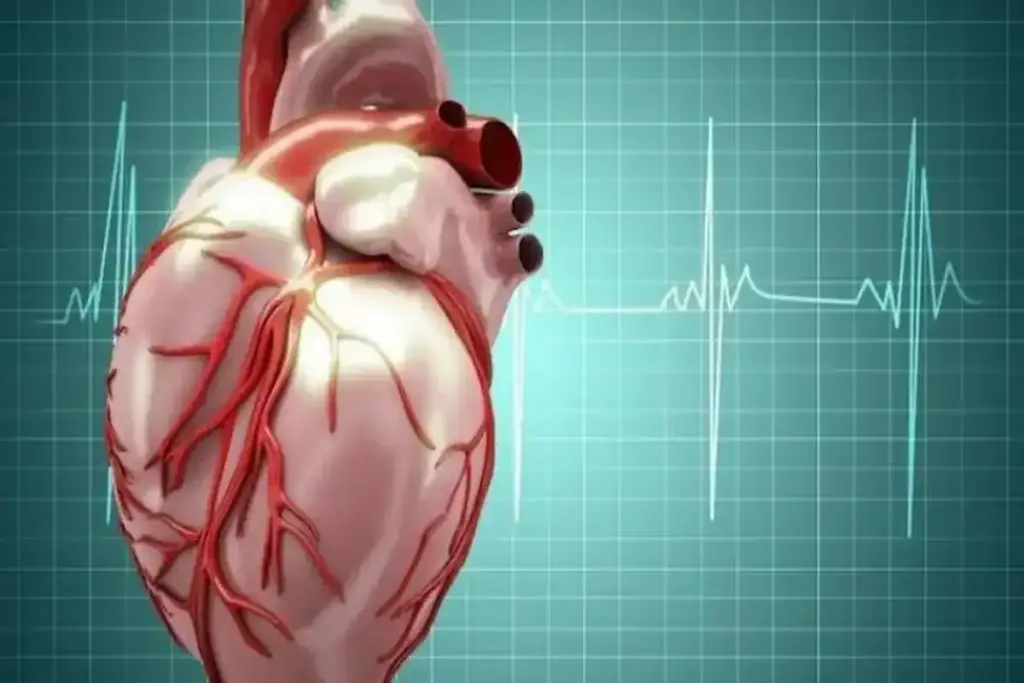
An irregular heartbeat, or arrhythmia, affects millions of people worldwide. It often causes concern about its duration and health implications.
It’s important to know when an irregular heartbeat is a health concern. Different arrhythmias can affect health in various ways. They can range from mild to severe.
Knowing the signs and when to seek medical help can greatly improve outcomes. It’s key for those affected.
Key Takeaways
- Arrhythmia is a condition characterized by an irregular heartbeat.
- Understanding the different types of arrhythmias is essential for proper diagnosis.
- The duration of an arrhythmia can significantly impact health outcomes.
- Recognizing the signs of arrhythmia can prompt timely medical intervention.
- Seeking medical attention for persistent irregular heartbeats is critical.
What Is An Arrhythmia? Understanding Irregular Heartbeats
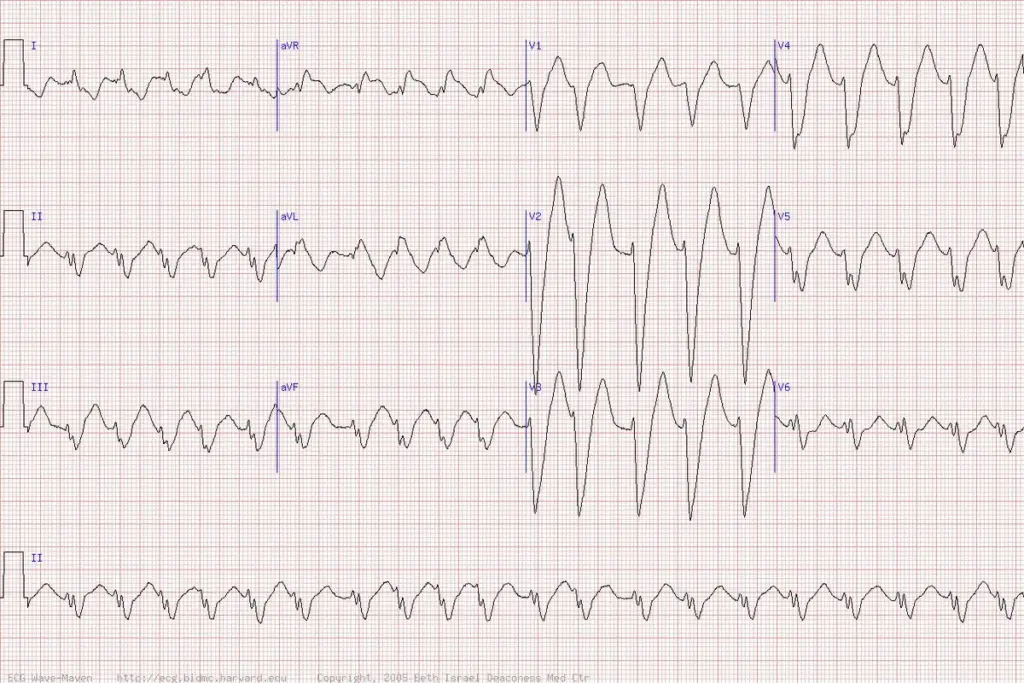
The heart’s rhythm is controlled by an electrical system. When this system goes wrong, arrhythmias happen. To understand arrhythmias, we first need to know how the heart’s electrical system works normally.
The Normal Electrical System of the Heart
The heart’s electrical system is complex. It starts with the sinoatrial (SA) node, the heart’s natural pacemaker. It sends out electrical impulses.
These impulses go through the atria, making them contract. Then, they reach the atrioventricular (AV) node. This node delays the signal before it gets to the ventricles. This delay helps the heart contract in sync.
How Arrhythmias Disrupt Normal Heart Function
Arrhythmias mess up this system, leading to irregular heartbeats. They can happen for many reasons, like abnormal electrical pathways or structural heart issues. Arrhythmias can make the heart beat too fast, too slow, or irregularly.
A leading cardiologist says,
“Arrhythmias are a big worry because they can cause serious problems if not treated. Knowing what causes them and how they affect the heart is key to managing them.”
Here’s a table showing different arrhythmias and their effects on the heart:
|
Type of Arrhythmia |
Description |
Typical Symptoms |
|---|---|---|
|
Tachycardia |
Fast heart rate |
Palpitations, dizziness |
|
Bradycardia |
Slow heart rate |
Dizziness, fatigue |
|
Premature Beats |
Early electrical impulses |
Skipped beats, palpitations |
Knowing about these arrhythmias is key to diagnosing and treating heart rhythm problems.
Types of Arrhythmias and Their Expected Durations

Arrhythmias, or irregular heartbeats, have different types. Each type has its own traits and how long it lasts. Knowing these details helps in treating arrhythmias well.
Tachycardias (Fast Heart Rhythms)
Tachycardias make your heart beat too fast. They can last more than 30 seconds or go away within 30 seconds. The long-lasting ones can cause serious problems if not treated right away.
Bradycardias (Slow Heart Rhythms)
Bradycardias make your heart beat too slow. They can be ongoing or happen now and then. How often and how long bradycardias last can vary a lot.
Premature Beats and Their Typical Patterns
Premature beats are common and can happen in healthy people. They can be alone or in patterns like bigeminy or trigeminy. Knowing the patterns helps doctors understand their impact.
Knowing the type and how long an arrhythmia lasts helps doctors give better treatment. This can lead to better health and fewer risks.
Atrial Fibrillation: Duration Patterns and Concerns
It’s important to know how long atrial fibrillation lasts to manage it well. Atrial fibrillation, or AFib, is a common heart rhythm problem. The length of AFib episodes can differ a lot between people. It’s key to sort these episodes to find the right treatment.
Paroxysmal AFib: Episodes Less Than 7 Days
Paroxysmal AFib means episodes that last under 7 days. These can stop by themselves and might not need doctor help. But, watching how often and long these happen is important to stop them from getting worse.
Persistent AFib: Beyond 7 Days
Persistent AFib has episodes over 7 days or needs doctor help to stop. This type can cause bigger heart rhythm problems. It might need stronger treatments, like the Convergent Plus method, for managing it.
Long-Standing Persistent and Permanent AFib
Long-standing persistent AFib lasts over a year. Permanent AFib is when both the patient and doctor decide it’s permanent. Managing these needs a full plan, including lifestyle changes and medicine.
Knowing how long AFib lasts is key for treatment choices. Knowing if it’s paroxysmal, persistent, or long-standing helps doctors plan better for each person.
Key Considerations for AFib Duration Patterns:
- Watching how often and long episodes last
- Seeing the risk of it getting worse
- Choosing treatments based on the type of AFib
- Thinking about new treatments like Convergent Plus for persistent AFib
Ventricular Arrhythmias: When Every Second Counts
Every second matters with ventricular arrhythmias. You need to get medical help right away. These heart problems start in the ventricles and can be deadly. They mess up the heart’s rhythm, leading to serious issues if not treated fast.
Ventricular Tachycardia: Sustainable vs. Non-Sustainable
Ventricular tachycardia (VT) is a fast heart rate over 100 beats per minute. It can be sustainable or non-sustainable, lasting more than 30 seconds or stopping sooner. The bad kind, sustainable VT, can turn into ventricular fibrillation.
Ventricular Fibrillation: A True Emergency
Ventricular fibrillation (VF) is when the heart’s ventricles don’t beat right. It’s a big emergency needing quick defibrillation to fix the heart rhythm. VF can lead to cardiac arrest and is deadly if not treated fast.
PVCs: When Frequency Becomes Concerning
Premature ventricular contractions (PVCs) are early heart beats from the ventricles. They’re usually not a big deal but can be if they happen a lot. Frequent PVCs might mean a higher risk of serious heart problems.
It’s key to know about ventricular arrhythmias and their dangers. Spotting symptoms early and getting help fast can save lives.
Supraventricular Tachycardias: Typical Episode Timeframes
Supraventricular tachycardias (SVTs) are heart rhythm problems. They start above the ventricles and cause a fast heart rate. Knowing their types and how long they last is key.
AVNRT and AVRT Episodes
AVNRT and AVRT are common SVTs. AVNRT episodes can last from seconds to hours or even days. AVRT episodes can start and stop quickly.
AVNRT starts suddenly, with a heart rate of 150-250 beats per minute. How long an AVNRT episode lasts depends on the heart’s health and any other conditions.
Atrial Flutter Duration Patterns
Atrial flutter is another SVT, with a regular rhythm. Its episodes can last hours, days, or even weeks without treatment.
The length of atrial flutter episodes depends on heart disease, heart failure, and treatment success.
When to Worry About SVT Duration
Most SVT episodes go away on their own. But, long episodes need medical attention. Look for signs like chest pain, shortness of breath, or dizziness.
Prolonged SVT episodes can cause serious problems like heart failure or cardiac ischemia. Knowing when to get help is vital for managing SVTs.
Heart Block: Duration Considerations for Conduction Delays
Knowing how long heart block lasts is key to treating it. Heart block messes with the heart’s electrical signals. This can cause irregular heartbeats or arrhythmias.
There are three types of heart block, each with its own effects on the heart. The length of each type affects treatment choices.
First-Degree Block: Permanent but Usually Benign
First-degree heart block slows down electrical signals from the atria to the ventricles. It’s usually not serious and might not need treatment. But, it’s permanent, so regular checks are needed to watch for worsening.
Second-Degree Blocks: Intermittent vs. Consistent
Second-degree heart block has two types: Mobitz I (Wenckebach) and Mobitz II. Mobitz I delays signals until a beat is missed. Mobitz II suddenly stops signals without warning. The length and pattern of second-degree heart block vary, affecting treatment.
- Mobitz I: Often considered less severe, it may not always require intervention.
- Mobitz II: More likely to progress to a higher degree of block, potentially requiring a pacemaker.
Third-Degree Block: A Persistent Concern
Third-degree heart block, or complete heart block, stops all electrical signals between the atria and ventricles. It’s very serious and often needs a pacemaker. Third-degree heart block is always serious and needs constant care to avoid problems.
In summary, knowing the details of heart block is important for treatment. Regular check-ups are key for heart health in people with heart block.
Arrhythmia Duration Thresholds: When Is It “Too Long”?
Knowing when an arrhythmia is too long is key for good care. Arrhythmias, or irregular heartbeats, can last differently. Finding out when they become a problem is vital for doctors.
Medical Guidelines on Duration Thresholds
Medical guidelines set rules for when an arrhythmia is too long. These rules are based on lots of research and doctor experience. They consider the arrhythmia type, patient symptoms, and health.
For example, some arrhythmias over 48 hours need quick medical help. This is because they can lead to serious issues like stroke or heart failure.
Duration Thresholds Based on Arrhythmia Type
Each arrhythmia has its own time limits. For instance, atrial fibrillation (AFib) under 7 days is called paroxysmal AFib. But, AFib lasting more than 7 days is seen as persistent AFib.
Knowing these differences helps doctors choose the right treatment. Ventricular arrhythmias, even short ones, are very serious. They need quick medical help.
Individual Risk Factors That Lower Duration Thresholds
Some people face higher risks from arrhythmias. Those with heart disease, severe symptoms, or other health issues need quicker care. For example, someone with a stroke history might need fast action for AFib, even if it’s short.
Also, if a patient has bad symptoms like chest pain or dizziness, they need help right away. It doesn’t matter how long the arrhythmia lasts.
In summary, figuring out when an arrhythmia is too long is complex. It involves the arrhythmia type, medical rules, and the patient’s risk factors. By looking at everything, doctors can make plans that help patients stay safe and healthy.
Recognizing Symptoms of Prolonged Cardiac Arrhythmias
It’s key to know the signs of prolonged cardiac arrhythmias to get help fast. These issues can really affect how well you live your life.
Immediate Physical Symptoms
Right away, you might feel your heart beating fast or irregularly. This is called palpitations. You might also feel dizzy or lightheaded because your heart isn’t pumping blood well.
Some people have trouble breathing or feel chest pain or discomfort. While these are often linked to other heart problems, they can also show up with arrhythmias.
Symptoms That Develop Over Time
As time goes on, arrhythmias can cause more symptoms. You might feel fatigued or just not feel right. This is because your heart has to work harder.
You could also see swelling in your legs or feet because your heart isn’t pumping right. Arrhythmias might also make it hard to focus or remember things. This could be because your heart isn’t working as well as it should, or because you’re not sleeping well.
Spotting these signs, both right away and over time, is vital. It helps you get the medical help you need for arrhythmias.
Measuring and Monitoring Arrhythmia Duration
It’s key to measure and monitor arrhythmia duration well for good treatment. Many tools and methods help track arrhythmia time. Each has its own good points and downsides.
In-Office ECG Limitations
ECGs taken in a doctor’s office show the heart’s electrical activity at one time. They’re helpful but can miss arrhythmias that happen rarely or outside the office. ECGs work best when arrhythmias happen often or stay the same, helping doctors make quick decisions.
Holter and Event Monitors
Holter and event monitors can watch the heart for hours or days. Holter monitors keep recording heart activity all the time. Event monitors only record when the patient presses a button, usually during symptoms. These tools are great for catching arrhythmias that don’t happen often.
Implantable Loop Recorders for Long-Term Tracking
For people with rare or hard-to-find arrhythmias, implantable loop recorders (ILRs) offer long-term tracking. These small devices are put under the skin and can record heart activity for years. ILRs are best for finding arrhythmias that don’t happen often.
Smartwatches and Consumer Heart Monitors
Wearable tech like smartwatches and heart monitors are new for tracking heart rhythm. They’re not as exact as medical tools but can spot irregular heartbeats and warn users. They’re good for ongoing, long-term tracking and give doctors useful info.
Using these different tools, doctors can really understand how long arrhythmias last. This helps them manage and treat patients better.
Health Consequences of Sustained Arrhythmias
It’s important to know how sustained arrhythmias affect health. These irregular heart rhythms can harm both the heart and overall well-being.
Immediate Hemodynamic Effects
Sustained arrhythmias can cause immediate problems. The heart’s rhythm is off, leading to less blood being pumped. This can make blood pressure drop and vital organs not get enough blood. The heart’s efficiency is compromised, causing symptoms like dizziness, shortness of breath, and fatigue.
Tachycardias make the heart beat too fast, not letting it fill up enough between beats. This reduces blood flow. On the other hand, bradycardias mean the heart rate is too slow, not responding well to stress or physical demands.
Cardiac Remodeling with Persistent Arrhythmias
Prolonged arrhythmias can change the heart’s structure and function. This is called cardiac remodeling. The heart chambers can grow, and the heart’s electrical system can change, affecting its pumping ability.
Atrial fibrillation, a common arrhythmia, can make the atria bigger and change their electrical system. This makes it harder to get back to a normal heart rhythm. Ventricular arrhythmias can also change the ventricles, leading to worse heart function.
Systemic Effects of Chronic Arrhythmias
Chronic arrhythmias affect more than just the heart. They increase the risk of thromboembolic events, like stroke, because of blood stasis in the atria. This can cause clots to form.
Also, the heart pumps less blood with arrhythmias, making it harder to exercise and stay physically fit. The mental health impact is significant too. Chronic arrhythmias can cause anxiety, depression, and lower quality of life.
Medical Treatments for Persistent Arrhythmias
For those with persistent arrhythmias, medical treatments can help improve heart health. Managing these conditions involves a detailed plan. This plan considers the arrhythmia type, its length, and the patient’s overall health.
Antiarrhythmic Medications
Antiarrhythmic medications are key in managing persistent arrhythmias. They adjust the heart’s electrical activity to achieve a normal rhythm. There are different types of these medications, each with its own action and side effects.
Common Classes of Antiarrhythmic Medications:
- Class I: Sodium channel blockers
- Class II: Beta-blockers
- Class III: Potassium channel blockers
- Class IV: Calcium channel blockers
|
Medication Class |
Examples |
Primary Use |
|---|---|---|
|
Class I |
Flecainide, Propafenone |
Suppressing atrial and ventricular arrhythmias |
|
Class II |
Metoprolol, Propranolol |
Controlling heart rate in various arrhythmias |
|
Class III |
Amiodarone, Sotalol |
Treating atrial and ventricular arrhythmias |
|
Class IV |
Diltiazem, Verapamil |
Rate control in atrial fibrillation and flutter |
Rate Control vs. Rhythm Control Strategies
Managing persistent arrhythmias often means choosing between rate control and rhythm control. Rate control aims to manage the heart rate to ease symptoms. Rhythm control seeks to restore and keep a normal heart rhythm.
The right choice depends on symptoms, arrhythmia type, and heart health.
Anticoagulation for Prolonged Atrial Arrhythmias
For those with prolonged atrial arrhythmias, like atrial fibrillation, anticoagulation is key. It prevents blood clots that could cause stroke. Anticoagulants stop blood clot formation.
Common Anticoagulants:
- Warfarin
- Dabigatran
- Rivaroxaban
- Apixaban
Managing persistent arrhythmias needs a personalized approach. It looks at the individual’s condition and arrhythmia specifics. Understanding medical treatments helps patients and doctors create a detailed plan.
Interventional Procedures for Chronic Rhythm Disorders
Interventional procedures have changed how we treat chronic rhythm disorders. They offer hope to those who haven’t found relief with other treatments. These methods aim to manage or fix irregular heart rhythms.
Catheter Ablation Success Rates by Arrhythmia Type
Catheter ablation is a new way to treat arrhythmias. It uses a catheter to destroy the bad electrical pathway in the heart. This helps fix the irregular heartbeat.
Success Rates of Catheter Ablation:
|
Arrhythmia Type |
Success Rate |
|---|---|
|
AVNRT |
90-95% |
|
AVRT |
85-90% |
|
Atrial Flutter |
80-85% |
|
Atrial Fibrillation |
60-70% |
Pacemaker Indications Based on Arrhythmia Duration
A pacemaker is a small device that helps control the heartbeat. It’s for arrhythmias that make the heart beat too slow.
Pacemakers are for patients with persistent bradycardia or certain heart block types. The decision to get a pacemaker depends on the arrhythmia’s duration and severity, and the patient’s symptoms.
ICDs: When Long-Term Protection Is Needed
Implantable Cardioverter-Defibrillators (ICDs) are for patients at high risk of dangerous arrhythmias. ICDs can shock the heart back to normal.
ICDs are for those who’ve had a life-threatening arrhythmia or are at high risk for it.
Left Atrial Appendage Closure for Long-Standing AFib
Left Atrial Appendage Closure (LAAC) reduces stroke risk in atrial fibrillation patients. It closes off the left atrial appendage, where blood clots often form.
LAAC is for patients with long-standing atrial fibrillation at high stroke risk and can’t take anticoagulants.
Procedures like catheter ablation, pacemaker implantation, ICDs, and LAAC are key for treating chronic rhythm disorders. They improve patients’ lives and lower the risk of serious complications.
Lifestyle Strategies to Manage Recurring Arrhythmias
Changing your lifestyle can help manage recurring arrhythmias. Making smart choices about what you eat, how you exercise, and how you handle stress can make a big difference. This can help lessen how often and how bad arrhythmia episodes are.
Dietary Modifications
What you eat is key to keeping your heart healthy and managing arrhythmias. Some foods and drinks can make arrhythmias worse, while others can help protect you.
- Try to cut down on or avoid caffeine and alcohol, as they can cause arrhythmias in some people.
- Eat less high-sodium foods to help keep your blood pressure in check.
- Add foods high in omega-3 fatty acids, like salmon and flaxseeds, to your diet.
- Make sure to eat a balanced diet with lots of fruits, vegetables, and whole grains.
Eating like you do in the Mediterranean can lower arrhythmia risk. This diet is full of fruits, veggies, and healthy fats.
“A diet rich in fruits, vegetables, and whole grains can help support heart health and reduce the risk of arrhythmias.”
|
Dietary Component |
Benefit for Arrhythmia Management |
|---|---|
|
Omega-3 Fatty Acids |
May reduce inflammation and stabilize heart rhythm. |
|
Potassium-Rich Foods |
Helps maintain healthy heart function. |
|
Magnesium |
Supports heart rhythm and overall cardiovascular health. |
Exercise Recommendations by Arrhythmia Type
Staying active is important for your heart, but the right kind of exercise depends on your arrhythmia.
If you have atrial fibrillation, walking or cycling regularly can help your heart. But, stay away from very intense activities that might trigger episodes.
For those with SVT, yoga or tai chi can be good. These activities help you relax and might lower how often episodes happen.
Stress Management Techniques
Stress can trigger arrhythmias, so managing it is key. There are many ways to do this.
- Try deep breathing, meditation, or progressive muscle relaxation to relax.
- Do things that calm you down, like reading, listening to music, or being in nature.
- Consider talking to a therapist or counselor to handle stress and anxiety better.
By using these lifestyle changes, people with recurring arrhythmias can lessen how often and how severe episodes are. This can greatly improve their quality of life.
When to Call 911: Emergency Indicators for Arrhythmias
Arrhythmias can be unpredictable. It’s important to know when to call 911. Some arrhythmias need immediate medical help. Knowing the emergency signs is key for quick action.
Duration-Based Emergency Guidelines
The length of an arrhythmia episode is very important. If it lasts more than 48 hours, it’s a big worry. But, this time can change based on the arrhythmia type and your health.
Key duration-based guidelines include:
- If you experience symptoms of arrhythmia that last more than 30 minutes to 1 hour.
- If you have a history of heart conditions and experience arrhythmia symptoms.
- If you’re unsure about the duration or severity of your symptoms.
Symptom Severity Indicators
The severity of symptoms is a big sign of whether you need emergency care. Severe symptoms include chest pain, shortness of breath, dizziness, or fainting.
Watch out for these symptom severity indicators:
- Chest pain or discomfort that radiates to your arm, back, or jaw.
- Severe shortness of breath or difficulty breathing.
- Dizziness or lightheadedness that doesn’t improve.
- Fainting or near-fainting spells.
High-Risk Patient Considerations
Some people are at higher risk during arrhythmia episodes. This includes those with heart disease, previous heart attacks, or pacemakers and ICDs.
If you’re in a high-risk category, be aware of:
- Any change in your usual arrhythmia symptoms.
- New or worsening symptoms.
- Symptoms that occur at rest or during normal activity.
Knowing these emergency signs can help you or your loved ones act fast during an arrhythmia episode. Always choose caution and get medical help if unsure about your symptoms.
Living with Long-Term Arrhythmias: Management Strategies
Living with long-term arrhythmias can be tough, but the right strategies can help. A mix of medical care, lifestyle changes, and regular checks are key. This approach helps people stay active and healthy.
Creating an Arrhythmia Action Plan
An arrhythmia action plan is a personal guide for managing arrhythmia episodes. It tells you when to get medical help. To make a good plan:
- Keep track of symptoms and how bad they are
- Find out what triggers arrhythmia episodes
- Write down your medications and how much to take
- Have emergency contact numbers ready
This plan can lower anxiety and speed up help during episodes.
Regular Monitoring Protocols
Monitoring your heart regularly is key for managing arrhythmias. This includes:
- Wearing a Holter monitor or event recorder
- Keeping a journal of symptoms
- Seeing your doctor regularly
Regular monitoring catches changes early. This lets you adjust your treatment plan quickly.
Quality of Life Considerations
Living with arrhythmias means making lifestyle changes. This helps keep your quality of life good. Changes include:
- Eating to avoid triggers
- Exercising safely based on your health
- Using stress-reducing activities like meditation
These changes can lessen the daily impact of arrhythmias.
Support Resources for Chronic Arrhythmia Patients
Support is essential for those with long-term arrhythmias. It includes:
- Support groups for sharing and advice
- Learning materials about managing arrhythmias
- Counseling for dealing with emotional challenges
Using these resources can boost your emotional and practical support. It improves your overall well-being.
Conclusion: Finding Your Path to Heart Rhythm Health
Managing arrhythmias well means understanding the condition, knowing its symptoms, and using the right treatments. Knowing the different types of arrhythmias and how to manage them helps a lot. This way, people can work towards better heart rhythm health.
Managing arrhythmias is not just about medicine. It also involves changing your lifestyle. Making a plan for arrhythmia, monitoring regularly, and adjusting your diet and exercise can really help. These steps can improve your life quality a lot.
It’s important to know when to go to the emergency room and what symptoms need immediate help. Being proactive and informed can reduce risks from long-lasting arrhythmias. This helps keep your heart healthy.
In the end, finding your way to heart rhythm health is about making smart choices and taking a whole-body approach to managing arrhythmias. By doing this, people can live active, healthy lives. This reduces the negative effects of arrhythmias on their overall health.
FAQ
What is an arrhythmia?
An arrhythmia is when your heart beats too fast, too slow, or irregularly. It happens when the heart’s electrical system gets disrupted.
What are the different types of arrhythmias?
Arrhythmias include fast heart rhythms (tachycardias), slow heart rhythms (bradycardias), and irregular beats. There’s also atrial fibrillation, ventricular tachycardia, and ventricular fibrillation.
How long is too long for an arrhythmia to last?
The time limit for an arrhythmia varies. For example, atrial fibrillation lasting over 48 hours can raise stroke risk.
What are the symptoms of a prolonged cardiac arrhythmia?
Symptoms include palpitations, shortness of breath, and chest pain. Dizziness and fatigue are also common. Some arrhythmias don’t show symptoms but are serious.
How are arrhythmias diagnosed?
Doctors use electrocardiograms (ECGs), Holter monitors, and event monitors to diagnose arrhythmias. Implantable loop recorders are also used.
What are the treatment options for persistent arrhythmias?
Treatments include medications and procedures like catheter ablation. Pacemakers and implantable cardioverter-defibrillators (ICDs) are also used.
Can lifestyle changes help manage recurring arrhythmias?
Yes, making dietary changes and exercising can help. Stress management is also important.
When should I call 911 for an arrhythmia?
Call 911 for severe symptoms like chest pain or dizziness. If your symptoms change suddenly, call 911.
How can I manage living with a long-term arrhythmia?
Create an action plan and monitor your condition regularly. Consider your quality of life too.
What is atrial fibrillation, and how is it treated?
Atrial fibrillation is an irregular heart rhythm. Treatment includes medications and procedures like catheter ablation.
What is ventricular tachycardia, and why is it a concern?
Ventricular tachycardia is dangerous and can lead to cardiac arrest. It needs quick treatment.
Can arrhythmias be cured?
Some arrhythmias can be cured with treatments like catheter ablation. Others need ongoing management.
References
National Center for Biotechnology Information. Evidence-Based Medical Insight. Retrieved from https://pmc.ncbi.nlm.nih.gov/articles/PMC12580842/