Understanding the Link Between Arthritis and Eye Health
We know that arthritis can really affect your eyes, especially with rheumatoid arthritis. Studies show that about one in five RA patients face serious eye complications. These can harm their vision if not treated. Discover the best care for Arthritis and Eye Health. This guide explains symptoms and management options for eye inflammation.
Rheumatoid arthritis can lead to eye inflammation. It can cause dry eye syndrome, scleritis, and uveitis. It’s important to know how arthritis impacts the eyes and spot early signs to manage Arthritis and Eye Health effectively.
Key Takeaways
- Rheumatoid arthritis can cause serious eye complications.
- Approximately one in five RA patients face eye problems.
- Conditions like dry eye syndrome, scleritis, and uveitis are associated with RA.
- Early recognition of symptoms is key for Arthritis and Eye Health management.
- Understanding the link between arthritis and vision is vital for managing Arthritis and Eye Health.
The Connection Between Arthritis and Eye Health
The link between Arthritis and Eye Health is complex and far-reaching. Arthritis, known for joint inflammation, can also harm eye health. This can lead to several eye problems.
How Autoimmune Responses Affect Eye Tissues
Autoimmune responses are a major cause of eye issues in arthritis patients. When the immune system attacks itself, it can lead to eye inflammation, damaging tear-producing glands and causing dry eye syndrome.
Autoimmune diseases like RA can harm tear glands, resulting in long-term dryness and discomfort. These responses can also inflame other eye parts, including the sclera and uvea, causing scleritis and uveitis serious threats to Arthritis and Eye Health.
Prevalence of Eye Problems in Arthritis Patients
Eye issues are more common in arthritis patients than in others. Studies show that those with rheumatoid arthritis, psoriatic arthritis, and ankylosing spondylitis face a higher risk. This highlights the need for regular eye care and monitoring for effective Arthritis and Eye Health management.
Types of Arthritis That Affect the Eyes
Arthritis comes in many forms, some of which can harm your eyes. Knowing about these types is key to keeping your vision safe.
Rheumatoid Arthritis and Eye Complications
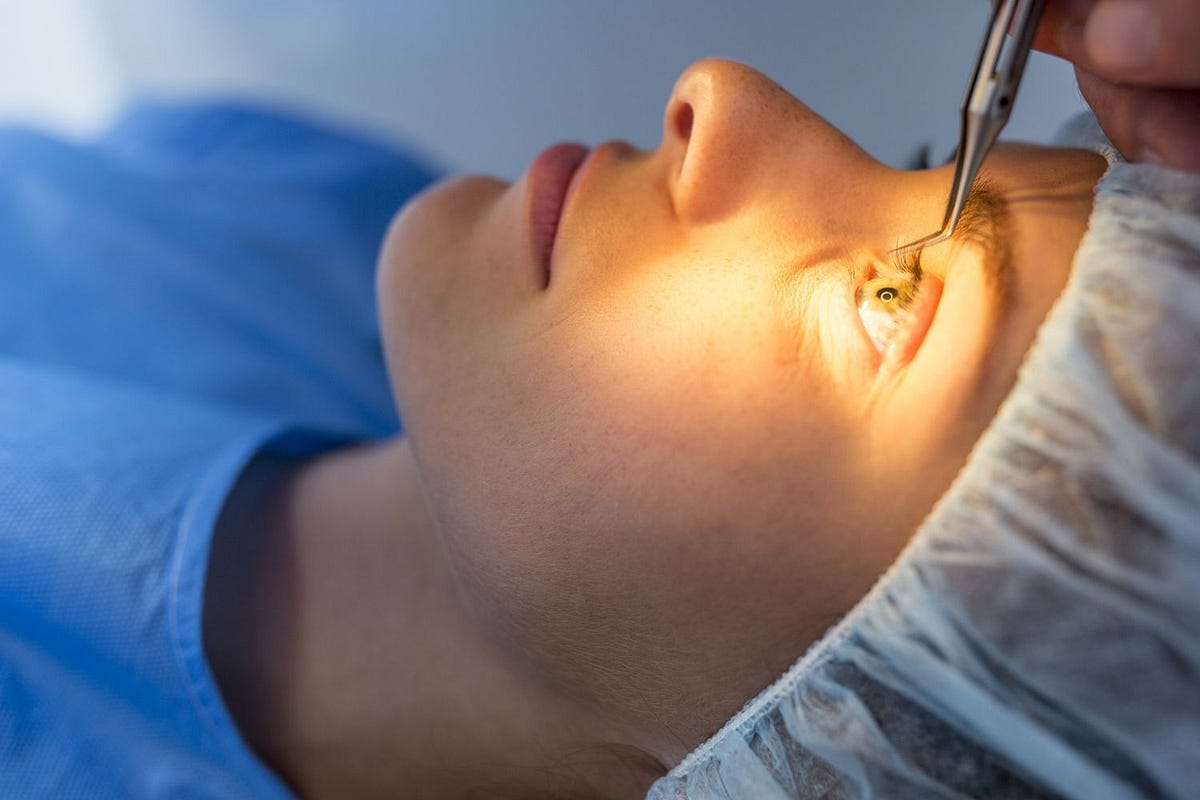
RA mainly hits joints but can affect the eyes. Dry eye syndrome is common due to reduced tear production. Other problems include scleritis and episcleritis. Regular eye exams are crucial to manage Arthritis and Eye Health.
Psoriatic Arthritis and Vision Issues
Psoriatic arthritis (PsA) can also harm the eyes, often through uveitis. Uveitis is an inflammation of the eye’s middle layer. If not treated quickly, it can cause vision loss.
People with PsA should watch for eye pain, light sensitivity, and blurry vision. These signs could mean uveitis or other eye problems. Catching these early and treating them is key to avoiding lasting damage.
Ankylosing Spondylitis and Eye Inflammation
Ankylosing spondylitis (AS) mainly affects the spine but can lead to uveitis. Monitoring vision is vital to manage Arthritis and Eye Health effectively.
Managing AS means watching for eye problems too. Patients should be on the lookout for signs of eye inflammation. If they notice anything unusual, they should see a doctor right away.
Knowing which arthritis types can harm the eyes is vital for early treatment. By understanding the risks of rheumatoid arthritis, psoriatic arthritis, and ankylosing spondylitis, patients can protect their vision.
Common Eye Conditions Associated with Arthritis
Arthritis often goes hand in hand with eye problems. These eye issues can affect vision and daily life.
Dry Eye Syndrome
Dry eye syndrome affects up to 90% of RA patients. Symptoms include dryness, blurred vision, and discomfort. Treatments for Arthritis and Eye Health include tear substitutes, punctal plugs, and Restasis.
This condition can make eyes feel dry, blurry, and more prone to infections. Doctors usually treat it with eye drops. In severe cases, they might use plugs or other methods to help tear drainage.
Scleritis and Episcleritis
Scleritis and episcleritis are eye problems that cause pain and redness. Scleritis affects the white part of the eye, while episcleritis is on top of it.
Scleritis is more serious and can cause vision loss if not treated. Episcleritis is uncomfortable but usually doesn’t lead to serious problems. Both are treated with anti-inflammatory medicines.
Uveitis
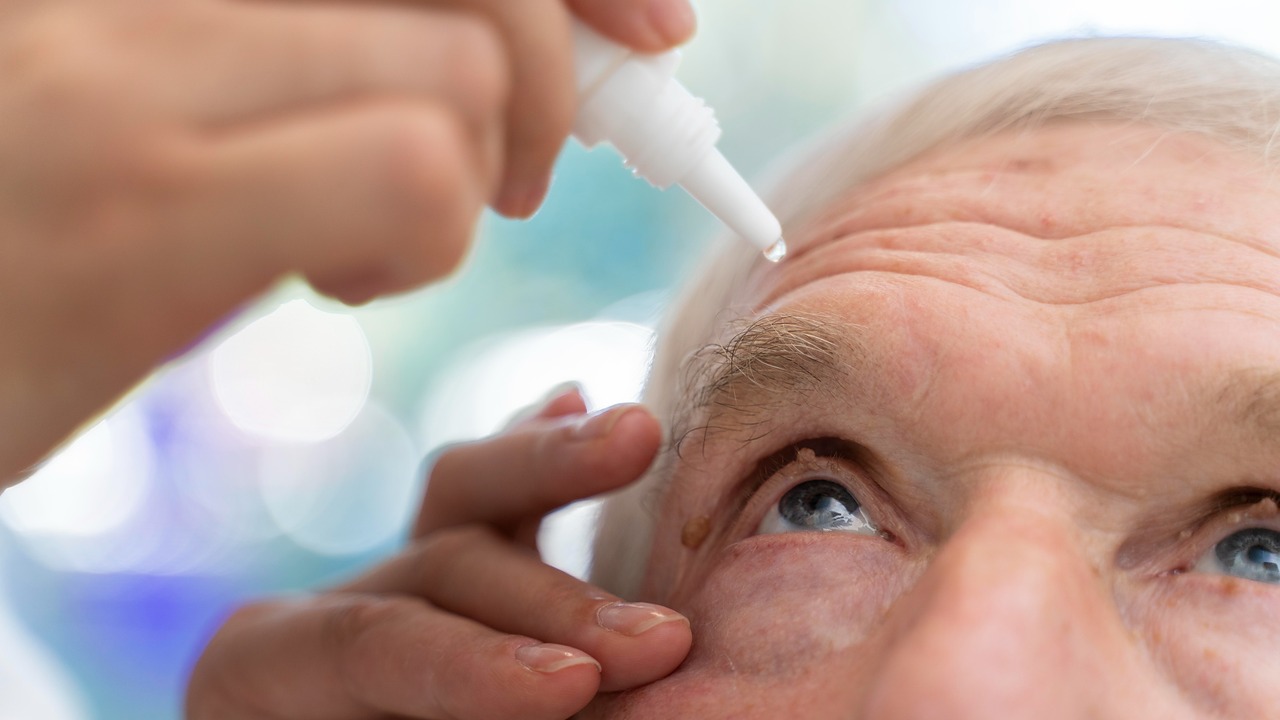
Uveitis is inflammation in the middle layer of the eye. It can cause pain, light sensitivity, and vision issues. Managing uveitis is vital for Arthritis and Eye Health.
Treatment for uveitis varies based on the cause and how severe it is. It might include eye drops or medicines that calm the immune system.
Retinal Vasculitis
Retinal vasculitis is inflammation in the retina’s blood vessels. It’s linked to arthritis and other autoimmune diseases. Symptoms include vision loss and seeing floaters.
To diagnose retinal vasculitis, doctors use tests like fluorescein angiography. Treatment aims to address the cause, often with medicines that suppress the immune system.
Condition | Symptoms | Treatment |
Dry Eye Syndrome | Dryness, blurred vision, discomfort | Lubricating eye drops, punctal plugs |
Scleritis | Eye pain, redness, sensitivity to light | Anti-inflammatory medications |
Episcleritis | Eye redness, discomfort | Anti-inflammatory medications |
Uveitis | Vision problems, eye pain, sensitivity to light | Corticosteroid eye drops, systemic medications |
Retinal Vasculitis | Vision loss, floaters | Immunosuppressive therapy |
Recognizing Symptoms of Arthritis-Related Eye Problems
Spotting the signs of arthritis eye issues is key to keeping your vision and eye health safe. Arthritis can harm your eyes in many ways. This leads to symptoms that can really affect your daily life.
Early Warning Signs
Early signs include gritty sensation, dryness, redness, blurred vision, or light sensitivity. Recognizing these helps timely Arthritis and Eye Health treatment.
When to Seek Immediate Medical Attention ?
Some symptoms can be treated without seeing a doctor right away. But, there are times when you need to go to the doctor fast. If you suddenly lose vision, feel severe eye pain, or get much more sensitive to light, get help quickly.
Also, if you see flashes of light, floaters, or your eyes get a lot redder, see an eye doctor. These signs can mean a serious problem that needs quick help.
Differentiating Between Common Eye Symptoms
Telling apart eye symptoms from arthritis ones can be hard. But, knowing the symptoms together is important. For example, dry eyes are common, but with joint pain and swelling, it might be arthritis-related.
Some symptoms, like eye fatigue or headaches from eye strain, can have many causes. Getting a full eye check is the best way to find out what’s causing your symptoms.
Diagnosis of Arthritis in Eye Conditions
Diagnosing arthritis-related eye conditions needs a team effort. Both eye doctors and rheumatologists must work together. A detailed check-up is key to finding the cause of symptoms and creating a treatment plan.
Comprehensive Eye Examinations
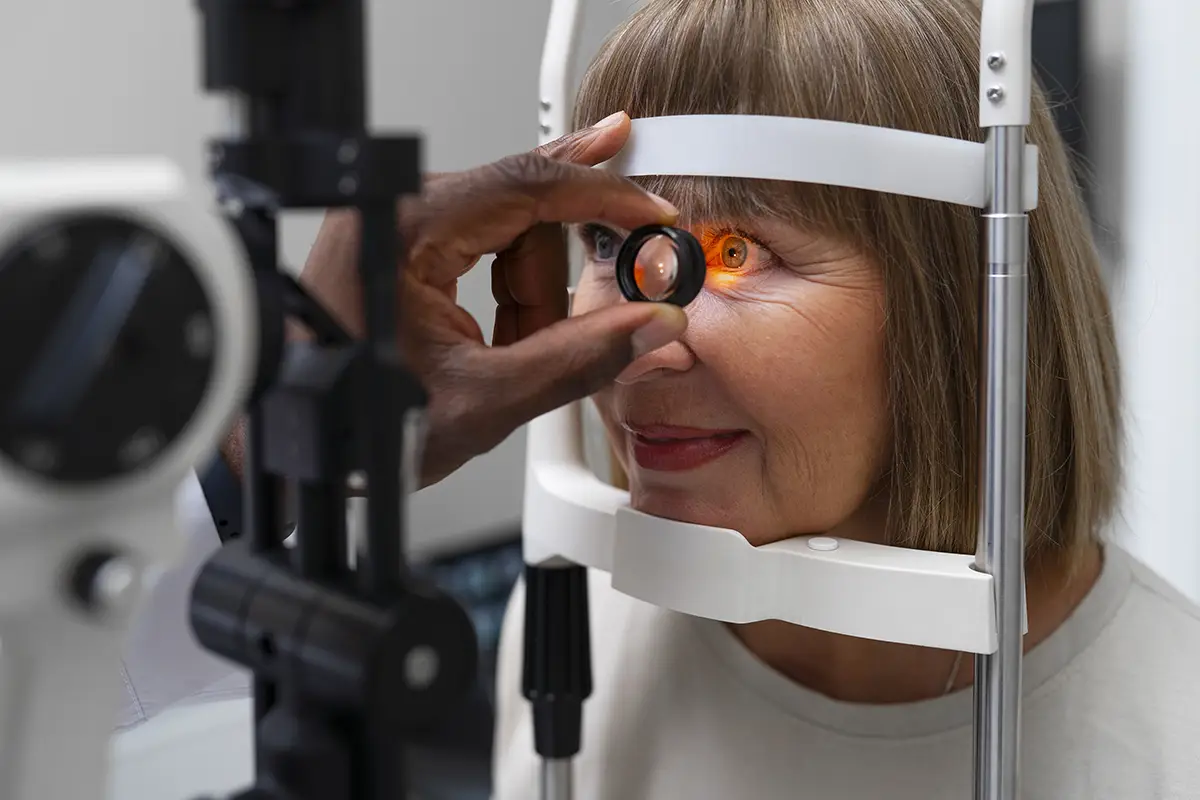
Thorough eye exams include medical history, slit-lamp inspections, and retinal checks. Ophthalmologists look for signs affecting Arthritis and Eye Health.
They might use a slit-lamp to look at the front of the eye. They also check the back of the eye for any problems.
Diagnostic Tests and Procedures
Tests like Schirmer’s test, OCT, and fluorescein angiography help confirm diagnosis and plan Arthritis and Eye Health strategies.
The Role of Rheumatologists in Eye Care
Rheumatologists are also important in treating arthritis-related eye problems. They work with eye doctors to make sure patients get the best care. This includes treating both the arthritis and the eye condition.
Working together helps doctors give patients the best care. This teamwork leads to better outcomes and a better quality of life for patients.
Arthritis and Eye Health: Current Medical Approaches
Treating arthritis-related eye conditions has improved a lot. Now, patients have many effective options. It’s important to tackle both symptoms and causes.
Medications for Inflammation Control
Stopping inflammation is key in treating eye problems linked to arthritis. We use different medicines for this, including:
- Corticosteroids: These strong anti-inflammatory drugs can be applied, injected, or taken by mouth, based on the condition’s severity.
- Nonsteroidal Anti-Inflammatory Drugs (NSAIDs): NSAIDs help reduce inflammation and pain. They can be taken orally or applied directly to the eyes.
- Disease-Modifying Antirheumatic Drugs (DMARDs): DMARDs slow down rheumatic diseases, including eye-related ones.
Topical Treatments for Dry Eyes
Dry eye syndrome often happens with arthritis. We treat it with:
- Tear substitutes: Artificial tears moisturize the eyes, easing dryness and discomfort.
- Punctal plugs: These small plugs stop tears from draining, keeping them on the eye’s surface.
- Restasis: This drug boosts tear production and is for long-term dry eye.
Systemic Medications for Severe Conditions
For serious eye problems linked to arthritis, we often need systemic treatments. These include:
- Biologic agents: These target specific immune system parts to lessen inflammation and disease activity.
- Immunosuppressive drugs: These drugs weaken the immune system and are used for severe uveitis or scleritis.
Knowing the many treatment options helps patients and doctors manage eye problems from arthritis well.
Surgical Interventions for Arthritis-Related Eye Complications
Arthritis can cause eye problems that need surgery to stop them from getting worse. When arthritis hurts the eyes a lot, it can lead to serious issues. These might need surgery to fix vision, ease pain, or stop things from getting worse.
When Surgery Becomes Necessary
Surgery is needed when arthritis eye problems are very bad and other treatments don’t work. Problems like scleritis, uveitis, or retinal vasculitis might need surgery. This is if they cause a lot of vision loss or pain that won’t go away.
Indications for Surgery:
- Severe vision impairment
- Persistent pain not relieved by medication
- Significant inflammation or damage
Types of Procedures
There are many surgeries for arthritis eye problems. The right one depends on the problem and how bad it is.
Procedure | Description | Condition Treated |
Cataract Surgery | Removal of cataract and implantation of an intraocular lens | Cataracts secondary to uveitis or steroid use |
Vitrectomy | Removal of vitreous gel to relieve traction on the retina | Retinal vasculitis or uveitis with vitreous involvement |
Glaucoma Surgery | Various procedures to reduce intraocular pressure | Glaucoma secondary to uveitis |
Recovery and Outcomes
How well someone recovers and how they do after surgery can vary. It depends on the surgery and the person’s health. Usually, people see better or feel less pain after surgery.
Post-operative care is key for the best results. It often includes anti-inflammatory meds and visits to the eye doctor.
Knowing about surgery options can help people with arthritis eye problems make better choices. This can improve their life a lot.
Managing Daily Life with Arthritis-Related Eye Conditions
Living with arthritis-related eye conditions can be tough. But, making simple changes to your daily life can help a lot. This includes adjusting your lifestyle, changing your environment, and using special devices.
Lifestyle Adjustments for Eye Comfort
Eat omega-3 rich foods and antioxidants. Hydration and gentle exercises like yoga help manage arthritis and support Arthritis and Eye Health.
Environmental Modifications
Changing your environment can also help a lot. Adjusting the lighting in your home can make a big difference. Using curtains or blinds and dimmer switches can make your space more comfortable.
Also, try to avoid things that can irritate your eyes, like dust and smoke. Using air purifiers and staying away from smoke can help keep your environment healthy.
Assistive Devices and Technologies
There are many tools that can make life easier for people with arthritis-related eye conditions. Low vision aids like magnifying glasses and electronic magnifiers can improve your vision and independence.
Digital tools like e-readers and smartphones with special features are also very helpful. Features like text-to-speech and high contrast modes make it easier to read and stay connected.
By making these changes, you can manage your symptoms better and stay independent. It’s all about finding the right tools and making small adjustments to your daily life.
Preventive Measures and Long-Term Eye Care
To keep your eyes healthy, people with arthritis need to take action. This includes regular check-ups and eating right. We’ll look at how to prevent eye problems linked to arthritis.
Regular Monitoring and Screening
Eat omega-3 rich foods and antioxidants. Hydration and gentle exercises like yoga help manage arthritis and support Arthritis and Eye Health.
Key components of regular monitoring include:
- Visual acuity tests to assess the sharpness of vision
- Slit-lamp examinations to inspect the anterior segment of the eye
- Dilated fundus examinations to evaluate the retina and optic nerve
- Intraocular pressure measurements to screen for glaucoma
Nutritional Support for Eye Health
Eating well is important for your eyes. A balanced diet helps keep your eyes healthy. This is very important for people with arthritis eye problems.
Nutrient | Benefit for Eye Health | Food Sources |
Omega-3 fatty acids | Reduce inflammation | Salmon, walnuts, chia seeds |
Lutein and Zeaxanthin | Protect against blue light damage | Leafy greens, eggs, corn |
Vitamin C | Antioxidant properties | Citrus fruits, berries, bell peppers |
Coordinating Care Between Specialists
Managing arthritis eye problems needs teamwork. Rheumatologists, ophthalmologists, and primary care doctors must work together. This ensures you get the best care.
Benefits of coordinated care include:
- Improved communication among healthcare providers
- Enhanced treatment planning and implementation
- Better monitoring of disease progression and treatment response
By following these steps, people with arthritis can lower their risk of eye problems. They can keep their eyes healthy for a long time.
Conclusion
It’s key to understand how Arthritis and Eye Health are connected. This knowledge helps manage eye problems linked to arthritis. We’ve looked at different types of arthritis that can harm the eyes and common eye issues they cause.
Managing these eye problems needs a full plan. This includes regular check-ups, the right treatment, and making lifestyle changes. Working with doctors helps lower the chance of serious issues and keeps eyes healthy.
It’s vital to work with specialists to manage arthritis and its eye effects well. The right strategy helps people with arthritis keep their vision safe.
Being informed and active helps those with arthritis avoid eye problems. This way, they can keep their eyes healthy overall.
Frequently Asked Questions
Can arthritis affect my eyes?
Yes, certain types of arthritis can raise the risk of eye problems. This includes dry eye, scleritis, and uveitis.
What are the common eye conditions associated with arthritis?
Arthritis can lead to eye issues like dry eye, scleritis, and uveitis. These can cause pain, redness, and vision problems.
How is arthritis-related eye disease diagnosed?
A detailed eye exam and tests like OCT and fluorescein angiography are used. Rheumatologists also help in diagnosis and management.
What are the treatment options for arthritis-related eye conditions?
Treatment may include medications for inflammation and dry eye treatments. In severe cases, surgery might be needed.
Can I manage daily life with arthritis-related eye conditions?
Yes, making lifestyle changes and using assistive devices can help. Regular check-ups also prevent complications.
How can I prevent arthritis-related eye complications?
Preventive steps include regular check-ups and nutritional support. Working with your healthcare team is key to reducing risks.
What are the symptoms of arthritis-related eye problems?
Symptoms include eye pain, redness, vision issues, and light sensitivity. Seek medical help if you notice these signs.
Can rheumatoid arthritis affect my eyes?
Yes, rheumatoid arthritis can lead to eye issues like dry eye and scleritis. Regular eye care is important.
What is the role of rheumatologists in eye care?
Rheumatologists help diagnose and manage eye conditions related to arthritis. They work with ophthalmologists for complete care.
Are there any surgical interventions available for arthritis-related eye complications?
Yes, surgery may be needed for conditions like cataracts or glaucoma. Your healthcare team will decide the best treatment for you.