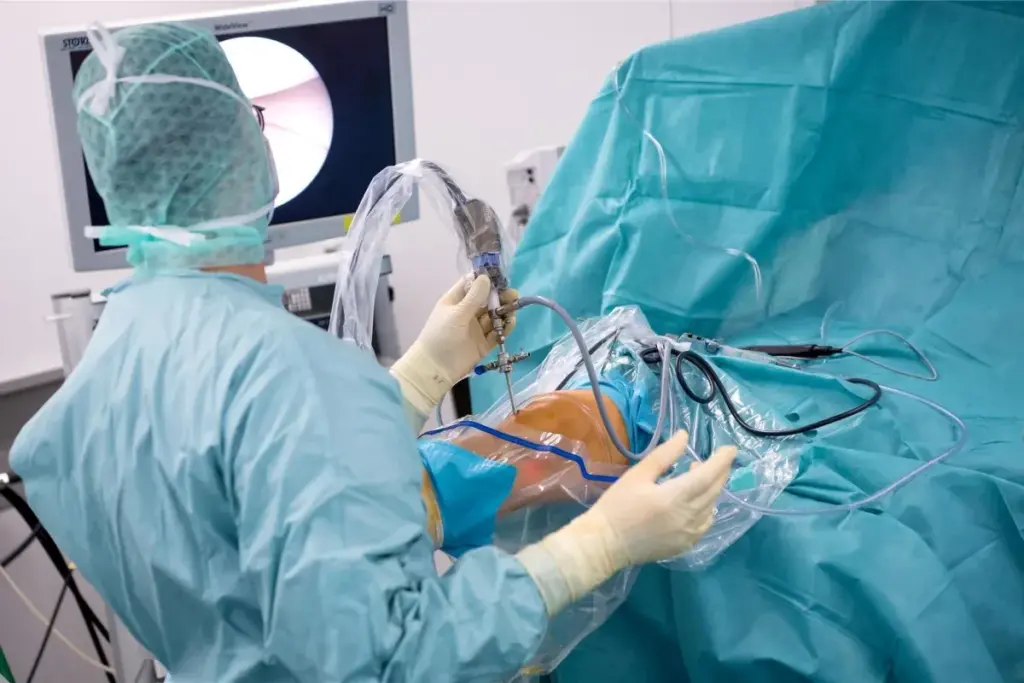
Nearly 1 million people in the United States undergo arthroscopic procedures every year. Many wonder about the recovery process, especially about stitches after the surgery.
Knowing how to recover from arthroscopic knee surgery is key for a smooth healing. Patients often ask about caring for their stitches and managing pain.
We will help you through the important steps and things to think about after arthroscopic knee surgery. This will help you have a successful recovery.
Key Takeaways
- Understanding the importance of post-operative care
- Managing stitches and wound care
- Recognizing signs of potential complications
- Effective pain management strategies
- Rehabilitation exercises for optimal recovery
Understanding Knee Arthroscopy: Procedure and Purpose
knee arthroscopy procedure
Knee arthroscopy is a new way to fix knee problems. It’s less invasive, which means patients heal faster and feel less pain.
What Is Arthroscopic Knee Surgery?
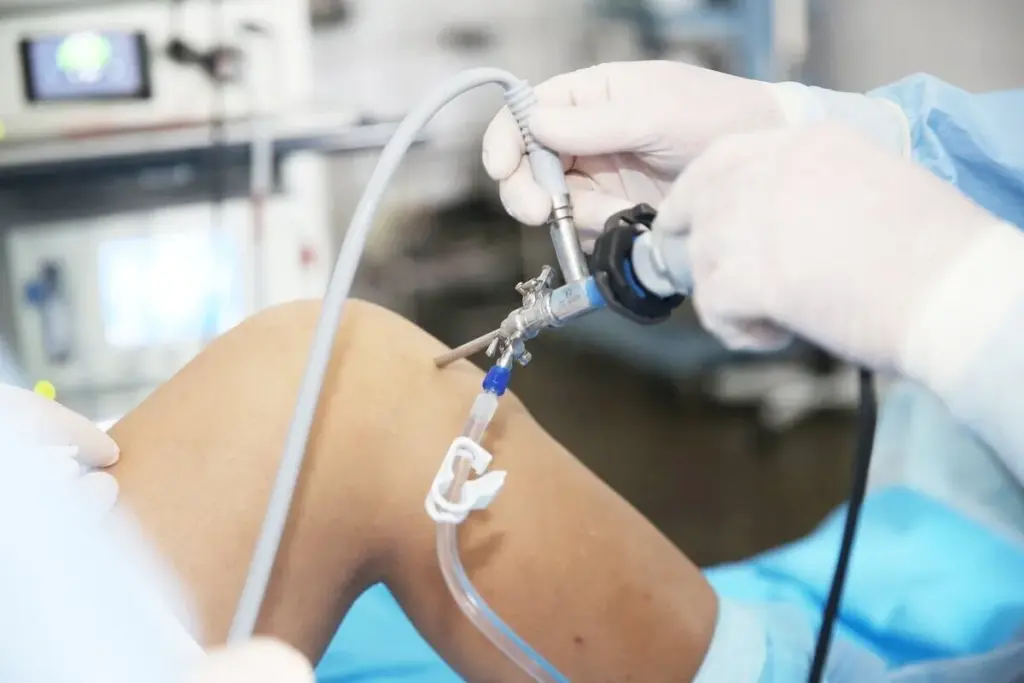
Arthroscopic knee surgery uses a small camera and tools through tiny cuts. Surgeons see the knee on a screen and fix problems or remove damaged tissue.
Common Conditions Treated with Knee Arthroscopy
This surgery helps with many issues like torn meniscus, ligament tears, and osteoarthritis. It also fixes loose bone or cartilage pieces. Patients often feel less pain and move better after surgery.
Benefits of Minimally Invasive Approach
The small cuts and camera help patients heal faster and feel less pain. “Arthroscopic surgery is better than open surgery for many reasons,” doctors say.
Knowing about knee arthroscopy helps patients understand their treatment better. It prepares them for what to expect.
How Long Does Arthroscopic Knee Surgery Take?
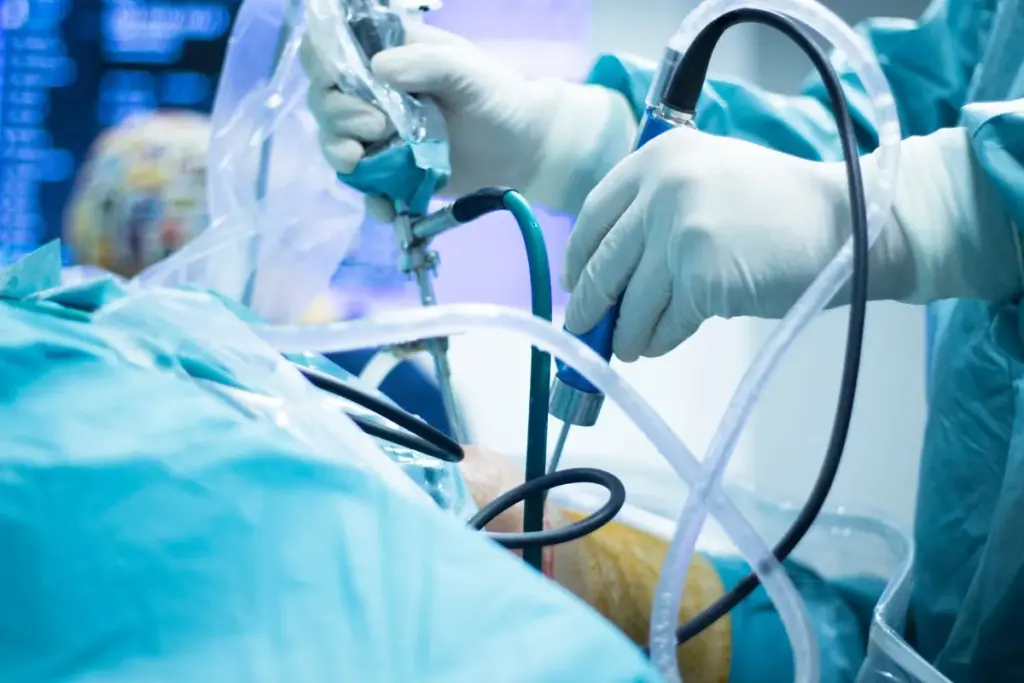
Knowing how long arthroscopic knee surgery takes is key for those about to undergo it. The time needed can change based on the surgery’s complexity and the patient’s health.
Average Duration of the Procedure
Arthroscopic knee surgery usually lasts between 30 minutes and 2 hours. This range comes from the different types of surgeries done.
A simple check-up might be quicker, while fixing meniscus or ligaments can take longer.
Factors That May Extend Surgery Time
Several things can make surgery longer. These include:
- The complexity of the condition being treated
- The need for additional procedures during the surgery
- The patient’s anatomy and any unforeseen complications
Doctors and their teams look at these factors before surgery to guess how long it will take.
Pre and Post-Operation Room Time
Time spent in pre-op and post-op areas is also important. Patients need to plan for this.
|
Activity |
Average Time |
|---|---|
|
Pre-operative preparation |
30 minutes to 1 hour |
|
Post-operative recovery |
1 to 2 hours |
While surgery itself might last 30 minutes to 2 hours, the whole visit can take 2 to 4 hours or more. This depends on the case.
“The key to a successful outcome is not just the surgery itself, but also the comprehensive care provided before and after the procedure.”
— Orthopedic Surgeon
Understanding these aspects helps patients prepare better. It makes the whole experience less scary.
Stitches and Incisions in Knee Arthroscopy
arthroscopic knee surgery stitches
After knee arthroscopy, many patients are curious about the stitches and incisions. Knowing about these can ease worries and help prepare for recovery.
Types of Stitches Used
The stitches used in knee arthroscopy depend on the surgeon’s choice and the procedure’s needs. Usually, surgeons pick between dissolvable stitches and non-dissolvable stitches that must be removed later.
Dissolvable stitches are made from materials the body can break down over time. This means they don’t need to be taken out. They’re often used for deeper tissues.
Number and Location of Incisions
Knee arthroscopy usually involves a few small cuts around the knee. The exact number and where these cuts are made can change based on the condition being treated.
Typically, two to three cuts are made: one for the arthroscope and others for tools. These cuts are placed to reduce scarring and aid in quicker healing.
Dissolving vs. Removable Stitches
The choice between dissolving and removable stitches depends on several factors. These include the incision’s depth and the surgeon’s preference.
- Dissolving Stitches: These are absorbed by the body and don’t need to be removed. They’re often used for internal stitching.
- Removable Stitches: These must be taken out once the wound heals enough. They’re usually for closing the skin.
Both types have their benefits, and the choice is based on the specific case and the surgeon’s skill.
What to Expect After Arthroscopic Knee Surgery
post-op care for arthroscopic knee surgery
Knowing what happens after knee surgery is key for patients. We aim to help you understand the common symptoms and challenges. This will make your recovery smoother.
Immediate Post-Operative Symptoms
Right after surgery, you might feel pain, swelling, and bruising in your knee. We use pain management to lessen this discomfort.
Pain Management: Your healthcare team will give you a pain plan. This might include medicine and ice therapy.
Pain and Swelling Patterns
Pain and swelling are common after knee surgery. How bad they feel can vary. Swelling usually gets worse in the first 48 hours.
Effective Swelling Management: Elevating your leg and using ice packs can help. We suggest watching swelling closely.
|
Symptom |
Typical Duration |
Management Tips |
|---|---|---|
|
Pain |
Several days to weeks |
Medication, rest, ice therapy |
|
Swelling |
Peaks within 48 hours |
Elevation, ice packs |
|
Bruising |
Several weeks |
Compression garments |
Mobility Limitations
Not being able to move as much is part of getting better. You might need crutches or a walker. We’ll teach you how to use them safely.
Getting back to moving takes time and therapy. We’ll create a plan just for you. It will help you recover fully.
First Week of Recovery: Critical Care Period
knee arthroscopy recovery
The first week after knee arthroscopy is key for a good recovery. It’s important to manage pain and swelling, take care of your wound, and follow activity rules for healing.
Managing Pain and Swelling
Managing pain well in the first week is crucial. Always follow your doctor’s advice on pain meds. Ice packs on the knee can also help with swelling and pain. Keeping your leg up can reduce swelling too.
Tips for Managing Pain:
- Take pain medication as directed by your healthcare provider.
- Apply ice packs to the knee for 15-20 minutes, several times a day.
- Elevate your leg above heart level to reduce swelling.
Proper Wound Care for Incision Sites
Proper care of your incisions is key to avoid infection and heal well. Keep the incisions clean and dry, as your surgeon advises. Usually, this means washing the area with mild soap and water.
Important Wound Care Practices:
- Keep the incision sites clean and dry.
- Follow your surgeon’s instructions for dressing changes.
- Monitor for signs of infection, such as redness, swelling, or discharge.
Activity Restrictions and Rest Requirements
Resting and following activity rules are vital in the first week. Stay away from hard work, heavy lifting, and bending. Having someone help with daily tasks is a good idea, especially at first.
Activity Guidelines:
- Avoid strenuous activities and heavy lifting.
- Limit bending and twisting movements.
- Use crutches or a walker as directed by your healthcare provider.
By managing pain, caring for your wound, and following activity rules, you can get through the first week of knee arthroscopy recovery well. This careful approach helps ensure a successful and timely recovery.
Arthroscopic Knee Surgery Recovery: Complete Timeline
knee surgery recovery timeline
Knowing how long it takes to recover from arthroscopic knee surgery is important. It helps patients plan their recovery and rehabilitation. The recovery journey has different stages, each with its own challenges and achievements.
Days 1-3: Immediate Post-Surgery Phase
The first few days after surgery are key for a good recovery. Patients often feel pain, swelling, and can’t move much. It’s important to manage pain with medicine and use ice, elevation, and compression to reduce swelling.
Resting the knee and avoiding hard activities are also crucial.
- Manage pain with prescribed medication
- Use ice, elevation, and compression to reduce swelling
- Rest and avoid strenuous activities
Days 4-14: Early Recovery Phase
In the early recovery phase, patients start to feel better and move more easily. It’s important to keep up with wound care and watch for signs of infection. Also, start to do more activities as your doctor advises.
- Continue wound care and monitor for infection
- Gradually increase activity levels
- Begin gentle exercises as recommended
Weeks 2-6: Intermediate Recovery
In the intermediate phase, patients regain a lot of knee function and mobility. Physical therapy is very important during this time. It helps strengthen the knee and improve how far it can move.
- Engage in physical therapy to strengthen the knee
- Improve range of motion through exercises
- Gradually return to daily activities
Months 2-6: Advanced Recovery and Return to Activities
In the advanced phase, patients can usually go back to their usual activities, including sports. It’s important to keep doing strengthening exercises and be careful not to overdo it.
- Return to sports and strenuous activities gradually
- Continue strengthening exercises
- Monitor knee health and address any concerns
Knee Arthroscopy Recovery Time with Crutches
knee arthroscopy recovery crutches
Crutches are often needed after knee arthroscopy surgery. They help patients move around easily while their knee heals. This support is key for proper recovery.
How Long You’ll Need Crutches
The time you’ll need crutches varies. It depends on the surgery’s extent and your health. Usually, it’s a few days to a couple of weeks. Always listen to your doctor’s advice on using crutches.
Factors influencing crutch usage duration:
- The complexity of the arthroscopic procedure
- Your pre-surgery mobility and health status
- Post-operative pain and swelling levels
- Adherence to post-operative rehabilitation instructions
Proper Crutch Walking Technique
Walking with crutches correctly is important. It helps avoid injury and aids in recovery. Here are some tips:
- Adjust the crutches to fit your height, with the tops about 1-2 inches below your armpits
- Keep your elbows slightly bent and your hands on the handgrips
- Move the crutches forward a short distance, then step forward with your affected leg
- Transfer your weight onto the crutches and continue walking
Practice makes perfect: Practice walking with crutches before leaving the hospital. A healthcare professional should supervise.
Transitioning from Crutches to Walking
Stopping the use of crutches is a big step in recovery. It happens when your knee heals and you regain strength. Your doctor will tell you when it’s time to stop using crutches.
Tips for a smooth transition:
- Gradually increase your weight-bearing activities as advised by your doctor
- Start by walking short distances without crutches, then gradually increase the distance
- Be mindful of your body’s signals; if you experience pain or discomfort, revert to using crutches and consult your doctor
How to Clean Yourself After Knee Surgery
Cleaning yourself properly after knee surgery is key to avoid problems and help your body heal. We know keeping clean is important for your recovery.
Showering and Bathing Safely
Showering safely after knee surgery is very important. Wait at least 48 hours before showering, or as your doctor says. Use warm water and avoid very hot or cold water.
Having a chair in the shower can help you sit down. This makes it easier to avoid slipping and puts less strain on your knee.
Using a handheld showerhead can help control the water. It’s a good idea to have someone help you, especially at first. They can wash your hair and body and support you if needed.
Helpful Equipment and Modifications
There are tools and changes that can make showering safer and more comfortable. A non-slip mat or stickers in the shower or bathtub can prevent slipping. Grab bars near the shower or bathtub offer extra support and balance.
For bathing, a bath bench or transfer bench can be very helpful. They let you sit while bathing, which is great if getting in and out of the bathtub is hard. A long-handled sponge or brush can clean hard-to-reach areas without straining.
Protecting Your Incisions While Cleaning
Keeping your incisions dry is very important while they heal. You can cover your incisions with a waterproof dressing or a plastic bag while showering. There are also waterproof covers for your knee to protect the incision site.
After showering, dry the area around your incision gently with a clean towel. Avoid getting your knee wet until your doctor says it’s okay. This helps prevent infection.
By following these tips, you can stay clean and support your recovery after knee surgery.
Physical Therapy After Knee Arthroscopy
After knee arthroscopy, a good physical therapy plan is key for a full recovery. We know you want to get back to your usual activities. Our goal is to help you through the rehab process for the best results.
When Physical Therapy Begins
Physical therapy usually starts a few days after the surgery. The exact start time depends on your doctor’s advice and your health. Starting therapy early helps reduce pain, swelling, and improves movement and muscle strength.
Initial Rehabilitation Exercises
The first exercises are gentle and help strengthen the knee. They include:
- Straight leg raises to strengthen the quadriceps muscles
- Knee bends or heel slides to improve range of motion
- Static quadriceps contractions to engage the thigh muscles
These exercises are easy on the knee and get more challenging as you get stronger.
Progressive Strengthening Program
As you get better, the exercises will get harder. A strengthening program might include:
- Resistance band exercises to build strength
- Balance and proprioception training to improve knee stability
- Functional activities such as squatting, lunging, or stepping
This part is important for getting strong enough for everyday activities.
Measuring Progress in Rehabilitation
We track your progress in many ways. Your physical therapist will look at:
- Range of motion and flexibility
- Muscle strength and endurance
- Pain levels and functional ability
Regular checks help us adjust the therapy to fit your needs for better recovery.
Managing Complications After Surgery
Knee arthroscopy is usually safe, but complications can happen. It’s important to know how to handle them. These issues, though rare, can affect your recovery and surgery results.
Identifying Signs of Infection
Infection is a serious issue after knee arthroscopy. Signs of infection include redness, swelling, warmth, fever, and pus. If you notice these, call your doctor right away.
To lower infection risk, follow wound care tips and watch your incisions closely.
Dealing with Severe Thigh Pain After Knee Arthroscopy
Some people feel severe thigh pain after the surgery. This pain might come from nerves or muscles. Talk to your doctor about the pain to figure out what to do next.
Recognizing and Preventing Blood Clots
Blood clots can happen after surgery, including knee arthroscopy. Recognizing the signs like swelling, pain, or leg color changes is key. To avoid blood clots, move your legs, wear compression stockings, and sometimes take blood thinners.
When to Contact Your Doctor
Knowing when to seek medical help is crucial after knee arthroscopy. If you have severe pain, infection signs, trouble moving your knee, or blood clot symptoms, call your doctor. Quick action can greatly improve your recovery.
Pain Management Strategies for Recovery
Managing pain after knee arthroscopy involves many steps. This includes using medicine, physical methods, and alternative therapies. Good pain control helps patients recover faster and get back to physical therapy sooner.
Prescribed Medications and Their Use
Patients often get pain meds after knee arthroscopy. These can be opioids for strong pain or non-opioid drugs like acetaminophen or NSAIDs for less pain. It’s important to take the medicine as directed to get the most relief with the least side effects.
Table: Common Pain Medications After Knee Arthroscopy
|
Medication Type |
Examples |
Primary Use |
|---|---|---|
|
Opioids |
Oxycodone, Hydrocodone |
Severe pain management |
|
NSAIDs |
Ibuprofen, Naproxen |
Managing inflammation and pain |
|
Acetaminophen |
Tylenol |
Pain relief with fewer side effects |
Ice, Elevation, and Compression Techniques
Physical methods also help with pain and swelling after knee arthroscopy. Ice can lessen pain and swelling. Raising your leg above heart level also helps by reducing swelling. Wearing compression bandages or sleeves can further reduce swelling.
Alternative Pain Relief Methods
Some people find alternative therapies helpful for pain after knee arthroscopy. These include acupuncture, massage, and relaxation techniques like deep breathing or meditation. While the proof for these methods varies, they can be useful additions to traditional pain management.
Talking to your healthcare provider about these options is key. They can help make sure they’re safe and right for you.
Returning to Normal Activities and Sports
Healing from knee arthroscopy means knowing when to get back to your usual activities. Everyone recovers differently, but there are common steps to follow. These steps help you safely get back to your daily life and sports.
Timeline for Returning to Work
How long it takes to go back to work depends on your job and surgery. Desk jobs might let you return in a week. Jobs that require manual labor could take 4 to 6 weeks.
Resuming Driving and Daily Activities
You can start driving again when your knee is strong and mobile, usually in 1 to 3 weeks. Be careful with everyday tasks like bathing and dressing to avoid knee strain.
Sport-Specific Rehabilitation
Getting back to sports needs a special rehab program. This program includes exercises made for your sport. It helps prevent injuries and prepares you for the sport’s demands.
Preventing Re-injury
Stopping injuries is key during recovery. This means doing exercises and changing how you do activities to protect your knee. Strengthening your knee muscles and improving flexibility are important steps.
|
Activity |
Typical Recovery Time |
Precautions |
|---|---|---|
|
Desk Work |
1-7 days |
Regular breaks to move around |
|
Manual Labor |
4-6 weeks |
Avoid heavy lifting, bending |
|
Driving |
1-3 weeks |
Ensure sufficient knee mobility |
|
Sports |
6-12 weeks |
Follow sport-specific rehabilitation |
By following these tips and working with your doctor, you can safely get back to your activities and sports after knee arthroscopy.
Conclusion
Recovering from arthroscopic knee surgery needs careful management. This ensures a smooth and effective arthroscopic knee surgery recovery. We’ve looked at the recovery process, from right after surgery to getting back to normal activities and sports.
A well-managed recovery from knee arthroscopy is key for the best results. Knowing what to expect helps patients deal with challenges and make smart care choices.
Managing pain, taking care of wounds, and sticking to physical therapy are vital. As patients follow their rehab plans, they can get stronger, move better, and feel more confident in their knee.
By following the advice in this article, people can improve their arthroscopic knee surgery recovery. They can get back to their daily life and sports with more strength and less risk of problems.
FAQ
How long does it take to recover from knee arthroscopy?
Recovery time varies, but most people can get back to normal in a few weeks. It usually takes 2-6 weeks to recover from the surgery. But, it can take up to 6 months to fully regain strength and mobility.
Do I need crutches after knee arthroscopy?
Yes, you might need crutches for a few days to a week. This depends on the surgery’s extent and your comfort. We’ll decide if you need crutches based on your situation.
How long does arthroscopic knee surgery take?
The surgery itself lasts 30 minutes to an hour. But, you’ll be at the hospital or surgical center for a few hours. This includes preparation and recovery time.
What are the common symptoms after knee arthroscopy?
You might feel pain, swelling, and have limited mobility. These symptoms are managed with pain meds, ice, elevation, and compression.
How do I clean myself after knee surgery?
You can shower 48 hours after surgery. But, avoid submerging your knee in water until the incisions heal. Use a waterproof dressing or plastic bag to cover your knee while showering.
What kind of stitches are used in knee arthroscopy?
The stitches used can vary. Some dissolve on their own, while others need to be removed. Your doctor will tell you about your stitches and how to care for them.
When can I start physical therapy after knee arthroscopy?
Physical therapy starts a few days to a week after surgery. First, you’ll work on regaining range of motion. Then, you’ll do strengthening exercises.
How can I manage pain after knee arthroscopy?
Manage pain with prescribed meds, ice, elevation, and compression. You can also try relaxation techniques and gentle exercises.
What are the signs of infection after knee arthroscopy?
Signs of infection include increased redness, swelling, pain, fever, and discharge from the incision. If you notice these symptoms, contact your doctor right away.
When can I return to sports after knee arthroscopy?
Returning to sports depends on the sport and surgery extent. It usually takes 2-6 months to get back to sports after knee arthroscopy. You need to regain enough strength and mobility first.
National Instittute of Health https://pmc.ncbi.nlm.nih.gov/articles/PMC10830982/



 Departments
 Related Videos
 Our Doctors
 News
News