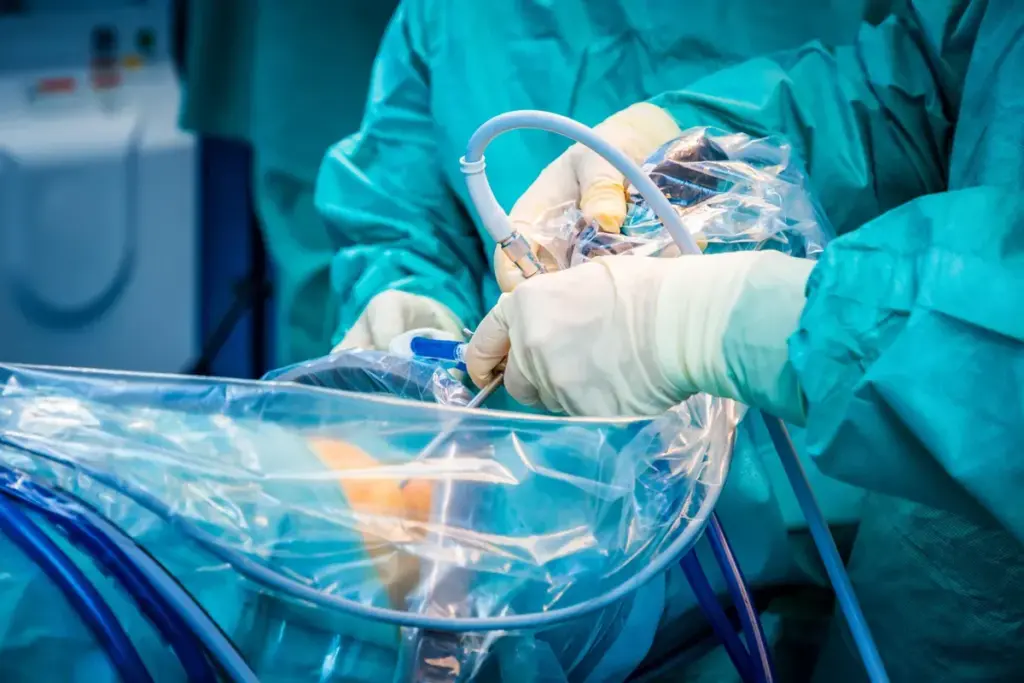
Knee arthroscopy is a widely performed procedure that alleviates knee pain and enhances joint function. Over 1 million knee arthroscopies are performed annually worldwide. It’s a big help for many knee issues.
Thinking about surgery can be scary, and worrying about pain is normal. In this article, we’ll look at the pain from knee arthroscopy and what to expect when you recover.
Knowing about the surgery and its effects can help you prepare for a better recovery.
Key Takeaways
- Knee arthroscopy is a minimally invasive surgical procedure.
- The procedure is used to diagnose and treat various knee problems.
- Pain levels during and after the surgery will be discussed.
- Understanding the recovery process can help patients prepare.
- Knee arthroscopy can significantly improve knee function and alleviate pain.
What is Knee Arthroscopy?
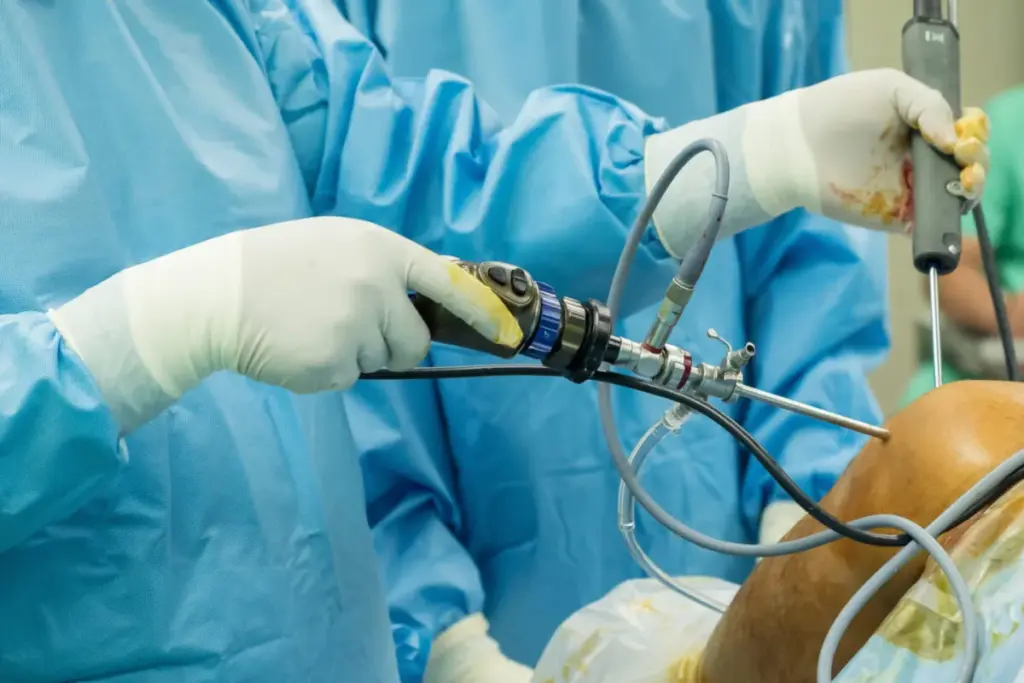
Knee arthroscopy uses a small camera, called an arthroscope, to see inside the knee. This method lets surgeons diagnose and treat knee issues with small cuts. It avoids the big cuts needed in traditional surgery.
Definition and Purpose of Arthroscopic Knee Surgery
Arthroscopic knee surgery lets doctors use the arthroscope to check and fix the knee. It’s used to treat problems like torn meniscus, ligament injuries, and cartilage damage. This way, patients don’t need big cuts.
Orthopedic experts say, “Arthroscopy has changed how we treat knee problems. It gives a clear view inside the joint, allowing for precise fixes with less harm to the surrounding tissue.”
The Minimally Invasive Nature of Arthroscopy
Arthroscopy is great because it’s very small. Surgeons make cuts that are less than a centimeter. This means patients feel less pain after, have a lower chance of infection, and can get back to their activities faster.
The arthroscope has a high-definition camera. It shows images on a screen, helping the surgeon work inside the knee with great accuracy.
Common Conditions Treated with Knee Arthroscopy
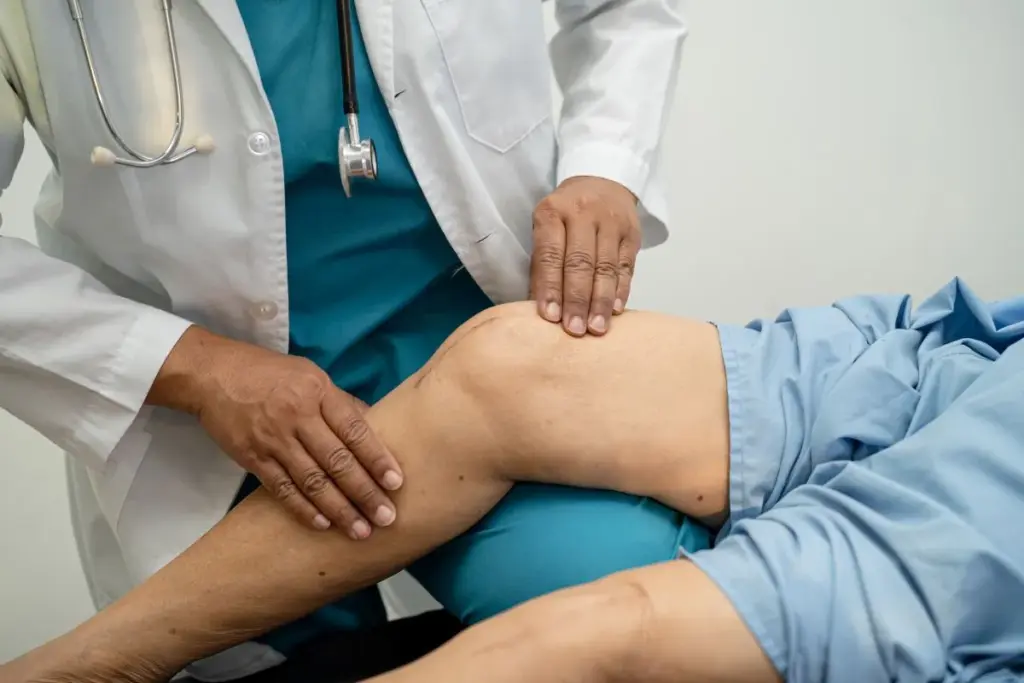
Knee arthroscopy is great for treating many knee problems. It’s a key part of orthopedic surgery. Surgeons use it to find and fix issues with less harm to the knee.
Meniscus Tears
Meniscus tears are a common problem treated with knee arthroscopy. The meniscus is a cartilage in the knee that can tear. Arthroscopic surgery can fix or remove the torn part, easing pain and helping the knee work better.
ACL and PCL Injuries
Knee arthroscopy helps with ACL (Anterior Cruciate Ligament) and PCL (Posterior Cruciate Ligament) injuries too. These ligaments keep the knee stable. Arthroscopic surgery can fix these ligaments, making the knee stable again.
Cartilage Damage and Repair
Cartilage damage is another issue knee arthroscopy can solve. Cartilage problems can hurt and limit movement. Chondroplasty can smooth out the cartilage, easing pain and improving movement.
Thanks to knee arthroscopy, surgeons can treat many knee issues. This means patients can heal faster and feel less pain after surgery than with old methods.
The Arthroscopy Procedure Explained
arthroscopy procedure
Knee arthroscopy is a modern surgical method that changes how we handle knee problems. It lets doctors look inside the knee without harming much of the surrounding tissue.
The key to a successful arthroscopy is the arthroscope. It’s a small camera that goes into the knee. This camera shows clear images of the knee’s inside on a monitor.
How the Arthroscope Works
The arthroscope is a thin, bendy tube with a camera and light. It goes into the knee through a small cut. This lets the surgeon see the joint on a screen.
This view helps the surgeon find and fix problems. They can use special tools to do repairs.
Surgical Techniques Used During Knee Arthroscopy
Surgeons use different surgical techniques during knee arthroscopy. They might remove damaged cartilage or fix torn ligaments. They also smooth out rough spots in the joint.
The choice of technique depends on the problem and the patient’s health. This method combines new technology with skilled surgery. It’s a great way to fix knee issues, helping patients recover faster and feel less pain.
Preparing for Your Knee Arthroscopy
knee arthroscopy preparation
We’ll help you get ready for your knee arthroscopy. We’ll cover pre-surgery consultations, physical prep, and what to expect with pain.
Pre-Surgery Consultations and Testing
You’ll have pre-surgery talks and tests before your knee arthroscopy. This includes checking your medical history and doing physical exams. You might also have X-rays or MRI scans.
Mental and Physical Preparation
Getting mentally and physically ready is key for a good knee arthroscopy. Eat well, exercise regularly, and try to relax. This helps you recover better.
Setting Realistic Pain Expectations
Knowing what pain you might feel is important. We’ll talk about ways to manage pain, like medicine and other therapies. This can make your recovery easier.
|
Preparation Step |
Description |
|---|---|
|
Pre-Surgery Consultations |
Review of medical history, physical examination, and diagnostic tests |
|
Mental Preparation |
Stress management and relaxation techniques |
|
Physical Preparation |
Maintaining a healthy lifestyle, including diet and exercise |
|
Pain Expectations |
Understanding pain management options, including medication and alternative therapies |
Anesthesia Options for Knee Arthroscopy
anesthesia options for knee arthroscopy
When you’re thinking about knee arthroscopy, knowing your anesthesia options is key. It helps manage pain and makes the procedure smoother. The right anesthesia can greatly affect your experience during and after surgery.
Local vs. Regional vs. General Anesthesia
Knee arthroscopy can be done with local, regional, or general anesthesia. Local anesthesia numbs just the knee, so you stay awake. Regional anesthesia, like a nerve block, numbs more of the knee area. General anesthesia makes you unconscious, best for complex or anxious cases.
How Anesthesia Choices Impact Pain Experience
Discussing Anesthesia Options with Your Surgeon
Talking to your surgeon about anesthesia is crucial. They’ll pick the best option for you, based on your needs, the procedure’s complexity, and your health. This talk helps set pain expectations and plan for recovery.
|
Anesthesia Type |
Description |
Impact on Pain |
|---|---|---|
|
Local Anesthesia |
Numbness limited to the knee area |
Minimal pain during procedure |
|
Regional Anesthesia |
Numbness in a larger area around the knee |
Reduced pain during and after procedure |
|
General Anesthesia |
Induces unconsciousness |
Varies; may require more post-operative pain management |
Pain Levels During the Arthroscopy Procedure
knee arthroscopy pain levels
Many patients wonder about the pain during a knee arthroscopy. This surgery is less invasive, which means less damage to tissues. This can make the procedure more comfortable for patients.
What Patients Feel During Surgery
Patients usually get anesthesia to reduce pain during knee arthroscopy. The type of anesthesia affects what they feel. Local anesthesia numbs the knee, while general anesthesia makes them unconscious. Some might feel pressure or movement, but it’s not usually painful.
Real Patient Experiences and Testimonials
Patients often say they felt little discomfort during the surgery. Thanks to modern anesthesia and techniques, many are surprised by how little pain they experience. “I was surprised at how little discomfort I felt during and after the procedure,” one patient shared. People often praise the anesthesia and the surgical team’s professionalism in keeping pain low.
Factors That Influence Intraoperative Comfort
Several things can affect how comfortable a patient feels during knee arthroscopy. These include the anesthesia type, the surgeon’s skill, and the patient’s health and anxiety. Effective communication between the patient and the team is key in managing expectations and ensuring comfort.
By knowing these factors and talking to your surgeon, you can prepare better. This can help reduce anxiety and make the experience smoother.
Immediate Post-Operative Pain Management
post-operative pain management
Managing pain right after knee arthroscopy is key. This time is crucial for a smooth recovery. We’ll look at how to handle pain during this period.
First 24-48 Hours After Surgery
The first 24 to 48 hours are usually the most painful. Hospital pain control protocols aim to tackle this. Patients get a mix of meds and other treatments to manage pain.
Hospital Pain Control Protocols
Hospitals have set pain control plans for patients. These include patient-controlled analgesia (PCA) pumps, pills, and methods like ice or compression to lessen pain and swelling.
Initial Mobility and Its Effect on Pain
Moving gently after surgery helps reduce pain and aids in recovery. Exercises prevent stiffness and help healing. But, it’s important to balance activity with rest to avoid more pain.
Effective pain management strategies can greatly improve recovery. It’s not just about meds but also physical therapy and teaching patients.
Pain Management Strategies After Knee Arthroscopy
Managing pain well is key to a smooth recovery after knee arthroscopy. It helps you get back to your daily activities quickly and comfortably.
Patients have many options for pain management after knee arthroscopy. These include:
Prescribed Pain Medications
Doctors usually prescribe medications to manage pain. These can be opioids for severe pain or NSAIDs for mild discomfort. Always follow the dosage instructions to avoid side effects.
Non-Pharmaceutical Pain Relief Methods
There are also non-medication ways to ease pain. Using ice packs can reduce swelling and numb the pain. Elevating your knee above heart level also helps with swelling.
Comparison of Pain Relief Methods:
|
Method |
Benefits |
Potential Drawbacks |
|---|---|---|
|
Ice Packs |
Reduces swelling, numbs pain |
Temporary relief, potential for ice burn if not used correctly |
|
Elevation |
Reduces swelling |
May be uncomfortable or difficult to maintain |
|
Physical Therapy |
Improves mobility, strengthens knee |
May cause initial discomfort, requires professional guidance |
Alternative Pain Management Approaches
Some people find alternative methods helpful for pain management. These include acupuncture, massage therapy, and relaxation techniques like deep breathing or meditation. These methods are generally safe when used under a healthcare professional’s guidance.
Combining these strategies can help patients manage pain better after knee arthroscopy. It’s important to talk to your healthcare provider to find the best approach for you.
The Recovery Timeline and Pain Progression
Knowing how long it takes to recover from knee arthroscopy is key to managing pain. The healing process has different stages, each with its own pain levels.
First Week After Surgery
The first week is usually the most painful. Swelling, stiffness, and pain are common. To help, take the pain meds your doctor gave you and rest a lot.
Keep your leg up and use ice packs to lessen swelling. It’s also important to follow your surgeon’s post-op instructions closely.
Weeks 2-4 Recovery
By weeks 2-4, things start to get better. Pain goes down, and you can move more easily. You might start doing gentle exercises and physical therapy to improve your knee’s strength and function.
Even though you’re getting better, you might still feel some pain when doing exercises or activities that put stress on your knee.
Months 1-3 Healing Process
From months 1-3, most people see a lot of progress. Pain keeps going down, and your knee works better. You can start doing more things, like sports and exercise, but only with your doctor’s okay.
Some people might still feel a little pain or stiffness, but this usually goes away with more rehab and time.
Long-term Pain Resolution
In the long run, most people feel a lot less pain. Their knee gets stronger, and they can do almost everything they used to. It’s important to keep living a healthy lifestyle, with regular exercise and a balanced diet, to help your knee stay healthy.
For a clearer understanding of the recovery timeline and pain progression, refer to the following table:
|
Recovery Stage |
Typical Pain Level |
Expected Progress |
|---|---|---|
|
First Week |
High |
Rest, pain management, and limited mobility |
|
Weeks 2-4 |
Moderate |
Increased mobility, introduction to physical therapy |
|
Months 1-3 |
Low |
Gradual return to normal activities, continued rehabilitation |
|
Long-term |
Minimal |
Significant pain resolution, return to full function |
Physical Therapy Following Knee Arthroscopy
Physical therapy is crucial after knee arthroscopy. It helps patients get stronger, move better, and do everyday activities again. We’ll show you what to expect in physical therapy after knee arthroscopy.
When Rehabilitation Begins
Rehab starts a few days after surgery. Our physical therapists will make a plan just for you. They focus on exercises that help you heal and move better. Starting to move early is important for a good recovery.
Expected Discomfort During Physical Therapy
Some pain during physical therapy is normal, especially at first. But, it should not be too much. Our therapists will check your pain and change the therapy if needed. It’s important to tell them about any pain or discomfort.
How Rehabilitation Affects Long-term Pain Outcomes
A good rehab program can really help with long-term pain. It makes your knee work better and strengthens the muscles around it. This can lower the chance of chronic pain. Our aim is to help you get the best results and avoid future problems.
Important parts of a good rehab program include:
- Personalized exercise plans tailored to your specific needs
- Progressive strengthening exercises to improve knee function
- Flexibility and mobility exercises to maintain range of motion
- Education on proper knee care and injury prevention
By sticking to a detailed physical therapy program, you can get the most out of your recovery. This will lead to better long-term results.
Different Types of Arthroscopic Procedures and Their Pain Profiles
Knee arthroscopy isn’t the same for everyone. Each surgery has its own pain levels. The type of surgery you get affects how much pain you’ll feel. Let’s look at the pain you might expect from common arthroscopic surgeries.
Meniscectomy Pain Expectations
A meniscectomy removes damaged meniscus tissue. People usually feel moderate pain after this surgery. This pain is often managed with pills. It usually gets better in a few weeks.
ACL Reconstruction Recovery Pain
ACL reconstruction is a more complex surgery. It involves putting a new ligament in the knee. This surgery tends to hurt more after it’s done. You might need stronger pain medicine.
Chondroplasty and Cartilage Procedures
Chondroplasty smooths out damaged cartilage. The pain from this surgery can vary. But it’s usually not as bad as ACL reconstruction. Procedures like microfracture or cartilage grafting might hurt more and take longer to heal.
Knowing what pain to expect from your surgery helps you get ready for recovery. It’s key to talk about your pain worries and how to manage it with your doctor.
- Different arthroscopic procedures have unique pain profiles.
- Pain management plans should be tailored to the specific procedure.
- Understanding the procedure helps in setting realistic pain expectations.
Factors That Influence Post-Arthroscopy Pain Levels
Many things can affect how much pain you feel after knee arthroscopy. Knowing these can help both patients and doctors manage pain better. This makes recovery easier.
Pre-existing Conditions
Conditions like chronic pain, diabetes, or metabolic disorders can make pain worse after arthroscopy. People with these issues might feel pain more or heal slower. This can slow down their recovery.
Age and Overall Health
Age and health also matter a lot. Older people or those in poor health might find it harder to recover. This is because they might not be as strong or have a weaker immune system.
Extent of Knee Damage and Repair
The more damage to the knee and the more complex the repair, the more pain you might feel. This is because more tissue is hurt during the surgery.
Surgeon Experience and Technique
The skill and method of the surgeon also play a big role. More experienced surgeons might cause less damage. This could mean less pain after surgery.
|
Factor |
Impact on Pain |
|---|---|
|
Pre-existing Conditions |
Increased pain sensitivity |
|
Age and Overall Health |
Potential for slower recovery |
|
Extent of Knee Damage |
More complex repairs may increase pain |
|
Surgeon Experience |
Less tissue trauma, potentially less pain |
Understanding these factors can help patients get ready for their recovery. They can work with doctors to make a good plan for managing pain.
Potential Complications That May Increase Pain
Knowing about knee arthroscopy complications is key to handling pain after surgery. The procedure is mostly safe, but knowing possible issues helps spot warning signs early.
Infection Signs and Symptoms
Infection is a rare but serious issue that can make pain worse. Look out for redness, swelling, more pain, and fever. If you see these signs, call your doctor right away.
Blood Clots and Prevention
Blood clots are another risk. We use early movement and sometimes medicine to prevent them. Signs of a blood clot include leg pain, swelling, and redness.
Nerve or Tissue Damage
Nerve or tissue damage can cause more pain. This is rare but can make recovery longer.
Arthrofibrosis (Excessive Scar Tissue)
Arthrofibrosis means too much scar tissue, leading to stiffness and pain. Starting physical therapy early can help avoid this.
Understanding these complications helps patients manage their recovery better. It ensures a smoother return to daily life.
When to Be Concerned About Post-Arthroscopy Pain
After knee arthroscopy, some pain is normal. But knowing what’s okay and what’s not is key for a good recovery. We’ll help you understand normal and abnormal pain, warning signs, and emergency situations.
Normal vs. Abnormal Pain Patterns
Post-arthroscopy pain usually gets better as you heal. Normal pain is usually managed with meds and gets less over time. But abnormal pain might mean something’s wrong. Always watch your pain and tell your doctor if it changes.
|
Pain Characteristics |
Normal Pain |
Abnormal Pain |
|---|---|---|
|
Intensity |
Gradually decreases |
Persists or worsens |
|
Response to Medication |
Responsive |
Unresponsive |
Warning Signs That Require Medical Attention
Some symptoms mean you need to see a doctor fast. These include:
- Increasing pain not helped by meds
- Swelling that gets worse
- Redness or warmth around the surgery area
- Fever over 101.5°F (38.6°C)
Emergency Situations
Severe symptoms are rare but serious. Sudden severe pain, trouble breathing, or signs of a blood clot need quick medical help.
Knowing about your pain after arthroscopy can help your recovery. If you’re unsure, always call your doctor.
Returning to Daily Activities and Pain Expectations
After knee arthroscopy, getting back to daily life is important. You need to think about your pain and how well you’re healing. It’s key to balance wanting to do normal things with letting your knee fully heal.
Driving After Knee Arthroscopy
It’s safe to drive once you’re off narcotic pain meds and can drive without pain. This usually happens a few days to a week after surgery. It depends on the surgery and how you’re healing.
Returning to Work Timelines
When you can go back to work varies by your job. Desk jobs might let you return in a few days to a week. Jobs that need physical labor might take 2-4 weeks or longer.
Resuming Sports and Exercise
Starting sports and exercise again should be slow. You can try low-impact activities like swimming or cycling in 4-6 weeks. High-impact sports might take 2-3 months or more to get back into.
Long-term Activity Modifications
Some people might need to change their activities for good to protect their knee. This could mean avoiding high-impact sports or doing exercises to strengthen the knee muscles.
Comparing Arthroscopy Pain to Other Knee Procedures
Knee arthroscopy is known for being less invasive. But how does its pain compare to other knee surgeries? We’ll look at the pain from arthroscopy, open knee surgery, and total knee replacement. We’ll see why less invasive methods are often better.
Arthroscopy vs. Open Knee Surgery
Open knee surgery needs bigger cuts and hurts more tissues than arthroscopy. Research shows arthroscopy patients feel less pain and heal faster. For example, a study found arthroscopy patients had lower pain and got back to normal sooner.
Arthroscopy vs. Total Knee Replacement
Total knee replacement (TKR) is a bigger surgery that replaces the whole knee. It’s needed for severe damage or arthritis but causes more pain and a longer recovery than arthroscopy. TKR patients need stronger pain meds and more rehab.
Benefits of Minimally Invasive Approaches
Surgeries like arthroscopy are less invasive. They cause less damage, less pain, and faster healing. These benefits make arthroscopy a good choice for some knee problems. Here’s a table comparing arthroscopy, open knee surgery, and total knee replacement.
|
Procedure |
Pain Level |
Recovery Time |
|---|---|---|
|
Arthroscopy |
Low to Moderate |
Several weeks |
|
Open Knee Surgery |
Moderate to High |
Several months |
|
Total Knee Replacement |
High |
Several months |
In conclusion, arthroscopy usually means less pain and quicker healing than other knee surgeries. Knowing these differences helps patients choose the best treatment for them.
Conclusion
Knee arthroscopy is a minimally invasive surgery that helps with knee pain and improves joint function. Understanding what affects pain and recovery helps patients manage their expectations. This leads to a successful outcome.
Pain levels during and after surgery can change based on several factors. These include the surgery type, pain tolerance, and health. We looked at different surgeries and how they affect pain. We also talked about managing pain after surgery.
Recovering from knee arthroscopy takes time, patience, and physical therapy. Following a rehabilitation plan and listening to healthcare providers is key. This helps patients recover well and feel less pain.
We hope this information helps you understand knee arthroscopy and recovery. Being informed and prepared makes the treatment journey easier. It leads to the best possible results.
FAQ
What is knee arthroscopy?
Knee arthroscopy is a small surgery to check and fix knee problems. A tiny camera, called an arthroscope, is put into the knee joint.
Is knee arthroscopy painful?
Pain from knee arthroscopy can vary. Some feel a bit of discomfort, while others might feel more pain. There are ways to manage pain well.
What are the benefits of knee arthroscopy compared to open knee surgery?
Knee arthroscopy causes less damage and trauma than open surgery. It leads to quicker healing, less pain, and fewer complications.
What anesthesia options are available for knee arthroscopy?
You can choose from local, regional, or general anesthesia for knee arthroscopy. The type of anesthesia affects your pain during and after the surgery.
How long does it take to recover from knee arthroscopy?
Recovery time from knee arthroscopy varies. It depends on the person and the surgery’s extent. Most people can get back to normal in a few weeks to months.
What are the common conditions treated with knee arthroscopy?
Knee arthroscopy treats many knee issues. This includes meniscus tears, ACL and PCL injuries, and cartilage damage.
What pain management strategies are available after knee arthroscopy?
After knee arthroscopy, you can use prescribed pain meds, non-medical pain relief, and other pain management methods.
When should I be concerned about post-arthroscopy pain?
Be worried about post-arthroscopy pain if you notice unusual pain, signs like more redness, swelling, or fever, or if you have severe pain or trouble moving your knee.
Can I drive after knee arthroscopy?
It’s not safe to drive right after knee arthroscopy. You need to have enough strength and mobility in your knee, usually in a few days to a week.
How does physical therapy affect long-term pain outcomes after knee arthroscopy?
Physical therapy is key in knee arthroscopy recovery. It helps improve knee function, reduces pain, and supports long-term recovery.
National Center for Biotechnology Information. Evidence-Based Medical Insight. Retrieved from https://pubmed.ncbi.nlm.nih.gov/28637727/