
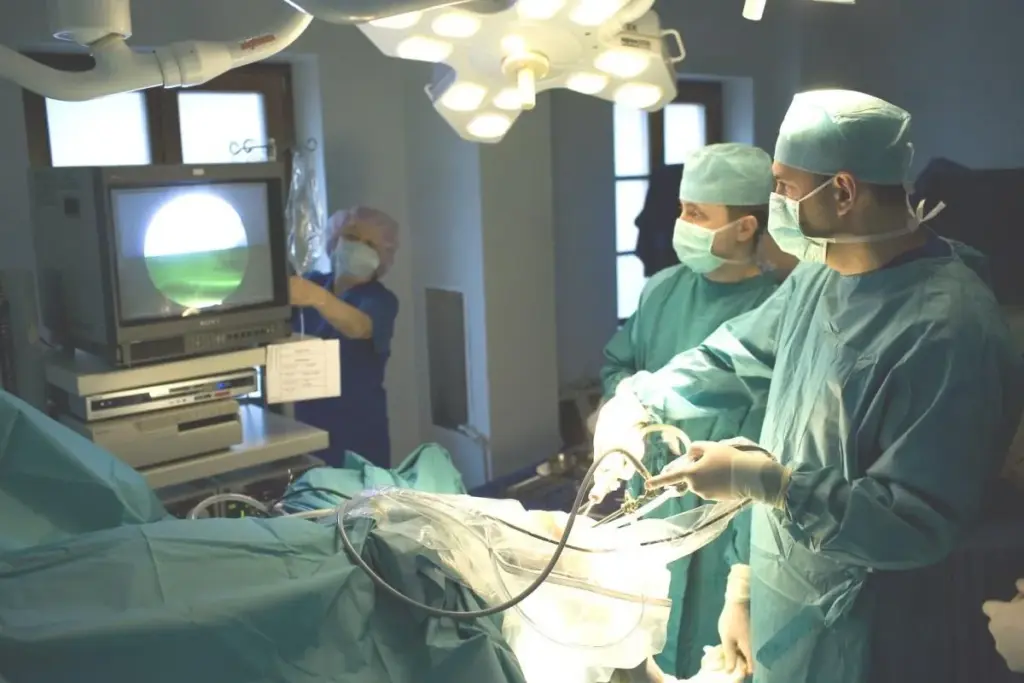
An arthroscopy operation is a powerful way to fix joints. Learn essential tips for after your arthroscopy operation to ensure a fast healing.
Arthroscopic knee surgery is a common way to diagnose and treat knee issues. Over 900,000 arthroscopic knee surgeries are performed annually in the United States. This makes it important for patients to know about their recovery, including climbing stairs after surgery.
Many patients ask if they can climb stairs after arthroscopic knee surgery. Whether you can depends on your surgery type and how well you’re recovering. It’s key to understand your recovery time and follow your doctor’s advice for a smooth recovery.
Key Takeaways
- Arthroscopic knee surgery is a minimally invasive procedure.
- Recovery time varies depending on the individual and the extent of the surgery.
- Stair climbing after surgery should be done cautiously.
- Following post-operative care instructions is essential.
- Patients should consult their doctor for personalized recovery advice.
What Happens During an Arthroscopy Operation
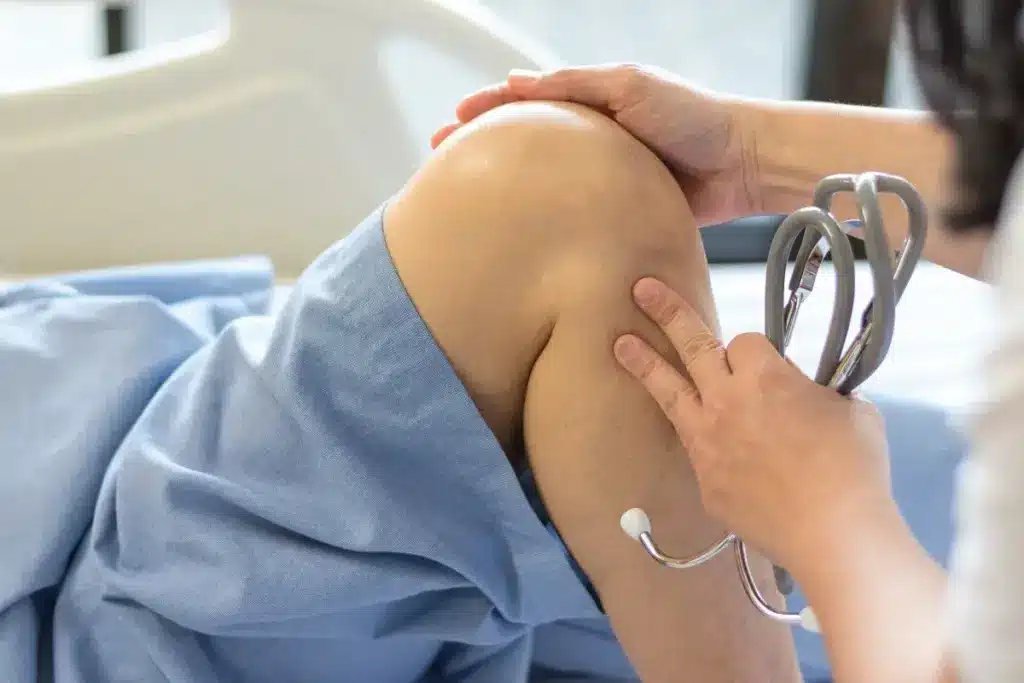
A surgeon uses a tiny camera during an arthroscopy operation. This camera lets them see inside the knee. It helps them diagnose and treat problems without open surgery.
The Procedure Explained
For an arthroscopic procedure, small incisions are made around the knee. These incisions let in a thin tube with a camera and light, and special tools. The camera shows images on a monitor, helping the surgeon see the knee joint clearly.
The steps of an arthroscopy operation are:
- The patient is given anesthesia for comfort.
- Small incisions are made for the arthroscope and tools.
- The surgeon looks at the knee with the arthroscope’s camera.
- Any problems, like cartilage tears or ligament damage, are fixed with special tools.
- The incisions are closed with sutures or staples.
Common Knee Conditions Treated with Arthroscopy
Arthroscopy helps diagnose and treat many knee problems, including:
|
Condition |
Description |
Treatment |
|---|---|---|
|
Meniscus Tears |
Damage to the cartilage cushioning the knee joint. |
Trimming or repairing the torn meniscus. |
|
Ligament Sprains or Tears |
Injuries to the ligaments connecting bones within the knee. |
Rehabilitation or surgical reconstruction. |
|
Cartilage Damage |
Wear or damage to the cartilage lining the knee. |
Smoothing or grafting cartilage. |
Arthroscopy is a key part of orthopedic surgery. It’s a less invasive way to treat many knee problems. This method allows for quicker recovery times because it doesn’t require big cuts.
The Immediate Post-Surgery Period
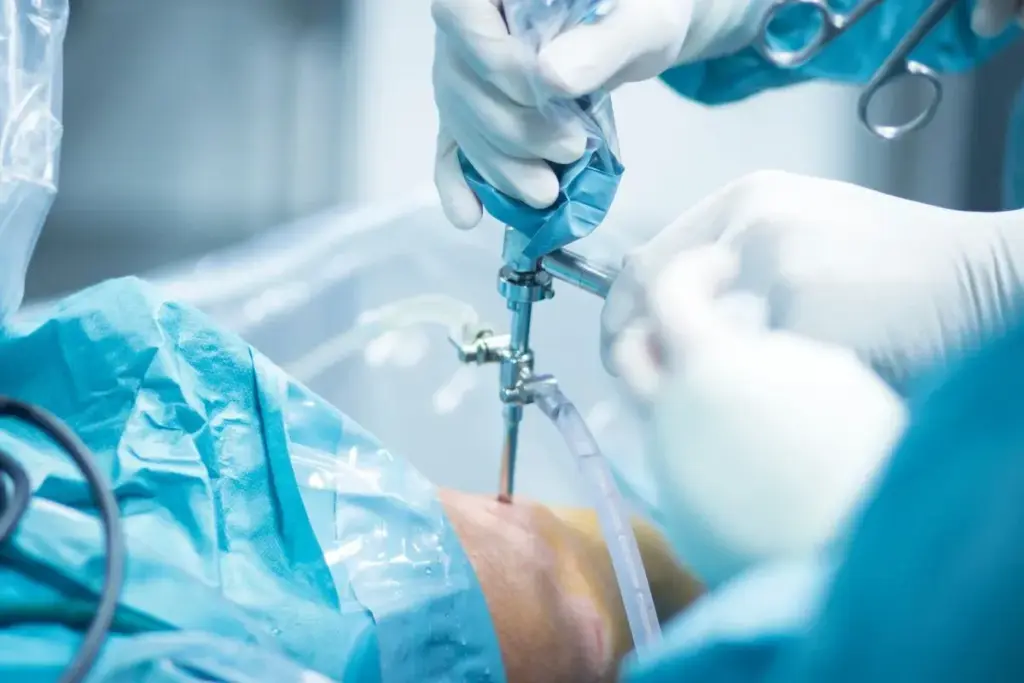
The first few hours and days after arthroscopic knee surgery are key. They help manage pain and start the healing. Patients should rest and elevate their leg to reduce swelling and improve blood flow.
First 24-48 Hours After Surgery
In the first 24-48 hours, focus on pain management. Use prescribed medication and ice on the knee. Watch for signs of complications like swelling or redness. Gentle exercises, as advised, help keep the knee mobile.
Important activities during this time include:
- Resting the knee
- Elevating the leg above heart level
- Applying ice packs to reduce swelling
- Taking prescribed pain medication as directed
Hospital Discharge Guidelines
Before leaving the hospital, you’ll get instructions on wound care, pain management, and follow-up visits. Following these instructions is key for a smooth recovery.
|
Discharge Instructions |
Description |
|---|---|
|
Wound Care |
Keep the wound clean and dry. Follow specific instructions for dressing changes. |
|
Pain Management |
Take pain medication as prescribed. Contact your healthcare provider if pain persists. |
|
Follow-Up |
Schedule and attend follow-up appointments to monitor healing progress. |
Initial Movement Restrictions
At first, you might need to limit your movement to avoid complications. Using crutches or a walker can help reduce knee strain. As you heal, you can slowly increase your movement with your healthcare provider’s guidance.
Some initial movement guidelines include:
- Avoid bending or twisting the knee
- Use assistive devices for walking
- Gradually increase weight-bearing activities
By following post-surgery instructions and guidelines, patients can improve their recovery. This helps minimize complications after arthroscopic knee surgery.
Mobility Restrictions After Knee Arthroscopy
Knowing about mobility limits after knee arthroscopy is key for a good recovery. After surgery, doctors tell patients about certain limits to help healing and avoid problems.
Weight-Bearing Limitations
One big worry after knee arthroscopy is following weight-bearing limits. Patients often can’t put full weight on the operated leg at first. This helps lessen pain and keeps the knee safe.
How much weight you can bear depends on your surgery and doctor’s orders. Some might be able to bear weight as they feel, while others must follow strict rules.
Using Crutches Properly
Patients often use crutches during recovery. It’s important to use them right to not stress the knee too much. Make sure the crutches fit you and use them correctly when walking.
- Keep the crutches close to your body.
- Move the crutches forward with your unaffected leg.
- Take small steps and avoid sudden movements.
Knee Braces and Immobilizers
Doctors might suggest knee braces or immobilizers for extra support. These help keep the knee stable, reduce pain, and stop it from moving too much.
The brace or immobilizer you get depends on your surgery and health. Always follow your doctor’s advice on how to use and care for these devices.
Stair Navigation in the First Week
After arthroscopic knee surgery, patients face the challenge of going up and down stairs. This is tough in the first week when they’re not very mobile or strong. It’s important to learn how to climb stairs safely to stay independent and avoid problems.
Is Stair Climbing Safe Initially?
At first, it’s best to be careful when climbing stairs after knee surgery. You should only go up and down stairs when you really need to. How safe it is depends on your surgery, health, and following your doctor’s advice.
Key Considerations for Safe Stair Climbing:
- Use of crutches or walking aids as directed by your healthcare provider
- Leading with the non-operated leg when ascending stairs
- Leading with the operated leg when descending stairs
- Avoiding overexertion and taking regular breaks
Step-by-Step Technique for Going Upstairs
Going up stairs needs a careful method to avoid putting too much strain on the knee. Here’s a simple guide:
- Hold the handrail for support and balance.
- Place your non-operated leg on the first step.
- Bring your operated leg and crutch(es) up to the same step.
- Repeat this process, moving step by step.
Step-by-Step Technique for Going Downstairs
Going down stairs is harder because it needs controlled movement and more strength. Here’s how to do it safely:
- Hold the handrail firmly.
- Place your crutch(es) on the lower step.
- Lower your operated leg onto the lower step.
- Then, bring your non-operated leg down to the same step.
|
Action |
Going Upstairs |
Going Downstairs |
|---|---|---|
|
1st Step |
Lead with non-operated leg |
Lower crutch(es) first |
|
2nd Step |
Bring operated leg up |
Lower operated leg |
|
3rd Step |
Repeat the process |
Bring non-operated leg down |
By following these steps and tips, patients can safely climb stairs after knee surgery. Always talk to your healthcare provider for advice that fits your specific situation.
Recovery Timeline for Arthroscopy of the Knee
Knowing how long it takes to recover from arthroscopic knee surgery is key. It helps patients plan their recovery and rehabilitation. The journey has different stages, each with its own goals and expectations.
Week 1-2 Expectations
In the first two weeks, patients often feel swollen, in pain, and can’t move much. Pain management is very important during this time. Doctors usually recommend medication and rest.
Patients are often told to use crutches. How long they need them depends on the surgery and how fast they heal.
Weeks 3-6 Progression
By weeks 3-6, patients start to feel better. Physical therapy starts to help them regain strength and mobility. They’re encouraged to do more exercises and bear more weight.
The aim is to get the knee working well again and ready for more activities.
Long-Term Recovery (2-6 Months)
The long-term recovery can last from 2 to 6 months. During this time, patients keep improving their knee’s function and strength. Full recovery is usually reached within this period, but some might take longer.
Patients must adhere to their rehabilitation plan and follow their surgeon’s recommendations to ensure optimal recovery.
|
Recovery Stage |
Timeline |
Key Activities |
|---|---|---|
|
Initial Recovery |
1-2 weeks |
Rest, pain management, limited mobility |
|
Progressive Strengthening |
3-6 weeks |
Physical therapy, gradual weight-bearing |
|
Advanced Recovery |
2-6 months |
Continued strengthening, return to full activities |
When Can I Climb Stairs After Meniscus Surgery?
Understanding when it is safe to climb stairs after meniscus surgery is essential for a successful recovery. The time it takes to start climbing stairs again varies. It depends on the surgery type and how well you recover.
Partial Meniscectomy Recovery Timeline
Patients who have a partial meniscectomy usually recover faster. They can start climbing stairs a few days to a week after surgery. This is if they have little pain and can stand on the operated leg.
Key milestones for stair climbing after partial meniscectomy:
- Day 1-3: May need assistance or crutches; stair climbing is challenging.
- Day 4-7: Gradually increase weight-bearing activities; stair climbing becomes more manageable.
- 1-2 weeks: Most patients can climb stairs without significant pain or assistance.
Meniscus Repair Recovery Considerations
Meniscus repair surgery takes longer to recover from. Patients are advised to avoid heavy activities and stair climbing for weeks.
Considerations for stair climbing after meniscus repair:
- 0-6 weeks: Limited weight-bearing; stair climbing is not recommended.
- 6-12 weeks: Gradually introduce weight-bearing activities; stair climbing may be initiated under supervision.
- 3-4 months: Strengthening exercises; stair climbing becomes more comfortable.
Surgeon-Specific Guidelines for Stair Climbing
It’s important to follow your surgeon’s specific guidelines for stair climbing after meniscus surgery. Surgeons base their recommendations on the surgery type, your health, and recovery progress.
|
Surgery Type |
Initial Stair Climbing |
Full Recovery |
|---|---|---|
|
Partial Meniscectomy |
1-2 weeks |
4-6 weeks |
|
Meniscus Repair |
6-12 weeks |
3-6 months |
When climbing stairs after meniscus surgery, consider your recovery carefully. Always talk to your healthcare provider for advice on when to start climbing stairs again.
How Long Will I Be on Crutches After Meniscus Surgery?
Knowing how long you’ll use crutches after meniscus surgery helps prepare for recovery. The time needed varies based on surgery type, patient health, and surgeon’s advice.
Factors Affecting Crutch Duration
Several things affect how long you’ll use crutches. These include:
- The extent of the surgery: More complex surgeries need longer crutch use.
- Patient’s overall health: Health before surgery can speed up recovery.
- Surgeon’s protocols: Each surgeon has different post-op care guidelines.
- Patient’s adherence to rehabilitation instructions: Following the plan helps recovery.
Transitioning from Full to Partial Weight-Bearing
Switching from full to partial weight-bearing is key in recovery. This step is guided by healthcare providers or physical therapists. Partial weight-bearing means putting some weight on the operated leg, but not all.
The process involves:
- Initial non-weight-bearing phase: Crutches avoid weight on the operated knee.
- Gradual introduction to partial weight-bearing: Limited weight is put on the operated leg under supervision.
- Progressive increase in weight-bearing: As healing advances, more weight is allowed.
Safely Abandoning Crutches
Stopping crutches safely needs careful guidance from healthcare professionals. Patients should stop using crutches when they can:
- Walk without a limp.
- Stand on the operated leg without pain.
- Do single-leg squats or balance exercises without discomfort.
It’s vital to follow the surgeon’s or physical therapist’s advice on when to stop using crutches. As one patient said, “I was eager to stop using crutches, but my physical therapist advised me to wait until I could walk without a limp, which made all the difference in my recovery.”
Right Knee Arthroscopy vs. Left Knee Arthroscopy Recovery
When you have surgery on your right or left knee, knowing how to recover is key. The recovery can change based on many things. These include which leg was operated on and what you need to do every day after surgery.
Dominant vs. Non-Dominant Leg Considerations
The effect of knee surgery can differ based on the leg. Most people use their dominant leg more for tasks like climbing stairs. This is because it’s stronger and more coordinated.
- If your dominant leg is operated on, you might find it harder to do daily tasks at first.
- But, if your non-dominant leg is operated on, you might adjust better to the temporary limits.
Driving Restrictions Based on Surgical Side
Driving can also be affected by the side of the surgery. You can drive safely after knee surgery based on several things. These include the surgery type and the leg involved.
Key considerations for driving after knee arthroscopy include:
- If you’ve had surgery on your right knee, driving a manual car might be harder.
- Those with left knee surgery might worry more about safely using the pedals.
Daily Activities Adaptations by Knee Side
Adapting to daily tasks can vary based on the knee operated on. Simple actions like getting dressed or climbing stairs might need different approaches.
For example, people with right knee surgery might need to change how they drive or use machinery. Those with left knee surgery might focus more on balance and mobility changes.
Physical Therapy Protocols for Stair Climbing
Physical therapy is key to climbing stairs again after knee surgery. It helps patients regain strength, balance, and learn how to climb stairs safely.
Strengthening Exercises for Stair Navigation
It’s important to strengthen the muscles around the knee for safe stair climbing. Physical therapists use exercises like straight leg raises, quad sets, and leg press. These strengthen the quadriceps and hamstrings, improving knee stability.
Exercises for the hip and ankle muscles, like hip abductions and ankle circles, are also helpful. They boost lower limb strength, essential for climbing stairs.
Balance and Proprioception Training
Balance and proprioception are vital for safe stair climbing. Physical therapists include balance exercises like single-leg stands and balance board training. These improve balance on stairs.
Proprioception training involves exercises that test the patient’s body awareness. For example, heel-to-toe walking and knee flexion exercises with eyes closed enhance proprioception. This makes stair climbing safer and more confident.
Progression of Stair Exercises in Therapy
The progression of stair exercises is based on the patient’s recovery pace. At first, patients climb stairs with a physical therapist’s help or use handrails. As they get stronger and more confident, the exercises become more challenging.
Patients learn safe stair navigation techniques, including going up and down stairs. The physical therapist keeps track of progress and adjusts the program as needed for a smooth recovery.
Knee Scope Recovery Time: What to Expect
The time it takes to recover from knee scope surgery varies. It depends on several key factors. Knowing these factors and what to expect can help patients prepare for a successful recovery.
Factors That Influence Recovery Speed
Several factors can affect how quickly a patient recovers from knee scope surgery. These include:
- Overall Health: Patients with fewer health issues tend to recover faster.
- Type of Procedure: The complexity of the surgery can impact recovery time.
- Post-Operative Care: Adherence to the recommended rehabilitation protocol is key.
- Age: Older patients may need more time to recover.
A medical expert notes, “The key to a successful recovery is not just the surgery itself, but the care that follows.”
“Rehabilitation is where the real recovery happens. It’s not just about healing the knee, but restoring the whole person’s functionality.”Orthopedic Surgeon
Milestones in Knee Scope Recovery
Recovery from knee scope surgery is marked by several milestones. These include:
|
Recovery Stage |
Typical Timeline |
Milestones |
|---|---|---|
|
Immediate Post-Surgery |
1-2 weeks |
Reducing pain and swelling, initial mobility |
|
Early Recovery |
2-6 weeks |
Increasing strength, improving range of motion |
|
Advanced Recovery |
6-12 weeks |
Returning to normal activities, strengthening |
Comparing Recovery Times by Procedure Type
Different procedures under knee scope surgery have varying recovery times. For instance:
- Diagnostic Arthroscopy: Typically has a shorter recovery time, often within 1-2 weeks.
- Meniscus Repair: May require 6-12 weeks for significant recovery.
- ACL Reconstruction: Can take 6-9 months for full recovery.
Understanding these differences is key for managing expectations and planning the rehabilitation process effectively.
Pain Management During Stair Climbing Recovery
Managing pain is key when recovering from knee surgery and getting back to activities like stair climbing. Good pain management makes recovery better and lowers the chance of problems.
Medication Options and Timing
Medicine is very important in the early recovery phase. Doctors often give a mix of pain relievers and anti-inflammatory drugs. It’s important to take the medicine as directed to keep pain under control. For example, taking it 30 minutes before stair climbing can help a lot.
“Pain is easier to manage when it’s caught early,” saysan orthopedic surgeon. “Following the medication plan is key for a comfortable recovery.”
Ice and Elevation Protocols
Ice and elevation are also great for pain and swelling. Using ice on the knee for 15-20 minutes can help block pain. Keeping the leg up after climbing stairs helps with swelling and healing.
- Use ice wrapped in a cloth to avoid skin contact.
- Use pillows or a recliner to elevate the leg.
- Do these steps after climbing stairs as needed.
When Pain During Stair Climbing Is Concerning
Some pain is normal during recovery, but severe pain or other signs need quick medical help. Look out for severe pain, swelling, or instability, or pain that doesn’t get better with medicine and rest. Knowing these signs is important for quick action.
“If you have sudden, severe pain or signs of infection like redness, warmth, or fever, call your surgeon right away,” advisesan orthopedic specialist.
It’s important to know when pain is just part of recovery and when it might be a problem. Being informed and proactive helps patients recover safely and well.
Home Modifications for Safer Recovery
Making your home safe and comfy is key for a good recovery after knee surgery. Simple changes can help you move around safely and heal well.
Temporary First-Floor Living Arrangements
Setting up a temporary living area on the first floor is a smart move. It means you won’t have to climb stairs, which lowers the risk of problems. Think about rearranging your space to have a bed, bathroom, and kitchen downstairs.
Stair Safety Equipment and Modifications
If living downstairs isn’t an option, think about adding stair safety equipment. This could be:
- Handrails on both sides of the stairs
- Non-slip treads or stair runners
- A stairlift for really tough mobility issues
These changes can make stairs safer for you while you’re recovering.
Bathroom and Bedroom Adaptations
Changing your bathroom and bedroom can also help a lot. In the bathroom, think about:
- Grab bars near the shower and toilet
- A shower chair or bench
- A non-slip mat in the shower or bathtub
In your bedroom, make sure your bed is easy to get in and out of. A bedside table or nightstand with a lamp that’s easy to reach is also a good idea.
With these home changes, you can make your recovery space safer and more comfy. This lets you focus on getting better and getting back to your usual life.
Healing Time for Arthroscopic Knee Surgery: Full Return to Activities
The path to full recovery after arthroscopic knee surgery has many stages and timelines. Knowing these stages helps patients set realistic goals and follow their rehabilitation plan well.
Return to Work Timeline by Occupation Type
The time to get back to work changes a lot based on your job. People with desk jobs often return in a few days to a week. This is if they can handle their pain and discomfort well.
|
Occupation Type |
Typical Return to Work Time |
|---|---|
|
Desk Job |
1-7 days |
|
Light Manual Labor |
1-3 weeks |
|
Heavy Manual Labor |
4-6 weeks |
an orthopedic surgeon, says, “A successful return to work depends on gradually increasing activities and following the rehabilitation plan.”
“The key to a successful return to work is a gradual increase in activities and adherence to the prescribed rehabilitation program.”
Return to Exercise and Sports Progression
Getting back to exercise and sports after knee surgery needs a slow and careful approach. At first, avoid high-impact activities. Start with low-impact exercises like cycling or swimming.
- Weeks 1-2: Gentle range of motion exercises and straight leg raises.
- Weeks 3-6: Progress to strengthening exercises, such as squats and lunges.
- Weeks 6-12: Gradually introduce low-impact aerobics and sports-specific drills.
It’s vital to listen to your body and not rush the recovery process. Going too fast can cause problems and make healing take longer.
Long-Term Recovery Expectations and Outcomes
Most people see big improvements in their symptoms after arthroscopic knee surgery. But, how much you recover can depend on your condition and overall health.
Full recovery might take months. During this time, you can expect your knee to get better and pain to lessen.
Potential Complications That May Delay Stair Climbing
It’s important to know about possible problems after knee surgery. The surgery is usually safe, but knowing about these issues helps. It lets patients take steps to avoid them and get help fast if they happen.
Signs of Infection or Abnormal Healing
Infection is a rare but serious problem after knee surgery. Look out for signs like more redness, swelling, warmth, or pus around the surgery area. Also, watch for fever or chills. If you see these signs, call your surgeon right away. Problems with healing, like delayed or wrong healing, can also happen. This might make it hard to climb stairs.
Persistent Swelling and Stiffness Issues
Some people might have ongoing swelling or stiffness after surgery. This can make it hard to climb stairs. Try elevating your leg, using ice, and doing gentle exercises as your physical therapist suggests. But, if these problems don’t get better or get worse, you need to talk to your doctor.
When to Contact Your Surgeon Immediately
If you have severe pain that doesn’t go away with medicine, sudden swelling or shape changes, or can’t move your knee, call your surgeon. Also, if you see signs of infection or have worries about getting better, reach out. Getting help quickly can stop more problems and help you recover well.
Patient Success Stories and Recovery Experiences
Many patients have successfully recovered from arthroscopic knee surgery. They share inspiring stories of resilience and determination. These stories offer hope and practical insights into the challenges and triumphs of recovering from meniscus repair and ACL reconstruction surgeries.
Meniscus Repair Recovery Journeys
Patients who had meniscus repair surgery often see big improvements in a few months. Their recovery involves physical therapy, pain management, and slowly getting back to normal activities.
Key milestones in meniscus repair recovery include:
- Initial recovery phase (0-2 weeks): Focus on pain management and basic knee mobility.
- Physical therapy phase (2-6 weeks): Gradually increase knee strength and flexibility.
- Return to activities phase (6-12 weeks): Progressively return to normal activities, including stair climbing.
|
Recovery Phase |
Meniscus Repair |
ACL Reconstruction |
|---|---|---|
|
Initial Recovery (0-2 weeks) |
Pain management, basic mobility |
Pain management, immobilization |
|
Physical Therapy (2-6 weeks) |
Strengthening, flexibility |
Strengthening, proprioception |
|
Return to Activities (6-12 weeks) |
Gradual return to normal activities |
Advanced strengthening, agility training |
ACL Reconstruction and Stair Climbing Progress
For ACL reconstruction patients, stair climbing is a big milestone. Physical therapy is key in regaining strength and confidence for safely climbing stairs.
A typical progression for ACL reconstruction patients includes:
- Early stage (0-6 weeks): Focus on regaining knee range of motion and basic strength.
- Intermediate stage (6-12 weeks): Progress to more advanced strengthening and proprioception exercises.
- Late stage (3-6 months): Incorporate agility drills and stair climbing exercises.
We hope these success stories and recovery experiences inspire and inform patients. We aim to give them the knowledge and motivation for their own successful recoveries.
Conclusion
Recovering from arthroscopic knee surgery takes time, effort, and knowing what to expect. Stair climbing is key to getting back on your feet. By sticking to a rehabilitation plan, you can safely climb stairs and get back to your daily life.
The time it takes to recover from knee surgery varies. Most people see big improvements in 2-6 months. Climbing stairs should be done slowly, focusing on the right way to do it and managing pain.
By following the advice in this article, you can improve your recovery and stair climbing. It’s important to listen to your healthcare team and follow their advice. This will help you have a smooth and successful recovery.
FAQ
Reference
National Center for Biotechnology Information. Evidence-Based Medical Insight. Retrieved from https://pubmed.ncbi.nlm.nih.gov/19452172/