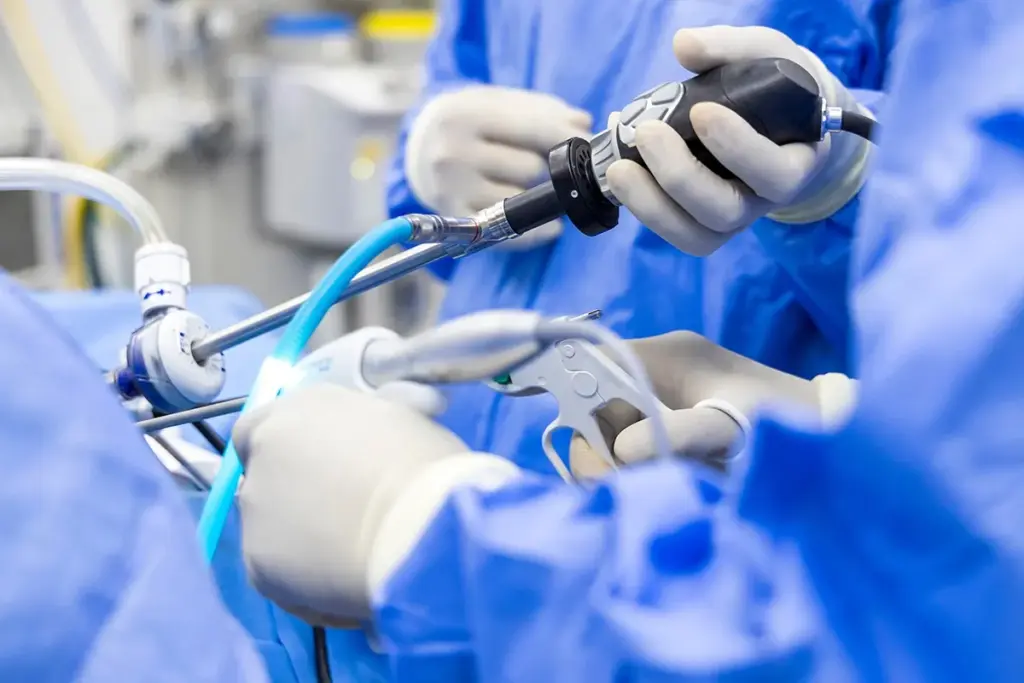
Hip labral tears are common and can affect anyone. They often happen due to injury, repetitive actions, or wear and tear. Recovering from such an injury can be a complex process. It’s important for patients to know how long it will take to get better.
As arthroscopy specialists, we help our patients from start to finish. The time it takes to recover from a hip labral tear varies. It depends on the tear’s severity, the patient’s health, and the treatment used.
We do more than just surgery. As arthroscopy surgeons, we support our patients every step of the way. We make sure they get the care and advice they need to get strong and mobile again.
Key Takeaways
- Recovery from a hip labral tear involves a multi-stage process.
- The severity of the tear and overall patient health influence recovery time.
- Comprehensive care from diagnosis to rehabilitation is key.
- Arthroscopy surgeons play a vital role in guiding patients through recovery.
- Post-operative rehabilitation is essential for getting strength and mobility back.
Understanding Hip Labral Tears
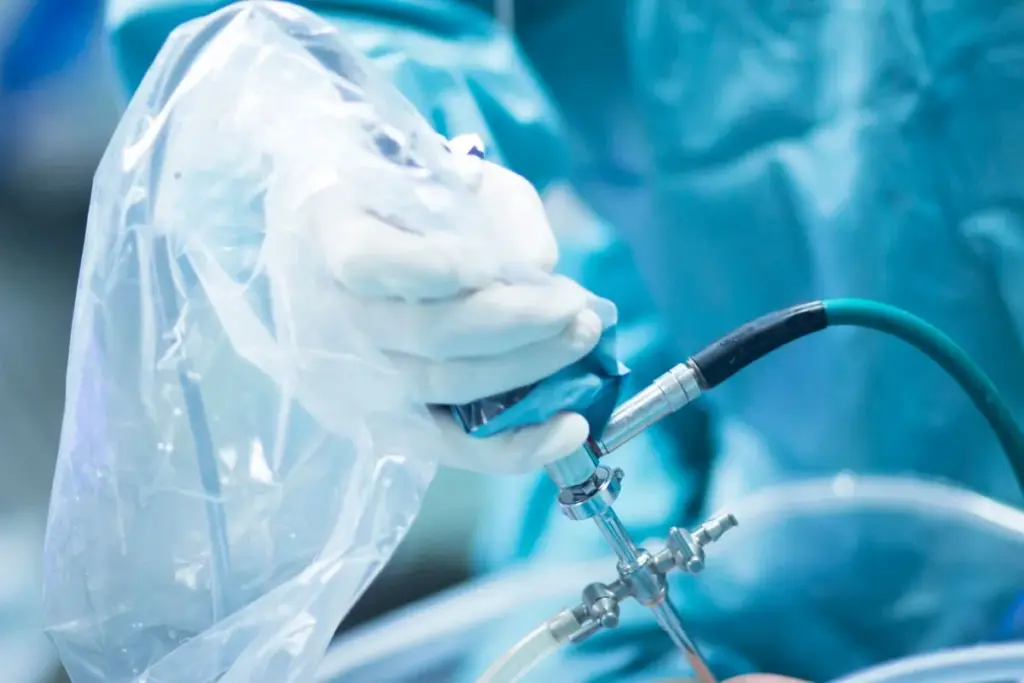
As orthopedic surgeons who focus on minimally invasive surgery, we’ve seen how hip labral tears affect people. It’s important to know about the hip labrum’s role, why tears happen, and the types and severity of these tears. This knowledge helps us create the best treatment plans.
What is the Hip Labrum?
The hip labrum is a cartilage ring around the hip socket. It helps with cushioning and smooth movement. Damage to this area can cause pain and make it hard to move.
Common Causes of Labral Tears
Labral tears can come from different things, like:
- Trauma or injury to the hip
- Repetitive strain or overuse, common in athletes
- Structural abnormalities, such as hip dysplasia
- Degenerative changes associated with aging
Knowing why a labral tear happened is key to picking the right treatment.
Types and Severity of Labral Tears
Labral tears can differ in location, size, and how bad they are. They’re often sorted by where they are (anterior, posterior, or superior) and how big the tear is. The severity can range from small fraying to full tears. Knowing this helps doctors decide the best treatment, whether it’s non-surgical or minimally invasive surgery.
Getting a correct diagnosis and understanding the tear’s details is essential for orthopedic surgeons. It helps them suggest the most effective treatment.
Signs and Symptoms of a Hip Labral Tear
Knowing the signs of a hip labral tear is key to getting help quickly. A tear can cause a lot of pain and make it hard to move. Recognizing these signs is crucial for obtaining the appropriate treatment.
Pain and Discomfort Patterns
The pain from a hip labral tear can be different for everyone. It often hurts in the groin or hip and can spread to the buttocks or thigh. Walking, turning, or sitting for a long time can make it worse.
The pain can feel sharp or dull. It depends on the tear and how it affects you.
Movement Limitations
A hip labral tear can make it hard to move your hip. You might feel stiff or have trouble moving as much as usual. This can make everyday tasks or sports harder.
How much you can move depends on the size of the tear and your own health.
|
Activity |
Normal Range of Motion |
Range with Labral Tear |
|---|---|---|
|
Flexion |
120-140 degrees |
90-120 degrees |
|
Extension |
10-20 degrees |
5-10 degrees |
|
Rotation |
45-60 degrees |
30-45 degrees |
When to Seek Medical Attention
If you have ongoing hip pain, it’s time to see a doctor. This is true if you also hear clicking, feel like your hip is locking, or feel unstable. Getting help early can stop more damage and help you feel better.
If you’re noticing these symptoms, talk to a doctor who knows about joint arthroscopy, like knee arthroscopy. They can help figure out what to do next.
Diagnosis Process for Hip Labral Tears
Diagnosing hip labral tears involves several steps. We use physical exams, imaging studies, and sometimes arthroscopy. Our team is skilled in shoulder arthroscopy and hip arthroscopy. We know how key an accurate diagnosis is for effective treatment.
Physical Examination Techniques
Our first step is a detailed physical exam. We check hip mobility and pain points. Tests like the log roll test and the flexion-adduction-internal rotation test help us find labral tears.
Imaging Studies (MRI, CT Scans)
Imaging studies are vital for confirming hip labral tears. MRI is great for soft tissue injuries like labral tears. CT scans show bone structure, helping spot bony issues with labral tears.
|
Imaging Modality |
Primary Use in Diagnosing Hip Labral Tears |
Key Benefits |
|---|---|---|
|
MRI |
Visualizing soft tissue injuries, including labral tears |
High sensitivity for soft tissue abnormalities |
|
CT Scan |
Assessing bone structure and identifying bony abnormalities |
Excellent for detailing bone morphology |
Diagnostic Arthroscopy
Sometimes, we need arthroscopy to confirm a hip labral tear. This procedure uses a small camera in the hip joint. It lets us see the labrum and plan treatment.
By using these methods, we can accurately diagnose hip labral tears. Then, we create a treatment plan that meets each patient’s needs.
Non-Surgical Treatment Options
Surgery isn’t always the first choice for hip labral tears. We explore non-surgical ways to help. As experienced arthroscopy surgeons, we often suggest these options first.
Rest and Activity Modification
For hip labral tears, the first step is to rest and avoid activities that make it worse. This means changing daily activities to ease the stress on the hip.
- Avoid heavy lifting or bending
- Limit repetitive hip movements
- Take regular breaks to rest
Physical Therapy Approaches
Physical therapy is key in managing hip labral tears. A custom exercise plan can strengthen the hip muscles, improve flexibility, and enhance stability.
Key components of physical therapy for hip labral tears include:
|
Therapy Component |
Description |
Benefits |
|---|---|---|
|
Strengthening Exercises |
Targeting the hip and core muscles |
Improved hip stability and support |
|
Flexibility Exercises |
Stretching to improve range of motion |
Reduced stiffness and improved mobility |
|
Manual Therapy |
Therapist-guided mobilization and manipulation |
Pain relief and improved joint function |
Medication Management
Medications can help manage pain and inflammation from hip labral tears. Our team, with the best arthroscopy surgeons, helps find the right medication for each patient.
Common medications include:
- Nonsteroidal anti-inflammatory drugs (NSAIDs)
- Pain relievers
- Corticosteroids (for short-term use)
Injections and Their Effectiveness
In some cases, injections are recommended to manage pain and inflammation. These can be corticosteroid or hyaluronic acid injections to lubricate the joint.
Injection effectiveness varies by patient. They can offer significant relief but are usually considered after other treatments have failed.
When Surgery Becomes Necessary
Top arthroscopic surgeons often suggest surgery for hip labral tears if they’re severe or haven’t gotten better with other treatments. They make this choice after checking the patient’s condition and how well other treatments worked.
Indications for Surgical Intervention
Surgery is needed when:
- Persistent Pain: Pain that keeps coming back even after trying other treatments.
- Limited Mobility: A big drop in hip movement that makes daily tasks hard.
- Failed Conservative Management: When treatments that don’t involve surgery don’t help.
Factors Affecting Surgical Decisions
Several things can affect whether someone needs surgery, including:
|
Factor |
Description |
Impact on Surgical Decision |
|---|---|---|
|
Severity of Tear |
The size of the labral tear. |
Bigger tears might need surgery. |
|
Patient’s Age and Health |
The patient’s overall health and age. |
Younger, healthier patients might be better candidates. |
|
Response to Conservative Treatments |
How well non-surgical treatments work. |
If these treatments don’t help, surgery might be needed. |
Pre-Surgical Preparations
Before surgery, patients should:
- Get a full medical check-up to make sure they’re healthy enough.
- Talk about what to expect with their surgeon to know what to look forward to.
- Follow all pre-surgery instructions to lower the risk of complications.
Choosing Qualified Arthroscopy Surgeons for Hip Labral Repair
The success of hip labral repair surgery depends a lot on the surgeon’s skills. It’s important to know what makes a surgeon qualified for this complex procedure.
Credentials and Specializations to Look For
When looking for an arthroscopy surgeon, check their credentials and specializations. Make sure they are board-certified by reputable boards, like the American Board of Orthopaedic Surgery. It’s a plus if they specialize in sports medicine or hip preservation. Make sure they have the right training and certification in hip arthroscopy.
Experience and Success Rates
A surgeon’s experience is key to a successful hip labral repair. Ask about their experience with hip arthroscopy procedures and their success rates. More experienced surgeons can handle complex cases better and reduce complications. Ask about their experience with cases like yours.
Questions to Ask Your Surgeon
It’s important to ask the right questions to make a good choice. Some key questions include:
- What is your experience with hip labral repair surgeries?
- What are the possible risks and complications of the procedure?
- How do you approach rehabilitation and post-operative care?
- Can you share any patient success stories?
Don’t be shy to ask questions; it’s your right as a patient to be informed.
Getting Second Opinions
Getting a second opinion is wise to ensure you’re getting the best care. A second opinion can give you more insights into your condition and treatment options. It can also give you peace of mind that you’re on the right track. We suggest getting second opinions if you’re unsure about your diagnosis or treatment plan.
By carefully checking a surgeon’s credentials, experience, and care approach, you can make a smart choice for your hip labral repair surgery. As arthroscopic knee surgeons and orthopedic arthroscopy specialists, we know how important expertise is for successful outcomes.
Hip Arthroscopy Procedure Explained
We know a lot about hip arthroscopy. It’s a precise procedure that’s changed how we treat hip problems. It’s a less invasive option compared to traditional surgery.
Step-by-Step Surgical Process
The process starts with the patient lying on an operating table. They might be on their back or side, depending on the surgeon’s plan.
Then, small incisions are made to get to the hip joint. A special solution is used to make the joint bigger. This helps the surgeon see inside better.
The arthroscope is put in one of these small cuts. It sends pictures to a screen, letting the surgeon see the joint. More cuts might be made for tools to fix the problem.
Labral Repair Techniques
Labral tears are common and treated with hip arthroscopy. We use different methods to fix them, like:
- Labral debridement: cleaning up damaged tissue
- Labral repair: stitching the labrum back to the bone
- Labral reconstruction: using a graft to replace the damaged labrum
The method chosen depends on the tear’s size, location, and the patient’s health.
Addressing Associated Conditions
Hip arthroscopy also helps with other issues that might be causing pain. We can fix:
|
Condition |
Treatment |
|---|---|
|
Femoroacetabular impingement (FAI) |
Osteotomy or debridement to correct bony abnormalities |
|
Cartilage damage |
Microfracture or chondroplasty to promote cartilage healing |
|
Loose bodies |
Removal of loose fragments to prevent further irritation |
Technological Advancements in Hip Arthroscopy
New technology has made hip arthroscopy better. Better cameras and tools help us see and work on the joint more accurately.
Computer-assisted navigation and 3D imaging have also improved things. They help us diagnose and treat more precisely.
We keep up with these new tools. This ensures our patients get the best, least invasive care possible.
Immediate Post-Operative Recovery
The recovery after hip arthroscopy for labral tear repair is key. Experienced surgeons know this period is vital for a good outcome.
Hospital Stay Duration
Most patients go home the same day after hip arthroscopy. The stay in the hospital is usually short. It can be a few hours or overnight, based on the surgery and the patient’s health.
Pain Management Strategies
Managing pain right after surgery is very important. We use different methods to help with pain. This includes medicines, nerve blocks, and more, based on the patient’s needs.
Some common ways to manage pain include:
- Using medicines as your surgeon tells you
- Applying ice to reduce swelling and pain
- Resting and keeping the affected limb elevated
Initial Movement Restrictions
Right after surgery, some movements are limited to help healing. These might include not bending the hip too much or not putting too much weight on it.
|
Activity |
Restriction |
|---|---|
|
Hip Flexion |
Limit to 90 degrees for the first 2 weeks |
|
Weight-Bearing |
Partial weight-bearing with crutches as directed |
|
Rotation |
Avoid excessive internal or external rotation |
Wound Care and Monitoring
It’s important to take care of the wound to avoid infection and help it heal. Patients get instructions on how to care for their wound. They also learn what to watch for in case of complications.
By managing the early recovery well, patients can have a better chance of a successful outcome after hip arthroscopy for labral tear repair.
Early Recovery Phase (Weeks 1-4)
The first month after hip arthroscopy surgery is key for healing and getting back to normal. We, as arthroscopy surgeons, help our patients through this time. We make sure they follow the right steps for a smooth recovery.
Weight-Bearing Protocols
Weight-bearing is very important in the early stages. Patients start with partial weight-bearing and move to full weight-bearing as they can. This helps avoid problems and aids in healing.
Initial Rehabilitation Exercises
First, we focus on keeping the hip flexible and strong. Exercises like straight leg raises and hip flexor stretches are used. These help prevent stiffness and speed up recovery.
Managing Daily Activities
Adjusting daily life is part of the early recovery. Using crutches or walkers is recommended to prevent falls. Even simple tasks like bathing and dressing need to be done carefully to avoid straining the hip.
Common Challenges During Early Recovery
Managing pain, swelling, and mobility issues are common early on. Good pain management and sticking to the rehab plan can help. If you have any concerns, always talk to your doctor.
Mid-Recovery Phase (Weeks 5-12)
When patients reach the mid-recovery phase, they see slow but steady progress. This stage, from weeks 5 to 12, focuses on building strength and flexibility. It also prepares them for light activities again.
Progressive Rehabilitation Protocols
In this phase, our rehab plans get more detailed. We use joint arthroscopy to make sure the hip heals right. This method lets us tailor the rehab to each patient’s needs.
We make sure to increase rehab steps slowly. This avoids any steps back. Our approach combines physical therapy and sometimes arthroscopic techniques to help the hip heal properly.
Strength and Flexibility Training
Strengthening the hip muscles is key in the mid-recovery phase. We create a workout plan that boosts hip stability and flexibility. This improves the joint’s function overall.
- Resistance band exercises to strengthen hip abductors and flexors
- Core strengthening exercises to improve stability
- Flexibility exercises to maintain or improve range of motion
Return to Light Activities
As patients get better, they start doing light activities. These mimic daily tasks or low-impact exercises. This stage is important for checking how well the hip works and if it’s ready for harder activities.
Monitoring Progress and Setbacks
Regular check-ups with doctors are vital to track progress and handle any issues quickly. We ask patients to report any pain or discomfort early. This helps prevent bigger problems.
By the end of this phase, most patients have made a lot of progress. They can expect to keep getting better in the next stages.
Late Recovery Phase (Months 3-6)
Experienced arthroscopy surgeons say the late recovery phase is key for advanced rehab and getting back to normal. Patients move to tougher rehab plans. They focus on getting stronger, more flexible, and able to do daily tasks again.
Advanced Rehabilitation Techniques
In the late recovery phase, rehab gets more detailed. It includes advanced techniques like:
- Plyometric exercises to boost power
- Agility drills for better coordination
- Progressive resistance exercises to increase strength
These advanced rehabilitation techniques are made for each patient. They ensure a safe and effective way back to full function.
Sport-Specific Training
For athletes, sport-specific training is vital in the late recovery phase. It involves:
- Drills that mimic the sport’s movements and demands
- Training to boost endurance and stamina
- Practice of sport-specific skills to regain skill
Our experienced arthroscopy surgeons and physical therapists create sport-specific training. It prepares athletes for a successful return to their sport.
Return to Work Considerations
Returning to work is a big step in recovery for many. We look at:
- The job’s physical demands
- If any workplace changes are needed
- A gradual return to work plan if needed
We help patients return to work safely and effectively by assessing these factors.
Assessing Functional Recovery
Throughout the late recovery phase, we keep checking on functional recovery. We make sure patients are doing well. We look at:
- Range of motion and flexibility
- Muscle strength and endurance
- Ability to do daily activities and sport-specific tasks
By watching functional recovery closely, we can spot any problems early. Then, we can adjust the rehab plan if needed.
Full Recovery and Return to Activities (Months 6+)
Recovering fully from hip labral tear surgery takes time and effort. Best arthroscopy surgeons and top arthroscopic surgeons stress the need for a good rehab plan. This ensures patients can safely get back to their usual activities.
Criteria for Full Recovery
Full recovery means big improvements in pain, strength, and movement. The key signs include:
- Little to no pain during everyday tasks
- Good hip strength and flexibility
- Full movement without pain
- Being able to do daily and fun activities without trouble
“The key to successful recovery is not just the surgery itself, but the thorough rehab that follows.”
Return to Sports Guidelines
Getting back to sports after surgery needs a careful and slow plan. Top arthroscopic surgeons suggest these steps:
|
Sport/Activity |
Recommended Timeframe for Return |
Specific Criteria |
|---|---|---|
|
Low-impact activities (cycling, swimming) |
3-4 months |
Pain-free participation |
|
High-impact activities (running, jumping) |
6-9 months |
Full strength and range of motion |
Long-Term Activity Modifications
To avoid injury and keep the hip healthy, some changes are needed. This includes avoiding deep hip bends, cutting back on high-impact sports, and doing exercises to strengthen the hip and muscles around it.
Preventing Re-Injury
Keeping the hip safe from future injuries is key. Patients should keep up with exercises, listen to their body, and not push too hard. Regular check-ups with best arthroscopy surgeons help keep an eye on the hip’s health and solve any issues quickly.
By sticking to these guidelines and staying active, patients can live a full and active life after surgery.
Factors Affecting Recovery Timeline
The time it takes to get better from a hip labral tear depends on several things. As skilled arthroscopic surgeons, we know that each patient is different. This affects how fast they can recover.
Age and Overall Health
How old you are and your overall health matter a lot. Younger people with fewer health problems usually heal faster. Our experience shows that being healthy is key to a quick recovery.
For example, people with diabetes or heart disease might take longer to get better. This is because they could face complications like infections or slow healing.
Tear Severity and Location
The size and where the tear is also play big roles. Bigger tears or those in hard-to-reach places need more time to heal. Getting a correct diagnosis and treatment plan from a skilled surgeon is very important.
|
Tear Severity |
Typical Recovery Time |
|---|---|
|
Mild |
6-8 weeks |
|
Moderate |
3-4 months |
|
Severe |
6 months or more |
Compliance with Rehabilitation
Following your rehab plan is essential for a good recovery. Those who stick to their rehab program tend to do better and get back to normal sooner. We stress the importance of following post-op instructions for a smooth recovery.
“The key to successful recovery is not just the surgery itself, but the complete care and rehab that follows.” – Expert in Orthopedic Surgery
Pre-Existing Conditions
Having other hip issues, like FAI or osteoarthritis, can affect recovery. Treating these conditions at the same time as the labral tear can change how long it takes to get better. Our team creates a treatment plan that takes these conditions into account.
In summary, the time it takes to recover from a hip labral tear depends on several factors. These include age, health, tear size and location, following rehab, and any other hip conditions. Knowing these factors helps both patients and doctors set realistic goals and make effective plans for treatment.
Insurance, Costs, and Financial Considerations
Understanding the financial side of hip arthroscopy can be tough. But knowing your options is key. As experts in orthopedic arthroscopy, we help you with insurance, costs, and financial aid. This way, you can make choices that fit your health and wallet.
Coverage for Hip Arthroscopy
Most insurance plans cover hip arthroscopy if it’s needed. But, what’s covered can change a lot based on your insurance. Always check with your insurance before surgery.
Key factors affecting insurance coverage include:
- Pre-approval requirements
- Network participation of your surgeon and facility
- Deductibles and co-payments
- Maximum out-of-pocket expenses
Out-of-Pocket Expenses
Even with insurance, you might have to pay some money yourself. This can be for things like deductibles, co-payments, and physical therapy.
|
Expense Category |
Average Cost |
|---|---|
|
Deductibles |
$1,000 – $2,000 |
|
Co-payments (per visit) |
$20 – $50 |
|
Physical Therapy (per session) |
$75 – $150 |
Financial Assistance Options
If money is tight, there are ways to get help. You might find financing plans, patient advocacy services, or non-profit groups that offer financial aid.
“Financial aid programs can be a big help for those struggling with hip arthroscopy costs. We help find resources and support for our patients.”
– Expert in Orthopaedic Care
Cost-Benefit Analysis of Surgery vs. Conservative Treatment
Thinking about hip arthroscopy? It’s important to look at the costs and benefits. Surgery might seem pricey at first, but it could save you money in the long run by avoiding more treatments.
By understanding the financial side of hip arthroscopy, you can make choices that fit your health and budget. As orthopedic arthroscopy specialists, we aim to provide clear and complete care.
Potential Complications and How to Address Them
Complications after hip arthroscopy are rare but can happen. It’s key to know how to handle them. As surgeons, we stress the importance of being ready for any issues to ensure a smooth recovery.
Common Post-Surgical Complications
Common issues after hip arthroscopy include infection, nerve damage, and blood clots. Infection is a risk with any surgery, and we take steps to prevent it.
- Infection: Signs include redness, swelling, and increased pain.
- Nerve Damage: Numbness or tingling can happen due to nerve irritation.
- Blood Clots: Though rare, blood clots in the legs are serious.
Signs of Problematic Recovery
It’s important to spot early signs of a tough recovery. Look out for severe pain, a lot of swelling, or trouble moving your hip. If you see these, reach out to your surgeon right away.
Keep a close eye on your recovery and watch for these signs. We tell patients to stay alert and report any worries.
When to Contact Your Surgeon
If you notice odd symptoms or have recovery worries, contact your surgeon. Quick communication is essential for solving any problems.
- Severe pain or swelling
- Increased redness or warmth around the surgical site
- Difficulty bearing weight or moving the hip
Revision Surgery Considerations
Revision surgery might be needed if the first surgery doesn’t work or if complications come up. As skilled surgeons, we decide if revision surgery is needed and talk it over with our patients.
Knowing about possible complications and being ready can greatly help your recovery. We’re dedicated to giving you the care and support you need on your journey.
Conclusion: The Journey to Recovery from Hip Labral Tears
Recovering from a hip labral tear needs a full plan. As orthopedic surgeons, we help our patients every step of the way. Each patient gets a treatment plan made just for them.
The path to getting better includes both non-surgical and surgical steps. We focus on getting patients back to their normal lives. Knowing the causes, symptoms, and treatment choices helps patients make smart decisions.
With the help of skilled orthopedic surgeons, patients can feel confident in their recovery. We stress the need for a good rehab plan and following doctor’s orders. Regular check-ups are also key to the best results.
Together, we can help patients fully recover and get back to their daily activities. This improves their overall well-being.
FAQ
What is the typical recovery time for a hip labral tear?
The recovery time for a hip labral tear varies. It depends on the tear’s severity, the treatment’s success, and the patient’s health. We’ve seen recovery times from a few weeks to months.
How long does it take to recover from hip arthroscopy?
Recovery from hip arthroscopy usually takes 3 to 6 months. But, it can vary based on the individual’s condition and the procedure’s complexity. We help our patients recover smoothly and effectively.
What are the common complications associated with hip arthroscopy?
Hip arthroscopy is generally safe but can have complications. These include infection, nerve damage, and blood clots. We take precautions to minimize these risks and ensure the best outcomes.
How do I know if I need surgery for a hip labral tear?
Deciding on surgery for a hip labral tear depends on several factors. These include symptom severity, non-surgical treatment success, and overall health. We’ll help you decide the best treatment.
What are the benefits of choosing an experienced arthroscopy surgeon?
Choosing an experienced arthroscopy surgeon is key to successful treatment. We bring expertise and precision to our work. This ensures our patients receive the best care.
How long does it take to return to sports after hip arthroscopy?
Returning to sports after hip arthroscopy varies. It depends on the individual’s condition, sport type, and procedure complexity. We help develop a rehabilitation plan for safe and effective return.
What are the insurance options for hip arthroscopy?
Insurance for hip arthroscopy varies by plan and provider. We’ll help understand your options and develop a treatment plan that meets your needs.
How can I prevent re-injury after recovering from a hip labral tear?
Preventing re-injury requires proper rehabilitation, lifestyle changes, and ongoing care. We’ll help you develop a plan for a healthy, active lifestyle.
Reference
National Center for Biotechnology Information. Evidence-Based Medical Insight. Retrieved from https://pubmed.ncbi.nlm.nih.gov/20307878/