Many people wonder if astigmatism can lead to double vision and diplopia. Astigmatism is a condition where the cornea’s shape is irregular. This causes vision to be distorted or blurry.
Studies show that astigmatism might cause double vision, mainly if it’s not treated well. At Liv Hospital, we offer top-notch care to help patients deal with astigmatism-related vision issues.
Key Takeaways
- Astigmatism can cause double vision if left untreated or inadequately corrected.
- Diplopia, or double vision, can be a symptom of various conditions, including astigmatism.
- Liv Hospital offers extensive support for international patients with astigmatism.
- Understanding the connection between astigmatism and double vision is key for effective treatment.
- Proper diagnosis and treatment can help solve astigmatism-related vision problems.
Understanding Astigmatism: The Basics

Astigmatism is a condition where the cornea’s shape affects vision. It’s a common problem that can blur or distort vision at different distances.
What Is Astigmatism?
Astigmatism happens when the cornea is not round like a basketball. Instead, it’s more like an oval or football. This shape stops light from focusing right on the retina, causing vision problems.
Key characteristics of astigmatism include:
- Blurred or distorted vision at all distances
- Difficulty seeing fine details
- Eye strain or discomfort
- Headaches caused by prolonged visual tasks
Common Symptoms of Astigmatism
Symptoms of astigmatism can differ from person to person. But common signs are:
- Squinting to see clearly
- Blurred vision at near or far distances
- Discomfort or fatigue after reading or using digital devices
- Difficulty driving at night due to glare or halos around lights
Some people with astigmatism might see astigmatism seeing double or double vision. But this is not as common as blurred vision.
Prevalence and Risk Factors
Astigmatism is quite common and can affect anyone at any age. It often happens with other vision problems like nearsightedness or farsightedness. Risk factors include:
- Family history of astigmatism or other eye conditions
- History of eye injuries or surgeries
- Certain medical conditions, such as keratoconus
Knowing these basics helps understand how astigmatism can lead to more complex vision issues. It’s important to get a proper diagnosis and treatment.
The Science Behind Double Vision (Diplopia)

Learning about double vision is key for diagnosing and treating it. This condition can really affect how we live. Double vision happens when the brain sees two images from the eyes, making one object look like two.
Defining Double Vision
Double vision is a symptom, not a disease. It can come from many things like eye problems, brain issues, or nerve troubles. Astigmatism is one cause, along with cataracts, dry eye, and muscle problems in the eyes.
Monocular vs. Binocular Diplopia
Diplopia can be either monocular or binocular. Monocular diplopia stays when one eye is shut, often from eye problems like astigmatism. Binocular diplopia goes away when one eye is closed, usually from eye alignment issues.
Common Causes of Double Vision
Many health issues can cause double vision. Here’s a list of some common ones:
Cause | Description |
Astigmatism | Irregular shape of the cornea or lens inside the eye |
Cataracts | Clouding of the lens in the eye |
Dry Eye Syndrome | Insufficient lubrication on the surface of the eye |
Eye Muscle Problems | Issues with the muscles controlling eye movements |
Nerve Disorders | Conditions affecting the nerves that control eye movements |
“Diplopia can significantly affect an individual’s quality of life, making everyday tasks challenging. Understanding its causes is the first step towards effective management.” — Ophthalmology Expert
Knowing what causes double vision helps us find better ways to diagnose and treat it. This knowledge can lead to better results for patients.
Astigmatism Diplopia: Understanding the Connection
Astigmatism and double vision are closely linked. Research shows a complex connection between them. We will dive into how astigmatism can cause double vision.
How Irregular Cornea Shape Affects Vision
Astigmatism happens when the cornea or lens is not shaped right. This irregular shape makes light focus at two points, causing double vision. It’s hard for the eye to focus light correctly.
The irregular shape of the cornea in astigmatism can cause blurred vision. It can also lead to more serious symptoms like double vision.
When Astigmatism Leads to Double Vision
Astigmatism can cause double vision, known as diplopia, if it’s severe. Monocular diplopia, where you see double in one eye, can happen. This is because the irregular shape distorts light.
Several factors can make astigmatism more likely to cause double vision. These include how severe the astigmatism is, other eye conditions, and the eye’s overall health.
Research Findings on This Relationship
Studies show a strong link between severe astigmatism and monocular diplopia. Research supports the connection between astigmatism and double vision. It shows why proper diagnosis and treatment are key.
One study found that treating astigmatism can greatly reduce or eliminate double vision. This highlights the need for professional eye care for accurate diagnosis and treatment.
Double Vision vs. Astigmatism: Key Differences
It’s important to know the difference between double vision from astigmatism and other causes. Double vision, or diplopia, can make daily life hard. Astigmatism is one reason for double vision, but it’s not the only one.
When Double Vision Indicates Astigmatism
Astigmatism happens when the eye’s cornea or lens is not shaped right. This leads to blurry or distorted vision at all distances. If astigmatism is severe, it can cause double vision. Symptoms like blurred vision, eye strain, and headaches often come with it.
When Double Vision Suggests Other Conditions
Double vision can also mean other eye problems or diseases. For example, cataracts, eye muscle issues, and some neurological conditions can cause it. A detailed eye exam is needed to find out why someone has double vision. Other possible causes include keratoconus, amblyopia, and strabismus.
Diagnostic Differentiation
To tell if double vision is from astigmatism or something else, a detailed check is needed. This includes eye exams, visual tests, and sometimes imaging to see the eye’s shape and health.
Diagnostic Test | Purpose | Relevance to Astigmatism |
Visual Acuity Test | Assess the sharpness of vision | Helps identify vision problems related to astigmatism |
Refraction Test | Determine the correct lens prescription | Crucial for diagnosing astigmatism and assessing its severity |
Corneal Topography | Map the surface of the cornea | Essential for understanding the irregularities in corneal shape associated with astigmatism |
Learning about the eye’s structure and how astigmatism affects it can be helped by pictures.
Severity Matters: Mild vs. Severe Astigmatism
It’s important to know the difference between mild and severe astigmatism. Astigmatism affects how well we see and can change our lives. We’ll look at how mild and severe astigmatism differ in symptoms and how they impact our vision.
Symptoms of Mild Astigmatism
Mild astigmatism might not show symptoms right away. That’s why regular eye exams are key. Some people might see things a bit blurry or notice double vision, mainly when focusing on things like reading or driving.
Glasses or contact lenses can often fix mild astigmatism. This makes seeing much clearer.
When Astigmatism Becomes Severe
Severe astigmatism causes more serious vision problems. Symptoms include blurry vision, double vision, and eye strain. It can make daily tasks hard and cause eye pain.
If you’re experiencing these symptoms, seeing an eye doctor is important. They can help prevent more problems.
Recognizing Mild Double Vision Symptoms
Mild double vision symptoms can be hard to notice. But if you see double, it could mean you have astigmatism. This is more likely when looking at far-off things or after focusing for a long time.
Seeing an eye doctor is a good idea. They can figure out why you’re seeing double and help you.
In summary, how bad astigmatism is affects its symptoms and double vision. Knowing the difference helps in managing and treating it.
Diagnosing Astigmatism-Related Double Vision
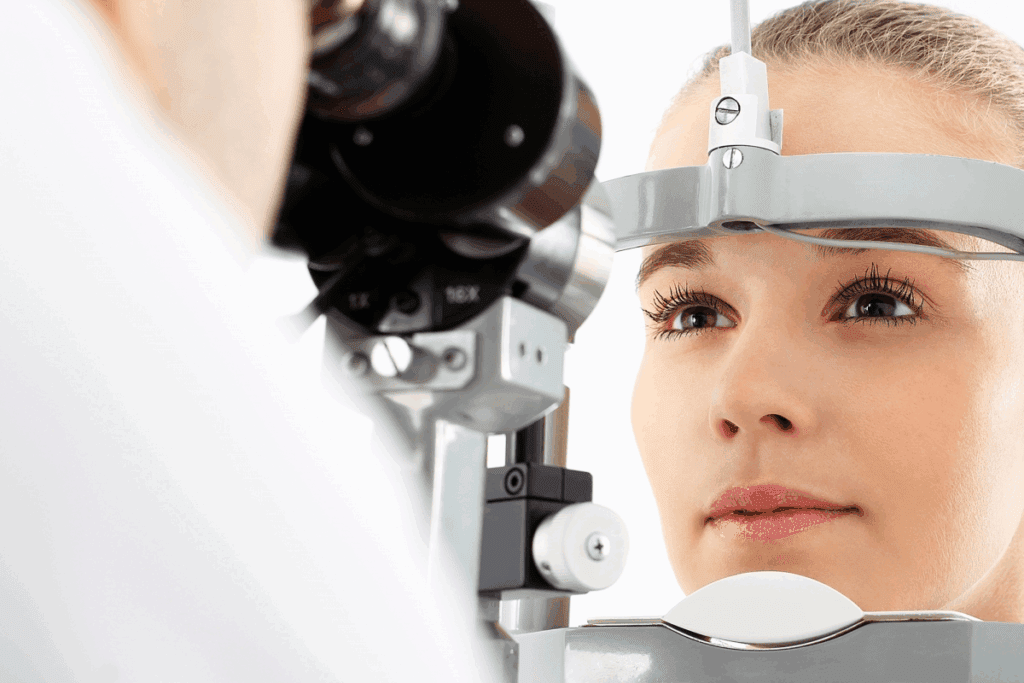
To find out if double vision is caused by astigmatism, a detailed check is needed. This involves several tests and a thorough eye exam by a professional.
Common Diagnostic Tests
Eye doctors use different tests to spot astigmatism and its effect on vision. These include:
- Refraction assessments to find the right lens prescription
- Corneal topography to map the cornea’s shape
- Visual acuity tests to check vision sharpness
These tests help doctors understand how severe astigmatism is and its impact on vision.
What Your Eye Doctor Looks For
Your eye doctor looks for signs of an irregular corneal shape during the exam. They also check how it affects your vision. They look for other possible reasons for double vision to make sure they get it right.
Differentiating from Other Causes of Diplopia
It’s important to tell astigmatism-related double vision from other causes. Your eye doctor will look at your medical history and symptoms. This helps them find the real reason for your double vision.
Diagnostic Factor | Astigmatism-Related Double Vision | Other Causes of Diplopia |
Corneal Shape | Irregular corneal shape | Normal or other irregularities |
Refraction Error | Significant astigmatism | Variable refraction errors |
Symptoms | Double vision, blurred vision | Double vision, other symptoms like headache or eye strain |
Knowing about the diagnostic process helps patients understand how doctors diagnose astigmatism-related double vision.
Treatment Options for Astigmatism
Correcting astigmatism can greatly improve your vision and reduce symptoms like double vision. Astigmatism is a refractive error caused by an irregularly shaped cornea or lens. It can be managed with various treatment options.
Corrective Lenses: Glasses and Contact Lenses
Corrective lenses, including glasses and contact lenses, are common treatments for astigmatism. These lenses are made to counteract the irregular shape of the cornea or lens. They help improve how the eye focuses light.
- Glasses: Glasses are a simple and effective way to correct astigmatism. They can be prescribed with lenses that are designed to counteract the irregular curvature of the cornea or lens.
- Contact Lenses: Contact lenses, including toric lenses, are another popular option. They sit directly on the eye, providing clear vision without the need for glasses.
Both glasses and contact lenses can be tailored to individual needs. They offer a high degree of flexibility and comfort.
Surgical Interventions
For a more permanent solution, surgical interventions are available. Procedures like LASIK (Laser-Assisted In Situ Keratomileusis) and PRK (Photorefractive Keratectomy) can reshape the cornea. This corrects the irregular curvature that causes astigmatism.
“Surgical options like LASIK and PRK offer a significant reduction in dependence on glasses or contact lenses, improving quality of life for individuals with astigmatism.” – Medical Expert, Ophthalmologist
These surgeries are quick, with minimal recovery time. They can provide long-lasting results.
When to Seek Treatment
If you’re experiencing symptoms of astigmatism, such as blurred vision, eye strain, or double vision, seek professional advice. An eye care professional can diagnose astigmatism. They will recommend the most appropriate treatment based on your condition and needs.
Early treatment can prevent complications and improve overall eye health. Don’t hesitate to consult with an eye care specialist. Discuss your options and determine the best course of action for your specific situation.
Astigmatism Double Vision with Glasses: Why It Happens
Double vision with glasses can happen even with the right lenses. It makes people wonder why their glasses don’t work right. We’ll look into why this happens, like the time it takes to get used to new glasses, wrong prescriptions, and how glasses fit.
Adaptation Period for New Prescriptions
Getting new glasses or contacts means your eyes need time to adjust. This adjustment period can lead to double vision. It’s important to wait a few weeks before deciding if the glasses are working.
During this time, you might feel some discomfort or see things differently. But if the double vision doesn’t go away or gets worse, see your optometrist. They can check for any other problems.
Incorrect Prescriptions and Fitting Issues
Double vision can also come from a wrong prescription or how the glasses fit. If the prescription is off, the glasses won’t fix your astigmatism right. And if contact lenses don’t fit well, they can cause vision problems, including double vision.
Common problems with prescriptions and fittings include:
- Inaccurate measurements
- Incorrect lens placement
- Insufficient correction
To avoid these problems, it’s important to see an experienced optometrist. They can make sure your prescription is right and your lenses fit well.
When to Return to Your Optometrist
If you keep seeing double vision with your glasses, it’s time to go back to your optometrist. They can check if it’s just a matter of getting used to the glasses, if the prescription is wrong, or something else.
Don’t hesitate to seek further evaluation if you experience:
- Severe double vision
- Eye pain or discomfort
- Difficulty adjusting to your new prescription
By working with your optometrist, you can figure out why you’re seeing double and find a way to fix it. This will help improve your vision and comfort.
Can You Develop Astigmatism Later in Life?
Astigmatism isn’t just for kids. It can start later in life for many reasons. It happens when the cornea or lens in your eye isn’t round. This can make things look blurry or wavy at any distance.
Knowing why astigmatism happens later in life is key. It helps get the right treatment and care.
Age-Related Changes in Vision
As we get older, our eyes can change. This might lead to astigmatism. It’s important to get regular eye checks to catch any changes early.
Studies show more people get astigmatism as they age. This means we need to keep taking care of our eyes as we get older.
“As people age, they may experience changes in the shape of their cornea, which can lead to the development of astigmatism,” says Medical Expert, a leading ophthalmologist. “Regular eye exams are essential for detecting these changes early and managing astigmatism effectively.”
Trauma and Disease-Induced Astigmatism
Eye injuries, some diseases, and surgeries can also cause astigmatism. For example, keratoconus makes the cornea thin and bulge. Knowing these risks helps us prevent and treat astigmatism.
- Eye injuries or trauma
- Certain diseases like keratoconus
- Surgical complications
Managing New-Onset Astigmatism
Dealing with astigmatism that starts later in life needs a full plan. This might include glasses, contact lenses, or surgery. It’s important to see an eye doctor often to make sure treatments work well.
Corrective measures like glasses or contact lenses can help. Sometimes, refractive surgery is needed to fix the shape of the cornea.
By understanding and acting on the causes of astigmatism, we can manage it well. This helps us keep our vision sharp for years to come.
Children and Astigmatism: Special Considerations
Children with astigmatism need special care for their vision. If not treated early, it can cause big vision problems.
Detection in Young Children
Finding astigmatism in young kids is hard because they can’t say what’s wrong. We use pediatric eye exams to spot it early. These exams check for irregularities in the cornea or lens.
Early detection is key for better treatment results.
Impact on Learning and Development
Astigmatism can really affect a child’s learning and growth. It can make reading, writing, and classroom activities hard. This can make it tough for them to keep up with their friends.
Also, not treating astigmatism can cause amblyopia, or lazy eye. This can lead to permanent vision loss if not treated fast.
Treatment Approaches for Pediatric Astigmatism
Treating astigmatism in kids often means corrective lenses like glasses or contact lenses. These fix the irregular shape of the cornea or lens.
Sometimes, vision therapy is suggested. It helps improve eye coordination and strengthens vision.
- Corrective lenses tailored to the child’s prescription
- Vision therapy to enhance eye coordination and vision skills
- Regular follow-up exams to monitor the condition and adjust treatment as necessary
By treating astigmatism early and well, we help kids see and learn better. This ensures they have a good chance at normal vision and success in school.
Living with Astigmatism and Managing Double Vision
Living with astigmatism can be tough, but there are ways to handle its symptoms. Astigmatism makes vision blurry or distorted at all distances. We’ll look at managing astigmatism and double vision through lifestyle changes, reducing digital eye strain, and regular eye exams.
Lifestyle Adjustments
Making lifestyle changes can help manage astigmatism symptoms. Simple steps can improve your vision and eye health. For example, good lighting in your space can reduce eye strain. Also, taking breaks from screens can help with vision astigmatism symptoms.
Eating a diet full of eye-friendly nutrients is also key. Foods like leafy greens, nuts, and fatty fish are great for your eyes.
Lifestyle Habit | Effect on Astigmatism Management |
Regular eye exams | Ensures timely updates to corrective measures |
Balanced diet | Supports overall eye health |
Proper lighting | Reduces eye strain |
Digital Eye Strain Considerations
Digital eye strain is common with more screen time, affecting those with astigmatism. It’s important to know how to reduce this strain for better vision. The 20-20-20 rule is helpful: every 20 minutes, look away from your screen and focus on something 20 feet away for 20 seconds.
Adjusting your screen’s brightness and contrast can also help. Using blue light filtering glasses or apps can reduce harmful light from screens, easing astigmatism double vision symptoms.
Regular Eye Examination Importance
Regular eye exams are key for managing astigmatism. They help keep the condition under control over time. During these exams, eye care professionals can check for changes in astigmatism, other eye issues, and update corrective lenses or discuss surgery if needed.
Following the recommended eye exam schedule is important for eye health. It helps ensure that astigmatism cause blurry vision is being properly managed.
Conclusion
We’ve looked into how astigmatism and double vision are connected. It’s key to get a proper diagnosis and treatment. Astigmatism diplopia happens when the cornea is irregular, causing vision distortion and double vision.
Can astigmatism cause double vision? Yes, it can, if not treated or corrected properly. Knowing this link is important for managing the condition well.
Recognizing symptoms early and getting medical help is essential. Regular eye checks help find astigmatism and other vision issues early. This leads to better treatment and results.
We stress the need for awareness and care in dealing with astigmatism and related vision problems. This ensures people get the help they need for good vision and eye health.
FAQ
Can astigmatism cause double vision?
Yes, astigmatism can cause double vision. This happens because the cornea’s irregular shape affects how light enters the eye.
What is the difference between monocular and binocular diplopia?
Monocular diplopia is when you see double in one eye. It’s often due to astigmatism or other eye issues. Binocular diplopia is when you see double with both eyes open. It’s usually related to eye alignment problems.
How is astigmatism-related double vision diagnosed?
To diagnose double vision from astigmatism, you need a thorough eye exam. Your doctor will check the cornea’s shape, refractive error, and eye health. They look for signs of astigmatism and other diplopia causes.
Can corrective lenses correct astigmatism-related double vision?
Yes, corrective lenses like glasses or contacts can fix double vision from astigmatism. Sometimes, surgery is needed too.
Why does astigmatism cause double vision even with glasses?
Double vision with glasses can happen if the prescription is wrong or the lenses don’t fit right. It’s important to see your optometrist if you keep seeing double.
Can you develop astigmatism later in life?
Yes, you can get astigmatism later in life. It can happen due to aging, trauma, or diseases. Getting a proper eye exam and treatment is key.
How is astigmatism detected in young children?
Finding astigmatism in kids involves a detailed eye exam. They check visual acuity and cornea shape. Early detection helps prevent vision problems.
What lifestyle adjustments can help manage astigmatism and double vision?
To manage astigmatism and double vision, try the 20-20-20 rule to reduce eye strain. Eat healthy and go for regular eye exams too.
Does astigmatism cause blurry vision?
Yes, astigmatism can make vision blurry. This is because the cornea or lens inside the eye doesn’t focus light right.
Can astigmatism cause dizziness?
Sometimes, astigmatism can lead to dizziness or discomfort. This is because the eye struggles to focus, causing eye strain.
What are the symptoms of mild astigmatism?
Mild astigmatism might not show symptoms at first. But it can cause blurry vision, eye strain, or headaches. Regular eye exams are key to catch and manage it.
References
Government Health Resource. Evidence-Based Medical Guidance. Retrieved from https://www.aao.org/eye-health/diseases/what-is-astigmatism