
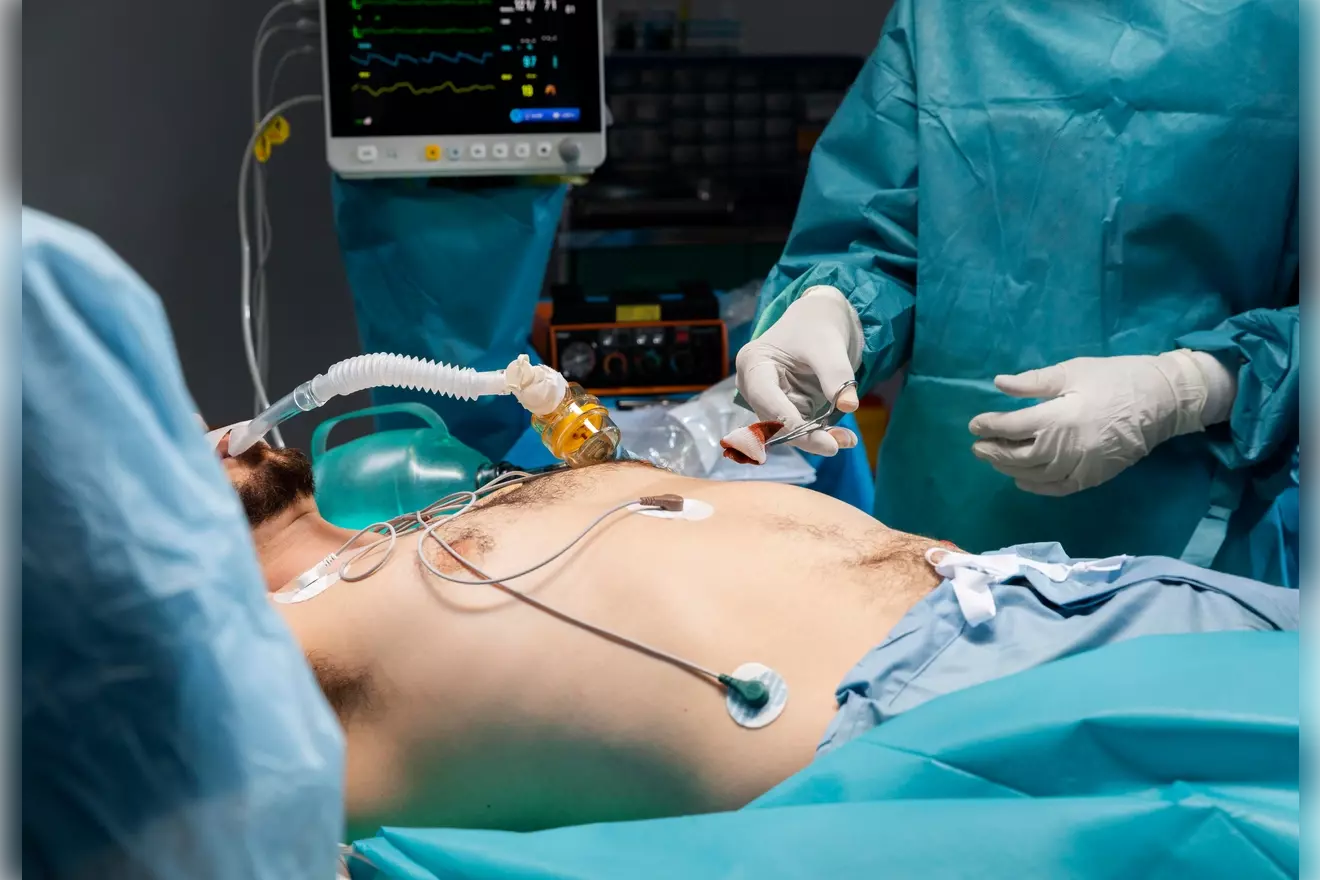
Choosing when to do surgery on a thoracic aortic aneurysm is a big decision. It mainly depends on its size. At Liv Hospital, we use the latest research to decide when to act.
Guidelines say we should operate when an ascending thoracic aortic aneurysm hits 5.5 cm. For a descending aneurysm, it’s 6.5 cm. The aneurysm‘s size is key in figuring out the risk of rupture and dissection. This risk affects treatment choices and how well a patient does.
Knowing these size limits is vital for deciding if surgery is needed. We look at many factors to tailor care for each patient. This ensures the best results for them.
Key Takeaways
- The diameter of a thoracic aortic aneurysm is a key factor in deciding when surgery is necessary.
- Guidelines recommend surgery for ascending aneurysms at 5.5 cm and descending aneurysms at 6.5 cm.
- The size of the aneurysm directly affects the risk of rupture and dissection.
- Personalized care is key in managing thoracic aortic aneurysms.
- Acting quickly can greatly improve patient outcomes.
Understanding Thoracic Aortic Aneurysms

To understand why aneurysm size matters in treatment, we need to know what thoracic aortic aneurysms are. These occur in the chest part of the aorta. Their treatment depends on size, location, and patient risk factors.
Definition and Anatomy
A thoracic aortic aneurysm is an abnormal dilation of the aorta in the thoracic region. The aorta is the largest artery, carrying oxygenated blood from the heart. An aneurysm happens when a part of the aorta weakens and balloons outward.
This weakening can be due to genetics, high blood pressure, or atherosclerosis. The thoracic aorta has sections like the ascending, arch, and descending parts. Where an aneurysm occurs affects its treatment.
Types of Thoracic Aortic Aneurysms
Thoracic aortic aneurysms are classified by location and cause. Ascending thoracic aortic aneurysms start from the heart. Descending thoracic aortic aneurysms are further down the aorta. Causes include genetic disorders like Marfan syndrome and aging-related conditions.
- True aneurysms involve all layers of the aortic wall.
- False aneurysms, or pseudoaneurysms, have a leak between layers.
Prevalence and Risk Factors
The exact number of thoracic aortic aneurysms is hard to know because they often don’t show symptoms. They are less common than abdominal aortic aneurysms. Risk factors include age, smoking, high blood pressure, and certain genetic conditions.
Knowing these risks helps in early detection and management. The size of the aneurysm is key in deciding the risk of rupture and the need for surgery.
The Significance of Aneurysm Size in Treatment Decisions

Aneurysm size is key in managing thoracic aortic aneurysms. It affects both risk assessment and treatment planning. The size of the aneurysm determines the risk of rupture and dissection, which are serious complications.
Why Size Matters
The size of a thoracic aortic aneurysm is linked to the risk of rupture. Larger aneurysms are more likely to rupture. The risk grows as the aneurysm gets bigger.
Size Thresholds: Aneurysms under 4 cm are small and watched closely. Those between 4 cm and 5.5 cm are moderate. The decision to operate depends on the patient’s health and the aneurysm’s growth rate.
How Aneurysms Are Measured
Imaging like CT or MRI scans measure aneurysm size. These scans give accurate measurements. They are key for tracking growth and planning treatment.
| Imaging Modality | Advantages | Limitations |
|---|---|---|
| CT Scan | High accuracy, quick results | Radiation exposure, contrast required |
| MRI | No radiation, detailed soft tissue imaging | Longer examination time, higher cost |
Growth Rate Considerations
The growth rate of an aneurysm is also important. Fast-growing aneurysms are more dangerous. They may need surgery sooner. We watch the growth rate closely with imaging studies.
Growth Rate Thresholds: A growth rate over 0.5 cm per year is fast. It means a higher risk of rupture. Patients with fast-growing aneurysms are closely watched. Surgery is considered based on their health.
Aortic Aneurysm Size for Surgery: Standard Guidelines
Doctors decide to operate on thoracic aortic aneurysms based on size and other factors. These decisions are made after studying a lot of research and patient data. This ensures the best care for patients.
Current Medical Consensus
Doctors agree that surgery is needed when aneurysms are a certain size and when other risks are present. The American Heart Association and others set guidelines for managing these aneurysms. These guidelines help doctors decide when to operate.
Key factors considered in current guidelines include:
- Aneurysm size and growth rate
- Patient’s overall health and risk profile
- Presence of symptoms
- Family history of aortic dissection or rupture
Evolution of Size Criteria Over Time
How we decide if an aortic aneurysm needs surgery has changed. At first, it was just about the size of the aneurysm. Now, we also look at the patient’s genes, any connective tissue disorders, and how fast the aneurysm is growing.
Advances in imaging techniques have helped us get more accurate measurements and track aneurysm size better.
Variations in Guidelines Across Medical Associations
Even though there’s a general agreement on managing thoracic aortic aneurysms, different groups have slightly different guidelines. These differences come from how they interpret data and what risks they focus on.
For example, some guidelines might suggest waiting for smaller aneurysms, while others might recommend surgery sooner based on the patient’s specific risks. It’s important for doctors to understand these differences to tailor care to each patient.
Key considerations include:
- The specific size thresholds recommended for surgical intervention
- The role of imaging modalities in monitoring aneurysm growth
- The impact of patient comorbidities on surgical risk assessment
Size Thresholds for Ascending Thoracic Aortic Aneurysms
It’s key for doctors to know the size limits of ascending thoracic aortic aneurysms. The size of the aneurysm helps decide the risk of problems and the best treatment.
The 5.5 cm Threshold Explained
The 5.5 cm size is a common point for thinking about surgery for these aneurysms. Studies show that risks of rupture and dissection go up a lot after this size. So, aneurysms 5.5 cm or bigger are usually fixed with surgery to avoid serious harm.
This size limit isn’t set in stone. It can change based on the patient’s health, genes, and other heart issues.
Risk Assessment at Different Diameters
When checking the risk of aneurysms, doctors look at size, growth, and the patient’s health. Larger aneurysms carry a higher risk of rupture and dissection. Aneurysms under 4 cm are seen as low risk. Those between 4 and 5.5 cm need watching because they might grow or cause problems.
We use CT scans and echocardiograms to measure and track the aneurysm’s size and growth.
Special Considerations for the Aortic Root
Aneurysms near the aortic root are tricky because of the aortic valve and coronary artery issues. Patients with aortic root aneurysms often need complex surgeries, like valve-saving techniques or composite grafts.
We look at each case closely. We consider the aneurysm size, symptoms, and heart health to pick the best treatment.
Size Thresholds for Descending Thoracic Aortic Aneurysms
The size of a descending thoracic aortic aneurysm is key in deciding if surgery is needed. Unlike ascending aneurysms, descending ones have different size guidelines for surgery.
The 6.5 cm Threshold Explained
Guidelines suggest a 6.5 cm size for surgery in descending aneurysms. This is bigger than for ascending aneurysms. It shows the different risks and challenges of surgery in these areas.
The 6.5 cm size is chosen to balance the risk of rupture and surgery risks. Those with smaller aneurysms are watched closely. Those with aneurysms 6.5 cm or bigger usually need surgery.
Risk Stratification by Size
Managing descending thoracic aortic aneurysms involves risk stratification. The risk of rupture or dissection grows with aneurysm size. This risk must be balanced against surgery risks.
- Aneurysms under 5 cm are seen as low risk.
- Those between 5 cm and 6.5 cm need close monitoring due to moderate risk.
- Aneurysms 6.5 cm or bigger are high risk and often need surgery.
Anatomical Considerations
Anatomical factors are vital in managing descending thoracic aortic aneurysms. The aneurysm’s location, size, and relation to nearby structures affect the surgical approach.
“The anatomy of the aorta and its branches must be carefully evaluated to determine the most appropriate treatment strategy for descending thoracic aortic aneurysms.” –
Grasping these anatomical factors is key for effective treatment planning. It helps in reducing surgery risks.
How Dangerous Is a 6 cm Aortic Aneurysm?
A 6 cm aortic aneurysm is very dangerous because it can burst or tear. We will look at the chances of this happening, how often problems occur, and what makes each patient’s risk different.
Statistical Risk of Rupture and Dissection
Research shows that a 6 cm aortic aneurysm is at high risk of bursting or tearing. This can cause severe bleeding, which is very dangerous. Aneurysms bigger than 6 cm have a much higher chance of serious problems.
Here are some important points about the risk:
- An aneurysm between 5.5 cm and 6 cm has a 3-4% chance of bursting each year.
- For aneurysms over 6 cm, this risk jumps to 7-11% each year.
- Dissection, which is also very dangerous, is more likely in larger aneurysms.
Annual Complication Rates
The risk of complications for a 6 cm aortic aneurysm is a big reason to consider surgery. These complications can include bursting, tearing, and pressing on nearby structures. We need to think about these risks based on the patient’s health and medical history.
Some important statistics on complication rates are:
- Aneurysms over 6 cm often need emergency surgery.
- The death rate for burst aneurysms is high, even with modern surgery.
- It’s important for patients with large aneurysms to have regular check-ups to catch any changes that might need surgery.
Patient-Specific Risk Factors
While the size of the aneurysm is important, other factors also affect the danger. These include age, overall health, family history of aortic problems, and other heart diseases. These factors can change how risky a 6 cm aortic aneurysm is for each person.
For example:
- People with a family history of aortic dissections might be at higher risk.
- Those with genetic conditions like Marfan syndrome might need more careful management.
- Hypertension or other heart disease risk factors can also affect the risk assessment.
By looking at these factors along with the size of the aneurysm, we can better understand the risks. This helps us make the best treatment decisions for each patient.
Risk Assessment for Larger Aneurysms (7 cm and Above)
The risk of rupture and dissection grows fast for aneurysms 7 cm and above. As aneurysms get bigger, the chance of serious problems increases a lot. This makes it very important to carefully check the risk to decide on the best treatment.
Exponential Increase in Risk
Larger aneurysms have a much higher risk of bursting. Studies show that aneurysms 7 cm or bigger face a much higher risk of bursting and death. The risk goes up very fast with the size of the aneurysm, so acting quickly is key.
Several things add to this higher risk:
- The bigger size of the aneurysm increases the tension on the wall
- Having symptoms can mean the aneurysm is about to burst
- Things like high blood pressure or smoking history also play a part
Mortality Statistics
The death rate for big aneurysms is very high. Research shows that people with aneurysms 7 cm or bigger face a much higher death rate if they burst. The death rate for burst thoracic aortic aneurysms can be over 90%. This shows how important it is to act early and surgically.
| Aneurysm Size | Mortality Rate (%) |
|---|---|
| < 5 cm | Low |
| 5-6.9 cm | Moderate |
| ≥ 7 cm | High (>50%) |
Emergency Surgery Considerations
For big aneurysms, emergency surgery is very important. Quick surgery can greatly improve chances of survival for those at risk of bursting. Doctors must carefully think about the risks and benefits of surgery. They look at the patient’s health, the size and location of the aneurysm, and other important factors.
When deciding on emergency surgery, we look at:
- The size and how fast the aneurysm is growing
- Any symptoms that suggest it might burst soon
- The patient’s medical history and overall health
Advanced Imaging and Measurement Techniques
Measuring aneurysm size accurately is key for treating thoracic aortic aneurysms. New imaging methods help us see aneurysm size and shape better. This helps doctors make the right treatment plans.
CT Angiography Measurements
CT angiography is a top choice for checking thoracic aortic aneurysms. It shows the size, shape, and location of the aneurysm. It also shows if nearby blood vessels are affected. Getting the size right is important for knowing the risk of rupture and planning surgery.
CT angiography uses special techniques to measure the diameter accurately. Using ECG-gating helps reduce movement errors, making measurements more precise.
MRI Assessment
MRI is also great for looking at thoracic aortic aneurysms. It gives clear pictures of soft tissues without using harmful radiation.
MRI uses special sequences to show the aortic wall clearly. It’s great for tracking how aneurysms grow over time, as it can be done many times without worrying about radiation.
| Imaging Modality | Advantages | Disadvantages |
|---|---|---|
| CT Angiography | High spatial resolution, rapid acquisition | Ionizing radiation, contrast required |
| MRI | No ionizing radiation, excellent soft tissue contrast | Longer examination time, contraindicated in some patients |
Echocardiography for Aortic Root Evaluation
Echocardiography, like transesophageal echocardiography (TEE), is vital for checking the aortic root in patients with thoracic aortic aneurysms. It gives detailed views of the aortic root and helps spot the risk of aortic dissection.
Echocardiography is great for looking at the aortic valve and nearby areas, which is key for surgery planning. It’s also useful during surgery to guide the repair.
Special Populations and Modified Size Criteria
Special groups, like those with genetic disorders, face challenges in knowing when to have surgery for thoracic aortic aneurysms. These patients need different size criteria for surgery because of their unique risks.
Genetic Disorders
People with genetic conditions like Marfan syndrome, Loeys-Dietz syndrome, and Ehlers-Danlos syndrome are at higher risk for aortic aneurysm problems. an expert on Marfan syndrome, said, “The aortic root dilatation is the cardinal feature of Marfan syndrome that poses the greatest threat to the patient’s life.” Early surgery is often advised for these patients, even at smaller aneurysm sizes, to avoid dissection or rupture.
In Marfan syndrome, surgery is usually considered when the aortic root diameter is over 5.0 cm. For others, the threshold is often higher, at 5.5 cm for the ascending aorta.
Body Surface Area Adjustments
Adjusting size criteria based on body surface area (BSA) is key, mainly for smaller patients. BSA indexing helps tailor the surgery threshold to the patient’s body size.
This method is very relevant for kids and small adults. A smaller aneurysm size can be more significant for them.
Age-Related Considerations
Age is a big factor in deciding when to have surgery. Younger patients, and those with genetic predispositions, might need surgery sooner. This is because they have more years ahead and a higher risk of aneurysm-related problems.
On the other hand, older patients with many health issues might face higher risks with surgery. This means they might need a more careful approach to treatment.
Family History of Aortic Dissection
A family history of aortic dissection or rupture is a big risk factor. Patients with a first-degree relative who had an aortic dissection at a small aneurysm size are at high risk. They might benefit from earlier surgery.
“A family history of aortic dissection should lead to a more aggressive approach to managing aortic aneurysms. This is because it indicates a higher risk of serious events.”
By looking at these factors, doctors can make treatment plans that fit each patient’s needs. This helps improve outcomes for special populations.
Shared Decision-Making: Beyond Size Alone
When it comes to treating thoracic aortic aneurysms, size isn’t everything. We look at many factors to decide the best treatment. This approach helps us make choices that are right for each patient.
Patient Risk Profile Assessment
Looking at a patient’s risk profile is key. We check their medical history and lifestyle. This includes things like high blood pressure, diabetes, and smoking. By understanding these, we can create a treatment plan that fits the patient best.
Surgical Risk Evaluation
How risky a surgery is matters a lot. We look at the surgery’s complexity and the patient’s health. Advanced imaging helps us see the aneurysm’s details and how it affects nearby areas.
Quality of Life Considerations
How a treatment affects a patient’s life is important. We talk about how it might change their daily routine. This way, we make sure the treatment fits what the patient wants.
Watchful Waiting vs. Intervention
Choosing between watching and acting is complex. It depends on many factors. We work with our patients to find the best option for them.
By using shared decision-making, we make sure treatments are tailored and effective. This way, we help our patients get the best care possible.
Surgical Approaches Based on Aneurysm Size and Location
Surgical methods for thoracic aortic aneurysms change based on size and location. A detailed check is needed to pick the best treatment. The size and spot of the aneurysm are key in choosing the surgery type.
Open Surgical Repair Techniques
Open surgical repair is a tried and true method for thoracic aortic aneurysms. It involves opening the chest to reach the aorta. Then, a prosthetic graft replaces the aneurysmal part. This method is often chosen for younger patients or those with big aneurysms.
The good points of open repair include:
- Durable long-term results
- Ability to treat complex aneurysms
- Wide applicability across different patient populations
Endovascular Stent Grafting
Endovascular stent grafting is a less invasive option compared to open repair. It uses a stent graft inside the aorta to block the aneurysm from blood flow. This stops it from getting bigger or rupturing.
Endovascular stent grafting is great for:
- Patients with significant comorbidities
- Those who are at high risk for open surgery
- Aneurysms located in the descending thoracic aorta
Hybrid Procedures
Hybrid procedures mix open surgery and endovascular methods. They’re used for complex aneurysms that affect multiple aorta parts.
Valve-Sparing Operations
Valve-sparing operations are special when the aneurysm is near the aortic root. These surgeries aim to keep the patient’s own aortic valve, avoiding replacement.
The table below shows the main points of different surgical methods for thoracic aortic aneurysms:
| Surgical Approach | Indications | Benefits | Limitations |
|---|---|---|---|
| Open Surgical Repair | Younger patients, larger aneurysms | Durable long-term results, treats complex aneurysms | Higher risk of complications, longer recovery |
| Endovascular Stent Grafting | High-risk patients, descending thoracic aneurysms | Minimally invasive, reduced recovery time | Limited applicability for complex aneurysms, possible endoleaks |
| Hybrid Procedures | Complex aneurysms involving multiple aortic segments | Combines benefits of open and endovascular approaches | Increased complexity, higher risk of complications |
| Valve-Sparing Operations | Aneurysms involving the aortic root | Preserves native aortic valve, reduces need for lifelong anticoagulation | Technically demanding, limited applicability |
In conclusion, the right surgery for thoracic aortic aneurysms depends on many factors. These include aneurysm size, location, and the patient’s health. Knowing the pros and cons of each method is key to giving the best care.
Conclusion
Deciding when to operate on a thoracic aortic aneurysm is complex. It depends on the aneurysm’s size, how fast it grows, and the patient’s health risks. Guidelines and research help doctors make these decisions, with size being key.
The rules for when to operate vary by where the aneurysm is. For aneurysms in the upper part of the aorta, surgery is often needed at 5.5 cm. But for those in the lower part, doctors wait until they hit 6.5 cm. Knowing these thoracic aortic aneurysm size for surgery rules is vital for both doctors and patients.
It’s important to treat each patient as an individual. This means looking at more than just the aneurysm’s size. Things like the patient’s overall health, the risks of surgery, and how it affects their life are also important. By working together, doctors and patients can make the best choices, using the latest aneurysm size criteria and surgical guidelines for aortic aneurysms.
The main aim is to give each patient the care that best fits their needs. This way, we can ensure the best results for those with thoracic aortic aneurysms.
FAQ
What is considered a large thoracic aortic aneurysm?
A large thoracic aortic aneurysm is one that’s over 5.5 cm in diameter for the upper part of the aorta. For the lower part, it’s over 6.5 cm.
At what size does an aortic aneurysm need surgery?
Surgery is usually needed for aneurysms over 5.5 cm in the upper aorta. For the lower aorta, it’s over 6.5 cm.
How dangerous is a 6 cm aortic aneurysm?
A 6 cm aortic aneurysm is very risky. It can rupture or dissect, leading to serious complications. The risk of this happening is between 6.9% and 14.4% each year.
What are the risks associated with a 7 cm aortic aneurysm?
A 7 cm aortic aneurysm is even more dangerous. The risk of rupture or dissection is high, and the death rate goes up fast. This often means surgery is urgent.
How is the size of a thoracic aortic aneurysm measured?
Doctors use CT scans, MRI, or echocardiography to measure aneurysms. These tests give accurate sizes and details about the aneurysm.
Are there special considerations for patients with genetic disorders?
Yes, people with genetic conditions like Marfan syndrome need surgery sooner. This is because they’re at higher risk of aortic dissection.
How does body surface area affect the size criteria for surgery?
For people with smaller body sizes, the surgery size threshold might be lower. This is because the aneurysm is bigger compared to their body.
What role does shared decision-making play in managing thoracic aortic aneurysms?
Shared decision-making is key. It involves looking at the patient’s risk, surgery risks, and quality of life. This helps tailor the treatment plan.
What are the surgical approaches for treating thoracic aortic aneurysms?
There are several surgical options. These include open repair, stent grafting, hybrid procedures, and valve-sparing operations. The choice depends on the aneurysm’s size, location, and the patient’s health.
Can watchful waiting be a viable strategy for managing small aneurysms?
Yes, watchful waiting is sometimes used for small aneurysms. But it depends on the patient’s risk factors and the aneurysm’s details.
FAQ
What is considered a large thoracic aortic aneurysm?
A large thoracic aortic aneurysm is one that’s over 5.5 cm in diameter for the upper part of the aorta. For the lower part, it’s over 6.5 cm.
At what size does an aortic aneurysm need surgery?
Surgery is usually needed for aneurysms over 5.5 cm in the upper aorta. For the lower aorta, it’s over 6.5 cm.
How dangerous is a 6 cm aortic aneurysm?
A 6 cm aortic aneurysm is very risky. It can rupture or dissect, leading to serious complications. The risk of this happening is between 6.9% and 14.4% each year.
What are the risks associated with a 7 cm aortic aneurysm?
A 7 cm aortic aneurysm is even more dangerous. The risk of rupture or dissection is high, and the death rate goes up fast. This often means surgery is urgent.
How is the size of a thoracic aortic aneurysm measured?
Doctors use CT scans, MRI, or echocardiography to measure aneurysms. These tests give accurate sizes and details about the aneurysm.
Are there special considerations for patients with genetic disorders?
Yes, people with genetic conditions like Marfan syndrome need surgery sooner. This is because they’re at higher risk of aortic dissection.
How does body surface area affect the size criteria for surgery?
For people with smaller body sizes, the surgery size threshold might be lower. This is because the aneurysm is bigger compared to their body.
What role does shared decision-making play in managing thoracic aortic aneurysms?
Shared decision-making is key. It involves looking at the patient’s risk, surgery risks, and quality of life. This helps tailor the treatment plan.
What are the surgical approaches for treating thoracic aortic aneurysms?
There are several surgical options. These include open repair, stent grafting, hybrid procedures, and valve-sparing operations. The choice depends on the aneurysm’s size, location, and the patient’s health.
Can watchful waiting be a viable strategy for managing small aneurysms?
Yes, watchful waiting is sometimes used for small aneurysms. But it depends on the patient’s risk factors and the aneurysm’s details.
References
- Patient information: Aorta aneurysm — Thoracic surgery. SmartPatients–CancerCare. Available from: https://martpatients.cancercare.com/topics/aorta‐aneurysm/thorsurgery
- [Authors not specified]. [Article]. Chest. Available from: https://journal.chestnet.org/do i/enough1908202131
- [Authors not specified]. [Article]. JAMA Cardiology. Available from: https://jamanetwork.com/journals/jamacardiology/fullarticle/2796795
- Hinchliffe RJ, Hollering P. Thoracic Aortic Aneurysms: At What Size Should We Intervene? Endovascular Today. Nov 2017. Available from: https://evtoday.com/articles/2017-nov/thoracic-aortic-aneurysms-at-what-size-should-we-intervene
- [Authors not specified]. PMID 9081092. Available from: https://pubmed.ncbi.nlm.nih.gov/9081092/
- Aortic surgery, Division of Cardiothoracic Surgery, UC Davis Health. Available from: https://health.ucdavis.edu/surgery/specialties/cardio/aortic_surgery.html
- [Authors not specified]. [Article]. Circulation. Available from: https://www.ahajournals.org/doi/10.116101.cir.0000154569.08857.7a



 Departments
 Related Videos
 Our Doctors
 News
News