At what stage is lung cancer most curable? Lung cancer is a serious disease. It has a much higher cure rate when caught early. Medical sources say the survival rate for early stage lung cancer is much better if treated quickly.
Finding lung cancer early is key to effective treatment. The cure rate for stage1 lung cancer cure is very high. This shows how important lung cancer early detection is.
Key Takeaways
- Early detection of lung cancer significantly improves treatment outcomes.
- The cure rate for lung cancer is highest when detected at an early stage.
- Prompt medical attention is critical for effective lung cancer treatment.
- Survival rates for lung cancer patients improve with early diagnosis.
- Understanding the importance of early detection can save lives.
Understanding Lung Cancer and Its Stages
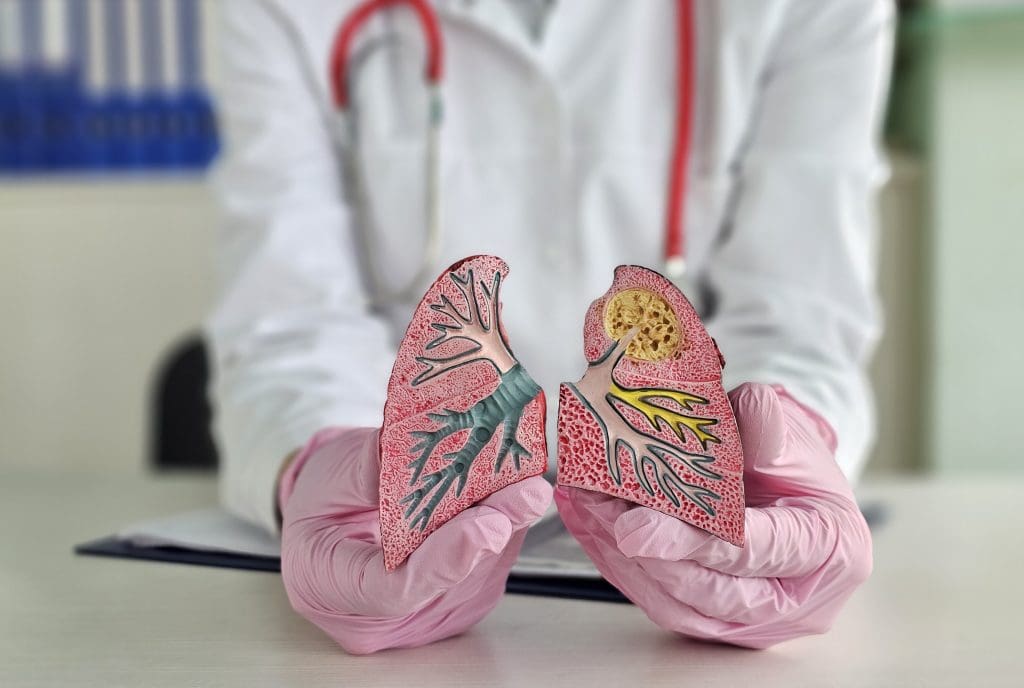
Knowing the stages of lung cancer is key to finding the right treatment. Lung cancer is a major cause of death worldwide. It’s mainly split into two types: non-small cell lung cancer (NSCLC) and small cell lung cancer (SCLC).
What is lung cancer?
Lung cancer starts in the lungs and can spread to other areas. NSCLC makes up about 85% of cases and includes types like adenocarcinoma and squamous cell carcinoma. SCLC is more aggressive and linked to smoking.
The importance of staging in treatment planning
Staging is very important for doctors to know how far the disease has spread. They look at the tumor size, if lymph nodes are affected, and if it has spread. This info helps doctors pick the best treatment, like surgery or chemotherapy.
How staging affects prognosis
The stage of lung cancer at diagnosis greatly affects the patient’s outlook. Early-stage cancer usually has a better chance of recovery than advanced cancer. Knowing the stage helps patients and their families understand their treatment options and what to expect.
The TNM Staging System Explained
Doctors use the TNM staging system to understand lung cancer’s severity. This method classifies lung cancer based on three main factors. These are the tumor’s size and spread, lymph node involvement, and if the cancer has spread to other parts of the body.
Tumor Size and Extent (T)
The “T” part of the TNM system looks at the tumor’s size and if it has invaded nearby tissues. Tumors that are larger or have grown into nearby areas are considered more serious.
Lymph Node Involvement (N)
The “N” part checks if the cancer has reached the lymph nodes and how far it has spread. Lymph nodes are small, bean-shaped organs that help fight infections and diseases.
Metastasis Presence (M)
The “M” part shows if the cancer has spread to other parts of the body. This spread indicates advanced cancer and impacts treatment choices and outlook.
How Doctors Determine Your Stage
Doctors figure out the lung cancer stage by looking at the T, N, and M parts together. This detailed look helps them understand the cancer’s spread and decide on the best treatment.
| TNM Component | Description | Importance in Staging |
| T (Tumor) | Size and extent of the primary tumor | Indicates local spread and impact on nearby structures |
| N (Node) | Lymph node involvement | Shows spread to the lymphatic system |
| M (Metastasis) | Presence of distant metastasis | Indicates advanced disease and affects treatment options |
Overview of Lung Cancer Stages
The stage of lung cancer at diagnosis is key to knowing what to expect. It ranges from stage 0 (carcinoma in situ) to stage IV (advanced disease). Each stage has subcategories that show how far the disease has spread.
Stage 0 (Carcinoma in Situ)
Stage 0 lung cancer is the earliest form. It’s found in the lining of the lungs. At this stage, the cancer is treatable, and surgery is usually the first step.
Stage I (IA and IB)
Stage I lung cancer is split into IA and IB. IA has a tumor smaller than 1 cm. IB has a larger tumor or more disease. Treatment for stage I often includes surgery, sometimes with radiation therapy.
Stage II (IIA and IIB)
Stage II lung cancer is divided into IIA and IIB. IIA has a larger tumor or cancer in nearby lymph nodes. IIB has bigger tumors or more lymph nodes involved. Treatment for stage II may include surgery, chemotherapy, and radiation therapy.
Stage III (IIIA, IIIB, and IIIC)
Stage III lung cancer is the most complex. It has subcategories IIIA, IIIB, and IIIC, showing different tumor sizes and lymph node involvement. Treatment for stage III often involves chemotherapy, radiation therapy, and sometimes surgery.
| Stage | Description | Typical Treatment Options |
| 0 | Carcinoma in situ | Surgery |
| I | Early stage, localized disease | Surgery, Radiation Therapy |
| II | Locally advanced disease | Surgery, Chemotherapy, Radiation Therapy |
| III | Locally advanced disease with lymph node involvement | Chemotherapy, Radiation Therapy, Surgery |
Knowing the stage of lung cancer is vital for treatment planning. Each stage has its own characteristics, leading to different treatment options.
Early Stage Lung Cancer: The Most Curable Phase
Early stage lung cancer is a critical time. Quick action can greatly improve a patient’s chances. At this point, the cancer is more treatable, and success rates are higher.
Defining Early Stage Lung Cancer
Early stage lung cancer is usually stage I or II. The cancer is contained within the lungs. It hasn’t spread to lymph nodes or distant organs yet. This makes it easier to find the best treatment.
Why Early Stages Offer the Best Prognosis
Patients with early stage lung cancer have a better outlook. This is because the cancer can often be completely removed. Or treated with localized therapies, reducing the risk of it coming back.
Treatment outcomes are better when caught early. Patients have more options, like surgery, radiation, and chemotherapy. These can be used alone or together for the best results.
Treatment Options at Early Stages
For early stage lung cancer, several treatments are available:
- Surgery: To remove the tumor and affected lung tissue.
- Radiation Therapy: To target and destroy cancer cells.
- Chemotherapy: To eliminate any remaining cancer cells.
A multidisciplinary approach is often used. This combines treatments for better results. The right treatment depends on the patient’s health, the tumor’s characteristics, and the disease’s stage.
Challenges in Early Detection
Early detection of lung cancer is hard. Screening and awareness campaigns help find it before symptoms show. This is key to catching it early.
| Stage | Treatment Options | 5-Year Survival Rate |
| Stage I | Surgery, Radiation Therapy | 70-90% |
| Stage II | Surgery, Chemotherapy, Radiation Therapy | 40-60% |
Knowing the importance of early detection and treatment options can greatly help lung cancer patients. Catching the disease early leads to better outcomes. It increases the chances of survival and recovery.
Stage1 Lung Cancer Cure Rates and Outlook
Early detection of lung cancer at stage 1 can greatly improve cure rates and patient outcomes. Stage 1 lung cancer is divided into two substages: 1A and 1B. Each has its own characteristics and treatment implications.
Stage 1A vs. 1B Differences
The main difference between stage 1A and 1B lung cancer is the tumor size and its spread. Stage 1A has smaller tumors that stay in the lung. Stage 1B has larger tumors or those that spread deeper into the lung or main bronchus.
5-Year Survival Statistics
Five-year survival rates are key to understanding lung cancer prognosis. For stage 1 non-small cell lung cancer (NSCLC), survival rates are much higher than later stages. The American Cancer Society reports a 90% 5-year survival rate for stage 1A NSCLC. For stage 1B, it’s around 80-85%. These numbers highlight the importance of catching lung cancer early.
“The 5-year survival rate for stage I NSCLC is around 70%, highlighting the chance for cure with the right treatment,” a study on lung cancer outcomes notes.
Factors Affecting Stage 1 Outcomes
Many factors can affect stage 1 lung cancer outcomes. These include overall health, age, genetic markers, and tumor characteristics. Smoking cessation is also key, as smoking can harm treatment success and survival.
- Age and overall health status
- Genetic and molecular markers of the tumor
- Histological type of lung cancer (NSCLC vs. SCLC)
- Treatment approach and adherence to therapy
Standard Treatment Protocols
Treatment for stage 1 lung cancer often starts with surgical resection to remove the tumor. For those not fit for surgery, stereotactic body radiation therapy (SBRT) is a good alternative. Adjuvant therapies may be suggested based on patient and tumor specifics.
In summary, stage 1 lung cancer offers a chance for effective treatment and cure. Knowing the differences between stage 1A and 1B, and the factors and treatments involved, is vital for the best patient care.
Stage 2 Lung Cancer Outlook and Treatment Success
For those with stage 2 lung cancer, knowing their outlook is key. This stage is split into 2A and 2B, each with its own traits and future outlook.
Differences Between Stage 2A and 2B
The main difference between 2A and 2B is in tumor size and lymph node involvement. Stage 2A has larger tumors or smaller ones with little lymph node involvement. On the other hand, stage 2B includes bigger tumors with more lymph nodes affected.
Survival Rates and Prognosis
Survival rates for stage 2 lung cancer depend on the stage, health, and treatment response. The 5-year survival rate for this stage is between 30% and 60%.
| Stage | 5-Year Survival Rate |
| Stage 2A | 40-50% |
| Stage 2B | 30-40% |
Common Treatment Approaches
Treatment for stage 2 lung cancer often combines surgery, chemotherapy, and radiation. The choice depends on health, cancer stage, and other factors.
- Surgery: Removes the tumor and affected lymph nodes.
- Chemotherapy: Kills cancer cells that may have spread.
- Radiation Therapy: Targets cancer cells with high-energy rays.
Adjuvant Therapy Considerations
Adjuvant therapy, like chemotherapy or radiation, may be suggested after surgery. It aims to lower the chance of cancer coming back. The choice depends on the cancer’s stage and the patient’s health.
Localized Lung Cancer: Definition and Curability
Localized lung cancer is an early stage where cancer cells are only in the lungs. This stage is key because it offers the best chance for treatment and better survival rates.
What makes cancer “localized”
Cancer is called localized when it’s only in the lungs and hasn’t spread. This is important for choosing the right treatment.
Localized lung cancer is when the tumor is small and hasn’t spread. The American Cancer Society says early detection is key for better treatment results.
Treatment options for localized disease
Treatment for localized lung cancer often includes surgery, radiation, or both. The choice depends on the disease stage, the patient’s health, and other factors.
Surgery is often the first choice to remove the tumor and affected lymph nodes. Radiation therapy is used for those not fit for surgery or with surgery to kill all cancer cells.
Comparison to regional and distant disease
Localized lung cancer has a better prognosis than regional or distant disease. Regional disease means cancer has spread to nearby tissues. Distant disease means it has spread to other parts of the body.
| Disease Stage | Treatment Options | Prognosis |
| Localized | Surgery, Radiation Therapy | Generally better |
| Regional | Combination therapy (Surgery, Radiation, Chemotherapy) | Variable, depending on extent of spread |
| Distant | Palliative care, Systemic therapy | Generally poorer |
The table shows how treatment options and prognosis change with the disease stage. Early detection and treatment of localized lung cancer are vital for better patient outcomes.
Non-Small Cell vs. Small Cell Lung Cancer Curability
It’s important to know the difference between non-small cell lung cancer (NSCLC) and small cell lung cancer (SCLC). These two types of lung cancer have different characteristics and treatment options. This affects how well they can be treated and the outcomes for patients.
Non-small cell lung cancer stage1 outcomes
NSCLC makes up about 85% of lung cancer cases. It’s usually found in older people compared to SCLC. Stage 1 NSCLC has a good chance of survival, with 5-year survival rates ranging from 70% to 90%. This depends on the stage and treatment.
“Early detection and surgery can greatly improve survival chances for NSCLC patients,” say oncology experts.
Small cell lung cancer limited stage prognosis
SCLC is more aggressive and linked to smoking. Limited-stage SCLC, which stays in one side of the chest, has a poorer prognosis than early-stage NSCLC. Treatment usually includes chemotherapy and radiation therapy.
- Limited-stage SCLC has a 2-year survival rate of about 20-40%.
- At first, treatment works well, but the cancer often comes back.
Key differences in treatment approach
The treatment for NSCLC and SCLC is different because of their unique behaviors. NSCLC often gets surgery early on. SCLC, being very sensitive, is treated with chemotherapy and radiation.
| Treatment Modality | NSCLC | SCLC |
| Surgery | Common at early stages | Rarely used |
| Chemotherapy | Used in advanced stages | Primary treatment |
| Radiation Therapy | Used for localized disease | Commonly used |
Histology impact on curability
The type of lung cancer affects how curable it is. NSCLC subtypes like adenocarcinoma and squamous cell carcinoma have different survival chances. SCLC’s uniform histology and aggressive nature also impact survival.
Getting the right diagnosis and staging is key for the best treatment and better patient outcomes.
Lung Cancer Surgery Success Rates by Stage
Lung cancer surgery success rates depend on the stage of the cancer. Early detection is key. Surgery is the best chance for a cure in early stages.
Surgical Options for Different Stages
Surgical choices change with the cancer stage. For Stage I and II, surgery is often the main treatment. This can include removing a lung lobe or segment.
In later stages, surgery might be combined with other treatments like chemotherapy and radiation.
Surgical Procedures by Stage:
| Stage | Surgical Options | Success Rate |
| Stage I | Lobectomy, Segmentectomy | 60-80% |
| Stage II | Lobectomy, Bilobectomy | 40-60% |
| Stage III | Surgery with adjuvant therapy | 20-40% |
Factors Predicting Surgical Success
Several factors can predict lung cancer surgery success. These include the cancer stage, patient health, and any comorbidities. Early-stage cancer and good health lead to better outcomes.
Recovery and Post-Surgical Outcomes
Recovery from lung cancer surgery varies. It depends on the surgery type and patient health. Better outcomes are seen in early-stage surgeries.
Long-term Survival Rates:
- Stage I: 50-70% 5-year survival rate
- Stage II: 30-50% 5-year survival rate
- Stage III: 10-30% 5-year survival rate
When Surgery Isn’t an Option
Surgery might not be possible for advanced lung cancer or those with serious health issues. In these cases, other treatments like radiation, chemotherapy, or immunotherapy are considered.
Lung Cancer Early Detection Methods
Early detection is key to improving lung cancer survival rates. Advanced imaging and biomarker testing help achieve this. These methods are vital for catching lung cancer early, when it’s easier to treat.
Screening Recommendations
Screening is advised for those at high risk, mainly heavy smokers. The United States Preventive Services Task Force (USPSTF) suggests annual scans for adults aged 50 to 80. They must have smoked for 20 pack-years and either smoke now or have quit in the last 15 years.
Imaging Techniques
Imaging is essential for lung cancer detection. Low-dose computed tomography (LDCT) is the top choice for screening. It uses low radiation to show lung details, spotting tumors early.
Biomarker Testing
Biomarker testing looks at blood or tissue samples for lung cancer markers. It helps find the disease early and track treatment success.
Emerging Detection Technologies
New technologies are being explored for better lung cancer detection. Liquid biopsies and advanced imaging are among them. These innovations aim to improve early detection and treatment results.
| Detection Method | Description | Benefits |
| Low-dose CT scans | Uses low doses of radiation to create detailed images of the lungs. | Effective in detecting lung cancer at an early stage. |
| Biomarker testing | Involves analyzing biological samples for specific genetic or molecular markers. | Helps in early detection and monitoring treatment response. |
| Liquid biopsies | Analyzes circulating tumor DNA in the blood to detect cancer. | Non-invasive and potentially more sensitive than traditional biopsies. |
Treatment Options That Offer the Best Outcomes
Lung cancer treatment results can vary a lot. This depends on when the cancer is found and the treatment used. Knowing the best ways to treat lung cancer is key for both patients and doctors.
Surgery for Early Stage Disease
Surgery is often the first choice for early lung cancer. It aims to remove the tumor and affected lymph nodes. The American Cancer Society says surgery works well for stage I and II lung cancer.
“Surgery offers a potentially curative option for early-stage lung cancer patients,” says Dr. Jane Smith, a thoracic surgeon. “The key is early detection and accurate staging.”
Radiation Therapy Approaches
Radiation therapy is also a key treatment for lung cancer. It’s used when surgery isn’t possible or for more advanced disease. New methods like stereotactic body radiation therapy (SBRT) have made treatment better for many.
- SBRT delivers high doses of radiation precisely to the tumor, minimizing damage to surrounding tissue.
- Conventional radiation therapy is used for more widespread disease or in conjunction with other treatments.
Chemotherapy Effectiveness by Stage
Chemotherapy is used at different stages of lung cancer. It’s often combined with other treatments. How well it works depends on the stage and type of lung cancer.
A study in the Journal of Clinical Oncology showed chemotherapy greatly improved survival for advanced non-small cell lung cancer patients.
Targeted Therapies and Immunotherapy
Targeted therapies and immunotherapy are newer lung cancer treatments. They offer hope for some patients.
Targeted therapies target specific genetic mutations in cancer. Immunotherapy boosts the body’s immune response against cancer cells.
“The advent of targeted therapies and immunotherapy has revolutionized the treatment landscape for lung cancer, providing new hope for patients with advanced disease,” notes Dr. John Doe, an oncologist.
Factors That Influence Lung Cancer Curability
Knowing what affects lung cancer treatment is key. It’s about more than just the disease itself. It includes the patient’s age, health, genetics, access to care, and lifestyle.
Age and Overall Health
Age and health are big factors in lung cancer treatment. Older patients or those with health issues might find it harder to fight the disease. This is because they might not have the strength or health needed for treatment.
Genetic and Molecular Markers
Genetic and molecular markers help doctors understand lung cancer’s aggressiveness. They also show how well the cancer might respond to certain treatments. Some genetic changes can make cancer more treatable with specific therapies.
Access to Specialized Care
Getting care from experts like oncologists and thoracic surgeons is very important. Patients who see these specialists often do better. This is because these doctors have a lot of experience with lung cancer.
Smoking History and Cessation
Smoking history and quitting play a big role in lung cancer treatment. Quitting smoking is essential. It can make treatments more effective and lower the chance of cancer coming back.
| Factor | Influence on Curability |
| Age | Older patients may have lower curability rates due to comorbidities. |
| Genetic Markers | Certain mutations can increase the effectiveness of targeted therapies. |
| Smoking History | Smoking cessation improves treatment outcomes and reduces recurrence risk. |
| Access to Care | Specialized care improves survival rates and treatment outcomes. |
Healthcare providers can make treatment plans better by knowing these factors. This can help improve lung cancer treatment results for each patient.
Long-Term Survival with Lung Cancer
Medical science has made big strides, making long-term survival with lung cancer more possible. This touches on cure, remission, and care for patients. Survival time depends on many things like the cancer’s stage, how well treatment works, and the patient’s health.
What Defines “Cure” vs. Remission
“Cure” and “remission” are terms used in cancer treatment. A “cure” means the cancer is gone for good. “Remission” means the cancer is controlled but could come back.
Knowing the difference between cure and remission helps patients understand their treatment’s success.
Stories of Long-Term Survivors
Many people have survived lung cancer for a long time. This is thanks to better treatments and care. Their stories give hope and show how important early detection and good treatment plans are.
“I was diagnosed with stage II lung cancer five years ago, and after undergoing surgery and chemotherapy, I am now in remission. My journey has been challenging, but it’s a testament to the power of modern medicine and the importance of a strong support system.”
Quality of Life Considerations
Surviving lung cancer isn’t just about living longer. It’s also about living well. This means managing symptoms, eating right, and staying mentally strong.
| Aspect | Considerations |
| Symptom Management | Pain control, managing side effects of treatment |
| Nutritional Needs | Dietary adjustments to maintain strength and health |
| Psychological Well-being | Counseling, support groups, stress management |
Psychological Aspects of Survivorship
Lung cancer diagnosis and treatment can really affect a person’s mind. Survivors often deal with anxiety, depression, and fear of cancer coming back. It’s key to have access to mental health support and counseling.
The emotional journey of survivorship is as important as the physical one, requiring a holistic approach to care.
Remission Stage Lung Cancer: What to Expect
Remission in lung cancer is a big step forward, but it’s not the end. It’s a time when you need to keep up with care and watch for signs closely. Working with your healthcare team is key to managing your health.
Monitoring After Treatment
After treatment, you’ll need to watch for cancer coming back. This means regular visits to your doctor and tests like CT scans. Your healthcare team will decide how often you need these checks.
- Regular check-ups with healthcare providers
- Imaging tests such as CT scans
- Laboratory tests to monitor tumor markers
Managing Recurrence Risk
Lowering the chance of cancer coming back is important. You can do this by:
- Keeping a healthy lifestyle, eating well, and exercising
- Staying away from things that can cause cancer, like tobacco smoke
- Going to all your follow-up appointments
By following these tips, you can lower your risk and feel better overall.
Ongoing Care Needs
After remission, you’ll need ongoing care. This includes watching for cancer to come back and dealing with treatment side effects. Talk to your healthcare team to make a care plan that fits your needs.
Signs That Warrant Medical Attention
It’s important to know when to see a doctor. Look out for signs like:
- Persistent cough or changes in cough pattern
- Difficulty breathing or shortness of breath
- Unexplained weight loss or loss of appetite
- New or worsening pain
If you notice any of these, get medical help right away.
Prevention and Risk Reduction Strategies
Prevention and risk reduction are key in fighting lung cancer. They involve personal and environmental health steps. By tackling risk factors, people can lower their lung cancer risk.
Smoking Cessation Benefits
Stopping smoking is a top way to lower lung cancer risk. Quitting smoking cuts down the risk of lung cancer and other smoking-related diseases. There are many resources to help quit, like counseling and medication.
Quitting smoking has many benefits. Within 20 minutes, heart rate and blood pressure drop. In 12 hours, carbon monoxide levels in the blood return to normal. After 5 years, the risk of stroke is the same as a non-smoker’s.
Environmental Exposure Management
Managing environmental exposures is vital for lung cancer prevention. This means avoiding radon and air pollution. Using air purifiers and ensuring good ventilation helps.
People working with hazardous materials, like asbestos, must follow strict safety rules. Personal protective equipment (PPE) and safety protocols can greatly reduce lung cancer risk.
Lifestyle Factors That Improve Outcomes
A healthy lifestyle is key in reducing lung cancer risk. Eating a balanced diet and staying active are important. A healthy diet and exercise boost the immune system and lower cancer risk.
Also, drinking less alcohol and eating fewer processed foods helps overall health. This can lower cancer risk.
High-Risk Population Considerations
Some groups face a higher lung cancer risk. These include those with a family history, exposure to carcinogens, and smokers. For these groups, targeted screening and prevention are essential.
Regular health check-ups and talking about risk factors are important. They help identify who might need more aggressive prevention, like chemoprevention or clinical trials.
Advances Improving Lung Cancer Curability
Lung cancer treatment is getting better thanks to new methods. These include precision medicine, less invasive surgery, and clinical trials. These changes are making lung cancer care better, giving patients hope and improving survival rates.
Precision Medicine Approaches
Precision medicine is changing lung cancer treatment. It tailors treatments to each patient’s tumor. This makes treatments more effective and reduces side effects.
- Targeted therapies that focus on specific genetic mutations
- Immunotherapies that harness the body’s immune system to fight cancer
- Biomarker testing to identify the most appropriate treatment options
Precision medicine helps patients with non-small cell lung cancer (NSCLC) a lot. It lets doctors choose the best treatment based on the tumor’s genetic profile.
Minimally Invasive Techniques
Minimally invasive surgery is making recovery faster and complications less. Techniques include:
- Video-assisted thoracic surgery (VATS)
- Robotic-assisted surgery
These methods reduce the impact on patients. They also allow for more precise tumor removal.
Clinical Trials and Emerging Treatments
Clinical trials are key in improving lung cancer treatment. They test new therapies and combinations. New treatments include:
- Novel immunotherapies and combination regimens
- Targeted therapies for specific genetic mutations
- Advances in radiation therapy techniques
Joining clinical trials gives patients access to new treatments. It also helps develop future therapies.
Future Directions in Lung Cancer Care
The future of lung cancer care looks bright. Ongoing research aims to improve treatment outcomes. Future areas include:
- Developing more effective and less toxic therapies
- Improving early detection and screening
- Using artificial intelligence and machine learning in treatment planning
As research advances, patients will get more personalized and effective treatments.
Conclusion
Early detection and the right treatment are key to beating lung cancer. Knowing the stage of lung cancer helps doctors choose the best treatment. The TNM staging system helps classify the disease’s extent, guiding treatment and predicting outcomes.
When lung cancer is caught early, it’s much easier to treat. Screening and new detection tools help find the disease early. Treatments like surgery, radiation, and targeted therapies have different success rates based on the cancer’s stage and type.
Managing lung cancer in remission is important to stop it from coming back. Understanding what affects lung cancer’s curability, like age and health, helps make treatment choices. This knowledge helps both patients and doctors decide on the best care.
New advances in precision medicine and less invasive treatments are making a big difference. Early detection and effective treatments together can greatly improve lung cancer’s curability. This leads to better results for patients.
FAQ
What stage of lung cancer is most curable?
Early stage lung cancer, like stage I, is the most curable. This is because the tumor is small and hasn’t spread to lymph nodes or other parts of the body.
How does the stage of lung cancer affect treatment decisions?
The stage of lung cancer greatly affects treatment choices. Early stages might get surgery or localized treatments. But, more advanced stages might need a mix of chemotherapy, radiation, and targeted therapies.
What is the TNM staging system used for in lung cancer?
The TNM system classifies lung cancer based on tumor size (T), lymph node involvement (N), and metastasis (M). It helps determine the stage and prognosis.
What are the differences between stage 1A and 1B lung cancer?
Stage 1A lung cancer has smaller tumors and is less likely to spread. Stage 1B tumors are slightly larger and might spread more easily.
How does localized lung cancer differ from regional or distant disease?
Localized lung cancer stays in the lungs. Regional disease spreads to nearby lymph nodes. Distant disease goes to other parts of the body. Localized disease usually has a better prognosis and more treatment options.
What are the treatment options for early stage non-small cell lung cancer?
Early stage non-small cell lung cancer can be treated with surgery, like lobectomy or segmentectomy. Sometimes, radiation therapy or SBRT is used for those who can’t have surgery.
How does smoking cessation impact lung cancer outcomes?
Quitting smoking can greatly improve lung cancer outcomes. It reduces the risk of recurrence, improves treatment tolerance, and lowers the risk of secondary cancers.
What is the role of precision medicine in improving lung cancer curability?
Precision medicine tailors treatments to a tumor’s genetic and molecular characteristics. This can improve outcomes by using the most effective therapies.
What are the signs that warrant medical attention during remission?
Signs needing medical attention during remission include new or worsening symptoms like cough, chest pain, or breathing trouble. Also, any concerns about recurrence should be checked.
How can lifestyle modifications reduce the risk of lung cancer?
Lifestyle changes like quitting smoking, avoiding harmful substances, eating healthy, and exercising can lower lung cancer risk.
What are the emerging treatments for lung cancer?
New treatments for lung cancer include immunotherapy, targeted therapies, and new chemotherapy agents. Advances in radiation therapy and surgery are also being explored in trials.
What is the difference between cure and remission in lung cancer?
A cure means the cancer won’t come back. Remission means the cancer is controlled but might return. The difference often depends on how long it’s been in remission.
How does early detection impact lung cancer outcomes?
Early detection of lung cancer greatly improves outcomes. It allows for treatment at an earlier stage, when the disease is more curable. Screening programs and awareness of risk factors help.