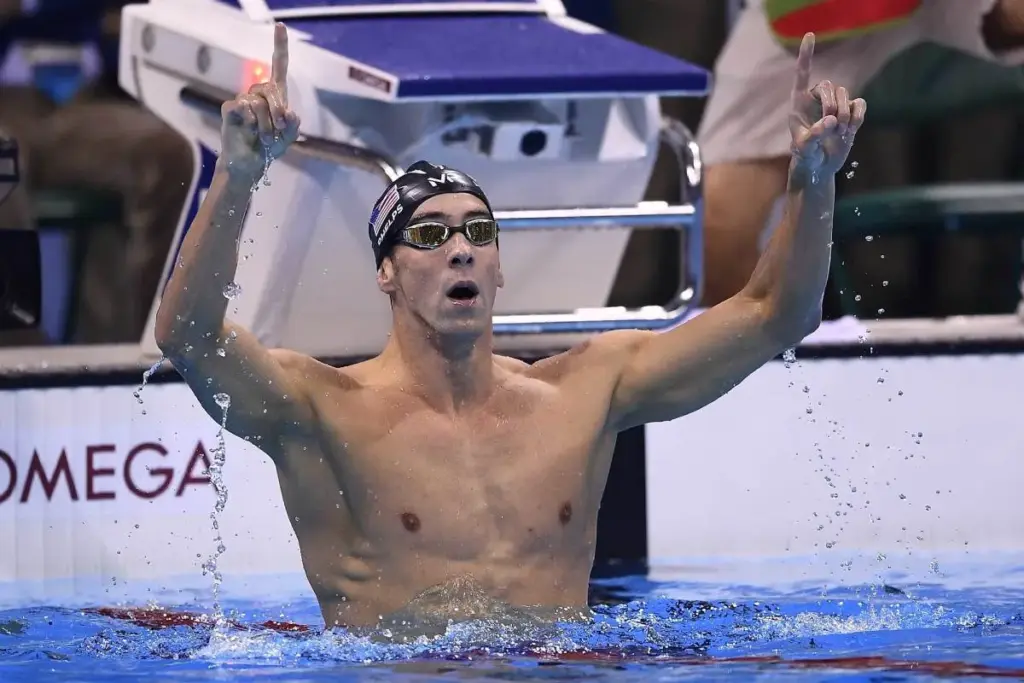
Michael Phelps, the most decorated Olympian, has a remarkably low resting heart rate. This is common among elite athletes. His heart rate is a topic of interest for sports fans and health experts. Compare your pulse! Learn athlete resting HR and best healthy stats. See how your heart rate stacks up against elites like Michael Phelps today.
Phelps’ heart pumps a lot of blood with each beat. This is thanks to his intense training. His extraordinary cardiovascular efficiency helps him excel in his sport.
Learning about Phelps’ heart rate can help athletes and those interested in heart health.
Key Takeaways
- Michael Phelps has a low resting heart rate from his athletic training.
- A low resting heart rate is common among top athletes.
- Being good at pumping blood is key for athletes.
- Knowing about athlete heart rates can help us understand heart health.
- Elite athletes like Phelps have very efficient hearts.
Michael Phelps’ Extraordinary Cardiovascular System
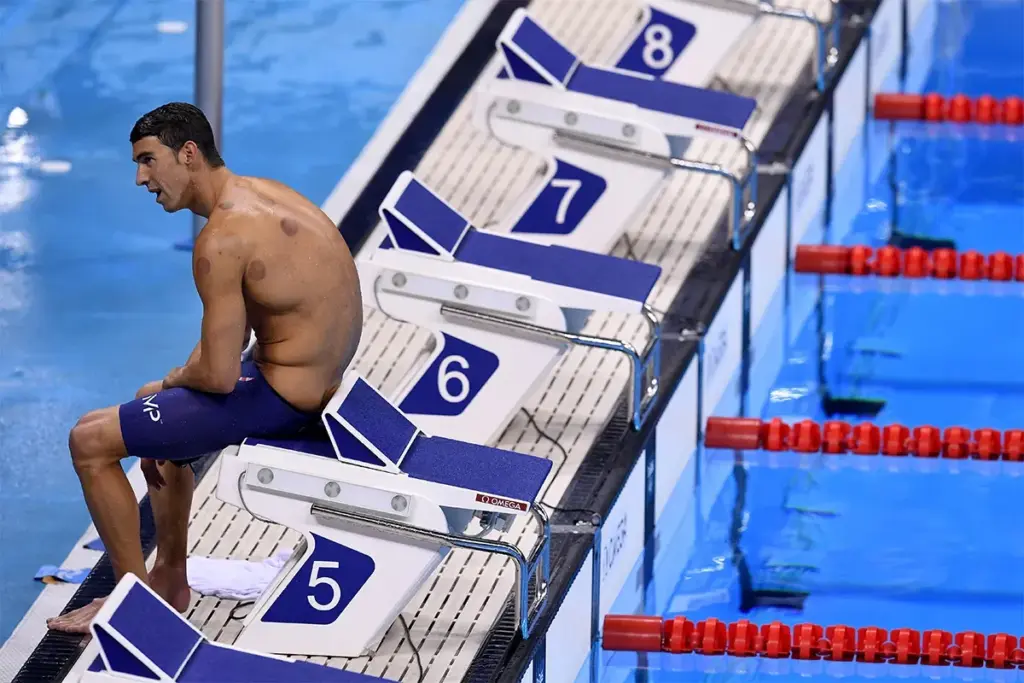
Michael Phelps’ heart is a wonder of elite sports. His body has adapted to intense training in amazing ways. As the most decorated Olympian, scientists have studied him to learn how he excels.
The Olympic Champion’s Documented Heart Rate
Michael Phelps’ heart rate is much lower than most adults. While adults usually have a heart rate of 60 to 100 beats per minute, Phelps’ is around 28-30 bpm. This is a sign of a top-notch endurance athlete, showing his heart is very efficient.
“Elite athletes like Michael Phelps have heart rates that are adapted to the demands of their sport,” says a sports physiologist. “Their hearts are more efficient at pumping blood, which allows for a lower resting heart rate.” This helps them perform better, saving energy and boosting endurance.
How His Heart Rate Compares to Average Adults
Michael Phelps’ heart rate is much lower than most adults. While most adults have a resting heart rate of 60-100 bpm, Phelps’ is often below 40 bpm. This shows how intense training changes the heart, making it more efficient for sports.
Having a low resting heart rate is very beneficial. It means better cardiovascular health and lower risks of heart disease. Studies back this up, showing athletes with low heart rates are healthier.
Understanding Athlete Resting HR: The Michael Phelps Case Study
Michael Phelps, the most decorated Olympian, is a great example of athlete heart rates. His heart is incredibly strong, catching the eye of many experts.
What Constitutes a Normal Resting Heart Rate
For adults, a normal heart rate is between 60 to 100 beats per minute. But, athletes like Michael Phelps have much lower rates, sometimes as low as 40 bpm. This is because they are in top shape.
The term athlete’s heart describes how the heart changes with intense exercise. This change makes the heart pump better, leading to a lower resting heart rate.
How Elite Swimmers’ Heart Rates Differ
Elite swimmers, like Phelps, train very hard. His resting heart rate is around 40 bpm, much lower than most adults. This is because swimming at the top level is very demanding.
Knowing how athlete heart rates differ from others helps us understand cardiac adaptations from intense training. This info is useful for cardiac physical therapy and phase 2 cardiac rehab. It helps make these programs better for everyone.
The Science Behind Michael Phelps’ Low Resting Heart Rate
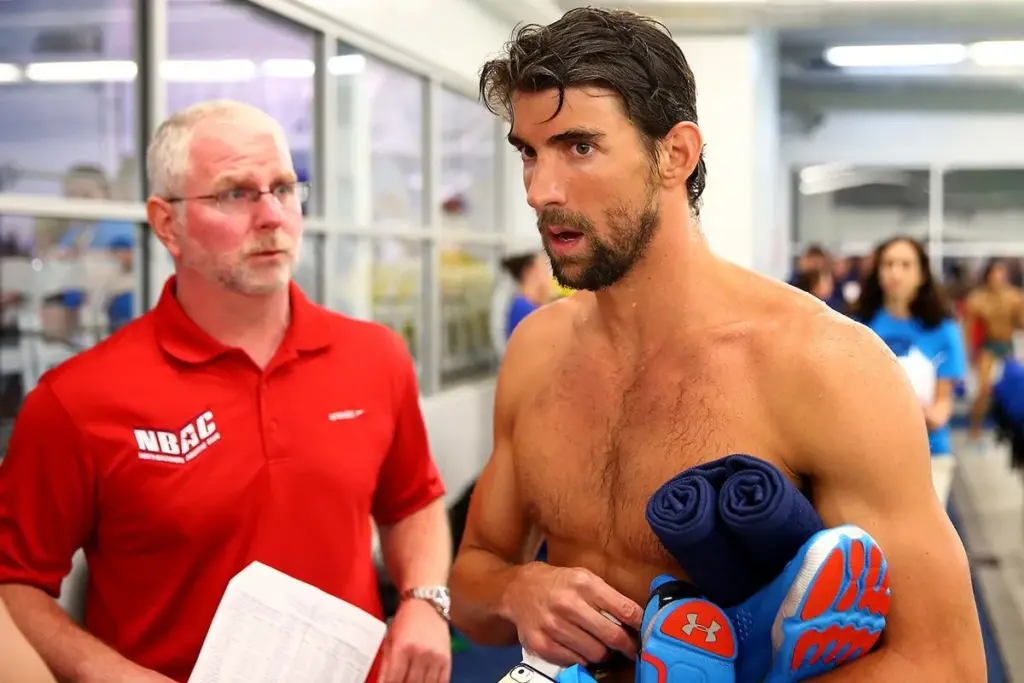
Michael Phelps’ low resting heart rate is fascinating. It shows how elite swimmers like him push their hearts to new limits. Their intense training changes their hearts in big ways.
Cardiac Adaptations in Olympic Swimmers
Olympic swimmers have special heart changes from their hard training. These changes include:
- Increased left ventricular chamber size
- Enhanced myocardial contractility
- Improved diastolic function
These heart changes help swimmers pump more blood when they exercise. This boosts their performance.
|
Cardiac Adaptation |
Description |
Benefit to Swimmers |
|---|---|---|
|
Increased Left Ventricular Size |
Enlargement of the heart’s main pumping chamber |
Enhanced stroke volume and cardiac output |
|
Enhanced Myocardial Contractility |
Improved muscle contraction strength in the heart |
Better performance during high-intensity exercise |
|
Improved Diastolic Function |
Better relaxation of the heart between beats |
Efficient filling of the heart during rest and exercise |
The Role of Genetics vs. Training
Genetics vs. training is a big debate. Genes set our heart rates, but training changes them a lot. Elite athletes show this well.
Studies say both genes and training affect athletes’ heart rates. Training can make resting heart rates much lower. This boosts endurance and heart health.
Knowing how genes and training work together helps athletes and coaches. They can make training plans that improve heart health. This way, athletes can get better and better.
Heart Rate During Competition: Michael Phelps in Action
Michael Phelps’ heart rate soars during competition, showing his top-notch athleticism. His heart rate during intense swimming gives us a peek into the physical demands of competitive swimming.
Peak Performance Heart Rate Measurements
Michael Phelps’ heart rate jumps to incredible levels when he competes. Elite swimmers like Phelps can hit heart rates of up to 194 beats per minute. This is way above the average adult’s maximum heart rate, which is about 170 bpm for someone his age.
Peak Heart Rate Comparison
|
Athlete |
Maximum Heart Rate (bpm) |
|---|---|
|
Michael Phelps |
194 |
|
Average Adult |
170 |
Recovery Patterns After Olympic-Level Exertion
Michael Phelps’ quick exercise recovery rate is a big part of his success. His heart rate goes back to normal fast, letting him perform at a high level over and over. Elite athletes like Phelps have more efficient hearts, which helps them recover faster.
Coaches and trainers keep a close eye on athletes like Phelps. They watch how his heart rate reacts to exercise and recovers. This helps them fine-tune his training to make sure he’s at his best during competitions.
Cardiac rehab programs also use these principles. They help patients recover from heart issues. The cpt code cardiac rehab is used for billing, showing how athletic training and cardiac rehab are connected.
Comparing Michael Phelps to Other Elite Athletes
Looking at Michael Phelps and other top athletes shows interesting heart rate and fitness differences. Phelps is known for his amazing heart health. But, other athletes in different sports also have impressive heart health.
Heart Rates Across Different Olympic Sports
Elite athletes from different Olympic sports have unique heart health. Cyclists and long-distance runners often have heart rates like swimmers, between 40 to 60 beats per minute. But, their training and sport demands shape their heart health differently.
High-intensity sports like sprinting don’t always have low resting heart rates. Yet, these athletes develop special heart health to excel. This shows how important it is to know each sport’s needs when checking athlete heart health.
What Makes Swimmers’ Cardiovascular Systems Unique
Swimmers, like Michael Phelps, have special heart health because of swimming. It needs endurance, strength, and technique. This makes their heart health unique.
The low resting heart rate in elite swimmers comes from their intense training. Swimming also has a special challenge because of the water’s resistance. This resistance, along with aerobic exercise, makes their heart very efficient.
It’s key to understand these differences for better training and heart health programs. This knowledge helps create optimal training programs and cardiac rehabilitation programs for all athletes.
The Athletic Heart Syndrome in Elite Swimmers
Elite swimmers, like Michael Phelps, often have Athletic Heart Syndrome. This is a natural change from intense training. It lets their heart pump blood better, meeting the high needs of sports.
Defining Athletic Heart Syndrome
Athletic Heart Syndrome is when the heart changes due to lots of exercise. It can make the heart wall thicker, chambers bigger, and pump more blood. These changes are usually okay and show the heart’s ability to adjust.
This condition is common in athletes who do long, hard workouts. It’s not a sickness but how the heart responds to exercise. It shows how amazing the heart can be.
How Michael Phelps Exemplifies This Condition
Michael Phelps is a top swimmer with Athletic Heart Syndrome. His hard training, like swimming for hours every day, has made his heart strong. His heart rate is much lower than usual, showing he has this syndrome.
Phelps’ heart is very good at pumping blood because of his training. His resting heart rate is very low, around 27-30 beats per minute. This is much lower than the average adult’s heart rate. Such changes help elite athletes like Phelps perform better.
Learning about Athletic Heart Syndrome in athletes like Phelps is important. It helps us understand how intense training changes the body. This knowledge is useful for creating better training plans and keeping athletes healthy.
Training Methods That Influenced Michael Phelps’ Heart Rate
Michael Phelps’ amazing heart rate is thanks to his tough training. He is the most decorated Olympian, and his heart rate shows his intense training. This training made him a top athlete.
Rigorous Training Regimen
Phelps trained hard, for 5-6 hours a day, 6 days a week. He did swimming drills, strength training, and cardio exercises. This mix improved his heart and fitness, helping him perform well in competitions.
His training included cardiac physical therapy ideas. These ideas help the heart work better and improve fitness. This is key for top athletes.
Impact of Specific Exercises on Cardiovascular Development
Phelps’ heart rate improved thanks to specific exercises. High-intensity interval training (HIIT) boosts heart rate and fitness. Phase 2 cardiac rehab programs also improve fitness, which is important for athletes.
- Swimming drills that focus on endurance and speed.
- Strength training to improve muscular support for cardiovascular exertion.
- Cardiovascular exercises that enhance heart function and efficiency.
Learning about cardiac rehab cpt codes and cpt code cardiac rehab helps us understand his training. Even though Phelps didn’t follow a traditional rehab program, the ideas behind it help us see how he got fit.
In summary, Michael Phelps’ heart rate is a result of his hard and structured training. His training included various exercises to boost his heart and fitness. By looking at his training, we can learn more about what makes athletes great.
Monitoring Heart Rate: Lessons from Elite Athletes
Advanced heart rate monitoring systems have changed how elite athletes train. Olympic teams use top technology to track athletes’ heart rates live. This helps them fine-tune training and recovery plans.
Technologies Used by Olympic Teams
Olympic teams use heart rate monitoring tools like wearable devices and ECG systems. These tools help coaches see how athletes react to training. This makes training programs better for peak performance.
“Heart rate monitoring is key in modern sports,” says a sports physiologist. “It lets us make training fit each athlete’s needs. This boosts performance and cuts injury risk.”
Practical Applications for Amateur Athletes
Amateur athletes might not have the same tech as Olympic teams. But, they can use heart rate monitoring too. Wearable devices help track heart rates during workouts and rest. This gives insights into fitness.
Knowing your resting heart rate shows your heart health. A lower rate means better fitness. Elite athletes like Michael Phelps have low resting heart rates.
To use these tips, athletes can:
- Track heart rate with wearable devices during workouts
- Watch recovery heart rate to see how hard training is
- Change training intensity based on heart rate data
These steps help athletes of all levels train better and perform better.
Exercise Recovery Rate: The Michael Phelps Advantage
Michael Phelps has a super-fast recovery rate, a key to his success. This lets him keep up a high level of performance, even when training hard.
Learning about his recovery rate can help other athletes improve theirs. This is true for athletes at all levels.
What Makes His Recovery Exceptional
Phelps’ quick recovery comes from his genes and lots of training. Elite athletes like Phelps have better heart health. This means they can get oxygen and remove waste from muscles more efficiently.
His heart is adapted to handle intense workouts better. This helps him recover fast between sessions.
Training Techniques That Improve Recovery
There are ways to boost recovery, like Phelps does:
- High-Intensity Interval Training (HIIT)
- Proper nutrition and hydration strategies
- Adequate sleep and rest periods
These methods help improve heart health and recovery.
|
Training Technique |
Impact on Recovery |
|---|---|
|
HIIT |
Improves cardiovascular efficiency |
|
Nutrition and Hydration |
Supports muscle repair and replenishes energy stores |
|
Adequate Sleep |
Essential for physiological recovery and adaptation |
By using these techniques, athletes can speed up their recovery. This boosts their overall performance.
Optimal Resting HR for Athletes: Goals and Benchmarks
Knowing your optimal resting heart rate is key for athletes. It shows how well your heart is working. This is important for top performance.
Every sport has its own heart rate goals. A lower heart rate means better fitness. But, the right range varies by sport.
Target Ranges for Different Sports
Each sport needs a different level of heart health. For example, runners and cyclists usually have lower heart rates. Sprinters and team sport players have higher rates.
|
Sport |
Typical Resting Heart Rate Range (bpm) |
|---|---|
|
Endurance Sports (e.g., Distance Running, Cycling) |
40-60 |
|
Team Sports (e.g., Soccer, Basketball) |
50-70 |
|
Sprinting and Power Sports |
55-75 |
How to Safely Lower Your Resting Heart Rate
To safely lower your heart rate, mix regular exercise, stress control, and enough sleep. Watch your progress and adjust your workout plan as needed.
Key Strategies:
- Do regular aerobic activities like jogging or cycling to boost heart health.
- Try stress-reducing activities like meditation or yoga to keep your heart rate down.
- Make sure to sleep well each night to help your heart recover and stay healthy.
By knowing the right heart rate for athletes and working on it, you can improve your performance and heart health.
Athlete Cardiovascular Health: Long-term Perspectives
Athletes are always trying to do better, which means we need to understand how hard training affects their hearts. Athlete cardiovascular health depends on many things like how hard they train, their genes, and their overall health. We’ll look at the good and bad sides of long-term training on heart health.
Benefits of Athletic Training on Heart Health
Training hard regularly makes the heart better in many ways. It can make the heart pump more efficiently, widen blood vessels, and get oxygen to muscles better. Elite athletes often have lower heart rates and recover faster than non-athletes.
Potential Risks and Medical Considerations
But, there are also downsides to intense training. It can change the heart in ways that might raise the risk of heart problems. Also, some performance drugs can harm the heart. Athletes and their doctors need to watch out for these risks and keep an eye on heart health.
Cardiac Rehabilitation: Applying Elite Athletic Principles
Elite athletic training is now guiding cardiac rehabilitation. This offers new hope for heart patients. By studying athletes like Michael Phelps, we can make cardiac rehab better.
How Sports Science Informs Cardiac Rehab Programs
Sports science is key in making cardiac rehab better. Elite athletes’ training shows us how to boost heart health. For example, exercise intensity monitoring is vital in both elite sports and cardiac rehab.
Advanced tech like heart rate monitoring and wearable devices are used in both areas. They help tailor exercise plans to each patient’s needs.
The Future of Athlete Heart Rate Research
New developments in heart rate monitoring are changing athlete heart rate research. As we explore sports science, knowing athlete heart rates is key.
Emerging Technologies in Cardiovascular Monitoring
Wearable tech and data analytics are changing how we track athlete heart rates. These tools offer precise, real-time data. This helps athletes train better and perform at their best.
Some key technologies include:
- Advanced wearable devices for constant heart rate tracking
- AI and machine learning to analyze heart rate data
- Cloud platforms for big data storage and analysis
These tools improve our grasp of athlete heart rates. They also give coaches and trainers valuable insights for better training.
Ongoing Studies of Retired Olympic Athletes
Studies on retired Olympic athletes offer insights into heart health after intense training. They show how heart rates change over time. They also highlight the heart health challenges of a sports career.
A recent study showed some key findings:
|
Study Parameter |
Retired Olympic Athletes |
Non-Athlete Controls |
|---|---|---|
|
Average Resting Heart Rate |
50 bpm |
70 bpm |
|
Incidence of Cardiovascular Disease |
15% |
25% |
|
Cardiac Rehabilitation Participation |
80% |
40% |
These findings show retired athletes have both benefits and challenges for their heart health. It’s important to create cardiac rehab programs that meet their needs.
Looking ahead, research and new technologies will keep improving our understanding of athlete heart rates. By using these tools, we can make training better, improve athlete performance, and support their heart health long-term.
Conclusion
Our look into Michael Phelps’ heart rate has given us key insights into elite athletes’ heart health. His low resting heart rate is a big reason for his amazing swimming skills.
Michael Phelps’ heart rate is much lower than most adults. This shows how elite athletes’ bodies adapt in special ways. Knowing what makes athletes’ heart rates optimal can help create better training plans.
Studying athletes like Michael Phelps helps us understand how genetics, training, and heart health work together. This knowledge can make training programs better and help athletes stay healthy.
As we learn more about athletes’ heart health, we can make cardiac rehab programs better for them. This way, athletes can reach their best heart rate and feel better overall.
FAQ
What is a normal resting heart rate for athletes like Michael Phelps?
Athletes like Michael Phelps have a resting heart rate of 40-60 beats per minute. This is lower than the average adult’s 60-100 beats per minute.
How does Michael Phelps’ heart rate compare to average adults?
Michael Phelps’ heart rate is much lower than average adults. It ranges from 27-40 beats per minute. This is due to his intense training and genetics.
What is athletic heart syndrome, and how does it relate to Michael Phelps?
Athletic heart syndrome is when the heart gets better at intense activity. Michael Phelps shows this, with his heart adapting to his swimming.
How does cardiac rehabilitation relate to athlete cardiovascular health?
Cardiac rehabilitation helps improve heart health in athletes with heart issues. It’s based on sports science.
What are the benefits of athletic training on heart health?
Athletic training boosts heart health by increasing efficiency and lowering blood pressure. But, it’s important to consider the risks and medical aspects.
How can I lower my resting heart rate like Michael Phelps?
To lower your resting heart rate, do regular cardio like swimming or running. Also, try stress-reducing activities like meditation or yoga.
What are the optimal resting heart rate ranges for different sports?
Resting heart rate ranges vary by sport and athlete. Endurance athletes like runners and swimmers have lower rates. Sprinters and team sport athletes have slightly higher rates.
How do Olympic teams monitor heart rate in athletes?
Olympic teams use heart rate monitors and wearable devices. They track heart rates during training and competition. This helps in coaching and improving performance.
What is the significance of exercise recovery rate in athletes like Michael Phelps?
Exercise recovery rate is key for athletes like Michael Phelps. It helps them recover fast between intense sessions. This boosts performance and reduces injury or illness risk.
National Center for Biotechnology Information. Evidence-Based Medical Insight. Retrieved from https://pubmed.ncbi.nlm.nih.gov/33185583/