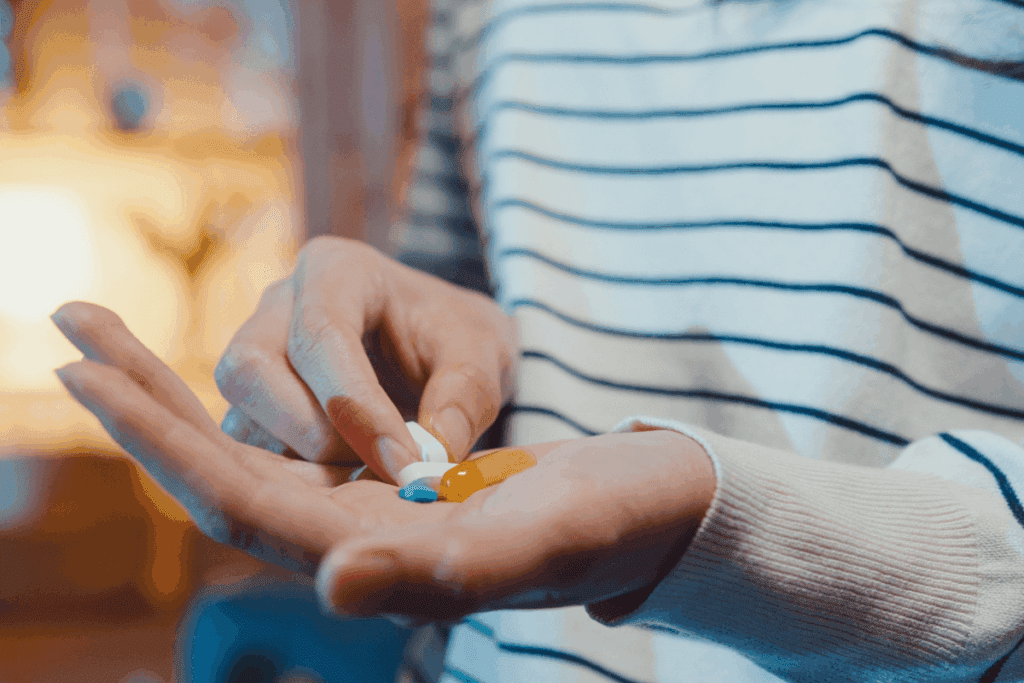
Atorvastatin is a common statin used to control high cholesterol and prevent heart disease. But, it’s not for everyone. Some people should not take it because of health risks.
Careful clinical attention is necessary to make sure treatment is safe and effective. We will talk about the important things to know about atorvastatin. This includes its use in people with liver disease, during pregnancy, and in other high-risk groups.
Key Takeaways
- Atorvastatin is contraindicated in patients with active liver disease.
- Pregnancy and breastfeeding are contraindications for atorvastatin therapy.
- Careful consideration is necessary for patients with significant drug interactions.
- High-risk patient populations require special attention.
- Optimizing therapy while minimizing adverse events is critical.
What You Need to Know About Atorvastatin

Atorvastatin is a common statin drug used to help manage heart health. We’ll look into how it works and its role in lowering bad cholesterol.
Clinical Applications in Cardiovascular Disease
Atorvastatin is used to treat high cholesterol and prevent heart disease. It’s given to people with high cholesterol and those at risk of heart attacks and strokes.
It slows down cholesterol production in the body. This reduces the risk of heart problems. Studies show it can lower bad cholesterol by 30 to 50 percent or more.
“Atorvastatin has been shown to be effective in reducing the risk of major vascular events in patients with cardiovascular disease.”
Efficacy in Reducing LDL Cholesterol
Atorvastatin is great at lowering bad cholesterol. Research proves it can greatly reduce bad cholesterol levels. This lowers the risk of heart problems.
Dosage Intensity | LDL Cholesterol Reduction |
Low | 30% |
Moderate | 40% |
High | 50% or greater |
The table shows atorvastatin’s effect on bad cholesterol changes with dosage. This helps doctors choose the right dose for patients.
Mechanism of Action of Atorvastatin

Atorvastatin works by blocking a key enzyme in cholesterol making. It competitively inhibits 3-hydroxy-3-methylglutaryl-coenzyme A (HMG-CoA) reductase. This enzyme is vital for making cholesterol in the liver.
By stopping the conversion of HMG-CoA to mevalonate, atorvastatin cuts down cholesterol making in the liver. This is key for lowering LDL cholesterol and preventing heart problems.
HMG-CoA Reductase Inhibition Process
Atorvastatin blocks HMG-CoA reductase through a complex process. It binds to the enzyme’s active site, stopping HMG-CoA from turning into mevalonate.
Impact on Cholesterol Biosynthesis Pathway
Atorvastatin’s effect on cholesterol making is big. It not only lowers liver cholesterol but also upregulates LDL receptors on liver cells. This boosts LDL cholesterol removal from blood, helping lower LDL levels.
Knowing how atorvastatin works helps doctors understand its benefits and how it might interact with other drugs.
Therapeutic Indications and Benefits
Atorvastatin is effective in many clinical settings. It’s used for preventing heart disease and managing high cholesterol. This makes it a versatile treatment option.
Primary Prevention of Coronary Heart Disease
Atorvastatin helps prevent heart disease in high-risk patients. Reducing LDL cholesterol levels is key. Studies show it lowers LDL cholesterol, reducing heart disease risk.
Patient Group | LDL Reduction | Cardiovascular Risk Reduction |
High-risk patients | 30-40% | 25-35% |
Patients with hyperlipidemia | 40-50% | 30-40% |
Secondary Prevention Strategies
Atorvastatin is also used for secondary prevention. The goal is to prevent further heart events by keeping LDL cholesterol low. It’s effective in reducing heart attack and stroke risk.
Management of Hyperlipidemia and Mixed Dyslipidemia
Atorvastatin manages high cholesterol by reducing LDL and triglycerides and increasing HDL. This improves the lipid profile, lowering heart disease risk.
Understanding atorvastatin’s benefits helps healthcare providers make better treatment choices. This improves patient outcomes.
Pharmacokinetic Profile of Atorvastatin
Understanding atorvastatin’s pharmacokinetic properties is key to its use. Atorvastatin, a common statin, has a complex profile. It affects both its effectiveness and safety.
Absorption and Distribution Patterns
Atorvastatin is quickly absorbed after taking it by mouth. Its peak plasma concentration is 1-2 hours after dosing. This quick absorption is important for its benefits.
Being very lipophilic, atorvastatin easily gets into tissues, like the liver. This is where it mainly works to lower cholesterol.
It binds a lot to plasma proteins, mainly albumin. This binding impacts its availability and activity. Atorvastatin’s lipophilicity also helps it get into cells, boosting its effectiveness.
Metabolism and Elimination Pathways
Atorvastatin is mostly broken down in the liver by the cytochrome P450 3A4 enzyme. This process creates active metabolites. These metabolites add to the drug’s overall effect.
Atorvastatin and its metabolites are mainly removed through the bile and then the feces. A bit is also excreted in the urine. Its complex metabolism and elimination are why it’s important to watch for drug interactions and liver function in patients.
Onset, Peak Concentration, and Half-Life
Atorvastatin starts working quickly, with big LDL cholesterol drops in just a few days. Its peak plasma concentration is 1-2 hours after taking it. It has a half-life of about 14 hours, making daily dosing possible. But, its active metabolites last longer, from 20-30 hours, keeping the effect going.
Atorvastatin’s pharmacokinetic profile supports its role in managing high cholesterol and lowering heart disease risk. Knowing these details helps doctors use it better and avoid side effects.
In summary, atorvastatin’s pharmacokinetic profile is marked by quick absorption, extensive metabolism, and a long half-life. These traits enhance its safety and effectiveness. It’s a key drug for managing high cholesterol and preventing heart disease.
7 Critical Atorvastatin Contraindications
It’s important to know when not to use atorvastatin. This statin is not for everyone because of serious risks. These risks are higher in certain groups of people.
1. Acute Liver Failure and Active Liver Disease
Atorvastatin is not for those with acute liver failure or active liver disease. The liver breaks down atorvastatin, and liver problems can make drug levels too high. This can hurt the liver more. People with liver issues need careful checks before starting atorvastatin.
2. Decompensated Cirrhosis
Decompensated cirrhosis means the liver is badly damaged. Using atorvastatin can make liver problems worse. People with this condition should not take atorvastatin and should talk to their doctor about other options.
3. Pregnancy and Lactation
Atorvastatin is not safe during pregnancy or lactation. It could harm the baby or pass harmful effects to the baby through milk. Pregnant or breastfeeding women should talk to their doctor about safer ways to manage cholesterol.
4. History of Statin-Induced Myopathy
A history of statin-induced myopathy means you should not take atorvastatin. If you’ve had muscle damage from statins before, you’re at risk again. It’s best to find other ways to control cholesterol to avoid muscle problems.
Knowing these contraindications helps doctors make safer choices for their patients. This ensures everyone gets the best care possible.
Hepatic Safety Considerations and Monitoring
When we prescribe atorvastatin, we must think about liver safety. Atorvastatin can raise liver enzyme levels. This is a bigger concern for people with liver problems. So, it’s key to watch these patients closely and figure out their risk level.
Baseline and Follow-up Liver Function Tests
We suggest doing liver function tests before starting atorvastatin. We check alanine aminotransferase (ALT) and aspartate aminotransferase (AST) levels. Then, we do these tests again every 6-12 months or when needed.
How often we do these tests can change. It depends on the patient’s risk and health. For example, people with liver issues or taking other liver-harming drugs might need more tests.
Liver Function Test | Baseline Value | Follow-up Value | Action |
ALT | Within normal limits | Within normal limits | Continue atorvastatin |
ALT | Within normal limits | Elevated >3x ULN | Monitor closely, consider dose adjustment |
ALT | Elevated >1x ULN | Further elevation | Discontinue atorvastatin |
Risk Stratification in Patients with Hepatic Impairment
For patients with liver problems, we need to carefully decide if atorvastatin is safe. We look at how bad their liver disease is and if the drug could make it worse. People with very bad liver disease or active liver issues should not take atorvastatin.
Signs and Symptoms of Liver Toxicity
We teach patients about liver damage signs like jaundice, dark urine, and tiredness. If they notice these, they should see a doctor right away. Catching liver problems early can stop serious damage.
By watching liver health and planning for patients with liver issues, we can lower the risk of liver damage from atorvastatin. This careful approach helps us use atorvastatin safely and effectively for our patients.
Muscle-Related Adverse Effects and Management
Atorvastatin can cause muscle problems, from mild pain to serious muscle damage. It’s important to know about these risks and how to reduce them when treating patients.
Spectrum of Myotoxicity: From Myalgia to Rhabdomyolysis
Atorvastatin can lead to muscle pain or severe muscle damage. Myalgia is mild muscle pain without high creatine kinase (CK) levels. On the other hand, rhabdomyolysis is a serious muscle breakdown with high CK levels, which can harm the kidneys.
The spectrum of myotoxicity includes:
- Myalgia: Muscle pain or tenderness without significant CK elevation.
- Myositis: Muscle inflammation with elevated CK levels.
- Rhabdomyolysis: Severe muscle breakdown with significantly elevated CK levels, potentially leading to kidney damage.
Risk Factors for Muscle-Related Adverse Effects
Some factors increase the risk of muscle problems with Atorvastatin. These include:
- A history of statin-induced myopathy.
- Concurrent use of medications that interact with Atorvastatin, such as fibrates or certain antibiotics.
- Advanced age and female gender.
- Presence of renal or hepatic impairment.
- Hypothyroidism.
Monitoring CK Levels and Clinical Symptoms
It’s important to check CK levels and symptoms regularly. We suggest:
- Baseline CK measurement before starting Atorvastatin therapy.
- Follow-up CK measurements as needed, for those with risk factors.
- Patient education on recognizing symptoms of myotoxicity, such as muscle pain, weakness, or dark urine.
- Prompt evaluation and possible dose adjustment or discontinuation if significant CK elevation or symptoms occur.
By understanding the risks and using proper monitoring and management, we can reduce muscle problems in patients on Atorvastatin.
Critical Drug Interactions with Atorvastatin
It’s key to know about drug interactions with atorvastatin for safe treatment. Atorvastatin, a common statin, can mix with other drugs and foods. This might cause bad side effects or make it less effective.
Medications That Increase Atorvastatin Blood Levels
Some drugs can make atorvastatin levels go up. This can raise the chance of muscle damage and liver problems. These include:
- Cyclosporine, a immunosuppressant used in organ transplantation
- Certain antifungal agents like ketoconazole and itraconazole
- Macrolide antibiotics such as erythromycin and clarithromycin
- HIV protease inhibitors
When taking these drugs with atorvastatin, we need to watch for signs of harm. We might need to change the atorvastatin dose.
Interactions with Other Lipid-Lowering Agents
Using atorvastatin with other drugs to lower cholesterol can be risky. For example, taking fibrates with atorvastatin can increase muscle damage risk. We must think carefully about these combinations and watch for muscle symptoms.
Food Interactions: Grapefruit Juice Effect
Grapefruit juice can raise atorvastatin levels by blocking its breakdown. We tell patients to limit grapefruit juice while on atorvastatin to avoid bad effects.
In summary, knowing and managing drug interactions with atorvastatin is vital. By understanding these interactions, we can offer safer and more effective care for our patients.
Atorvastatin in Special Populations
Using atorvastatin in special groups needs careful thought about age and kidney function. It’s a common statin for high cholesterol and heart disease prevention. But, it’s important to adjust it for different patients to avoid side effects.
Considerations for Elderly Patients
Elderly people often have many health issues and take many drugs, raising the risk of drug problems. When giving atorvastatin to seniors, we must look at their health, kidney function, and drug interactions. A smaller starting dose and watching for side effects are key.
Use in Pediatric Hyperlipidemia
Atorvastatin is okay for kids and teens with high cholesterol. Starting statins in young patients depends on their cholesterol levels and heart risk. It’s important to watch their growth, development, and liver health closely.
Key considerations for pediatric use include:
- Age and maturity level
- Severity of hyperlipidemia
- Presence of other cardiovascular risk factors
- Regular monitoring of liver function and muscle enzymes
Dosing Adjustments in Renal Impairment
Atorvastatin is mostly not removed by the kidneys, so dose changes are rare. But, those with severe kidney problems need close watch due to drug sensitivity. Always check kidney function before starting and during treatment, for those with kidney issues.
Even though atorvastatin’s breakdown isn’t much changed by kidney problems, the whole health situation and other drugs matter a lot for treatment choices.
Managing Atorvastatin Overdose and Toxicity
Atorvastatin overdose is a serious issue that needs quick action and the right care. While it’s usually safe, taking too much can cause harm. We’ll talk about the signs of overdose, how to treat it, and when to get emergency help.
Signs and Symptoms of Overdose
It’s key to know the signs of atorvastatin overdose to act fast. Symptoms like muscle pain, weakness, and dark urine can mean rhabdomyolysis, a serious issue. Other signs include nausea and vomiting. If you think you’ve taken too much, watch for these signs closely.
Supportive Treatment Approaches
Dealing with atorvastatin overdose mainly involves supportive care. There’s no antidote, so the focus is on easing symptoms and preventing more harm. This might include drinking lots of water and checking liver and muscle enzymes. Doctors may also treat related problems like kidney failure or imbalances in electrolytes.
When to Seek Emergency Care
Knowing when to get emergency help for atorvastatin overdose is vital. If you have severe muscle pain, trouble breathing, or bad stomach pain, call for help right away. Even without symptoms, if you think you’ve overdosed, call emergency services or a poison control center.
Always follow the dose your doctor prescribes to avoid overdose. If you’re worried about your medication or notice any odd symptoms, talk to your doctor right away.
Conclusion: Optimizing Atorvastatin Therapy Through Safety Awareness
We’ve looked into atorvastatin, a key statin for managing high cholesterol and heart disease risk. Knowing its safety is key to using it right.
Healthcare pros need to watch out for atorvastatin’s side effects like liver damage and muscle issues. This way, they can keep patients safe and effective.
Before starting atorvastatin, doctors should check patients carefully. They should also keep an eye on them while they’re taking it. This helps make sure the treatment works best.
Our main aim is to give the best care to those with high cholesterol and heart disease. By knowing how to safely use atorvastatin, we can help patients get better and avoid heart problems.
FAQ
What is atorvastatin used for?
Atorvastatin is a statin drug. It helps manage high cholesterol and lowers the risk of heart disease. Doctors often prescribe it for those with high cholesterol and at risk of heart attack or stroke.
How does atorvastatin work?
Atorvastatin blocks HMG-CoA reductase, a key enzyme in cholesterol making. This reduces liver cholesterol production and lowers LDL cholesterol levels.
What are the contraindications of atorvastatin?
Atorvastatin is not for those with acute liver failure, decompensated cirrhosis, or pregnant women. It’s also not for those who have had statin-induced myopathy.
What are the possible side effects of atorvastatin?
Side effects range from mild muscle pain to severe rhabdomyolysis. It can also interact with certain foods and drugs, like grapefruit juice, raising its levels.
How is atorvastatin absorbed and metabolized?
Atorvastatin is quickly absorbed and broken down. Knowing how it works helps in using it effectively and safely.
Can atorvastatin be used in special populations?
Yes, it can be used in the elderly and those with kidney issues. But, dosages need to be adjusted, and monitoring for side effects is key.
What should I do in case of an atorvastatin overdose?
If you overdose, watch for signs and symptoms. Supportive treatments can help. Seek emergency care if needed.
How can atorvastatin therapy be optimized?
To optimize therapy, understand its safety and contraindications. Healthcare providers should know this to ensure safe and effective treatment.
What is the half-life of atorvastatin?
Atorvastatin has a long half-life, which is important for its pharmacokinetic profile.
How does atorvastatin affect cholesterol levels?
It lowers LDL cholesterol levels and prevents heart events by reducing liver cholesterol production.
References
National Center for Biotechnology Information. Atorvastatin: Contraindications and Safety Considerations. Retrieved from https://www.ncbi.nlm.nih.gov/books/NBK430779/