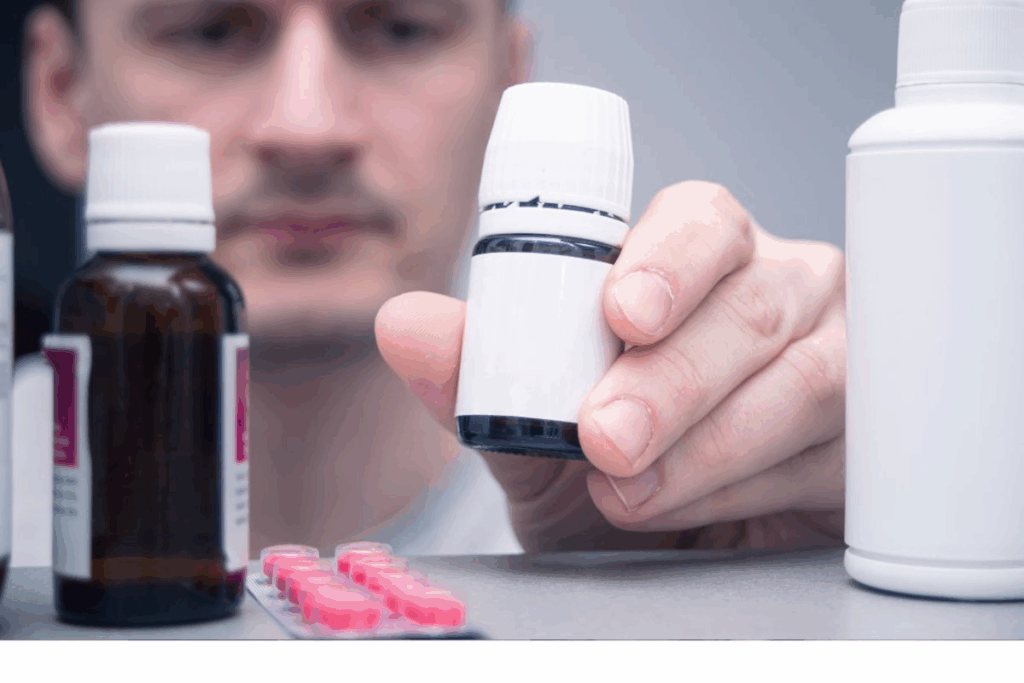
Atorvastatin, also known as Lipitor, is a top choice for treating high cholesterol. It helps lower the risk of heart disease. But, many people don’t know that over 400 drugs can interact with it.
It’s important to know about these interactions. Some can cause serious muscle problems or make the treatment less effective. We’ll look at the seven main drug interactions with atorvastatin. We’ll also stress why talking to your doctor is key.
Key Takeaways
- Atorvastatin is a widely prescribed statin for managing high cholesterol.
- Over 400 medications can interact with atorvastatin.
- Certain drug combinations can cause serious muscle-related complications.
- Interactions can reduce the effectiveness of atorvastatin treatment.
- Consulting with a healthcare provider is essential before taking atorvastatin with other medications.
The Importance of Understanding Atorvastatin

To understand atorvastatin’s importance, we need to know what it is and how it works. It’s known as Lipitor and is key in managing cholesterol and preventing heart disease.
What is Atorvastatin (Lipitor)?
Atorvastatin is a statin, a drug that lowers cholesterol and triglycerides. It’s used with a healthy diet to prevent blood vessel blockages. It works by blocking the HMG-CoA reductase enzyme, which is important for cholesterol production in the liver.
How Atorvastatin Works in the Body
Atorvastatin reduces cholesterol production in the body. By blocking the HMG-CoA reductase enzyme, it lowers liver cholesterol production. This reduces LDL cholesterol, or “bad” cholesterol, in the blood. This helps prevent artery blockages, lowering the risk of heart attacks and strokes.
Common Uses and Benefits
The main use of atorvastatin is to lower LDL cholesterol and triglycerides while increasing HDL, or “good” cholesterol. Its benefits include reducing heart disease risk, preventing heart attacks, and lowering the need for surgeries or angioplasty. By controlling cholesterol, atorvastatin helps patients live healthier lives.
How Atorvastatin Drug Interactions Occur

The CYP3A4 enzyme pathway affects how atorvastatin is broken down in the body. This process is key for the drug’s effectiveness and safety. It happens in the liver.
The CYP3A4 Enzyme Pathway
The CYP3A4 enzyme plays a big role in breaking down many drugs, including atorvastatin. It’s part of the cytochrome P450 family, which breaks down substances in the liver. Taking atorvastatin with other drugs that inhibit or induce CYP3A4 can cause interactions.
If a drug slows down CYP3A4, atorvastatin levels in the blood can rise. This can lead to more side effects, like muscle damage.
Types of Drug Interactions
Drug interactions with atorvastatin can be several types. The main ones are:
- Pharmacokinetic interactions: These happen when one drug changes how another drug is absorbed, distributed, metabolized, or excreted.
- Pharmacodynamic interactions: These occur when two drugs have effects that add up or work together, either making the treatment better or worse.
Knowing about these interactions is key for managing patients on many drugs.
Severity Classifications of Interactions
Interactions can also be sorted by how serious they are. The main categories are:
- Minor interactions: These have little effect, and drugs can usually be taken together with caution.
- Moderate interactions: These might need dose changes or closer watch.
- Major interactions: These can be very dangerous and often mean avoiding certain drug combinations.
Understanding how serious interactions can be helps doctors decide when to prescribe atorvastatin and other drugs.
Antifungal Medications: The First Major Interaction
Atorvastatin, a statin, can interact with some antifungal drugs. This can lead to more side effects. These interactions can also change how atorvastatin works in the body. This might increase the drug’s levels and the risk of muscle damage.
Itraconazole and Atorvastatin
Itraconazole is used to fight fungal infections. It blocks the CYP3A4 enzyme, which is key for breaking down atorvastatin. Taking itraconazole with atorvastatin can raise atorvastatin levels. This increases the risk of muscle problems or rhabdomyolysis.
Ketoconazole and Atorvastatin
Ketoconazole also blocks the CYP3A4 enzyme. When used with atorvastatin, it can make atorvastatin levels go up. This raises the risk of side effects. So, it’s important to be careful when using these drugs together.
Posaconazole and Atorvastatin
Posaconazole is for preventing and treating fungal infections. It’s a CYP3A4 inhibitor, but its effect on atorvastatin might be less than itraconazole or ketoconazole. Yet, it’s wise to watch closely when using these drugs together.
Managing These Interactions
Dealing with interactions between antifungal drugs and atorvastatin needs careful thought. Here are some ways to manage:
- Look for other antifungal drugs that don’t interact as much with atorvastatin.
- Lower the atorvastatin dose when taking certain antifungals, but watch closely.
- Keep an eye out for muscle problems or other bad effects.
The table below shows the main interactions and how to handle them:
Antifungal Medication | Effect on Atorvastatin | Management Strategy |
Itraconazole | Significant increase in atorvastatin levels | Consider alternative antifungal or reduce atorvastatin dose |
Ketoconazole | Substantial increase in atorvastatin levels | Avoid co-administration if possible; monitor closely |
Posaconazole | Moderate increase in atorvastatin levels | Monitor for adverse effects; adjust atorvastatin dose as needed |
Knowing about these interactions and using the right strategies can help. Healthcare providers can then use atorvastatin safely in patients needing antifungal treatment.
Antibiotic Interactions with Atorvastatin
Patients taking atorvastatin should know how antibiotics like erythromycin and clarithromycin can affect their treatment. Atorvastatin is a statin used to control cholesterol and prevent heart disease. But, its effectiveness and safety can be affected by certain antibiotic interactions.
Erythromycin and Atorvastatin
Erythromycin, a macrolide antibiotic, can interact with atorvastatin. This interaction can raise atorvastatin levels in the body. It does this by blocking the CYP3A4 enzyme, which breaks down atorvastatin. This can increase the risk of muscle-related side effects, such as myopathy and rhabdomyolysis.
To handle this interaction, doctors might lower the atorvastatin dose. Or, they might switch to a different antibiotic with less risk of interaction.
Clarithromycin and Atorvastatin
Clarithromycin, another macrolide antibiotic, also blocks the CYP3A4 enzyme. This can cause atorvastatin levels to rise, increasing the risk of side effects. The interaction between clarithromycin and atorvastatin is significant and needs careful management.
When clarithromycin is needed, adjusting the atorvastatin dose or watching for side effects is key. In some cases, doctors might suggest alternative antibiotics.
Other Antibiotic Concerns
While erythromycin and clarithromycin are notable for their interactions with atorvastatin, other antibiotics can also pose risks. Other macrolides and certain other antibiotics might interact with atorvastatin, but the risk can vary.
It’s vital for patients to tell their healthcare providers about all medications they’re taking, including antibiotics. This helps assess and manage any interactions effectively.
Alternative Antibiotic Options
For patients on atorvastatin, there are safer antibiotic alternatives. For example, azithromycin, a macrolide antibiotic, has a lower risk of interacting with atorvastatin compared to erythromycin and clarithromycin. Other non-macrolide antibiotics like levofloxacin or doxycycline might also be considered based on the infection being treated.
Healthcare providers will choose the best antibiotic option based on the patient’s specific needs and medical history.
Fibrates and Other Cholesterol Medications: The Third Major Interaction
Atorvastatin is a statin often prescribed to lower cholesterol. It can interact with fibrates, which help lower triglycerides and increase HDL cholesterol. But, these interactions can lead to muscle problems.
Gemfibrozil and Atorvastatin
Gemfibrozil is used for high triglycerides and low HDL cholesterol. Mixing it with Atorvastatin raises the risk of muscle damage and rhabdomyolysis. This is because both affect the same enzymes, increasing Atorvastatin levels in the blood.
To avoid these risks, we suggest not mixing gemfibrozil and Atorvastatin. If it’s needed, watch closely for muscle symptoms.
Fenofibrate and Atorvastatin
Fenofibrate is another fibrate used instead of gemfibrozil. It also has muscle risks with Atorvastatin, but less so than gemfibrozil. Yet, caution is advised, and muscle pain or weakness should be watched for.
Niacin and Atorvastatin
Niacin, or vitamin B3, helps manage cholesterol and triglycerides. High doses of niacin with Atorvastatin can harm muscles. Weigh the benefits and risks before combining these.
Safer Combination Therapies
Choosing the right combination with Atorvastatin is key to avoiding risks. The table below outlines the interactions and considerations for different therapies.
Combination Therapy | Potential Risks | Monitoring Recommendations |
Atorvastatin + Gemfibrozil | High risk of myopathy and rhabdomyolysis | Close monitoring for muscle symptoms; consider alternative fibrates |
Atorvastatin + Fenofibrate | Moderate risk of muscle-related side effects | Monitor for muscle pain or weakness |
Atorvastatin + Niacin | Increased risk of muscle damage with high doses of niacin | Careful consideration of benefits and risks; monitor for muscle symptoms |
Knowing the interactions between Atorvastatin and other cholesterol drugs helps manage risks and benefits. This knowledge helps healthcare providers make better choices and offers safer options for patients.
HIV Medications and Their Impact on Atorvastatin
HIV medications, like those for complex conditions, can affect Atorvastatin. This can change how well it works and its safety.
People with HIV often take antiretroviral therapy (ART). Taking Atorvastatin with ART can lead to drug interactions. These interactions can change how well the treatment works.
Protease Inhibitors and Atorvastatin
Protease inhibitors are HIV drugs that can interact with Atorvastatin. These interactions can raise Atorvastatin levels in the body. This might increase the risk of muscle problems and rhabdomyolysis.
Ritonavir-boosted protease inhibitors slow down the CYP3A4 enzyme. This enzyme breaks down Atorvastatin. So, Atorvastatin levels can go up.
Non-nucleoside Reverse Transcriptase Inhibitors
Non-nucleoside reverse transcriptase inhibitors (NNRTIs) can also interact with Atorvastatin. But, how these interactions work can vary.
Some NNRTIs, like efavirenz, can speed up the breakdown of Atorvastatin. This might make Atorvastatin less effective. Other NNRTIs might not affect Atorvastatin levels much.
Integrase Inhibitors
Integrase inhibitors tend to have fewer interactions with Atorvastatin than protease inhibitors.
Drugs like raltegravir and dolutegravir don’t affect the CYP3A4 enzyme much. This makes them safer to take with Atorvastatin.
Dosage Adjustments for HIV Patients
Because of the interactions between HIV drugs and Atorvastatin, adjusting doses might be needed. This helps avoid risks and ensures treatment works well.
For those taking protease inhibitors, start with a lower Atorvastatin dose. Watch for side effects closely. Sometimes, other statins that don’t interact as much with protease inhibitors are considered.
HIV Medication Class | Effect on Atorvastatin | Recommended Action |
Protease Inhibitors | Increased Atorvastatin levels | Start with lower Atorvastatin dose, monitor for side effects |
Non-nucleoside Reverse Transcriptase Inhibitors | Variable effect, may reduce Atorvastatin efficacy | Monitor lipid profiles, adjust Atorvastatin dose as needed |
Integrase Inhibitors | Minimal impact on Atorvastatin levels | No specific dose adjustment typically required |
Hepatitis C Antivirals: The Fifth Major Atorvastatin Drug Interaction
When treating hepatitis C, it’s important to watch for drug interactions. This includes interactions with atorvastatin. Direct-acting antivirals (DAAs) have changed how we treat hepatitis C. But, they also bring new challenges, like drug interactions.
Direct-Acting Antivirals and Atorvastatin
DAAs are effective against the hepatitis C virus. They target proteins needed for viral replication. But, they can interact with atorvastatin, a cholesterol-lowering statin. This happens because both are processed by the liver enzyme CYP3A4.
This interaction can raise atorvastatin levels. This might increase the risk of side effects like muscle damage and rhabdomyolysis.
Notable DAAs that may interact with atorvastatin include:
- Paritaprevir (part of the combination regimen Ombitasvir/Paritaprevir/Ritonavir)
- Glecaprevir
- Pibrentasvir
Managing Statin Therapy During Hepatitis C Treatment
Managing patients on DAAs and atorvastatin needs a careful plan. Here are some strategies:
- Statin dose adjustment: Lowering atorvastatin doses can reduce side effects.
- Monitoring: Watch for signs of statin toxicity, like muscle pain.
- Alternative statins: Switch to less interacting statins like rosuvastatin or pravastatin if possible.
Monitoring Recommendations
Monitoring is key when using DAAs and atorvastatin together. We recommend:
- Regular liver function and creatine kinase tests.
- Watch for muscle damage or rhabdomyolysis symptoms.
- Adjust statin doses or switch if needed.
By managing statin therapy and monitoring patients, we can reduce risks. This ensures safe and effective treatment.
Calcium Channel Blockers and Atorvastatin
It’s important to know how Atorvastatin and calcium channel blockers interact. These blockers help control high blood pressure and chest pain. They are often given with Atorvastatin to patients with heart disease.
Diltiazem and Atorvastatin
Diltiazem can slow down how Atorvastatin is broken down in the body. This means more Atorvastatin stays in the blood. This can increase the chance of muscle problems.
A study in the Journal of Clinical Pharmacology found that taking diltiazem with Atorvastatin raises Atorvastatin levels. This could lead to more muscle side effects.
Verapamil and Atorvastatin
Verapamil also slows down Atorvastatin breakdown, like diltiazem. This can make more Atorvastatin available in the blood. This might increase the risk of side effects.
A study showed that taking verapamil with Atorvastatin increases Atorvastatin levels. This could mean a higher risk of side effects.
Amlodipine and Atorvastatin
Amlodipine has a safer interaction with Atorvastatin than diltiazem and verapamil. But, it’s important to watch how they work together.
A review said that amlodipine can be taken with Atorvastatin. But, patients should be watched for signs of too much statin.
Blood Pressure Management Strategies
To keep blood pressure in check and avoid drug interactions, several steps can be taken:
- Regularly check blood pressure and lipid levels.
- Adjust the dose of Atorvastatin or the calcium channel blocker.
- Choose medications that interact less with Atorvastatin.
Calcium Channel Blocker | Interaction Risk with Atorvastatin | Management Strategy |
Diltiazem | High | Reduce Atorvastatin dose or monitor closely |
Verapamil | High | Reduce Atorvastatin dose or monitor closely |
Amlodipine | Moderate | Monitor blood pressure and lipid profiles |
Knowing these interactions and using the right strategies, doctors can safely use Atorvastatin and calcium channel blockers. This helps patients with heart disease get the best care.
Grapefruit and Other Food/Supplement Interactions
Certain foods and supplements can affect how atorvastatin works. It’s important to know about these interactions to keep the medication safe and effective.
Grapefruit Juice and Atorvastatin
Grapefruit juice can raise atorvastatin levels in the blood. This happens because grapefruit juice blocks the enzyme CYP3A4. This enzyme breaks down atorvastatin.
To avoid this issue, it’s best to not drink grapefruit juice or drink very little of it. If you like grapefruit juice, talk to your doctor about other statin options.
St. John’s Wort and Atorvastatin
St. John’s Wort, used for depression, can make atorvastatin less effective. It speeds up the breakdown of atorvastatin, which can reduce its cholesterol-lowering effects.
Tell your doctor if you’re taking St. John’s Wort or any herbal supplements. They can adjust your treatment plan to avoid interactions.
Red Yeast Rice and Atorvastatin
Red yeast rice has statins similar to atorvastatin. Taking it with atorvastatin can increase the risk of side effects from statins.
Supplement | Effect on Atorvastatin | Recommendation |
Grapefruit Juice | Increases atorvastatin levels | Avoid or limit consumption |
St. John’s Wort | Decreases atorvastatin effectiveness | Inform healthcare provider |
Red Yeast Rice | Increases risk of statin side effects | Consult healthcare provider before use |
Other Dietary Considerations
Other foods can also affect atorvastatin. Eating a balanced diet with fruits, vegetables, and whole grains is good for your heart. Also, eating less cholesterol and saturated fats can help atorvastatin work better.
Talking to your doctor about your diet and supplements is important. It helps manage your atorvastatin therapy safely.
Conclusion: Safely Managing Your Atorvastatin Therapy
It’s important to know about Atorvastatin drug interactions for safe treatment. Being aware of these interactions helps patients use Atorvastatin safely. This lowers cholesterol and triglyceride levels.
We talked about drug interactions with Atorvastatin, like antifungal meds and antibiotics. We also discussed the effects of calcium channel blockers and grapefruit on Atorvastatin therapy.
To manage Atorvastatin therapy safely, tell your doctor about all your medications and foods. Regular checks and dosage changes can reduce risks from drug interactions.
By working with your doctor and knowing about interactions, you can get the most from Atorvastatin. This teamwork helps you reach your cholesterol goals and keep your heart healthy.
FAQ
What are the most common drug interactions with Atorvastatin?
Atorvastatin can interact with many drugs. This includes antifungal meds like itraconazole and ketoconazole. It also includes antibiotics such as erythromycin and clarithromycin. Plus, other cholesterol meds like fibrates and niacin.
Can I take Atorvastatin with antifungal medications?
Taking Atorvastatin with antifungals like itraconazole or ketoconazole can raise muscle damage risk. Your doctor might adjust your dosage or pick a different antifungal.
How do antibiotics like erythromycin and clarithromycin interact with Atorvastatin?
Erythromycin and clarithromycin can up Atorvastatin levels in your body. This might cause muscle damage. Your doctor might suggest other antibiotics to lower this risk.
Are there any interactions between Atorvastatin and HIV medications?
Yes, some HIV meds, like protease inhibitors, can interact with Atorvastatin. Your doctor might need to adjust your dosage to avoid muscle damage and other side effects.
Can I consume grapefruit juice while taking Atorvastatin?
No, avoid grapefruit juice with Atorvastatin. It can raise Atorvastatin levels in your body, leading to bad effects.
How does St. John’s Wort interact with Atorvastatin?
St. John’s Wort can make Atorvastatin less effective by speeding up its breakdown. It’s best to not take St. John’s Wort with Atorvastatin.
What are the risks of combining Atorvastatin with other cholesterol medications?
Mixing Atorvastatin with fibrates or niacin can up muscle damage risk. But, with careful monitoring, these combos can be safe under certain conditions.
How can I safely manage my Atorvastatin therapy?
To safely take Atorvastatin, tell your doctor about all meds, supplements, and foods you’re taking. Regular checks and dosage tweaks can help avoid bad interactions and side effects.
What should I do if I’m taking Atorvastatin and need to start a new medication?
Before starting a new drug with Atorvastatin, talk to your doctor. They can check for interactions and adjust your treatment as needed.
Can I use the drug interaction checker on Drugs.com to check Atorvastatin interactions?
Yes, Drugs.com’s drug interaction checker can help find Atorvastatin interactions. But, always get advice from your doctor or healthcare team for specific guidance.
References
National Health Service (NHS). Atorvastatin Interactions: Risks and Considerations. Retrieved from https://www.nhs.uk/medicines/atorvastatin/taking-atorvastatin-with-other-medicines-and-herbal-supplements/