
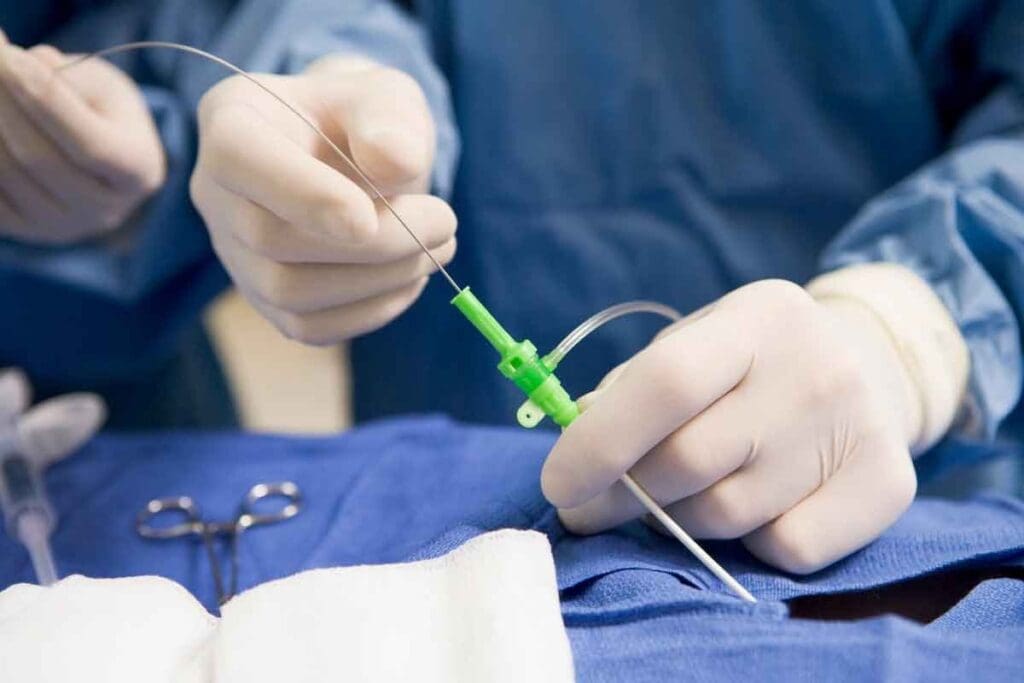
Atrial fibrillation (AFib) is a heart rhythm problem. It happens when the heart’s electrical signals go wrong. Ablation heart surgery is a treatment for this issue.
Liv Hospital is a trusted place for learning about ablation therapy. It helps manage AFib long-term. The success of atrial fib ablation in curing AFib is a focus of ongoing research.
Key Takeaways
- Ablation is a medical procedure used to treat atrial fibrillation.
- The effectiveness of ablation in curing AFib is being researched.
- Liv Hospital provides cutting-edge, patient-centered care for AFib treatment.
- Ablation heart surgery aims to restore a normal heart rhythm.
- Understanding the role of ablation in AFib management is important.
Understanding Atrial Fibrillation
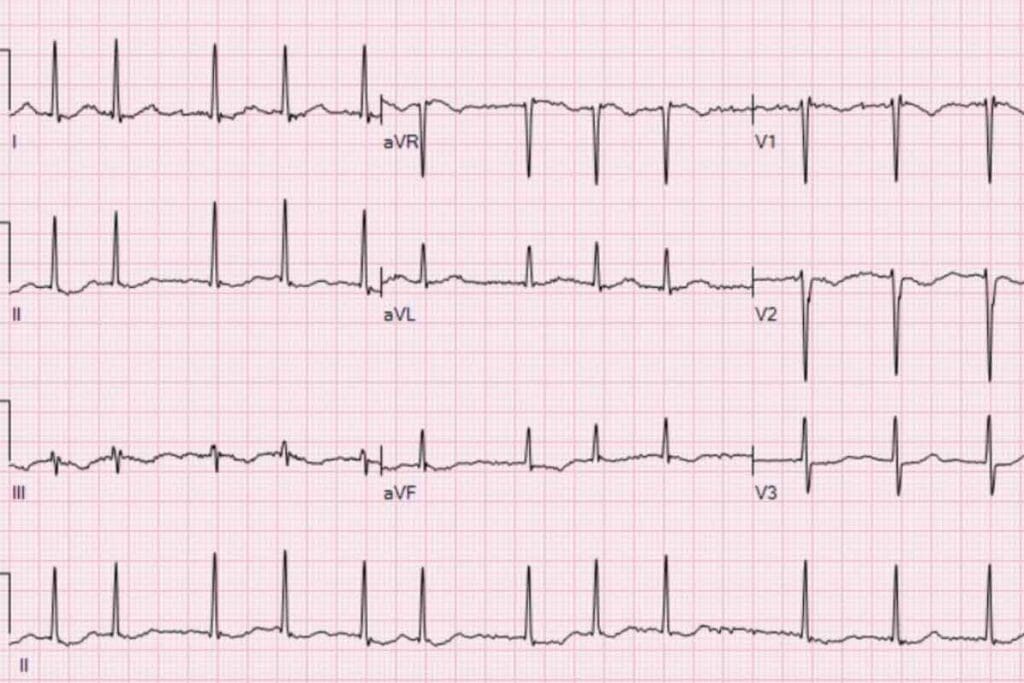
It’s important to understand atrial fibrillation to manage its symptoms and improve life quality. Atrial fibrillation, or AFib, is a heart condition that disrupts the heart’s rhythm. This leads to irregular and rapid heartbeats.
What Is Atrial Fibrillation?
Atrial fibrillation is when the heart’s upper chambers (atria) beat irregularly. This is due to chaotic electrical signals. It causes the heart to beat out of sync with the lower chambers (ventricles).
Prevalence of AFib: About 6 million people in the United States have atrial fibrillation. This number is expected to double by 2030. This is due to an aging population and more cases of related conditions.
Symptoms and Complications
The symptoms of atrial fibrillation vary. Common symptoms include:
- A fluttering or pounding sensation in the chest
- Shortness of breath
- Fatigue or weakness
- Dizziness or lightheadedness
- Chest pain or discomfort
Atrial fibrillation can also lead to serious complications. These include:
- Stroke: AFib increases stroke risk fivefold due to blood clots.
- Heart Failure: It can weaken the heart, leading to heart failure.
- Other Complications: AFib raises the risk of dementia, kidney disease, and other heart conditions.
| Symptoms | Complications |
| Irregular heartbeat | Increased risk of stroke |
| Shortness of breath | Heart failure |
| Fatigue | Dementia |
Impact on Quality of Life
Atrial fibrillation can greatly affect a person’s quality of life. The unpredictable symptoms can cause anxiety and limit daily activities. The condition’s complications can also reduce physical and mental well-being.
Managing atrial fibrillation is key to improving quality of life. This involves medical treatments, lifestyle changes, and sometimes procedures like ablation.
Traditional Treatment Approaches for AFib

Traditional treatments for AFib include many strategies to fix the heart’s rhythm. These methods tackle both symptoms and the root causes of atrial fibrillation.
Medication Options
Medicines are key in managing AFib symptoms. They help control heart rate, prevent stroke, and fix irregular heartbeats. Common medicines include beta-blockers, anti-arrhythmic drugs, and anticoagulants.
Beta-blockers help control heart rate. Anti-arrhythmic drugs keep the heart rhythm normal. The right medicine depends on the patient’s condition and health.
Cardioversion
Cardioversion uses a controlled electric shock to fix the heart’s rhythm. It’s used when medicines don’t work or when quick rhythm correction is needed. This procedure can be done with electrical cardioversion or with medicines.
The success of cardioversion depends on several factors. These include how long AFib lasts, heart disease, and any heart structure problems. Electrical cardioversion works fast, while pharmacological cardioversion is non-invasive.
Lifestyle Modifications
Lifestyle changes are vital in managing AFib. They help reduce symptoms, improve life quality, and lower AFib episode frequency. It’s important to stay healthy, exercise, reduce stress, and avoid alcohol and caffeine.
Also, managing conditions like high blood pressure, diabetes, and sleep apnea helps manage AFib better. By making these lifestyle changes, patients can control their condition and improve heart health.
What Is Atrial Fib Ablation?
The atrial fib ablation procedure is a minimally invasive method to fix irregular heart rhythms. It targets the source of the arrhythmia. Atrial fibrillation (AFib) ablation destroys small heart tissue that cause irregular beats. This method is a key treatment for AFib patients.
Definition and Purpose
Atrial fibrillation ablation is a procedure that uses energy to destroy abnormal heart tissue pathways. Its main goal is to bring back a normal heart rhythm. This improves the quality of those with AFib.
Types of Ablation Procedures
There are several ablation procedures for AFib, including:
- Radiofrequency Ablation: This method uses heat from radiofrequency energy to create lesions in heart tissue.
- Cryoablation: Cryoablation freezes and destroys the abnormal electrical pathways with extreme cold.
- Pulsed Field Ablation: A newer method that uses pulsed electric fields to create lesions in heart tissue.
How Ablation Targets AFib
Ablation targets the abnormal electrical signals in the heart that cause AFib. It creates lesions in specific heart tissue areas where these signals start. This blocks the faulty electrical pathways. It aims to restore a normal heart rhythm and lessen AFib symptoms.
The Ablation Procedure Process
Atrial fibrillation ablation is a complex treatment. It includes checking if you’re a good candidate, the actual procedure, and recovery. Knowing each step helps patients understand their treatment better.
Pre-Procedure Preparation
Before the ablation, you’ll get checked to see if it’s right for you. This means looking at your medical history, doing a physical check, and tests like echocardiography and ECG. Electrical mapping of the heart helps find the problem areas.
You’ll be told to:
- Stop certain medicines that might mess with the procedure or raise bleeding risks.
- Do not eat or drink for a while before the procedure.
- Have someone drive you home after it’s done.
During the Procedure
The procedure uses a catheter to reach your heart. It’s done with local anesthesia and sedation to keep you comfortable. The doctor uses the heart map to find and fix the problem areas.
The type of ablation you get might change things. It could be radiofrequency or cryoablation. The goal is to make scars in the heart that stop the bad signals.
| Type of Ablation | Description | Key Characteristics |
| Radiofrequency Ablation | Uses heat to create lesions | Works well for many, needs exact targeting |
| Cryoablation | Uses extreme cold to freeze tissue | Less damage to nearby tissue, better for some |
Post-Procedure Recovery
After the procedure, you’ll be watched for any immediate problems. Recovery is usually quick, with most going home the same day. You might feel sore where the catheter was, but this usually goes away in a few days.
It’s key to follow the doctor’s post-procedure advice. This might include:
- Watch the catheter site for infection or bleeding.
- Avoiding hard activities for a bit.
- Going to follow-up appointments as told.
While there are risks like bleeding or infection, most people do well. Understanding the process and following the doctor’s orders can help you have a good outcome.
Success Rates of Heart Ablation for Atrial Fibrillation
The success of heart ablation for atrial fibrillation depends on the type of AFib. Knowing the difference helps set realistic goals and make informed choices.
Success Rates for Paroxysmal AFib
Patients with paroxysmal atrial fibrillation often see better results from ablation. Success rates can be 56% to 69% for a single procedure. But adding repeat procedures can boost the success rate to up to 85%.
Success Rates for Persistent AFib
Persistent atrial fibrillation is harder to treat with ablation. Success rates for persistent AFib are generally lower than for paroxysmal AFib. The exact figures vary, but the trend shows lower success rates for persistent cases.
Factors Affecting Success
Many factors can impact the success of heart ablation for atrial fibrillation. These include:
- The duration of AFib
- The presence of underlying heart disease
- Patient age and overall health
- The skill and experience of the electrophysiologist performing the procedure
Understanding these factors is key to predicting success and planning treatment.
Need for Multiple Procedures
Some patients need more than one ablation procedure for success. This is more common in persistent AFib. Decisions for additional procedures are based on the initial treatment’s outcome and any recurring symptoms.
To show the success rates and what affects them, here’s a table:
| Type of AFib | Single-Procedure Success Rate | Multi-Procedure Success Rate |
| Paroxysmal AFib | 56-69% | Up to 85% |
| Persistent AFib | Lower than Paroxysmal AFib | Varies with repeat procedures |
The table shows the success rate difference between paroxysmal and persistent AFib. It also points out the need for multiple procedures for the best results.
Can Ablation Truly Cure Atrial Fibrillation?
The idea of curing atrial fibrillation with ablation is complex. Ablation is seen as a treatment, not a sure cure for AFib.
Defining “Cure” in the Context of AFib
Understanding what a “cure” for atrial fibrillation means is key. It means no more AFib symptoms or episodes for the patient.
Long-Term Outcomes
Research shows ablation can lessen AFib symptoms. But long-term results depend on many things. These include the type of AFib and the patient’s health.
Long-term success rates also depend on heart disease, AFib duration, and overall health.
Recurrence Rates After Ablation
Recurrence rates after ablation differ. Some see fewer AFib episodes, while others may face recurrence.
| Type of AFib | Recurrence Rate |
| Paroxysmal AFib | 20-30% |
| Persistent AFib | 40-50% |
Managing Expectations
It’s important to manage what patients expect. They should know ablation is a treatment, not a guaranteed fix. Follow-up care is vital.
Realistic expectations help patients make better choices about their treatment.
Are Ablations Dangerous? Understanding the Risks
Ablation procedures are effective for treating atrial fibrillation but carry risks. It’s important to consider the benefits against possible complications.
Common Complications
Common issues with ablation include bleeding, infection, and vascular problems. Bleeding can happen at the catheter site and might need a blood transfusion. Infection is rare due to sterile techniques and antibiotics.
“The risk of complications can be minimized with proper patient selection and meticulous procedural technique,” notes a leading cardiologist.
Rare but Serious Risks
Rare but serious risks include heart or surrounding structure damage. There’s also a small chance of stroke or cardiac tamponade. Cardiac tamponade, where fluid builds up around the heart, is life-threatening if not treated quickly.
Risk Factors for Complications
Several factors can raise the risk of complications. These include the patient’s health, underlying conditions like diabetes or kidney disease, and the type of atrial fibrillation.
- Advanced age
- Presence of comorbidities
- Type and duration of atrial fibrillation
Knowing these risks and factors is key to making an informed decision about ablation. It’s a choice that should be made with a healthcare provider, considering the individual’s situation and treatment benefits.
Recovery After Ablation Heart Surgery
Recovering from ablation heart surgery is usually easy, but it needs careful attention. You must follow the instructions given after the surgery. The recovery process has different stages, each with its own challenges.
Immediate Post-Procedure Period
Right after the surgery, you’ll stay in a recovery room for a few hours. This time is key to catching any immediate problems and managing any pain. Doctors watch for bleeding, heart issues, or other problems from the surgery.
Most patients go home the same day or the next, based on how they’re doing and the surgery details. It’s important to have someone with you when you get home and stay overnight.
Weeks Following Ablation
In the weeks after, you might feel tired, have pain where the catheter was, or notice irregular heartbeats. It’s very important to take your medicine as told, go to all follow-up visits, and make lifestyle changes as advised.
- Start doing normal things again slowly, as your doctor says.
- Keep an eye on your heart rhythm and tell your doctor if anything changes or worries you.
- Go to all your follow-up appointments to check on your recovery and adjust your treatment if needed.
It’s also important to know that your symptoms might get better over time. Many people see big improvements in months after the surgery.
Long-Term Recovery Considerations
Long-term recovery means keeping an eye on your heart and making lifestyle changes. Eating well, exercising, and managing stress are key to heart health.
“The key to a successful recovery is not just the procedure itself, but how well patients adhere to their post-procedure care plan and make necessary lifestyle adjustments.” – Dr. [Last Name], Cardiologist
Remember, recovery times can differ, and some might need to adjust their expectations about when they’ll fully recover.
Who Is an Ideal Candidate for the Ablation of the Heart for AFib?
Heart ablation for AFib isn’t for everyone. Finding the right person means looking at many things.
Medical Criteria
To pick the best person for AFib ablation, doctors look at a few things. They check the type and how bad the AFib is. They also look at the patient’s health and what treatments they’ve tried before.
- Type and Severity of AFib: People with certain types of AFib might be good candidates. This depends on how bad it is and how it affects their life.
- Overall Health: Other heart problems or health issues can affect whether someone can get the treatment. For example, those with heart failure or big valve problems need extra thought.
- Previous Treatments: Usually, ablation is for those who haven’t gotten better with other treatments or medicines.
Lifestyle Factors
How someone lives their life also matters for AFib ablation.
- Adherence to Post-Procedure Instructions: It’s important to follow the care plan after the treatment. This helps avoid problems and makes recovery easier.
- Lifestyle Modifications: People who can change their lifestyle, like stopping smoking or drinking less, might do better.
When Ablation Is Not Recommended
There are times when ablation for AFib isn’t the best choice.
- Some people, because of other health issues or being older, might face too many risks. They might do better with other treatments.
- Those at high risk for problems during the procedure or who aren’t likely to get better from it might not be good candidates.
Alternatives to Ablation for Treating Atrial Fibrillation
There are many ways to treat atrial fibrillation, not just ablation. Doctors use different methods to help manage the condition. This makes treatment more effective for patients.
Advanced Medication Strategies
Advanced medication strategies are a good option for some. These medicines help control the heart’s rhythm and rate. This can lessen the symptoms of atrial fibrillation.
Choosing the right medicine depends on the patient’s health and history. Newer medicines for preventing strokes are also available. They are safer and work better than older treatments. For more info, check out theAmerican Heart Association website.
Surgical Options
Surgical options are considered when other treatments don’t work. The maze procedure is one such surgery. It creates scars in the heart to guide electrical impulses.
This surgery can help some patients, like those having other heart surgeries. It’s a good option for those who need a more direct approach.
Emerging Treatments
Emerging treatments for atrial fibrillation are being developed. Convergent ablation is a new method that combines surgery and catheter techniques. These new treatments aim to help patients who don’t respond to traditional methods.
The field of atrial fibrillation treatment is always growing. Doctors are finding new, less invasive ways to help patients. Patients need to talk to their doctors about the best treatment for them.
Conclusion: Making an Informed Decision About AFib Ablation
Atrial fibrillation ablation is a complex procedure that offers a promising solution for many patients suffering from AFib. By understanding the procedure, its success rates, and risks, patients can make an informed decision. This helps them decide if AFib ablation is right for them.
Patients need to talk to their healthcare professionals. They should discuss their individual needs and find the best treatment. Factors like the type of AFib, overall health, and lifestyle are important when deciding on ablation.
While ablation can improve life quality for many, it’s not for everyone. Patients need to know the risks and complications. Being well-informed helps them make a decision that fits their health goals and expectations. This leads to a more effective AFIB ablation outcome.
In conclusion, making an informed decision about AFib ablation requires a deep understanding of the procedure and its implications. Patients should have open discussions with their healthcare providers. This ensures they make the best choice for their condition, leading to a better quality of life.
FAQ
What is atrial fibrillation ablation?
Atrial fibrillation ablation is a procedure that uses energy to destroy abnormal heart pathways. This is done to treat atrial fibrillation (AFib).
Does ablation cure atrial fibrillation?
Ablation can cure AFib, but success rates vary. Paroxysmal AFib has higher success rates than persistent AFib.
What are the different types of ablation procedures?
There are several ablation procedures. These include radiofrequency, cryoablation, and laser ablation. Each uses a different energy to destroy abnormal pathways.
How is atrial fibrillation diagnosed?
Doctors use an electrocardiogram (ECG) or Holter monitoring to diagnose AFib. These tools detect irregular heart rhythms.
What are the symptoms of atrial fibrillation?
Symptoms include palpitations, shortness of breath, fatigue, and dizziness. Some people may not show any symptoms.
Is ablation a safe procedure?
Ablation is generally safe but carries risks. Risks include bleeding, infection, and damage to the heart or tissues.
What is the recovery time after ablation?
Recovery time varies, but most can return to normal activities in a few days to a week. Strenuous activities are restricted for several weeks.
Can I undergo ablation if I have other medical conditions?
Deciding on ablation depends on your medical conditions. Some conditions may increase the risks of the procedure.
Are there alternatives to ablation for treating atrial fibrillation?
Yes, alternatives include medication, cardioversion, and lifestyle changes. These can help manage AFib symptoms and improve quality of life.
How effective is ablation in treating atrial fibrillation?
Ablation can be effective, with success rates from 50% to 80% or more. Success depends on the type of AFib and individual factors.
What are the long-term outcomes after ablation?
Long-term outcomes vary. Some people see complete resolution of AFib symptoms. Others may need ongoing treatment or experience recurrence.
Can ablation be repeated if it is not successful initially?
Yes, ablation can be repeated if the first procedure fails. The decision to repeat it depends on individual circumstances.
References
Michowitz, Y., Rahkovich, M., & Oral, H. (2022). Complications of Catheter Ablation of Atrial Fibrillation. Arrhythmia & electrophysiology review, 11, e04.https://www.ncbi.nlm.nih.gov/pmc/articles/PMC8918231/
National Health Service. (2023). Catheter ablation. nhs.uk.https://www.nhs.uk/conditions/catheter-ablation/