Understanding the difference between autologous and allogeneic transplants is key. An autologous transplant uses the patient’s own stem cells. On the other hand, an allogeneic transplant gets stem cells from a donor. This choice greatly affects the treatment’s success, including the risk of complications and disease relapse.
The EBMT report shows that in 2023, 47,731 hematopoietic cell transplants were done. Of these, 42.9% were allogeneic and 57.1% were autologous. This shows that both types of transplants are important in medical treatments, each with its own benefits.
Compare autologous options. Discover amazing scary transplant models and find powerful, vital ways to choose your essential life-saving care.
Key Takeaways
- Autologous transplants use a patient’s own stem cells.
- Allogeneic transplants use stem cells from a donor.
- The choice between autologous and allogeneic transplant affects treatment outcomes.
- The EBMT report highlights the prevalence of both transplant types in 2023.
- Understanding the differences is key to making informed decisions.
Understanding Stem Cell Transplantation Fundamentals
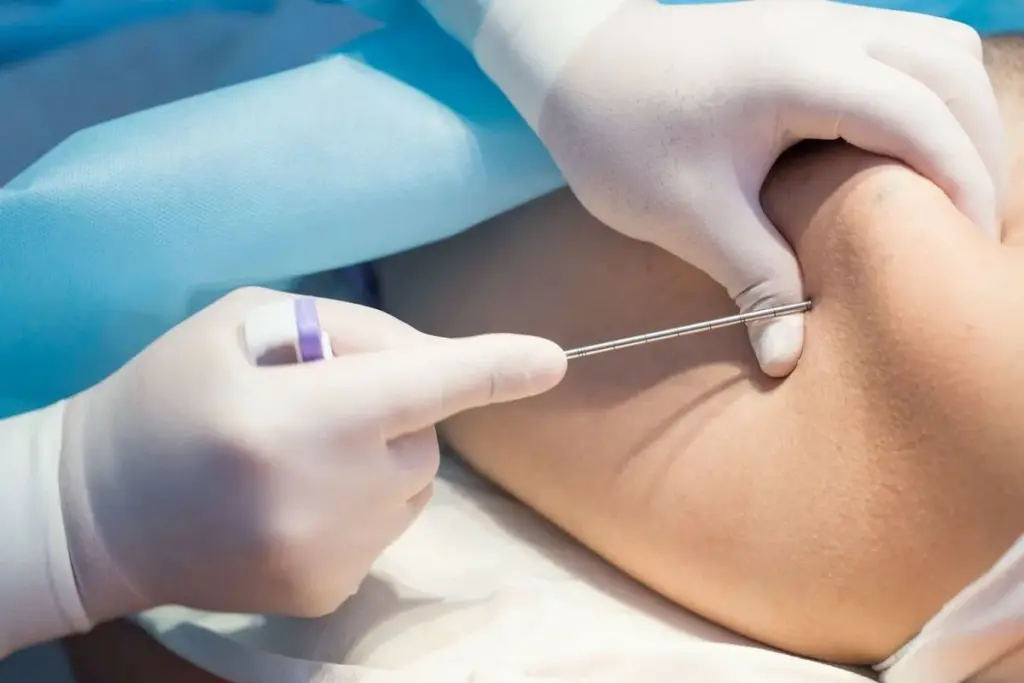
Stem cell transplantation is a key medical process. It involves moving hematopoietic stem cells into a patient. These cells can turn into different blood cell types, helping treat blood disorders.
The Role of Hematopoietic Stem Cells
Hematopoietic stem cells help fill the bone marrow of the recipient. They make sure the patient’s blood cells are healthy. For more on their role, check out scientific journals.
Historical Development of Transplant Approaches
Stem cell transplant methods have grown a lot over time. They started as experiments and now are key treatments for many diseases. This growth led to two main types: autologous and allogeneic transplants.
|
Transplant Type |
Description |
Common Applications |
|---|---|---|
|
Autologous |
Using the patient’s own stem cells |
Multiple myeloma, lymphoma |
|
Allogeneic |
Using donor stem cells |
Leukemia, aplastic anemia |
The Autologous Transplant Process and Applications
In autologous SCT, stem cells are taken from the patient and given back after treatment. This helps the patient’s bone marrow and immune system recover. We’ll dive into how autologous transplantation works, its definition, and its uses.
Definition and Mechanism of Autologous Transplants
Autologous stem cell transplantation uses the patient’s own stem cells. These cells are collected, processed, and then given back to the body. This method avoids the risk of graft-versus-host disease (GVHD), a big problem with other types of transplants.
Stem Cell Collection Methods
Stem cells for autologous transplants come from the patient’s blood or bone marrow. Apheresis is a common way to get these cells. It works by passing the patient’s blood through a device that separates the stem cells.
Processing and Storage Techniques
After getting the stem cells, they are cleaned up and frozen for later use. Cryopreservation is the process of cooling them down to keep them alive.
Common Conditions Treated with Autologous Transplants
Autologous transplants are often used to treat different cancers, like multiple myeloma and non-Hodgkin lymphoma.
Multiple Myeloma
Multiple myeloma is a blood cancer with too many bad cells in the bone marrow. Autologous SCT is a main treatment for some patients with this disease.
Non-Hodgkin Lymphoma
Non-Hodgkin lymphoma is another condition treated with autologous transplants. It’s used when the disease is aggressive or has come back.
Other Applicable Conditions
Autologous transplants are also used for Hodgkin lymphoma and some autoimmune diseases. These treatments help patients with these conditions.
“Autologous stem cell transplantation has revolutionized the treatment of various hematological malignancies, making a potentially curative option available for patients.”
Allogeneic Transplant Methodology and Uses
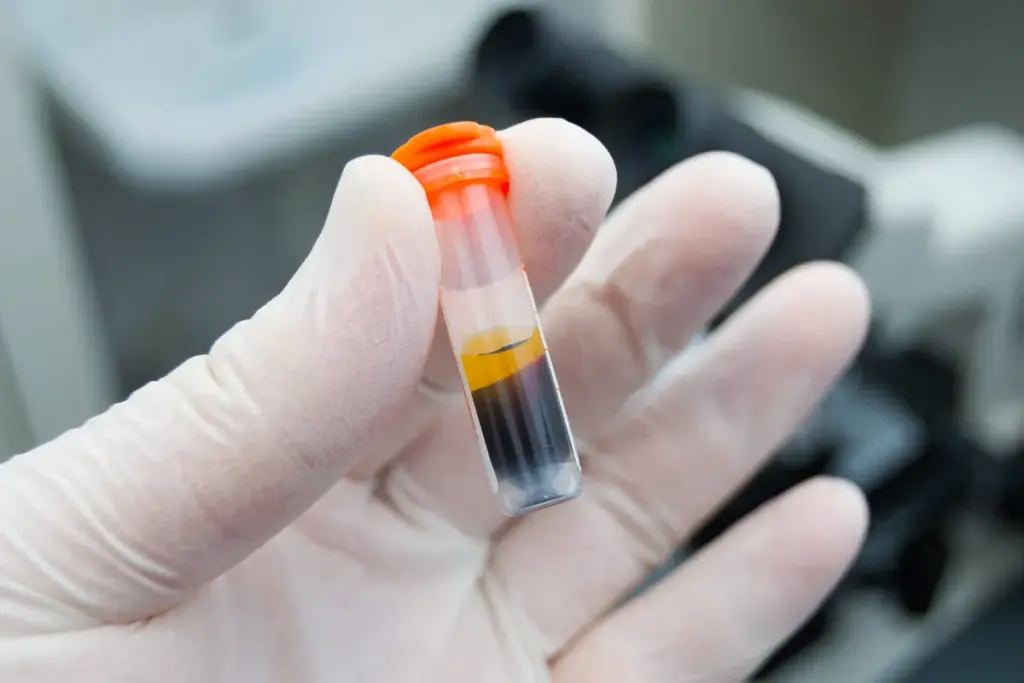
Allogeneic transplant is a key treatment for serious diseases. It moves stem cells from a donor to a patient. This can cure some blood cancers and disorders.
Definition and Procedure Overview
Allogeneic transplant uses stem cells from a donor, who can be a relative or not. First, the donor’s match is checked, focusing on HLA (Human Leukocyte Antigen) to avoid disease. The patient gets treated with strong medicine to clear out bad cells. Then, the donor’s stem cells are given to the patient.
Donor Selection and HLA Matching
Finding the right donor is key. Donors can be related, like siblings, or unrelated, found through registries. HLA matching is important to lower the risk of disease and ensure the transplant works.
Related Donors
Related donors, like siblings, are often chosen first. They have a better chance of matching well.
Unrelated Donors
Unrelated donors are found through registries. The goal is to find a donor with a similar HLA type.
Cord Blood Sources
Cord blood is also used for transplants. It’s rich in stem cells and is an option when adult donors are not available.
Diseases Commonly Treated with Allogeneic Transplants
Allogeneic transplants treat many diseases. They are good for acute leukemias and myelodysplastic syndromes. The transplant can help kill cancer cells.
Acute Leukemias
Allogeneic transplants are used for acute leukemias like AML and ALL. They are chosen for high-risk or relapsed cases.
Myelodysplastic Syndromes
Myelodysplastic syndromes are treated with allogeneic transplants. This can offer a cure for these disorders.
As we improve in stem cell transplantation, allogeneic transplants are more important. They help treat serious blood diseases.
Critical Differences Between Autologous and Allogeneic Approaches
It’s important to know the differences between autologous and allogeneic transplants. This knowledge helps choose the best treatment. These two methods affect many parts of the transplant process.
Source and Processing of Stem Cells
Stem cells come from different sources for autologous and allogeneic transplants. Autologous transplants use the patient’s own stem cells. These cells are collected, stored, and then given back after treatment.
Allogeneic transplants get stem cells from a donor. It’s important to match the donor’s Human Leukocyte Antigen (HLA) to the patient. This reduces the risk of graft-versus-host disease (GVHD).
“Using the patient’s own stem cells avoids GVHD,” medical studies say. But, it might bring back cancer cells if the marrow isn’t fully cleared. Allogeneic stem cells can fight cancer, lowering the chance of it coming back.
Conditioning Regimen Intensity Requirements
The treatment before transplant is different for each type. Autologous transplants need less strong treatment. This is because the goal is to clear the marrow for new stem cells.
Allogeneic transplants need stronger treatment. This is to stop the body from rejecting the donor cells and to weaken the immune system enough.
Immune System Considerations
How the immune system reacts is key for both types of transplants. Autologous transplants have fewer immune problems. This is because the patient’s own cells are used, lowering GVHD risk.
Allogeneic transplants face a higher risk of GVHD. This means the immune system needs careful watching and management.
A leading expert says, “The immune system’s reaction to donor stem cells can be both good and bad. It requires careful balance in care after transplant.”
Recovery Timeline Comparisons
Recovery times are different for each transplant type. Autologous transplant patients recover faster. Their blood counts and immune system come back quicker.
Allogeneic transplant patients recover slower. They need more time because of the risk of GVHD and the need for strong immune suppression.
- Autologous transplants: Faster recovery, fewer immune problems.
- Allogeneic transplants: Chance of fighting cancer, but higher GVHD risk and longer recovery.
In summary, choosing between autologous and allogeneic transplant depends on many factors. These include where the stem cells come from, how strong the treatment is, how the immune system reacts, and how long it takes to recover. Knowing these differences is key for a personalized treatment plan.
Mortality and Survival Statistics: A Comparative Analysis
Looking at mortality and survival rates between autologous and allogeneic transplants shows big differences. It’s key for patients and doctors to know these stats to make good choices.
Non-Relapse Mortality Rates
Non-relapse mortality (NRM) is a big risk in transplant procedures. Autologous transplants have lower NRM rates than allogeneic transplants.
Autologous Transplant Mortality (7%-16%)
Autologous transplants use a patient’s own stem cells. They have NRM rates from 7% to 16%. This depends on the patient’s health and the treatment used.
Allogeneic Transplant Mortality (27%-32%)
Allogeneic transplants use donor stem cells. They have NRM rates from 27% to 32%. The main risks are graft-versus-host disease (GVHD) and the need for strong medicines.
Transplant-Related Mortality Factors
Many things can affect transplant-related death. These include the treatment’s strength, the patient’s age, and health problems. A study on PMC says picking the right patient and treatment can lower these risks.
Five-Year Survival Outcomes by Transplant Type
Survival rates differ a lot between autologous and allogeneic transplants. Autologous transplants have lower NRM rates. But allogeneic transplants can give a better chance of long-term survival for some patients. A study on five-year survival rates shows these differences, stressing the importance of tailored treatment plans.
Understanding Relapse Risks in Autologous Transplantation
The risk of relapse after autologous SCT is a big worry for patients and doctors. Autologous stem cell transplantation takes stem cells from the patient. These cells are stored and then given back after a treatment to fight blood cancers.
Relapse Rate Statistics
Research shows that relapse rates after autologous SCT can be high. Rates can reach up to 68.4% within 36 months. This highlights the importance of watching patients closely after treatment.
Factors Influencing Relapse
Many things can affect the chance of relapse after autologous SCT. These include the type of disease, the strength of the treatment, and the patient’s health. Disease type and stage at transplant are key in determining relapse risk.
Strategies to Reduce Relapse Risk
To lower the risk of relapse, several steps can be taken. These include making the treatment stronger, using ongoing therapy after transplant, and watching patients closely for signs of relapse. Maintenance therapy has been shown to help in some cases.
Post-Relapse Treatment Options
For those who relapse after autologous SCT, there are treatment options. These include salvage chemotherapy, targeted therapy, and possibly a second transplant. The right treatment depends on the patient’s health and the disease’s characteristics.
Graft-Versus-Tumor Effect in Allogeneic Transplants
Allogeneic transplantation has a big advantage: the graft-versus-tumor effect. This effect helps fight various cancers. It happens when the donor’s immune cells attack the recipient’s cancer cells.
Mechanism of Graft-Versus-Tumor Effect
The donor’s immune cells, like T cells, play a key role. They spot tumor antigens and attack the cancer. This attack is vital in controlling the tumor and lowering relapse risk.
Lower Relapse Rates
Allogeneic transplants show lower relapse rates than autologous ones. About 45.9% of patients relapse within 36 months. This is a big plus for allogeneic transplant patients.
Balancing Graft-Versus-Tumor with Graft-Versus-Host Disease
The graft-versus-tumor effect is good, but it’s tied to GVHD. GVHD is when the donor’s immune cells harm the recipient’s healthy tissues. It’s a big challenge to balance these effects in allogeneic transplants.
Enhancing Graft-Versus-Tumor Effects
Researchers are working to boost the graft-versus-tumor effect while reducing GVHD. They’re looking at better donor selection, using immunosuppressive treatments, and new cellular therapies.
“The graft-versus-tumor effect is a double-edged sword, giving great anti-tumor benefits but also raising GVHD risk. Research aims to use this effect to better patient outcomes.”
By understanding and using the graft-versus-tumor effect, we can make allogeneic transplants more effective. This will give cancer patients better treatment options.
Complications and Management Strategies
It’s key to know the complications of autologous and allogeneic transplants for good patient care. Both types face unique challenges. Healthcare teams must tackle these to get the best results for patients.
Autologous Transplant Complications
Autologous transplants have benefits but also face specific issues. Mucositis and infections are major concerns.
Mucositis and Gastrointestinal Effects
Mucositis is a big problem with autologous transplants. It causes inflammation in the digestive tract. This leads to pain, swallowing issues, and stomach problems. To manage it, doctors use:
- Pain relief medicines
- Mouthwashes and gels for the mouth
- Food support to handle stomach issues
Infections and Immune Recovery
Infections are a big risk after autologous transplants. This is because the immune system is weak during recovery. To fight this, doctors use:
- Antibiotics and antivirals
- Watching for infection signs
- Helping the immune system recover
Allogeneic Transplant Complications
Allogeneic transplants, where stem cells come from a donor, have their own issues. GVHD and infections are major problems.
Acute Graft-Versus-Host Disease
Acute GVHD is when the donor’s immune cells attack the recipient’s body. Doctors manage it with:
- Medicines to calm the immune system
- Watching for GVHD signs
- Helping with symptoms
Chronic Graft-Versus-Host Disease
Chronic GVHD can happen months or years after the transplant. It affects different parts of the body. Doctors handle it with:
- Long-term medicines to control the immune system
- Regular check-ups to track the disease
- Specific treatments for each organ
Infection Prevention and Management
Infections are a big risk with allogeneic transplants, because of the medicines used. To prevent and treat infections, doctors use:
- Antibiotics and other medicines
- Watching for infection signs
- Quick treatment of infections
The table below shows the main complications and how to manage them for autologous and allogeneic transplants:
|
Transplant Type |
Complications |
Management Strategies |
|---|---|---|
|
Autologous |
Mucositis, Infections |
Pain relief, Nutritional support, Prophylactic antibiotics |
|
Allogeneic |
GVHD, Infections |
Immunosuppressive therapy, Prophylactic antimicrobials, Supportive care |
Handling transplant complications well needs a detailed plan for each patient. Knowing the specific challenges of autologous and allogeneic transplants helps doctors improve patient care and life quality.
Patient Selection and Decision-Making Factors
Choosing between autologous and allogeneic transplants is key. It depends on many important factors.
Age and Performance Status Considerations
Age and how well a patient can perform are big factors. Older patients or those who can’t perform well may face more risks.
Disease-Specific Transplant Selection Criteria
The disease type and stage are also important. Some cancers might do better with allogeneic transplants because of the graft-versus-tumor effect.
Quality of Life Implications
How well a patient lives after the transplant matters a lot. Autologous transplants often mean a quicker recovery, which is good for those at high risk of relapse.
Financial and Support System Considerations
Money and having a support system are also key. Allogeneic transplants need a donor and can be more complex to care for after.
|
Factor |
Autologous Transplant |
Allogeneic Transplant |
|---|---|---|
|
Age Consideration |
Generally less restrictive |
More restrictive due to GVHD risks |
|
Disease Type |
Suitable for certain lymphomas and myelomas |
Beneficial for leukemias and some other malignancies |
|
Recovery Time |
Typically shorter |
Can be longer due to GVHD management |
Conclusion: Current Trends and Future Directions
Looking at autologous stem cell transplantation (SCT) and allogeneic bone marrow transplant, we see their strengths and weaknesses. Autologous SCT is safer from graft-versus-host disease, making it good for some patients. On the other hand, allogeneic bone marrow transplant fights cancer cells better.
The science behind these treatments is growing fast. New ways to do transplants, pick donors, and care for patients after surgery are making things better. We’re seeing fewer relapses and better handling of transplant side effects.
As we look ahead, we must keep improving these transplant methods. This will help us give patients better care when they need it most.
FAQ
What is the main difference between autologous and allogeneic transplants?
Autologous transplants use a patient’s own stem cells. Allogeneic transplants use stem cells from a donor. This difference affects treatment outcomes, including risks and disease relapse.
What are the benefits of autologous transplants?
Autologous transplants lower the risk of graft-versus-host disease (GVHD). This is because the stem cells are from the patient. It makes this option safer for some patients.
When are allogeneic transplants preferred over autologous transplants?
Allogeneic transplants are better for certain blood cancers. They use the donor’s immune cells to fight the disease. This makes them a potentially curative option for some conditions.
How is a donor selected for an allogeneic transplant?
Donor selection for allogeneic transplants focuses on Human Leukocyte Antigen (HLA) matching. This ensures compatibility between donor and recipient. It’s key to avoid GVHD and ensure transplant success.
What are the risks associated with allogeneic transplants?
Allogeneic transplants risk GVHD, where donor immune cells attack the recipient’s tissues. Other risks include graft failure and increased infection risk due to immunosuppressive conditioning.
Can autologous transplants be used for all types of blood cancers?
No, autologous transplants aren’t right for all blood cancers. They’re not good for cancers in the bone marrow or aggressive diseases. Allogeneic transplants might be better in these cases.
How do conditioning regimens differ between autologous and allogeneic transplants?
Conditioning regimens vary between autologous and allogeneic transplants. Allogeneic transplants need stronger conditioning to suppress the immune system and prevent GVHD. Autologous transplants often use less intense regimens.
What is the graft-versus-tumor effect, and how does it relate to allogeneic transplants?
The graft-versus-tumor effect is the immune response of donor T cells against the recipient’s tumor cells. It’s a big plus for allogeneic transplants. It helps kill cancer cells and lower relapse risk.
Are there any long-term complications associated with autologous and allogeneic transplants?
Both types of transplants can have long-term issues. Autologous transplants might face higher relapse risks. Allogeneic transplants risk chronic GVHD and long-term side effects from immunosuppressive therapy.
How do patient selection and decision-making factors influence the choice between autologous and allogeneic transplants?
Choosing between autologous and allogeneic transplants depends on several factors. These include age, health status, disease type, and stage. These factors help decide the best transplant option for a patient, weighing risks and benefits.
References
- Haematologica: https://haematologica.org/article/view/haematol.2021.280568
- PMC: https://pmc.ncbi.nlm.nih.gov/articles/PMC7784574/
- Nature: https://www.nature.com/articles/s41409-025-02524-2
- JAMA Network Open: https://jamanetwork.com/journals/jamanetworkopen/fullarticle/2780407
- Blood (ASH Publications): https://ashpublications.org/blood/article/137/12/1703/475125/Autologous-versus-allogeneic-stem-cell