
What is the average height loss osteoporosis causes? This essential guide explains why shrinking happens and how to prevent fractures.
As we get older, some height reduction is normal. But, losing a lot of height can mean something serious is wrong. This serious issue is called osteoporosis. It makes bones lose strength, affecting our health a lot.
While some height loss is okay as we age, losing a lot is not. We’ll look into how osteoporosis and height loss are connected. We’ll also talk about managing this condition.
Knowing how bone health affects our height is key. It helps spot problems early, before they lead to serious breaks. We aim to share tips on keeping bones strong and preventing height loss from osteoporosis.
Key Takeaways
- Osteoporosis can cause significant height loss in adults.
- Progressive bone loss is a hallmark of osteoporosis.
- Height measurement is a critical indicator of bone health.
- Managing osteoporosis can help minimize height loss.
- Early identification and treatment are key to avoiding serious fractures.
Understanding Osteoporosis and Its Impact on the Body
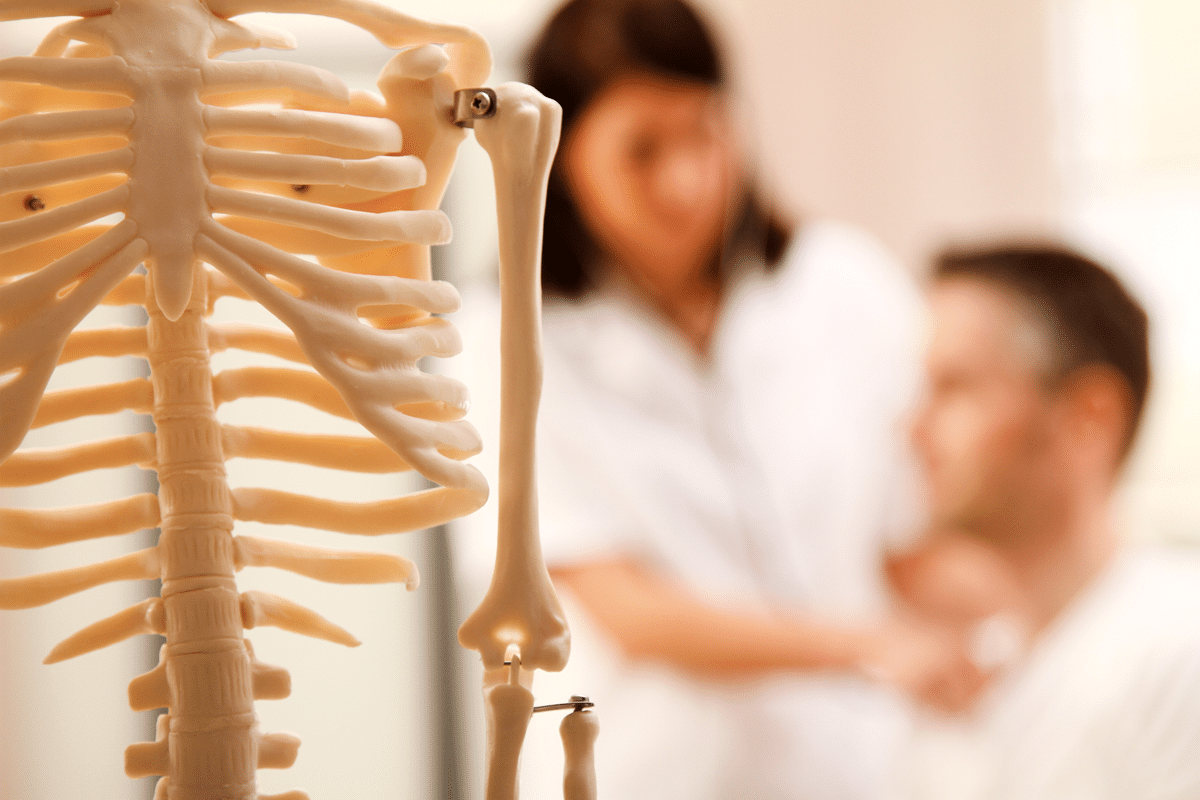
Osteoporosis is often called a silent disease. It affects bones and overall health. It makes bones weaker and more likely to break.
What Is Osteoporosis?
Osteoporosis makes bones weak and brittle. This condition often progresses without noticeable symptoms until a fracture occurs. Early diagnosis and prevention are key.
People with osteoporosis are at higher risk of vertebral fractures. The term “osteoporosis loss of height” is frequently used to describe this phenomenon. Vertebral fractures can cause height loss.
How Osteoporosis Affects Bone Structure
Osteoporosis reduces bone density, weakening the skeletal system. Vertebral fractures, a common consequence of osteoporosis, can cause the spine to compress or collapse. This results in height loss.
|
Condition |
Effect on Bone Structure |
Potential for Height Loss |
|---|---|---|
|
Osteoporosis without Vertebral Fractures |
Reduced bone density |
Low |
|
Osteoporosis with Vertebral Fractures |
Compression or collapse of vertebrae |
High |
The table shows vertebral fractures increase height loss risk in osteoporosis. This highlights the need to manage osteoporosis to prevent fractures and height loss. We will explore this further.
Understanding osteoporosis’ impact on bones and height loss is vital. We will continue to discuss the details of osteoporosis and its effects on health.
The Connection Between Osteoporosis and Height Loss
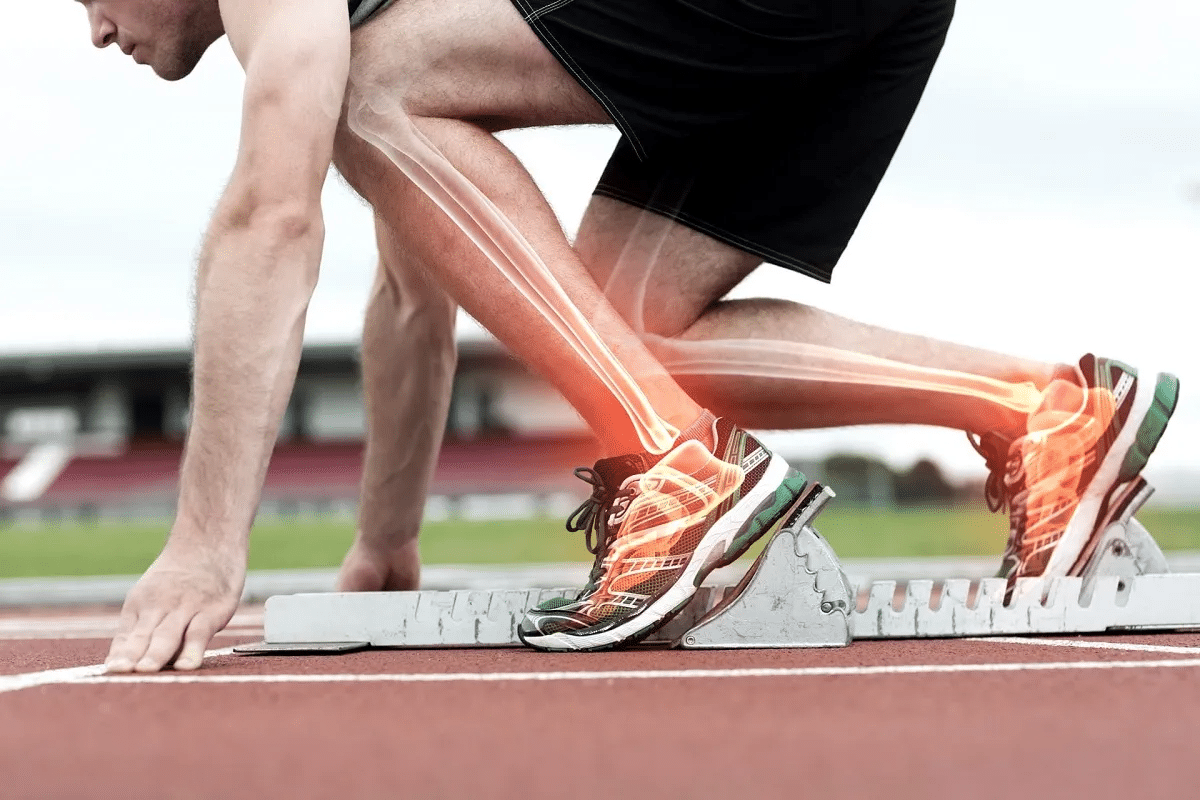
As we get older, osteoporosis can weaken our bones. This can lead to loss of height due to compression fractures and kyphosis. Our bones become more prone to fractures, and when they happen in the spine, our height can decrease.
Can Osteoporosis Actually Make You Shorter?
Osteoporosis can make us shorter, mainly because of vertebral fractures. These fractures can compress the spine, causing noticeable height loss over time. Research shows that women without these fractures lose about 1.54 inches of height. Those with fractures lose an average of 2.07 inches.
The loss of height is not just from the fractures. It also comes from kyphosis, a spine curvature. Compression fractures and kyphosis are two major ways osteoporosis may lead to decreased height.
When Height Loss Becomes a Clinical Concern
Height loss is normal as we age, but sudden or significant loss is a red flag. It could mean osteoporosis or vertebral fractures. Healthcare providers watch for a loss of 2 inches or more to check for these issues.
|
Height Loss Category |
Average Height Loss (inches) |
Clinical Significance |
|---|---|---|
|
Women without vertebral fractures |
1.54 |
Expected age-related height loss |
|
Women with one or more vertebral fractures |
2.07 |
Increased risk of osteoporosis complications |
It’s important to understand how osteoporosis and height loss are connected. Recognizing significant height loss can help catch osteoporosis early. This way, we can manage it better and prevent further complications.
Average Height Loss from Osteoporosis: Research Findings
Osteoporosis research has given us insights into height loss. Studies have shown how much height people lose with osteoporosis. They compare those with and without vertebral fractures.
Height Loss in Women with and without Vertebral Fractures
Women with vertebral fractures lose more height than those without. On average, they can lose several inches. Vertebral fractures make this loss worse.
Women without fractures might lose about 1.5 inches. But, women with fractures can lose 3 inches or more. This depends on the fracture’s severity and number.
Height Loss in Men with and without Vertebral Fractures
In men, height loss from osteoporosis varies with vertebral fractures. Men without fractures lose less height than women, about 1.72 inches.
But, men with fractures lose more, about 2.30 inches. This shows that fractures make height loss worse, even if men lose less than women.
Comparing Height Loss Between Genders
Research shows women lose more height than men, mainly with vertebral fractures. This is due to bone density, hormones, and osteoporosis prevalence differences.
Those who lose more than 3 centimeters are at higher risk of hip fractures. This highlights the need to watch for height loss as a sign of osteoporosis severity.
To sum up, height loss from osteoporosis differs by gender and is affected by vertebral fractures. Key findings include:
- Women without vertebral fractures: average height loss of 1.5 inches
- Women with vertebral fractures: average height loss of 3 inches or more
- Men without vertebral fractures: average height loss of 1.72 inches
- Men with vertebral fractures: average height loss of 2.30 inches
Knowing these differences helps manage osteoporosis better. It also reduces the risk of hip fractures.
Normal Age-Related Height Loss vs. Osteoporotic Height Loss
It’s important to know the difference between age-related height loss and that caused by osteoporosis. As we get older, our bodies change in ways that can affect our height.
Expected Height Decrease After Age 40
People usually lose a quarter to a half-inch of height every decade after 40. This is a normal part of aging. But, the rate of height loss can speed up, mainly after 70.
It’s key to remember that some height loss is normal. But, big or fast changes might mean you have osteoporosis. We’ll look at how to tell the difference.
How to Distinguish Normal from Pathological Height Loss
To tell normal age-related height loss from osteoporosis, look at the rate and amount of loss. Normal loss is slow and small. Osteoporosis makes you lose height faster and more, often with back fractures.
- Monitor the rate of height loss: Losing more than 1 inch quickly might mean a problem.
- Look for other symptoms: Back pain, stooping, or a change in how you stand can point to osteoporosis.
- Consult a healthcare professional: If you’re worried about losing height or have other symptoms, get medical help.
Knowing the difference between age-related and osteoporosis-related height loss helps you take care of your bones. This keeps you healthy and well.
Vertebral Fractures: A Major Cause of Height Loss
Vertebral fractures are a big problem for people with osteoporosis. They lead to a lot of height loss. These fractures happen when the spine bones get weak and can’t hold up the body’s weight.
How Vertebral Fractures Occur
Vertebral fractures occur when vertebrae weaken, often due to osteoporosis. When bones lose density, vertebrae are more likely to break. This can happen without a big fall or trauma, even from small stresses like bending or lifting.
Key factors contributing to vertebral fractures include:
- Reduced bone density
- Increased bone porosity
- Weakening of the vertebral structure
The Relationship Between Fractures and Inches Lost
When a vertebral fracture happens, it can make the vertebra collapse or compress. This leads to a loss in height. The amount of height lost depends on how bad the fracture is and how many vertebrae are affected.
Compression fractures make vertebrae more compact, which shortens your height. Studies show a clear link between vertebral fractures and height loss. The more and worse the fractures, the more inches you lose.
|
Number of Vertebral Fractures |
Average Height Loss (inches) |
|---|---|
|
1 |
0.5-1 |
|
2-3 |
1-2.5 |
|
4 or more |
2.5+ |
It’s important to know how vertebral fractures affect height loss to manage osteoporosis well. By tackling the root causes and taking steps to prevent them, people can lower their risk of losing a lot of height.
Other Mechanisms of Height Loss in Osteoporosis
Height loss in osteoporosis is caused by more than just vertebral fractures. Other factors also play a big role in how much height is lost. These factors are important for people with osteoporosis.
Disc Degeneration and Compression
Disc degeneration and compression are key factors in height loss. As osteoporosis gets worse, the discs between vertebrae get compressed. This makes people shorter because the vertebrae can’t keep their normal shape and space.
Disc degeneration happens as we age, but it’s faster in people with osteoporosis. The weak vertebrae and degenerating discs together cause a lot of height loss over time.
Postural Changes and Kyphosis Development
Changes in posture, like kyphosis, also lead to height loss. Kyphosis makes the upper back curve more than usual. This changes how a person stands and makes them appear shorter.
Osteoporosis often leads to kyphosis. When vertebrae weaken and might break, the spine curves forward. This curve not only changes how a person looks but also makes them shorter.
|
Mechanism |
Description |
Impact on Height |
|---|---|---|
|
Disc Degeneration and Compression |
Compression of discs between vertebrae due to weakened surrounding bone |
Significant reduction in height over time |
|
Postural Changes and Kyphosis |
Development of kyphosis leading to a hunched posture |
Noticeable loss of height due to spinal curvature |
Every half-inch of height loss raises the risk of hip osteoporosis. This shows why it’s important to tackle these issues to avoid more problems.
Height Loss as a Predictor of Hip Osteoporosis
It’s important to understand how height loss is linked to hip osteoporosis. This knowledge helps in early prevention and treatment. Height loss, often seen in osteoporosis, mainly affects the spine. But it also hints at osteoporosis in other key areas, like the hip.
The Clinical Significance of 2+ Inches of Height Loss
Height loss of 2 inches or more is a strong sign of hip osteoporosis. Research shows that such loss greatly raises the risk of hip osteoporosis. Women losing 2 to 3 inches face a 4.4 times higher risk of hip osteoporosis.
For those losing 3 inches or more, the risk jumps to 9.6 times higher.
|
Height Loss (inches) |
Increased Odds of Hip Osteoporosis |
|---|---|
|
2-3 |
4.4 times |
|
3+ |
9.6 times |
Increased Odds of Hip Fractures with Progressive Height Loss
As height loss gets worse, so does the risk of hip fractures. This is because osteoporosis weakens bones, making them more likely to break. The more height is lost, the worse bone health gets, raising the fracture risk.
“Height loss is a critical indicator of overall bone health, and significant height loss can signal a heightened risk of osteoporotic fractures, including those at the hip.”
Watching for height loss is key in fighting osteoporosis. Spotting significant height loss early can lead to better bone health checks. This could stop hip fractures before they happen.
When to Seek Medical Help for Height Loss
If you notice your height decreasing, it’s important to know why. Height loss can signal serious health problems, like osteoporosis. If you see any unusual changes in your height, talk to a doctor.
Warning Signs That Require Medical Attention
Some symptoms with height loss need quick medical check-ups. These include:
- Sudden or severe back pain
- Pain in any part of the body following a fall
- Progressive curvature of the spine
- Loss of height accompanied by other systemic symptoms like fever or weight loss
If you have sudden severe back pain or pain after a fall, get medical help right away. Early treatment can make a big difference in managing osteoporosis and related issues.
Diagnostic Tests for Osteoporosis
Your doctor might suggest several tests to check your bone health and diagnose osteoporosis. These tests show how much bone loss you have and your risk of fractures.
|
Diagnostic Test |
Purpose |
|---|---|
|
Dual-Energy X-ray Absorptiometry (DXA) |
Measures bone mineral density to diagnose osteoporosis |
|
X-rays |
Used to identify vertebral fractures and assess spinal deformities |
|
Bone Turnover Markers |
Assesses the rate of bone turnover, helping in the evaluation of osteoporosis treatment |
Knowing your bone health through these tests is key to a good treatment plan. If you’re worried about height loss or osteoporosis, talk to your doctor about your symptoms.
Preventing Height Loss from Osteoporosis
To stop height loss from osteoporosis, we need a plan that includes good food, exercise, and medicine. This way, people can keep their bones strong and avoid losing height because of osteoporosis.
Nutritional Approaches
Good food is key to keeping bones healthy. We need to eat enough calcium and vitamin D. Foods like dairy, leafy greens, and fortified items are full of calcium. Vitamin D is in sunlight, fatty fish, and supplements.
Talking to a doctor about what to eat is a good idea. They might suggest supplements if we don’t get enough from food. Eating a variety of healthy foods helps keep bones strong.
|
Nutrient |
Food Sources |
Recommended Daily Intake |
|---|---|---|
|
Calcium |
Dairy products, leafy greens, fortified foods |
1,000-1,200 mg |
|
Vitamin D |
Fatty fish, sunlight exposure, supplements |
600-800 IU |
Exercise and Physical Therapy
Exercise is important for keeping bones strong and preventing height loss. Weight-bearing and resistance exercises are best. Walking, running, and lifting weights are good choices.
Physical therapy is also helpful for osteoporosis. A physical therapist can make a special exercise plan. This plan helps with flexibility, balance, and strength, making falls and fractures less likely.
Medications and Treatments
Sometimes, medicine is needed to manage osteoporosis and prevent height loss. Bisphosphonates are often used to slow bone loss and prevent fractures. Other treatments might include hormone therapy or denosumab.
It’s important to work with a doctor to find the right treatment. Regular check-ups and changes to the treatment plan are key to keeping bones healthy.
By using good food, exercise, and medicine together, we can stop or slow height loss from osteoporosis.
Living with Height Loss: Practical Considerations
Height loss from osteoporosis changes daily life, needing adjustments at home and in how we cope. It affects both our physical and emotional well-being.
Adapting Your Environment
Adapting your home is key to living with height loss. Simple steps can greatly help. For example, removing tripping hazards like loose rugs and cords makes your home safer.
Improving your home’s lighting is also important. Bright lights in hallways and stairs can lower fall risks. Adding handrails in places like bathrooms and stairs gives extra support.
Psychological Impact and Coping Strategies
Height loss affects more than just our physical health. It can hurt our self-esteem and quality of life. People may feel self-conscious or lose independence.
It’s vital to find ways to cope. Talking to family, friends, or support groups helps. Doing things that make you feel good, like meditation or hobbies, is also helpful.
One person said, “Staying positive and active has helped me deal with height loss.” Their story shows the power of a positive mindset in managing height loss’s emotional side.
By making your home safer and finding ways to cope, you can face height loss from osteoporosis. Everyone’s experience is different, so it’s important to find what works best for you.
Conclusion: Managing Osteoporosis to Minimize Height Loss
Managing osteoporosis is key to reducing height loss. Treating it won’t bring back lost height. But, it can lower the chance of future fractures and slow down height loss.
Knowing about average height loss osteoporosis causes is important. People with osteoporosis, and those with vertebral fractures, risk losing a lot of height. Healthcare teams can help patients keep their quality of life by addressing this.
We stress the need for a full treatment plan. This includes good nutrition, exercise, and medicine. By acting early, patients can lower their fracture risk and height loss.
In the end, while height loss from osteoporosis is a big worry, it’s not a must. With the right care and management, people can lessen its impact and stay healthy overall.
FAQ
Can osteoporosis cause significant height loss?
Yes, osteoporosis can cause a lot of height loss, mainly in people with vertebral fractures. Studies show that these fractures can lead to a big drop in height.
How much height loss is normal with aging?
After 40, losing 1-2 cm (0.4-0.8 inches) of height each decade is normal. But losing more height could mean osteoporosis or another health issue.
What is the average height loss from osteoporosis?
People with vertebral fractures can lose 3-4 inches or more on average. The exact loss depends on the number and severity of the fractures.
Can height loss be reversed?
No, height loss from osteoporosis can’t be reversed. But, managing osteoporosis with diet, exercise, and medicine can stop further loss and lower fracture risk.
How can I distinguish between normal and pathological height loss?
If your height loss is much faster than expected for your age, or if you have back pain or other symptoms, see a doctor. They can find out why you’re losing height.
What are the warning signs that require medical attention for height loss?
Look out for sudden or big height loss, back pain, or posture changes. If you notice these, get medical help to check for health issues.
Can people with osteoporosis take steps to prevent height loss?
Yes, you can prevent height loss from osteoporosis. Eat well, exercise regularly, and follow your treatment plan.
Is it possible to lose height without having a vertebral fracture?
Yes, you can lose height without a fracture. Other reasons include disc wear, posture changes, and kyphosis.
Can bones shrink due to osteoporosis?
Bones don’t shrink themselves, but osteoporosis makes them thinner and more porous. This can lead to compression fractures and height loss.
How can I adapt my environment to prevent falls and injuries if I’ve experienced height loss?
Remove tripping hazards, install handrails, and improve lighting. Using canes or walkers can also help prevent falls.
What is the clinical significance of height loss as a predictor of hip osteoporosis?
Height loss is linked to a higher risk of hip fractures. It’s a sign of bone health and osteoporosis risk.
Can men experience height loss due to osteoporosis?
Yes, men can lose height due to osteoporosis, though it’s less common than in women. Men with vertebral fractures are at risk of significant height loss.
References
Government Health Resource. Evidence-Based Medical Guidance. Retrieved from https://jamanetwork.com/journals/jamainternalmedicine/fullarticle/601585