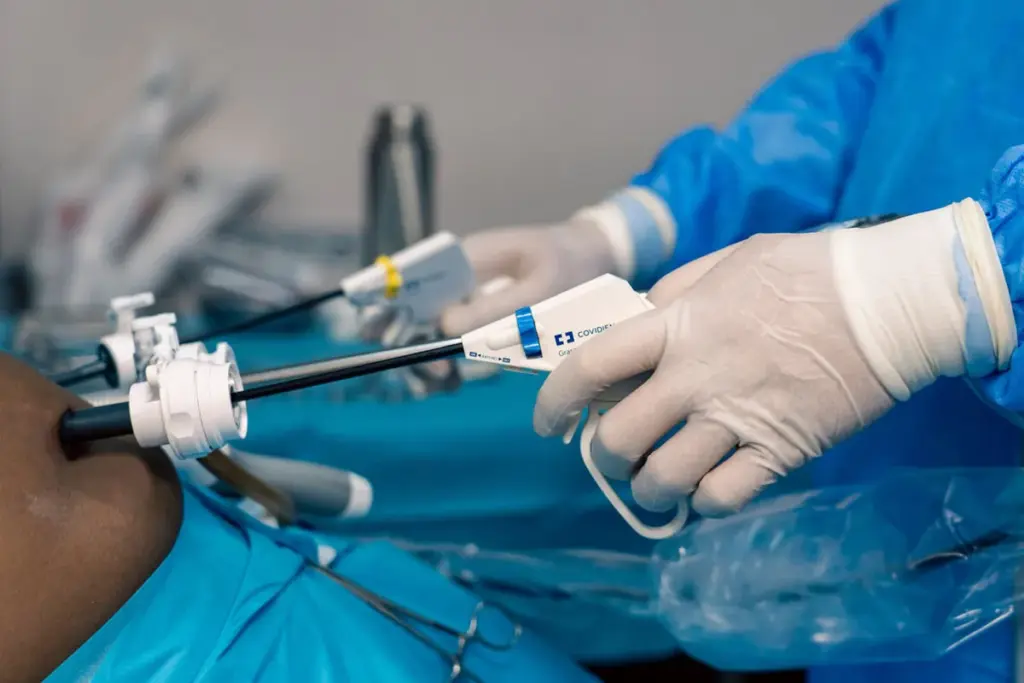
Gastric bypass surgery is a big change for people fighting obesity. It helps them lose a lot of weight. Right after surgery, people often see a big drop in weight. This is the start of their journey to manage their weight for the long term. Track the average weight loss with gastric sleeve today. Get best amazing and incredible proven secrets for a successful body.
Significant weight loss is one of the first benefits of gastric bypass surgery. The first month is very important, and patients want to know what to expect. We aim to give a clear picture of the typical weight loss in this time.
Key Takeaways
- Gastric bypass surgery leads to substantial weight loss in the first month.
- Patients can expect a significant reduction in body weight.
- Success in weight loss is fundamentally reliant on maintaining a healthy diet and engaging in regular exercise.
- Keeping track of progress and adjusting habits are important for long-term success.
- Getting support from healthcare professionals is vital after surgery.
Understanding Bariatric Surgery Options

Starting your weight loss journey often means learning about bariatric surgery. This type of surgery helps people lose weight when other methods don’t work. The main types are gastric bypass and gastric sleeve surgery.
What is Gastric Bypass Surgery?
Gastric bypass surgery, also known as Roux-en-Y gastric bypass, makes a small pouch from the stomach. It connects this pouch to the small intestine. This limits food intake and reduces nutrient absorption, leading to weight loss. It’s known for its effectiveness in losing weight and improving health.
What is Gastric Sleeve Surgery?
Gastric sleeve surgery, or sleeve gastrectomy, removes a large portion of the stomach. This leaves a narrow “sleeve” or tube-like stomach. It limits food intake and reduces hunger hormone levels. This surgery is less invasive and has become popular for its simplicity and effectiveness.
Key Differences Between These Procedures
Both gastric bypass and gastric sleeve surgeries help with weight loss, but they differ. The table below highlights the main differences:
|
Characteristics |
Gastric Bypass |
Gastric Sleeve |
|---|---|---|
|
Procedure Complexity |
More complex, involves rerouting intestines |
Less complex, involves removing part of the stomach |
|
Nutrient Absorption |
Reduces nutrient absorption |
Does not significantly affect nutrient absorption |
|
Weight Loss Mechanism |
Restrictive and malabsorptive |
Primarily restrictive |
|
Reversibility |
More difficult to reverse |
Generally considered irreversible |
The table shows the differences between gastric bypass and gastric sleeve surgery. The choice depends on health status, weight loss goals, and personal preferences. It’s important to talk to a healthcare provider to decide the best option.
First Month Weight Loss After Gastric Bypass

Knowing what to expect in the first month after gastric bypass surgery is key. This surgery is a big step towards losing weight and getting healthier.
Typical Weight Loss in Weeks 1-2
In the first two weeks, patients often see a big drop in weight. This is because the surgery limits how much food they can eat. Average weight loss can be 10-15 pounds in these weeks, based on starting weight and diet.
Expected Results in Weeks 3-4
By weeks 3-4, weight loss might slow down a bit. Patients may lose another 10-12 pounds, reaching a total of 20-25 pounds by the end of the month.
“The first month after gastric bypass surgery is critical for establishing healthy habits that will support long-term weight loss success.”Bariatric Surgeon
Clinical Studies on First Month Outcomes
Studies show gastric bypass surgery leads to big weight loss in the first month. A study in the Journal of the American Medical Association found patients lost 22% of excess weight in the first month. Another study showed patients lost 15-20 pounds in the first month with gastric sleeve surgery.
These results highlight the need for good care and sticking to the diet after surgery. Patients should stay in close touch with their healthcare team to track progress and solve any issues.
The Average Weight Loss with Gastric Sleeve
Gastric sleeve surgery is a popular choice for those fighting obesity. It involves removing a big part of the stomach, leaving a narrow “sleeve.” This limits how much food you can eat. Let’s look at what weight loss to expect in the first month and beyond.
First Month Expectations After Sleeve Surgery
In the first month, patients see a big drop in weight. This is because their stomach is much smaller, limiting food intake. They can lose a lot of excess weight in the first few weeks.
Research-Based Averages
Studies show gastric sleeve patients can lose 15% to 25% of their body weight in the first month. A JAMA study found an average loss of 15.3% of initial body weight at one month. Results can differ based on starting BMI, diet, and health.
Setting Realistic First Month Goals
It’s important to have realistic weight loss goals. The first month is often the biggest weight loss, but it slows down later. Setting reachable goals helps patients stay on track with lifestyle changes.
- A 250-pound patient might lose 20-30 pounds in the first month.
- This is an 8-12% total body weight loss, within the expected range for gastric sleeve patients.
Patient stories often show how gastric sleeve surgery changes lives. For example, a patient might share their “gastric sleeve before and after” journey. These stories give insights into the outcomes and challenges patients face.
Factors Affecting Initial Weight Loss Results
It’s important to know what affects weight loss after bariatric surgery. Many things can change how much weight you lose right after surgery.
Starting BMI and Its Impact
Your starting Body Mass Index (BMI) is a big factor in how much weight you lose first. People with a higher BMI usually lose more weight at first. But, how fast you lose weight can be different for everyone.
|
Starting BMI Category |
Average Weight Loss in First Month |
|---|---|
|
30-39.9 |
15-25 pounds |
|
40-49.9 |
20-35 pounds |
|
50 and above |
25-40 pounds |
Age, Gender, and Metabolic Considerations
Age, gender, and how fast your body burns calories also matter. Older people might lose weight slower because their metabolism is slower. Men might lose weight faster than women in the first few months, some studies say.
Having conditions like hypothyroidism can also affect weight loss. Getting checked before surgery helps set realistic goals.
Pre-Surgery Diet Adherence
Following the pre-surgery diet is key for success. Eating low-calorie, nutrient-rich foods helps shrink the liver and improves surgery results. Sticking to the diet closely can lead to better weight loss in the beginning.
Surgical Technique Variations
The surgery method used can also change how much weight you lose. Different surgeries, like gastric bypass or gastric sleeve, affect weight loss differently. The surgeon’s skill and experience also play a big role.
Knowing these factors helps patients prepare better. Working with their healthcare team can lead to the best results.
The Complete Weight Loss Timeline After Bariatric Surgery
Bariatric surgery starts a journey of weight loss with a clear timeline. Knowing this timeline helps patients set realistic goals and get ready for the changes ahead.
Month 1: The Immediate Recovery Phase
The first month is all about recovery after surgery. Patients start losing weight slowly as they move from liquids to solid foods. They usually lose 10-15% of their extra weight in this month.
Months 2-3: The Rapid Weight Loss Phase
Months two and three bring rapid weight loss. This is because of less calorie intake and the body adjusting to the new changes. Patients can lose another 15-20% of their extra weight, making it key to start new eating and exercise habits.
Months 4-6: Continued Progress
From months four to six, weight loss slows down but keeps going. It’s important to eat nutrient-rich foods and stay active. Patients usually lose another 10-15% of their extra weight here.
Months 7-12: Stabilization Period
By the seventh to twelfth months, weight loss slows down more. This is a time to solidify long-term lifestyle changes. Patients work with their healthcare team to keep their weight loss on track.
It’s vital for patients to stay in touch with their bariatric team and support groups. This helps them overcome challenges and celebrate their achievements. Understanding the weight loss timeline helps patients navigate their journey and reach their best outcomes.
Gastric Sleeve Weight Loss Success: Real Patient Stories
Real patient stories show how gastric sleeve surgery changes lives. They inspire and offer insights into the journey of change patients go through.
First Month Transformation Journeys
The first month after surgery is full of big changes. Patients often lose a lot of weight, which motivates them. For examplea 35-year-old, lost 20 pounds in the first month. She felt more energetic and confident.
“The first month was challenging, but the weight loss was worth it. I felt like a new person.”
Six-Month Milestones
By six months, patients have lost a lot of weight. Mark, a 42-year-old, lost 120 pounds by then. He said he could move better and had fewer health problems.
One-Year Achievements
After one year, patients have changed a lot.a 28-year-old, lost 150 pounds. She felt much better and had more self-confidence.
Life After Significant Weight Loss
Life after losing a lot of weight is more than just the weight loss. Patients can do things they couldn’t before. They have better health and feel more confident.
|
Timeframe |
Average Weight Loss |
Reported Improvements |
|---|---|---|
|
First Month |
15-25 pounds |
Increased energy, reduced hunger |
|
Six Months |
80-120 pounds |
Improved mobility, reduced health issues |
|
One Year |
150-200 pounds |
Significant lifestyle changes, improved self-esteem |
Comparing First Month Results Between Bariatric Procedures
Looking at the first month after bariatric surgery shows different results. Patients looking into weight loss surgery need to know these differences. It helps them set realistic goals.
Gastric Bypass vs. Gastric Sleeve
Gastric Bypass and Gastric Sleeve are top choices for weight loss surgery. Both lead to big weight loss in the first month. But, Gastric Bypass might cause a bit more weight loss because it works in two ways.
Gastric Sleeve surgery is mainly about limiting food intake. It can also lead to a lot of weight loss in the first month. It’s close to Gastric Bypass in some cases.
Gastric Sleeve vs. Lap Band
Gastric Sleeve usually leads to more weight loss in the first month than Lap Band. Lap Band is adjustable and less invasive. It might start slower but can be adjusted.
Gastric Bypass vs. Duodenal Switch
Duodenal Switch is a malabsorptive procedure like Gastric Bypass. It can cause a lot of weight loss early on. But, it might lead to more nutritional problems.
Both Gastric Bypass and Duodenal Switch can lead to fast weight loss in the first month. But, Duodenal Switch might cause more weight loss because it affects nutrient absorption more.
Which Procedure Yields Faster Early Results?
Gastric Bypass and Duodenal Switch tend to cause faster weight loss in the first month. But, Gastric Sleeve is also a strong choice for early weight loss. It doesn’t have the malabsorptive risks of the other two.
Choosing a bariatric procedure depends on many things. It’s important to consider health, preferences, and long-term goals. Talking to a healthcare professional is key to finding the right option.
Potential Weight Loss Plateaus and How to Overcome Them
Many patients face weight loss plateaus after bariatric surgery. These plateaus happen when weight loss slows down or stops, even if they follow their post-operative guidelines. It’s important to understand why these plateaus occur and how to overcome them for long-term success.
Why Early Plateaus Happen
Several factors can cause weight loss plateaus after surgery. The body’s metabolic rate might adjust to the new diet, slowing weight loss. Patients might also consume more calories than they think, or their bodies might adapt to the new anatomy, affecting weight loss.
Common reasons for weight loss plateaus include:
- Insufficient protein intake
- Lack of physical activity
- Hormonal changes
- Metabolic adaptation
Strategies to Restart Weight Loss
To overcome a weight loss plateau, several strategies can help. First, ensure you’re getting enough protein in your diet. Adding more physical activity or changing your exercise routine can also help. Keeping a food diary can help identify patterns or habits that might be holding you back.
As one patient noted, “
After hitting a plateau, I started tracking my food intake and increased my protein shakes. It really helped me get back on track.
When to Consult Your Bariatric Team
If a weight loss plateau persists, it’s time to consult your bariatric team. They can offer personalized advice, check for any issues, and suggest changes to your diet or exercise plan. Regular check-ups with your healthcare provider are key for long-term success.
|
Action |
Benefit |
|---|---|
|
Dietary adjustments |
Ensures adequate nutrition and protein intake |
|
Increased physical activity |
Boosts metabolism and burns calories |
|
Regular follow-ups |
Provides support and monitors progress |
Managing Expectations During Slowdowns
Managing expectations is important during slow weight loss periods. Focus on overall health improvements, not just the scale. Celebrating non-scale victories, like increased energy or better blood work, can keep you motivated.
Remember, weight loss isn’t always linear. You might see fluctuations, but with the right mindset and support, you can overcome these challenges and reach your long-term weight loss goals after gastric sleeve surgery.
Post-Operative Nutrition Guidelines for Maximum Results
To get the best results after gastric sleeve surgery, following good nutrition is key. Eating right helps your body during the quick weight loss and after. It’s important for your health.
The First Month Diet Progression
The first month after surgery has different diet stages. Right after surgery, you’ll start with a liquid diet. Then, you move to soft foods and solid foods over 3-4 weeks. This helps avoid problems and makes recovery smoother.
Protein Requirements and Sources
Protein is vital for keeping muscle during quick weight loss. We suggest eating 60-80 grams of protein daily. Good protein sources are lean meats, fish, eggs, dairy, and protein shakes. Make sure to eat protein-rich foods at every meal to get enough.
Vitamin and Mineral Supplementation
After surgery, you might miss out on some nutrients. We recommend taking a multivitamin, calcium citrate, vitamin D, and vitamin B12. Regular blood tests help check if you need more supplements.
Foods to Avoid After Surgery
Some foods can make you uncomfortable or cause problems after surgery. Stay away from carbonated drinks, high-sugar foods, and tough or dry meats in the first months. Also, watch out for foods that can lead to dumping syndrome, like high-sugar or high-fat foods.
By sticking to these nutrition tips, you can get the most out of your weight loss after gastric sleeve surgery. It will also help improve your health.
Exercise Recommendations Following Bariatric Surgery
After bariatric surgery, it’s important to start exercising regularly. This helps keep the weight off and improves your health. Exercise also lowers the chance of health problems.
First Month Activity Guidelines
In the first month, start with easy exercises to help you recover. Begin with short walks, 5-10 minutes, a few times a day. As you get better, walk more and longer.
Also, do deep breathing and gentle stretching to stay flexible and relax muscles. Avoid heavy lifting and hard activities that might hurt your stomach muscles.
When to Increase Exercise Intensity
By the second month, you can do more intense workouts. Your body should be ready for harder activities. Try swimming, cycling, or using an elliptical machine.
Always listen to your body. If you feel pain or discomfort, stop right away and talk to your doctor.
Best Exercises for Bariatric Patients
Good exercises for bariatric patients mix cardio, strength training, and flexibility. Cardio activities like brisk walking or jogging help burn calories and keep your heart healthy.
Strength training with light weights or bands builds muscle. This is important for metabolism and health. Flexibility exercises, like yoga, improve movement and prevent injuries.
|
Exercise Type |
Examples |
Benefits |
|---|---|---|
|
Cardiovascular |
Brisk walking, jogging, cycling |
Burns calories, improves heart health |
|
Strength Training |
Light weights, resistance bands |
Builds muscle mass, boosts metabolism |
|
Flexibility |
Yoga, Pilates |
Improves range of motion, reduces injury risk |
Building a Sustainable Fitness Routine
To keep exercising, start slow and gradually get harder. Aim to exercise 150 minutes a week. This is what health experts suggest.
Find exercises you like and mix them up to stay excited. Tracking your progress and setting goals helps too. Working with a fitness coach who knows about bariatric surgery can be very helpful.
Psychological Changes During Rapid Initial Weight Loss
The first few months after gastric sleeve surgery are not just about physical changes. They also involve emotional adjustments. As patients lose weight quickly, they go through many psychological changes. These can be both good and hard.
Emotional Responses to Physical Transformation
Weight loss after gastric sleeve surgery can cause a mix of emotions. Patients might feel proud and accomplished. But they may also struggle with how others react to their new look. Mood swings, anxiety, or depression are common during this time.
Managing Expectations vs. Reality
Managing what you expect versus what really happens is a big challenge. Patients often have high hopes for their weight loss. But the reality can be different. We stress the need for realistic expectations and being ready for emotional ups and downs.
Body Image in the Early Stages
Body image concerns are common early on. As the body changes fast, adjusting to the new look can be hard. We encourage patients to focus on the good parts of their change and to be kind to themselves.
Developing Healthy Coping Mechanisms
It’s important to develop healthy ways to cope. We suggest activities like mindfulness, meditation, or joining support groups. By focusing on mental health, not just physical, people can handle the emotional changes better.
Understanding and dealing with these psychological changes helps our patients. They can achieve not just weight loss but also a healthier, happier mindset.
Gastric Sleeve Before and After: Expected Transformations
Gastric sleeve surgery changes lives, helping many lose weight and feel better. It’s important to know what changes to expect before and after surgery.
First Month Physical Changes
The first month after surgery is a big change. People often lose a lot of weight and feel more energetic. They can lose 15-25% of their extra weight in just a month.
Adjusting to a new stomach size changes how people eat. They might feel less hungry and full faster, making it easier to stick to a diet.
Health Improvements Beyond Weight
Gastric sleeve surgery does more than just help with weight. It can also improve health problems like diabetes and high blood pressure. These improvements come from losing weight and changes in hormones.
Quality of Life Enhancements
Surgery can also make life better in many ways. People can move more and do things they couldn’t before. This can make them feel happier and more confident.
- Increased participation in physical activities
- Improved mental health and well-being
- Enhanced social interactions and confidence
Long-term Body Composition Changes
After the first month, weight loss and body changes keep happening. Long-term, surgery can lead to lasting weight loss and better health. It’s key to keep a healthy lifestyle to keep these benefits.
Knowing what to expect from gastric sleeve surgery helps prepare for the journey. With the right mindset and support, it can be a powerful way to lose weight and improve health.
Long-Term Weight Loss After Gastric Sleeve: 5+ Year Results
It’s important to know how much weight you can lose after getting a gastric sleeve. This surgery makes your stomach smaller and changes how you feel hunger. It helps you lose a lot of weight.
Maintenance Success Rates
Studies show that gastric sleeve surgery leads to lasting weight loss. People usually keep a big part of their weight off for five years or more. For example, a study in the Journal of the American Medical Association (JAMA) found that patients lost about 50% of their excess weight five years later.
Here are some success rates:
- One study reported a 55% EWL at five years.
- Another found that 60% of patients maintained at least 50% EWL at the five-year mark.
These numbers show how well gastric sleeve surgery works for keeping weight off over time.
Factors in Long-Term Success
Several things help you keep the weight off after gastric sleeve surgery. These include:
- Dietary Changes: Eating healthy is key to keeping the weight off.
- Regular Exercise: Staying active helps manage weight long-term.
- Follow-Up Care: Seeing your doctor regularly is important for tracking progress and solving problems.
- Psychological Support: Having people to support you emotionally is vital.
As one patient said, “The journey doesn’t end after surgery; it’s just the beginning of a new lifestyle.” This shows how important changing your lifestyle is for long-term success.
Managing Weight Regain Risks
Even though gastric sleeve surgery works well, there’s a chance you might gain weight back. Reasons for weight gain include:
- Stretching of the stomach sleeve.
- Poor dietary habits.
- Lack of regular exercise.
To avoid weight gain, you need to watch what you eat, stay active, and get support from your doctor.
Revision Procedures: When and Why
Sometimes, patients need more surgery because they didn’t lose enough weight or because they gained it back. Reasons for more surgery include:
- Insufficient weight loss.
- Weight regain.
- Surgical complications.
These additional surgeries are customized to meet each patient’s needs. They might involve changing the original gastric sleeve.
Understanding what affects long-term weight loss after gastric sleeve surgery helps patients prepare. It increases their chances of lasting success.
Potential Complications That May Affect Weight Loss Progress
It’s important to know the possible complications of gastric sleeve surgery. This knowledge helps manage expectations and achieve weight loss goals. Gastric sleeve surgery is a powerful weight loss tool, but it comes with risks.
Surgical Complications
Surgical issues can affect weight loss after gastric sleeve surgery. These problems include:
- Bleeding: Too much bleeding during or after surgery can be serious.
- Infection: As with any surgery, there’s a chance of infection with gastric sleeve surgery.
- Leakage: A leak from the staple line can happen, leading to severe infection.
These issues can slow down recovery and affect the surgery’s success.
Nutritional Deficiencies
After gastric sleeve surgery, patients might face nutritional deficiencies. This is because their stomach is smaller and digestion changes. Common deficiencies include:
- Vitamin B12 deficiency: This can cause fatigue, weakness, and neurological problems if not treated.
- Iron deficiency: Iron deficiency anemia is common after bariatric surgery.
- Calcium deficiency: This can harm bone health over time.
Regular check-ups with a healthcare provider and following recommended supplements can help prevent these deficiencies.
Gastrointestinal Issues
After gastric sleeve surgery, patients might face gastrointestinal problems. These can affect weight loss and comfort. Issues include:
- Nausea and vomiting: These are common in the early stages after surgery.
- Constipation or diarrhea: Bowel habits can change.
- Dumping syndrome: Though more common with gastric bypass, some patients may experience symptoms.
Managing these problems often involves changing diet and, in some cases, medical treatment.
Metabolic Complications
Metabolic problems can also affect weight loss and health after gastric sleeve surgery. These include:
- Electrolyte imbalances: These can happen due to diet and absorption changes.
- Osteoporosis: Long-term risk if nutritional deficiencies are not managed.
- Type 2 diabetes remission: While often a benefit, rapid blood sugar level changes need careful management.
Regular monitoring and adjustments to diet and supplements can help manage these metabolic complications.
Understanding these complications helps patients prepare for gastric sleeve surgery. It’s key for patients to work closely with their healthcare team. This way, they can minimize risks and address any complications quickly.
Support Systems for Bariatric Surgery Patients
Starting a weight loss journey after bariatric surgery needs a strong support system. This includes medical professionals, support groups, family, friends, and digital tools. They all help with recovery and well-being.
Medical Follow-Up Schedule
Having a good medical follow-up schedule is key. It lets doctors track progress and handle any problems. Regular visits help with:
- Tracking weight loss progress
- Managing nutritional deficiencies
- Addressing any surgical complications
- Providing emotional support
Regular follow-ups are important. They help catch problems early and adjust care plans as needed.
Support Groups and Resources
Support groups are a place to share experiences and get advice. They can be:
- In-person meetings
- Online forums
- Social media groups
Many find sharing their journey with others helpful. Gastric sleeve testimonials and gastric sleeve before and after stories motivate and inspire.
The Role of Family and Friends
Family and friends are key for emotional and psychological support. They can offer:
- Emotional support and encouragement
- Help with meal preparation and nutrition
- Assistance with physical activity
Teaching them about your needs helps create a supportive environment.
Digital Tools and Apps for Tracking Progress
Today, many digital tools and apps help track progress. These include:
- Weight loss tracking apps
- Nutrition and meal planning tools
- Fitness and exercise trackers
These tools offer insights and help stay on track with weight loss goals.
Conclusion: Setting Realistic Expectations for Your Weight Loss Journey
Bariatric surgery, like gastric sleeve and gastric bypass, can change lives for those with obesity. Knowing the average weight loss is key to setting the right goals.
Many people see big changes in the first year after surgery. It’s vital to have a strong support system. This includes regular doctor visits, joining support groups, and making healthy lifestyle changes.
Understanding what affects weight loss is important. This includes starting BMI, age, and diet before surgery. Patients should work with their bariatric team to create a plan that fits their needs and goals.
Bariatric surgery is just the start of a long journey to better health. With the right attitude, support, and guidance, people can lose a lot of weight and live healthier.
FAQ
What is the average weight loss in the first month after gastric bypass surgery?
In the first month after gastric bypass surgery, people usually lose 15-25% of their extra body weight. This can change based on things like starting weight, age, and health.
How does gastric sleeve surgery compare to gastric bypass in terms of weight loss?
Both gastric sleeve and gastric bypass surgeries help people lose a lot of weight. But, how much and how fast can differ. Gastric sleeve patients often lose 10-20% of their extra body weight in the first month. Gastric bypass patients might lose a bit more.
What factors can affect weight loss after bariatric surgery?
Many things can affect weight loss after bariatric surgery. These include starting weight, age, gender, diet before surgery, and the surgery itself. Also, what you eat and exercise after surgery are key to losing weight.
What is the typical weight loss timeline after bariatric surgery?
After bariatric surgery, weight loss usually happens in phases. First, there’s a quick weight loss in the first 3-6 months. Then, weight loss slows down until 12-18 months. After that, weight loss often stops, and you enter a maintenance phase.
How can I overcome a weight loss plateau after bariatric surgery?
To beat a weight loss plateau, check your diet and exercise. Eating more protein, adjusting food portions, and trying new exercises can help. Talking to your bariatric team can also give you personalized advice.
What are the expected transformations after gastric sleeve surgery?
After gastric sleeve surgery, you can expect to lose a lot of weight. You’ll also see improvements in health and quality of life. You might notice less body fat and better body shape.
What are the long-term weight loss results after gastric sleeve surgery?
Long-term weight loss after gastric sleeve surgery varies. But, studies show many patients keep losing weight 5+ years later. Success depends on following post-surgery guidelines and lifestyle choices.
What are the possible complications that may affect weight loss progress after bariatric surgery?
Complications like surgical issues, nutritional problems, and metabolic issues can slow down weight loss. Regular check-ups with your bariatric team can help manage these problems.
How important is a support system for bariatric surgery patients?
A support system is very important for bariatric surgery patients. It offers emotional support, advice, and motivation. Support groups, family, friends, and online tools can all help a lot.
What are the post-operative nutrition guidelines for maximum weight loss results?
Post-surgery, follow a diet plan rich in protein, vitamins, and minerals. Avoid foods high in calories or sugar. Sticking to these guidelines is key for losing weight and staying healthy.
What exercise recommendations are suitable for bariatric surgery patients?
Start with gentle exercises like walking in the first month. Then, gradually increase the intensity and duration. A mix of cardio, strength training, and flexibility exercises supports weight loss and health.



 Departments
 Related Videos
 Our Doctors
 News
News