

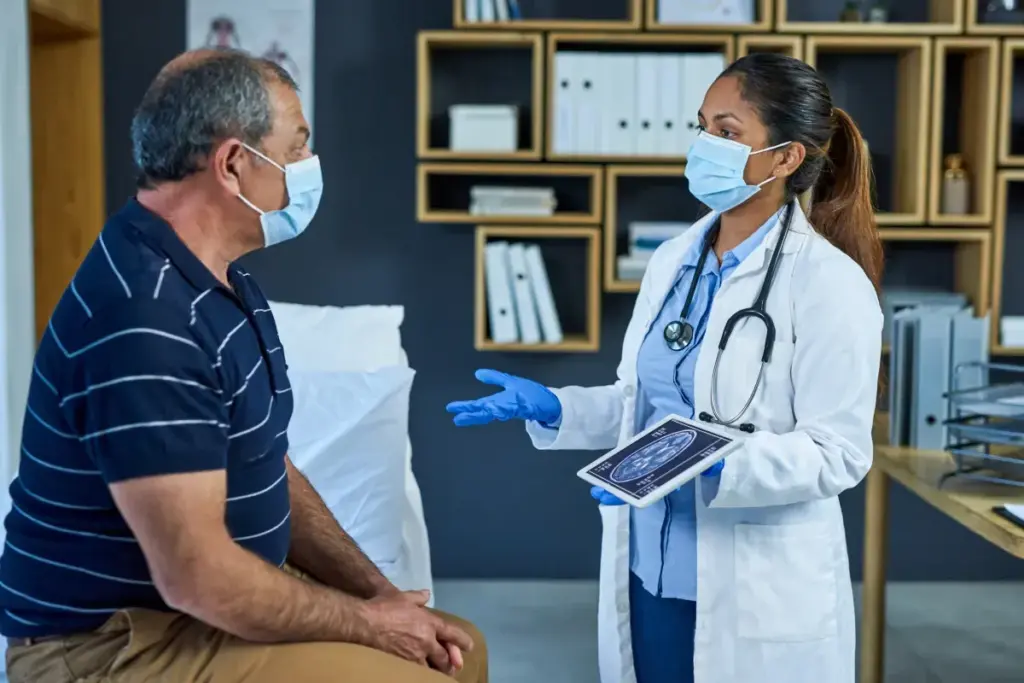
Are AVMs hereditary? Learn the crucial genetic facts and discover amazing ways to protect your family’s successful brain health today.avm
avm
Arteriovenous malformation, or AVM, is a condition where blood vessels in the brain or spine form abnormal connections. It affects about 1 in 100 people worldwide. Many cases go undiagnosed because they don’t show symptoms.
AVMs are usually found in the brain and spinal cord. The exact cause is not known, but research suggests a genetic link. Scientists are working to understand if AVMs can be inherited.
Key Takeaways
- Arteriovenous malformations (AVMs) are rare and often asymptomatic.
- AVMs are most commonly located in the brain and spinal cord.
- The exact cause of AVMs is currently unknown.
- There is evidence to suggest a possible genetic component to AVMs.
- Research is ongoing to understand the hereditary aspects of AVMs.
Understanding Arteriovenous Malformations (AVMs)
vascular malformation
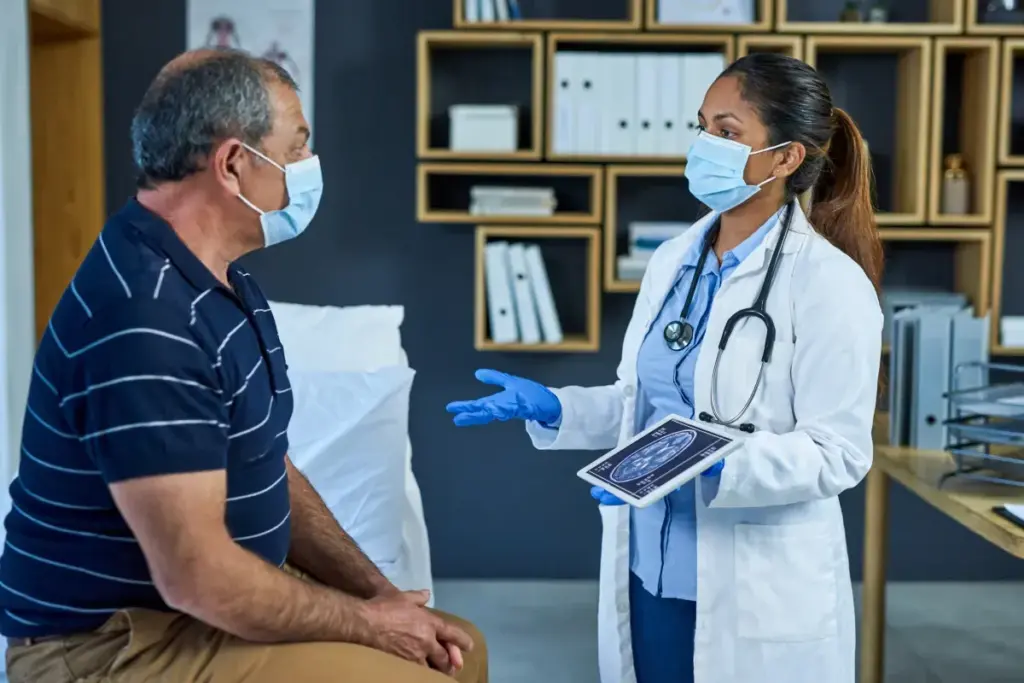
It’s important to know about arteriovenous malformations (AVMs) to treat vascular issues well. AVMs are abnormal links between arteries and veins, skipping capillaries. This can cause health problems based on where and how big they are.
Definition and Basic Structure of AVMs
An arteriovenous malformation (AVM) is a mix of blood vessels that don’t connect right. They go straight from arteries to veins. This messes up blood flow and can cause serious issues.
The core of an AVM is called the nidus. It’s where the bad connections happen.
How AVMs Differ from Normal Blood Vessels
Normal blood vessels have arteries, capillaries, and veins. Arteries bring oxygen-rich blood to capillaries. Then, the blood goes back to veins. But AVMs skip the capillaries, going straight from arteries to veins.
This abnormal connection can cause big problems. It might lead to hemorrhage or brain issues, depending on where it is.
Prevalence and Demographics
AVMs are rare, happening in about 1 in 100,000 people each year. They can be found in the brain, spine, or other parts of the body. More men than women get them, and they often show up in younger people.
Types of AVMs and Their Locations
avm brain
It’s key to know about the different types and places where AVMs can be found. Arteriovenous malformations (AVMs) are unusual connections between arteries and veins. They can show up in various parts of the body.
Brain AVMs (Cerebral AVMs)
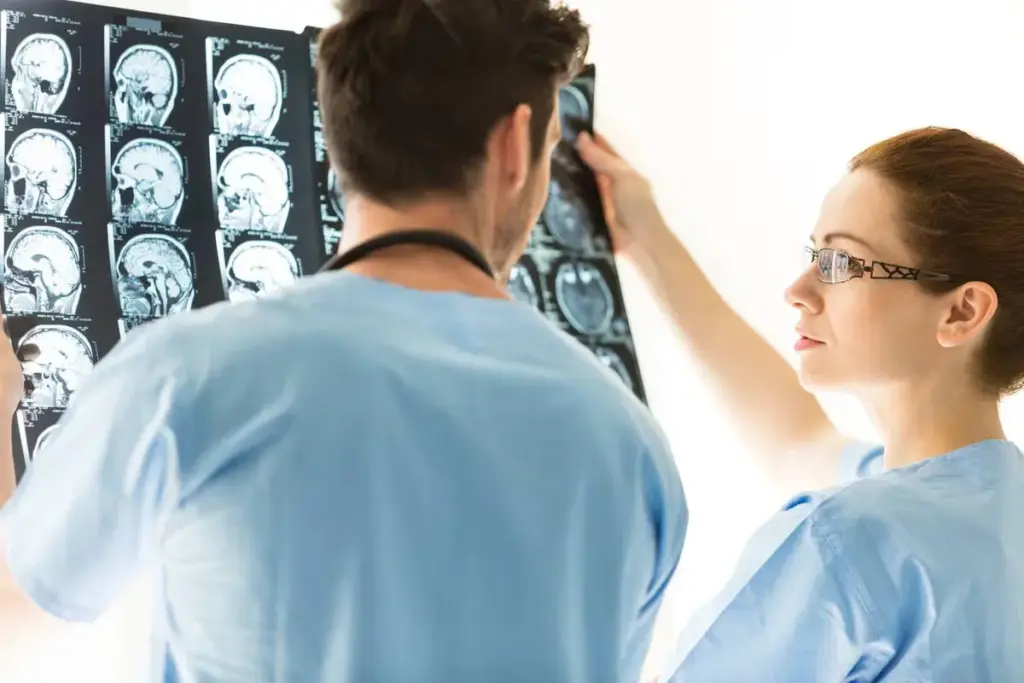
Brain AVMs, or cerebral AVMs, happen in the brain. They have a tangled network of blood vessels. This can mess up normal blood flow and oxygen to brain tissue. Cerebral AVMs are often talked about because they can cause big problems if not treated.
Spinal AVMs
Spinal AVMs are found in the spinal cord or along nerve roots. They can cause symptoms like pain, weakness, and paralysis. Spinal AVMs are less common but need quick medical care to avoid lasting damage.
AVMs in Other Body Parts
AVMs can also appear in other body areas, like limbs, organs, and tissues. Their symptoms vary based on where they are and what they affect. For example, AVMs in limbs can cause swelling, pain, and shape changes.
|
Type of AVM |
Location |
Common Symptoms |
|---|---|---|
|
Cerebral AVM |
Brain |
Headaches, seizures, neurological deficits |
|
Spinal AVM |
Spinal cord or nerve roots |
Pain, weakness, paralysis |
|
Peripheral AVM |
Limbs, organs, other tissues |
Swelling, pain, deformity |
The variety of AVM locations and types shows why a detailed diagnostic approach is vital. It helps in identifying and managing these malformations well.
The Genetic Basis of AVM Development
AVM disease brain
Arteriovenous malformations (AVMs) form through a mix of genetics, environment, and development. Studies show genetics play a big role, more so in hereditary cases.
Genetic Mutations Associated with AVMs
Some genes are linked to AVMs. For example, ENG, ACVRL1, and SMAD4 mutations are tied to Hereditary Hemorrhagic Telangiectasia (HHT). This condition raises the risk of AVMs.
These mutations can mess up blood vessel growth, causing AVMs. People with HHT are more likely to get AVMs in places like the brain, lungs, and liver.
Key genetic mutations associated with AVMs include:
- Mutations in the ENG gene
- Mutations in the ACVRL1 gene
- Mutations in the SMAD4 gene
Developmental Factors in AVM Formation
Developmental factors are also key in AVM formation. Blood vessel formation in embryos is complex, needing many genes and pathways.
“Disruptions in these developmental processes can lead to the formation of AVMs, which are characterized by abnormal connections between arteries and veins.”
AVMs can happen due to vascular system development errors. These errors might come from genetic or environmental factors.
Epigenetic Influences
Epigenetics, which changes gene expression without DNA changes, also affects AVMs. Lifestyle and environment can cause these changes, leading to AVMs.
For instance, some toxins can cause epigenetic changes that raise AVM risk.
Epigenetic influences on AVM development may include:
- Environmental toxin exposure
- Lifestyle factors such as smoking and diet
- Other epigenetic modifications that affect gene expression
Hereditary Conditions Linked to AVMs
Hereditary Conditions Linked to AVMs
Research shows a link between certain genetic syndromes and AVMs. Knowing these conditions helps in diagnosing and managing AVMs.
Hereditary Hemorrhagic Telangiectasia (HHT)
Hereditary Hemorrhagic Telangiectasia, or Osler-Weber-Rendu syndrome, is a genetic disorder. It causes AVMs and telangiectasias. It affects organs like the lungs, liver, and brain.
Key Features of HHT:
- Multiple AVMs in various organs
- Recurrent nosebleeds (epistaxis)
- Telangiectasias on skin and mucous membranes
Sturge-Weber Syndrome
Sturge-Weber Syndrome is a rare condition present at birth. It has a distinctive port-wine stain on the face and neurological abnormalities. AVMs in the brain can cause neurological symptoms.
Notable Aspects of Sturge-Weber Syndrome:
- Port-wine birthmark on the face
- Neurological abnormalities, including seizures
- Potential for AVMs in the brain
Wyburn-Mason Syndrome
Wyburn-Mason Syndrome is a rare congenital disorder. It involves AVMs of the brain, mainly affecting the visual pathway. It can cause neurological and ocular symptoms.
Characteristics of Wyburn-Mason Syndrome:
|
Feature |
Description |
|---|---|
|
AVMs in the Brain |
Primarily affecting the visual pathway |
|
Neurological Symptoms |
Can include seizures, weakness, or visual disturbances |
|
Ocular Symptoms |
May involve vision loss or retinal detachment |
Other Genetic Syndromes
Other genetic conditions can also lead to AVMs. These include vascular malformation syndromes and genetic disorders affecting blood vessel development.
Family Patterns in AVM Occurrence
avm family history
Familial occurrences of AVMs have been documented, prompting a closer look at the statistical evidence and case studies related to these instances.
Statistical Evidence of Familial Clustering
Studies have shown that AVMs can cluster in families, suggesting a possible genetic component. Research indicates that individuals with a family history of AVMs are at a higher risk of developing the condition.
- A study published in the Journal of Neurosurgery found a significant correlation between family history and AVM occurrence.
- Another research paper highlighted that familial AVMs tend to have distinct characteristics compared to sporadic cases.
Case Studies of Families with Multiple AVM Cases
Several case studies have illustrated the occurrence of AVMs in multiple family members across different generations. These studies provide valuable insights into the genetic mechanisms behind the condition.
- A case study involving a family with three members diagnosed with AVMs across two generations was reported in a medical journal.
- Another study documented a family with a history of AVMs in four consecutive generations.
Inheritance Patterns Observed
The inheritance patterns of AVMs are complex and not fully understood. Observations suggest that AVMs may follow an autosomal dominant pattern in some families.
The presence of AVMs in multiple family members supports the hypothesis that genetic factors play a significant role in the development of the condition.
What is AVM? Understanding the Medical Condition
AVM medical condition
Arteriovenous malformations, or AVMs, are a complex medical condition. They involve an abnormal connection between arteries and veins. This can happen in different parts of the body, like the brain, spine, and other organs.
AVM Medical Abbreviation Explained
The term AVM stands for Arteriovenous Malformation. It describes a condition where arteries and veins are tangled abnormally. This disrupts blood flow. Knowing the AVM medical abbreviation is key for clear communication between patients and healthcare providers.
Pathophysiology of AVMs
AVMs form when arteries and veins connect abnormally, skipping capillaries. This can cause problems like hemorrhage due to high pressure on blood vessel walls. Research suggests genetics and environment play a big role in AVM formation.
|
Characteristics |
Normal Blood Vessels |
AVMs |
|---|---|---|
|
Blood Flow |
Regulated, normal pressure |
Abnormal, high pressure |
|
Vessel Structure |
Normal capillaries |
Abnormal tangling |
|
Complications |
Rare |
Hemorrhage, other issues |
Natural History of Untreated AVMs
Untreated AVMs can lead to serious health issues. The outcome depends on the AVM’s location, size, and other factors. Some AVMs may not show symptoms for years, while others can cause seizures, headaches, and hemorrhage. Knowing the natural history helps decide the best treatment.
In summary, AVMs are a complex condition needing a deep understanding of their causes and outcomes. By knowing what AVM is and its effects, patients and doctors can work together to manage it effectively.
Risk Factors for AVM Development
Arteriovenous malformations (AVMs) come from a mix of genetic, environmental, and other factors. Knowing these risk factors helps find and manage AVMs early.
Genetic Predisposition
Genetics are key in AVMs. Some people are more likely to get AVMs because of their genes. Studies have found certain genetic changes that raise AVM risk.
For example, genes that help blood vessels grow and stay healthy are linked to AVMs.
Environmental Factors
Genetics aren’t the only thing. Environmental factors might also play a part. Some things in the environment could start AVMs in people who are already at risk.
Interaction Between Genes and Environment
The mix of genes and environment is complex. It’s thought that environment can trigger AVMs in people who are genetically at risk. More research is needed to understand this fully.
Knowing what causes AVMs is key to finding ways to prevent them. This is very important for people with a family history of AVMs.
Common Symptoms and Signs of AVM
AVMs can show different symptoms, like neurological issues, bleeding, or no symptoms at all. Knowing these signs is key for early treatment.
Neurological Symptoms
AVMs can lead to various neurological problems. These include:
- Severe headaches, often described as migraines
- Seizures, which can be the initial presentation in some cases
- Neurological deficits, such as weakness or numbness in limbs
- Speech disturbances or visual field defects
Neurological symptoms can significantly impact the quality of life. It’s vital to seek medical help quickly if you notice these signs.
Hemorrhage and Bleeding
Bleeding is a serious risk with AVMs. “The risk of bleeding is a significant concern for patients with AVMs”, say doctors. This bleeding can cause:
- Acute neurological deterioration
- Increased intracranial pressure
- Potential long-term disability
This risk highlights the need for close monitoring and treatment of AVMs.
Asymptomatic AVMs
Some AVMs don’t show symptoms and are found by chance during scans for other reasons.
“Asymptomatic AVMs pose a challenge in terms of management, as their presence may not be immediately apparent.”
It’s important to understand AVM symptoms for effective treatment. Whether they show symptoms or not, AVMs need careful attention from doctors.
Diagnosing AVMs in Patients with Family History
When it comes to AVMs in families, we need to use many tools to diagnose. For those with a family history, finding AVMs early is key. This can help avoid serious problems.
Screening Recommendations for Family Members
Family members of AVM patients should get screened. Screening recommendations start with a detailed medical history and physical check-up. If there’s a family history of AVMs, more tests might be needed.
Deciding to screen family members depends on symptoms or a relative’s diagnosis. Sometimes, even without symptoms, screening is suggested. This is true if there’s a family history of AVMs or related conditions.
Diagnostic Imaging Techniques
Imaging is key in finding AVMs. Magnetic Resonance Imaging (MRI) and Angiography are top choices. MRI is great for seeing AVMs and their surroundings.
Angiography gives clear views of blood vessels. It’s vital for understanding the AVM’s structure and how it connects to other vessels. This info is essential for treatment planning.
|
Imaging Technique |
Advantages |
Disadvantages |
|---|---|---|
|
MRI |
Non-invasive, detailed soft tissue imaging |
May not show smaller AVMs, claustrophobia |
|
Angiography |
Detailed vascular imaging, helps in treatment planning |
Invasive, involves contrast dye |
Genetic Testing Options
For families with AVM or HHT history, genetic testing is an option. It can find AVM-related mutations. This helps figure out the risk for family members.
Genetic counseling is also suggested. It helps families understand test results and AVM risks.
Treatment Options for AVM Patients
Understanding how to manage AVMs is key. The right treatment depends on the AVM’s size, location, the patient’s age, and health.
Surgical Interventions
Surgery is often used to treat AVMs. It’s chosen for AVMs that are easy to reach and at high risk of bleeding. Surgery aims to remove the AVM completely, reducing the risk of bleeding. But, surgery comes with risks, and the decision to operate is made carefully.
Endovascular Procedures
Endovascular embolization is a less invasive method. It blocks blood flow to the AVM. This is done by inserting catheters and using materials like coils or glue. Endovascular procedures can be used alone or with surgery or radiation therapy, making treatment flexible.
Radiation Therapy
Stereotactic radiosurgery (SRS) is used for AVMs that can’t be reached by surgery or are too big for endovascular treatment. SRS uses high doses of radiation to close the AVM over time. It’s effective but can take years to work fully and may cause radiation side effects.
Conservative Management
Conservative management is sometimes chosen. It’s for AVMs that are not causing symptoms and are not at high risk for bleeding. This approach involves regular imaging to watch for changes in the AVM. This is often chosen for patients with AVMs that are hard to treat or when the risks of treatment are too high.
In conclusion, treating AVMs requires a personalized approach. A team of experts works together to find the best treatment for each patient.
Management Strategies for Families with AVM History
Managing AVMs in families needs a few steps. These include screening, making lifestyle changes, and keeping an eye on things. Families with AVM history can lower their risk of problems by being proactive.
Family Screening Protocols
Setting up family screening plans is key. Screening catches AVMs early, which can lower the chance of bleeding and other issues. Family members with AVM history should get checked regularly. This might include MRI or CT scans.
Lifestyle Modifications
Changing your lifestyle is important for AVM management. Living a healthy life means eating right, exercising, and not smoking. Stress management, like meditation or yoga, also helps.
Long-term Monitoring Plans
Keeping an eye on AVMs over time is vital. Regular check-ups with doctors can spot changes early. Monitoring plans should fit each person’s needs. This includes the AVM’s size, location, and type.
Support Resources for Families
Support is key for families with AVMs. Counseling, support groups, and educational materials offer emotional help. Talking to others who face similar issues can be really helpful.
With a solid management plan, families with AVM history can handle the challenges better.
Genetic Counseling for Families with AVM History
Genetic counseling is key for families with AVM history. It helps them grasp the genetic basis of AVMs. This way, they can make better health and family planning choices.
When to Seek Genetic Counseling
If your family has a history of AVMs, consider genetic counseling. Genetic counseling can spot genetic mutations linked to AVMs.
It’s also wise for families with a member who has HHT, a condition linked to AVMs. Early advice can shed light on risks and guide preventive steps.
What to Expect During Counseling
A genetic counselor will start by taking a detailed family history. They look for patterns of AVMs or related conditions. They’ll also ask about the medical history of family members.
Genetic testing might be suggested to find specific AVM-related mutations. The counselor will explain the test’s benefits and limitations and what the results mean for the family.
Family Planning Considerations
Genetic counseling is vital for family planning in AVM families. Counselors can discuss the risk of passing on genetic mutations to children. They’ll also talk about managing this risk.
|
Family Planning Option |
Description |
Considerations |
|---|---|---|
|
Genetic Testing |
Testing for specific genetic mutations associated with AVMs |
Understanding the risks and benefits of testing |
|
Preimplantation Genetic Diagnosis (PGD) |
A technique used during IVF to diagnose genetic diseases in embryos |
Success rates, ethical considerations |
|
Family Screening |
Screening family members for AVMs and related conditions |
Early detection and management strategies |
Knowing their genetic risks helps families make informed reproductive health choices. This way, they can plan better for their future.
Conclusion
Arteriovenous malformations (AVMs) are complex vascular anomalies. They can have a big impact on individuals and families. Research has shown that some genetic mutations and hereditary conditions can increase the risk of AVMs.
It’s important to understand the causes, symptoms, diagnosis, and treatment options for AVMs. This knowledge helps in managing the condition effectively. Diagnostic imaging and genetic testing can identify AVMs in those with a family history. This allows for early intervention and better outcomes.
More research on AVMs is needed to understand their complexities. This research will help in developing new treatment strategies. By raising awareness about AVMs and their familial occurrence, healthcare professionals can offer better support and guidance to affected families.
FAQ
What is an Arteriovenous Malformation (AVM)?
An AVM is a mix-up of blood vessels in the body. It often shows up in the brain or spine. It has an abnormal link between arteries and veins, skipping the capillaries.
Can AVMs be inherited?
Most AVMs happen by chance, but some might be linked to genes. Certain hereditary conditions, like Hereditary Hemorrhagic Telangiectasia (HHT), can raise the risk of AVMs.
What are the symptoms of an AVM?
Symptoms of an AVM vary based on its location and size. Common signs include neurological problems, seizures, headaches, and bleeding. Some AVMs might not show symptoms until they rupture or cause other issues.
How are AVMs diagnosed?
Doctors use imaging like MRI, CT scans, or angiography to find AVMs. People with a family history of AVMs might need regular check-ups and genetic tests.
What are the treatment options for AVMs?
Treatment for AVMs depends on several factors. Options include surgery, endovascular procedures, radiation therapy, and watching and waiting. The best treatment is chosen based on each case.
Can lifestyle changes help manage AVMs?
Lifestyle changes can’t cure AVMs but might help prevent complications. Avoiding high blood pressure and injury, and managing stress, are good steps.
What is the role of genetic counseling in AVM management?
Genetic counseling offers support and information for families with AVM history. It helps understand risk, discuss family planning, and make care decisions.
Are there any support resources available for families with AVM history?
Yes, many support resources exist, like patient groups, online forums, and counseling. They offer emotional support, advice, and connect families with others facing similar challenges.
What is the medical abbreviation for Arteriovenous Malformation?
The medical term for Arteriovenous Malformation is AVM.
What is the difference between an AVM and a venous malformation?
An AVM is a specific vascular malformation with an abnormal artery-vein connection. A venous malformation mainly affects veins, not arteries.
Can AVMs occur in other parts of the body beside the brain and spine?
Yes, AVMs can appear in other body parts, like limbs and organs. But they’re most common in the brain and spine.
Reference
Familial occurrence of brain arteriovenous malformations: a systematic review. https://pmc.ncbi.nlm.nih.gov/articles/PMC2117609/

























