
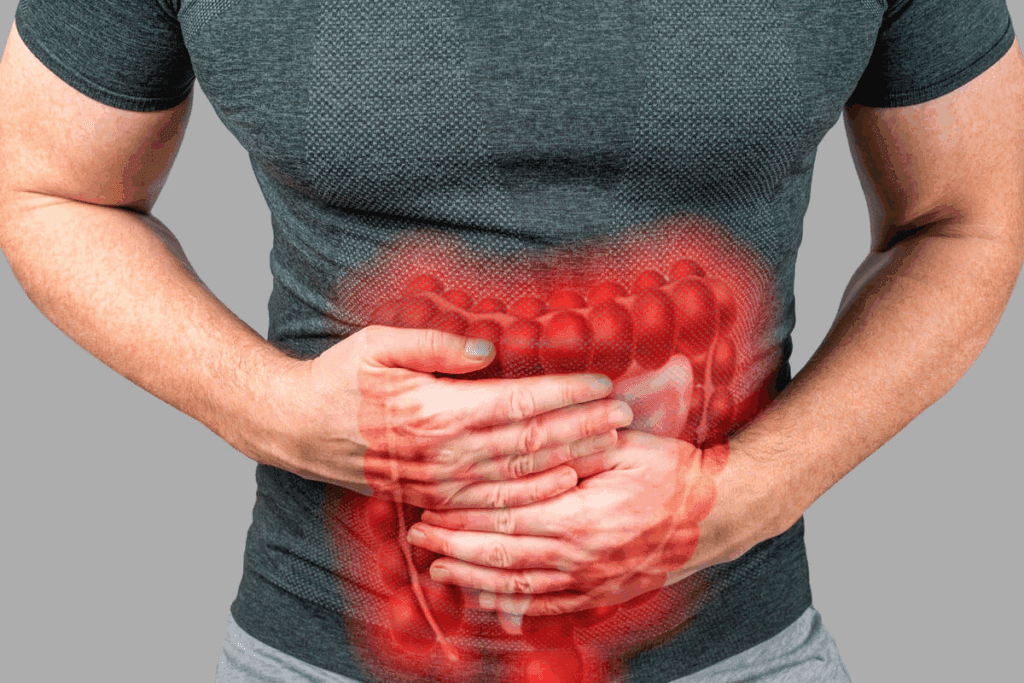
Gastrointestinal (GI) bleeding is a serious concern for patients taking certain medications. Thousands of cases are reported annually in the United States alone. Aspirin, a commonly used NSAID, can cause GI bleeding. This highlights the need for alternative pain management strategies.You must avoid NSAIDs GI bleed. Our critical, life-saving guide explains why and lists the shocking, hidden sources of NSAIDs.
We know that managing pain effectively is key to maintaining quality of life. But, the risks of NSAID use are high. By exploring alternative treatments, patients can lower their risk of GI complications.
Key Takeaways
- GI bleeding is a significant risk associated with NSAID use.
- Aspirin, a common NSAID, can cause gastrointestinal complications.
- Alternative pain management strategies can reduce the risk of GI bleeding.
- Understanding the risks and benefits of NSAIDs is critical for patient safety.
- Healthcare providers can help patients find safer treatment options.
Understanding NSAIDs and Their Effects on the Gastrointestinal Tract
To understand the risks of NSAIDs, we need to know what they are and how they affect our bodies. NSAIDs, or nonsteroidal anti-inflammatory drugs, are used for pain relief, fever, and inflammation. They are a common type of medication.
What are NSAIDs?
NSAIDs block enzymes called COX-1 and COX-2. These enzymes help make prostaglandins, which are involved in inflammation and pain. By stopping their production, NSAIDs reduce pain and inflammation. But, this can also harm the stomach lining, leading to GI problems.
Key characteristics of NSAIDs include:
- Effective pain relief
- Anti-inflammatory effects
- Potential gastrointestinal side effects
How NSAIDs Cause GI Bleeding
NSAIDs can cause stomach bleeding because they affect the stomach lining. They block COX-1, which reduces protective prostaglandins in the stomach. This makes the stomach more vulnerable to acid damage, leading to ulcers and bleeding.
“The risk of GI bleeding associated with NSAID use is a significant concern, particular for long-term users or those with pre-existing risk factors.”
Several factors increase the risk of GI bleeding. These include the dose and length of NSAID use, age, and other health conditions.
Common NSAIDs and Their Uses
Many NSAIDs are available, both over-the-counter and by prescription. Here are some examples:
- Ibuprofen: Used for pain relief, inflammation, and fever.
- Naproxen: Often used for arthritis, tendinitis, and bursitis.
- Aspirin: Used for pain, inflammation, and to prevent heart attacks and strokes.
Knowing the specific uses and risks of these medications helps us make better choices about their use.
Who is at Risk for GI Bleeding?
It’s important to know who might get GI bleeding to stop it before it starts. We need to find out who’s at risk to help them better.
Identifying Risk Factors
Some things make GI bleeding more likely. These include past stomach problems, taking certain medicines, and having bleeding disorders. We must look at these when figuring out a patient’s risk.
People who have had GI bleeding before are more likely to have it again. Taking medicines that can upset the stomach, like NSAIDs, also raises the risk. We should think about safer pain relievers instead.
Preexisting Conditions that Heighten Risk
Some health issues make GI bleeding more likely. For example, stomach problems or issues with blood clotting. Patients with these problems are at higher risk.
Liver disease can also make GI bleeding more serious. We need to watch for signs of bleeding in these patients closely.
Age Considerations in GI Health
Age is a big factor in GI bleeding risk. Older people are more likely to get it because they often take NSAIDs and have more stomach problems.
When giving NSAIDs to seniors, we need to be careful. Looking for safer ways to manage pain is key. Knowing about age-related risks helps us care for our patients better.
Alternatives to NSAIDs for Pain Management
For those at risk of GI bleeding, finding other pain relief options is key. NSAIDs can cause stomach problems. So, looking for safer choices is important.
Acetaminophen: A Safer Option?
Acetaminophen is seen as safer than NSAIDs for pain, mainly for those at risk of stomach issues. It helps by reducing pain-causing chemicals in the brain. But, it’s vital to use it carefully, as too much can harm the liver. Always follow the recommended dosage to avoid risks.
Acetaminophen has some good points:
- It’s less likely to cause stomach bleeding than NSAIDs
- Works well for mild to moderate pain
- Can be bought without a prescription in many forms
Topical Treatments for Pain Relief
Topical treatments like creams, gels, and patches are another option. They’re applied directly to the skin over the pain area. This gives targeted relief. There are both NSAID and non-NSAID options, like diclofenac gel and capsaicin.
Topical treatments are good because they:
- Have less systemic absorption, lowering stomach side effects
- Give focused pain relief
- Can be used with other pain management methods
Non-Pharmacological Approaches to Pain Management
Non-medical pain treatments are a valuable option for those at risk of stomach problems. Methods like physical therapy, acupuncture, and cognitive-behavioral therapy can help. Also, making lifestyle changes, such as exercising, managing weight, and reducing stress, can aid in pain management.
“A well-rounded pain management plan that includes non-medical strategies can greatly improve patient results.”
— Expert in Pain Management
By adding these alternatives to a pain management plan, people can lessen their NSAID use. This can help avoid stomach bleeding risks. It’s important to talk to healthcare providers to find the best plan for each person.
Recognizing Symptoms of GI Bleeding
It’s important to know the signs of gastrointestinal (GI) bleeding. This can help you get medical help quickly. GI bleeding shows itself in different ways. Knowing the signs can help you act fast.
Key Signs to Watch For
The symptoms of GI bleeding depend on where and how bad it is. Look out for:
- Black, tarry stools (melena)
- Vomiting blood or coffee ground-like material
- Abdominal pain or discomfort
- Weakness or fatigue
- Shortness of breath
Be careful if you’re taking ibuprofen. It can raise your risk of GI bleeding.
When to Seek Medical Attention
If you notice any of these, get help right away:
- Severe abdominal pain
- Vomiting blood or material that looks like coffee grounds
- Passing black, tarry stools
- Dizziness or fainting
Acting fast is key to managing GI bleeding well.
Importance of Early Detection
Finding GI bleeding early can make a big difference. A doctor said:
“Prompt recognition of GI bleeding symptoms can be lifesaving. It’s vital for patients to know the signs and get help quickly.”
We stress the need to stay informed and take care of your health.
Comparison of NSAIDs and Non-NSAID Pain Relief Options
Medication Type | Risk of GI Bleeding | Recommended Use |
NSAIDs (e.g., ibuprofen) | High | Short-term pain relief; use with caution |
Acetaminophen | Low | Preferred for long-term pain management |
Topical treatments | Low to Moderate | Suitable for localized pain |
When choosing pain relief, think about the risks to your GI health. It’s important to weigh the benefits.
When NSAIDs Might Be Prescribed
Doctors have to carefully decide when to use NSAIDs. They balance the need to ease pain against the risk of stomach problems. Sometimes, NSAIDs are the best choice for managing pain.
Balancing Pain Management with Risk
Doctors must consider the good and bad of NSAIDs for each patient. For people with long-term pain or inflammation, NSAIDs work well. But, they need to watch out for those at risk of stomach issues and find other treatments.
Using the smallest dose of NSAIDs for the shortest time is a good idea. This reduces harm to the stomach. Also, taking NSAIDs with a stomach protector, like a proton pump inhibitor (PPI), can lower the risk of bleeding.
Consultation with Healthcare Providers
Talking to a doctor is key to knowing if NSAIDs are right. Patients should share their health history, including stomach problems, with their doctor. This helps tailor the decision to use NSAIDs.
Doctors can advise on avoiding aspirin and NSAIDs if needed. They might suggest safer alternatives or ways to protect the stomach. This could include other pain treatments or ways to lessen stomach risks.
Monitoring Strategies for Patients
For those on NSAIDs, regular check-ups are important. This helps catch stomach problems early. Patients should watch for signs like black or bloody stools or stomach pain.
It’s vital for patients to stick to their treatment plan and report any issues to their doctor. Working with their healthcare team helps manage stomach risks while getting pain relief from NSAIDs.
Lifestyle Changes to Reduce GI Bleed Risk
Making smart lifestyle choices is key to lowering GI bleeding risk. Healthy habits and daily routines can greatly reduce gastrointestinal problems.
Dietary Adjustments for Gut Health
Eating a balanced diet is vital for gut health. Foods high in fiber, like fruits, veggies, and whole grains, help prevent GI issues. Drinking plenty of water is also important for digestive health.
Avoiding foods that can irritate the stomach is advisable. Steer clear of spicy or acidic foods to lower GI irritation risk. Traditional diets, rich in fermented foods, can also support a healthy gut microbiome.
“A healthy diet is fundamental to preventing gastrointestinal diseases. Foods that are high in antioxidants and fiber can help protect the gut.”
Nutrition Expert
Food Group | Examples | Benefits |
Fruits | Apples, Berries, Oranges | High in Fiber, Antioxidants |
Vegetables | Broccoli, Spinach, Carrots | Rich in Vitamins, Minerals |
Whole Grains | Brown Rice, Quinoa, Whole Wheat | Good Source of Fiber, Nutrients |
Avoiding Alcohol and Smoking
Staying away from alcohol and smoking is essential for gut health. Both can irritate the stomach and up the risk of GI bleeding. High-risk medication avoidance also helps reduce GI complications when combined with avoiding these substances.
Quitting smoking and cutting down on alcohol can greatly lower GI risk. There are many resources and support systems to help with these goals.
Importance of Regular Medical Check-ups
Regular health check-ups are critical for monitoring gut health. Healthcare providers can spot issues early and offer advice on preventing recurrent bleeding. These visits are also a chance to discuss any health concerns or symptoms.
By being proactive and sticking to recommended check-up schedules, we can catch and treat GI problems early.
In summary, making lifestyle changes like better diet, avoiding harmful substances, and regular health check-ups can greatly reduce GI bleeding risk. Being proactive and informed helps protect our gut health.
The Role of Gastroprotective Medications
Gastroprotective medications play a big role in reducing the risk of stomach bleeding from NSAIDs. These drugs protect the stomach lining, lowering the chance of ulcers and bleeding.
How Proton Pump Inhibitors Help
Proton pump inhibitors (PPIs) cut down stomach acid production. PPIs are often given with NSAIDs to lower the risk of stomach bleeding. They make the stomach less acidic, helping to heal and prevent ulcers.
“The co-prescription of a PPI with NSAIDs is a recommended strategy for patients at high risk of GI complications,” recent clinical guidelines say. This method has been shown to greatly reduce NSAID-induced stomach bleeding.
Misoprostol: An Option for Prevention
Misoprostol works by replacing prostaglandins lost to NSAIDs, protecting the stomach lining. It’s great for those at high risk of NSAID-induced ulcers. But, it can cause side effects like diarrhea.
Other Gastroprotective Strategies
Other ways to prevent stomach bleeding include careful prescribing and acid-suppressive co-therapy. This includes using the lowest NSAID dose for the shortest time and using H2-receptor antagonists.
It’s key to manage GI risk with a full approach, including lifestyle changes and regular checks. By using these methods, doctors can greatly lower the risk of stomach bleeding in patients on NSAIDs.
Patient Education: Empowering Safe Medication Use
Teaching patients about safe medication use can lower NSAID-related stomach problems. This education is key to managing NSAIDs safely. It helps people make smart health choices.
Communicating with Healthcare Providers
Talking well with doctors is very important. Patients should share their health history, including stomach issues, before starting NSAIDs. This talk helps doctors understand the risk of stomach bleeding and find the best treatment.
Keeping a list of all medications is a good idea. This list is helpful during doctor visits. It helps doctors spot possible drug problems and change treatment plans if needed.
Understanding Medication Labels
It’s important to understand what medication labels say. Patients should know the right dose, possible side effects, and any stomach risk warnings. Knowing this can greatly lower the chance of bad effects.
Patients should read the guide that comes with their NSAID and ask questions. This helps catch problems early and avoid bigger issues.
Importance of Adhering to Prescriptions
Following the NSAID treatment plan is key to avoiding stomach bleeding. Patients should take the right dose and not take more than prescribed. Not following the plan can increase stomach problems.
Also, knowing the signs of stomach bleeding, like black or bloody stools, is important. If these signs show up, patients should get medical help right away. Staying on the treatment plan can greatly lower the risk of stomach problems from NSAIDs.
Using a gastroprotective approach can also help keep patients safe. This might include taking proton pump inhibitors or other protective meds. Along with teaching patients about ulcer risk reduction, this makes a strong plan to lower NSAID risks.
Conclusion: Navigating Pain Relief Safely
Managing pain is complex, and we must use NSAIDs carefully to avoid stomach bleeding. Knowing the risks of NSAIDs and looking for other pain relief options helps. This way, we can use fewer medications to prevent bleeding.
Key Takeaways
We talked about how to spot risks for stomach bleeding and what symptoms to watch for. We also covered how to change your lifestyle to lower these risks. Plus, we looked at how medications and education can help use medications safely.
Discussing Concerns with Healthcare Providers
We urge readers to talk to their doctors about their worries and questions. This way, we can find the best treatment plan together. It’s all about balancing pain relief with keeping your stomach healthy.
Resources for Further Information
If you want to learn more about managing pain and avoiding stomach bleeding, check out trusted health websites. Also, don’t hesitate to ask your doctor. Being informed and active helps us manage pain safely and well.
FAQ
What are NSAIDs and why do they increase the risk of GI bleeding?
NSAIDs, or Nonsteroidal Anti-Inflammatory Drugs, help relieve pain and reduce inflammation. They can cause GI bleeding by stopping the stomach from making protective mucins. They also mess with the body’s clotting process.
Who is at higher risk for GI bleeding when taking NSAIDs?
People with stomach problems or a history of bleeding are at higher risk. Older adults and those on certain medications, like blood thinners, are also at risk.
What are some safer alternatives to NSAIDs for pain management?
Acetaminophen is safer for pain relief and less likely to cause stomach bleeding. Topical treatments, like creams with capsaicin or NSAIDs, work well for specific pain spots. Non-drug methods, like physical therapy and changing your lifestyle, can also help manage pain.
How can I reduce my risk of GI bleeding while taking NSAIDs?
To lower the risk of stomach bleeding, take a proton pump inhibitor (PPI) or misoprostol with NSAIDs. Avoid alcohol and smoking. Eat well and see your doctor regularly to help prevent this risk.
What are the signs and symptoms of GI bleeding?
Signs of GI bleeding include black stools, vomiting blood, or severe stomach pain. If you see these, get medical help right away.
Can lifestyle changes really help prevent GI bleeding?
Yes, lifestyle changes can help. Eating less spicy or acidic food protects your stomach. Also, not drinking alcohol or smoking can lower your risk of stomach problems.
How do gastroprotective medications work?
Medications like proton pump inhibitors (PPIs) and misoprostol reduce stomach acid or protect the stomach lining. This lowers the risk of stomach bleeding.
Why is patient education important in preventing GI bleeding?
Teaching patients is key because it helps them make smart choices about their meds. It teaches them about NSAID risks and how to spot stomach bleeding signs. Talking to doctors and following treatment plans is also important.
Are there any specific medications that should be avoided to prevent GI bleeding?
Yes, some NSAIDs like ibuprofen and aspirin increase bleeding risk. If you’re at risk, your doctor might suggest avoiding these or finding other pain relief.
How can I discuss my concerns about NSAIDs and GI bleeding with my healthcare provider?
When talking to your doctor, share your health history and all meds you’re taking. This helps your doctor find the safest pain relief for you.
References
The Lancet. Evidence-Based Medical Insight. Retrieved from https://www.thelancet.com/journals/lancet/article/PIIS0140-6736(16)32404-2/fulltext