
Medical technology has improved a lot. Now, patients can be conscious during surgical procedures, like in minimally invasive surgeries. It’s surprising to know that some surgeries can be done while the patient is fully awake. This change is changing how surgeries are done, making things better for patients.awake during minimally invasive surgeryDefine Pain After Minimally Invasive Spine Surgery
Being awake during minimally invasive surgery helps patients recover faster. It also lowers the chance of complications. We’ll look into what it means to be awake during these surgeries and the good things it brings.
Key Takeaways
- Minimally invasive surgeries can often be performed with the patient awake.
- This approach can lead to faster recovery times.
- Being conscious during surgery reduces certain risks.
- Advancements in medical technology are making awake surgeries more common.
- Patients report less post-operative pain.
The Evolution of Minimally Invasive Surgical Techniques
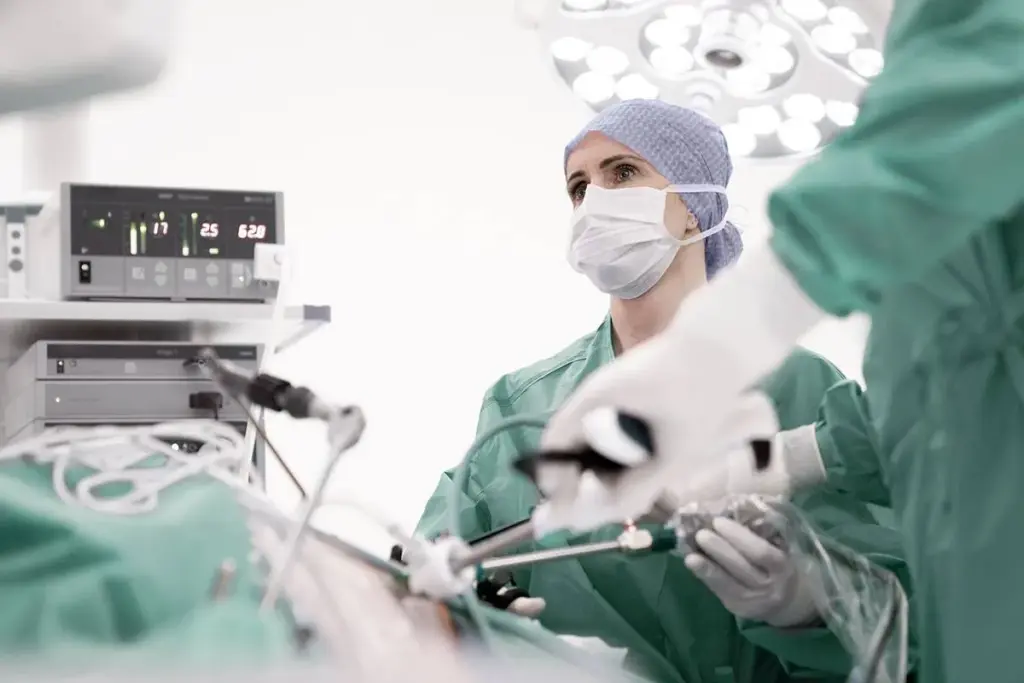
Medical technology has led to new, less invasive surgical methods. These changes have greatly improved patient care and recovery times. They have also made surgery less stressful for everyone involved.
Definition and Key Characteristics
Minimally invasive surgery (MIS) means using smaller cuts to operate. This approach causes less damage and helps wounds heal faster. It also lowers the chance of complications. Special tools and imaging help doctors work more precisely.
Historical Development of Less Invasive Approaches
The idea of MIS started in the early 1900s. But, big steps forward came in the 1980s with laparoscopic surgery. Ever-since, new ideas have made MIS even better.
- Development of laparoscopic instruments and techniques
- Advancements in imaging technologies, such as high-definition cameras and 3D visualization
- Integration of robotic systems to enhance precision and control
Modern Applications Across Medical Specialties
Now, MIS is used in many areas of medicine. This includes:
- Orthopedic surgery: arthroscopy, spine surgery, and joint replacements
- Gynecological surgery: laparoscopic hysterectomies and endometriosis treatment
- Cardiovascular surgery: minimally invasive bypass grafting and valve repairs
- Neurological surgery: endoscopic procedures for brain and spinal disorders
These new uses have made care better, recovery times shorter, and overall care quality higher.
Awake During Minimally Invasive Surgery: What It Really Means

The idea of being ‘awake’ during surgery is not always clear. It can mean different things depending on the situation. When we talk about being awake during minimally invasive surgery, we need to understand the details.
Defining “Awake” in the Surgical Context
In surgery, ‘awake’ means the patient is conscious. This can change based on the anesthesia and the surgery type. Local anesthesia numbs just the surgery area, so the patient stays awake.
Let’s look at the different levels of consciousness during surgery:
- Fully Awake: The patient is fully aware and knows what’s happening.
- Conscious Sedation: The patient is relaxed and might not remember much. They can answer to commands, though.
- Regional Anesthesia: The patient is numb in certain areas, like the waist down. They might be a bit sleepy but not fully asleep.
Levels of Consciousness During Procedures
Minimally invasive surgeries can use different levels of anesthesia. This affects how awake the patient feels. The choice depends on the surgery, the patient’s health, and how anxious they are.
|
Type of Anesthesia |
Level of Consciousness |
Patient Experience |
|---|---|---|
|
Local Anesthesia |
Fully Awake |
Patient is numb only in the surgical area, fully conscious. |
|
Conscious Sedation |
Relaxed, may be drowsy |
Patient is relaxed, may not remember the procedure. |
|
Regional Anesthesia |
May be sedated, not fully asleep |
Patient is numb in a larger area (e.g., below the waist), may be lightly sedated. |
The Difference Between Awareness and Being Fully Awake
It’s important to know the difference between being fully awake and having some awareness during surgery. Being fully awake means the patient is completely aware. Awareness is any level of consciousness or feeling during the surgery.
Understanding these differences helps patients prepare for their surgery better. It also helps them know what to expect about being awake during the procedure.
Types of Anesthesia Used in Minimally Invasive Procedures
Minimally invasive surgeries use different anesthesia methods to keep patients comfortable and ensure success. The choice of anesthesia depends on the procedure type, patient health, and the surgeon’s choice.
Local Anesthesia Techniques
Local anesthesia numbs a specific area of the body for surgery. It’s often used for minor procedures, letting patients stay awake and alert. Local anesthesia is great because it lowers the risks of general anesthesia and speeds up recovery.
Regional Anesthesia Options
Regional anesthesia numbs a bigger area, like the lower body. Spinal and epidural anesthesia are examples. It’s good for surgeries in the lower body or belly, providing pain relief without general anesthesia.
Conscious Sedation Methods
Conscious sedation makes patients relaxed and less aware, using sedatives. It’s often paired with local or regional anesthesia. Conscious sedation reduces anxiety and discomfort during the procedure, making it key for surgeries needing patient cooperation.
When General Anesthesia Is Stil Necessary
General anesthesia is needed for some complex surgeries, even with minimally invasive techniques. It makes patients completely unconscious and pain-free. It’s used for longer or more complex surgeries, or when the patient’s health requires it.
Knowing about the different anesthesia types in minimally invasive procedures helps patients prepare for surgery. It makes the experience less scary. By picking the right anesthesia, healthcare providers can make sure the surgery is safe and comfortable.
Common Minimally Invasive Surgeries Performed While Patients Are Awake
More surgeries are now done with patients awake. This method cuts down on recovery time. It also lets doctors get feedback from patients during the surgery.
Orthopedic Procedures
Orthopedic surgeries, like arthroscopy and spine surgery, are often done with patients awake. Arthroscopy lets doctors check and fix joints without general anesthesia. A study in the Journal of Orthopaedic Surgery found patients with less pain and quicker recovery times.
|
Procedure |
Benefits of Being Awake |
Common Complications |
|---|---|---|
|
Arthroscopy |
Less postoperative pain, faster recovery |
Infection, nerve damage |
|
Spine Surgery |
Real-time feedback, reduced anesthesia risks |
Nerve damage, instability |
Gynecological and Reproductive Procedures
Gynecological and reproductive surgeries, like hysteroscopy and tubal ligation, can be done with patients awake. These use local or regional anesthesia. This helps patients recover quickly and feel less pain after.
Cardiovascular and Vascular Interventions
Cardiovascular and vascular surgeries, like angioplasty and stenting, are often done with patients awake. This lets doctors keep a close eye on the patient’s condition and get feedback right away.
As medical tech gets better, more surgeries will be done with patients awake. This will give patients safer and more efficient treatments.
The Medical Benefits of Being Awake During Surgery
Being awake during surgery is now seen as a big plus. Thanks to better technology, its advantages are clear.
Faster Recovery Times and Shorter Hospital Stays
Patients wake up faster and leave the hospital sooner. Without general anesthesia, they heal quicker and get back to life faster.
Here’s a comparison of recovery times:
|
Procedure Type |
Average Recovery Time (Hours) |
Average Hospital Stay (Days) |
|---|---|---|
|
Awake Minimally Invasive Surgery |
2.5 |
1.2 |
|
Traditional Surgery with General Anesthesia |
5.0 |
3.5 |
Improved Surgical Outcomes Through Patient Feedback
Patients awake during surgery can give feedback. This helps the team do a better job.
In awake craniotomies, patients can answer questions. This lets surgeons check brain function and adjust as needed.
Benefits for High-Risk Patients
High-risk patients benefit a lot from awake surgery. They often have health issues that make anesthesia risky.
Choosing awake surgery makes the surgery safer for them. It avoids the dangers of general anesthesia.
Potential Risks and Concerns of Awake Minimally Invasive Surgery
Awake minimally invasive surgery has many benefits but also risks. We need to look at the psychological, physical, and procedural factors. These are important to consider.
Common Myths and Misconceptions About Being Awake During Surgery
There’s a big gap between what really happens when you’re awake during surgery and what people think. As medical tech gets better, it’s key to clear up these myths. This helps reduce patient worries and gives them the right info.
Myth: Awake Surgery Is More Dangerous
Some think awake surgery is riskier than surgery under general anesthesia. But, studies show it can be just as safe, or even safer, for the right patients.
|
Complication |
Awake Surgery |
General Anesthesia |
|---|---|---|
|
Respiratory Complications |
Lower |
Higher |
|
Nausea and Vomiting |
Less Common |
More Common |
|
Anesthesia-Related Complications |
Rare |
More Frequent |
Addressing Patient Fears About Surgical Awareness
Patient worries about being awake during surgery are real but often based on myths. Talking openly with healthcare providers can help ease these fears.
- Discussing the type of anesthesia to be used
- Understanding the measures in place for patient comfort
- Knowing what to expect during the procedure
By tackling these myths, we can better inform patients. This helps reduce unnecessary fears about awake surgery.
Patient Selection: Who Is a Good Candidate for Awake Surgery?
Choosing the right patient for awake surgery is complex. It’s key to making sure the surgery is safe and successful.
Medical Considerations and Contraindications
Several medical factors are important when picking a patient for awake surgery. Pre-existing medical conditions like heart disease or diabetes need to be managed well. Also, patients with anxiety or panic disorders need special care to stay calm during surgery.
Some medical conditions might make awake surgery not suitable. For example, severe respiratory disease might require general anesthesia if needed. We check each patient’s health history to see if awake surgery is right for them.
Psychological Readiness Assessment
A patient’s mental state is also key. We check if they can handle the stress of being awake during surgery. We also make sure they understand what to expect.
Those who are very anxious or have wrong expectations might not be good candidates. We help patients deal with their worries and make sure they’re well-informed and comfortable.
Age, Health Status, and Other Factors
Age and health status matter too. While age isn’t the only factor, older patients or those with big health issues need extra checks. We also look at their physical condition and past surgeries.
We look at the patient’s health and any risks of being awake during surgery. This includes checking their physical strength and any possible dangers.
The Shared Decision-Making Process
Deciding on awake surgery is a team effort. We believe in shared decision-making. This means patients are fully informed and involved in the choice.
We talk about the pros and cons of awake surgery with the patient. We answer any questions or worries they have. This teamwork builds trust and prepares the patient for the surgery.
By carefully looking at these factors and working with patients, we can find out who’s right for awake surgery. This way, we can ensure the best results.
The Patient Experience: What to Expect When Awake During Minimally Invasive Surgery
Being awake during surgery can make people nervous. But knowing what to expect can help. It’s important to understand what happens during awake minimally invasive surgery to feel less anxious and have a smoother experience.
Preoperative Preparation and Education
Getting ready for awake surgery is key. Before the surgery, our team will tell you all about it. This includes the anesthesia, the surgery itself, and how we’ll keep you comfortable. Learning and getting ready are important to help you feel more in control and calm.
We also want you to ask questions and share any worries. Talking openly helps us make the experience more personal and comforting for you.
The Operating Room Environment
The operating room might seem scary at first. But knowing what it’s like can help ease your nerves. The room has lots of monitors and equipment for the surgery to go well. The atmosphere is professional and focused, with the team working together to care for you.
You’ll be positioned in a way that’s comfortable but also lets the surgeons work. We also try to keep the room quiet and calm to reduce stress.
Communication During the Procedure
Talking is very important during awake surgery. Our team will keep you updated and make sure you’re comfortable and informed. This way, we can also get your feedback, which is very helpful.
In some surgeries, like those in the brain, your feedback is key. It helps us make sure we’re doing the right thing. Our team is trained to talk with you in a caring and clear way.
Sensations and Awareness During Surgery
People often wonder what they’ll feel during awake surgery. The feelings can change based on the surgery and the anesthesia. Usually, you won’t feel pain, but you might feel some pressure or movement.
We work hard to make sure you’re not uncomfortable. We use special anesthesia to numb the area, and we’re ready to adjust if needed to keep you comfortable.
By understanding what happens during awake minimally invasive surgery, we can better prepare you. This helps reduce anxiety and improves your experience.
Surgeon Perspectives on Performing Awake Procedures
Surgeons who do awake procedures have special views on the technical and talking parts of these surgeries. Their stories give us great insights into the good and hard parts of doing surgeries while patients are awake.
|
Technical Advantage |
Description |
Benefit |
|---|---|---|
|
Real-time Feedback |
Patients can tell us how they feel during surgery. |
This makes surgeries safer and more precise. |
|
Precise Interventions |
Surgeons can change their method based on what the patient says. |
This leads to better results for the patient. |
|
Enhanced Patient Safety |
We can spot and fix problems right away. |
This lowers the risk of serious problems. |
Training Requirements and Learning Curve
Surgeons need special training for awake surgeries. They must learn to handle the patient’s anxiety, talk well during surgery, and deal with surprises.
Learning to do awake surgeries well means mastering the technical parts and learning to manage the changing situation of the surgery.
Handling Unexpected Situations
Even with good planning, surprises can happen during awake surgeries. Surgeons must be ready to change their plan or answer the patient’s concerns right away.
If a patient feels pain or discomfort, the surgeon needs to adjust the anesthesia or how they’re doing the surgery.
Being ready for these surprises helps surgeons give the best care to patients having awake surgeries.
Current Research and Outcomes on Awake Minimally Invasive Surgery
Recent studies have greatly improved our knowledge of awake minimally invasive surgery. This approach is being studied for its benefits and challenges. Several important research areas have been identified.
Clinical Outcome Studies
Clinical studies have been key in understanding awake surgery’s safety and success. They show that awake surgery can lead to fewer complications from anesthesia and quicker recovery times. For example, a study in the Journal of Neurosurgery found awake craniotomy patients had fewer neurological issues than those under general anesthesia.
Patient Satisfaction Research
Patient happiness is a big part of judging awake surgery’s success. Many patients are very happy with their experience when they’re well-prepared. A study in the Journal of Clinical Anesthesia showed that good pre-op education and support make patients more comfortable during awake surgery.
Cost-Effectiveness Analysis
Looking at the cost of awake surgery is also important. Studies show awake surgery can save money by avoiding general anesthesia and shortening hospital stays. A study in the Journal of Surgical Research found awake laparoscopic surgery costs less than traditional surgery under general anesthesia.
Emerging Techniques and Innovations
The field of awake surgery is always growing, with new techniques and technologies being developed. New imaging and pain management methods are making awake surgery more possible. For example, using real-time MRI during surgery allows for more precise work in awake patients.
As research keeps improving our understanding of awake surgery, we can look forward to better techniques, outcomes, and more uses in different surgeries.
Real Patient Testimonials: Experiences of Being Awake During Surgery
Real patient testimonials give us a glimpse into awake surgery. They share both the good and the tough parts of being awake during surgery. This helps us understand what it’s like to go through it.
Success Stories and Positive Experiences
Many patients say they had a good time during awake surgery. They like how they can get back to normal life faster. For example, a patient who had an awake craniotomy said the team kept them in the loop. This made them feel safe and informed.
Another patient, who had orthopedic surgery awake, was happy with the quick recovery. They got to go home the same day and got back to their routine sooner.
Challenging Cases and Lessons Learned
But, not every awake surgery story is easy. Some patients felt scared or uneasy, even with conscious sedation. One patient said they were ready for the sensations but were surprised by how intense it felt.
Yet, the team’s kindness and reassurance helped them get through it. This led to a good outcome for them.
Advice from the Patients Who Have Been Through It
Patients who’ve had awake surgery have some advice. They say to be ready for what’s coming, both physically and mentally. Also, talk openly with the surgical team.
Having someone you trust there can make a big difference. It adds comfort and reassurance.
By sharing their stories, these patients help others feel more ready for their own awake surgery. Their experiences offer valuable insights.
Preparing for Your Awake Minimally Invasive Procedure
Getting ready for your awake surgery can make you feel less anxious. Knowing what to expect can help you feel more confident. Being awake during surgery might seem scary, but with the right prep, you can handle it well.
Mental and Emotional Preparation Techniques
It’s important to prepare your mind and emotions for surgery. Try meditation, deep breathing, and visualization to calm down. Start these a few days early to relax and lower your anxiety.
Talking about your fears with your surgical team is also helpful. They can offer reassurance and advice, making you feel more at ease.
Essential Questions to Ask Your Surgical Team
Asking the right questions is key to being prepared. Think about asking about:
- What are the specific steps of the procedure?
- How will pain be managed during the surgery?
- What kind of sedation or anesthesia will be used?
- How will you communicate with me during the procedure?
- What are the possible risks and complications?
Knowing what to expect can make you feel more comfortable and less anxious.
Day-of-Surgery Recommendations
On surgery day, being well-rested and fed is important. Here are some tips:
|
Pre-Surgery Instructions |
Recommended Action |
|---|---|
|
Arrival Time |
Plan to arrive at least 2 hours before your surgery time |
|
Medication |
Follow the specific medication instructions provided by your surgical team |
|
Clothing |
Wear comfortable, loose-fitting clothing |
Support Resources for Patients
Having support can greatly improve your surgery experience. Bring a friend or family member to the hospital for support before and after.
Many hospitals also offer support groups and resources for surgery patients. Ask your team about what’s available to you.
Conclusion
Being awake during minimally invasive surgery is a complex topic. It involves understanding the history of surgery and the benefits and risks of being awake. This knowledge is key for both patients and healthcare providers.
Awake minimally invasive surgery has many benefits. It can lead to fewer complications from anesthesia and quicker recovery times. But, it’s important to carefully choose the right patients for these procedures. This ensures the best results.
Choosing to be awake during surgery is a big decision. It should be made with the help of a skilled healthcare team. Patients should talk to their surgeons about their options and worries. This way, they can make a choice that’s right for them.
FAQ
What does it mean to be “awake” during minimally invasive surgery?
Being “awake” during surgery means you’re conscious and can talk to the team. You might be a bit sleepy or numb to feel less pain.
Is being awake during surgery painful?
Not always. Doctors use special medicines to keep you comfortable. How much pain you feel depends on the surgery and your own pain level.
What are the benefits of being awake during minimally invasive surgery?
Being awake can lead to fewer complications and quicker recovery. You can also give feedback to the team, which might make the surgery better.
Are there risks associated with being awake during surgery?
Yes, there are risks like feeling anxious or not being numb enough. But the team works hard to manage these risks.
How do I know if I’m a good candidate for awake surgery?
Your doctor will decide based on your health and the surgery type. They’ll check if you’re ready for awake surgery.
Can I choose to be awake during my surgery if I want to?
Your wish is considered, but it depends on medical factors and the team’s advice.
How can I prepare for an awake minimally invasive procedure?
Get ready mentally and emotionally. Learn about the surgery, ask questions, and follow your doctor’s advice.
Will I remember the surgery if I’m awake?
It varies. Some remember little, while others might recall more. It depends on the sedation used.
Can I talk to the surgical team during an awake procedure?
Yes, being awake lets you talk to the team. This can be helpful for some surgeries.
Are there any long-term effects of being awake during surgery?
For most, there are no lasting effects. But it’s different for everyone. Talk to your doctor about any worries.
References
National Center for Biotechnology Information. Evidence-Based Medical Insight. Retrieved from https://www.ncbi.nlm.nih.gov/pmc/articles/PMC8168649/