At Liv Hospital, we are committed to providing advanced care for patients with B cell lymphoma. This disease is complex and has many types. It starts from B lymphocytes, which are a part of our immune system.
Understanding the diverse types of B cell lymphoma is key for accurate diagnosis and treatment. Some types grow slowly, like CLL/SLL. Others grow fast, like DLBCL. Each type needs a special treatment plan.
We use new medical methods and focus on the patient to tackle this challenge. This way, we make sure every patient gets the best care possible.
Key Takeaways
- B cell lymphoma includes many cancers from B lymphocytes.
- Liv Hospital is dedicated to advanced care for B cell lymphoma patients.
- Knowing the different types of B cell lymphoma is vital for treatment.
- Each subtype of B cell lymphoma needs a unique approach.
- Liv Hospital’s focus on patient care leads to the best results.
Understanding the Nature of B Cell Lymphoma
The immune system uses B lymphocytes to fight off infections. These cells produce antibodies to protect us. We’ll look at how these cells work normally and how they can become cancerous.
What Are B Lymphocytes and Their Normal Function
B lymphocytes, or B cells, are important for our immune system. They help fight infections by making antibodies. B cells grow in the bone marrow and then move around in our blood and lymph system.
They find and attack specific germs. When a B cell finds its germ, it grows and turns into a plasma cell. Plasma cells make lots of antibodies to help get rid of the germ.
Pathogenesis of Cancer of B Lymphocytes
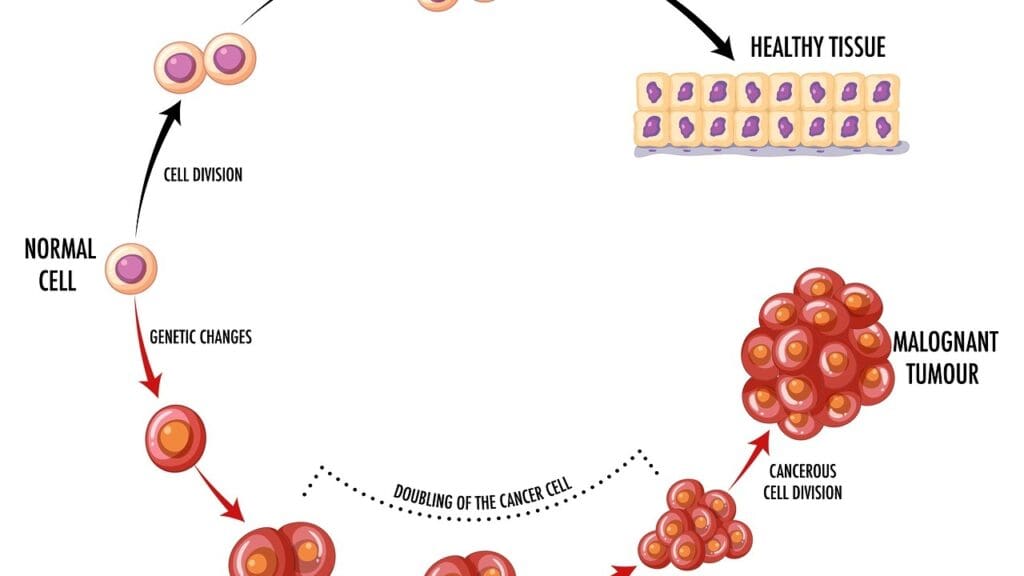
B cell lymphoma happens when B cells grow out of control. This is due to genetic changes or problems with how B cells grow and live. These issues cause B cells to grow too much and build up in our lymph nodes and spleen.
Genetic changes and things in our environment can cause B cell lymphoma. Some infections or chemicals can also play a part.
| Factor | Description | Impact on B Cells |
|---|---|---|
| Genetic Mutations | Alterations in genes controlling cell growth and survival | Uncontrolled proliferation and resistance to apoptosis |
| Environmental Factors | Exposure to infections or chemicals | Damage to DNA, leading to malignant transformation |
| Dysregulation of Immune Response | Imbalance in immune cell interactions | Failure to eliminate malignant B cells |
Knowing how B cell lymphoma works helps us find better ways to diagnose and treat it. By understanding how B cells work and how they turn into cancer, we can improve our approach to treating B cell lymphomas.
The Spectrum of B Cell Lymphoma Types

B cell lymphoma includes many subtypes, each with its own traits and treatment needs. Knowing these differences is key for the right diagnosis and treatment plan.
WHO Classification System
The World Health Organization (WHO) has a system for classifying B cell lymphomas. It uses several criteria like appearance, genetic makeup, and how the disease acts. This system helps us give the right care for each patient’s lymphoma type.
The WHO’s classification has changed over the years. It now includes many subtypes, like diffuse large B cell lymphoma and follicular lymphoma. Each type has its own outlook and treatment options.
Indolent vs. Aggressive Lymphomas
B cell lymphomas are divided into slow-growing and fast-growing types. Indolent lymphomas grow slowly and might not need treatment right away. They often have a better outlook, with some patients living a long time without aggressive treatment.
Aggressive lymphomas, on the other hand, grow quickly and are more serious. They need quick and strong treatment to improve chances of survival. Knowing if a lymphoma is indolent or aggressive is very important for treatment and outlook.
We use several methods to figure out the type and how aggressive a B cell lymphoma is. This includes looking at the patient’s symptoms, imaging tests, and tissue samples. This detailed approach helps us create a treatment plan that fits each patient’s needs.
Diffuse Large B Cell Lymphoma (DLBCL)
Diffuse Large B Cell Lymphoma (DLBCL) is a complex cancer. It needs a deep understanding of its molecular subtypes and clinical traits. It’s the most common lymphoma in adults, making up about 30% of all cases worldwide.
Molecular Subtypes: GCB and ABC
DLBCL is mainly split into two molecular subtypes: Germinal Center B Cell-like (GCB) and Activated B Cell-like (ABC) lymphomas. The GCB subtype has genes found in germinal center B cells. The ABC subtype has genes similar to activated B cells.
The difference between GCB and ABC DLBCL matters a lot. Patients with GCB DLBCL usually have a better chance of recovery. Those with ABC DLBCL often face a tougher fight.
Clinical Presentation and Prognostic Factors
The symptoms of DLBCL vary from person to person. Common signs include swollen lymph nodes, fever, weight loss, and cancer in other parts of the body. The International Prognostic Index (IPI) helps predict how well a patient will do. It looks at age, how well the patient can function, and how much the cancer has spread.
Knowing what affects DLBCL’s outcome is key to choosing the right treatment. Older age, high LDH levels, and cancer in many places are important factors. The type of DLBCL, GCB or ABC, also guides treatment choices.
By looking at both the clinical and molecular aspects of DLBCL, doctors can create treatment plans that work best for each patient.
Follicular Lymphoma
Follicular lymphoma grows slowly and needs careful understanding of its grading and risk factors. It’s a common type of B cell lymphoma, bringing unique challenges in diagnosis and treatment.
Grading System and Risk Stratification
The grading of follicular lymphoma depends on the number of centroblasts per high-power field. This grading is key for knowing the prognosis and making treatment plans.
- Grade 1-2: Shows fewer centroblasts, meaning a slower growth.
- Grade 3: Divided into 3A and 3B, with 3B having more centroblasts and possibly a faster growth.
Tools like the FLIPI score help predict the prognosis. They look at age, stage, and hemoglobin levels.
Transformation Risk to Aggressive Lymphoma
Follicular lymphoma can turn into a more aggressive lymphoma, like diffuse large B cell lymphoma. This change is linked to a worse prognosis.
Signs of transformation include quick growth of lymph nodes, systemic symptoms, and high LDH levels. A biopsy is needed to confirm this change.
New treatments for follicular lymphoma are being tested, like CAR T-cell therapy. For example, a Verismo Therapeutics trial used SynKir-310, a CAR T-cell therapy, on a patient with follicular lymphoma. The results were encouraging (read more about the trial).
Small Cell B Cell Lymphoma: CLL/SLL
Chronic Lymphocytic Leukemia/Small Lymphocytic Lymphoma (CLL/SLL) is a unique type of small cell B cell lymphoma. It needs a detailed understanding for proper management. CLL/SLL is a big part of B cell lymphomas, with its own special features.
Distinguishing Features and Diagnosis
CLL/SLL is known for small, mature-looking lymphocytes in the blood, bone marrow, and lymphoid tissues. Doctors use a mix of clinical checks, lab tests, and tissue exams to diagnose it. Key signs include:
- Immunophenotyping: CLL/SLL cells have specific surface markers like CD5, CD19, CD20 (dim), and CD23.
- Morphology: The lymphocytes are small with little cytoplasm and unique clumped chromatin.
- Genetic Features: CLL/SLL often has genetic issues like deletions of 13q14.
Watch and Wait Approach vs. Active Treatment
Managing CLL/SLL depends on the disease stage, symptoms, and patient health. There are two main ways to handle it:
- Watch and Wait: For those without symptoms or in early stages, a watchful waiting approach is common. This means regular checks without immediate treatment.
- Active Treatment: Those with symptoms, big lymph nodes, or blood issues might need treatment. This could be chemotherapy, targeted therapy, or immunotherapy.
Choosing between these options depends on the patient’s health, wishes, and CLL/SLL details.
Mantle Cell Lymphoma
We see mantle cell lymphoma as a special type of B cell lymphoma. It has too much cyclin D1 and can act in different ways. This makes it hard to diagnose and treat.
Cyclin D1 Overexpression and Genetic Features
Mantle cell lymphoma is known for too much cyclin D1. This protein helps cells grow. It happens because of a specific gene swap, putting CCND1 under the wrong control. This genetic change is key to the lymphoma’s growth.
Indolent and Aggressive Clinical Variants
Mantle cell lymphoma can be slow-growing or fast. The slow type grows slowly, while the fast type gets worse quickly. Knowing which type you have helps doctors choose the right treatment. Each case is different, so treatment must be tailored.
Handling mantle cell lymphoma needs a deep understanding of its genetics and how it acts. By focusing on cyclin D1 and the different ways it can behave, doctors can create better treatment plans. This helps fight this complex lymphoma more effectively.
Burkitt Lymphoma: A Highly Aggressive Malignant B Cell Lymphoma
Burkitt lymphoma is a very aggressive cancer that grows fast. It needs quick treatment because of its rapid growth. This cancer is known for its fast pace and urgent need for treatment.
c-MYC Translocation and Pathogenesis
The growth of Burkitt lymphoma is linked to a genetic change. This change, called the c-MYC translocation, makes the cancer cells grow too much. Almost all cases of Burkitt lymphoma have this genetic change.
This genetic change is not just a sign of the cancer. It also makes the cancer very aggressive. Knowing how this change works is important for finding new treatments.
Endemic, Sporadic, and Immunodeficiency-Associated Forms
Burkitt lymphoma comes in three types: endemic, sporadic, and linked to weak immune systems. The endemic form is common in Africa and is often linked to Epstein-Barr virus (EBV). The sporadic form is found worldwide and is less linked to EBV. The third form is seen in people with weak immune systems, like those with HIV/AIDS.
Each type of Burkitt lymphoma has its own features. The endemic form is more common in certain areas. But the sporadic form can happen anywhere, to anyone.
Treatment approaches for Burkitt lymphoma are strong and involve many medicines. The treatment plan depends on the patient’s health, the type of Burkitt lymphoma, and if they have a weak immune system.
Marginal Zone Lymphomas
It’s important to know about Marginal Zone Lymphomas to diagnose and treat them. We’ll look at the different types and what they mean for patients.
MALT Lymphoma and H. pylori Association
MALT lymphoma is a type of Marginal Zone Lymphoma found in mucosal tissues. It’s linked to Helicobacter pylori (H. pylori) infection. H. pylori is a big factor in gastric MALT lymphoma.
The link between H. pylori and gastric MALT lymphoma is clear. Treating H. pylori with antibiotics can make the lymphoma go away in many cases. This shows how key it is to treat the infection.
Nodal and Splenic Marginal Zone Variants
There are also nodal and splenic Marginal Zone Lymphomas. Nodal affects lymph nodes, while Splenic involves the spleen and can cause it to grow big.
These types have different symptoms and treatments. Knowing these differences is key for the best care.
| Subtype | Primary Site | Key Features |
|---|---|---|
| MALT Lymphoma | Mucosal tissues | Associated with H. pylori infection |
| Nodal Marginal Zone Lymphoma | Lymph nodes | Variable clinical presentation |
| Splenic Marginal Zone Lymphoma | Spleen | Often presents with splenomegaly |
Marginal Zone Lymphomas are a diverse group of B cell cancers. They need careful diagnosis and specific treatments. By understanding each type, we can help patients better.
Lymphoplasmacytic Lymphoma/Waldenström Macroglobulinemia
We’re diving into lymphoplasmacytic lymphoma/Waldenström macroglobulinemia, a rare immune system issue. This non-Hodgkin lymphoma makes IgM paraprotein, causing various symptoms.
IgM Paraprotein Production and Clinical Impact
IgM paraprotein is key in this lymphoma. It affects blood viscosity and the immune system. Hyperviscosity syndrome is a big problem, causing heart and brain issues.
Patients often feel tired, weak, and get infections easily. The paraprotein can also cause neuropathy and harm other organs.
- Common symptoms include fatigue, weight loss, and lymphadenopathy.
- Diagnosis is typically made through bone marrow biopsy and immunophenotyping.
- Serum protein electrophoresis (SPEP) and immunofixation are key for finding IgM paraprotein.
Hyperviscosity Syndrome Management
Managing hyperviscosity syndrome is vital in treating this lymphoma. Plasmapheresis helps by removing excess IgM paraprotein from the blood.
We also use targeted therapies and chemotherapy to fight the lymphoma. Treatment choices depend on the patient’s health and the disease’s specifics.
“The management of Waldenström macroglobulinemia requires a complete approach, tackling both the lymphoma and its side effects.”
In summary, lymphoplasmacytic lymphoma/Waldenström macroglobulinemia is a complex condition needing precise diagnosis and care. Understanding IgM paraprotein’s effects and managing hyperviscosity syndrome can greatly improve patient outcomes.
Primary Mediastinal B Cell Lymphoma
Primary mediastinal B cell lymphoma is a rare type of non-Hodgkin lymphoma found in the mediastinum. It shares some traits with classical Hodgkin lymphoma. This makes diagnosing and treating it quite interesting.
This lymphoma often shows up as a big mass in the chest. Its cause is thought to be different from other B cell lymphomas. This is due to unique molecular mechanisms.
Relation to Classical Hodgkin Lymphoma
Primary mediastinal B cell lymphoma and classical Hodgkin lymphoma have some similarities. They both can have a big mass in the chest. They also share genetic changes. This has led to discussions about their possible shared origins or pathways.
Specialized Treatment Approaches
Treating primary mediastinal B cell lymphoma usually involves chemotherapy and rituximab. The exact treatment plan can change based on the patient’s risk factors and how well they respond to treatment. Sometimes, radiotherapy is used, mainly for those with large tumors.
We are always working to improve treatment for this lymphoma. We use new evidence and data from clinical trials to help patients. Immunotherapy and targeted agents are being looked into as possible new treatments.
Double-Hit and Triple-Hit Lymphomas
Double-hit and triple-hit lymphomas are aggressive B cell lymphomas. They have specific genetic changes. These changes involve the MYC, BCL2, and BCL6 genes.
The rearrangements of these genes make these lymphomas very malignant. They grow and spread quickly.
MYC, BCL2, and BCL6 Genetic Alterations
The key feature of these lymphomas is the MYC gene’s translocation. This is often combined with BCL2 and/or BCL6. These changes lead to uncontrolled cell growth and death prevention.
The MYC gene controls cell growth. Its translocation causes cells to grow uncontrollably. BCL2 prevents cell death, helping lymphomas grow. BCL6 is important for germinal center formation, and its problems can cause lymphomas.
| Genetic Alteration | Gene Involved | Clinical Impact |
|---|---|---|
| Translocation | MYC | Increased cell proliferation |
| Overexpression | BCL2 | Inhibition of apoptosis |
| Dysregulation | BCL6 | Abnormal germinal center formation |
Aggressive Clinical Course and Treatment Challenges
Double-hit and triple-hit lymphomas are very aggressive. They have a poor prognosis. Patients often have advanced disease and high LDH levels.
Treating these lymphomas is hard because they don’t respond well to standard chemotherapy. We are looking into more intense treatments and new therapies.
Targeted and immunotherapies, like CAR T-cell therapy, are being studied. They might help improve treatment outcomes for these patients.
Hairy Cell Leukemia
Hairy cell leukemia is a rare blood cancer. It’s caused by abnormal B cells. These cells have hair-like projections seen under a microscope.
Unique Morphological and Molecular Features
Hairy cell leukemia (HCL) has a unique look. The cells have hair-like projections. At the molecular level, it’s linked to a BRAF gene mutation, known as V600E.
Diagnosing HCL involves several steps. These include looking at cell shape, checking for specific markers, and genetic tests. The cells often show markers like CD25, CD103, and Annexin A1.
HCL affects the bone marrow and spleen. It can cause bone marrow failure and spleen enlargement. Symptoms include fatigue, infections, and bleeding.
BRAF Inhibitors and Other Targeted Therapies
Targeted therapies have changed HCL treatment. BRAF inhibitors, like vemurafenib, are very effective. They block the BRAF protein, stopping leukemia cell growth.
“The use of BRAF inhibitors has transformed the management of hairy cell leukemia, providing a highly effective treatment option for patients with this condition.” – Expert in Hematology
Other treatments are also being explored. These include immunotherapies and drugs targeting different disease pathways.
| Treatment | Mechanism of Action | Efficacy in HCL |
|---|---|---|
| BRAF Inhibitors (e.g., Vemurafenib) | Inhibition of mutated BRAF protein | High |
| Immunotherapy | Enhancement of immune response against leukemia cells | Variable, under investigation |
| CD20-targeting therapies | Depletion of B cells expressing CD20 | Effective in some cases |
Targeted therapies have greatly improved HCL treatment. Ongoing research aims to better understand and treat this disease.
Primary CNS Lymphoma
We are seeing more cases of primary CNS lymphoma, a serious cancer. It mainly affects the brain, eyes, or spinal cord. This type of cancer is rare and grows quickly.
Blood-Brain Barrier Challenges in Treatment
The blood-brain barrier is a big problem in treating this cancer. It keeps harmful stuff out of the brain but also stops many treatments from getting in. Knowing which organs lymphoma affects helps us find better treatments.
The main issues are:
- It’s hard to get drugs past the blood-brain barrier
- We don’t fully understand how the disease works in the CNS
- We need special treatment plans
Methotrexate-Based Regimens and Radiation Considerations
Methotrexate is a key part of treating primary CNS lymphoma. It can get past the blood-brain barrier and fight the cancer well. Doctors often use methotrexate with other drugs and sometimes radiation to get better results.
Things to consider in treatment are:
- Using high-dose methotrexate as a main treatment
- Combining chemotherapy for better results
- Using radiation to help the treatment work better
By understanding the challenges of primary CNS lymphoma and using specific treatments, we can help patients more. At Liv Hospital, a team of experts works together to give the best care.
Diagnosis and Staging of B Cell Lymphomas
Getting a precise diagnosis and staging is key to managing B cell lymphomas. These steps help decide the best treatment and predict how well a patient will do. We’ll look at the different ways to diagnose and stage B cell lymphomas.
Biopsy Techniques and Immunohistochemistry
Diagnosing B cell lymphomas needs accurate biopsies and immunohistochemistry. Biopsy means taking a tissue sample from the affected area for a microscope check. There are several biopsy types:
- Excisional biopsy, where an entire lymph node or tumor is removed
- Incisional biopsy, where a part of the tumor is sampled
- Core needle biopsy, a less invasive method using a needle to collect tissue
- Fine-needle aspiration biopsy, which uses a thin needle to collect cells
Immunohistochemistry is a key lab technique for analyzing the tissue sample. It stains the tissue with antibodies to identify specific proteins. This helps figure out the lymphoma type and plan the treatment.
Ann Arbor Staging System and Lugano Modifications
The Ann Arbor Staging System is used to stage lymphomas, including B cell lymphomas. It divides the disease into four stages based on lymph node involvement and systemic symptoms.
- Stage I: Disease limited to one lymph node group
- Stage II: Disease in two or more lymph node groups on the same side of the diaphragm
- Stage III: Disease in lymph node groups on both sides of the diaphragm
- Stage IV: Widespread disease, often involving extranodal sites
The Lugano Classification updates the Ann Arbor Staging System. It uses PET/CT imaging for better staging accuracy. This system is great for assessing lymphoma extent.
Prognostic Indices: IPI, FLIPI, and Others
Prognostic indices help predict patient outcomes based on clinical and biological factors. The International Prognostic Index (IPI) is used for aggressive lymphomas. It looks at age, performance status, and extranodal involvement for prognosis.
For follicular lymphoma, the Follicular Lymphoma International Prognostic Index (FLIPI) is used. It considers age, stage, and nodal sites for outcome prediction.
Other indices, like the MIPI for mantle cell lymphoma, guide treatment decisions and predict outcomes.
Advanced Treatment Approaches for B Cell Malignancies
The treatment for B cell lymphomas has grown a lot. Now, we have many new ways to treat these diseases. Each method is made for different types of B cell cancers.
Chemotherapy Regimens: R-CHOP and Alternatives
Chemotherapy is key in fighting B cell lymphomas. The R-CHOP treatment is a common first choice. It mixes rituximab with other drugs. But, other treatments are used based on the patient and the cancer type.
For aggressive lymphomas, doctors might use EPOCH-R. This treatment adjusts the doses based on the patient’s health and cancer type. The right treatment depends on the patient’s age, health, and cancer details.
| Chemotherapy Regimen | Components | Common Use |
|---|---|---|
| R-CHOP | Rituximab, Cyclophosphamide, Doxorubicin, Vincristine, Prednisone | First-line treatment for many B cell lymphomas |
| Dose-adjusted EPOCH-R | Etoposide, Prednisone, Vincristine, Cyclophosphamide, Doxorubicin, Rituximab | Aggressive lymphomas, certain subtypes |
Immunotherapy and Targeted Agents
Immunotherapy is a big help in treating B cell cancers. Rituximab, a special antibody, is very important. New drugs like Obinutuzumab and ofatumumab are also being used.
Targeted therapies, like ibrutinib and idelalisib, work well on some B cell cancers. They target important parts of the cancer cells, helping them die.
Stem Cell Transplantation Options
Stem cell transplants are very important for some B cell lymphomas. Autologous transplants are often used to help patients with high-risk or relapsed disease.
Allogeneic transplants use donor stem cells. They can offer a chance for a cure but have more risks.
CAR T-Cell Therapy and Novel Approaches
CAR T-cell therapy is a big step forward for treating B cell lymphomas. It changes a patient’s T cells to fight cancer cells.
Drugs like axicabtagene ciloleucel and tisagenlecleucel have shown great results in trials. They give hope to patients with few treatment options.
Research keeps going, and we’re seeing new treatments like bispecific antibodies. These new methods are making the fight against B cell malignancies even stronger.
Emerging Research and Future Directions in B Cell Lymphoma
The treatment of B cell lymphoma is changing fast. New methods like precision medicine and innovative therapies are coming. These changes offer hope for better treatment options for patients.
Precision Medicine and Biomarker-Driven Therapies
Precision medicine is changing how we treat B cell lymphoma. It tailors treatments to each patient’s unique disease. Biomarker-driven therapies are leading this change, focusing on the genetic and molecular details of tumors.
Biomarkers like CD20, CD22, and others are showing great promise. They help doctors choose the best treatments for each patient. This means treatments can be more effective and personalized.
| Biomarker | Therapeutic Target | Clinical Impact |
|---|---|---|
| CD20 | Rituximab | Improved response rates in B cell lymphomas |
| CD22 | Inotuzumab ozogamicin | Enhanced efficacy in refractory/relapsed B cell malignancies |
| BCL2 | Venetoclax | Increased survival in certain B cell lymphoma subtypes |
Liv Hospital’s Innovative Approaches to Lymphoma Care
Liv Hospital is leading in lymphoma care with new research and technology. We focus on precision medicine and biomarker-driven therapies. This shows in our detailed approach to diagnosing and treating B cell lymphoma.
We use the latest research to create personalized treatment plans. This not only improves treatment results but also makes patients’ lives better.
We’re always looking to improve B cell lymphoma treatment. Our goal is to give our patients the best care, based on the latest science and our dedication to better outcomes.
Conclusion
Understanding B cell lymphoma is key to effective management. We’ve looked into diagnosis, staging, and new treatments. At Liv Hospital, we aim to provide top-notch care and better patient outcomes.
Treatment options for B cell lymphoma have grown, giving patients new hope. We’ve talked about how precision medicine and biomarker therapies can make treatments more effective.
We’ve explored the different types of B cell lymphoma, like diffuse large B cell lymphoma and follicular lymphoma. This shows how complex the condition is. By knowing each type’s unique features, we can customize treatments for each patient.
At Liv Hospital, we’re all about delivering world-class healthcare to international patients. Our team is always up-to-date with the latest research in B cell lymphoma. This ensures our patients get the best care possible.
FAQ
What is B cell lymphoma?
B cell lymphoma is a cancer that starts in B lymphocytes. These cells are key to our immune system. It has many subtypes, each with its own traits and effects on health.
What are the main types of B cell lymphoma?
The main types include Diffuse Large B Cell Lymphoma (DLBCL), Follicular Lymphoma, and Small Cell B Cell Lymphoma (CLL/SLL). There’s also Mantle Cell Lymphoma, Burkitt Lymphoma, and Marginal Zone Lymphomas. Other types are Lymphoplasmacytic Lymphoma/Waldenström Macroglobulinemia, Primary Mediastinal B Cell Lymphoma, and Double-Hit and Triple-Hit Lymphomas. Lastly, there’s Hairy Cell Leukemia.
How is B cell lymphoma diagnosed?
Doctors use biopsies, immunohistochemistry, and other tests to find out the type and stage of the disease.
What is the WHO classification system for B cell lymphomas?
The WHO system groups B cell lymphomas by their look, immune markers, and genes. This helps doctors tell them apart.
What is the difference between indolent and aggressive B cell lymphomas?
Indolent lymphomas grow slowly and may need less treatment. Aggressive lymphomas grow fast and need stronger treatments.
How is DLBCL treated?
DLBCL treatment often includes R-CHOP chemotherapy and sometimes radiation. This depends on the disease’s stage and other factors.
What is the significance of GCB and ABC molecular subtypes in DLBCL?
The GCB and ABC subtypes have different outlooks. GCB usually has a better chance of recovery than ABC.
How is follicular lymphoma graded and stratified for risk?
Follicular lymphoma is graded by counting cells under a microscope. Risk is determined using the FLIPI index.
What is the watch and wait approach in CLL/SLL?
The watch and wait approach means watching patients without immediate treatment. Treatment is started when symptoms appear or the disease gets worse.
What is the role of cyclin D1 overexpression in mantle cell lymphoma?
Cyclin D1 overexpression, caused by a specific genetic change, drives the growth of mantle cell lymphoma cells.
How is Burkitt lymphoma treated?
Burkitt lymphoma needs strong chemotherapy, often with rituximab, because it’s very aggressive.
What is the association between H. pylori infection and MALT lymphoma?
H. pylori infection is linked to gastric MALT lymphoma. Treating the infection can make the lymphoma smaller in some cases.
How is lymphoplasmacytic lymphoma/Waldenström macroglobulinemia managed?
Treatment targets the lymphoma cells and manages symptoms from IgM production, like hyperviscosity syndrome.
What is the role of CAR T-Cell therapy in B cell lymphoma treatment?
CAR T-Cell therapy genetically modifies T cells to attack lymphoma cells. It’s promising for relapsed or refractory cases.
How does Liv Hospital approach innovative care for B cell lymphoma?
Liv Hospital focuses on cutting-edge care through precision medicine and biomarker-driven therapies. They also participate in new research to improve patient care.
What are double-hit and triple-hit lymphomas?
Double-hit and triple-hit lymphomas are aggressive cancers with specific genetic changes. They need intense treatment.
What is hairy cell leukemia?
Hairy cell leukemia is a rare, slow-growing B cell cancer. It has unique features and responds well to targeted treatments like BRAF inhibitors.
What is B cell lymphoma?
B cell lymphoma is a cancer that starts in B lymphocytes. These cells are key to our immune system. It has many subtypes, each with its own traits and effects on health.
What are the main types of B cell lymphoma?
The main types include Diffuse Large B Cell Lymphoma (DLBCL), Follicular Lymphoma, and Small Cell B Cell Lymphoma (CLL/SLL). There’s also Mantle Cell Lymphoma, Burkitt Lymphoma, and Marginal Zone Lymphomas. Other types are Lymphoplasmacytic Lymphoma/Waldenström Macroglobulinemia, Primary Mediastinal B Cell Lymphoma, and Double-Hit and Triple-Hit Lymphomas. Lastly, there’s Hairy Cell Leukemia.
How is B cell lymphoma diagnosed?
Doctors use biopsies, immunohistochemistry, and other tests to find out the type and stage of the disease.
What is the WHO classification system for B cell lymphomas?
The WHO system groups B cell lymphomas by their look, immune markers, and genes. This helps doctors tell them apart.
What is the difference between indolent and aggressive B cell lymphomas?
Indolent lymphomas grow slowly and may need less treatment. Aggressive lymphomas grow fast and need stronger treatments.
How is DLBCL treated?
DLBCL treatment often includes R-CHOP chemotherapy and sometimes radiation. This depends on the disease’s stage and other factors.
What is the significance of GCB and ABC molecular subtypes in DLBCL?
The GCB and ABC subtypes have different outlooks. GCB usually has a better chance of recovery than ABC.
How is follicular lymphoma graded and stratified for risk?
Follicular lymphoma is graded by counting cells under a microscope. Risk is determined using the FLIPI index.
What is the watch and wait approach in CLL/SLL?
The watch and wait approach means watching patients without immediate treatment. Treatment is started when symptoms appear or the disease gets worse.
What is the role of cyclin D1 overexpression in mantle cell lymphoma?
Cyclin D1 overexpression, caused by a specific genetic change, drives the growth of mantle cell lymphoma cells.
How is Burkitt lymphoma treated?
Burkitt lymphoma needs strong chemotherapy, often with rituximab, because it’s very aggressive.
What is the association between H. pylori infection and MALT lymphoma?
H. pylori infection is linked to gastric MALT lymphoma. Treating the infection can make the lymphoma smaller in some cases.
How is lymphoplasmacytic lymphoma/Waldenström macroglobulinemia managed?
Treatment targets the lymphoma cells and manages symptoms from IgM production, like hyperviscosity syndrome.
What is the role of CAR T-Cell therapy in B cell lymphoma treatment?
CAR T-Cell therapy genetically modifies T cells to attack lymphoma cells. It’s promising for relapsed or refractory cases.
How does Liv Hospital approach innovative care for B cell lymphoma?
Liv Hospital focuses on cutting-edge care through precision medicine and biomarker-driven therapies. They also participate in new research to improve patient care.
What are double-hit and triple-hit lymphomas?
Double-hit and triple-hit lymphomas are aggressive cancers with specific genetic changes. They need intense treatment.
What is hairy cell leukemia?
Hairy cell leukemia is a rare, slow-growing B cell cancer. It has unique features and responds well to targeted treatments like BRAF inhibitors.