Last Updated on November 17, 2025 by Ugurkan Demir
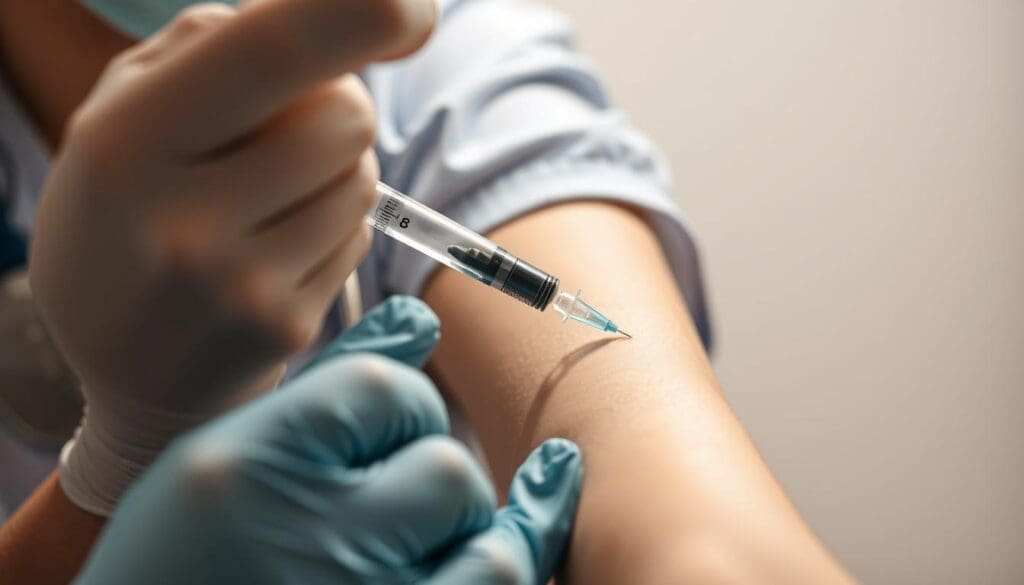
Vitamin B12 injections are commonly used to correct deficiencies and support overall health. At Liv Hospital, we focus on personalized care plans that align with the latest research and your individual needs.
The B12 injection frequency varies depending on the reason for treatment. The benefits of a single B12 shot usually last about one to two weeks. For maintenance and long-term wellness, receiving an injection every two to four weeks is often sufficient.
It’s always best to consult your doctor to determine the ideal B12 injection frequency for you. Our team is dedicated to providing high-quality care, with support available for both local and international patients.
Key Takeaways
- The frequency of Vitamin B12 injections varies based on the underlying reason for therapy.
- B12 shots can last in their benefits for about one to two weeks.
- For general wellness, a B12 injection every two to four weeks is typically recommended.
- Personalized care plans are essential for effective Vitamin B12 therapy.
- Consulting with healthcare professionals is key to finding the right schedule for you.
Understanding Vitamin B12 and Its Importance

Vitamin B12, also known as cobalamin, is key to our energy and brain health. It’s a complex compound with a cobalt ion at its heart, earning it the name cobalamin.
What is Vitamin B12?
Vitamin B12 is a nutrient our bodies can’t make, so we get it from food or supplements. You can find it in animal products like meat, fish, and dairy. Some foods, like cereals, are also fortified with B12, helping vegans get enough.
Role of B12 in the Body
Vitamin B12 does many important jobs in our bodies. It helps make red blood cells, preventing anemia. It also aids in DNA creation and keeps our nervous system healthy. Plus, it helps with fat breakdown and energy creation, boosting our overall health.
Key Functions of Vitamin B12:
- Red blood cell formation
- Nervous system maintenance
- DNA synthesis
- Fatty acid metabolism
- Energy production
Signs of B12 Deficiency
Not getting enough Vitamin B12 can cause health problems. You might feel tired, weak, or have numbness in your hands and feet. Severe lack can lead to anemia, digestive issues, and brain damage.
The table below lists common signs of Vitamin B12 deficiency:
| System Affected | Signs and Symptoms |
| Hematological | Anemia, fatigue, weakness |
| Neurological | Numbness, tingling, and cognitive difficulties |
| Gastrointestinal | Diarrhea, loss of appetite |
Spotting these signs early is vital. If you notice any, see a doctor for help. They can diagnose and treat the issue.
When Are B12 Injections Needed?

B12 injections are key for people with certain health issues. Vitamin B12 helps make red blood cells, supports nerve function, and aids in DNA creation. If the body can’t get enough B12 from food or pills, shots are needed.
Medical Conditions Requiring B12 Therapy
Some health problems need B12 shots. Pernicious anemia, where the body can’t absorb B12, is a main reason. Other conditions that might need B12 shots include:
- Crohn’s disease
- Celiac disease
- Gastric bypass surgery
- Pancreatitis
These issues can stop the body from getting enough B12. Shots help keep levels up.
Absorption Issues and Risk Factors
Some people are more likely to lack B12 because of how their body absorbs it. Risks include:
- Age: Older folks might not absorb B12 as well.
- Diet: Vegans and vegetarians often lack animal products, which are key for B12.
- Medications: Some drugs, like proton pump inhibitors and metformin, can block B12 absorption.
As a Medical consultant, a leading nutrition expert notes, “Vitamin B12 deficiency can have serious health consequences, especially for older adults and those following a plant-based diet.”
When Oral Supplements Aren’t Enough
Oral supplements work for many, but not all. People with severe absorption problems or specific health issues might need shots. A study found, “Parenteral vitamin B12 is more effective than oral supplementation in patients with severe deficiency or malabsorption.”
In summary, B12 injections are essential for treating many health conditions and absorption problems. Knowing when shots are needed helps doctors give better care and improve health outcomes.
B12 Injection Frequency for Deficiency Treatment
When treating a vitamin B12 deficiency, how often you get B12 shots matters a lot. We know that fixing a deficiency needs a careful plan. This plan often includes a series of shots, tailored to each person’s needs.
Initial Loading Phase Protocol
In this first step, patients get B12 shots every day for one to two weeks. This is key to quickly fix the deficiency and ease symptoms.
Weekly Injection Schedule
After the first phase, shots are given weekly for a few weeks. This keeps B12 levels up as the body heals.
Transitioning to Maintenance Therapy
Once the deficiency is managed, patients move to maintenance therapy. They get shots less often, usually once a month. This keeps B12 levels just right.
This step is vital for long-term health. It helps avoid going back to a deficiency.
Knowing about the different stages of B12 shot therapy helps people understand why sticking to their treatment is important.
Maintenance Protocols: How Often Do You Have B12 Injections?
To get the most from B12 therapy, following a good maintenance plan is key. How often you get B12 shots can change based on your needs and how well you respond to treatment.
Standard Monthly Maintenance
Most people get B12 shots monthly. This keeps B12 levels in your body just right. It makes sure you keep getting the benefits of therapy over time.
| Maintenance Schedule | Frequency | Benefits |
| Monthly | Every 4 weeks | Maintains optimal B12 levels, supports energy and metabolism |
| Bi-Monthly | Every 8 weeks | It may be suitable for individuals with mild deficiency or those in long-term maintenance. |
| As Needed | Variable | Adjusted based on regular B12 level monitoring and individual response |
Individualized Frequency Adjustments
Even though monthly shots are common, your schedule might change. This depends on how you respond and your health needs. Things like how bad your deficiency is, how your body absorbs B12, and any health issues you have can affect your schedule.
Long-term Management Considerations
If you need B12 shots for a long time, keeping an eye on your levels and adjusting your plan is important. You might need blood tests to check your B12 levels and see how your health is doing. This helps make sure your treatment is working well.
By making your maintenance plan fit your needs and watching your health closely, doctors can make B12 therapy work its best for you.
B12 Injections for General Wellness
People are looking for new ways to stay healthy, and B12 injections are becoming popular. They help not just fix deficiencies but also boost overall health and energy.
Preventative Protocols
B12 injections are seen as a way to keep health in check. They help keep B12 levels up, which supports the body’s functions. This can help prevent fatigue and other health problems.
Key aspects of preventative B12 injection protocols include:
- Regular injections to maintain consistent B12 levels
- Personalized schedules based on individual health needs
- Monitoring of B12 levels to adjust injection frequency
Optimal Frequency for Wellness Benefits
B12 injections are usually given every two to four weeks for wellness. But the best schedule depends on many things, like lifestyle, diet, and health.
Factors influencing the optimal frequency include:
- Busy lifestyles that may lead to increased energy needs
- Dietary habits that may affect B12 intake or absorption
- Health conditions that could impact B12 utilization
Who Can Benefit from Wellness Injections
B12 injections can help many people, like those with busy lives or feeling tired. They’re also good for people with special diets or health issues.
Groups that may benefit include:
- Individuals with high energy demands due to work or exercise
- Those following vegan or vegetarian diets, which can be low in B12
- Older adults, as B12 absorption can decrease with age
B12 and Folic Acid Combination Injections
Healthcare providers might suggest combination injections for low B12 and folic acid levels. This is helpful when both nutrients are needed.
When Both Nutrients Are Needed
Some people have low levels of both B12 and folic acid. This can happen due to certain health issues or diet. Combination injections are better than separate ones for these cases.
People with megaloblastic anemia, some gut problems, or malabsorption might need both. Doctors decide on combination therapy based on each patient’s needs.
Frequency Guidelines for Combination Therapy
The number of injections needed can change. It depends on how severe the deficiency is and how well the treatment works. Usually, injections are given weekly or every two weeks at first.
After the deficiency is fixed, injections might be needed only once a month. Here’s a common treatment plan:
| Treatment Phase | Injection Frequency | Duration |
| Initial Phase | Weekly or Biweekly | 6-12 weeks |
| Maintenance Phase | Monthly | Ongoing |
Benefits of the Combined Approach for Anemia
Using B12 and folic acid injections together helps with anemia. It fixes both deficiencies at once. This helps make more healthy red blood cells.
Benefits include:
- Improved red blood cell count
- Enhanced oxygen delivery to tissues
- Reduced fatigue and weakness
- Better overall nutritional status
We tailor treatments to each person’s needs. This makes combination therapy more effective and improves health outcomes.
Understanding B12 Injection Frequency Variables
Knowing what affects how often you need B12 injections is key. These injections aren’t the same for everyone. They’re adjusted based on your health and personal life.
Age-Related Considerations
Age is a big factor in how often you might need B12 shots. As we get older, our bodies absorb less B12 from food. This means older people might need shots more often.
“The aging process affects the stomach’s ability to produce intrinsic factor, a protein necessary for B12 absorption,” explains why older adults need regular shots. This keeps their B12 levels up.
Younger people with B12 deficiency might need shots less often. The right dose and schedule depend on age, weight, and how severe the deficiency is.
Medical History Impact
Your medical history also affects how often you need B12 shots. Some conditions, like pernicious anemia, make it hard for your body to absorb B12. People with these conditions might need shots more often.
Also, if you have chronic conditions like diabetes or neurological disorders, B12 shots might be part of your treatment. These conditions can change how often and how much B12 you need.
A study showed that people with diabetic neuropathy got better symptoms with regular B12 shots.
Lifestyle and Dietary Factors
Your lifestyle and diet also matter for B12 shots. Vegans and vegetarians are at risk of B12 deficiency because it’s mostly found in animal products. They might need shots more often.
Drinking a lot of alcohol or taking certain medicines can also affect B12 absorption. This might mean you need shots more often. “A healthy diet and lifestyle are important, but for many, B12 shots are needed to keep vitamin levels right.”
Healthcare providers can tailor a B12 shot schedule for you. This ensures you get the right treatment and stay healthy.
Key Benefits of Regular B12 Injections
Regular B12 injections bring many health benefits. They help improve overall well-being. These injections are not just for fixing deficiencies. They can also help prevent health problems.
Energy and Metabolism Enhancement
One big advantage of B12 injections is boosting energy and metabolism. Vitamin B12 helps make red blood cells. These cells carry oxygen, which gives us energy.
With enough B12, our bodies work better. We feel more energetic and less tired.
Cognitive Function Improvement
B12 injections also improve brain function. Vitamin B12 helps make myelin, a fatty substance around nerve fibers. This helps nerves send signals well.
Regular B12 shots keep nerve cells healthy. This can help prevent brain decline.
Blood Health and Anemia Prevention
Vitamin B12 is key to making healthy red blood cells. Regular shots help prevent anemia. This is vital for people with absorption issues or at risk of deficiency.
Nervous System Support
The nervous system needs vitamin B12 to work properly. B12 helps make neurotransmitters and keeps nerves strong. Regular shots support the nervous system.
| Benefit | Description | Impact |
| Energy Enhancement | Improved red blood cell production | Reduced fatigue, improved physical performance |
| Cognitive Improvement | Support for nerve cell health | Enhanced cognitive function, reduced risk of cognitive decline |
| Blood Health | Prevention of anemia | Healthy red blood cell production, reduced risk of anemia |
| Nervous System Support | Maintenance of nervous system integrity | Alleviation of neuropathy symptoms, overall nervous system health |
Knowing the benefits of B12 injections helps people make smart health choices. They can decide if B12 shots are right for them.
Professional Guidance on How Often to Get B12 Injections
Finding the right time for B12 injections is a personal matter. Professional guidance is key. Healthcare providers help tailor a treatment plan to fit your needs.
Working with Healthcare Providers
Getting the most from B12 injections means working with healthcare professionals. They watch your progress and tweak your treatment as needed. They look at your medical history, current health, and how you react to treatment.
Team up with healthcare providers to get the right dose at the best time. This partnership is key to getting the most benefits from B12 injections while avoiding risks.
Monitoring B12 Levels
Monitoring B12 levels is vital for B12 injection therapy. Regular blood tests check if the current injection schedule keeps B12 levels right.
This monitoring lets healthcare providers adjust your treatment plan. It keeps you getting the most from B12 injections. It’s a way to stay healthy and avoid B12 deficiency.
Signs Your Injection Schedule Needs Adjustment
Knowing when to change your B12 injection schedule is important. Symptoms like constant tiredness, weakness, or neurological problems might mean you need more injections.
- Unusual tiredness or lack of energy
- Recurring neurological symptoms
- Inadequate improvement in overall well-being
If you notice these signs, talk to your healthcare provider. They can check your condition and adjust your B12 injection schedule. This ensures you get the best benefits.
Conclusion: Finding Your Optimal B12 Injection Schedule
Finding the right B12 injection schedule is key to getting the most from vitamin B12 therapy. We’ve looked at how different health issues and how well your body absorbs B12 affect how often you should get shots.
The best B12 injection schedule depends on your health needs and how you react to the treatment. By knowing these things and talking to your doctor, you can create a plan that’s just right for you.
It’s important to keep an eye on your B12 levels and change your shot schedule if needed. This way, you can make sure you’re getting the most health benefits from B12 shots. By doing this, you can boost your energy, brain function, and overall health.
FAQ
How often should I get a B12 injection?
How often you need a B12 injection depends on a few things. These include how bad your deficiency is, your health history, and what your doctor says. Usually, you get injections weekly at first. Then, you might need them every two to four weeks after that.
What are the benefits of B12 injections?
B12 injections can boost your energy and help your body work better. They also improve your brain function, help your blood, prevent anemia, and support your nervous system. Doctors use them to treat B12 deficiency and manage some health issues.
Can I get B12 injections for general wellness?
Yes, you can get B12 injections for general health if you’re at risk of deficiency or have a busy life. For wellness, injections are often given monthly.
How do I know if I need B12 injections?
You might need B12 injections if you have a B12 deficiency, certain health conditions, or symptoms like tiredness, weakness, or neurological issues. Talk to your doctor to see if you need them.
What is the protocol for B12 injection frequency in treating deficiency?
First, you get injections weekly to start. Then, your doctor will adjust how often you get them based on how you’re doing and your B12 levels.
Are B12 and folic acid combination injections available?
Yes, some injections combine B12 and folic acid. They’re often used for anemia, and when both nutrients are low. The frequency depends on your needs, similar to B12 injections alone.
How do age, medical history, and lifestyle affect B12 injection frequency?
Your age, health, and lifestyle can change how often you need B12 injections. Older people, those with certain health issues, and those with diet problems might need them more often.
How often can I have vitamin B12 injections?
Your doctor will decide how often you need B12 injections based on your needs. You might get them weekly at first and then less often.
What are the signs that my B12 injection schedule needs adjustment?
If you start feeling symptoms of deficiency again, your health changes, or your B12 levels drop, you might need to adjust your schedule. Always talk to your doctor if you notice any changes.
Why is monitoring B12 levels important?
Checking your B12 levels is key to making sure your injections are working. It helps your doctor adjust your treatment if needed.
Can I work with my healthcare provider to determine my optimal B12 injection schedule?
Yes, it’s important to work with your doctor to find the best schedule for you. They can help you monitor your progress and make changes as needed.
References
- Institute of Medicine (US) Standing Committee on the Scientific Evaluation of Dietary Reference Intakes. (1998). Dietary Reference Intakes for Thiamin, Riboflavin, Niacin, Vitamin B6, Folate, Vitamin B12, Pantothenic Acid, Biotin, and Choline. National Academies Press (US). https://www.ncbi.nlm.nih.gov/books/NBK114310/