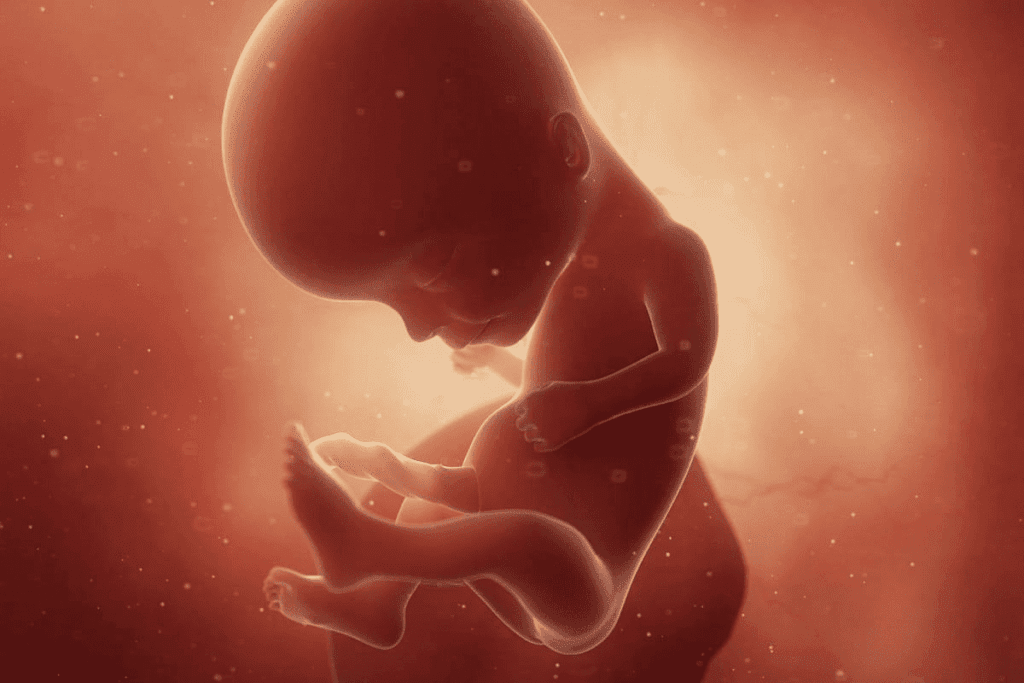
Learning you are 4 weeks pregnant is a special moment. It’s when a new life starts its amazing growth. Knowing what to expect can help you feel more at ease and make smart choices about your care. Explore normal symptoms of pregnancy at 4 weeks while the baby at 4 weeks gestation is just beginning to grow rapidly.
As the fertilizedegg settles into the uterine lining, big changes start. Symptoms like feeling pressure in your belly and sore breasts may show up. This is because the placenta and amniotic sac are forming.
Every pregnancy is different, and not all women feel the same symptoms. Our care focuses on you, combining medical knowledge with understanding. We’re here to support you during this important time.
Key Takeaways
- Normal symptoms of pregnancy at 4 weeks include abdominal pressure and tender breasts.
- The fertilized egg implants into the uterine lining around this time.
- Formation of the placenta and amniotic sac begins.
- Prenatal care is key for a healthy pregnancy.
- Every pregnancy is unique, and symptoms can vary.
Understanding the 4-Week Milestone in Pregnancy

Being 4 weeks pregnant is a key moment in your pregnancy journey. You’ll learn a lot about what’s happening inside and outside your body. The embryo is tiny, about 2mm or the size of a poppy seed. Knowing this milestone is important for expectant mothers to understand their body changes.
How Pregnancy Dating Works
Pregnancy dating can be tricky because it doesn’t start from conception. The countdown begins two weeks before conception. This means you’re about four weeks pregnant before you see a positive test. It’s based on the first day of your last menstrual period (LMP), assuming ovulation and conception happen around day 14 of a 28-day cycle.
What Makes Week 4 Significant
Week 4 is a time of fast growth and change for the embryo. The embryo is growing and changing quickly. It also implants itself into the uterine lining, a key step for a healthy pregnancy.
From Conception to Implantation
The journey from conception to implantation is both complex and fascinating. Here are the main steps:
- Conception happens when a sperm meets an egg in the fallopian tube.
- The fertilized egg, now called a zygote, starts to grow and move towards the uterus.
- By the time it reaches the uterus, it’s called a blastocyst, with an inner cell mass that will become the fetus.
- Implantation happens when the blastocyst attaches to the uterine lining, usually 6-10 days after fertilization.
Understanding these steps helps expectant mothers see the amazing journey of pregnancy and what to expect at 4 weeks pregnant.
Your Baby at 4 Weeks Gestation: Development Basics

At four weeks, the embryo grows fast. It’s as small as a poppy seed but changes a lot.
Size and Appearance (Poppy Seed Comparison)
The embryo is about 0.2 inches (5 mm) long. That’s the size of a poppy seed. The tiny embryo is growing fast, setting the stage for more growth.
Blastocyst Formation and Cell Differentiation
The blastocyst reaches the uterus and implants by the fourth week. “Implantation is key for a healthy pregnancy,” as it gives the embryo the nutrients it needs. The cells in the blastocyst start to become different types, which will form the baby’s body parts.
The outer layer will become the placenta and other tissues. The inner layer will be the fetus. This is a vital step in development.
Critical Developmental Processes
Many important processes happen in the fourth week. The embryo goes through gastrulation, where cells become three main layers: ectoderm, endoderm, and mesoderm. These layers will create all the body’s tissues and organs.
- The ectoderm will make the nervous system, skin, and external tissues.
- The endoderm will form the digestive tract, respiratory system, and internal organs.
- The mesoderm will develop into the heart, muscles, bones, and connective tissues.
This complex process is essential for a healthy fetus.
Common Physical Symptoms at 4 Weeks
At 4 weeks pregnant, women often feel many physical changes. These changes come from hormonal shifts. Each pregnancy is different, so symptoms vary greatly.
Breast Changes and Tenderness
One early sign is breast tenderness and swelling. This is due to the rise in estrogen and progesterone. Some women feel mild tenderness, while others feel severe. The nipples and areola may also darken.
Visible veins on the breasts can appear as blood volume increases.
Fatigue and Energy Levels
Feeling very tired is common at 4 weeks. Progesterone levels can make you feel drowsy. It’s important to rest when you need to, as fatigue is a big symptom.
Cramping and Mild Abdominal Discomfort
Mild cramping is another symptom at 4 weeks. It’s usually from the embryo implanting in the uterine lining. But, if cramping is severe or with heavy bleeding, seek medical help.
Frequent Urination
As the uterus grows, it presses on the bladder. This leads to more bathroom trips. This symptom is usually a sign of a healthy pregnancy. Drinking plenty of water helps manage this symptom.
Hormonal Changes and Their Effects
As you enter the fourth week of pregnancy, your body undergoes significant hormonal changes. These changes are vital for your growing embryo. They cause many early symptoms you might feel.
hCG: The Pregnancy Hormone
Human chorionic gonadotropin (hCG) is a key hormone in early pregnancy. It’s often called “the pregnancy hormone.” hCG is made by the embryo and later by the placenta. Its main job is to keep the corpus luteum making progesterone, which is key for the embryo’s growth.
By week 4, hCG levels start to rise fast. This is why many women notice symptoms like increased sensitivity and physical changes.
Progesterone and Estrogen Fluctuations
Progesterone and estrogen levels also change a lot in the fourth week. Progesterone thickens the uterine lining for the fertilized egg. Estrogen helps the uterine lining grow and thicken, supporting the embryo.
These changes can cause symptoms like breast tenderness, fatigue, and mood swings. Knowing about these changes can help you understand early pregnancy better.
How Hormones Trigger Early Symptoms
The rise in hCG, progesterone, and estrogen levels leads to early symptoms. For example, more progesterone can make you feel tired. Rising estrogen can cause mood swings and emotional sensitivity.
These hormonal shifts affect not just your body but also your mood. Understanding how hormones work in early pregnancy can help you prepare for what’s coming.
Basal Body Temperature Changes
Basal body temperature also changes due to hormones in early pregnancy. Progesterone raises this temperature, which can help women track their fertility. During pregnancy, this temperature stays high, which can be an early sign of conception.
Knowing about these hormonal changes and their effects can give you insight into your pregnancy. It helps you feel more confident and aware as you start your journey.
Digestive and Gastrointestinal Symptoms
At 4 weeks of pregnancy, hormonal changes can cause various stomach issues. These changes are mainly due to higher levels of hormones like progesterone and hCG.
Morning Sickness at 4 Weeks
Morning sickness, with nausea and vomiting, is a common early pregnancy symptom. It often starts between the 4th and 6th week. But, it can happen at any time, not just in the morning.
Nausea Management: Eating small meals often and avoiding strong smells can help with nausea.
Bloating and Gas
Bloating and gas are common in early pregnancy. Hormonal changes slow down digestion, causing more gas and discomfort. Progesterone, in particular, relaxes digestive muscles.
Food Aversions and Cravings
Some women have strong food aversions or cravings early on. These are linked to hormonal changes, but the exact reason is not known.
Constipation and Digestive Changes
Constipation is also common, due to progesterone’s effect on digestive muscles. To manage it, increase fiber, drink more water, and stay active.
Symptom | Possible Causes | Management Tips |
Morning Sickness | Hormonal changes (hCG, estrogen) | Eat small, frequent meals; avoid strong-smelling foods |
Bloating and Gas | Progesterone slowing digestion | Over-the-counter remedies; dietary changes |
Food Aversions/Cravings | Hormonal fluctuations | Listen to your body; maintain a balanced diet |
Constipation | Progesterone relaxing digestive muscles | Increase fiber; stay hydrated; physical activity |
Knowing about these symptoms can help pregnant women feel more confident and comfortable in early pregnancy.
Emotional and Psychological Changes
The fourth week of pregnancy brings more than just physical changes. Emotional and psychological shifts are also significant. Hormone levels change, leading to a range of emotional responses.
Mood Swings and Emotional Sensitivity
Mood swings are common in early pregnancy. Hormone levels, like estrogen and progesterone, change quickly. This can make women feel more emotional than usual.
“I felt like I was on an emotional rollercoaster,” says one expectant mother. “One moment I was fine, and the next, I was crying for no reason.” Feeling this way is normal for many women at this time.
Anxiety and Excitement
Feeling anxious or excited is common at this stage. The excitement of a new life can mix with anxiety. It’s normal to feel overwhelmed by the thought of parenthood, but many also feel joy and anticipation.
Emotion | Common Causes | Management Tips |
Anxiety | Hormonal changes, fear of the unknown | Meditation, talking to a partner or healthcare provider |
Excitement | Anticipation of the baby, planning for the future | Sharing feelings with loved ones, preparing the nursery |
Sleep Disturbances
Sleep disturbances can start early in pregnancy. Hormonal changes, discomfort, or needing to urinate more can disrupt sleep. Good sleep hygiene, like a consistent sleep schedule and relaxing bedtime routine, can help.
Cognitive Changes (“Pregnancy Brain”)
Many women experience cognitive changes, known as “pregnancy brain.” These can include forgetfulness or trouble concentrating. Hormonal changes are believed to be the cause.
To manage cognitive changes:
- Use reminders or a planner to stay organized
- Prioritize tasks to manage workload
- Get enough rest to help improve concentration
As we navigate these emotional and psychological changes, it’s key to remember that every pregnancy is unique. Being 30 days pregnant or 26 days pregnant can be emotional. But with support and understanding, women can cope with these challenges.
Vaginal Discharge and Bleeding at 4 Weeks
Understanding vaginal discharge and bleeding at 4 weeks is key for expectant moms. At this time, many physical changes happen. It’s important to know what’s normal and what’s not.
Normal Discharge Changes
Hormonal changes in the 4th week can affect vaginal discharge. An increase in discharge is common due to estrogen levels rising. This discharge is usually clear or white and has a mild smell. It shows the body is getting ready for pregnancy.
Implantation Bleeding vs. Concerning Bleeding
Implantation bleeding happens when the fertilized egg attaches to the uterine lining, 6-12 days after conception. This bleeding is light and lasts a few hours to days. It’s important to tell the difference between implantation bleeding and other bleeding that might be a problem.
Characteristics | Implantation Bleeding | Concerning Bleeding |
Timing | 6-12 days after conception | Anytime, often accompanied by other symptoms |
Flow | Light, spotting | Heavy, may be accompanied by clots |
Color | Light pink or brown | Bright red, possibly dark red or brown |
When to Contact Your Healthcare Provider
If you have heavy bleeding, severe pain, or bleeding with other symptoms like fever or dizziness, call your healthcare provider right away. Some bleeding is normal, but it’s always better to be safe.
4th Week of Pregnancy Discharge: What’s Normal
At 4 weeks pregnant, more vaginal discharge is common. The discharge should be:
- Clear or milky white
- Having a mild or no odor
- Not accompanied by itching, burning, or redness
If your discharge has a strong smell, itches, or irritates, talk to your healthcare provider.
Is It Normal to Have No Symptoms at 4 Weeks?
The fourth week of pregnancy can be uncertain, with some women not feeling any symptoms. Many signs don’t mean you’re definitely pregnant. Not feeling symptoms doesn’t mean there’s a problem either.
Many wonder if it’s normal to have no symptoms at this stage. We’ll look at how symptoms vary, what affects them, and when they usually start.
Symptom Variation Among Women
Every pregnancy is different, and symptoms can vary a lot. Some women might feel tired, have sore breasts, or notice other early signs. Others might not feel anything different.
This difference comes from hormonal changes, how sensitive you are to these changes, and your overall health.
Factors Affecting Symptom Experience
Several things can change whether or not you feel symptoms at 4 weeks. Hormones like hCG, progesterone, and estrogen play a big role. How fast these hormones rise can differ a lot between women, affecting symptoms.
Other factors like your health, stress, and genetics also matter.
When Symptoms Typically Begin
For many, symptoms start to show up around 4-6 weeks. But this can vary. Some might feel symptoms earlier or later.
Remember, feeling symptoms doesn’t always mean you’re having a healthy pregnancy.
Reassurance for Symptom-Free Pregnancies
If you’re at 4 weeks and don’t feel any symptoms, it’s usually not a worry. Many women have healthy pregnancies without early symptoms.
To understand symptoms and pregnancy health better, let’s look at some data:
Symptom Presence | Number of Women | Pregnancy Outcome |
Symptoms Present | 80% | Healthy Pregnancy |
No Symptoms | 20% | Healthy Pregnancy |
In conclusion, not feeling symptoms at 4 weeks is common and usually not a worry. If you’re concerned about your pregnancy or lack of symptoms, talk to your healthcare provider.
What to Expect at 4 Weeks Pregnant: Self-Care and Management
At 4 weeks pregnant, knowing what to expect is key. It’s important to take care of yourself and manage any symptoms. This will help you feel more confident and in control.
Nutrition and Hydration Needs
Your diet is more important now than ever. Eating a balanced diet is essential. Make sure to get enough folic acid to prevent birth defects. Taking a prenatal vitamin can help fill any nutritional gaps.
- Eat a variety of fruits and vegetables
- Incorporate lean proteins and whole grains into your meals
- Stay hydrated by drinking plenty of water throughout the day
Avoid foods that could be harmful, like raw meats and unpasteurized dairy.
Managing Discomfort and Early Symptoms
Dealing with discomfort at 4 weeks pregnant can be tough. Mild cramping can be eased with rest and warm baths. If you’re tired, get plenty of sleep and take naps.
- Practice gentle stretches to ease muscle tension
- Use a heating pad on a low setting to relieve cramps
- Stay hydrated to help reduce bloating and discomfort
Lifestyle Adjustments (Exercise, Sleep, Work)
Making changes to your lifestyle can improve your comfort. Gentle exercises like prenatal yoga are good for your health. They also prepare your body for the future.
- Adjust your sleep position to improve comfort
- Discuss flexible work arrangements with your employer if needed
- Avoid heavy lifting and bending to minimize strain
Emotional Wellbeing and Support
Your emotional health is just as important as your physical health. Connecting with loved ones and joining support groups can offer the emotional support you need. Don’t hesitate to reach out to healthcare professionals for guidance and reassurance.
“Having a strong support system during pregnancy can make a significant difference in how you navigate this journey.” — Expert Opinion
By focusing on self-care, nutrition, and emotional wellbeing, you can manage the challenges of being 4 weeks pregnant. Remember, taking a prenatal vitamin supports a healthy pregnancy.
Conclusion: Navigating the Beginning of Your Pregnancy Journey
Knowing the normal symptoms of pregnancy at 4 weeks is key for expectant mothers. Every pregnancy is different. Being aware of the signs and symptoms helps women feel more informed and ready.
At 4 weeks pregnant, women might feel breast tenderness, fatigue, mood swings, and digestive issues. Recognizing these symptoms helps women understand their bodies better. It shows them what is normal at 4 weeks pregnant.
The fourth week of pregnancy is full of development and change. Knowing about the possible symptoms at 4 weeks helps women take care of their health. This ensures a healthy start to their pregnancy journey.
FAQ
Is it normal to not have any pregnancy symptoms at 4 weeks?
Yes, it’s normal for some women to not feel any symptoms at 4 weeks. Every pregnancy is different. Not feeling anything doesn’t mean there’s a problem.
What does a fetus look like at 4 weeks?
At 4 weeks, the fetus is tiny, about the size of a poppy seed. It’s growing fast and its major organs are starting to form.
What are the common symptoms of pregnancy at 4 weeks?
At 4 weeks, women might feel breast tenderness, be tired, have mild cramps, and need to pee a lot. Mood swings, bloating, and food aversions can also happen.
How does hCG affect pregnancy symptoms?
hCG is a hormone that causes symptoms like morning sickness, breast tenderness, and tiredness. Its levels go up in the first few weeks of pregnancy.
What is implantation bleeding, and how is it different from regular bleeding?
Implantation bleeding happens when the fertilized egg implants in the uterine lining. It’s lighter and shorter than a regular period.
How can I manage morning sickness at 4 weeks?
To manage morning sickness, eat small meals often, avoid strong smells, and drink lots of water. Some find ginger or vitamin B6 helpful.
What lifestyle adjustments should I make at 4 weeks pregnant?
At 4 weeks, start making healthy changes. Eat well, drink water, exercise regularly, and get enough sleep.
Can I exercise at 4 weeks pregnant?
Yes, exercise is safe during pregnancy. But, talk to your healthcare provider before starting or continuing any routine.
How can I support my emotional wellbeing during early pregnancy?
To support your emotional wellbeing, take care of yourself, stay connected with loved ones, and consider joining a pregnancy support group or seeking help if needed.
When should I contact my healthcare provider during early pregnancy?
Call your healthcare provider if you have heavy bleeding, severe cramps, or other concerns. It’s also good to schedule a prenatal appointment to confirm your pregnancy and discuss any worries.
References
National Center for Biotechnology Information. Pregnancy at 4 Weeks: Normal Symptoms and Early Development. Retrieved from https://www.ncbi.nlm.nih.gov/pmc/articles/PMC7706652/