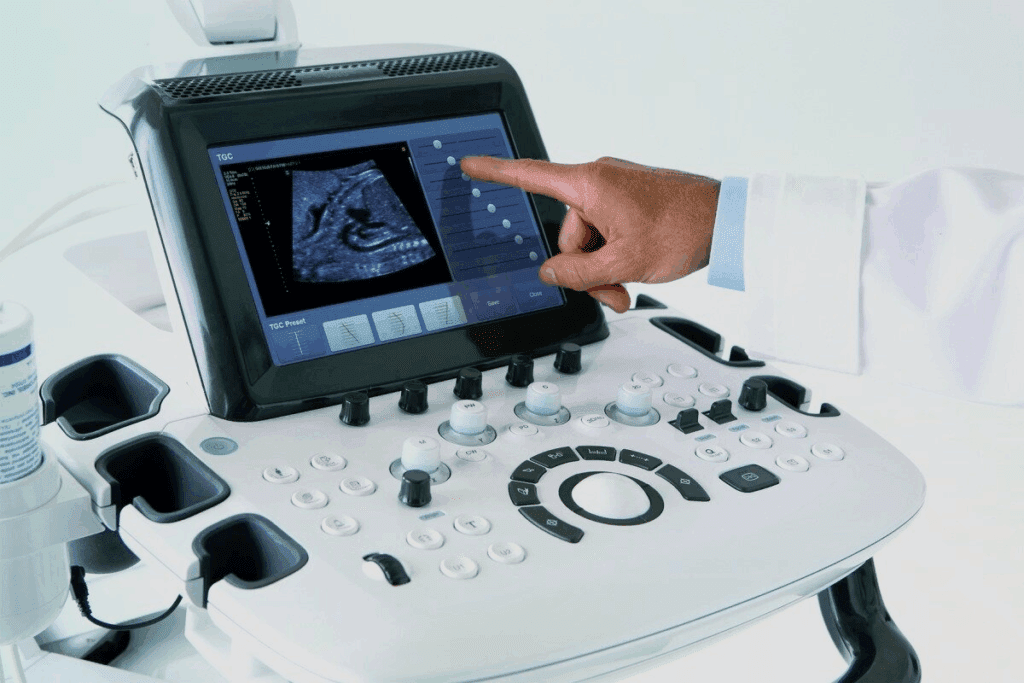
At 7 weeks pregnant, your fetus is growing fast. It’s about 9-10mm long, similar to a blueberry.
This time is key for your baby at 7 weeks pregnant. It’s when facial features, limbs, and organs start to form. Ultrasound can show you these amazing changes.
Key Takeaways
- The fetus measures approximately 9-10mm in length.
- Major developments include facial feature formation and limb bud growth.
- Specialized ultrasound imaging can monitor fetal development.
- This stage is critical for major organ system formation.
- Prenatal care is essential during this period.
The Remarkable Journey of Early Pregnancy Development
The first seven weeks of pregnancy are filled with fast growth and change for the embryo. It starts as a tiny cell and grows into a complex being with vital organs and structures forming.
From Conception to Week 7: An Overview
Right after conception, the embryo grows exponentially, reaching 10,000 times its original size by week 7. This time is key for the development of vital organs and systems. These will support the baby’s growth for the rest of the pregnancy.
The journey starts with fertilization, where a sperm meets the egg, creating a zygote. This single cell then divides and grows, eventually attaching to the uterus. By week 7, the embryo has started to form major organs like the heart, lungs, and liver, though they are in the early stages.
Key Developmental Milestones at This Stage
At 7 weeks pregnant, many important milestones are reached. The embryo’s heart starts to divide into four chambers, and the circulatory system begins to work. It pumps blood through its tiny blood vessels.
Other significant developments include:
- The formation of the neural tube, which will become the brain and spinal cord.
- The start of the digestive system, with the mouth, esophagus, and stomach forming.
- The development of limb buds, which will become arms and legs.
These milestones are vital in the fetal development process. They set the stage for further growth and maturation in the coming weeks.
Your Baby at 7 Weeks Pregnant: Size and Appearance
Your baby at 7 weeks is tiny but grows fast. They are going through big changes. It’s interesting to learn about their size and look.
Comparing to Everyday Objects: Blueberry, Grape, or Coffee Bean
Comparing your baby’s size to everyday things helps us understand. At 7 weeks, they are as small as a blueberry, grape, or coffee bean. These comparisons show just how tiny they are.
“The size of a blueberry” is a common comparison used to describe the baby’s size at 7 weeks.
Actual Measurements: Growing 10,000 Times
Your baby is about 9-10mm long at 7 weeks. This small size hides their amazing growth. They are 10,000 times larger than when they started.
This fast growth shows how complex and well-organized their development is.
Facial and Physical Features Developing at Week 7
At week 7, your baby is growing fast, with big changes in their face and limbs. These changes will shape your baby’s look.
The face is forming in a complex way. The eyes, nose, and mouth are starting to form, setting the stage for your baby’s face.
Formation of Eyes, Nose, and Mouth
By week 7, your baby’s face is changing fast. The eyes are getting shape, with the retinas starting to work. The areas that will be nostrils are becoming clear, and the nasal passages are starting to form.
The mouth is also getting shape, with the jaw and oral cavity starting. This complex process involves the coordination of multiple developmental pathways.
Facial Feature | Developmental Stage at Week 7 |
Eyes | Retinas starting to form |
Nose | Depressions for nostrils visible |
Mouth | Jaw and oral cavity forming |
Limb Buds and Paddle-like Hands and Feet
Besides facial growth, your baby’s limb buds are growing and taking shape. The arm buds look like paddles, and the lower limb buds, which will become legs, are showing up.
The hands and feet are in the early stages, but they are key steps towards fully formed limbs.
These developments are key milestones in your baby’s growth. As we move through the pregnancy journey, we’ll see more about the amazing changes happening.
Brain and Nervous System Development
By the seventh week, the baby’s brain is growing fast. Neurons are forming at a rate of 100 cells per minute. This is key for the nervous system, which will control actions like walking and breathing.
Rapid Neuron Formation
Neuron formation, or neurogenesis, is happening quickly. 100 new neurons are being created every minute. This is important for the baby’s future brain development.
As neurons form, they start to organize into different parts of the brain. These parts will handle things like movement and sensory information.
Early Brain Structure and Function
The brain’s early structure is starting to form. The neural tube, which will become the brain and spinal cord, is developing. The neural tube’s closure is a critical milestone in fetal development, happening by the end of the sixth week. By the seventh week, the neural tube has closed, and the brain is dividing into different regions.
- The forebrain will develop into structures that control higher-order cognitive functions.
- The midbrain will manage auditory and visual processing.
- The hindbrain will regulate vital functions such as heart rate and breathing.
Understanding the brain and nervous system at 7 weeks pregnant is important. As the fetus grows, these structures will evolve and mature. They will support the baby’s development throughout pregnancy and beyond.
Organ System Formation at 7 Weeks
The seventh week of pregnancy is a key time for fetal development. Major organ systems start to form. Your baby’s vital organs are growing fast, setting the stage for future growth.
Heart Development and Early Circulation
The heart is the first organ to develop. By the seventh week, it has divided into four chambers. It starts pumping blood, and the circulatory system begins to work.
This early circulation is vital. It delivers nutrients and oxygen to the embryo. The heart forms from the mesoderm, the middle layer of cells.
Digestive and Respiratory System Progress
The digestive system is advancing. The primitive gut is forming, and the liver, pancreas, and gallbladder are starting to develop. Though it’s not working yet, its formation is key for digestion after birth.
The respiratory system is also developing. The lungs are forming, and the trachea, bronchi, and bronchioles are developing. The lungs aren’t working yet, but their development is essential for survival after birth.
Other Critical Organ Systems Taking Shape
Other vital systems are also developing. The nervous system is advancing, with the neural tube forming the brain and spinal cord. The kidneys are starting to produce urine, which is excreted into the amniotic fluid. The reproductive system is also starting to develop, though the baby’s sex is not yet determinable.
By the end of the seventh week, your baby’s major organ systems have set the stage for growth. It’s a time of rapid change and advancement in fetal development. This sets the stage for the complex processes that will unfold in the coming weeks.
Skeletal and Muscular Development
At 7 weeks pregnant, your baby’s bones and muscles are growing fast. This is a key time for their structure and how they move.
Cartilage Formation: The Foundation for Bones
Cartilage is forming, which will turn into bones. Cartilage formation is a critical step in making bones. By the seventh week, this cartilage starts to harden into bone. This is vital for your baby’s bone structure.
Early Movement Capabilities
Your baby is starting to move, even if you can’t feel it yet. These early movements are spontaneous and help develop muscles and nerves. As muscles grow and nerves mature, these movements will get better. It’s an exciting time for your baby’s future activity and mobility.
These developments are not alone. The bones and muscles are working together. Their growth is connected to your baby’s overall development.
Common Pregnancy Symptoms at 7 Weeks
At 7 weeks pregnant, women often feel a mix of surprising and overwhelming symptoms. Your body is changing a lot to support the growing fetus. You might notice physical and emotional changes.
Morning Sickness: Affecting 75% of Pregnant Women
Morning sickness is a common symptom at 7 weeks, affecting about 75% of pregnant women. It can happen at any time, not just in the morning. Symptoms range from mild nausea to severe vomiting. Morning sickness is believed to be triggered by the rapid increase in hormone levels, like human chorionic gonadotropin (hCG) and estrogen.
While it’s hard to get rid of morning sickness, there are ways to make it less severe:
- Eating small, frequent meals to keep blood sugar stable
- Avoiding strong-smelling foods or triggers that can make nausea worse
- Drinking plenty of water or other fluids to stay hydrated
- Getting enough rest to help manage fatigue, which can make morning sickness worse
Fatigue and Energy Fluctuations
Fatigue is common during the seventh week of pregnancy. The increase in progesterone can make you feel sleepy. It’s important to listen to your body and rest when needed.
Here are some tips for managing fatigue:
- Getting 7-9 hours of sleep each night
- Taking short naps during the day if needed
- Doing gentle exercises, like walking, to boost energy
Breast Changes and Sensitivity
Hormonal changes can cause your breasts to feel tender, swollen, or darker. These changes are normal and usually go away after pregnancy. Wearing a supportive bra and avoiding tight clothes can help with discomfort.
Frequent Urination and Digestive Changes
As the uterus grows, it can press on the bladder, leading to more frequent urination. Hormonal changes can also affect digestion, causing constipation, bloating, or other issues. Eating a balanced diet rich in fiber and staying hydrated can help manage these symptoms.
Understanding these common symptoms can help you navigate the challenges of pregnancy at 7 weeks. If you have concerns, always talk to your healthcare provider.
Hormonal Changes and Emotional Well-being
Hormonal shifts in the seventh week of pregnancy can cause big mood swings. It’s key to know about these hormonal changes and how they affect our feelings.
Understanding Pregnancy Hormones at Week 7
At 7 weeks pregnant, the body sees big changes in hormones. The main hormone, human chorionic gonadotropin (hCG), goes up a lot early on. Estrogen and progesterone also rise, helping the baby grow and getting the body ready for pregnancy.
These changes can make us feel different. For example, the quick rise in hormones might lead to vivid dreams or trouble sleeping, as studies show.
Managing Mood Swings and Emotional Fluctuations
It’s important to handle mood swings and feeling ups and downs during this time. Here are some tips to help:
- Stay Active: Gentle exercises like prenatal yoga can help reduce stress and improve mood.
- Maintain a Balanced Diet: Eating a healthy, balanced diet can help stabilize energy levels and mood.
- Practice Relaxation Techniques: Techniques such as deep breathing, meditation, or mindfulness can help manage stress.
- Get Enough Rest: Adequate sleep is essential for emotional well-being.
Strategy | Benefits |
Staying Active | Reduces stress, improves mood |
Balanced Diet | Stabilizes energy, improves mood |
Relaxation Techniques | Manages stress, enhances well-being |
Adequate Rest | Essential for emotional health |
By understanding the hormonal changes and using these strategies, women can manage their emotional well-being better during the seventh week of pregnancy.
Vaginal Discharge and Spotting: What’s Normal?
Seeing vaginal discharge or spotting at 7 weeks pregnant can worry you. But knowing why it happens can ease your mind. At this time, many women notice changes in their vaginal discharge. This can vary in color and texture.
White Discharge at 7 Weeks Pregnant
An increase in white discharge, or leukorrhea, is normal during pregnancy, including at 7 weeks. This discharge is thin, milky, and doesn’t smell. It’s due to hormonal changes.
The more estrogen you have, the more mucus your cervix makes. This mucus can look white or cloudy. It’s usually a sign of a healthy pregnancy.
Light Brown Discharge and Spotting: When to Call Your Doctor
Light brown discharge or spotting at 7 weeks pregnant can be scary. But often, it’s not a big deal. Spotting might happen because the embryo is settling into the uterine lining or because of hormonal shifts.
It’s important to watch how much discharge you have, its color, and any other symptoms. If the discharge is a lot, you’re in a lot of pain, or it smells bad, call your doctor.
It’s a good idea to keep an eye on any changes and talk to your doctor about them. While light brown discharge and spotting can be normal, some situations need medical attention to check for any problems.
The 7-Week Pregnancy Ultrasound
Knowing what to expect at the 7-week ultrasound can make you feel more at ease. This scan is key for checking the pregnancy’s health and watching how the baby grows.
What to Expect During Your First Scan
At the 7-week scan, you’ll see your baby’s first images. The technician will look for important signs like the gestational sac and yolk sac. This is a special time to see your baby’s early growth, even if the image isn’t as clear as later ones.
Detecting the Heartbeat and Measuring Growth
Hearing your baby’s heartbeat for the first time is a big moment. The heartbeat can be found with a transvaginal or abdominal ultrasound, but transvaginal scans are more likely to show it at this time. The technician will also measure the embryo’s length to check growth and guess the due date.
Transvaginal vs. Abdominal Ultrasound
At 7 weeks, you might have a transvaginal or abdominal ultrasound, or both. A transvaginal ultrasound gives a clearer view because the probe is closer to the uterus. An abdominal ultrasound is non-invasive and shows more of the body. The choice depends on how clear the image needs to be and your situation.
This time can be both thrilling and stressful. But, the 7-week ultrasound is a common check to make sure your baby is growing well and healthy.
Nutrition and Self-Care Essentials
Nutrition and self-care are key to supporting your baby’s growth in the first trimester. Your body is changing a lot, so it’s important to eat right and stay healthy.
Critical Nutrients for First Trimester Development
In the first trimester, your baby’s organs and systems start to form. Essential nutrients like folic acid, iron, calcium, and protein are vital. Folic acid is important for preventing birth defects of the brain and spine.
Nutrient | Importance | Food Sources |
Folic Acid | Prevents birth defects of the brain and spine | Leafy greens, citrus fruits, fortified cereals |
Iron | Supports the production of red blood cells | Red meat, poultry, fish, beans, lentils |
Calcium | Essential for bone development | Dairy products, leafy greens, fortified plant-based milk |
Protein | Critical for overall growth and development | Meat, poultry, fish, eggs, dairy, legumes |
Managing Food Aversions and Cravings
Many women have food aversions and cravings in the first trimester. Catering to your new tastes and finding substitutes can help. For example, if you dislike meat, try plant-based proteins.
It’s good to listen to your body and satisfy cravings in moderation. But, it’s also important to keep your diet balanced for your baby’s growth.
Rest, Exercise, and Stress Management
Getting enough rest, exercising gently, and managing stress are important for self-care. Gentle exercises like prenatal yoga can keep you healthy and reduce stress.
Make sure to rest well and do things that relax you, like meditation or deep breathing. These activities help keep your pregnancy healthy.
Conclusion: Embracing Your Pregnancy Journey
As we wrap up our look at what a baby looks like at 7 weeks pregnant, it’s clear this time is full of big changes. It’s important to embrace your pregnancy journey, with all its ups and downs. This is key to a healthy and positive experience.
Knowing and handling the different parts of pregnancy can make it more fun. Learning about your baby’s growth helps you see how amazing their progress is.
We urge you to keep in touch with your healthcare provider, ask lots of questions, and get help when you need it. Embracing pregnancy means taking care of yourself and your baby’s growth. As you move forward, remember every step, choice, and milestone is part of the amazing journey to becoming a parent.
FAQ
What does a fetus look like at 7 weeks pregnant?
At 7 weeks, your baby is about 9-10mm long. This is the size of a blueberry, grape, or coffee bean.
What are the symptoms of being 7 weeks pregnant?
Symptoms at 7 weeks include morning sickness and feeling tired. You might also feel your breasts tender, need to pee a lot, and notice changes in your digestion.
Is white discharge normal at 7 weeks pregnant?
Yes, white discharge is common at 7 weeks. It’s important to know what’s normal and when to see a doctor.
What can I expect during a 7-week pregnancy ultrasound?
At a 7-week ultrasound, you’ll see your baby’s early growth. You might see the heartbeat and get measurements of how big your baby is.
What are the differences between transvaginal and abdominal ultrasounds?
Transvaginal ultrasounds give a closer look at the embryo. Abdominal ultrasounds show a more general view. The choice depends on your situation.
How is the baby’s brain and nervous system developing at 7 weeks?
At 7 weeks, your baby’s brain is growing fast. Neurons are forming at 100 cells per minute. This is the start of their brain and nervous system.
What are the critical nutrients needed during the first trimester?
Important nutrients in the first trimester include folic acid, iron, and calcium. These help your baby grow.
Is spotting normal at 7 weeks pregnant?
Spotting or light brown discharge is common at 7 weeks. But, it’s important to know when to see a doctor to keep you and your baby safe.
How can I manage morning sickness and fatigue at 7 weeks pregnant?
To manage morning sickness and fatigue, eat well, rest when you can, and drink plenty of water. This helps ease these symptoms.
What are the key developmental milestones at 7 weeks pregnant?
At 7 weeks, your baby’s face, limbs, and major organs start to form. This is a big step in their growth.
References
National Health Service (NHS). Fetal Development at 7 Weeks: Facial Features and Organogenesis. Retrieved from https://www.nhs.uk/best-start-in-life/pregnancy/week-by-week-guide-to-pregnancy/1st-trimester/week-7/