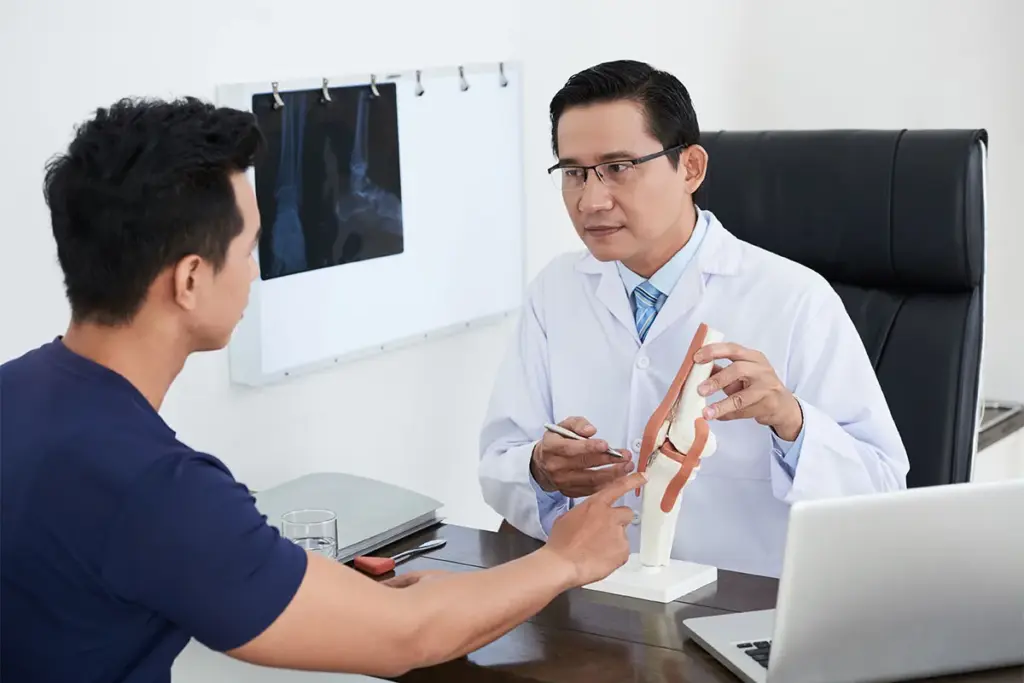
Did you know millions of people worldwide suffer from chronic back pain? This pain greatly affects their quality of life. If you’re one of them, your primary care doctor might have sent you to a spine doctor or spinal surgeon. This referral means you need specialized care for your condition.
It’s important to understand why your doctor sent you to an orthopedic surgeon. These surgeons, who focus on spinal care, are experts in treating musculoskeletal conditions. They offer complete care, from diagnosing to treating, helping patients move better and feel less pain.
Key Takeaways
- Orthopedic surgeons specialize in treating musculoskeletal conditions.
- A referral to a spine doctor or spinal surgeon indicates a need for specialized care.
- Spinal surgeons provide complete care, from diagnosis to treatment.
- Understanding your condition is key to effective treatment.
- Seeking care from a back pain expert can greatly improve your quality of life.
Understanding the Role of Orthopedic Surgeons

Orthopedic surgeons play a key role in treating many musculoskeletal issues. They handle everything from fractures to complex spinal problems. Their work is essential for diagnosing, treating, and preventing musculoskeletal disorders and injuries.
What Is an Orthopedic Surgeon?
An orthopedic surgeon is a doctor who specializes in surgery for musculoskeletal problems. They are trained to deal with various conditions, including spinal issues like herniated discs and spinal stenosis.
Educational Background and Training
Orthopedic surgeons have a long educational journey. They start with four years of college, then four years of medical school. After that, they spend five years in orthopedic surgery residency. Many also do fellowship programs for extra training.
Specializations Within Orthopedics
Orthopedics has many specializations, like orthopedic spine specialists. These specialists focus on spinal conditions. Within this, there are even more specializations, like lumbar and cervical spine specialists, who focus on specific parts of the spine.
|
Specialization |
Focus Area |
Common Conditions Treated |
|---|---|---|
|
Orthopedic Spine Specialist |
Spinal conditions |
Herniated discs, spinal stenosis |
|
Lumbar Spine Specialist |
Lower back conditions |
Degenerative disc disease, spondylolisthesis |
|
Cervical Spine Specialist |
Neck conditions |
Cervical herniated discs, cervical stenosis |
The Backbone Specialist: What Sets Them Apart
Backbone specialists are known for their advanced training and expertise. They focus on complex spinal issues. This makes them key for those with back pain.
Training and Expertise of Spine Specialists
Spine specialists get extensive training. They learn to diagnose and treat many spinal conditions. They can handle both surgery and non-surgical treatments, making care personal for each patient.
Difference Between Orthopedic Spine Surgeons and Neurosurgeons
Orthopedic spine surgeons and neurosurgeons both do spine surgery. But, they have different training and focus. Orthopedic surgeons deal with musculoskeletal issues, including the spine. Neurosurgeons focus on the nervous system, including the spine. Knowing this helps choose the right treatment for spinal problems.
Subspecialties in Spine Care
Spine care has many subspecialties. These include pediatric spine care, spinal deformity surgery, and minimally invasive spine surgery. These areas show the variety of spinal conditions and treatment options. It highlights the complexity of spine care.
Common Reasons for Referral to an Orthopedic Surgeon

Primary care doctors often send patients to orthopedic surgeons for complex musculoskeletal issues. This is key for those needing more than basic care for their spine.
Persistent Pain Despite Conservative Treatment
Those with pain that won’t go away, even with usual treatments, are sent to orthopedic surgeons. These experts use advanced methods to find and treat the root cause.
Diagnostic Uncertainty Requiring Specialist Evaluation
When a diagnosis is hard to make or the issue is complex, doctors refer patients to orthopedic surgeons. These specialists can handle a wide range of musculoskeletal problems.
Progressive Symptoms or Neurological Changes
Patients with worsening symptoms or neurological issues, like numbness or weakness, need an orthopedic surgeon. These signs often point to serious conditions needing quick, expert care.
Need for Surgical Intervention Assessment
Orthopedic surgeons check if surgery is needed. They look at how severe the condition is, its impact on life, and the surgery’s benefits and risks.
|
Condition |
Symptoms |
Potential Treatment |
|---|---|---|
|
Herniated Disc |
Back pain, numbness, tingling |
Physical therapy, surgery |
|
Spinal Stenosis |
Pain, weakness, numbness |
Medication, physical therapy, surgery |
|
Vertebral Fractures |
Severe back pain, deformity |
Bracing, vertebroplasty, surgery |
Knowing why you might see an orthopedic surgeon helps you understand your care better. By talking to a spine specialist or vertebral column specialist, you get the right care for your needs.
When Primary Care Physicians Reach Their Limits
Primary care doctors are key in managing musculoskeletal problems. But, they sometimes need to send patients to specialists. This is true when the issue is too complex or needs special care from an orthopedic surgeon or a spinal health professional.
The Scope of Primary Care in Musculoskeletal Issues
Primary care doctors can handle many musculoskeletal issues. This includes both sudden injuries and long-term problems. But, they can only manage so much. For complex spinal issues, a top spine doctor or an expert in back issues might be needed.
Recognizing When Specialist Care Is Needed
Primary care doctors must know when to send patients to specialists. They look for cases that are too hard for them, like those needing surgery or detailed tests. In these situations, an orthopedic surgeon or a chiropractic care specialist might be the best choice.
How Primary Doctors Determine When to Refer
Primary care doctors use several factors to decide when to refer. They look at how bad the symptoms are, if there are nerve problems, and if simple treatments don’t work. It’s important for primary care doctors to manage care well and know when to send patients to specialists.
|
Referral Criteria |
Description |
|---|---|
|
Severity of Symptoms |
Patients with severe or debilitating symptoms may require specialist care. |
|
Neurological Deficits |
Presence of neurological deficits, such as numbness or weakness, may necessitate a referral. |
|
Failure of Conservative Management |
If conservative treatments fail, specialist care may be needed. |
Spinal Conditions That Typically Require Orthopedic Care
Spinal health is key to our overall well-being. Certain conditions need the help of an orthopedic surgeon. These experts can handle many spinal issues, from wear and tear to injuries.
Herniated Discs and Nerve Compression
A herniated disc happens when the soft center leaks out. This can cause nerve pressure, leading to pain and weakness. An herniated disc expert can diagnose and treat, including surgery if needed.
Spinal Stenosis
Spinal stenosis narrows the spinal canal, pressing on nerves. This can cause pain and weakness in the legs. Orthopedic surgeons can treat this with surgery to ease nerve pressure.
Vertebral Fractures
Vertebral fractures can be due to weak bones or injury. They cause pain and can change the shape of the spine. A vertebral column surgeon can suggest treatments like vertebroplasty to fix the fracture.
Spinal Deformities
Conditions like scoliosis and kyphosis can greatly affect life quality. Spine specialists can offer treatments to fix these issues and improve alignment.
|
Condition |
Symptoms |
Typical Treatments |
|---|---|---|
|
Herniated Disc |
Pain, numbness, weakness |
Conservative management, surgery |
|
Spinal Stenosis |
Pain, numbness, weakness in legs |
Decompression surgery, physical therapy |
|
Vertebral Fractures |
Pain, deformity |
Vertebroplasty, kyphoplasty |
|
Spinal Deformities |
Visible curvature, pain |
Surgical correction, bracing |
In conclusion, many spinal issues can be helped by an orthopedic surgeon. They can treat herniated discs, spinal stenosis, fractures, and deformities. These specialists aim to improve spinal health and overall well-being.
Degenerative Spine Disorders and Orthopedic Intervention
It’s key to know about degenerative spine disorders to manage and treat them well. As we get older, our spines change, leading to conditions that cause pain and limit movement. This is why we need orthopedic help.
Degenerative Disc Disease
Degenerative disc disease happens when spinal discs wear out. This can cause chronic back pain and make it hard to move. Doctors might suggest treatments like physical therapy or surgery.
Facet Joint Arthritis
Facet joint arthritis makes the spine’s facet joints hurt and swell. It can make the neck and lower back very painful. Doctors might use medication and physical therapy to help.
Spondylolisthesis
Spondylolisthesis is when a vertebra slips over another. This can press on nerves and hurt. Surgery might be needed to fix the problem and ease the pain.
Age-Related Spinal Changes
Our spines change as we age, like discs getting worn out and losing flexibility. Knowing this helps doctors plan the best treatment. They can choose from many options, from non-surgical to surgical, based on how bad it is.
|
Condition |
Common Symptoms |
Typical Treatments |
|---|---|---|
|
Degenerative Disc Disease |
Chronic back pain, reduced mobility |
Conservative management, surgery |
|
Facet Joint Arthritis |
Pain, stiffness in neck and lower back |
Medication, physical therapy |
|
Spondylolisthesis |
Nerve compression, pain |
Surgical stabilization |
Knowing about degenerative spine disorders and the treatments available helps patients make better choices. It’s important to talk to an orthopedic specialist to find the right treatment.
Trauma and Injury Cases Requiring Orthopedic Evaluation
Orthopedic evaluation is key for trauma and injuries to the musculoskeletal system. These incidents often need specialized care for healing and to avoid long-term damage.
Acute Injuries to the Spine
Spinal injuries can happen from falls, accidents, or direct blows. These can cause fractures, dislocations, or serious conditions needing quick orthopedic check-ups. Timely care is vital to prevent more harm and aid recovery.
Sports-Related Back Injuries
Back injuries are common in sports, from mild strains to severe fractures. Orthopedic surgeons are key in diagnosing and treating these. They help athletes get back to their games safely. Our care aims to meet both immediate and long-term athlete health needs.
Work-Related Spine Trauma
Spine trauma at work, from lifting heavy to falls or repetitive strain, is a big issue. Orthopedic checks are critical to see how bad the injury is and plan treatment. We help patients get the care they need to heal and go back to work.
Motor Vehicle Accident Injuries
Car accidents often cause spine injuries like whiplash, fractures, or herniated discs. Quick orthopedic checks are important to treat the injury and prevent long-term problems. Our team offers caring and effective care for those recovering from such accidents.
Understanding trauma and injuries helps us see why orthopedic evaluation is so important. It aids in recovery and restoring function. Whether it’s an acute injury, sports-related, work-related, or from a car accident, timely and specialized care is key to better outcomes.
Diagnostic Procedures Performed by Spine Specialists
Spine specialists use many techniques to understand spinal problems. At places like Kaiser Permanente, they use advanced imaging and other tests to find the right diagnosis.
Advanced Imaging Interpretation
Tools like MRI and CT scans are key for diagnosing spinal issues. They give clear pictures of the spine. This helps doctors spot problems like herniated discs and spinal stenosis.
Specialized Physical Examinations
Doctors do special tests to check how well the nerves and muscles work. These tests help find out how serious the spinal problem is.
Diagnostic Injections
Diagnostic injections, like facet joint injections, help find where the pain is coming from. They numb specific areas to see if that’s where the pain is.
Electrodiagnostic Studies
Studies like electromyography (EMG) and nerve conduction studies (NCS) check muscle and nerve function. They help doctors diagnose issues like nerve damage.
By using all these tests together, spine specialists can find the right diagnosis. Then, they can create a good treatment plan for spinal problems.
Non-Surgical Treatments Offered by Orthopedic Surgeons
Orthopedic surgeons look at many non-surgical options before surgery. They want to make sure they’ve tried everything to help symptoms and improve function. We’ll talk about the non-surgical treatments they offer, like medication, physical therapy, and bracing.
Medication Management
They often start with medication management to ease pain and swelling. This can include common pain relievers, corticosteroids, or other medicines based on the patient’s needs.
Physical Therapy Prescriptions
Physical therapy is another key treatment. Orthopedic surgeons give specific exercises and therapies to boost mobility and muscle strength. For example, FirstCare Health Plans covers physical therapy to help patients get better.
Injection Therapies
For some issues, injection therapies are suggested. These can include corticosteroid shots to cut down inflammation or hyaluronic acid shots to lubricate joints.
Bracing and Supportive Devices
Lastly, bracing and supportive devices are used to stabilize and reduce stress on affected areas. These can be made to fit the patient’s exact needs.
By trying these non-surgical treatments, orthopedic surgeons can often help patients avoid surgery. Or, they can make surgery more likely to succeed if it’s needed.
Surgical Interventions for Spinal Conditions
It’s important to know about the surgical options for spinal conditions. These options range from minimally invasive to traditional open surgery. Each has its own benefits and when to use them.
Minimally Invasive Spine Surgery
Minimally invasive spine surgery has changed how we treat spinal issues. It uses smaller incisions and less tissue damage. This leads to quicker recovery times compared to traditional surgery.
According to the VA, this type of surgery has shown great results. It reduces post-operative pain and improves patient outcomes.
Benefits of Minimally Invasive Spine Surgery:
- Smaller incisions
- Less blood loss
- Reduced risk of infection
- Shorter hospital stays
Traditional Open Spine Procedures
Traditional open spine procedures are more invasive but sometimes needed. They offer a wider view of the spine. This is useful for complex reconstructions and corrections.
“The choice between minimally invasive and open spine surgery depends on the specific condition, its severity, and the patient’s overall health.” – Expert Opinion
Emerging Surgical Technologies
Spinal surgery is always evolving. New technologies like robotic-assisted surgery and advanced imaging are improving procedures. These advancements help surgeons perform complex tasks with more precision and fewer complications.
Weighing Surgical vs. Non-Surgical Options
Choosing between surgery and non-surgical options requires careful thought. Factors include symptom severity, quality of life impact, and overall health. It’s essential to talk to a healthcare provider to find the best treatment plan.
Key Considerations:
- Severity of symptoms and impact on daily life
- Response to previous treatments
- Potential risks and benefits of surgery
- Alternative non-surgical treatments available
Understanding surgical options and their benefits helps patients make informed decisions. This is best done with the guidance of healthcare providers.
What to Expect at Your First Appointment
Getting ready for your first visit with an orthopedic surgeon can ease your worries. It’s a big step, but knowing what to expect can help a lot.
Required Medical Records and Imaging
It’s key to bring all your medical records and scans to your first visit. This includes:
- Previous X-rays, MRIs, or CT scans
- Medical history, including previous diagnoses and treatments
- A list of current medications and supplements
- Any relevant medical records from other healthcare providers
Having these ready lets your surgeon understand your situation well. They can then plan the best treatment for you.
Typical Examination Process
Your surgeon will do a detailed check-up at your first visit. This might include:
- A review of your medical history
- A physical examination, including tests to assess strength, flexibility, and range of motion
- A discussion of your symptoms and how they impact your daily activities
This thorough check-up helps your surgeon know exactly what you need. They can then suggest the best treatment for you.
Questions to Prepare
It’s smart to write down questions for your surgeon before your visit. Some good ones to ask are:
- What is my diagnosis and what are the underlying causes?
- What treatment options are available, and which do you recommend?
- What are the possible risks and benefits of each treatment option?
- What can I expect during the recovery process?
These questions help you understand your condition and the treatment plan better.
Addressing Anxiety About Seeing a Specialist
It’s normal to feel nervous about seeing a specialist. But our orthopedic surgeons are here to help. They offer caring and detailed care. Being ready and informed makes you feel more confident and in charge.
Being prepared for your doctor’s visit improves your experience. We agree, stressing the importance of being informed and active in your care.
The Referral Process Explained
Getting a referral to an orthopedic surgeon is often needed for specialized care. This process has several key parts. Patients should understand these to move through their healthcare journey well.
Insurance Requirements for Specialist Referrals
Insurance rules are key in the referral process. Many plans need a referral from a primary care doctor to see a specialist. It’s important to check your insurance policy to know their specific rules.
Navigating Authorizations and Approvals
Dealing with authorizations and approvals can be tricky. Patients should work closely with their healthcare provider’s office. Timely communication between the patient, primary care doctor, and specialist is key.
Self-Referral vs. Physician Referral
Some insurance plans let you self-refer to specialists, but many need a doctor’s referral. Knowing the difference helps patients make better care choices.
Timeframes and Wait Lists
Waiting times for appointments can vary a lot. Patients should ask about wait lists and plan ahead. This ensures they get care on time.
Financial Considerations When Seeing a Spine Specialist
When thinking about seeing a spine specialist, money matters a lot. Knowing what it costs can help you make smart choices about your health.
Insurance Coverage for Orthopedic Care
Most health insurance plans cover visits to orthopedic specialists, including spine specialists. But, how much they cover can really differ.
Before you book an appointment, check your insurance. Find out if you need a referral from your doctor and what you’ll pay out of pocket.
Understanding Out-of-Pocket Costs
Seeing a spine specialist can cost you money. This includes copays, deductibles, and any extra costs for tests or procedures not covered by insurance.
Talk to your doctor’s billing team to get a good idea of what you’ll pay.
Questions to Ask About Billing
When you set up your appointment, ask about billing and costs. Some important questions are:
- What are the charges for the first visit?
- Are there extra costs for tests or procedures?
- How will insurance handle the claim?
Financial Assistance Options
If money is tight, there are ways to get help. Some doctors offer financial aid or lower fees based on your income.
Veterans can find out about financial help for spine care from the VA.
|
Financial Assistance Program |
Description |
Eligibility |
|---|---|---|
|
Sliding Scale Fees |
Fees adjusted based on income |
Low-income individuals |
|
VA Financial Assistance |
Assistance for veterans |
Veterans with service-related conditions |
|
Charity Care Programs |
Free or reduced-cost care |
Uninsured or underinsured individuals |
When to Seek a Second Opinion
Getting a second opinion is a key part of your health care. It can give you more information and peace of mind. Even Kaiser Permanente supports this as part of their care plan.
Signs You Might Benefit from Another Perspective
Here are some signs you might need a second opinion:
- Uncertainty about your diagnosis or treatment plan
- Concerns about the severity of your condition
- Lack of improvement with current treatment
- Desire for alternative treatment options
Talking to your primary doctor can help. But if you’re not sure, a second opinion is very helpful.
How to Request a Second Opinion
Here’s how to ask for a second opinion:
- Tell your primary doctor you want a second opinion.
- Get your medical records and imaging studies ready.
- Find a specialist or hospital for the second opinion.
- Book an appointment and make sure they have your records.
Discussing Second Opinions with Your Current Doctor
Talking to your doctor about a second opinion is important. Tell them why you want one and ask for their advice. Many doctors see second opinions as a chance to check their work.
Finding Another Qualified Specialist
To find a good specialist for a second opinion, try these steps:
- Ask your primary doctor for suggestions.
- Check with your insurance for specialists in your network.
- Look online for specialists with experience in your condition.
By following these steps, you can make a better choice for your health. You’ll feel more confident in your decisions.
Collaborative Care: How Specialists Work with Your Primary Doctor
When your primary doctor sends you to a specialist, you might wonder how they’ll work together. They focus on giving you the best care possible, centered around you.
Communication Between Healthcare Providers
Good teamwork starts with clear talk between your primary doctor and the specialist. They share important health info, test results, and treatment plans. This way, they work as one to help you.
FirstCare Health Plans stresses the value of working together in healthcare. They say a well-coordinated team is key to better care.
Coordinated Treatment Plans
Your healthcare team creates a plan just for you. They consider your health history, current state, and what you prefer. This way, your primary doctor and specialist make sure you get all the care you need.
Follow-Up Care After Specialist Treatment
After seeing a specialist, it’s important to check in and adjust your care if needed. Your primary doctor is there to support you and make sure you get the right care.
The Patient’s Role in Care Coordination
You’re a big part of your care team. Keep your doctors updated on your health, ask questions, and follow your treatment plan. This helps make sure you get the best care possible.
Conclusion: Making the Most of Your Orthopedic Referral
When your doctor sends you to an orthopedic surgeon, it’s a big step. It shows you’re serious about fixing your spinal health. We’ve talked about why you might need this, like dealing with pain or complex spinal issues.
To get the most out of this referral, be ready for your visit. Know your treatment choices and help plan your care. A spine expert will team up with your doctor for full care. This way, you can tackle spinal health problems and get better results.
Getting an orthopedic referral is a smart move for your spine. Don’t just sit back; be involved in your care. Ask questions and get a second opinion if you need to. With the right help, you can take back control of your spinal health and feel better overall.
FAQ
What is a back doctor called?
A back doctor is often called an orthopedic surgeon or a spine specialist. They deal with spine and musculoskeletal issues. They diagnose and treat problems related to the spine.
What does a spine specialist do?
A spine specialist treats spine problems like herniated discs and spinal stenosis. They use surgery and non-surgical methods. This includes medication, physical therapy, and injections.
What is the difference between an orthopedic spine surgeon and a neurosurgeon?
Orthopedic spine surgeons and neurosurgeons both treat spine issues. But they come from different backgrounds. Orthopedic surgeons focus on musculoskeletal disorders. Neurosurgeons deal with nervous system problems, including the spine and brain.
When should I see a spine specialist?
See a spine specialist if your back pain doesn’t get better with usual treatments. If your symptoms get worse or you notice neurological changes. Or if you have a spinal condition needing special care.
What can I expect during my first appointment with an orthopedic surgeon?
At your first visit, the surgeon will look at your medical history and do a physical exam. They might order tests like X-rays or an MRI. They’ll talk about your condition, treatment options, and answer your questions.
How do I prepare for my first appointment with a spine specialist?
Prepare by collecting all your medical records and test results. Write down your symptoms, medical history, and any questions. This helps make your consultation more productive.
What are the common spinal conditions that require orthopedic care?
Common spinal issues include herniated discs, spinal stenosis, and vertebral fractures. These can cause a lot of pain. An orthopedic surgeon can help with these conditions.
What are the non-surgical treatments offered by orthopedic surgeons?
Orthopedic surgeons offer many non-surgical treatments. This includes medication, physical therapy, injections, and bracing. These aim to reduce pain and improve function without surgery.
When is surgical intervention necessary for spinal conditions?
Surgery might be needed if non-surgical treatments don’t work. Or if there are significant neurological problems or instability. The decision to have surgery depends on the condition’s severity and your health.
How do I know if I need a second opinion for my spinal condition?
You might want a second opinion if you’re unsure about your diagnosis or treatment. If you’re not getting better with current treatment. Talking to your doctor about your concerns can help decide if another opinion is needed.
What is the role of primary care physicians in managing musculoskeletal issues?
Primary care physicians are key in managing musculoskeletal problems. They do initial assessments, suggest treatments, and refer to specialists when needed. They help ensure patients get the right care.
Reference
National Center for Biotechnology Information. Evidence-Based Medical Insight. Retrieved from https://pmc.ncbi.nlm.nih.gov/articles/PMC4603263/